
New Zealand Great Walks: Milford, Routeburn & More
New Zealand’s Department of Conservation manages eleven official long-distance tracks known as the New Zealand Great Walks. Each one is well-formed, well-signed, and equipped with huts or campsites along the way. Unlike a standard backcountry tramp, these walks don’t require advanced navigation skills. They do reward decent fitness and, on the alpine sections, a genuine respect for changeable weather. This guide covers seven of the most popular New Zealand Great Walks. We’ve included what to expect, how long each one takes, and when to go.
The Great Walks List:
- Abel Tasman Coast Track (South Island)
- Heaphy Track (South Island)
- Kepler Track (South Island)
- Lake Waikaremoana Track (North Island)
- Milford Track (South Island)
- Paparoa Track (South Island)
- Rakiura Track (Stewart Island)
- Routeburn Track (South Island)
- Tongariro Northern Circuit (North Island)
- Tuatapere Hump Ridge Track (South Island)
- Whanganui Journey (North Island – river canoe trip)
What Makes the New Zealand Great Walks Different
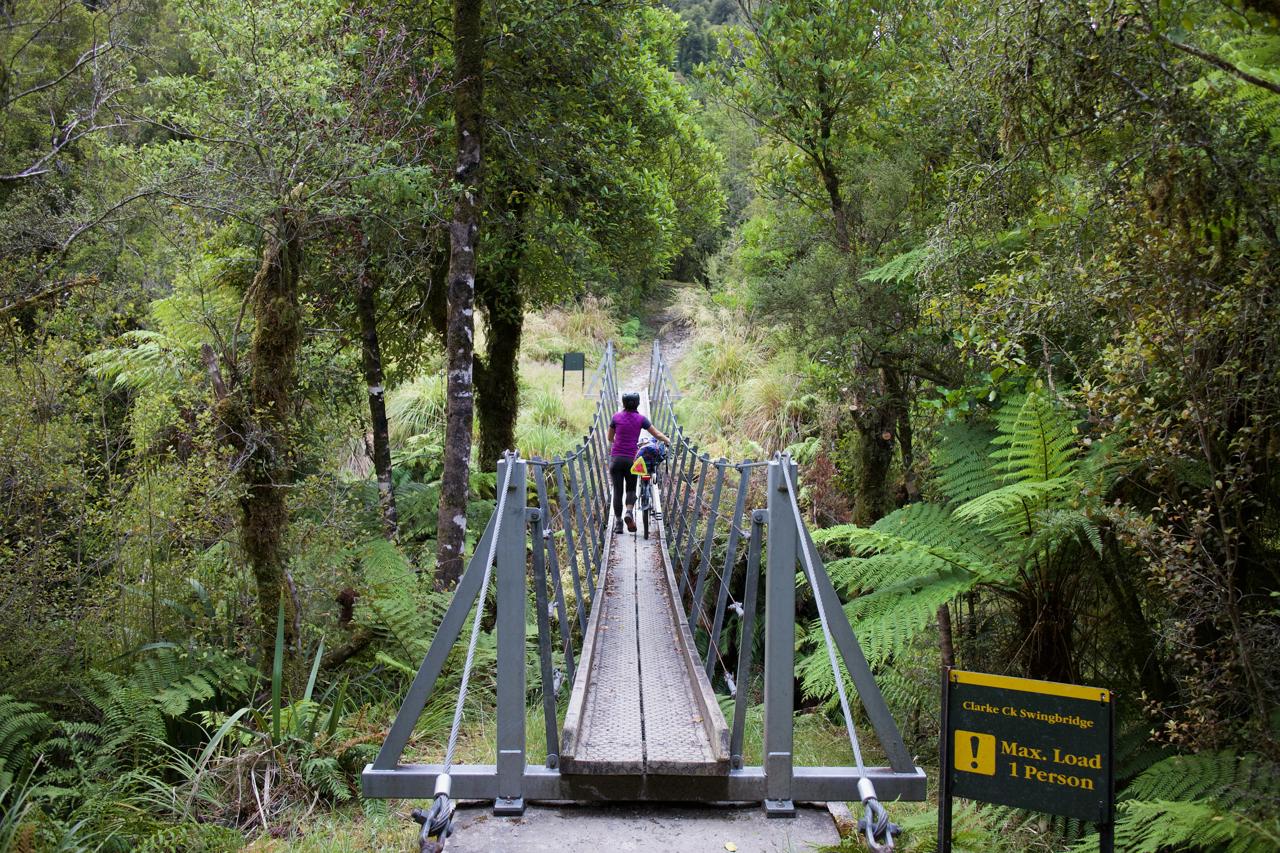
Not every hike in New Zealand qualifies as a Great Walk. The New Zealand Great Walks are a specific, DOC-managed category. They come with maintained huts, bridged river crossings, and clearer track markers than standard backcountry routes. Bookings are required for huts and campsites on every Great Walk. Popular tracks sell out months in advance during the main summer season.
Most Great Walks run from late October through April, when huts are fully serviced with gas cookers and resident wardens. Outside this window, several tracks remain open but shift to a more basic, unserviced “winter” status. This suits experienced trampers better.
New Zealand Great Walks at a Glance
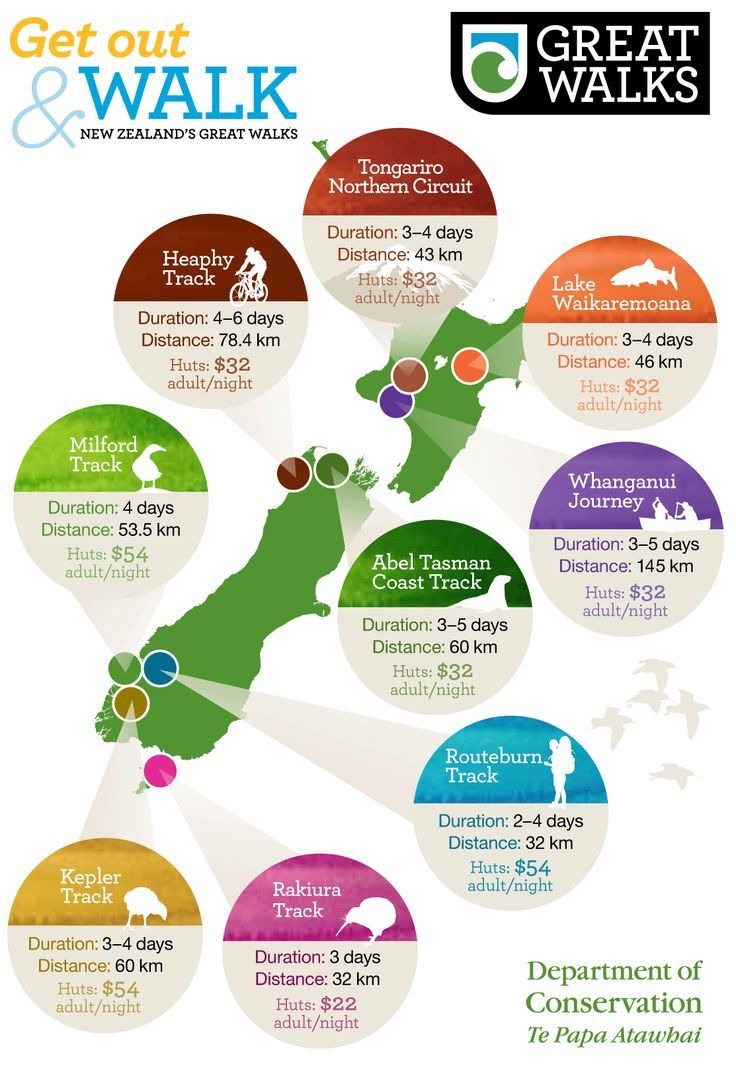
- Milford Track: 53.5 km, 4 days, Fiordland National Park, South Island
- Routeburn Track: 32 km, 2 to 3 days, Fiordland and Mount Aspiring National Parks, South Island
- Tongariro Northern Circuit: 43 km, 3 to 4 days, Tongariro National Park, North Island
- Abel Tasman Coast Track: 60 km, 3 to 5 days, Abel Tasman National Park, South Island
- Kepler Track: 60 km, 3 to 4 days, Fiordland National Park, South Island
- Heaphy Track: 78.4 km, 4 to 6 days, Kahurangi National Park, South Island
- Rakiura Track: 32 km, 3 days, Stewart Island
These figures are a useful starting point, but conditions and personal pace can shift the numbers. Always check current DOC track information before you commit to dates.
1. Milford Track, Fiordland National Park
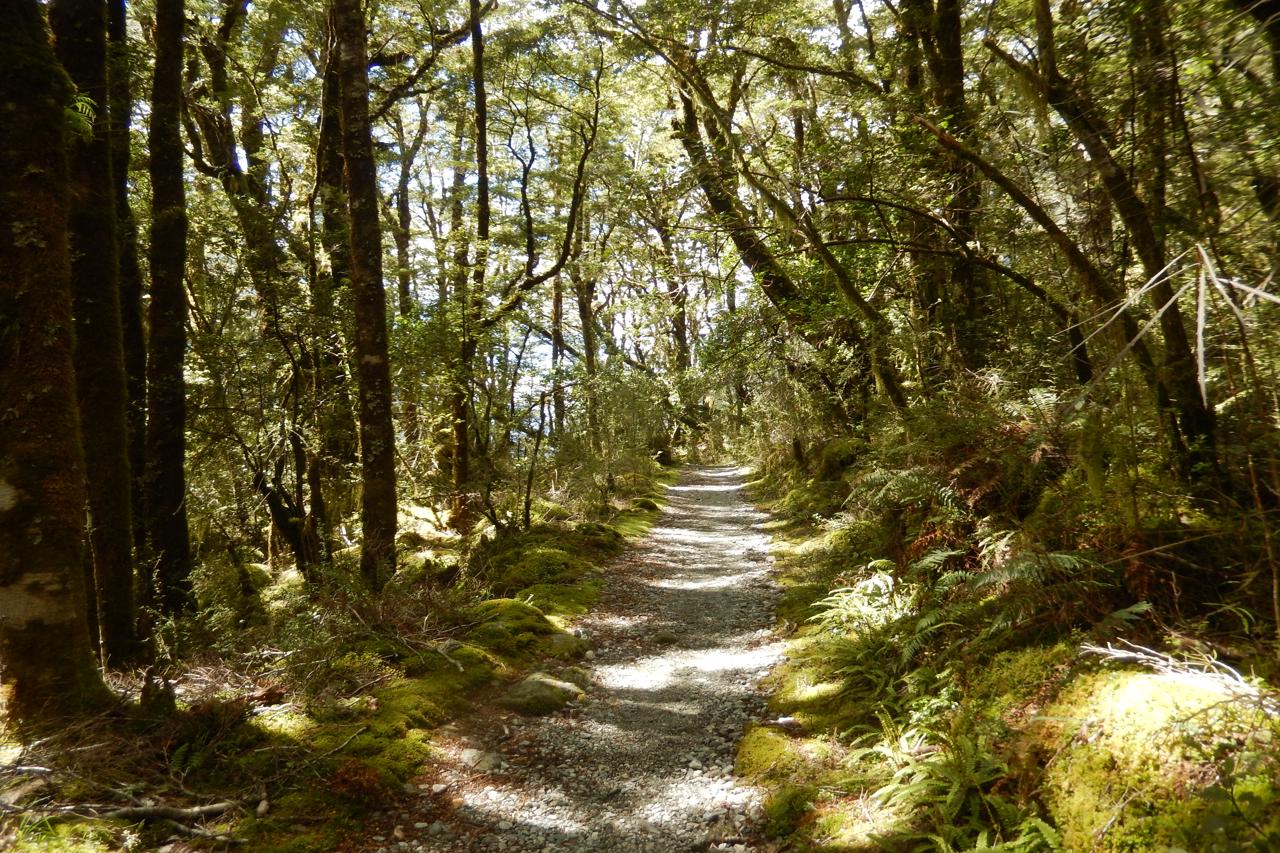
The Milford Track is the most famous of the New Zealand Great Walks, often billed as “the finest walk in the world.” It runs 53.5 kilometres over four days. The route leads from Lake Te Anau through Fiordland’s rainforest and alpine passes to Milford Sound. Along the way, you’ll pass Sutherland Falls, one of the tallest waterfalls in the country.
Because the environment is so fragile, numbers are strictly limited. You must walk it in one direction, staying in the same three huts each night. Bookings open well in advance and typically sell out fast, so plan early if this is your priority hike. If you can’t secure a Milford Track spot, our Fiordland day tours and activities page covers other ways to experience the region.
2. Routeburn Track, Fiordland and Mount Aspiring National Parks
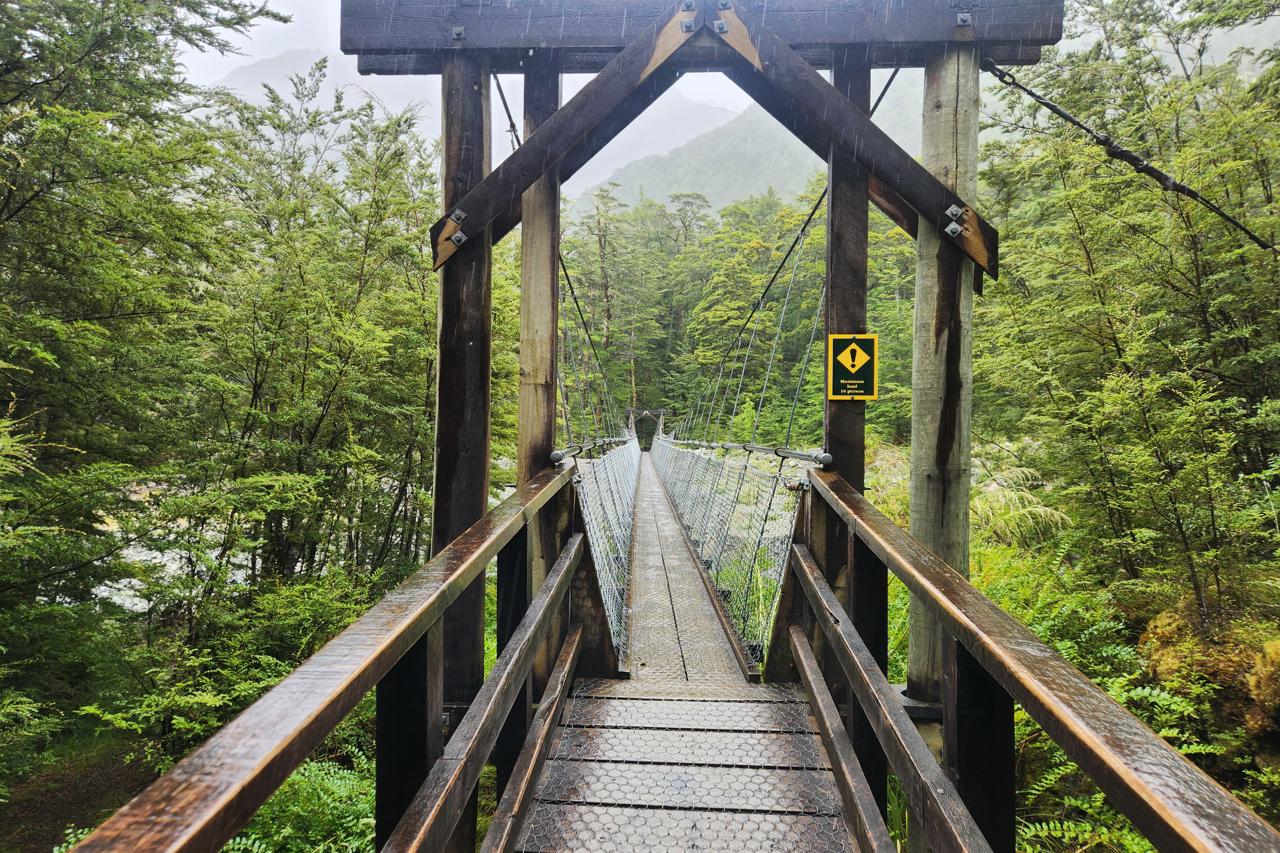
The Routeburn Track crosses between Fiordland and Mount Aspiring National Parks over 32 kilometres. It’s usually completed in two to three days. It’s shorter than the Milford Track but arguably just as scenic. Expect alpine tarns, waterfalls, and sweeping views from the Harris Saddle. Many trampers rank it among the best of the New Zealand Great Walks. It packs a huge amount of variety into a shorter distance.
The track can be walked from either end, giving you more flexibility around transport and timing. Because it links two national parks, arranging a shuttle between trailheads takes some planning. Booking ahead through DOC is essential during the main season.
3. Tongariro Northern Circuit, Tongariro National Park
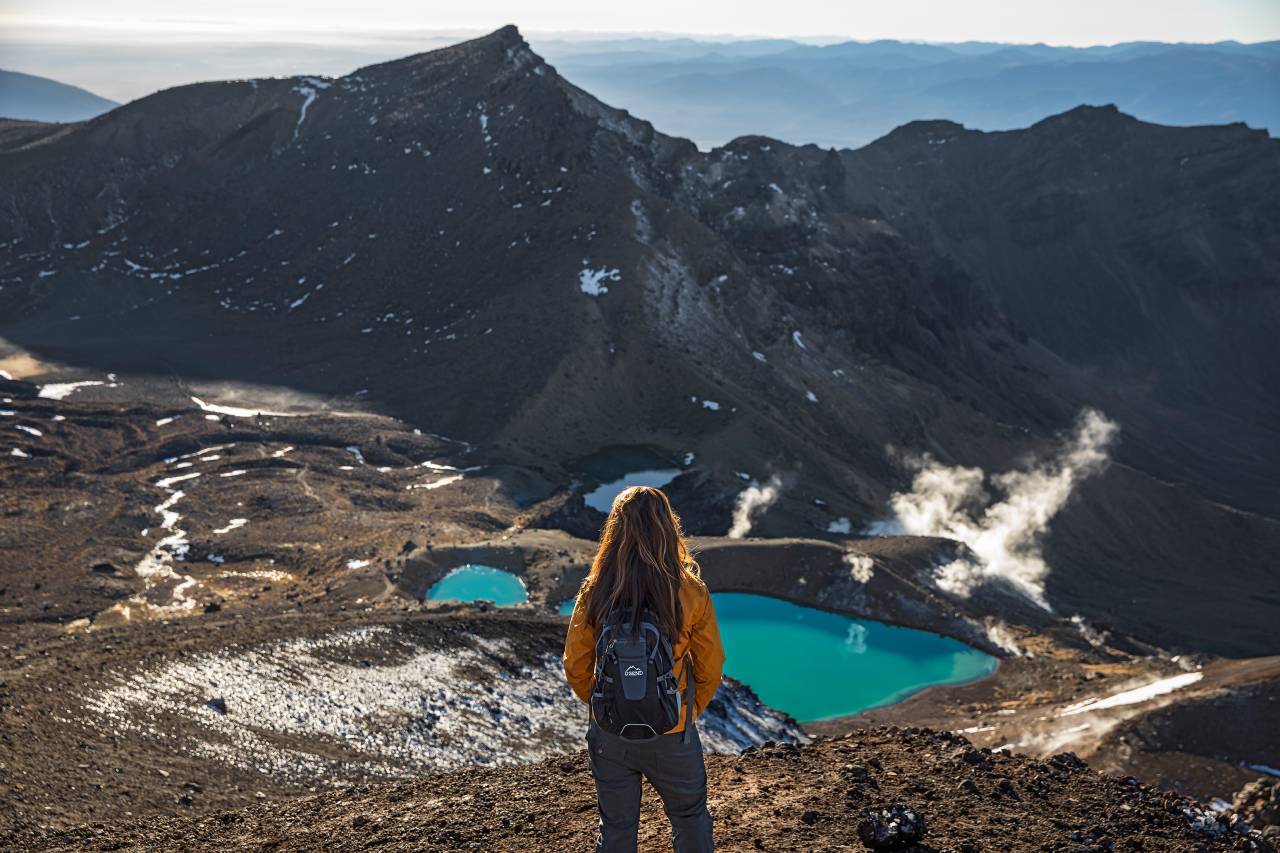
The Tongariro Northern Circuit is a 43-kilometre loop through the volcanic heart of the North Island. It circles Mount Ngauruhoe, better known to Lord of the Rings fans as Mount Doom, over three to four days. The second day follows part of the Tongariro Alpine Crossing. It’s widely considered one of the best single-day hikes in the country.
Expect steaming vents, rust-coloured craters, and vivid emerald lakes along the way. This is a genuinely volcanic landscape, and the terrain can change quickly with weather. If you only have a day rather than several, the Tongariro Alpine Crossing section alone still delivers most of the highlights. Our hiking tours page includes guided options for both the full circuit and the shorter crossing.
4. Abel Tasman Coast Track, Abel Tasman National Park
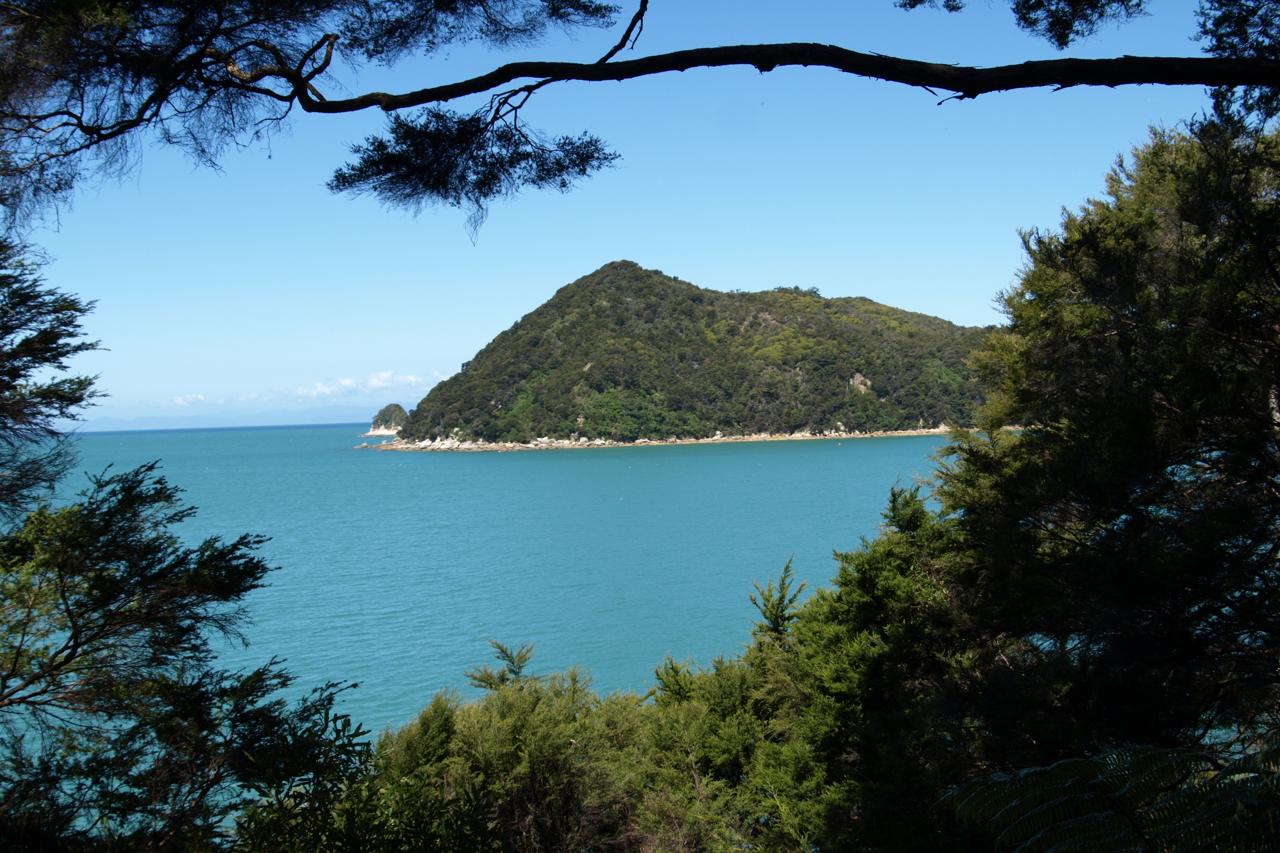
The Abel Tasman Coast Track is the most popular of the New Zealand Great Walks. It’s easy to see why. Golden beaches, native bush, and clear turquoise water line the route for 60 kilometres. Most people walk it over three to five days. Unlike most other Great Walks, sections of this track can be shortened using water taxis. That makes it accessible even if you don’t have time for the full trek.
The relatively gentle terrain and mild coastal climate make this a good choice. It suits less experienced trampers or families with older children. Our South Island tours page includes itineraries that pass through the Abel Tasman region.
5. Kepler Track, Fiordland National Park
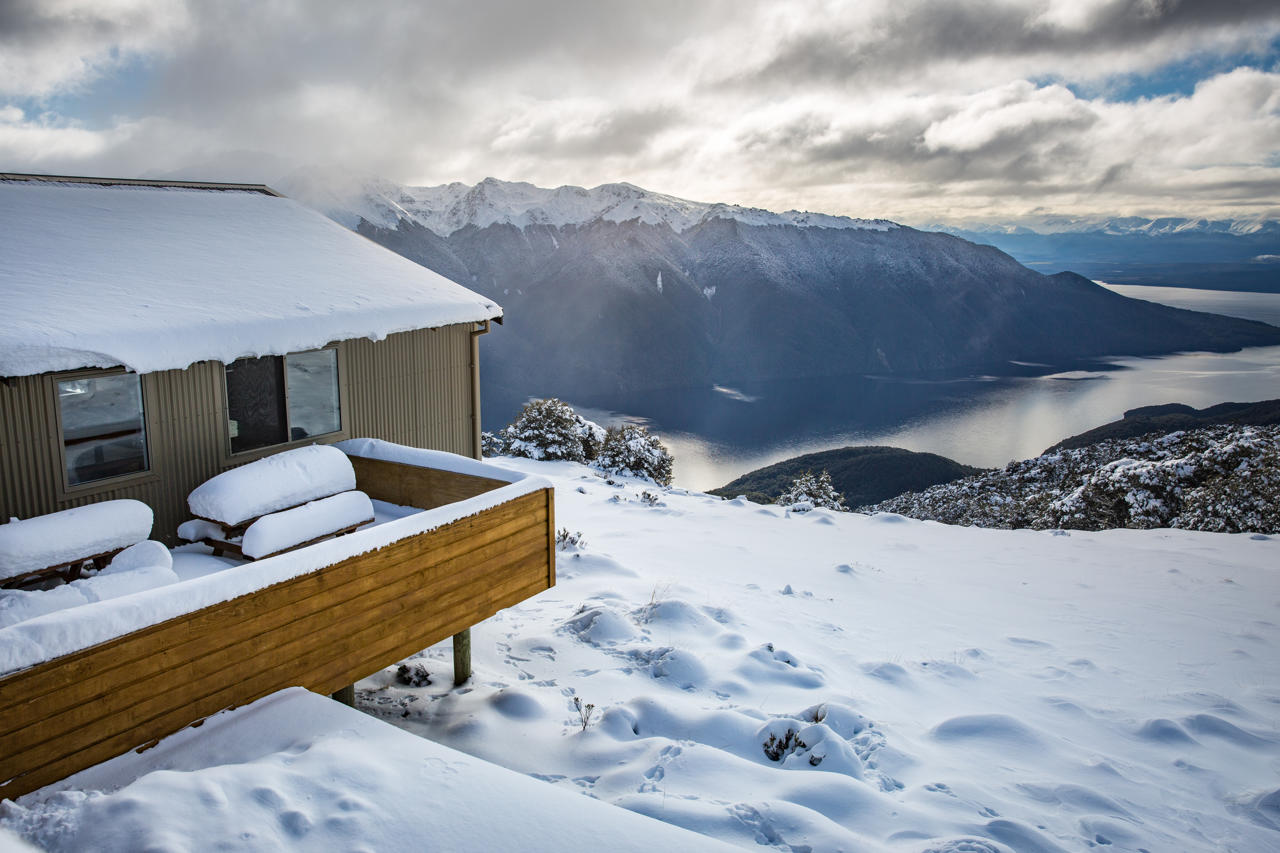
The Kepler Track loops 60 kilometres through Fiordland over three to four days. It takes in ridgeline walking, beech forest, and views over Lake Te Anau and Lake Manapouri. It was purpose-built as a Great Walk rather than adapted from an older route. That shows in how well-graded the track is, even on its steeper alpine sections.
The exposed ridge section above the bushline is the highlight for most trampers. It’s also the section most affected by bad weather. Check forecasts carefully before setting out, since high winds can make this stretch genuinely dangerous. Huts fill quickly in summer, so book as early as you can.
6. Heaphy Track, Kahurangi National Park

At 78.4 kilometres, the Heaphy Track is the longest of the New Zealand Great Walks. It’s usually completed over four to six days. It’s also one of the most varied. The route runs from beech forest and limestone karst in the east to nikau palm-fringed beaches on the West Coast. Few other tracks in the country shift landscape this dramatically over a single route.
Much of the Heaphy sits at lower altitude than tracks like the Kepler or Routeburn. That keeps it accessible for most of the year, even outside the main summer season. It’s also open to mountain bikers during winter months, which is unusual among the Great Walks.
7. Rakiura Track, Stewart Island
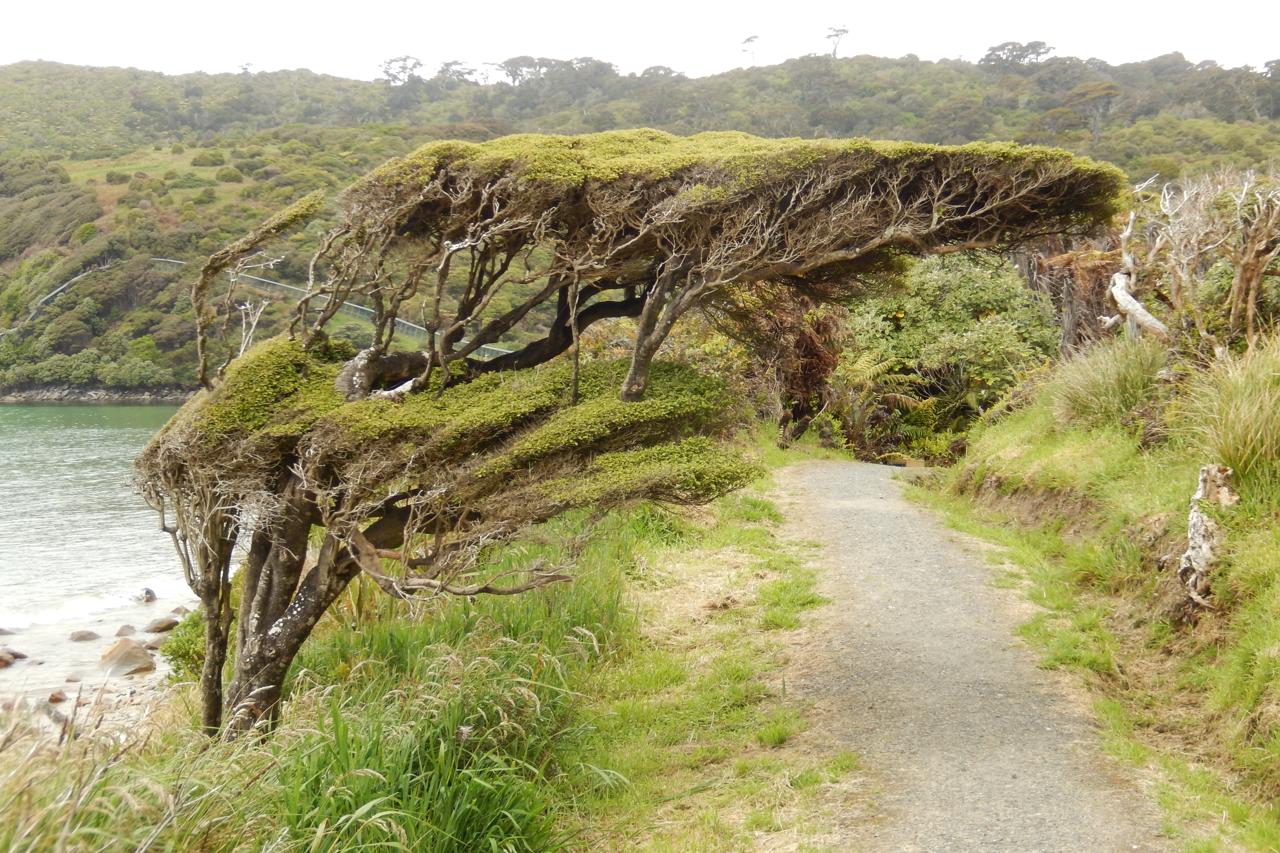
The Rakiura Track on Stewart Island is a shorter, more rugged 32-kilometre loop, typically walked over three days. It’s less polished than some of the mainland Great Walks, with muddier sections and a genuine backcountry feel. It makes up for that with excellent birdlife and a real chance of spotting a wild kiwi. Stewart Island remains one of the best places in the country for that kind of encounter.
Because it’s a loop, no shuttle arrangements are needed, which simplifies logistics considerably. Our Stewart Island tours and activities page covers other ways to explore the island alongside the track itself.
Planning and Booking New Zealand Great Walks
Booking is the single most important part of planning around the New Zealand Great Walks. DOC releases hut and campsite bookings for the following summer season several months ahead. The most popular tracks, especially the Milford and Routeburn, sell out within days. If your dates are flexible, booking outside the peak December to February window generally means a much easier process.
Fitness matters more than technical skill for most of these walks. Multi-day tracks with a full pack are demanding, regardless of trail quality. A few shorter practice hikes beforehand are worth the effort if you’re not a regular tramper. Weather can shift fast on any alpine section, so pack layers and waterproofs even in summer. A lightweight rain jacket, warm mid-layer, and sturdy broken-in boots make a bigger difference to your experience than almost any other piece of gear.
If you’d rather not manage logistics yourself, a small group tour can help. It takes care of hut bookings, transport, and pacing. A self-drive New Zealand tour works well too. It’s a good fit if you want to combine one or two Great Walks with a wider road trip. Our guide to the best time to visit New Zealand can help you match your plans to the right season.
Which New Zealand Great Walk Should You Choose First?
If you want the most famous experience, the Milford Track remains the benchmark among the New Zealand Great Walks. It does demand the most advance planning. For a shorter, equally scenic option, the Routeburn Track or the Tongariro Northern Circuit are both excellent starting points. Families or less experienced hikers will likely get the most out of the Abel Tasman Coast Track. Its gentler terrain and water taxi shortcuts make it more forgiving.
Browse our national parks page for more on the landscapes these walks pass through. Or check our full range of New Zealand tours to find an itinerary built around hiking. For more travel inspiration, visit the NZ Tourism Tours travel blog.