
Tuatapere Hump Ridge Track: Complete Guide to New Zealand’s Newest Great Walk
The Tuatapere Hump Ridge Track is one of the best multi-day hikes in the South Island. It is also still one of the least crowded. The track sits at the bottom of Fiordland National Park, in the far south of Southland. In October 2024, it became New Zealand’s 11th official Great Walk. That gave it national recognition. But it has not yet drawn the crowds that pack the Milford or Routeburn tracks each season. For hikers who want Great Walk scenery without Great Walk queues, this track is hard to beat.
This guide covers everything you need to plan the trip. You will find the day by day itinerary, difficulty and fitness expectations, cost, the difference between independent and guided walking, and the best time of year to go. We also cover how to fit the track into a wider South Island trip.
Tuatapere Hump Ridge Track at a Glance
Here are the key facts before you dive into the details.
| Detail | Information |
| Location | Tuatapere, Southland, near Fiordland National Park |
| Distance | Around 61 km loop |
| Duration | 3 days, 2 nights |
| Difficulty | Intermediate to advanced |
| Elevation gain | Approximately 1,950 metres |
| Great Walk status | New Zealand’s 11th Great Walk (October 2024) |
| Managed by | Tuatapere Hump Ridge Track Charitable Trust, in partnership with DOC |
| Best season | November to April, with shoulder season options in October |
Where Is the Tuatapere Hump Ridge Track
The track starts and finishes near the small town of Tuatapere, in western Southland. Tuatapere sits about two and a half hours from Te Anau by road. It also sits within reach of Invercargill, which has the nearest regional airport. The trailhead itself is at Rarakau, on the western edge of Te Waewae Bay.
This part of New Zealand rarely makes it onto a first time visitor’s itinerary. Most travellers head straight for Milford Sound or Queenstown instead. That is exactly what makes the Hump Ridge Track appealing. You get genuine Fiordland wilderness, without sharing the trail with hundreds of other hikers.
Hump Ridge Track Overview: Distance, Duration, and Difficulty
The Hump Ridge Track runs as a 3 day, 2 night loop. Total distance sits around 61 kilometres, though some older sources list it closer to 55 kilometres. Either way, expect long walking days. Most hikers cover 7 to 9 hours of walking per day. Total elevation gain across the trip is roughly 1,950 metres.
Difficulty ratings vary a little between sources. Most land somewhere between intermediate and advanced. The track is well formed and well maintained throughout. But the terrain shifts constantly. You will cross beaches, native forest, boardwalk sections, and a genuine alpine climb on day two. A reasonable level of fitness matters more here than technical hiking skill. Most healthy adults who do some regular walking beforehand manage the track comfortably.
Why the Hump Ridge Track Became New Zealand’s 11th Great Walk
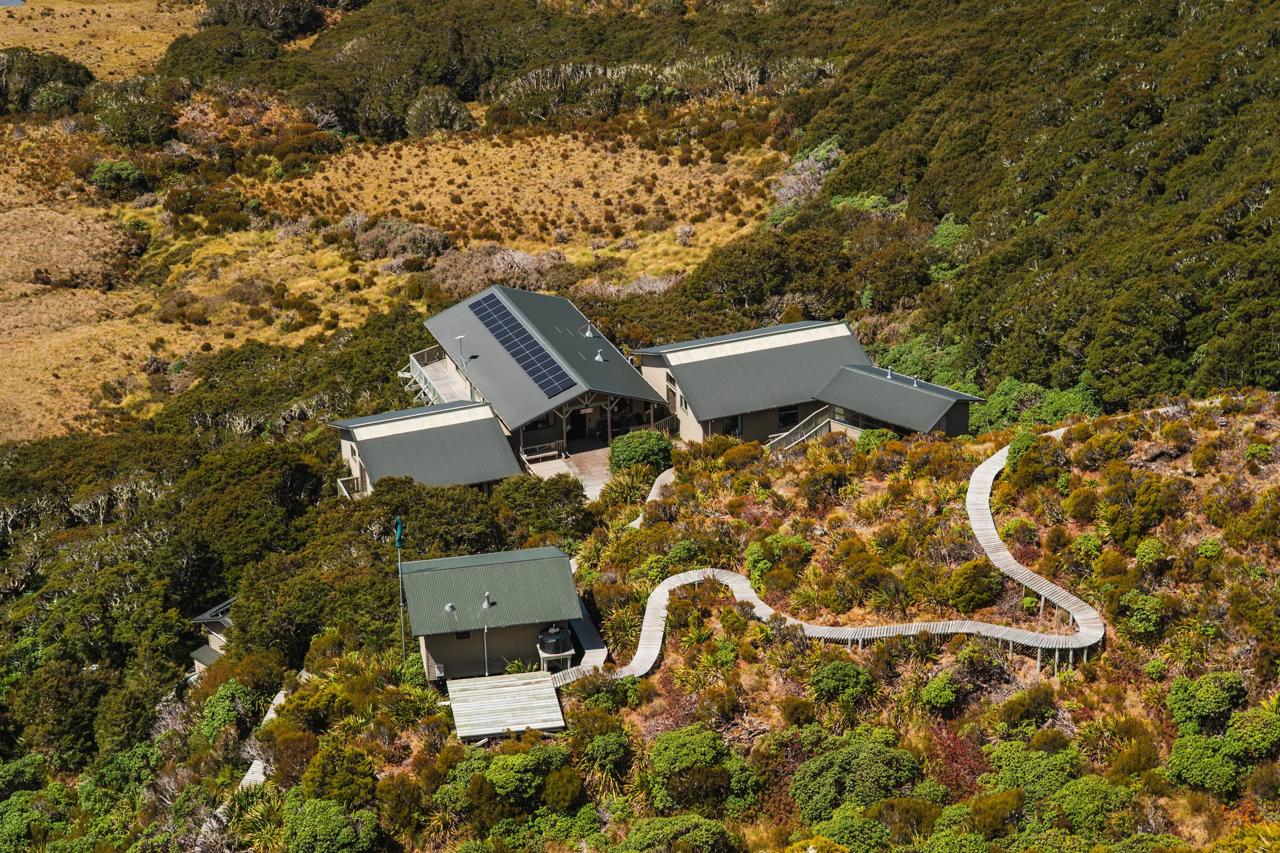
Great Walk status is not handed out casually. New Zealand’s Department of Conservation reserves it for a small group of tracks. These tracks combine outstanding scenery, well built infrastructure, and manageable access. The Hump Ridge Track earned that status in October 2024. It joined tracks like the Milford, Routeburn, and Kepler.
What sets it apart from the other Great Walks is who runs it. Most Great Walks are managed directly by DOC. The Hump Ridge Track is managed by a local charitable trust instead. That trust grew out of a partnership between the Tuatapere community and DOC. The partnership itself grew out of the area’s old logging industry. When logging wound down, the local community needed a new economic base. They developed the track as a way to bring tourism into the region.
That local, private management explains the extra touches you will not find on most other Great Walks. Hot showers, licensed bars at the lodges, and fully catered guided trips are all part of the package, if you want them.
Do You Need a Great Walks Pass for the Hump Ridge Track
Most of New Zealand’s Great Walks use a standard DOC Great Walks pass system for hut and campsite bookings. The Hump Ridge Track works a little differently, because it is privately managed rather than run directly by DOC. Instead of a standard Great Walks pass, you book directly through the Tuatapere Hump Ridge Track Trust. Pricing and booking channels differ between the independent hut option and the guided lodge packages, so check current rates and availability directly with the trust before you finalise your dates.
This distinction matters if you are planning a trip that combines several Great Walks in one visit. Do not assume a pass or booking system that works for the Milford or Kepler will also apply here. Always confirm booking requirements for each track individually, since the Hump Ridge Track’s private management means its process is genuinely different.
A Short History: Port Craig and the Old Sawmill Line
The Hump Ridge Track is not just a scenic walk. It also runs through real New Zealand history. Port Craig, on the coastal section of the loop, was once home to one of the largest sawmills in the Southern Hemisphere. In its heyday during the early 20th century, the mill employed hundreds of workers, and a small town grew up around it.
Timber was hauled out of the surrounding forest on a bush tramline. Several of the large wooden viaducts you cross on day three were originally built for that tramline, not for hikers. When the mill closed, the settlement was largely abandoned. The forest slowly reclaimed most of it. Today, walking through Port Craig feels a little like stepping into an open air museum, with old machinery and building foundations still visible among the trees.
Tuatapere Hump Ridge Track 3 Day Itinerary
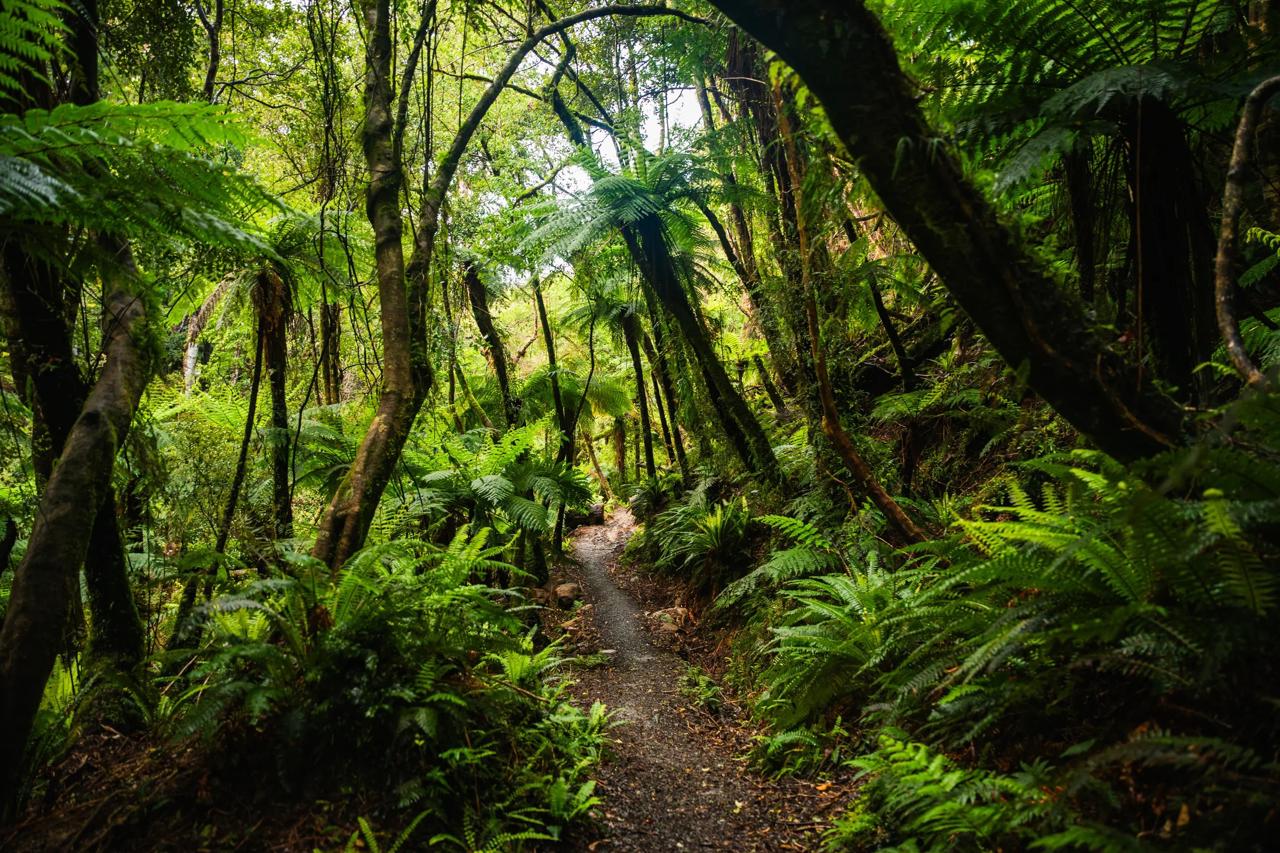
Here is what each day on the track actually looks like.
Day 1: Rarakau to Okaka Lodge (Around 22km)
The first day is the longest. It also sets the tone for the whole trip. You start at the Rarakau car park, on the coast of Te Waewae Bay. The track follows the coastline first. It crosses cliff tops before dropping down to the beach itself. Watch the water here. Hector’s dolphins are regularly spotted playing in the surf off Bluecliffs Beach.
After the coastal stretch, the track turns inland. It begins the long climb toward Okaka Lodge, your stop for the night. The final few kilometres gain the most elevation, climbing from sea level up into the sub-alpine zone. This is the toughest stretch of the whole track. Take it slowly. Save some energy for the views at the top.
Day 2: Okaka Lodge Loop and the Hump Ridge Summit
Day two is shorter in distance, but it delivers the scenery the track is famous for. From Okaka Lodge, a loop track winds around the top of the Hump Ridge range. Limestone tors rise out of the alpine tussock on either side of the boardwalk.
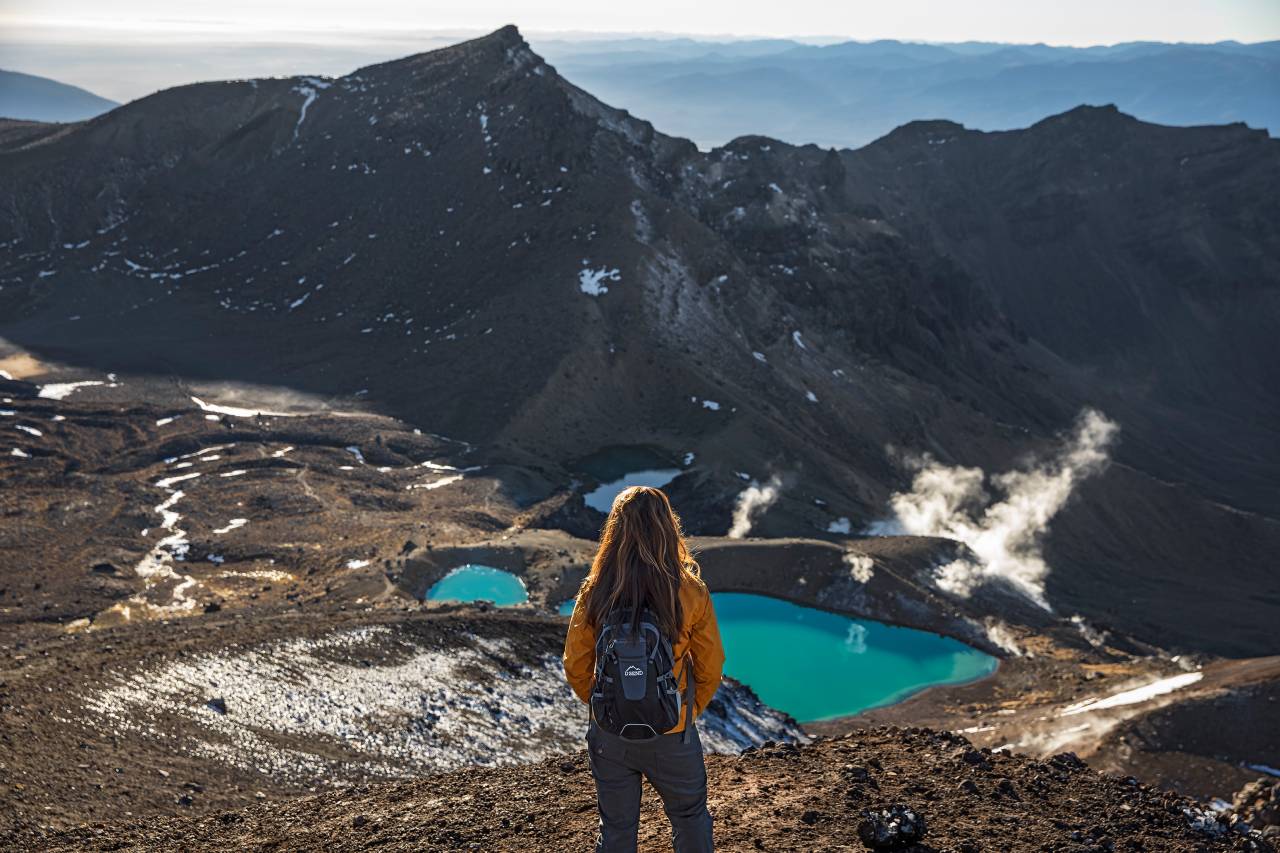
On a clear day, the views stretch across south-west Fiordland. You can see out over the Southern Ocean, all the way to Stewart Island. Many hikers rate this loop as the single best few hours of walking on the entire South Island. After the loop, the track descends back toward Okaka Lodge, or continues on toward the second night’s accommodation, depending on which itinerary option you book.
Day 3: Descent to Port Craig and Back to Rarakau
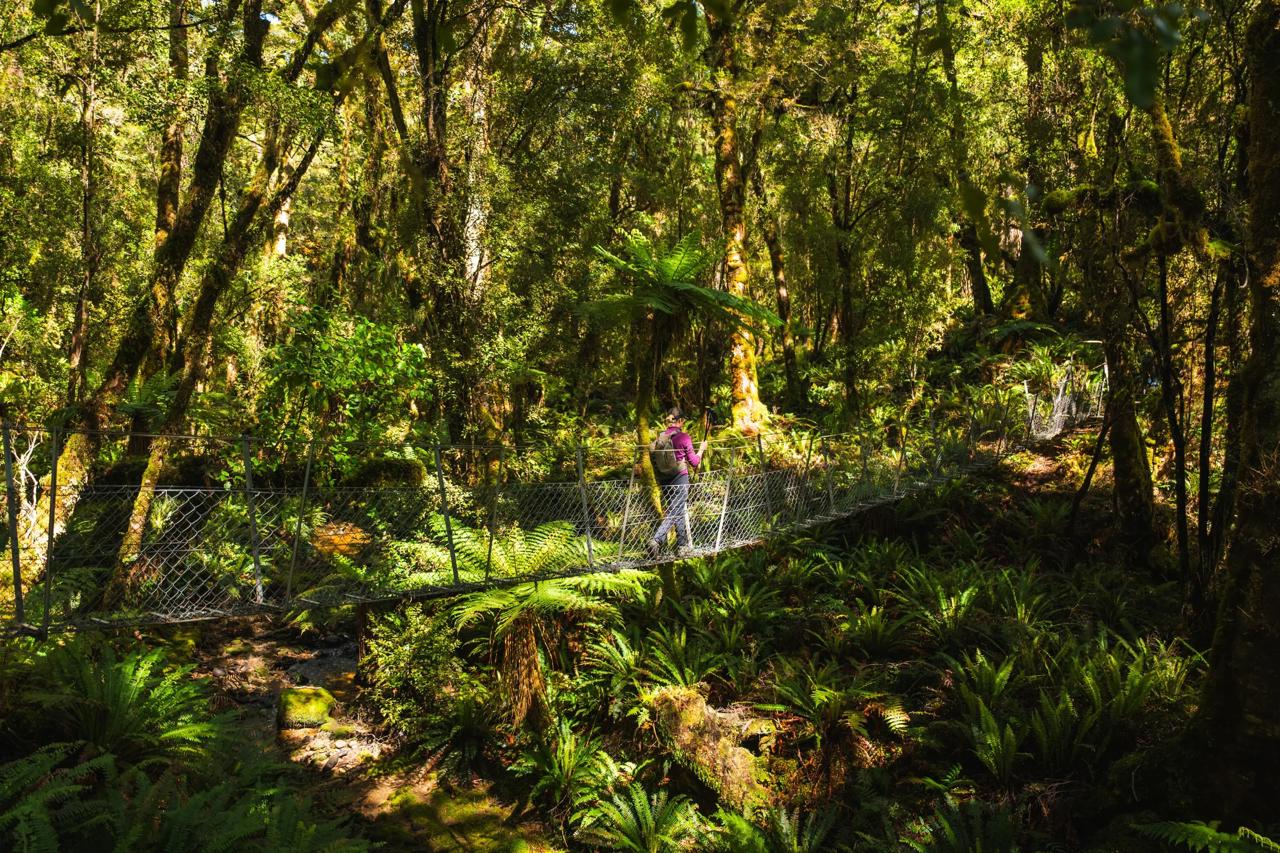
The final day takes you down out of the alpine zone and back into native forest. Along the way, the track crosses several historic wooden viaducts. These are relics of the old logging tramline that once served Port Craig. They are among the largest remaining wooden structures of their kind in the Southern Hemisphere. They are worth stopping for.
From Port Craig, the track follows the coast back toward Rarakau, closing the loop. By the time you finish, you will have walked through beach, forest, sub-alpine tops, and historic heritage sites, all inside three days.
Wildlife and Nature Along the Way
Fiordland is one of the wilder corners of New Zealand, and the Hump Ridge Track puts you right in the middle of it. Keep an eye on the ocean along the day one coastal stretch. Hector’s dolphins, among the smallest and rarest dolphin species in the world, are regularly seen playing in the surf near Bluecliffs Beach.
Native birdlife is common throughout the forest sections. Listen for bellbirds and tui in the lower forest, and keep an eye out for native falcons over the open alpine tops. The limestone tors on the Hump Ridge summit loop are a geological feature in their own right, shaped over thousands of years by wind and rain. Alpine plant life along this section includes hardy tussock grasses and low growing native shrubs, adapted to the exposed, windswept conditions at altitude.
Photography Tips for the Hump Ridge Track
This track rewards anyone carrying a camera. Each day offers a genuinely different landscape to shoot, so it is worth thinking ahead about what you want to capture.
Day one favours wide coastal shots. Try to time your walk along Bluecliffs Beach for good light, either early morning or late afternoon, when the low sun brings out the texture in the cliffs and sand. Keep your camera or phone accessible rather than buried in your pack, since Hector’s dolphin sightings tend to happen quickly and without warning.
Day two, on the Hump Ridge summit loop, is where most hikers take their best shots of the whole trip. The limestone tors create strong foreground subjects against the wide backdrop of the Southern Ocean and Stewart Island. Cloud and mist move through this exposed section quickly, so be patient. A brief clearing often delivers a far more dramatic shot than a static blue sky ever would.
Day three suits closer, detail-focused photography. The historic viaducts and old Port Craig machinery photograph well in the soft, filtered light under the forest canopy. A polarising filter can help cut glare on the wet boardwalk sections if you are shooting with a dedicated camera rather than a phone.
Independent Tramping vs Guided Walks on the Hump Ridge Track
There are two very different ways to experience this track, and picking the right one matters.
Independent tramping works like most other Great Walks. You book hut or lodge bunks yourself. You carry your own food and gear, and walk at your own pace. This is the cheaper option. It suits experienced trampers who are comfortable being self-sufficient in the backcountry.
Guided walks are fully catered. A guide walks with your group each day. Meals are provided at the lodges. Some packages include a helicopter transfer that shortens the first day’s walk. Premium room upgrades are also available at the lodges for guided walkers. This option costs more, but it removes almost all the logistics. It makes the track accessible to less experienced hikers.
If you are weighing this decision against other multi-day options in New Zealand, our hiking tours collection covers guided and self-guided multi-day walks across both islands. You can compare the Hump Ridge Track against other Great Walk style trips before you book.
How Much Does It Cost to Walk the Hump Ridge Track
Cost depends heavily on which style of walking you choose. Independent tramping is by far the cheaper route. You are only paying for hut or lodge bunk fees, plus your own food, gear, and transport to the trailhead. Budget travellers can often complete the full three days for a modest total cost, similar in scale to other DOC-run Great Walks.
Guided, fully catered packages cost significantly more, but they include meals, a guide, and lodge accommodation with hot showers as standard. Optional extras, such as a helicopter transfer on day one or a premium room upgrade, add further to the price. For a full sense of how a trip like this fits into a wider New Zealand travel budget, our budget travel New Zealand guide breaks down realistic daily costs across the country.
How to Prepare Physically for the Hike
You do not need to be an elite athlete to complete the Hump Ridge Track. But a bit of preparation makes the experience far more enjoyable, particularly on day one.
Start building fitness a few weeks before your trip. Regular walks of an hour or more, ideally on hills or uneven ground, build the right kind of stamina. If you can, practice a few walks while carrying a loaded pack, especially if you are tramping independently and carrying your own food and gear.
Breaking in your boots matters just as much as fitness. New boots on a three day hike are a common cause of blisters and discomfort. Wear them on several shorter walks beforehand, so they are fully broken in before you tackle the real climb.
If you have any pre-existing health conditions, check with a doctor before attempting a multi-day alpine hike like this one. The remote nature of the track means help can take time to reach you if something goes wrong.
Track Conditions and Safety Tips
Fiordland weather is famously changeable, and the Hump Ridge Track is no exception. Conditions on the exposed alpine section can shift from clear skies to wind and rain within an hour. Always check the latest track and weather updates before you set out, regardless of the season.
River and stream crossings along the route are generally well bridged, thanks to the track’s boardwalks and viaducts. But heavy rain can still affect conditions on some sections. Tell someone your itinerary before you start, and carry a personal locator beacon if you are tramping independently in the shoulder season, when conditions are less predictable.
Best Time to Walk the Tuatapere Hump Ridge Track
Like most New Zealand tramping tracks, conditions change a lot with the seasons. Summer, from November through March, offers the most reliable weather and the longest daylight hours. This is also when lodge bookings fill up fastest. It lines up with peak visitor season across the rest of the South Island.
Shoulder season, in October and April, can still deliver good walking conditions. You will usually find fewer other hikers on the track during these months. Alpine weather on the Hump Ridge itself can turn quickly at any time of year. Always check current conditions before you set out, no matter which season you choose. Our guide to the best time to visit New Zealand breaks down what each season looks like across the whole country. That is worth checking if the Hump Ridge Track is just one stop on a longer trip.
Getting to the Hump Ridge Track
Tuatapere is the closest town to the trailhead. Most hikers base themselves there the night before starting. From Te Anau, the drive takes around two and a half hours. From Invercargill, it is closer to an hour and a half. Public transport options in this part of Southland are limited. Most independent hikers either drive themselves or arrange a shuttle through the track’s operator.
If you would rather not worry about logistics like transfers and parking, a guided package or a broader South Island self drive itinerary that includes the track can simplify things considerably. Our self drive tours can be built to include stops like this one, alongside the more well known Fiordland highlights.
Other Things to Do Near Tuatapere
If you are already making the trip out to this corner of Southland, it is worth building in a day either side of the hike to explore the wider area. Tuatapere itself is a small, friendly town with a genuine rural New Zealand character, worth a stroll before or after your walk.
Lake Hauroko, New Zealand’s deepest lake, sits within reach of Tuatapere and makes for a scenic side trip if you have your own transport. The Waitutu area further west offers some of the most remote and untouched forest in the country, for travellers who want to extend their time in the region. Rounding out a South Island itinerary with stops like these, alongside better known highlights further north, tends to give a much fuller picture of what the South Island actually offers beyond the main tourist route.
What to Pack for a 3 Day Hump Ridge Track Hike
Conditions shift fast between the coast, the forest, and the alpine zone. Packing right matters more here than on an easier day walk.
- Sturdy, broken-in hiking boots with good ankle support for the boardwalk and alpine sections
- Layered clothing, including a warm mid layer and a waterproof outer shell for the exposed ridge top
- A hat and gloves, even in summer, since alpine weather can turn cold quickly
- Sunscreen and sunglasses for the exposed coastal and ridge sections
- A headlamp, in case any section takes longer than expected
- Enough food and water for each day if you are tramping independently, since the lodges do not sell full resupply groceries
Guided walkers can travel lighter, since meals and some gear are provided. Independent trampers should plan and pack more carefully. Prepare closer to how you would for any other multi-day Great Walk.
How the Hump Ridge Track Compares to Other Great Walks
If you have already walked tracks like the Milford, Kepler, or Routeburn, the Hump Ridge Track will feel familiar in structure but different in character.
| Track | Duration | Distance | Crowd Levels | Standout Feature |
| Hump Ridge Track | 3 days | ~61 km | Low | Coastline, alpine tors, private lodges |
| Kepler Track | 3 to 4 days | ~60 km | Moderate to high | Alpine ridgeline, lake views |
| Milford Track | 4 days | ~53 km | High, bookings sell out fast | Fiords, waterfalls, rainforest |
| Routeburn Track | 2 to 3 days | ~32 km | High | Alpine passes, mountain scenery |
The scenery on the Hump Ridge Track leans more toward rugged coastline and open alpine tops. This is different from the deep fiords and dense rainforest that define some of the more famous walks. Crowds are also a major point of difference. Because the track only recently gained Great Walk status, and because it sits further from the main tourist routes, hut and lodge spaces are noticeably easier to book than on tracks like the Milford.
The private lodge amenities are another real difference. Hot showers, a stocked bar, and the option of a fully guided, catered experience are not standard on most other Great Walks. If you want a genuine wilderness experience with a bit more comfort at the end of each day, this track delivers that combination well.
Combining the Hump Ridge Track with a Wider South Island Trip
Most travellers do not visit Tuatapere on its own. The area sits within reach of Te Anau, Manapouri, and the rest of Fiordland. That makes it a natural addition to a longer South Island itinerary. If hiking is the main reason for your trip, our broader adventure tours category covers other multi-day and activity focused options that pair well with a stop like this one.
Travellers working with a tighter budget can also look at our budget small group tours, which cover the wider South Island highlights at a lower overall cost. For help deciding whether a guided, self drive, or independent structure suits your style of travel best, our how to choose a tour category guide walks through the differences in more detail.
If you go the guided route, check our accommodation options guide to understand what standard versus upgraded lodge accommodation actually includes across our itineraries. The Hump Ridge Track’s lodges follow a similar tiered structure.
Frequently Asked Questions About the Tuatapere Hump Ridge Track
Is the Tuatapere Hump Ridge Track hard?
The track sits between intermediate and advanced difficulty. Day one and the alpine sections of day two are the toughest parts. There is a significant climb from sea level into the sub-alpine zone. Most reasonably fit hikers manage it without major issues, but it is more demanding than an easy day walk.
How long does it take to walk the Hump Ridge Track?
The standard itinerary runs 3 days and 2 nights, covering around 61 kilometres in total. Daily walking times run 7 to 9 hours. This depends on your pace and how long you stop at viewpoints along the way.
Do I need to book huts in advance?
Yes. Bookings are essential for both the huts and the guided lodge packages. Popular dates during peak summer season can fill up well ahead of time. Book as early as possible if you have fixed travel dates.
Can beginners walk the Hump Ridge Track?
Beginners with a reasonable level of fitness can complete the track. This is especially true on a guided package with heli-pack transfer options that shorten the toughest climbing sections. Independent tramping suits hikers with at least some multi-day backcountry experience.
What makes the Hump Ridge Track different from other Great Walks?
The private lodge model is the biggest difference. Hot showers, a licensed bar, and fully catered guided trips are standard offerings here. That is unusual among New Zealand’s Great Walks. The track is also far less crowded than better known options like the Milford or Routeburn.
What is the best base town for starting the hike?
Tuatapere is the closest town to the trailhead. It is the most common base for hikers the night before starting. Te Anau and Invercargill both work as alternative bases, if you are combining the hike with a wider Fiordland trip.
Is the Hump Ridge Track suitable for a first Great Walk?
It can work well as a first Great Walk, particularly if you book a guided package. The shorter overall crowds and the option of hot showers and catered meals make it a gentler introduction than tracks like the Milford, while still delivering genuine Great Walk scenery.
Final Thoughts on the Tuatapere Hump Ridge Track
The Tuatapere Hump Ridge Track offers everything that makes New Zealand’s Great Walks worth doing. Expect dramatic coastline, alpine views, native forest, and genuine heritage along the way. It delivers all of that with far fewer crowds than the country’s better known tracks. Whether you tramp it independently or book a fully guided package, three days on this track is one of the best ways to experience the wild, quiet side of Fiordland.
Browse our full range of hiking tours, adventure tours, and self drive packages to build a South Island trip around this track. Or check our how to book a tour guide to get started.