
15 Best New Zealand Hot Springs: Where to Soak Across Both Islands
New Zealand sits on a fault line. That’s the short version of why this country has so much hot water bubbling out of the ground. From bush-fringed rivers you’d never find without a local pointing the way, to marble-tiled spas with a cocktail menu, New Zealand hot springs cover an enormous range. Some cost nothing. Some cost a small fortune. All of them are worth your time.
This guide rounds up 15 of the best. We’ve mixed free ones with paid ones, North Island with South Island, and wild rivers with proper resorts. Whatever kind of soak you’re after, something here will fit.
Hot Springs and Māori Tradition
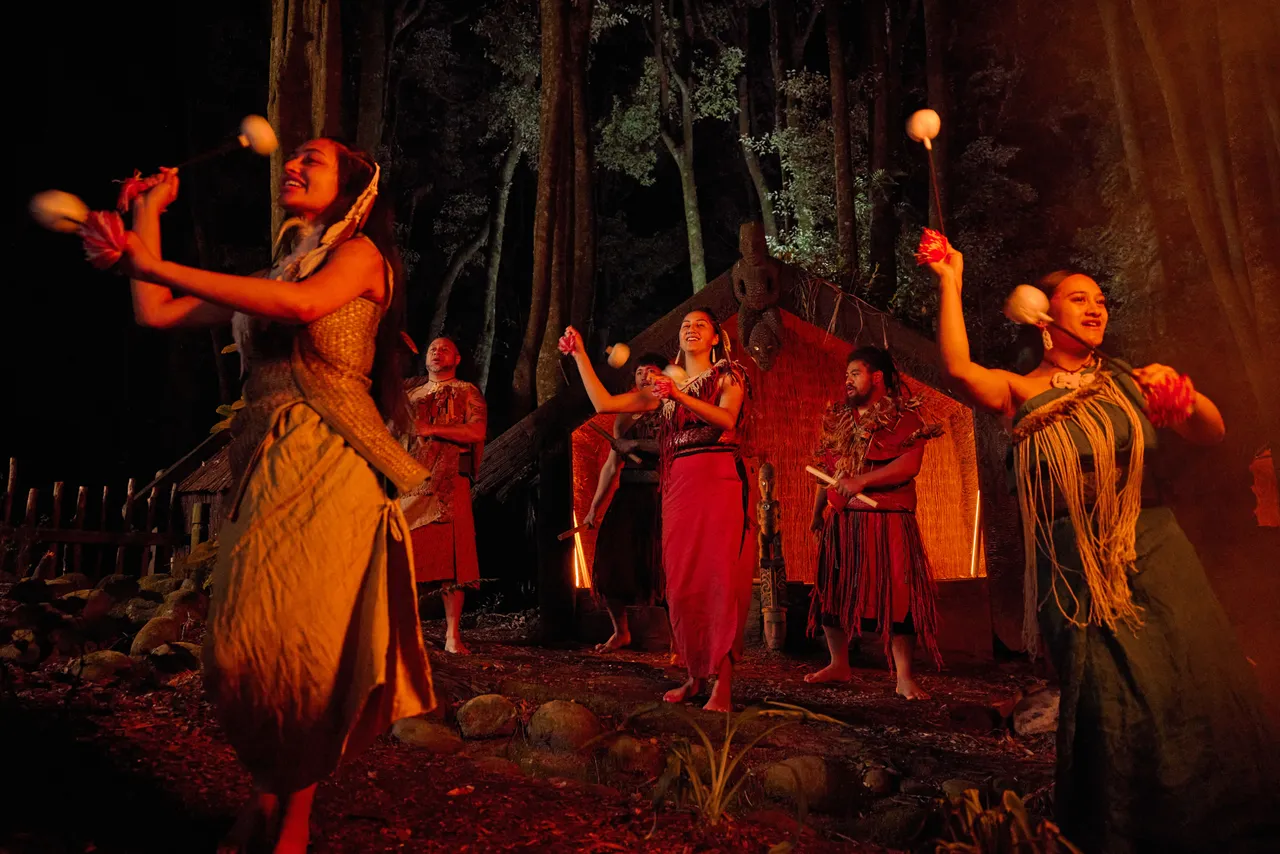
Long before spa robes and entry fees, Māori used these waters for cooking, bathing, and healing. Some iwi still treat particular springs as taonga, treasures passed down through generations, not just tourist attractions. Ngawha Springs carries this history especially strongly. So does Hell’s Gate, where the mud and water have a documented healing use stretching back centuries.
This matters for how you should treat these places. A few springs sit on land with deep cultural significance, and respectful behaviour goes further than most visitors realise. Read the signage. Follow any rules about swimwear or photography. And remember that the natural hot pools New Zealand is famous for aren’t just scenery. For a lot of people, they’re family history.
Why New Zealand Has So Many Hot Springs
Blame the Taupo Volcanic Zone. It runs straight through the middle of the North Island, from White Island out in the Bay of Plenty down through Rotorua and Taupo. Underneath all that farmland and forest sits a stretch of active volcanic activity, and it heats groundwater as it rises. That’s your hot spring, right there.
The South Island works differently. Its hot springs mostly come from fault lines instead of volcanoes, which is why you’ll find fewer of them, spread further apart. Hanmer Springs and Maruia both sit near major fault systems. The water takes a different path to the surface, but the result feels the same once you’re in it: warm, mineral-rich, and very hard to leave.
The 15 Best New Zealand Hot Springs
Here they are, roughly north to south.
1. Ngawha Springs (Te Waiariki), Northland
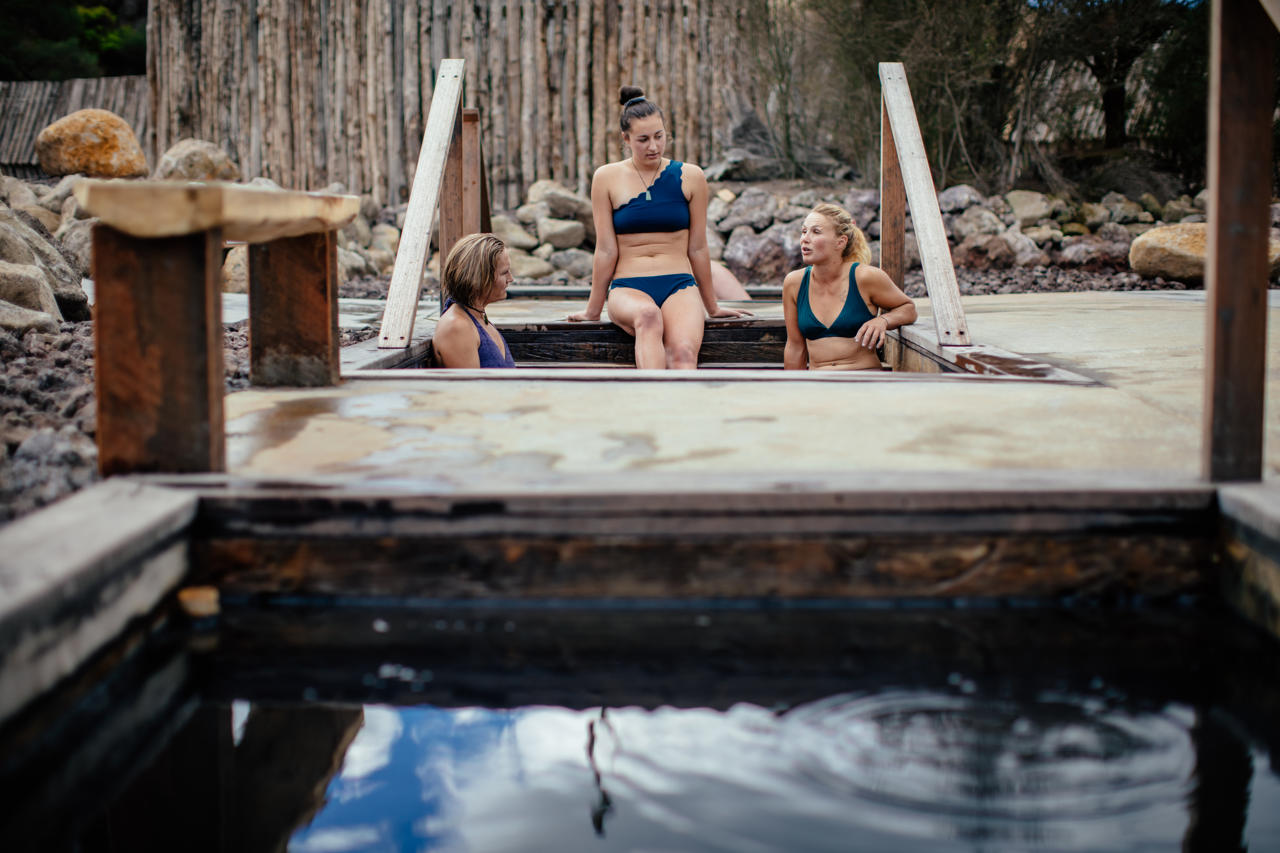
Sixteen individual pools, each a slightly different colour and temperature. Some run clear. Some look like weak coffee. Locals have used these mineral baths for generations, and the healing reputation isn’t just marketing spin. This is one of the more low-key natural hot pools New Zealand has to offer, and it stays that way because most tourists never make it this far north.
2. Kaipātiki Hot Springs, Auckland (formerly Parakai Springs)
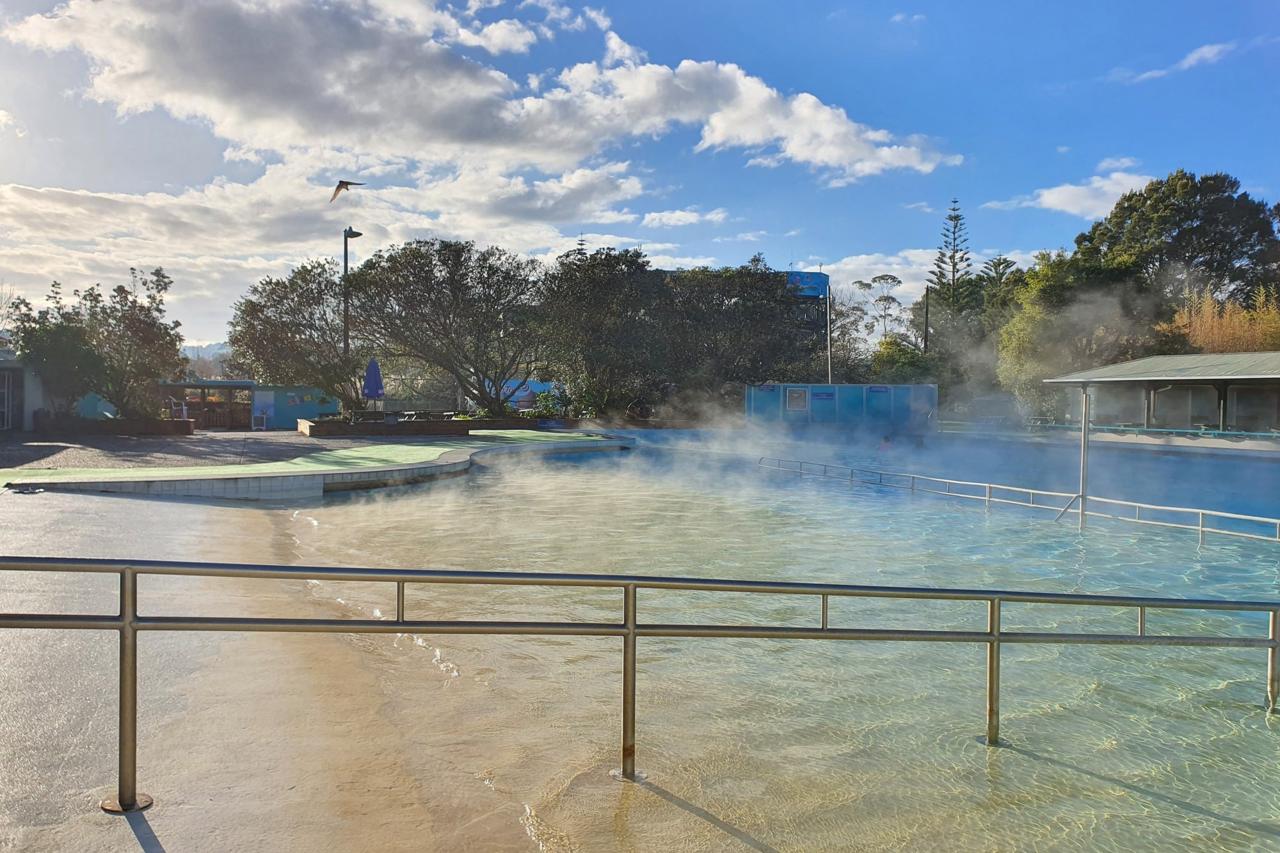
Close to the city, easy for families, and open long hours. Kaipātiki has slides for the kids and quieter adult pools if you’d rather skip the noise. It won’t blow your mind scenically. But if you’re short on time in Auckland and still want a proper soak, it does the job.
3. Hot Water Beach, Coromandel
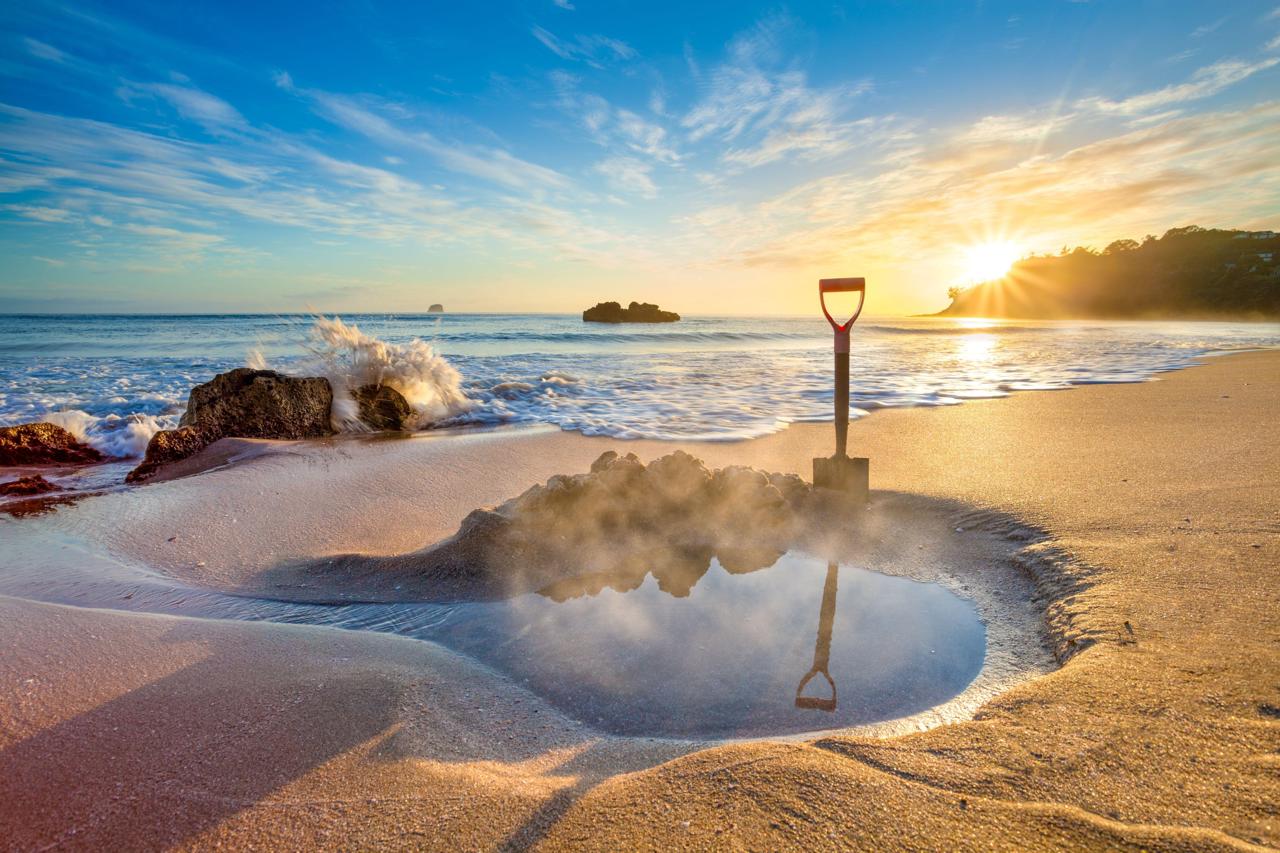
Grab a spade. Dig a hole in the sand at low tide, and watch it fill with hot water rising up from below. It’s free, it’s a bit chaotic on a sunny weekend, and it’s still one of the most memorable things you can do on the Coromandel. Time your visit around low tide or you’ll just be standing on regular, non-magical sand.
4. The Lost Spring, Whitianga
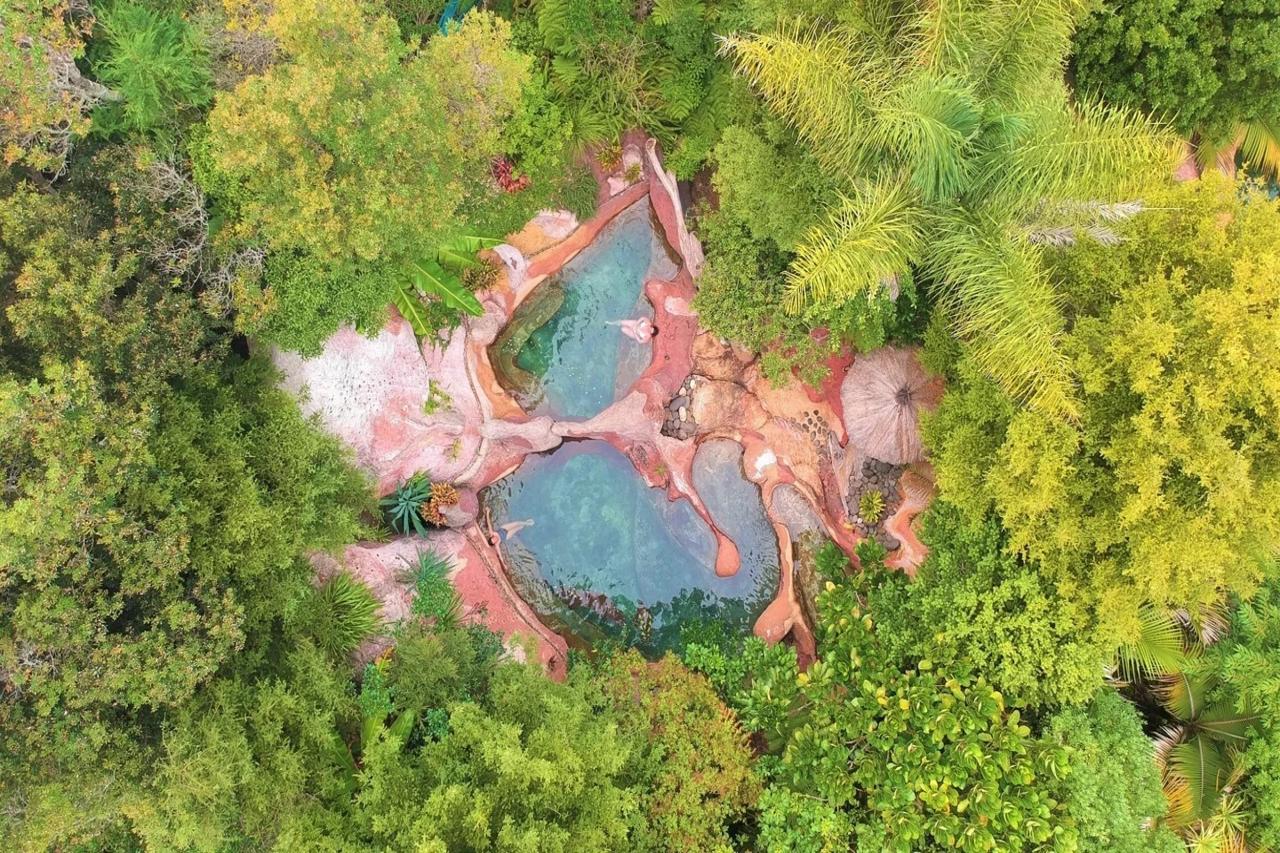
Adults only, and it shows. Waterfalls, a swim-up bar, hidden grottos carved into volcanic rock. The mineral water here is genuinely ancient, pumped up from 16,000 years underground. It’s pricier than most entries on this list. For a special occasion, it earns every dollar.
5. Waikite Valley Thermal Pools, near Rotorua
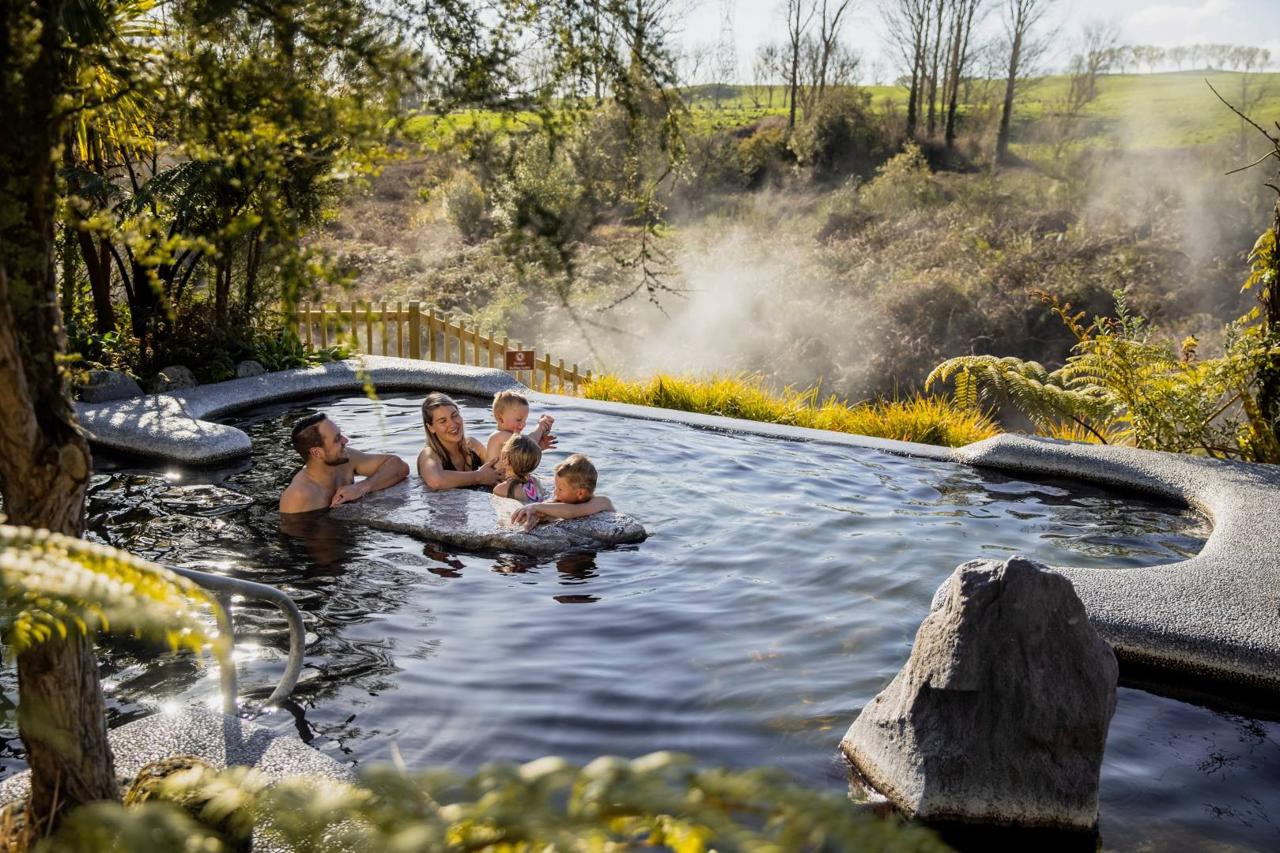
The largest single source of 100% natural geothermal water in the country flows straight into these pools. No mixing with treated water, no shortcuts. Six open-air pools sit in bush surrounding, roughly 30 minutes from Rotorua by car. Quieter than the big-name spas in town, and cheaper too.
6. Kerosene Creek, Rotorua
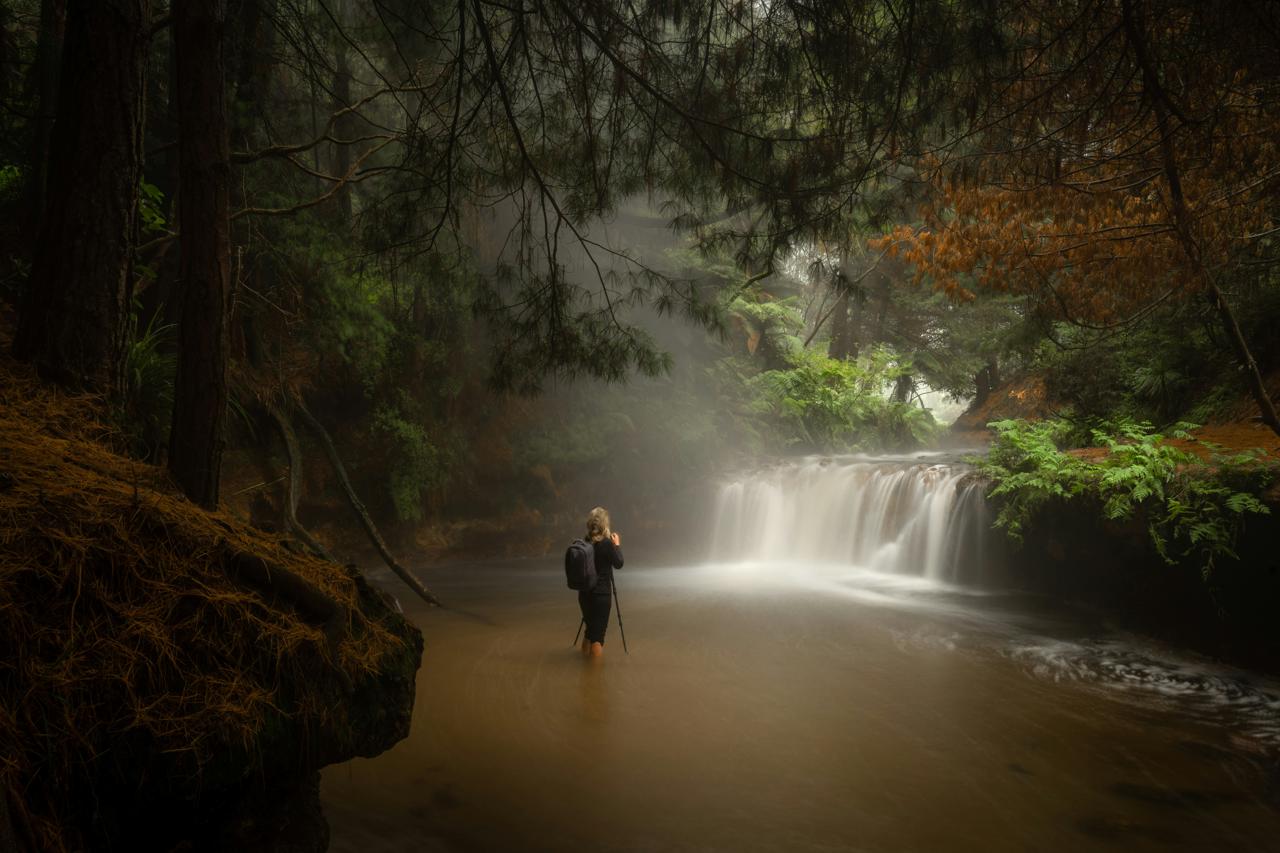
Free. Completely free. A warm waterfall drops into a natural pool surrounded by native bush, and there’s no ticket booth in sight. It gets busy, especially at sunset, and there are no facilities beyond a car park. Bring your own towel and don’t leave valuables in the car. This is exactly the kind of spot people mean when they search for free natural hot springs New Zealand travellers rave about online.
7. Polynesian Spa, Rotorua
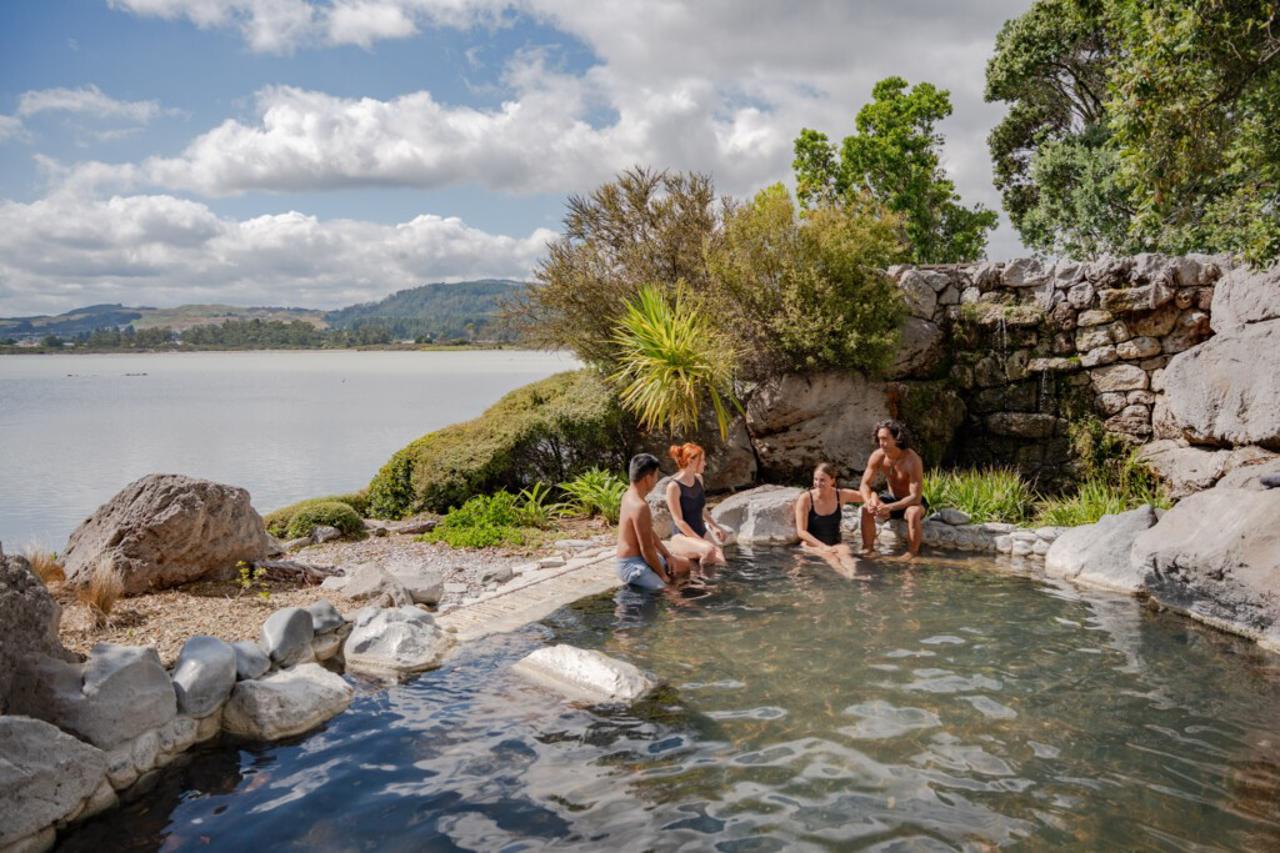
The name most visitors already know. Nearly 30 mineral pools, fed by two separate springs, right on the edge of Lake Rotorua. One spring runs acidic and eases aches. The other runs alkaline and is said to be good for skin. Family pools keep things affordable. Private pools and the day spa push things upmarket fast. Either way, this is the benchmark for Rotorua hot springs, and most first-time visitors start here.
8. Wai Ariki Hot Springs, Rotorua
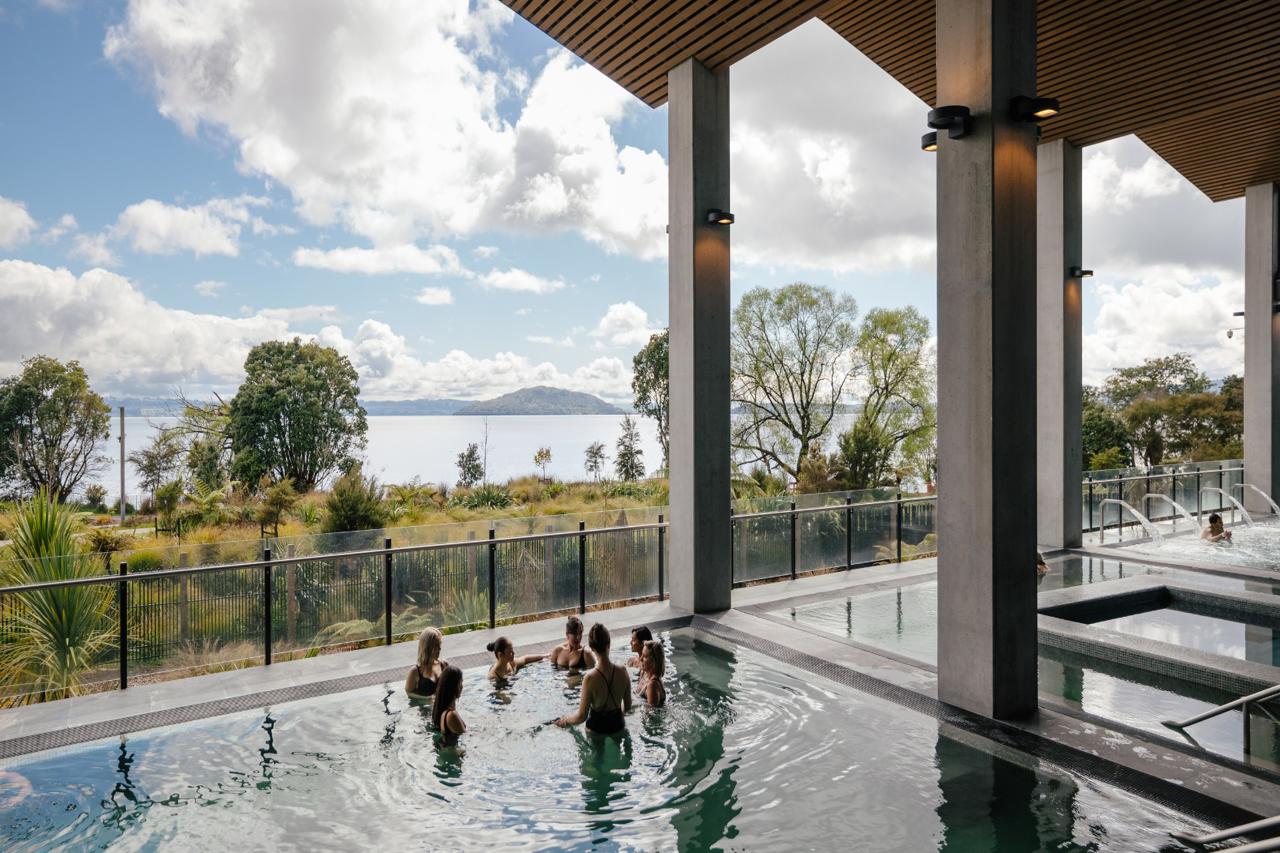
Newer, sleeker, and built around Māori wellness traditions rather than bolted onto a generic spa template. Lake-view pools, a proper spa menu, and a design that actually reflects the culture it draws from rather than just decorating around it. If you’re interested in the story behind the water as much as the water itself, this one delivers both.
9. Hell’s Gate, Rotorua
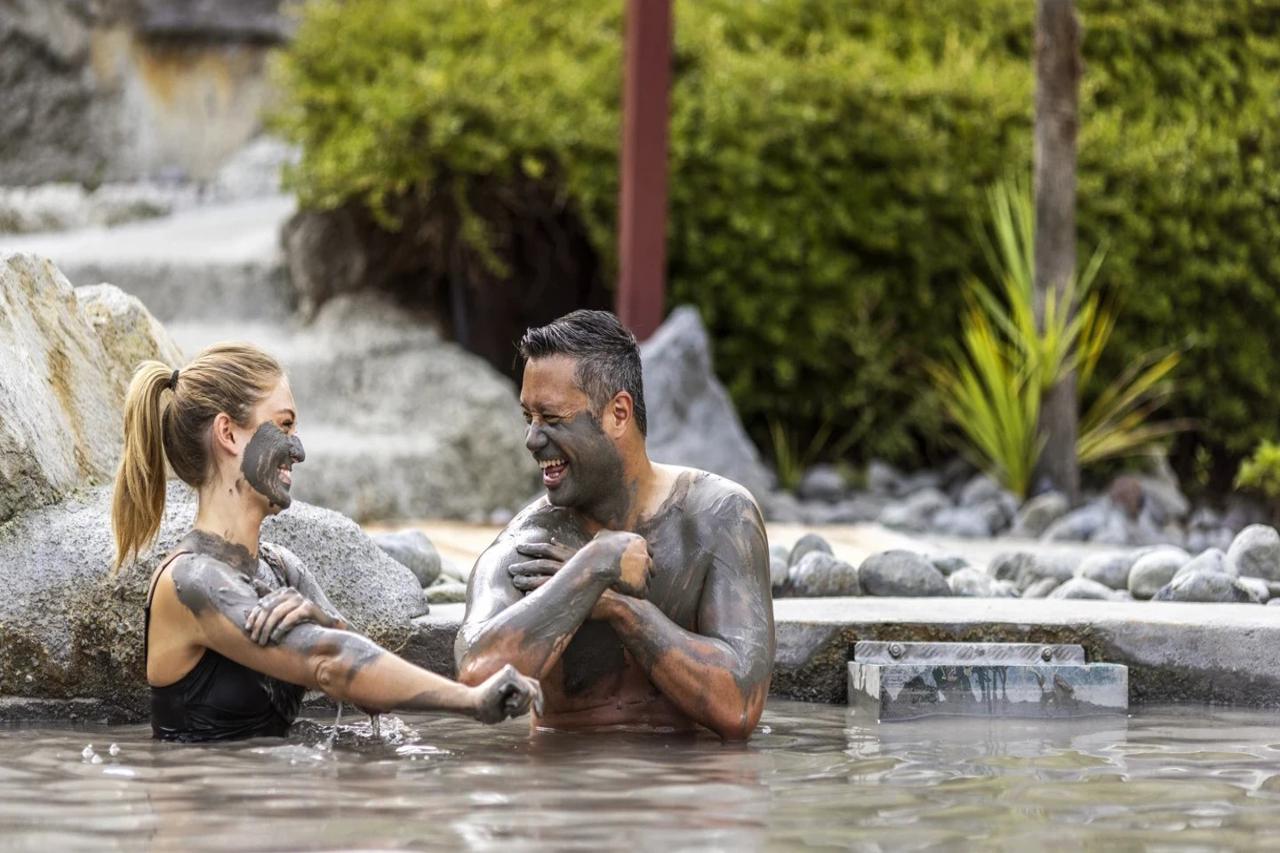
Boiling mud, hissing steam vents, and a mud spa at the end of the walk. This is the most dramatic of the geothermal attractions near Rotorua, closer to a moonscape than a garden. The mud bath itself is genuinely therapeutic, not just a gimmick for photos, though you’ll take plenty of photos anyway.
10. Secret Spot Hot Tubs, Rotorua
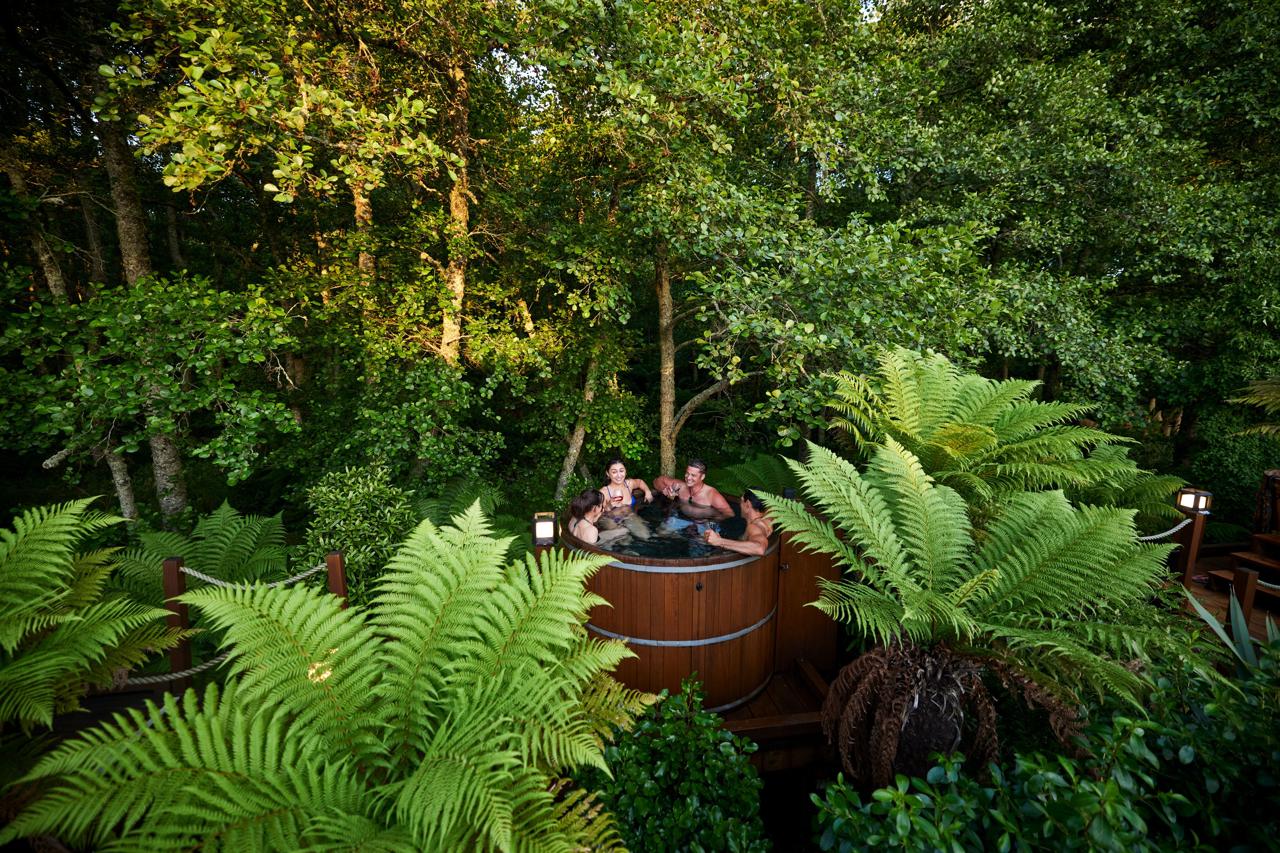
Private, wood-fired hot tubs, tucked into native bush with zero crowd to share them with. Book a session, show up, and the tub is already hot and waiting. It’s one of the more romantic options on this list, and a nice change of pace if you’ve already done the bigger public pools.
11. Spa Park (Otumuheke Stream), Taupo
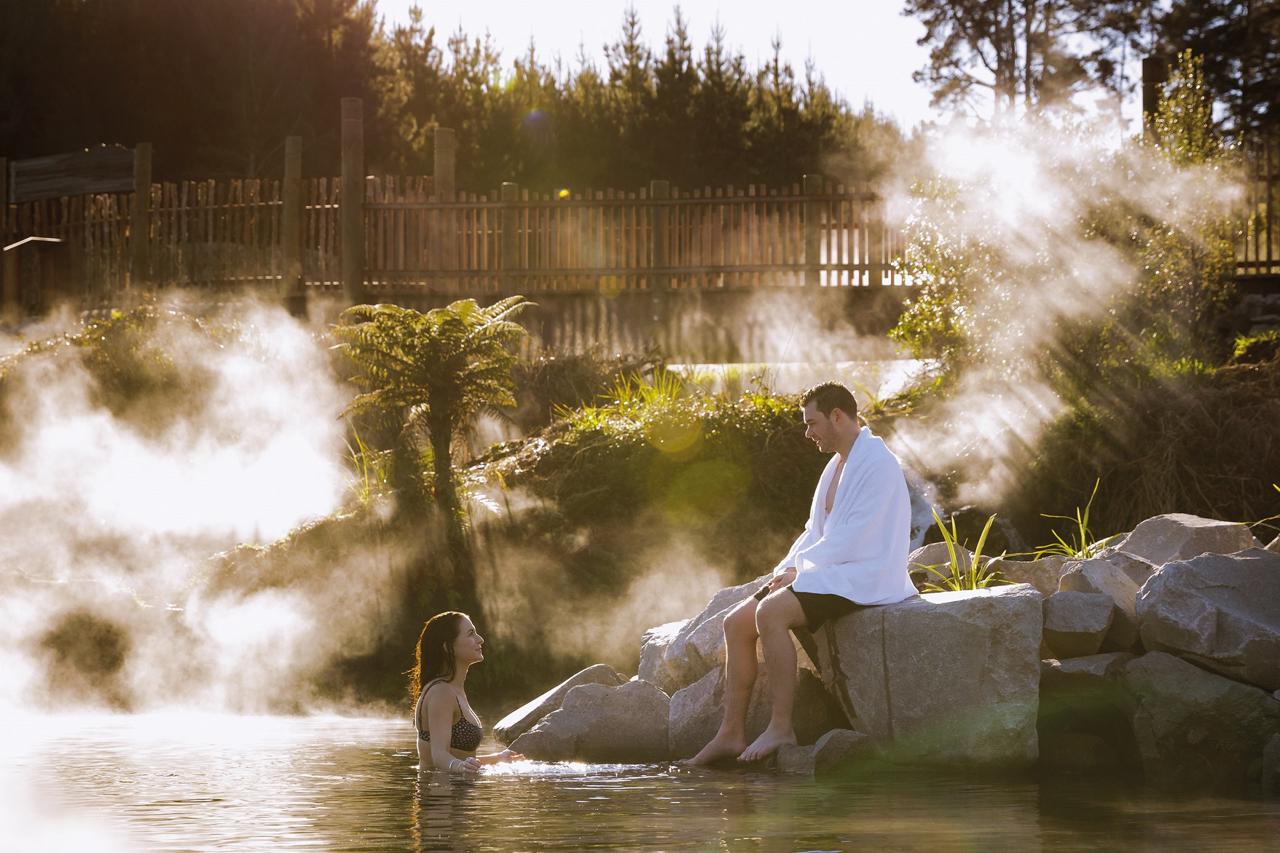
Another free one. A geothermal stream flows into the Waikato River right in the middle of Taupo, and locals have been soaking in the mix for decades. Find the spot where hot and cold water blend to your liking, then just sit there and watch the river go by. No entry fee, no set hours, no fuss.
12. Tokaanu Thermal Pools, Taupo
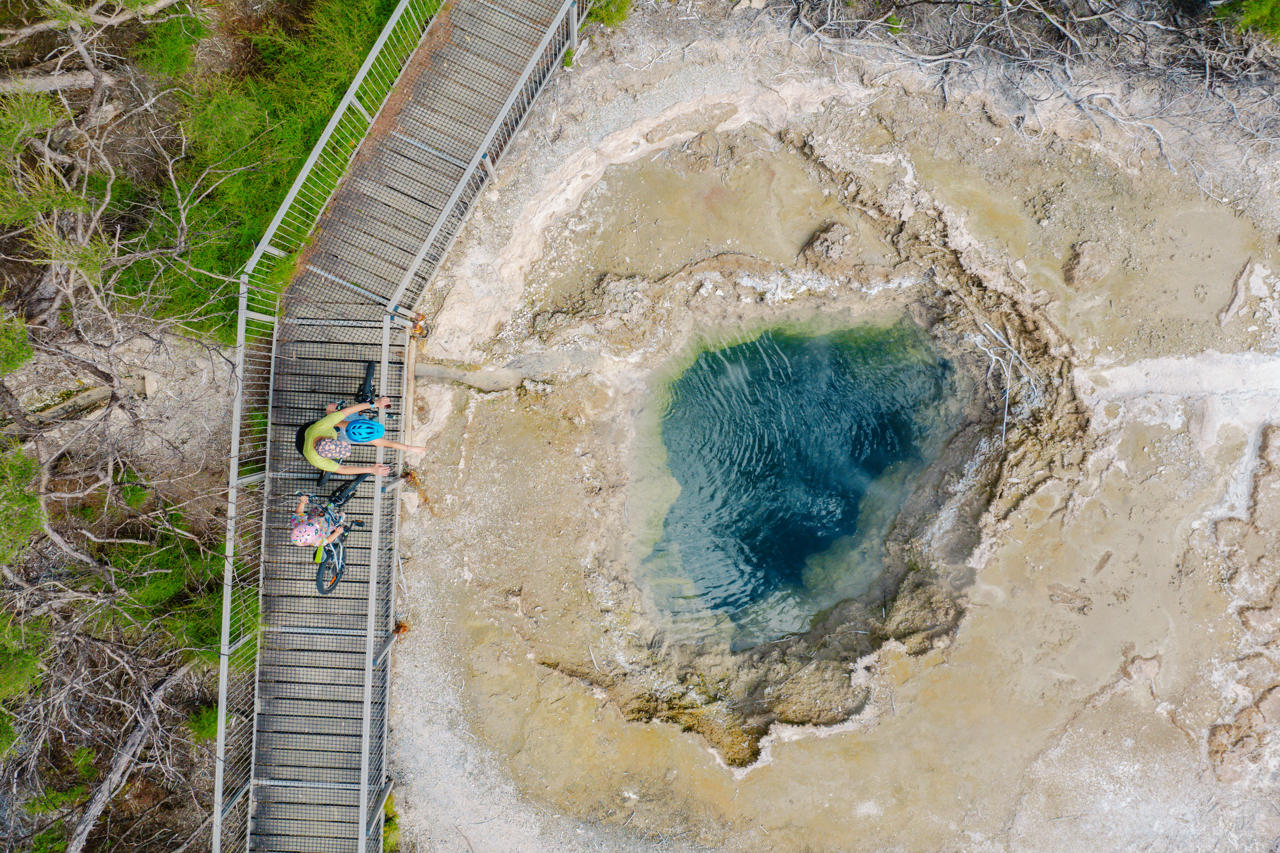
Smaller and less flashy than the big Rotorua spas, but the mineral water here has a loyal following. Handy if you’re staying near Turangi or heading south toward Tongariro, and a good stop if you want a soak without a big crowd.
13. Hanmer Springs Thermal Pools, Canterbury
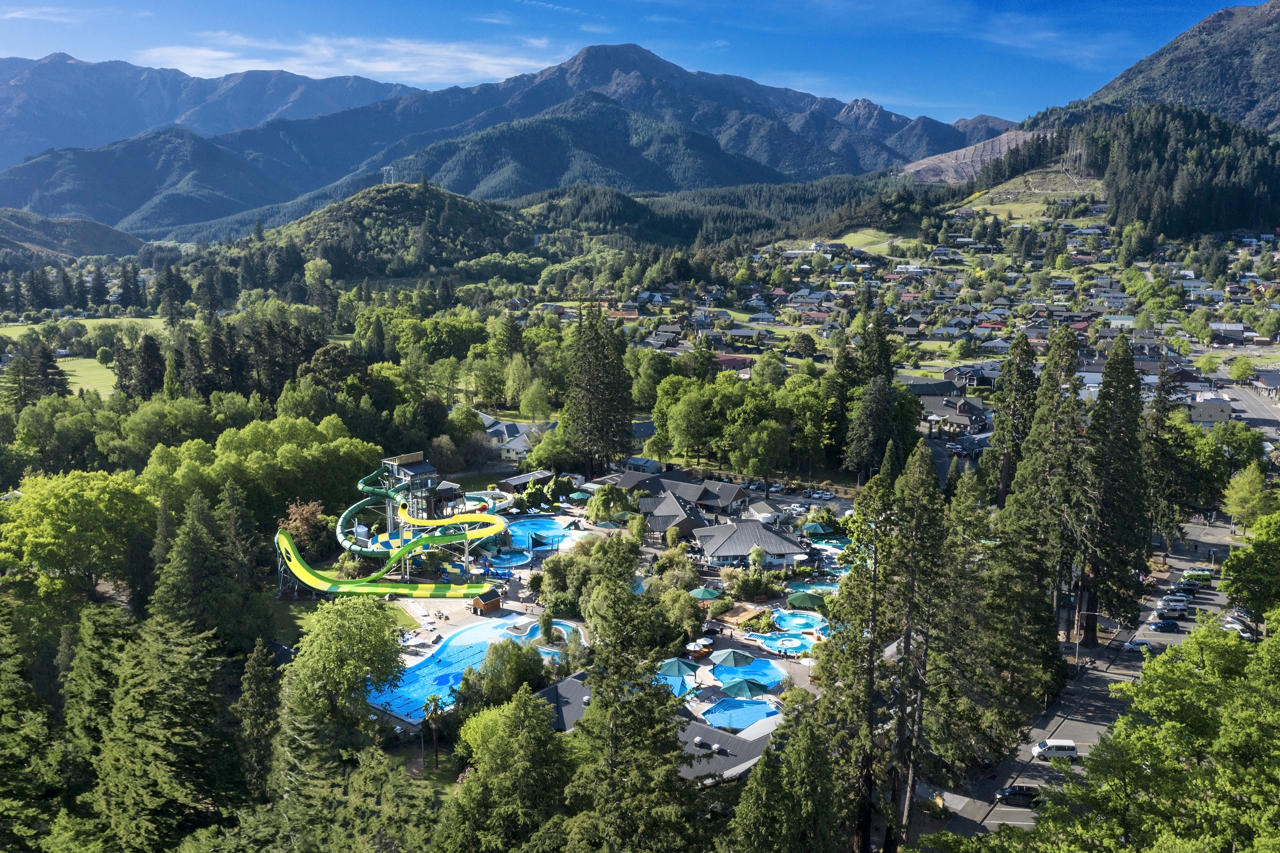
The largest hot pool complex in the South Island, and honestly, in the whole country. Multiple pools at different temperatures, a couple of water slides, and a lazy river for anyone travelling with kids. Snow on the surrounding hills in winter makes this one of the most atmospheric Hanmer Springs hot pools sessions you’ll ever have. It’s also the easiest South Island stop for anyone road-tripping between Christchurch and Kaikoura.
14. Maruia Hot Springs, Lewis Pass
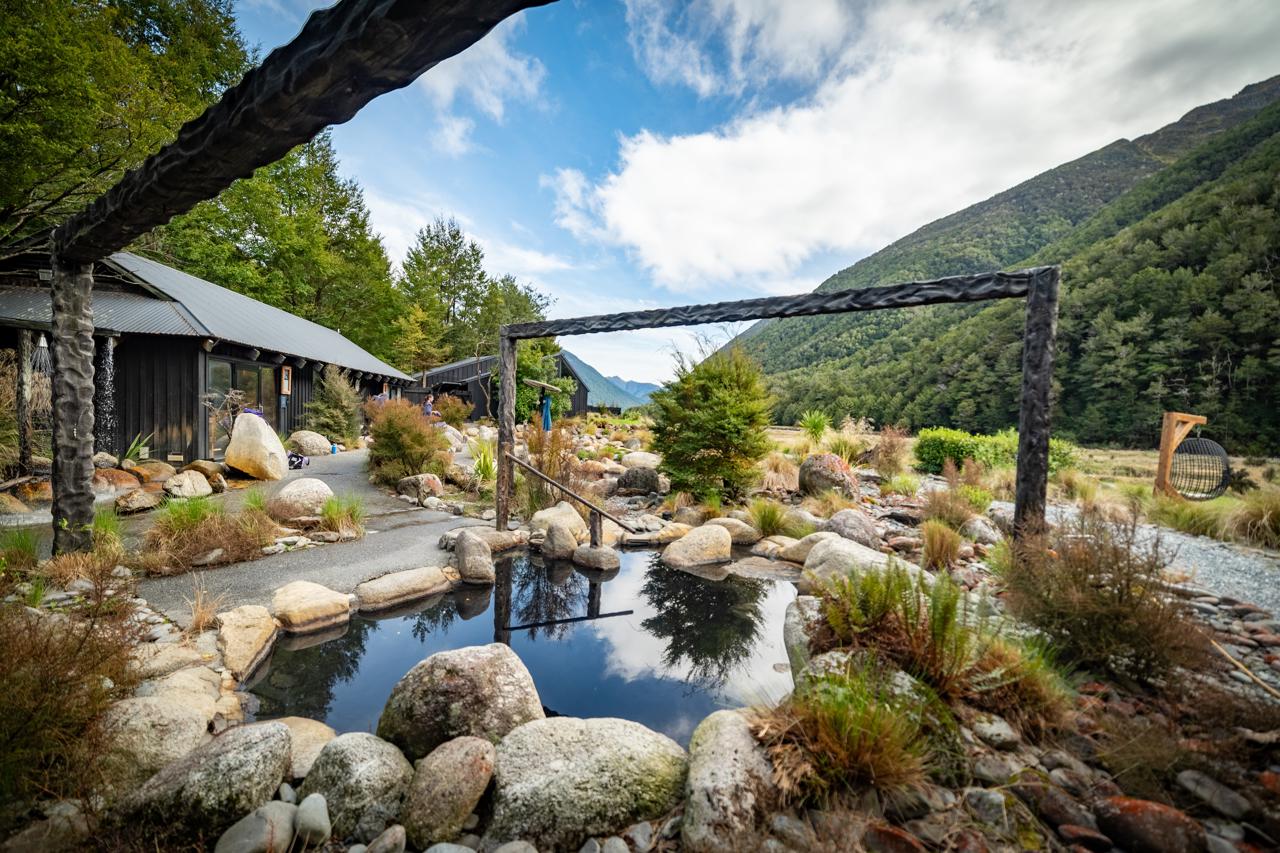
Remote, quiet, and genuinely alpine. Maruia sits near Lewis Pass, on the road between Christchurch and the West Coast, and it draws a fraction of Hanmer’s crowds. Private baths are available for small groups. The setting alone, tucked into beech forest with mountains behind, makes this worth the detour.
15. Tekapo Springs, Lake Tekapo
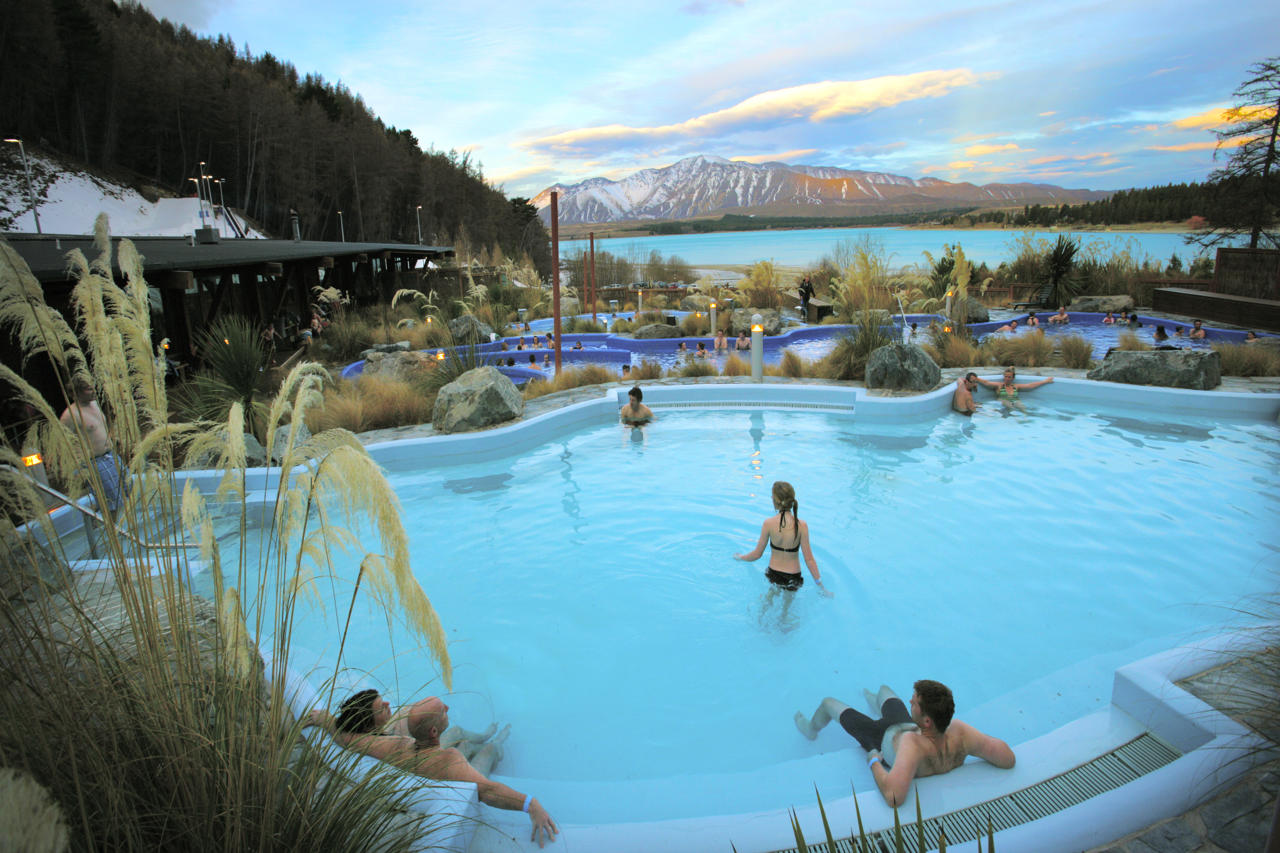
Cold plunge pools sit right next to the hot ones, and the contrast is the whole point. On a clear night, add a stargazing session under some of the darkest skies in the world, then finish with a soak while your eyes adjust. Few places pair geothermal water with scenery quite this dramatic.
North Island vs South Island Hot Springs
Ask a local, and they’ll tell you the North Island wins on sheer numbers. Ask someone who’s soaked in Maruia at dusk with snow on the peaks behind them, and they might argue the South Island wins on atmosphere. Both are right.
| North Island | South Island | |
| Source | Volcanic zone | Fault lines |
| Number of springs | Many, tightly clustered | Fewer, more spread out |
| Best hub | Rotorua and Taupo | Hanmer Springs |
| Vibe | Variety, easy access | Remote, alpine, quieter |
If your trip only covers one island, hot springs North Island options give you far more to choose from in a smaller area. Rotorua alone packs in half this list within a 30 minute drive. The South Island rewards patience instead. Fewer stops, longer drives between them, but each one feels like more of a discovery. A soak in the Hanmer Springs hot pools with the Southern Alps behind you is reason enough to make the trip south.
Free vs Paid Hot Springs in New Zealand
Not every good soak costs money. Kerosene Creek and Spa Park cost nothing at all, and neither does Hot Water Beach once you’ve dug your hole. What you give up is consistency. Free spots have no staff, no changing rooms, and water temperature that shifts with rainfall and river flow.
Paid hot springs New Zealand operators run, like Polynesian Spa or Hanmer, trade that unpredictability for comfort. You get clean facilities, managed water temperature, and usually a food and drink option nearby. Neither approach is wrong. It just depends on whether you want an adventure or a treat.
Best Hot Springs Near Rotorua for a Day Trip
If you’re only building one geothermal day into your trip, Rotorua is where to spend it. Within about 30 minutes of the town centre, you can hit Polynesian Spa, Wai Ariki, Hell’s Gate, Kerosene Creek, and Waikite Valley. No long drives between stops needed. That density is hard to match anywhere else in the country. It’s exactly why so many people searching for the best hot springs near Rotorua end up planning their whole North Island trip around this one town.
Pair a soak with the wider geothermal and cultural side of the region through our Māori culture experiences, several of which run right alongside these hot spring sites.
How to Plan a Hot Springs Road Trip Across New Zealand
Chasing hot springs works particularly well as a self-drive trip. You control the pace, you can stop wherever a free spot looks tempting, and you’re not locked into someone else’s schedule for a quick detour to a roadside pool. Our self drive tours can be built around a route through Rotorua, Taupo, and down into the South Island’s Hanmer and Maruia springs. Standard accommodation gets booked in advance, so the only thing left to plan is your soak schedule.
Travelling by motorhome adds even more flexibility, since a hot springs stop rarely needs advance booking beyond the pools themselves. Check our motorhome holidays page if you’d rather bring your accommodation with you. For those without a car, our independent coach tours still connect Rotorua and Taupo easily, leaving your days free once you arrive.
Working with a tighter budget? Free spots like Kerosene Creek and Spa Park mean a hot springs trip barely dents your daily spend. Our budget travel New Zealand guide breaks down what a full day, including a soak or two, realistically costs. And if a splurge day at somewhere like The Lost Spring or Wai Ariki is more your style, we’ve got you covered. Our luxury escapes collection covers the higher end of what New Zealand’s geothermal scene has to offer.
Best Hot Springs in New Zealand by Trip Type
Not every traveller wants the same thing from a soak. Here’s a quick cheat sheet.
Best for families: Polynesian Spa’s family pools, Parakai Springs, and Hanmer Springs all handle kids well, with slides, shallow areas, and enough space that nobody feels cramped.
Best for couples: The Lost Spring and Secret Spot Hot Tubs both lean adults-only and romantic. Maruia’s private baths work well too, especially with mountains for a backdrop.
Best for budget travellers: Kerosene Creek, Spa Park, and Hot Water Beach cost nothing beyond petrol to get there.
Best for a cultural experience: Wai Ariki and Hell’s Gate both connect the water to the history behind it, rather than treating the soak as the whole story.
Whichever category you land in, most lists ranking the best hot springs in New Zealand keep coming back to the same core group. That’s a decent sign they’re worth your time.
What to Pack for a Hot Springs Trip
Keep it simple. Togs, obviously. A towel that dries fast, since you’ll likely hit more than one pool in a day if you’re touring Rotorua hot springs sites back to back. Flip flops help on hot concrete or gravel car parks. Sunscreen matters more than people expect, since a lot of these pools sit outdoors with zero shade.
For the free, undeveloped spots, bring your own water and snacks. There’s nothing for sale at Kerosene Creek or Spa Park, and the nearest shop might be a twenty minute drive away. A dry bag keeps your phone and wallet safe if you’re wading through a river to reach a pool. That’s exactly how you get to some of the best natural hot pools New Zealand has tucked away off the main road.
Hot Springs Safety and Etiquette
Hot doesn’t always mean safe. Some natural pools run far hotter than a comfortable bath, and a few genuinely dangerous ones exist around the country. Test the water before you commit, and never assume a free, unmarked pool is fine just because someone else is already in it.
Sulfur smells strong near most geothermal areas. It fades fast once you leave, though your togs might hold onto it a little longer, so pack an old pair you don’t mind sacrificing. Free, undeveloped spots like Kerosene Creek and Hot Water Beach have no lifeguards and no facilities. Bring your own towel, leave valuables locked up, and never swim alone after dark.
When to Visit New Zealand’s Hot Springs
Winter might be the best-kept secret here. Cold air against hot water is a genuinely different experience than a summer soak. Steam rising off the pools against a backdrop of frost or snow, especially at Hanmer or Tekapo, is hard to beat. Rotorua’s pools run year-round regardless of season, so timing matters less there than it does further south.
Summer brings bigger crowds to the free, undeveloped spots like Kerosene Creek and Hot Water Beach, since school holidays push more people onto the road. If you can visit outside peak months, you’ll get a quieter soak almost everywhere on this list. Our guide to the best time to visit New Zealand covers the wider seasonal picture, useful if hot springs are just one part of a longer trip.
Frequently Asked Questions About New Zealand Hot Springs
Which is the best hot spring in New Zealand?
It depends what you want. Polynesian Spa is the most famous and easiest to book. Maruia and Waikite Valley feel more remote and natural. For a completely free option, Kerosene Creek near Rotorua is hard to beat.
Are there free hot springs in New Zealand?
Yes. Kerosene Creek and Spa Park (Otumuheke Stream) cost nothing to visit, and Hot Water Beach only requires a spade and some patience at low tide. These are the go-to answers whenever someone asks about free natural hot springs New Zealand actually has on offer.
Which region has the most hot springs?
Rotorua and the wider Taupo Volcanic Zone. The concentration of geothermal activity here beats anywhere else in the country, which is why most North Island hot springs cluster around these two towns.
Are New Zealand hot springs safe for kids?
Many are, including Polynesian Spa’s family pools, Hanmer Springs, and Parakai. Wild, undeveloped pools need more caution, since temperatures aren’t monitored and there’s no supervision on site.
Do South Island hot springs exist, or is it all in the North Island?
The South Island has fewer hot springs than the North Island, but the ones it does have, like Hanmer Springs, Maruia, and Tekapo Springs, are excellent. They come from fault line activity rather than volcanic heat, which is part of why they’re spread further apart.
What should I bring to a hot spring in New Zealand?
Togs, a towel, and an old pair you don’t mind if the sulfur smell sticks around. For free or wild pools, bring your own water and snacks too, since there’s rarely anything for sale nearby.
How much does a New Zealand hot spring cost?
It ranges from free to well over 100 dollars for a private session at somewhere like The Lost Spring. Most mid-range public pools, including Polynesian Spa’s standard pools and Hanmer Springs, sit somewhere between 25 and 45 dollars for a couple of hours.
Ready to Start Soaking
Fifteen hot springs, two islands, and every price point in between. Whether you want a free dig-your-own pool at Hot Water Beach or a full day of luxury at The Lost Spring, the choice is yours. New Zealand hot springs give you options most countries simply can’t match. Pick a few that fit your route, build in some flexibility, and let the water do the rest.
Check our how to book a tour guide if you’d like help fitting a hot springs stop into a wider New Zealand itinerary. Or browse our adventure tours for trips that pair a soak with something a bit more active.