
Kāpiti Coast Beaches: A Complete Guide
Just north of Wellington sits one of the North Island’s most underrated stretches of coastline. The Kāpiti Coast runs for roughly 40 kilometres. The Tararua Ranges back it on one side, while Kāpiti Island sits offshore on the other. It’s easy to confuse the two names. Most of the region’s actual beaches sit on the mainland coast, not on the island itself.
This guide covers the coast’s main beaches, clears up the island confusion, and explains how to visit both properly.
Quick facts:
- Location: North Island, roughly 50km north of Wellington
- Main beach towns: Paekākāriki, Raumati, Paraparaumu, Waikanae, Ōtaki
- Distance from Wellington: 40–90 minutes by road, or about an hour by train
- Kāpiti Island access: by permitted ferry only, no private boats allowed
- Best known for: family-friendly swimming beaches and views across to Kāpiti Island
Kāpiti Coast vs. Kāpiti Island: Clearing Up the Confusion
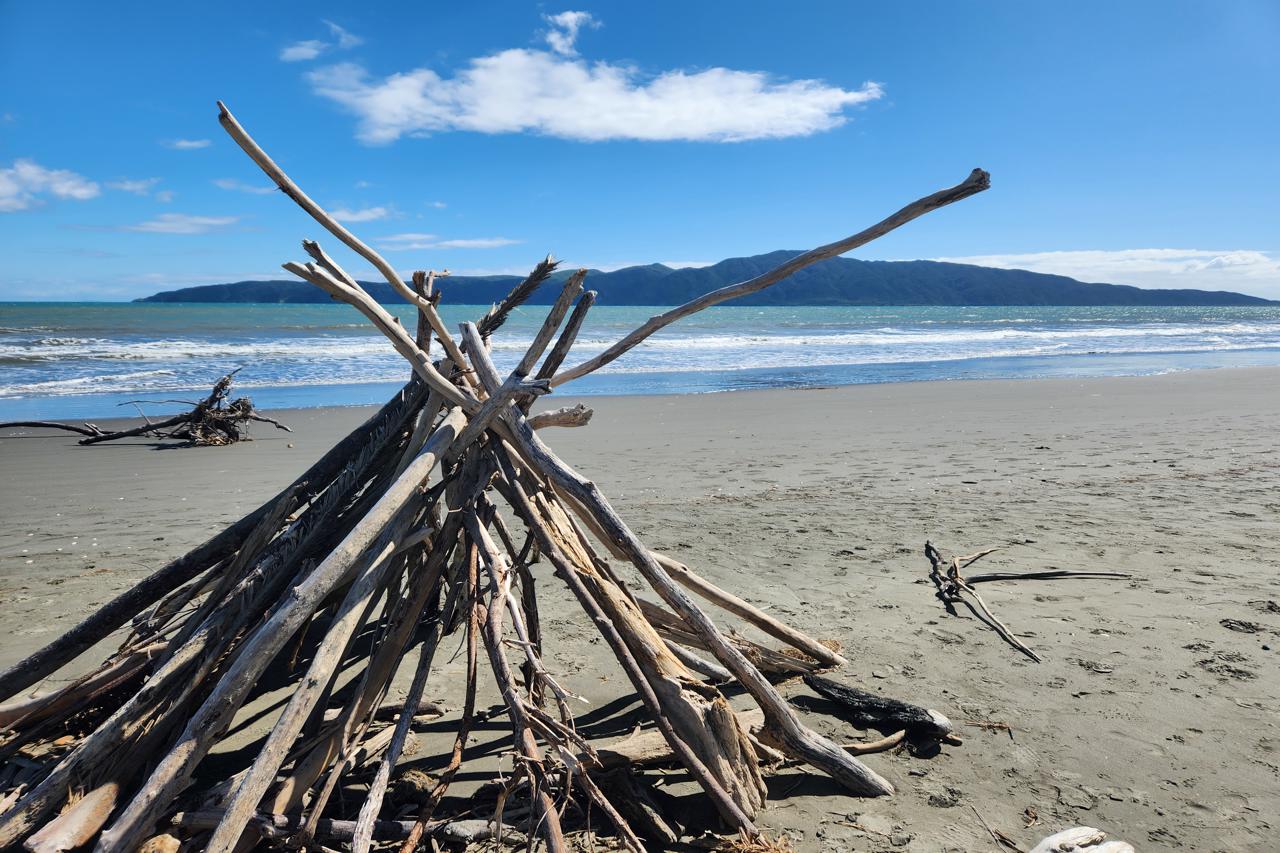
Before diving into specific beaches, it’s worth addressing a common mix-up. Kāpiti Island itself isn’t really a beach destination. It’s a predator-free nature reserve sitting about 5 kilometres offshore. The Department of Conservation manages it as one of New Zealand’s most important bird sanctuaries.
A few facts help explain why the island and the coast serve very different purposes for visitors:
- Kāpiti Island requires a DOC permit to visit, included in the price of a ferry ticket
- Private boats are not permitted to land on the island, partly to protect its predator-free status
- The island is home to endangered birds like the little spotted kiwi, kōkako, takahē, and kākāriki
- Nearly all of the region’s actual swimming beaches sit along the mainland coast, looking out toward the island rather than on it
In other words, if you’re searching for Kāpiti Coast beaches to swim, sunbathe, or picnic at, you want the mainland towns. If you’re after wildlife and guided nature walks, that’s what the island itself offers.
Paraparaumu Beach: The Coast’s Main Hub
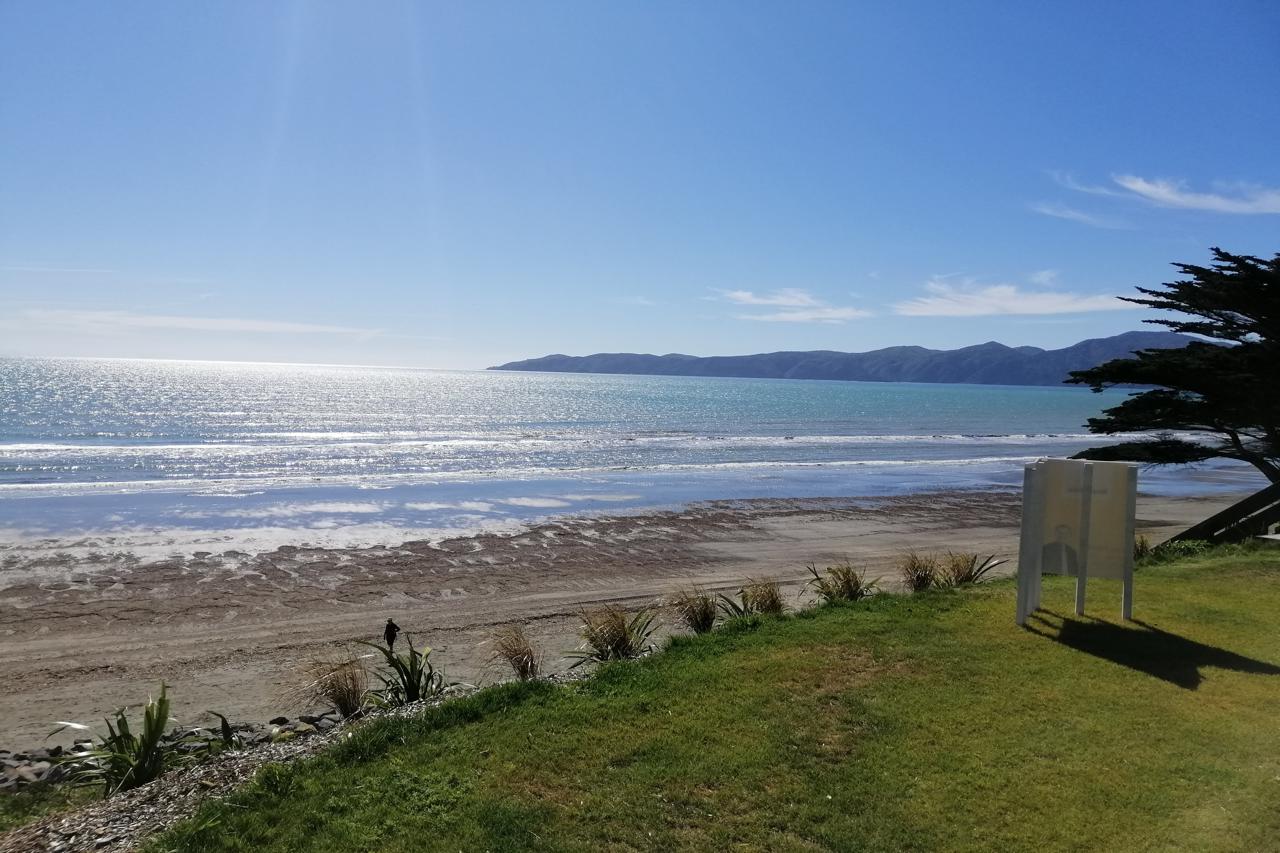
Paraparaumu Beach is the largest and most visited of the Kāpiti Coast beaches. It functions as the region’s unofficial capital. The beach faces west directly toward Kāpiti Island, which sits close enough offshore to be clearly visible on most days.
A few details make Paraparaumu Beach the natural starting point for most visitors:
- The Metlink Kāpiti Line train runs directly to Paraparaumu Station, making it one of the more accessible beaches from Wellington without a car
- The beach has a relatively shallow gradient, generally safe for swimming in average conditions, though it can turn hazardous in large north to northwest swells
- Lifeguards patrol during peak summer periods; swim between the flags when they’re out
- The beach doubles as the departure point for Kāpiti Island Nature Tours, making it the natural base for combining both a beach day and an island trip
Paraparaumu itself has grown into the coast’s main commercial hub, too. Coastlands Shopping Town offers more than 100 stores nearby, and a Saturday morning market on Seaview Road sells fresh produce, baking, and local Kāpiti coffee. For travelers basing themselves on the coast for a few days, Paraparaumu makes the most practical choice given its train access and range of amenities.
Waikanae Beach: A Quieter Alternative
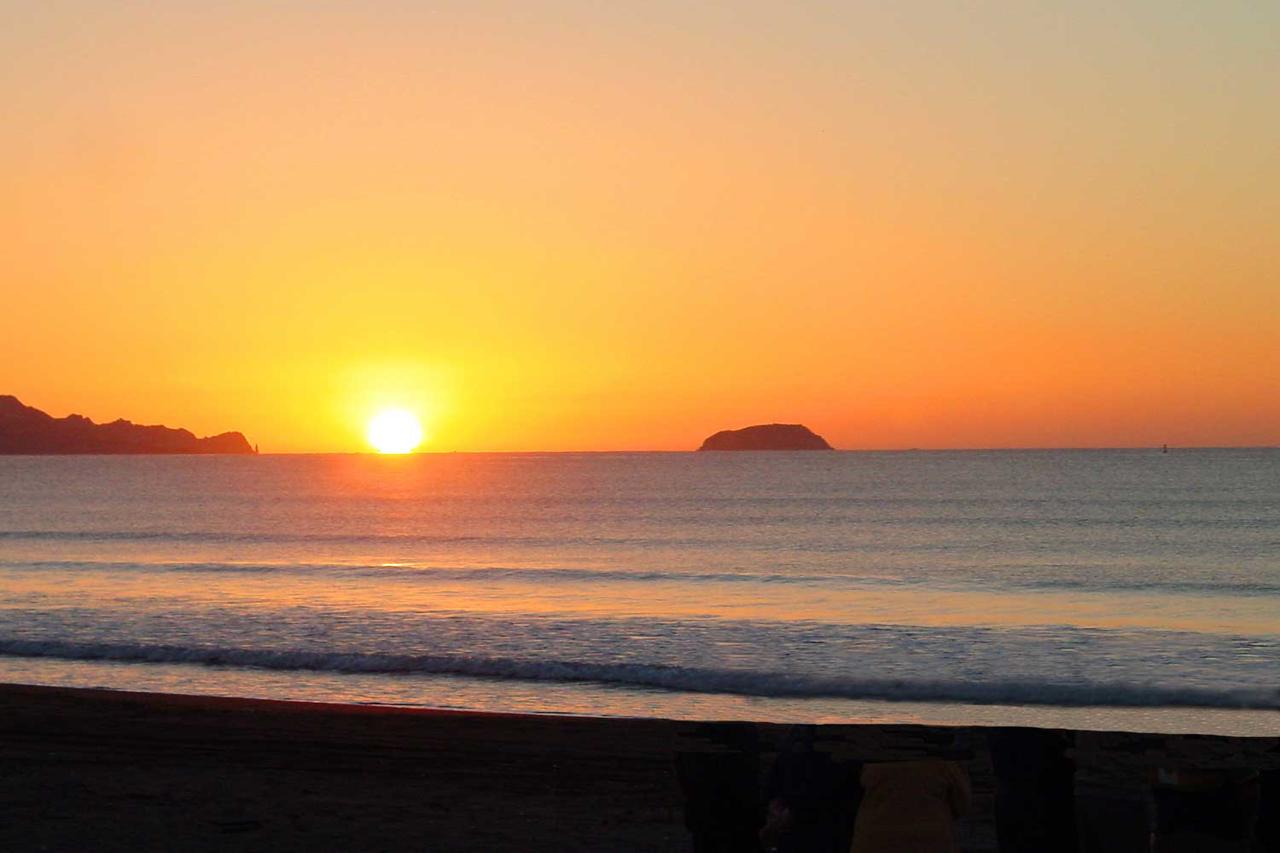
A short distance north of Paraparaumu, Waikanae Beach offers a calmer, more residential feel. It sits alongside the satellite settlement of the same name. The beach is generally considered safe for swimming, with a boat club, tennis courts, and a playground nearby.
Waikanae Beach also connects to one of the region’s more distinctive natural features. The Waikanae Estuary Scientific Reserve is a wetland area known for migratory birds. This makes Waikanae a good stop for travelers who want to pair a beach visit with some birdwatching. It’s a way to enjoy the region’s wildlife appeal without needing to make the full trip out to Kāpiti Island itself.
Comparing the Kāpiti Coast’s Main Beaches
| Beach | Character | Best For |
| Paraparaumu Beach | The region’s main hub, train-accessible | Swimming, families, island ferry departures |
| Waikanae Beach | Quieter, residential | Relaxed swimming, birdwatching at the estuary |
| Raumati Beach | Calm waters, sandy shores | Families, paddling, kayaking |
| Paekākāriki Beach | More exposed, better surf | Surfing, coastal walks, the Escarpment Track |
| Ōtaki Beach | Long, open, less developed | Walking, fishing, views of the Tararua Ranges |
The Rest of the Kāpiti Coast Beaches
Beyond Paraparaumu and Waikanae, several other beaches round out the wider Kāpiti Coast:
- Raumati Beach: calm and family-friendly, with soft sand well suited to sandcastles, paddling, and stand-up paddleboarding
- Paekākāriki Beach: more exposed to swell, popular with surfers, and the southern end of the well-known Escarpment Track, a 9.1km coastal walking trail with sweeping Kāpiti views
- Ōtaki Beach: longer and less developed, popular for fishing and walking, with clear views across to the Tararua Ranges
- Te Horo Beach: one of the coast’s more remote stretches, known for driftwood and a quieter atmosphere
Because the beaches sit close together along the same stretch of coast, it’s easy to visit several in a single day, especially with a car. Many travelers base themselves in one town and drive between the others over the course of an afternoon.
Visiting Kāpiti Island
For travelers who want to pair their beach time with the region’s wildlife, a Kāpiti Island trip is worth building into the itinerary. Access is permit-controlled. Because of this, joining a guided tour is by far the simplest way to visit.
Our Kāpiti Island Full Day Tour departs from Wellington. It includes the coastal drive, ferry crossing, and a guided walk through the island’s bird sanctuary. Our Kāpiti Island Nature Tour departs directly from Paraparaumu, useful if you’re already spending the day on the coast. For a shorter option that still takes in the wider region, the Kāpiti Gold Coast Half Day Tour covers Paraparaumu, the Kāpiti Cheese factory, and the Southward Car Museum without the full island crossing.
Getting to the Kāpiti Coast
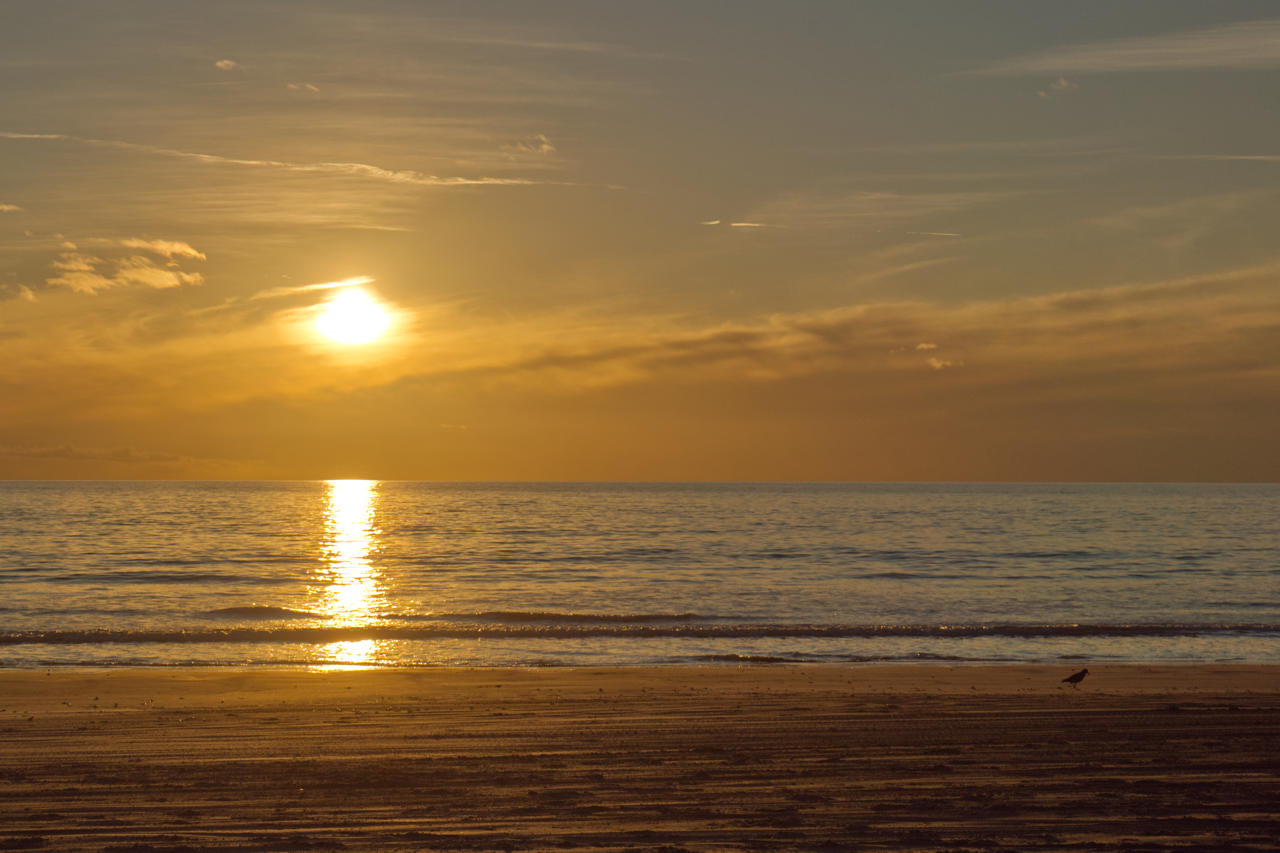
The Kāpiti Coast sits close enough to Wellington to work well as a day trip. Even so, many travelers choose to stay a night or two given how much ground there is to cover. Driving takes 40 to 90 minutes depending on the specific beach, largely via the Transmission Gully motorway. The Metlink Kāpiti Line train offers a scenic, car-free alternative, running roughly hourly between Wellington and Paraparaumu.
Our things to do in Wellington guide covers the capital itself, useful for planning a Kāpiti Coast day trip around a longer Wellington stay. If you’re weighing up other New Zealand beaches alongside this stretch of coast, our best beaches in New Zealand guide rounds up the wider country’s coastline.
When to Visit
Conditions along the Kāpiti Coast shift by season, much like the rest of the lower North Island:
- Summer (December–February): the busiest season, with lifeguards patrolling the main beaches and the warmest swimming conditions
- Autumn and spring: quieter beaches and milder weather, generally still comfortable for walking and exploring
- Winter (June–August): cooler and windier, though the Escarpment Track and other walks remain accessible year-round
Regardless of season, it’s worth checking current water quality and swell conditions before swimming. The coast can turn hazardous quickly in larger north to northwest swells.
Planning Your Trip
The Kāpiti Coast sits close to Wellington. Because of this, it fits naturally into a wider North Island itinerary rather than requiring a dedicated trip of its own. A North Island self-drive tour can weave the Kāpiti Coast into a longer route between Wellington and destinations further north. Alternatively, our customizable New Zealand vacation packages can shape a trip entirely around your own interests. You can also add the Kāpiti Coast directly to your custom vacation package wishlist.
The Coast and the Island, Together
Most visitors come away from a Kāpiti Coast trip having experienced two very different sides of the same stretch of coastline. There are relaxed, family-friendly beaches on the mainland, and a genuinely rare wildlife sanctuary just offshore. Few regions in New Zealand pack both into such a short drive from a capital city.
You might be chasing a swim at Paraparaumu Beach, a quieter afternoon at Waikanae Beach, or a guided walk through Kāpiti Island’s bird sanctuary. Either way, this stretch of coast rewards a proper visit rather than a rushed drive-through.
Browse our things to do in Wellington or get in touch to start planning a trip built around the Kāpiti Coast and Kāpiti Island.