
Hunting in New Zealand: Permits, Species and the Best Months
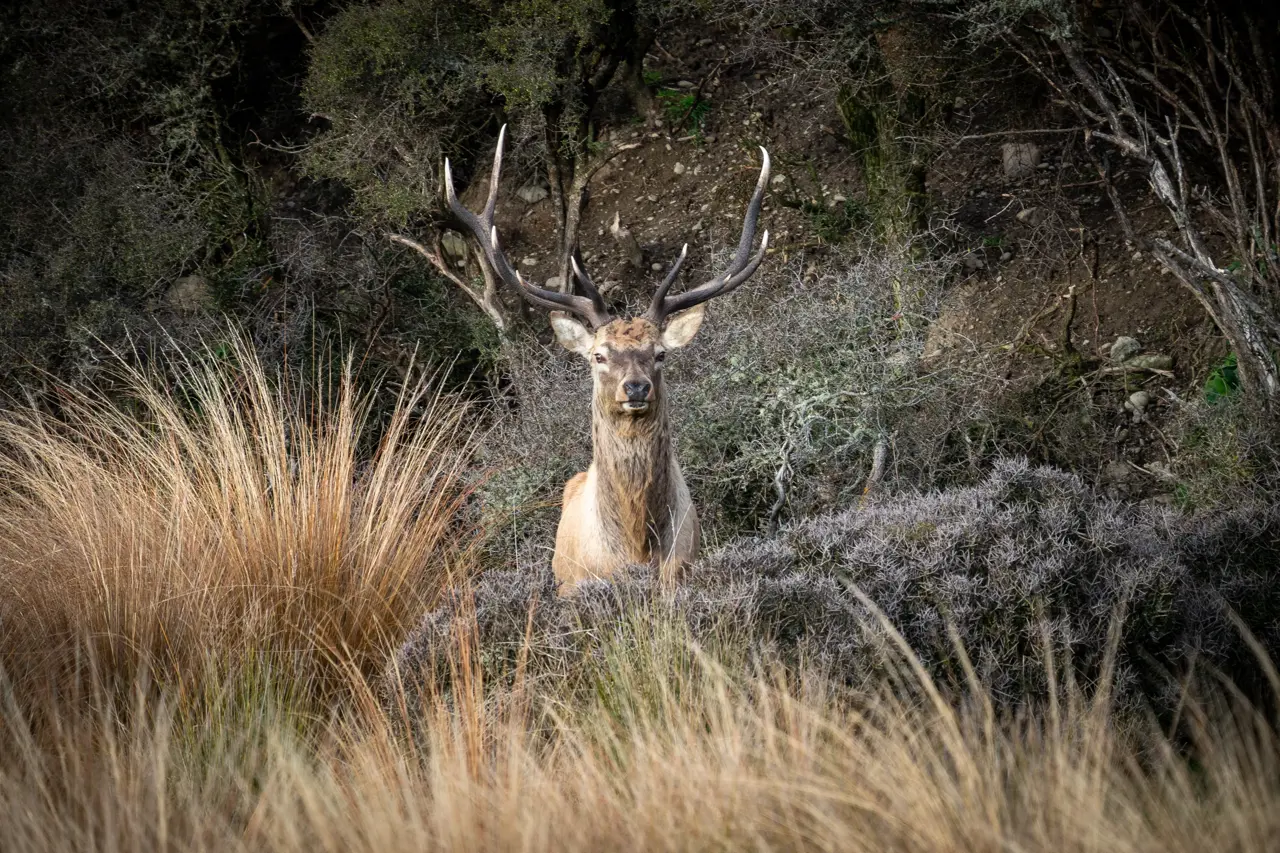
Hunting in New Zealand breaks the usual rules. Large game has no season and no bag limit. Red deer, tahr and chamois arrived with European settlers, thrived, and now count as pests across much of the country. So hunters are welcome almost every month of the year.
Welcome doesn’t mean easy, though. Animals move with the weather. Winter daylight shrinks fast. And the paperwork can take longer than the hunt itself. This guide covers the species, the permits, the costs and the timing, including what to expect in August and September.
New Zealand Hunting Season: Why the Calendar Still Matters
Officially, big game hunting never closes. In practice, the year splits into a few clear windows.
The red deer roar comes first. The Department of Conservation (DOC) says it runs from late March through April and lasts about four weeks, with stags loudest in the middle two. Tahr and chamois follow. Their rut and thick winter coats land roughly between May and July, which is when trophy hunters want them. Game birds work differently. Dates vary by Fish & Game region, but the main duck season opens in early May and closes anywhere from late June to late July. Some upland and special seasons stretch to the end of August.
Dates shift by region and year. Check the local notice before you plan a bird hunt around them.
What You Can Hunt
The game list is long. Here are the headline species.
- Red deer. The most widespread, living in forest and tussock from the Kaimai Range south to Stewart Island, according to DOC.
- Sika and fallow deer. Sika sit mostly in the central North Island, around the Kaimanawa and Kaweka ranges. Fallow turn up on both main islands.
- Himalayan tahr and chamois. Alpine animals, both open to hunting year-round.
- Pigs and goats. Common targets for hunters who want meat and a long walk.
- Game birds. Ducks, plus upland birds, under a separate licence.
Red Stag Hunting in New Zealand
Red stag hunting in New Zealand is the main event, and the roar is the reason. Stags get loud and a little careless. You can often hear one long before you see him. DOC calls the roar a good time to locate and stalk males.
Expect company. Some hunting blocks close or go to ballot around the roar, and the best public ground fills quickly. Private estates are the other route, and the price range is huge. One directory lists free-range trophy packages from about US$6,000 for a 300 SCI stag up to US$18,900 and beyond for a 500+ SCI estate animal. Other operators advertise entry-level estate hunts nearer US$3,000 to US$4,500.
Outside the roar, stags go quiet and stick to cover. Spring helps. DOC notes that deer step out of the forest to feed on fresh growth, which is why September works better than most people expect.
Tahr Hunting in New Zealand
Tahr hunting in New Zealand is steep, cold and expensive. It’s also hard to forget. Himalayan tahr live high, often above 2,000 metres, and plenty of hunters climb in on foot. Helicopters are common now too. Commercial aerially assisted trophy hunting needs a DOC concession, so your outfitter handles that part.
Winter gives bulls their heavy manes, which is why trophy hunters head in from May. DOC is blunt about the catch: winter is the hardest time to hunt tahr, because climate and day length work against you.
Budget accordingly. One directory puts a guided tahr hunt without a helicopter at roughly US$8,000 to US$12,000, and a full alpine package with helicopter at US$15,000 to US$25,000. Operators who publish helicopter rates charge from US$1,400 to US$3,000 an hour.
Hunting in New Zealand in August
August is late winter, and it suits alpine game. Tahr and chamois carry thick winter coats. Snow can make tracks easier to read. Stags are well past the roar, so they’re quieter and harder to find, although some operators still sell red stag, sika and fallow buck hunts through the month. Duck season is over.
The trade-off is daylight and weather. Our guide to visiting New Zealand in August puts usable daylight at roughly nine to ten hours, with South Island highs around 8°C to 12°C. Pack layers. Build in spare days for storms.
Basing yourself near Queenstown or Wanaka? Book early. Ski season fills beds and rental cars fast. The Mt Cook and Mackenzie region gives you dark-sky evenings after a long day on the hill, and our weather and climate page shows what each region does in winter.
Hunting in New Zealand in September
September flips the script. Spring arrives, mostly. The first weeks can still be cold, wet and windy, then the days warm up and the snowline climbs. Our September guide covers the weather, region by region.
For hunters, the big change is food. Deer move out onto new grass, which makes them easier to spot from a ridge. Tahr and chamois are still on the table, although their coats start to shed by October. Crowds thin out, too.
Here’s the honest take. If you want a heavy-maned bull tahr, aim earlier in winter. If you want fair prices, quieter country and a realistic shot at deer on open ground, September is a smart pick.
Hunting Permits in New Zealand: What Visitors Need
Miss one of these and the trip stalls. Work through them in order.
1. Landowner permission. You need it on every piece of land. On public conservation land, you get it through a DOC hunting permit. Hunting with a firearm means holding a valid firearms licence before DOC will issue one.
2. A visitor firearms licence. The Firearms Safety Authority issues it. You usually need to live outside New Zealand, stay under a year, come from a country with similar firearms rules and have secure storage. Police hand over the licence when you land, so apply before you fly.
3. An import permit. Required for any firearm or firearm part you bring. Skip it entirely by using your guide’s rifle. Tourism New Zealand says professional guides can supply suitable firearms and ammunition.
4. A game bird licence. Duck and upland hunting needs a Fish & Game licence, plus a DOC game bird permit on public conservation land.
5. Trophy paperwork. You may need CITES documents to take a trophy home. Clean your boots, too. Biosecurity officers check.
No firearms licence? You can still hunt under the immediate supervision of a New Zealand licence holder, such as your guide.
Guided Hunting in New Zealand or Going It Alone
Tourism New Zealand tells visitors to hire a professional guide. The forests and mountains are physically demanding, and high-country weather turns on you fast. A good guide also knows which valleys are holding animals this week, and often arranges permits for you.
Going alone is legal and rewarding. It’s also less cheap than it looks, and a poor route to a big red stag, according to one hunting directory. Helicopter drops add up quickly.
Short on time? Some outfitters sell one- or two-day hunts. One North Island operator lists a daily guiding rate of US$300, with trophy fees on top. That suits travellers passing through who want one good day in the bush.
Build the Rest of the Trip Around the Hunt
A hunt takes three to six days. Your holiday is longer. Fill the gaps with things that don’t need a permit.
- Drive it yourself. Our self-drive tours include the 9-Day South Island Self Drive Tour: Lakes & Glaciers. Read up on driving in New Zealand and rental cars first.
- Walk without a rifle. Browse walking and hiking, our hiking tours, Hiking Mount Aspiring National Park or Nelson Lakes (Backcountry Adventure).
- Watch the wildlife. Wildlife and beaches and our 14-day nature and wildlife itinerary cover everything you can enjoy with binoculars instead.
- Camp cheap. Our guide to 122 DOC campsites pairs well with a motorhome holiday.
- Soak the aches away. Hot pools and health spas feel even better after a pack-out, and the Lake Rotoiti Thermal Hot Pools Experience comes by boat.
- Bring a non-hunting partner. Active and adventure activities, plus a Milford Sound coach and cruise in Fiordland, keep everyone busy.
Before you book anything, check the best time to visit New Zealand, the travel insurance and medical cover page and the must-have list. Check that your policy covers hunting and helicopter flights. Many don’t.
Staying Safe in the Backcountry
Identify your target positively every single time. DOC says so, and it’s the rule that matters most. Tell someone your route and your return time. Carry a personal locator device, because mobile coverage vanishes in valleys. Read our health, medication and safety page, and don’t push on when the weather turns.
FAQ: Hunting in New Zealand
Do you need a licence to hunt in New Zealand?
Usually, yes. You need landowner permission everywhere and a DOC permit on public conservation land. Firearm hunters need a firearms licence, which visitors get as a visitor firearms licence. Game birds need a separate Fish & Game licence.
Is there a deer hunting season in New Zealand?
No fixed season applies to large game. The red deer roar, from late March through April, is the most popular window.
When is the best time for tahr hunting in New Zealand?
Most trophy hunters aim for roughly May to July, when bulls carry heavy winter coats. August still works. Coats begin to shed by October.
Can tourists bring their own rifle?
Yes, with a visitor firearms licence and an import permit. Many visitors skip both and use a guide’s rifle.
How much does a hunting trip to New Zealand cost?
Prices swing wildly. Entry-level estate stag hunts start near US$3,000. Guided tahr hunts run from about US$8,000, and multi-species packages with helicopter time climb far higher.
Want the non-hunting half of your trip sorted? Tell us your dates through our custom tour form, or contact us directly.