
New Zealand Solar Eclipse 2028: Dates, Times, Path & Best Spots to Watch
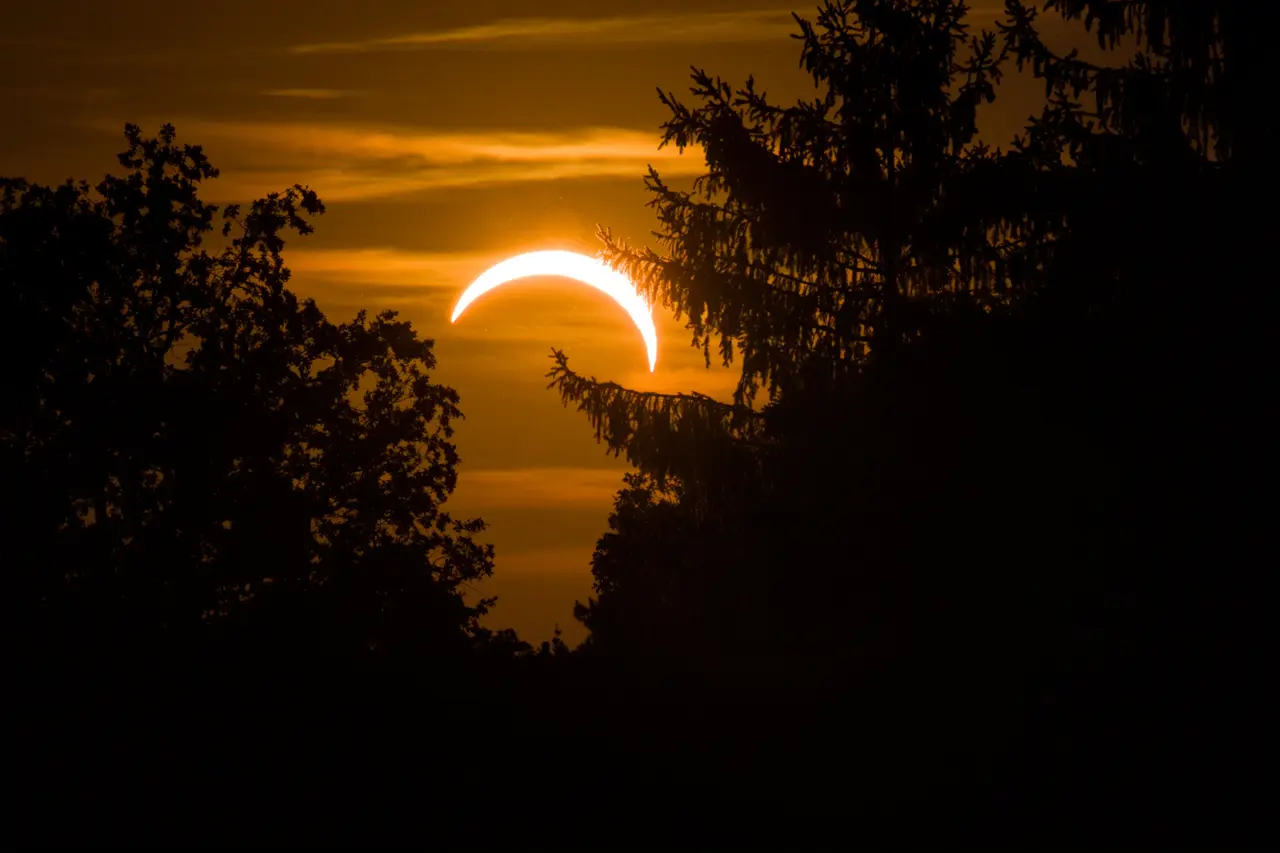
The New Zealand solar eclipse on Saturday 22 July 2028 is the one sky show you can’t reschedule. At about 4:15pm, the Moon will slide across the Sun and switch off the afternoon over Queenstown, Dunedin and a thin ribbon of the lower South Island. Nearly three minutes of twilight. Stars in a daytime sky. A black disc ringed with pearly light. Then the day comes back.
Here’s the catch. It’s midwinter, the Sun will hang low in the north-western sky, and southern weather does whatever it likes. So this guide sticks to what matters: exact times, the path of totality, the best places to watch, how to stay safe, where to sleep (rooms are vanishing fast) and how to stretch the trip into calmer, cheaper months. Our guides to New Zealand in August and New Zealand in September show what’s on once the eclipse crowds head home.
New Zealand Solar Eclipse 2028 at a Glance
Quick facts first, because you’ll want them handy.
- Date: Saturday 22 July 2028
- Totality: about 4:15pm to 4:19pm NZST, roughly an hour before sunset
- Where: a narrow band of the South Island, from near Milford Sound through Queenstown and Central Otago to Dunedin
- Length of totality: 2 minutes 55 seconds in Queenstown, 2 minutes 51 seconds in Dunedin
- Everywhere else in NZ: a deep partial eclipse, around 68% in Auckland and 83% in Wellington
- Last total eclipse in New Zealand: 30 May 1965, seen from Northland
- Next total eclipse in Dunedin: 2431
What a Total Solar Eclipse Actually Is
A total solar eclipse happens when the Moon lines up between Earth and the Sun and covers the Sun’s face completely. Sounds simple. It isn’t common. The Moon’s dark shadow is tiny, so the strip where the Sun fully vanishes is only a few hundred kilometres wide at best. Over southern New Zealand it’s roughly 100 km across. Step outside that strip and you get a partial eclipse: a bitten Sun, a slightly dim afternoon, no magic.
Inside the strip, everything shifts. The light turns a strange steel grey. The temperature drops, birds go quiet, and the whole horizon glows like a sunset. Then the corona flares into view, a pale halo you can’t see any other way.
So why does the 22 July 2028 solar eclipse matter so much? Because New Zealand almost never gets one. The last total eclipse anywhere in the country was on 30 May 1965, and only a small part of Northland saw it. Dunedin’s last was in 1163, long before anyone settled here. According to Dunedin’s official eclipse page, the next one for the city won’t arrive until 2431. Miss this and you’re waiting a very long time.
The total solar eclipse 2028 is part of a bigger story, too. The Moon’s shadow starts over the Indian Ocean and crosses Western Australia’s Kimberley, where totality stretches past five minutes. It races over Sydney for nearly four minutes, then crosses the Tasman Sea. Wikipedia’s page on the eclipse has the full table of local times if you like numbers.
What Time Is the New Zealand Solar Eclipse?
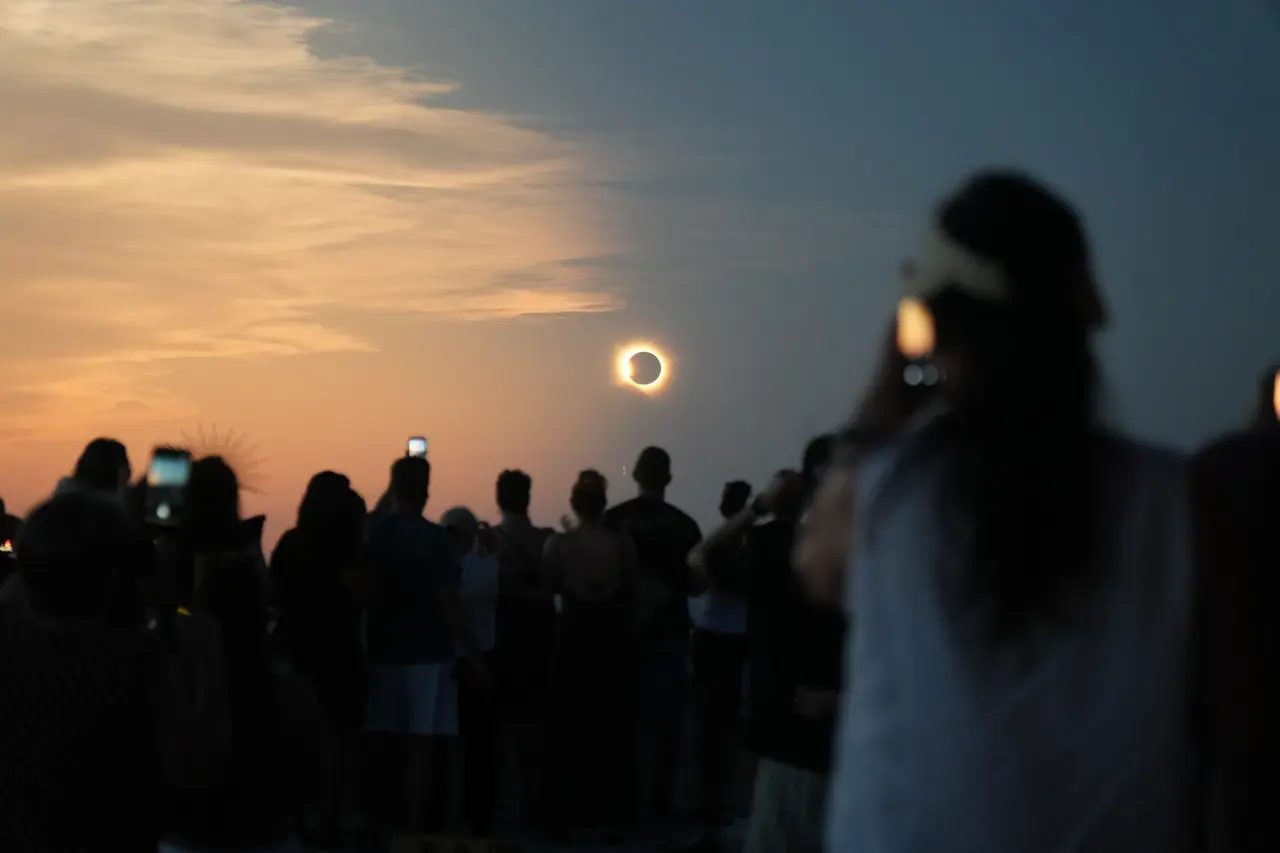
What time is the solar eclipse in New Zealand in 2028? Totality begins around 4:15pm New Zealand Standard Time (NZST) on Saturday 22 July. July sits outside daylight saving, so there are no clock tricks to worry about. Flying in from far away? Our New Zealand time zone guide covers the basics.
Here’s how the afternoon unfolds in the two big centres:
- About 3:07pm in Queenstown and 3:09pm in Dunedin: the partial eclipse begins. The Moon takes its first nibble.
- About 4:15pm in Queenstown and 4:16pm in Dunedin: totality starts. Glasses off, but only now.
- About 4:16pm in Queenstown and 4:17pm in Dunedin: mid-eclipse, the darkest moment.
- About 4:18pm in Queenstown and 4:19pm in Dunedin: totality ends. Glasses back on, fast.
Because it’s midwinter, the Sun will sit low in the north-western sky for the whole show. That’s great for photos. It’s also a risk if a hill or a building blocks your view. Hold that thought, because it shapes everything in the next sections.
Understanding the Solar Eclipse 2028 Path of Totality
Think of the path of totality as a moving strip of night. It arrives from the Tasman Sea near Fiordland, runs across Queenstown and Central Otago, then leaves over Dunedin into the Pacific. Astronomers describe it as a line from Milford Sound to Dunedin. The centreline passes between Arrowtown and Queenstown and then straight over Dunedin.
The centreline gives you the longest darkness. Move toward the edges and totality shrinks. Ranfurly, out in the Maniototo, gets about 2 minutes 18 seconds, which is noticeably less than Dunedin’s 2 minutes 51 seconds.
So yes, where you stand matters. But two other things matter more: a clear view of the north-western horizon, and a gap in the clouds. Wherever you watch the New Zealand solar eclipse, pick your spot with both in mind.
Best Places to See the New Zealand Solar Eclipse
The best places to see the solar eclipse in New Zealand share one trait: a clean north-western horizon. The Sun will sit low, so one tall ridge, tree line or apartment block can wipe out the view. Scout your spot with a sun-position app, then line up a Plan B within driving distance. Eclipse chasers call that mobility, and it’s the single best habit you can copy.
Solar Eclipse Queenstown: Alpine Drama Around Arrowtown
Hunting for solar eclipse Queenstown viewing spots? The centreline runs right past town, and Queenstown gets 2 minutes 55 seconds of totality, a touch longer than Dunedin. Add lake views, snowy peaks and the historic streets of Arrowtown, and it’s hard to beat. Mountains can swallow a low Sun, though, so check your angle. Our Queenstown tours and activities page lists what’s on around town, and scenic flights are worth asking about if cloud rolls in. Operators will probably get swamped, so ask early.
Solar Eclipse Dunedin: The Centreline City and the Otago Peninsula
Dunedin sits right on the centreline, and the darkened Sun will hang low over the harbour, the hills and the city skyline. The city is planning curated viewing platforms and a programme of events, according to its tourism board. Astronomer Dr Ian Griffin of Tūhura Otago Museum has been talking up the eclipse for years. Browse Dunedin and Otago activities, or pair the eclipse with wildlife and beach experiences on the peninsula. Rooms for a solar eclipse Dunedin trip are the hardest to find, so don’t wait.
Central Otago and Wānaka for Big Skies
Central Otago is New Zealand’s driest corner, and RNZ reports the path runs through Queenstown and Alexandra. That means wide valleys, open horizons and a better shot at blue sky than the coast. Winter frost and valley fog can still hang around, so don’t assume. Wānaka sits close to the path, though you should check a detailed map for your exact address. Our Wānaka activities page has plenty to fill the days around the main event.
Fiordland and Milford Sound for the Photo Gamble
Dr Griffin has called Milford Sound a prime photo spot, with the eclipsed Sun dropping behind Mitre Peak. Picture that. Now picture the rain. Fiordland gets six to eight metres a year, and the Milford Road can close for avalanche control in winter. It’s a gorgeous gamble. Browse Fiordland activities and boat cruises and water activities to see what the area offers, and keep a backup plan in your pocket.
Outside the Path: Partial Views Across the Country
Everyone else in New Zealand gets a partial eclipse. Auckland sees about 68% and Wellington about 83%, according to published circumstances. It’s worth watching with proper glasses, but it won’t go dark. If you’re based up north, Auckland and Wellington are both within flying distance of the path.
Will the Weather Cooperate?
Honest answer: maybe. Winter in the south is cold, changeable and sometimes grey. Timeanddate’s average cloud figure for Dunedin on eclipse day sits around 59%, so a clear sky is a coin flip at best. Nobody can promise you blue sky for the New Zealand solar eclipse, and anyone who does is selling something.
Still, you can stack the odds. Here’s how:
- Stay mobile. Westerly fronts often dump on the Alps and Fiordland while Central Otago sits in the rain shadow. A few hours’ drive can change everything.
- Watch forecasts for three to five days out. Then pick your final spot, not before.
- Choose flexible transport. A self-drive tour or motorhome holiday lets you chase clear air.
- Dress like it’s winter. Because it is. Thermal layers, a warm hat and gloves.
And if cloud wins? Totality still hits hard. Dunedin’s tourism team says daylight collapses, the temperature drops and an eerie stillness settles in even under heavy cloud. Not the corona, but not nothing. For weather basics, see our New Zealand weather and climate guide.
How to Watch the New Zealand Solar Eclipse Safely
How do you watch the 2028 solar eclipse safely? Use certified eclipse glasses for every partial phase, and only remove them during totality. That’s the whole rule. Here’s the detail.
- Buy eclipse glasses marked ISO 12312-2. Regular sunglasses don’t come close, even dark ones.
- Check them first. Scratches, pinholes or tears mean the bin.
- Take them off only when the Sun is fully covered. Once the first bright sliver returns, glasses go back on immediately.
- Filter your camera. Binoculars, telescopes and lenses need dedicated solar filters. Phone cameras need one too.
- Supervise kids. Little ones forget fast.
- Buy early. Stocks of proper eclipse glasses run out in the final weeks before big eclipses.
Missing glasses? A pinhole projector works. Poke a small hole in card, hold it up, and watch a tiny crescent Sun appear on the ground. Dead simple, and fun for kids.
Where to Stay for the New Zealand Solar Eclipse
Rooms for the New Zealand solar eclipse are already scarce. In July 2026, reports said Dunedin hotels were selling out two years early, with one eclipse package at Dunedin Leisure Lodge already fully booked. Some accounts expect roughly 35,000 visitors in Dunedin alone. Queenstown and Wānaka will fill, too.
Where should you stay for the 2028 solar eclipse in New Zealand? Aim for flexibility and a wide search radius. A few ideas:
- Book early, but pick flexible terms. Weather may force a change of plan.
- Spread your search. Queenstown, Wānaka, Central Otago and Dunedin all sit on or near the path.
- Think vehicles. A rental car or campervan gives you a bedroom and a way to chase clear skies. Both will be tight in July 2028.
- Check accommodation styles. Our accommodation options for tour packages page explains what you get at each level.
Prefer someone else to juggle the logistics? A small group tour or a luxury private tour handles hotels and transport together. Or ask for a custom tour built around eclipse day. Deposits are refundable and cancellation terms are flexible, though you should confirm the details for your package when you book. Not sure how it all works? Read how to book a tour.
Make It a Longer Trip: Why August and September Work So Well
The New Zealand solar eclipse lands in late July, peak ski season in Queenstown and Wānaka. That’s a gift. Arrive a week early, ski the Southern Alps, and see the eclipse as the grand finale. Our guide to the best New Zealand ski resorts will help you choose a mountain, and the New Zealand in July page covers the month itself.
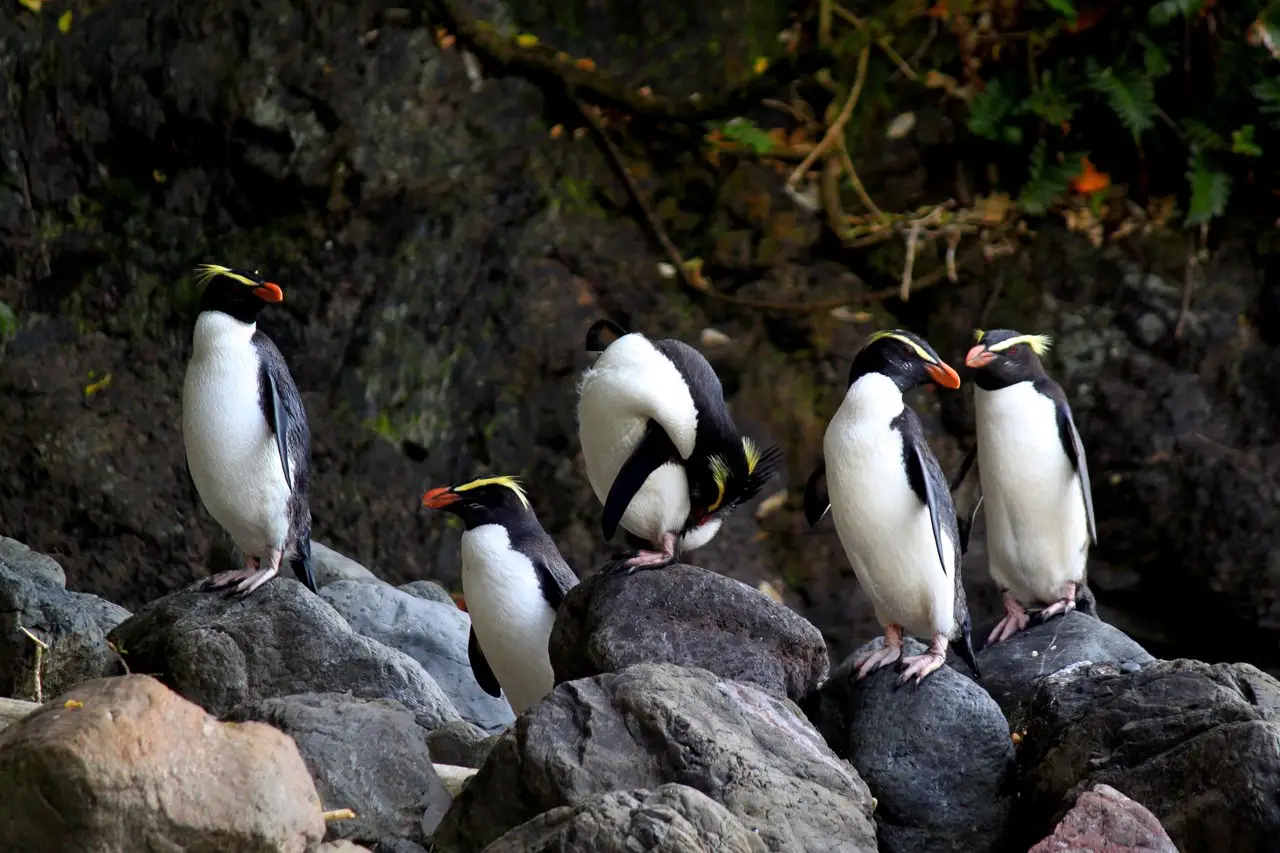
Then keep going. New Zealand in August brings late-season ski deals, whale watching off Kaikōura and long soaks in hot springs, with fewer crowds. By New Zealand in September, spring has arrived: wildflowers, newborn lambs and gentler prices. Around Dunedin, albatross and penguin season is ramping up, so the post-eclipse days can be wildlife days. Prices tend to ease once the eclipse buzz fades, too. Our winter in New Zealand guide and the best time to visit New Zealand page lay out the month-by-month picture.
One more thing. The eclipse passes over Sydney first. Sydney’s totality arrives only about 15 minutes before Queenstown’s, so you can’t see both. You can, however, build a trip around one and add the other country before or after. See our Australia and New Zealand vacation packages for ideas.
Matariki and the Solar Eclipse 2028 Celebrations
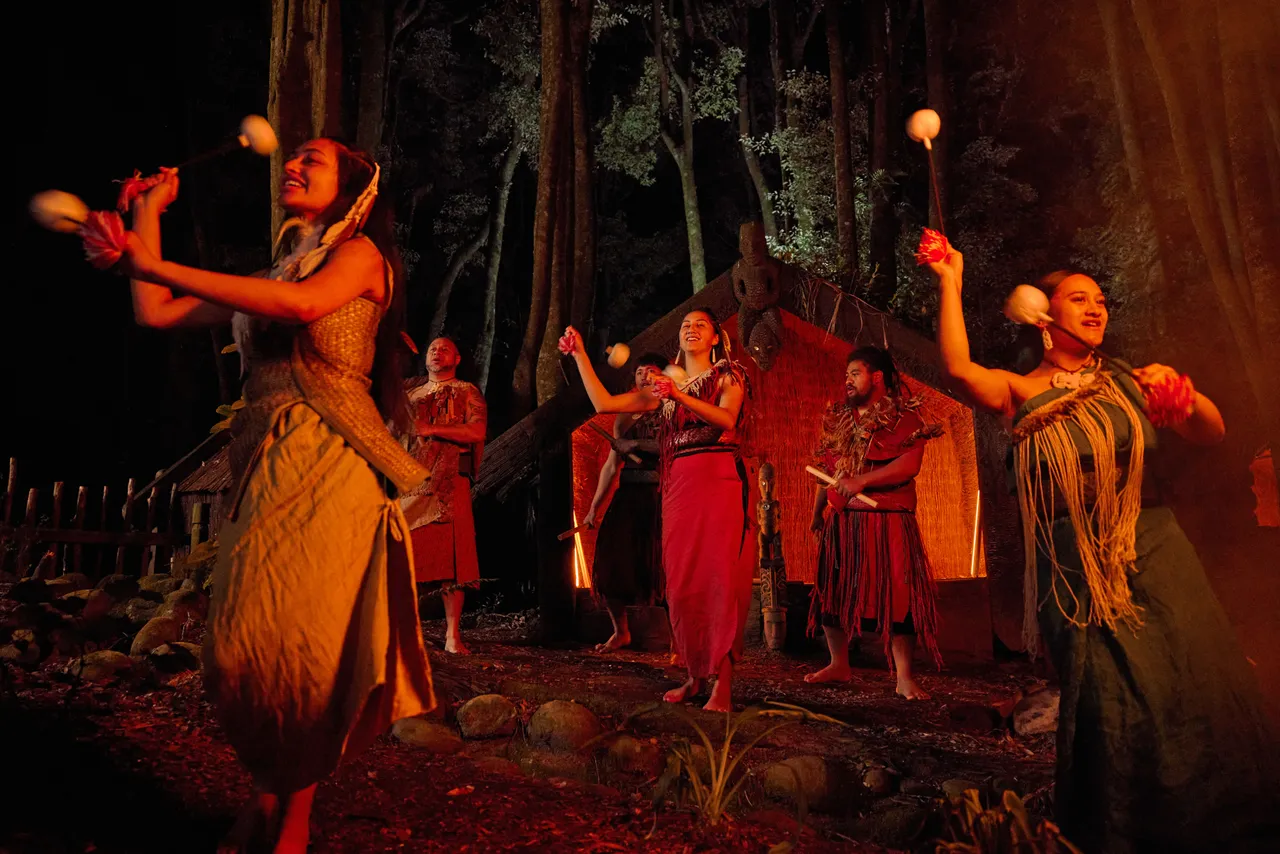
The timing is lovely. Tourism New Zealand lists Matariki, the Māori New Year, on 14 July 2028, just over a week before the eclipse. Dunedin’s tourism board calls the eclipse a chance to bring mātauranga Māori, astronomy and modern science together, with events, storytelling, stargazing and shared kai planned across the city.
That means you can arrive in time for Matariki and stay for the New Zealand solar eclipse. Matariki is also a public holiday, so check our New Zealand public holidays and festivals pages when you plan. For something deeper, try a Māori culture experience. Go to learn, not to tick a box.
A 10-Day Plan Around the New Zealand Solar Eclipse
This is a rough sketch for the total solar eclipse 2028, not a rulebook. Swap days to chase the forecast.
- Days 1 to 3, Queenstown: settle in, then try something from our active and adventure activities. Jet boats, bungy, hikes, whatever gets your heart going.
- Days 4 and 5, Wānaka and Cardrona: ski or stroll lakeside, then soak your legs in a hot pool.
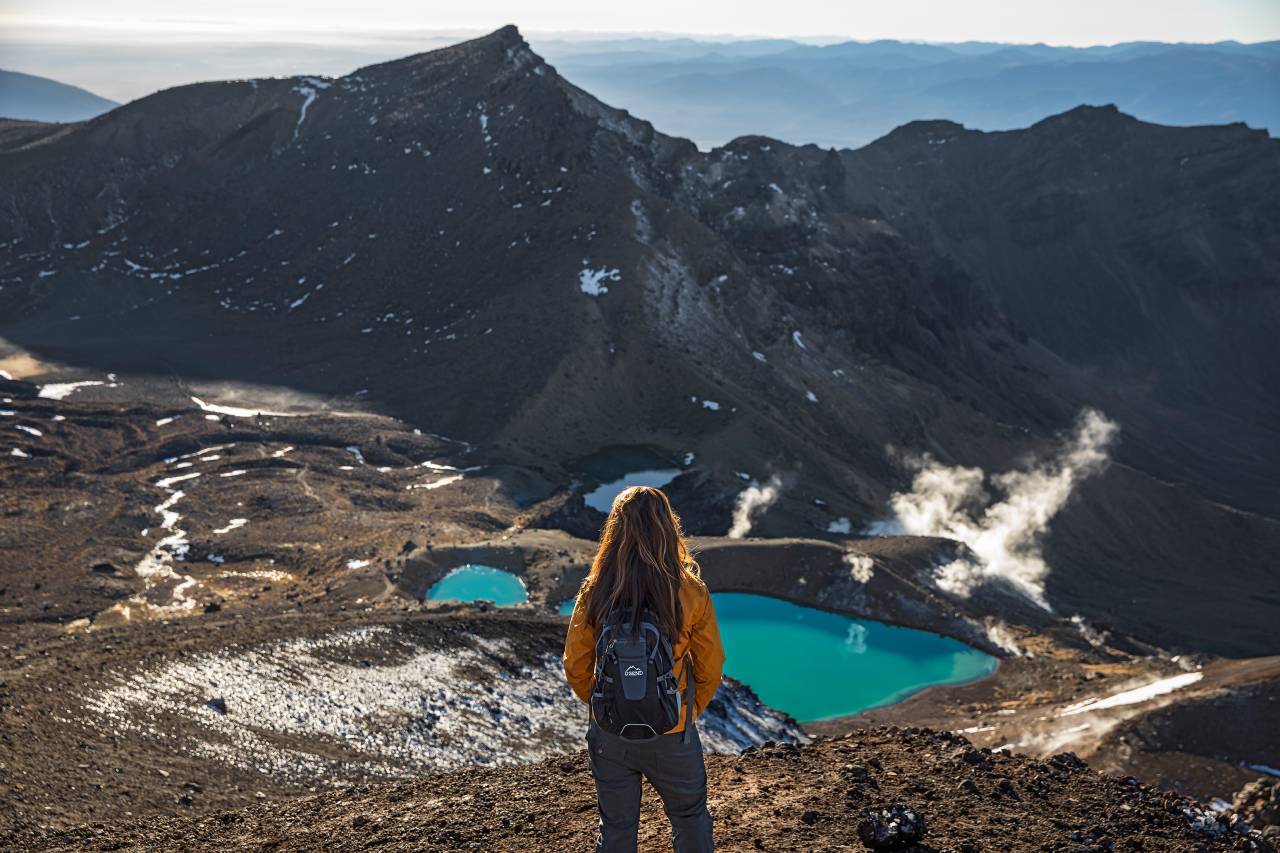
- Day 6, Fiordland: an early Milford Sound cruise. Check road conditions first.
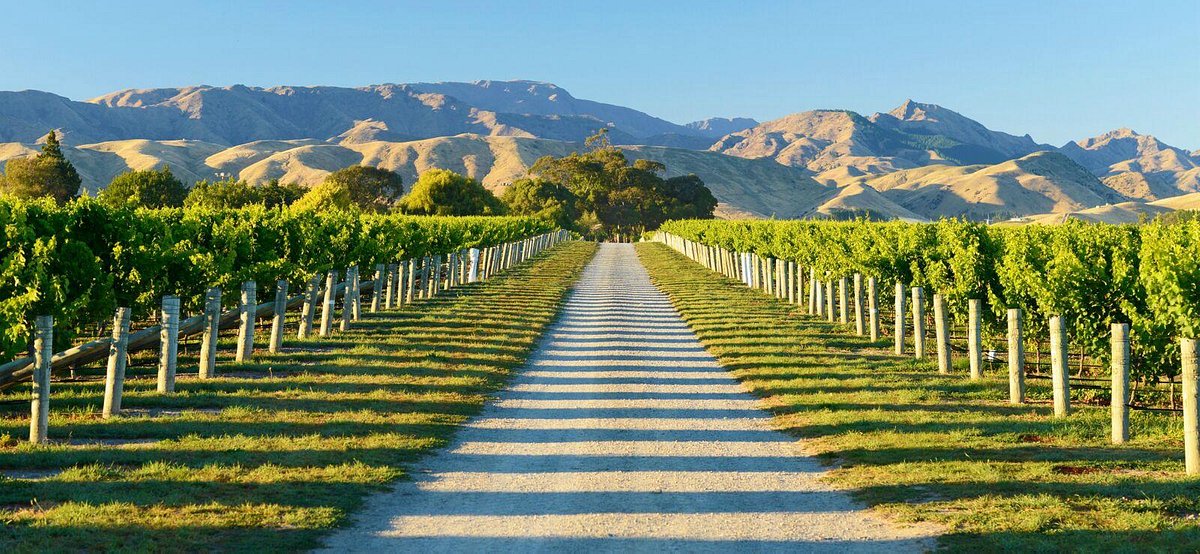
- Days 7 and 8, Central Otago: wide-open horizons, quiet vineyards and your eclipse scouting.
- Day 9, eclipse day: pick your spot from the latest forecast. Drive to clear sky if you must. Be set up an hour before totality.
- Day 10, Dunedin: wildlife, museums and a long, happy dinner.
Queenstown to Dunedin takes roughly four hours by road, so build in a buffer. Our driving in New Zealand guide explains winter conditions and road rules. Want more route ideas? Browse our New Zealand itinerary ideas and South Island tours. Not sure whether to go north or south? Read North Island vs South Island. For the eclipse, the answer is south.
New Zealand Solar Eclipse FAQs
These are the questions travellers ask us most about the New Zealand solar eclipse. Short answers below, and our travel blog has plenty more planning help.
When is the next total solar eclipse in New Zealand?
Saturday 22 July 2028, around 4:15pm NZST. The previous total eclipse anywhere in the country was in 1965. The next one for Dunedin isn’t until 2431.
How long will the 2028 solar eclipse last in New Zealand?
Totality lasts about 2 minutes 55 seconds in Queenstown and 2 minutes 51 seconds in Dunedin. The whole event, from the first nibble to the end, takes roughly two hours, starting around 3:07pm.
Is the New Zealand solar eclipse visible from Auckland?
Only as a partial eclipse. Auckland sees about 68% of the Sun covered. It won’t go dark, and you’ll need proper glasses the entire time.
Can you see the New Zealand solar eclipse from Christchurch?
Not in totality. The path crosses the lower South Island, so Christchurch gets a partial eclipse. For the full effect, you’ll need to travel to Central Otago, Queenstown or Dunedin.
Do I need eclipse glasses to watch the eclipse?
Yes. Use eclipse glasses marked ISO 12312-2 for every phase except totality itself. Regular sunglasses won’t protect your eyes.
What if it’s cloudy on eclipse day?
You’ll still notice the darkness, the cold and the quiet. To improve your odds, stay flexible and be ready to drive toward clearer skies on the day.
When should I book my trip?
Now, if you can. Accommodation in Dunedin is already filling, and rental cars and campervans will be scarce. Early booking also locks in savings, and our enquiry form is the quickest way to start.
Final Word on the New Zealand Solar Eclipse
The New Zealand solar eclipse is a once-in-many-lifetimes event, and the planning window is already closing. Choose your base, keep your plan flexible, buy proper glasses and stay ready to chase clear sky. Then look up.
Want help? Tell us you’re chasing the eclipse, and we’ll build the route around it, whether that’s a self-drive loop, a small group tour or a private journey that rolls into August or September. Start with a custom New Zealand tour request or browse the self-drive tours we already offer. Nearly three minutes of darkness is waiting. Worth every second.