
What Is New Zealand Known For? 15 Things That Make It Unique
What is New Zealand known for? Depends who you ask. A rugby fan says the All Blacks. A hiker says fiords. Your uncle says sheep, and he’s not wrong.
Here’s the real answer. This country of 5.3 million people sits at the bottom of the map. It spent more than 70 million years cut off from everyone else. That isolation shaped everything: birds that gave up flying, a Polynesian culture that arrived by canoe, and a local habit of jumping off tall things on purpose.
This guide answers what is New Zealand known for with 15 things that earn the reputation. Each one comes with real numbers, a place to see it and a link to plan it. Some are famous. A few will surprise you.
New Zealand is famous for its fiords and glaciers, flightless birds, Māori culture, bungy jumping, Sauvignon Blanc and the Lord of the Rings films. It also let women vote before any other country, and it still has more sheep than people.
In this guide
- What Is New Zealand Unique For? The Short Answer
- What Is New Zealand Known For? 15 Things at a Glance
- What Is New Zealand Known For in Nature?
- Unique Things About New Zealand: Wildlife Found Nowhere Else
- What Is New Zealand Known For in Culture?
- What Is New Zealand Known For in Adventure and Film?
- What Is New Zealand Known For on the Plate?
- Small Country, Big Firsts and a Lot of Sheep
- How to See What New Zealand Is Known For in One Trip
- Frequently Asked Questions About What New Zealand Is Known For
What Is New Zealand Unique For? The Short Answer
One word: isolation. New Zealand broke away from the ancient supercontinent Gondwana more than 70 million years ago and never looked back. Plants and animals evolved with no land mammals around, apart from two kinds of bat. Birds took over the forest floor. Almost 90% of native plants grow nowhere else, according to Britannica.
People showed up late. Māori navigators settled Aotearoa around 700 to 800 years ago, and Europeans followed. So the country is young as a nation but old as a place. That odd mix explains why so many different things put New Zealand on the map. Why is New Zealand so unique? Because it kept its own company for a very long time.
What Is New Zealand Known For? 15 Things at a Glance
Here’s the whole list in one place. Scroll down for the details on each.
| # | What it is | Where to find it |
|---|---|---|
| 1 | Fiords | Milford Sound, Doubtful Sound |
| 2 | Glaciers beside rainforest | Franz Josef, Fox (West Coast) |
| 3 | Geysers and bubbling mud | Rotorua |
| 4 | 13 national parks and Great Walks | Everywhere, from Tongariro to Fiordland |
| 5 | Starry dark skies | Lake Tekapo, Aoraki Mackenzie |
| 6 | The kiwi bird | Stewart Island, sanctuaries |
| 7 | Kākāpō, tuatara, Hector’s dolphins | Sanctuaries, Banks Peninsula, Kaikōura |
| 8 | Glowworms and giant weta | Waitomo caves |
| 9 | Māori culture | Rotorua, Waitangi, every region |
| 10 | The All Blacks and the haka | Auckland, stadiums nationwide |
| 11 | Bungy and jet boats | Queenstown |
| 12 | The Lord of the Rings | Hobbiton, Matamata |
| 13 | Sauvignon Blanc and Pinot Noir | Marlborough, Hawke’s Bay, Martinborough |
| 14 | Pavlova, flat whites, kiwifruit | Cafés and restaurants everywhere |
| 15 | Sheep and world firsts | Farms, plus a 1893 voting law |
What Is New Zealand Known For in Nature?
Start with the scenery. It’s the reason most people book a flight.
1. Why New Zealand Is Known for Fiords: Milford Sound and Fiordland
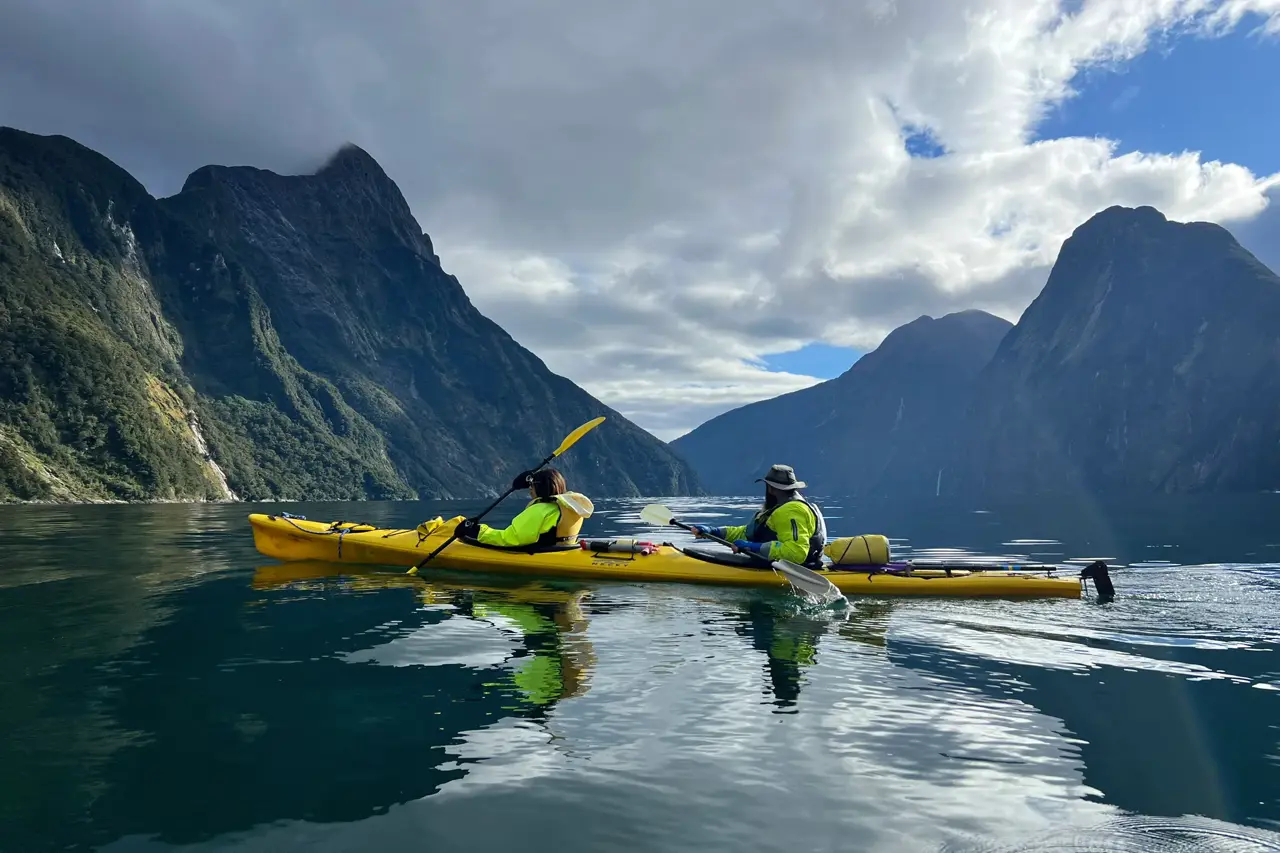
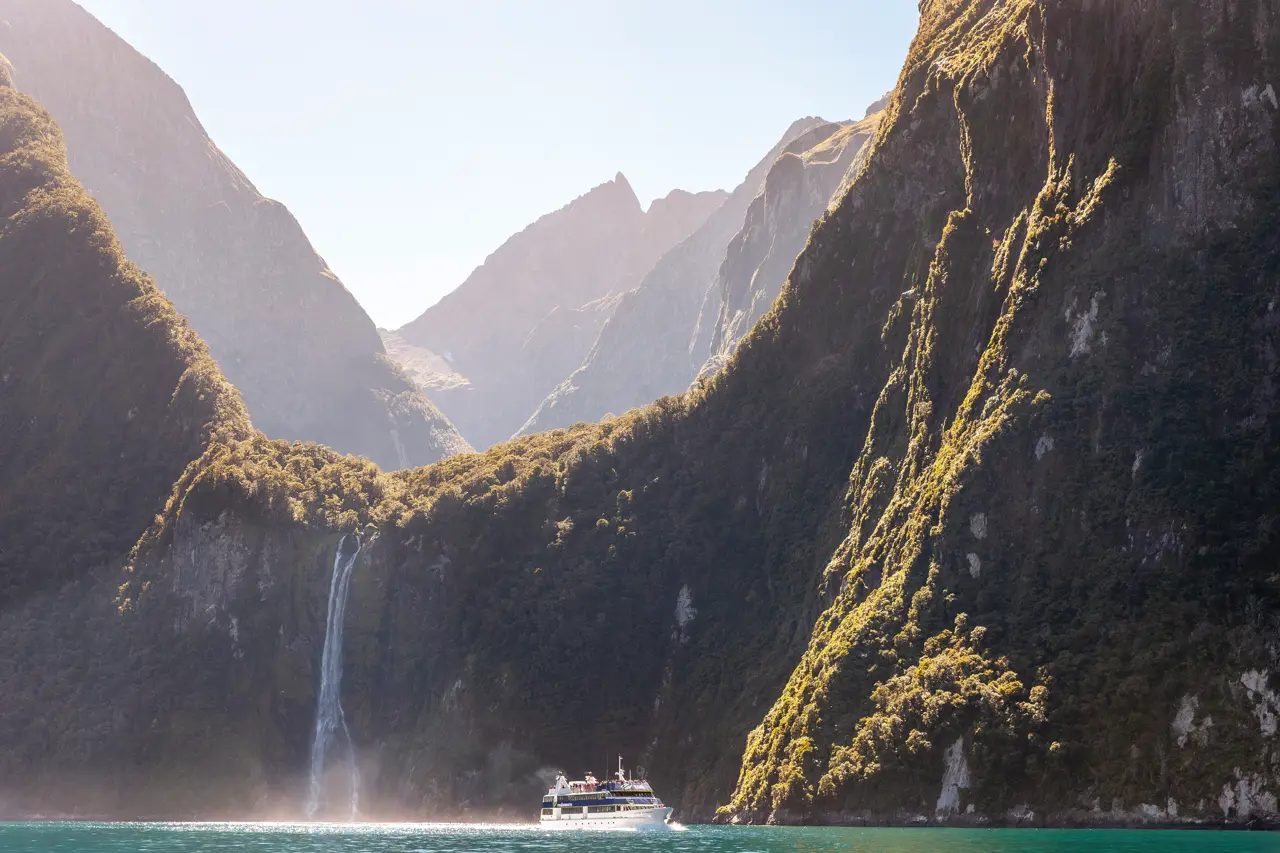
Fiordland is where New Zealand shows off. Glaciers carved these valleys. The sea flooded them. Now sheer rock walls drop straight into dark water, and the whole thing feels slightly unreal.
Milford Sound is the famous one. Doubtful Sound is bigger and quieter. Rain makes both better, because waterfalls spill off every cliff after a downpour.
You’ve got options. Cruise from Queenstown on the Milford Sound Coach and Cruise, or skip the road with Fly, Cruise, Fly. Our Doubtful Sound guide explains how to reach the quiet one. More ideas sit on the Fiordland activities page.
2. Glaciers That Almost Touch the Rainforest
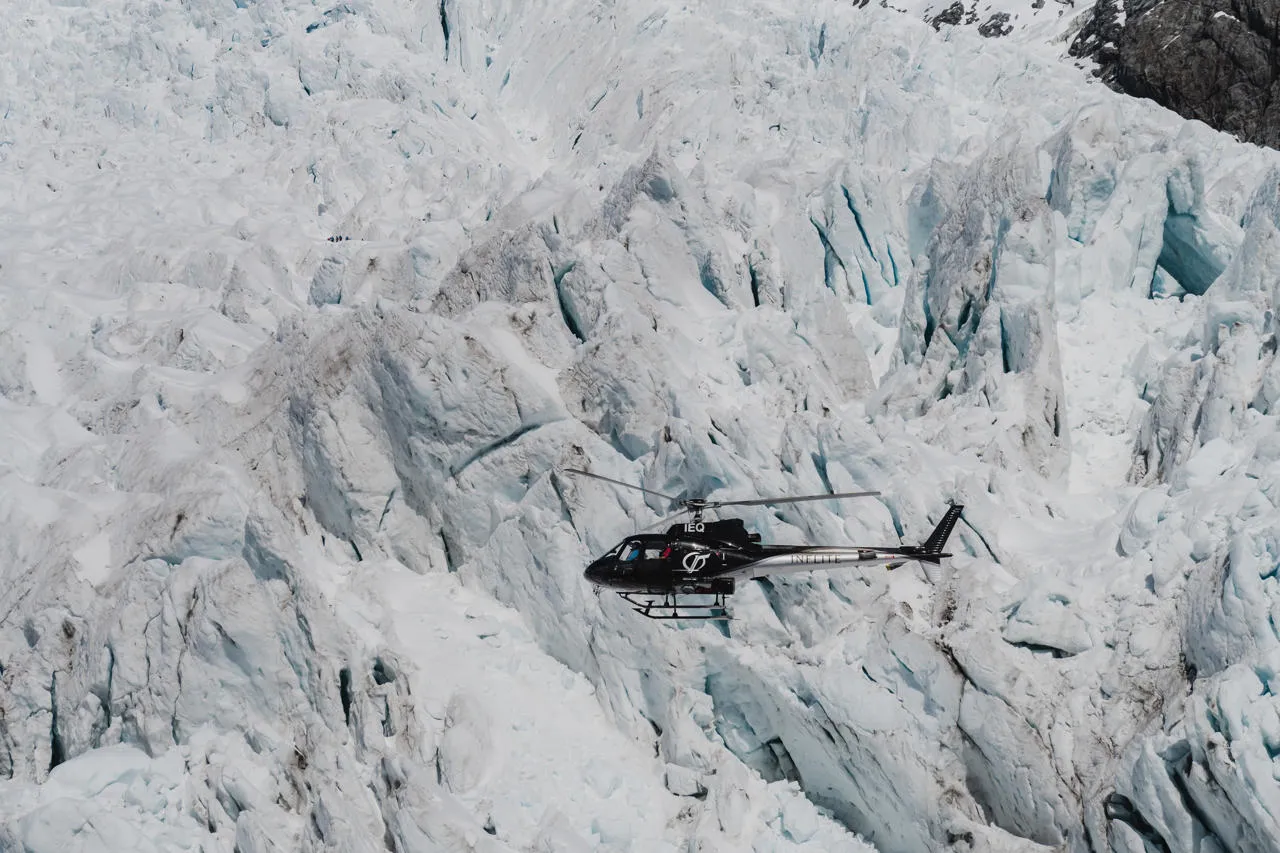
Most glaciers hide near the poles or high in the Alps. Franz Josef and Fox slide down toward West Coast rainforest instead. Tree ferns on one side, blue ice on the other. It’s a strange combination.
You can’t just wander up, though. Go with a guide, or fly in. The Franz Josef Glacier Heli-Hike lands you on the ice itself. The coast gets plenty of rain, so book two nights in case cloud grounds the helicopters. See more on the West Coast activities page.
3. Rotorua: Why New Zealand Is Known for Bubbling Mud
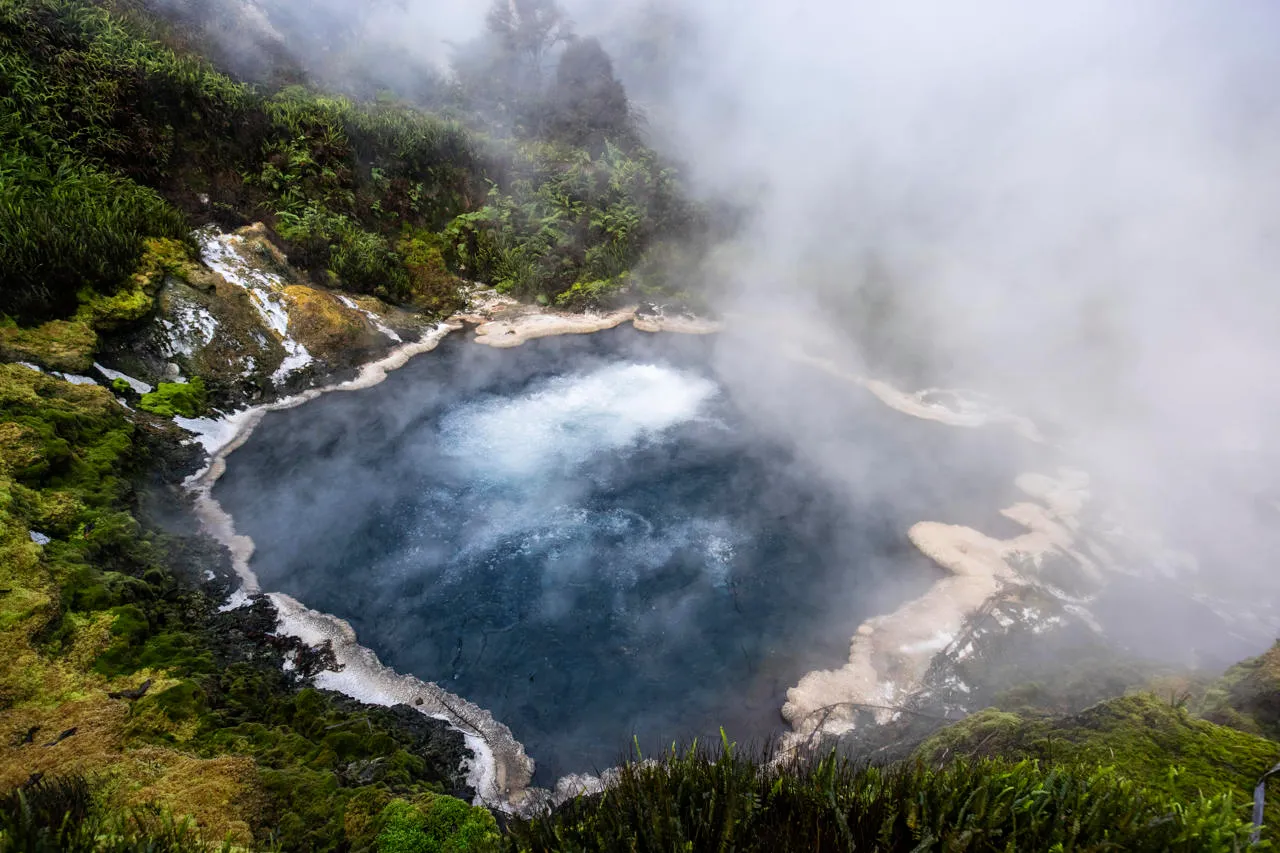
Rotorua smells like eggs. Locals stopped noticing years ago. Under the town, the earth boils. Geysers shoot, mud pools plop and steam leaks from the footpaths.
Te Puia pairs all that with Māori carving and weaving schools, and its Pōhutu geyser is the star. Book the Te Puia Te Rā cultural day experience or the Rotorua Geothermal Park Experience. Then soak in a hot pool. Browse volcanic and geothermal activities, hot pools and our Rotorua activities.
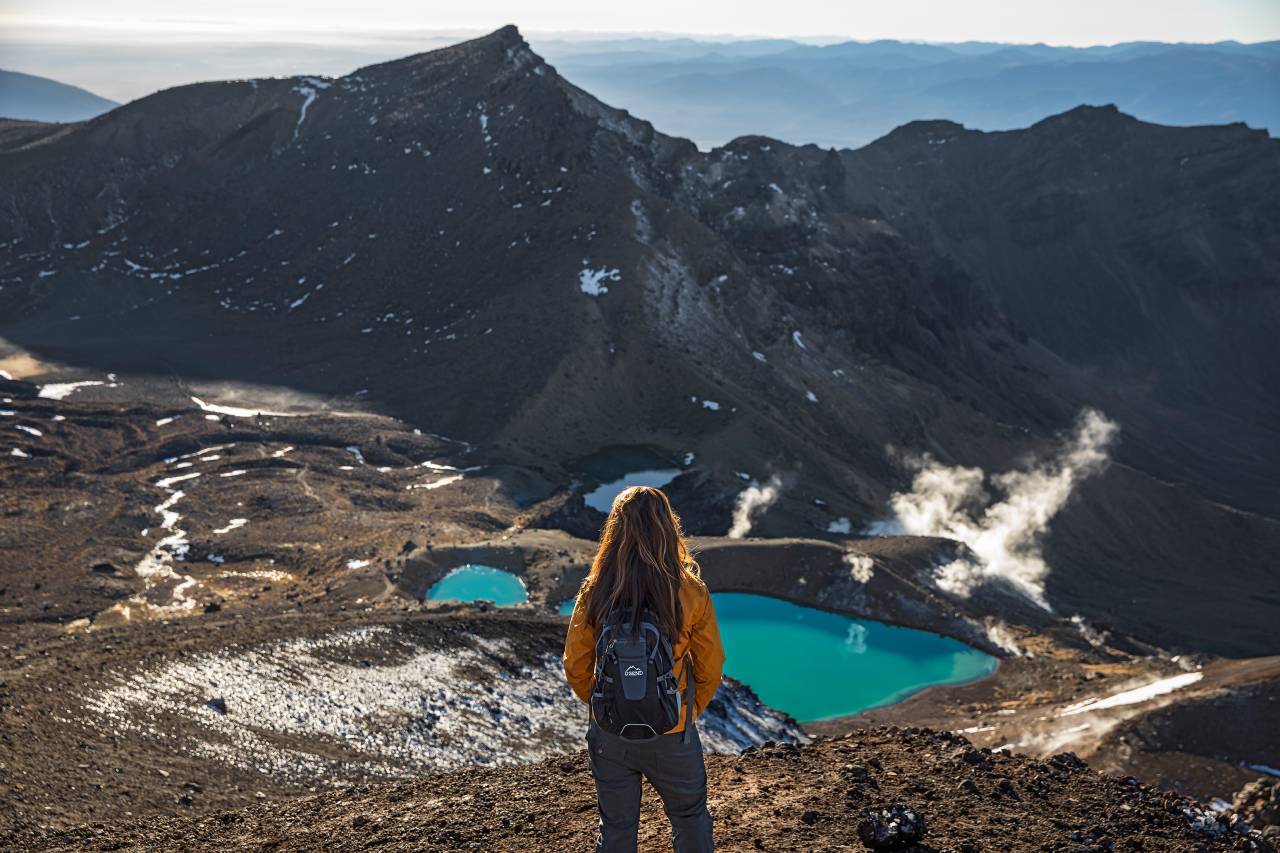
4. 13 National Parks and Walks Worth the Blisters
New Zealand protects 13 national parks. Three sit on the North Island and ten on the South. Tongariro,
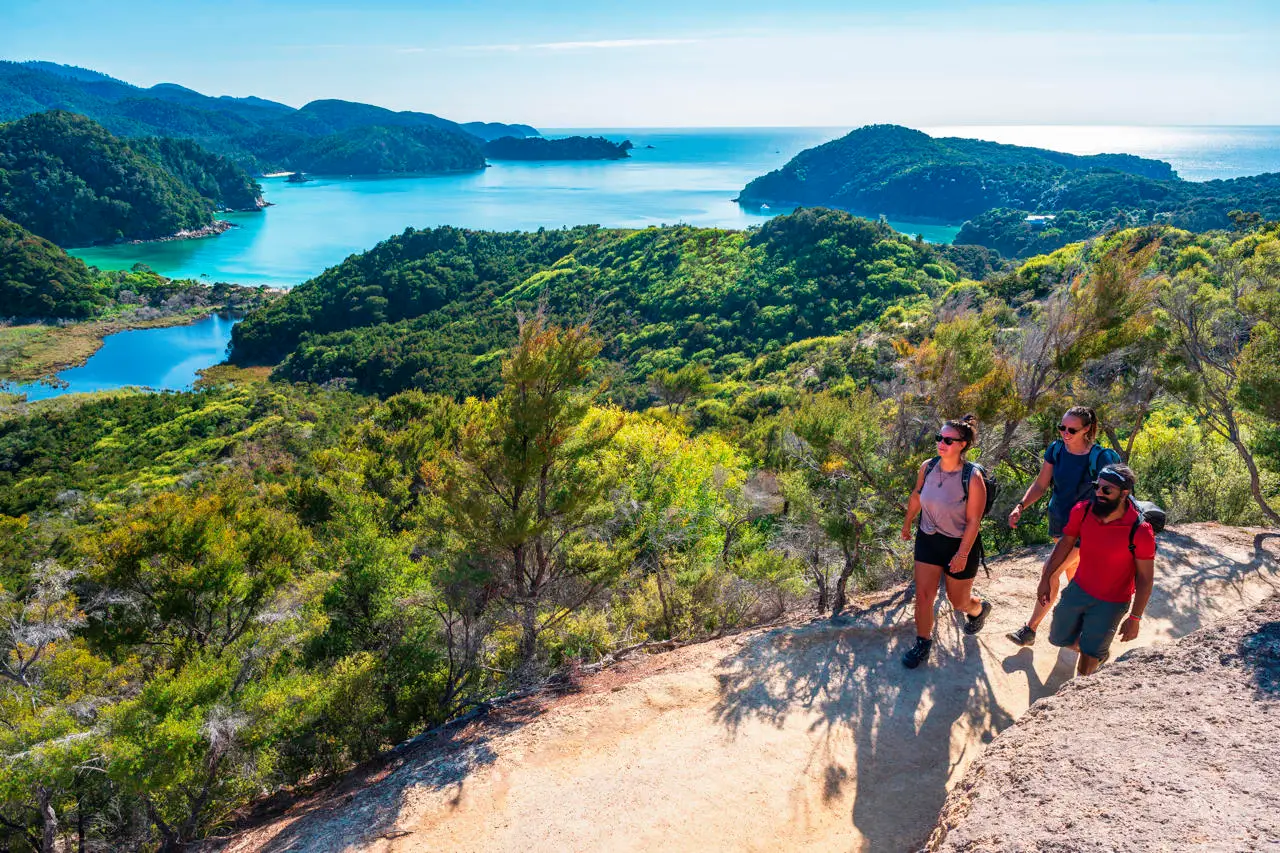
, Fiordland and Aoraki Mount Cook grab the headlines. The lesser-known parks are quieter.
Locals call hiking “tramping”. It means mud, boots and hut dinners. The Great Walks are the polished versions, with marked trails and bookable huts. Our guides cover the 13 New Zealand national parks, the Great Walks and the best hikes. Short on time? Hiking tours handle the logistics.
5. Dark Skies: The Southern Hemisphere’s Biggest Stargazing Reserve
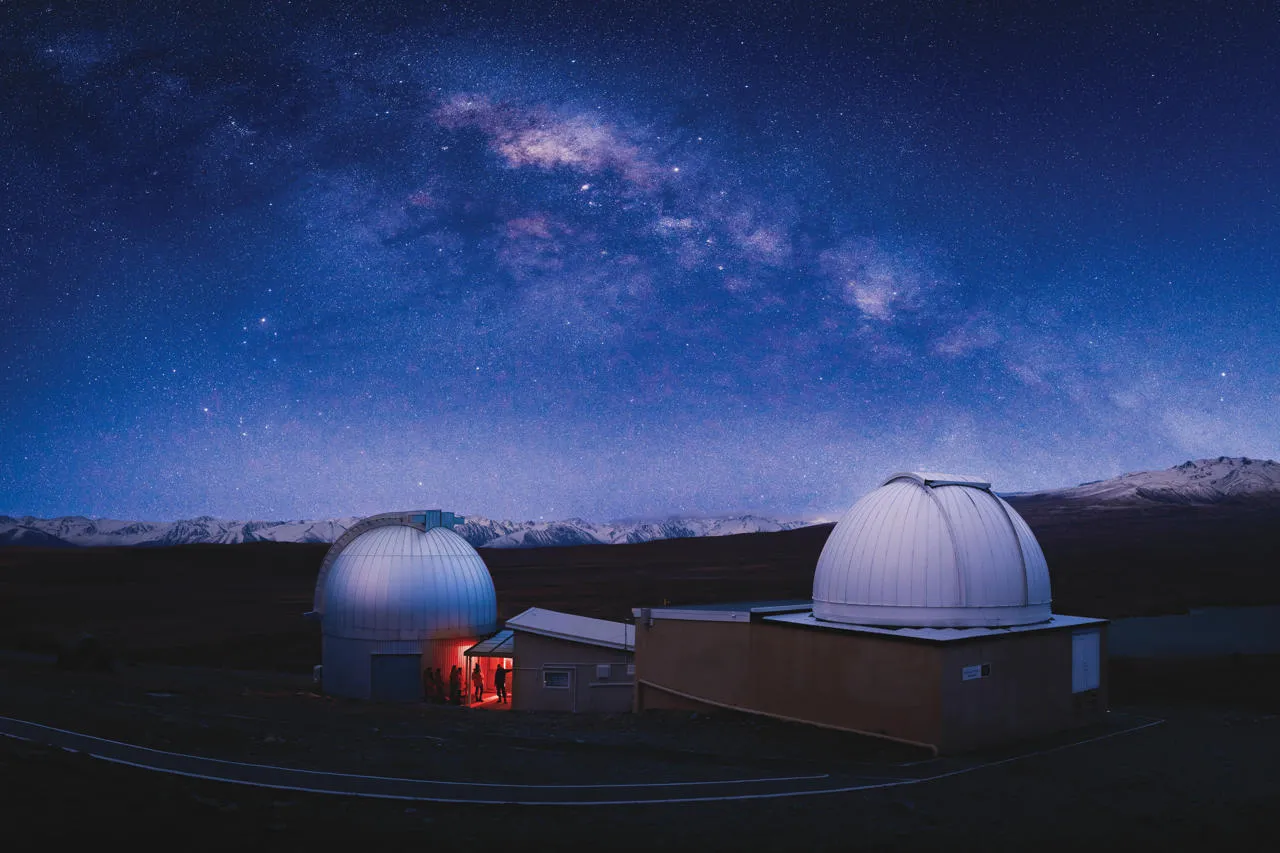
The Aoraki Mackenzie International Dark Sky Reserve covers 4,367 square kilometres. It’s the largest in the Southern Hemisphere, and it earned its status in 2012. Translation: a Milky Way so bright it casts shadows. Well, almost.
Lake Tekapo is the easiest base. Join the Dark Sky Experience, then read our Lake Tekapo guide and the Mt Cook and Mackenzie page.
Unique Things About New Zealand: Wildlife Found Nowhere Else
Remember the isolation? Here’s where it pays off. If you’re wondering what animals are unique to New Zealand, the next three entries answer it. Our New Zealand wildlife guide by region shows where to find each one.
6. The Kiwi: Why New Zealand Is Known for Flightless Birds
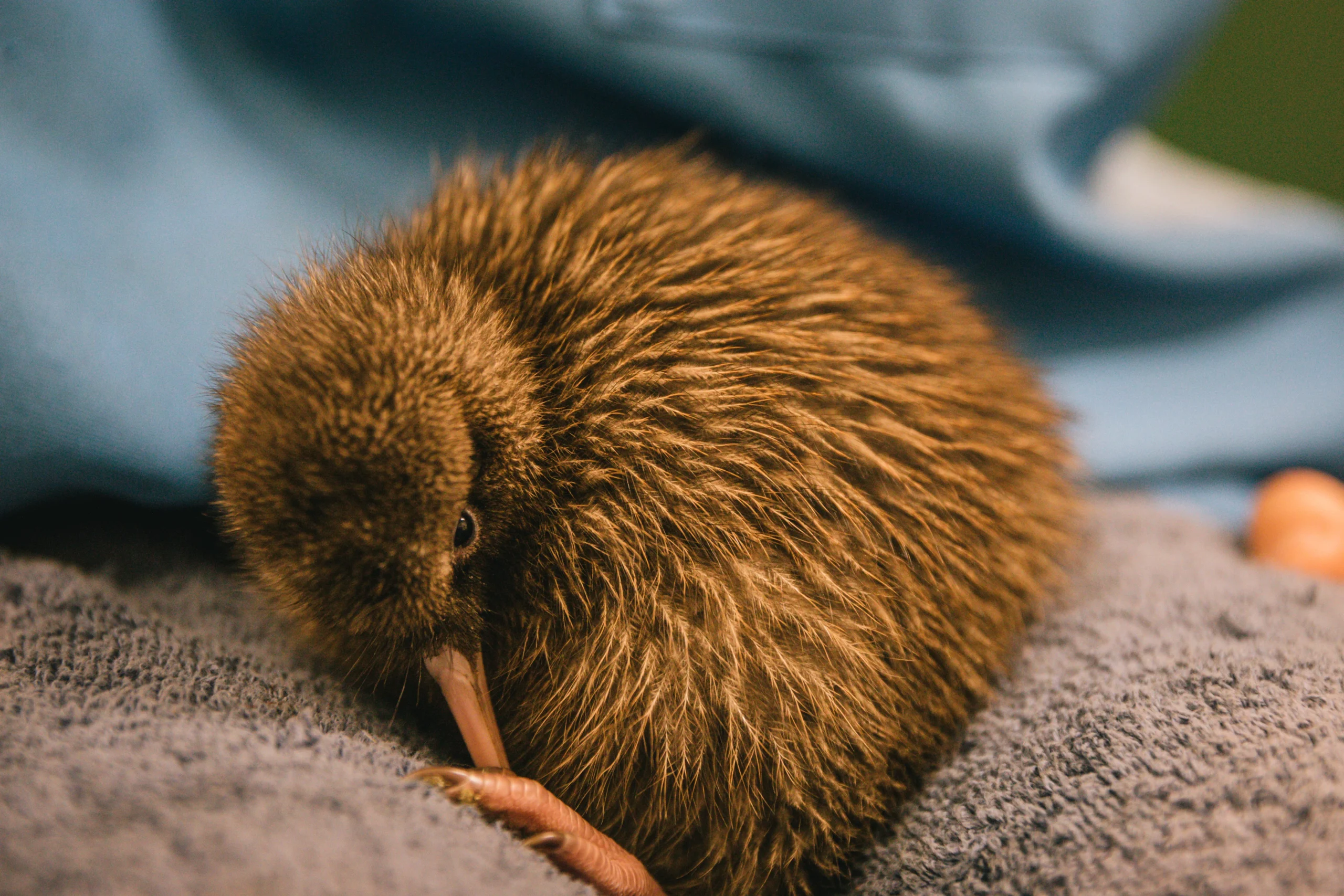
The kiwi can’t fly, hunts at night and sniffs out worms with nostrils at the tip of its beak. There are five species. The bird is so tied to national identity that New Zealanders call themselves Kiwis, a nickname that dates to the First World War.
Spotting one in the wild takes patience. Stewart Island is among the best places, after dark. See our Stewart Island page. Or try the 20 Day Nature & Wildlife Self Drive Tour.
7. Kākāpō, Tuatara and Hector’s Dolphins
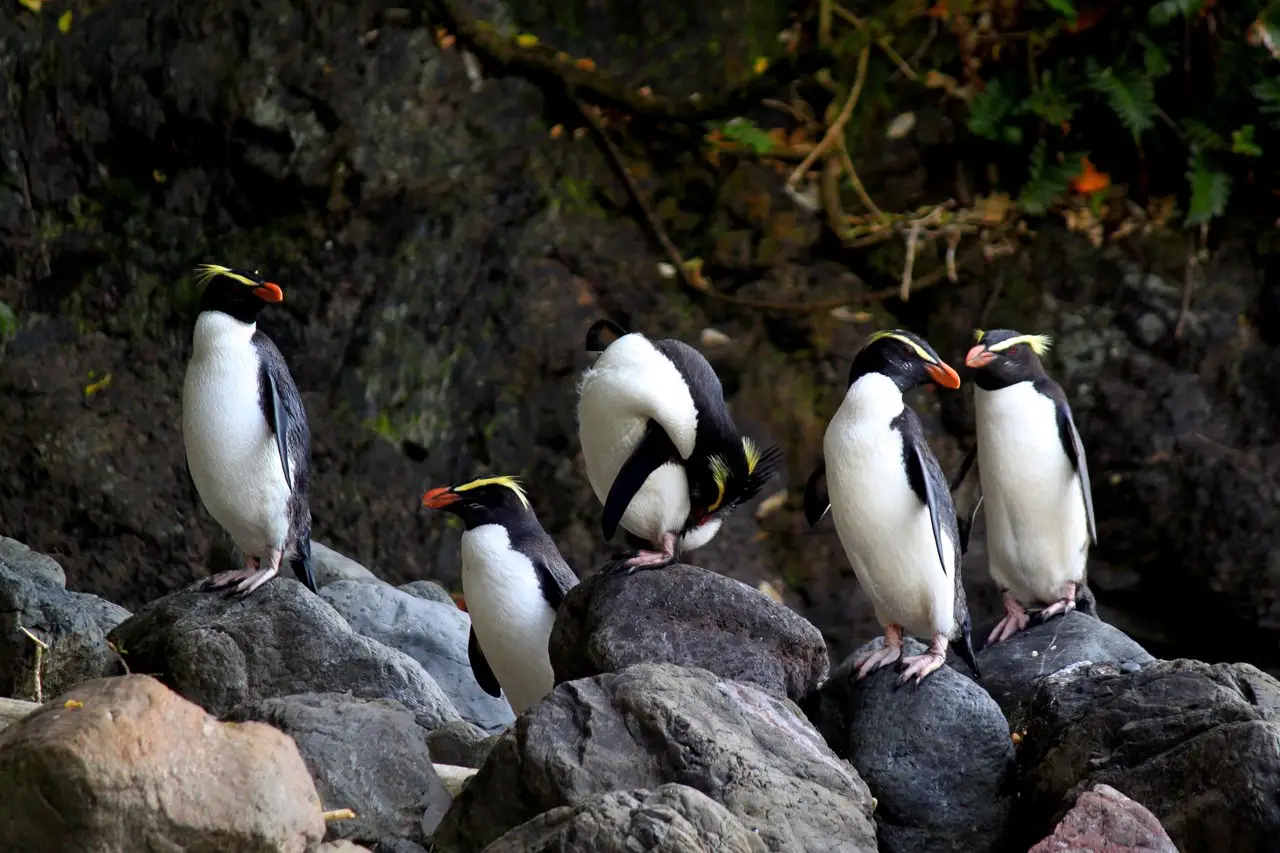
New Zealand wildlife gets weirder. The kākāpō is a flightless, night-owl parrot. The tuatara is a reptile with a third eye on top of its head. Hector’s dolphin is the world’s smallest dolphin, and it’s the only whale or dolphin found nowhere else. Yellow-eyed penguins, or hoiho, waddle ashore on the south-east coast.
Alpine parrots called kea have a habit of stripping rubber off parked cars. Meanwhile, the only land mammals that were here first are two species of bat. There are no snakes at all. For marine life, check Kaikōura, or browse wildlife activities. Our 14-day nature and wildlife itinerary ties them together.
8. Glowworms and Giant Weta: The Weird Little Stuff
Waitomo’s glowworms are the larvae of a fungus gnat, Arachnocampa luminosa, and they live only in New Zealand. Drift through a dark cave by boat and thousands of tiny blue-green lights switch on overhead. It feels like cheating, as if someone hung stars from the ceiling.
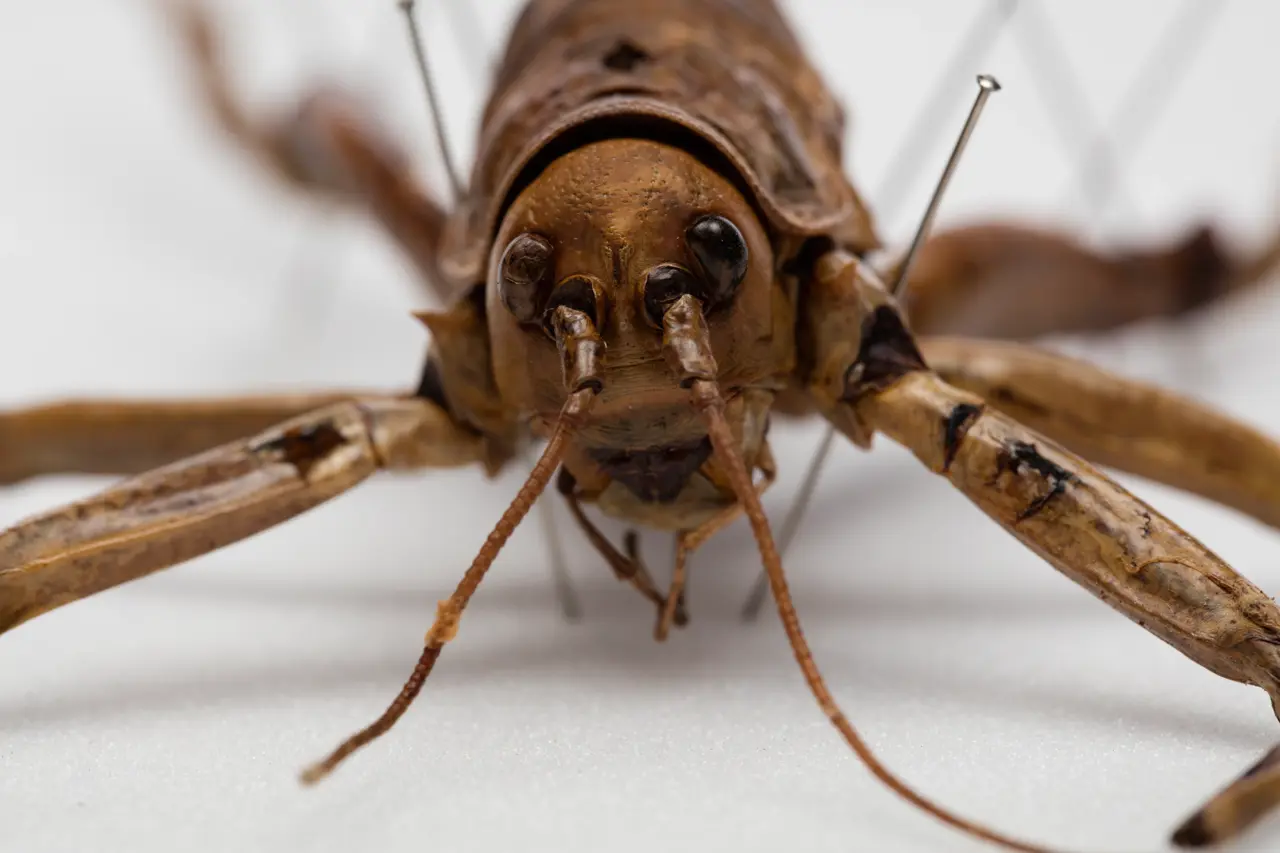
Then there’s the giant weta, a wingless cricket relative that outweighs a sparrow. Read about the world’s heaviest insect. For the caves, try the Spellbound Glowworm and Cave Explorer and the Waikato & Waitomo page.
What Is New Zealand Known For in Culture?
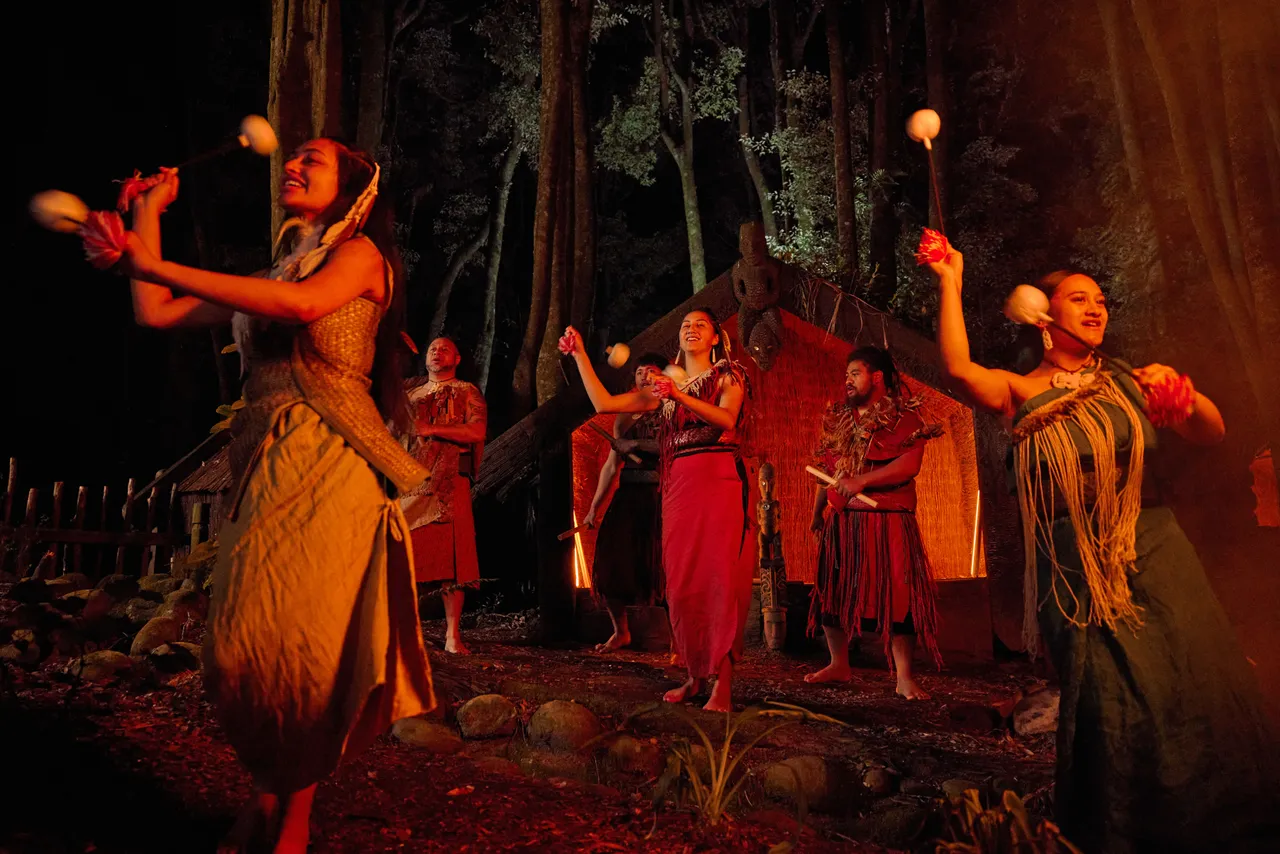
9. Why New Zealand Is Known for Māori Culture

Māori culture isn’t a museum exhibit here. It’s everywhere. The 2023 Census counted 978,246 people of Māori descent, or 19.6% of the population. Te reo Māori has been an official language since 1987. And Aotearoa, the Māori name for the country, usually translates as “land of the long white cloud”.
Visitors can join a powhiri welcome, taste food from a hāngī earth oven, or watch a haka up close. Matariki, the Māori new year, is now a public holiday. Start at Māori culture activities or our 14-day Māori culture itinerary. Learn the basics in our etiquette guide, and check public holidays before you book.
10. The All Blacks and the
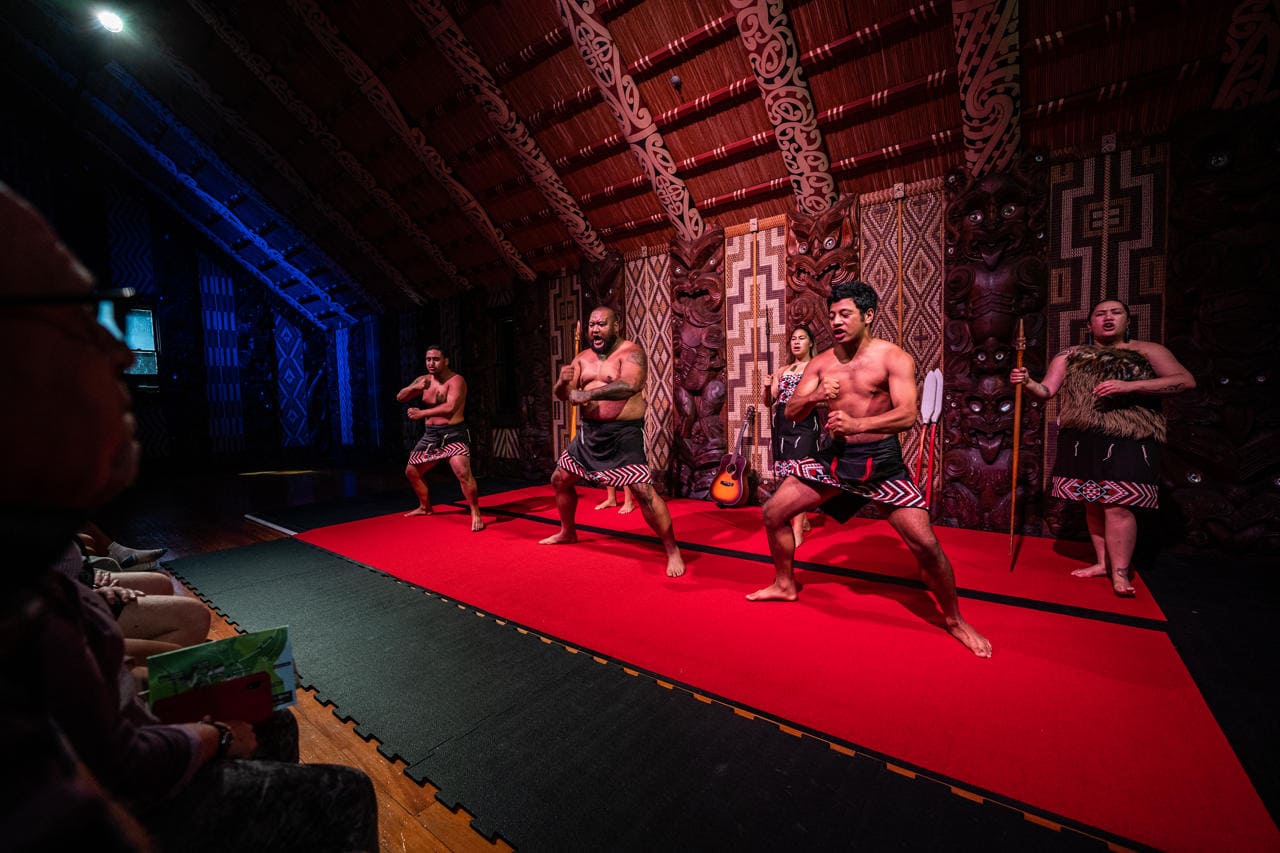
Rugby is as close as New Zealand gets to a shared religion. The All Blacks have won the Rugby World Cup three times. Before every test, they perform the haka, a war dance that gives opponents goosebumps and TV audiences chills.
You don’t need a match ticket to get a taste. The All Blacks Experience at Auckland’s SkyCity runs guided, interactive tours. Browse Auckland activities to plan it.
What Is New Zealand Known For in Adventure and Film?
11. How New Zealand Became Known for Bungy and Jet Boats
Kiwis invented the thrill ride industry. AJ Hackett opened the world’s first commercial bungy site at the Kawarau Bridge near Queenstown in 1988. The drop is 43 metres. Bill Hamilton built the first jet boat in 1954, because propellers couldn’t handle the country’s shallow rivers.
Queenstown became the adrenaline capital. Today you can bungy, skydive, raft or jet boat before lunch. Try the Wilkin River Jet Boat Adventure, or browse active and adventure activities. See Queenstown for more, and adventure tours if you’d rather have a guide.
12. The Lord of the Rings and Hobbiton
Peter Jackson shot The Lord of the Rings (2001 to 2003) and The Hobbit (2011 to 2013) across the country. Fans still hunt down Lord of the Rings filming locations on both islands. The headline act is Hobbiton, a Matamata sheep farm that Jackson’s scouts found in 1998.
The set is permanent now, with 44 hobbit holes. Walk past Bag End and have a drink at the Green Dragon. Our best filming locations guide maps the rest. Then book a Lord of the Rings tour, the 15 Day Lord of the Rings Tour, or browse Home of Middle-earth activities.
What Is New Zealand Known For on the Plate?
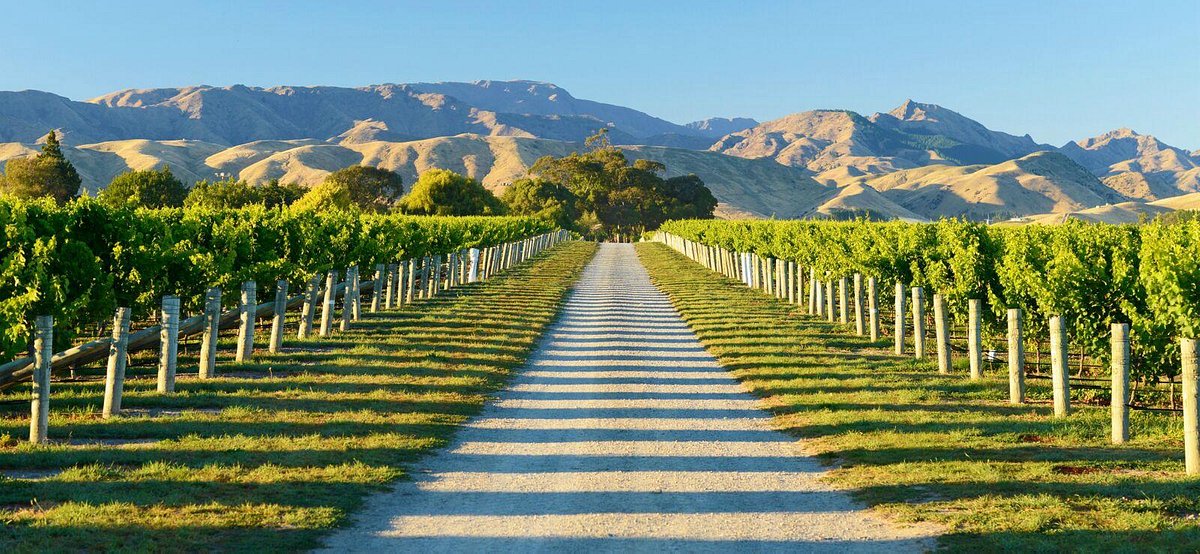
13. Why New Zealand Is Known for Sauvignon Blanc
Marlborough Sauvignon Blanc made the world pay attention. Most of the country’s Sauvignon Blanc comes from that one region. But don’t stop there. Hawke’s Bay pours bold reds and Chardonnay, Martinborough does Pinot Noir, and Central Otago sits among the world’s southernmost wine regions.
Wine country is compact, so a road trip works well. Follow our Classic New Zealand Wine & Food Trail, or learn the styles in our wine styles guide. For a ready-made trip, see the 7 Day Premium Food & Wine Discovery and all our wine tours. Browse Marlborough and Hawke’s Bay too.
14. Pavlova, Flat Whites, Kiwifruit and a Michelin Debut
Pavlova is a meringue shell piled with cream and fruit. Flat whites are a velvety espresso drink. New Zealand and Australia argue fiercely about who invented both. Kiwifruit started life in China, but New Zealand growers turned it into a global export.
Seafood is a big deal too. Dig into our oyster trail. Craft beer? We’ve listed 20 craft beer experiences.
The dining scene just got a global stamp of approval. The first Michelin Guide New Zealand arrived in 2026 and awarded 16 stars in its opening ceremony. Wellington took three one-star restaurants. Plan a food trip with our 14-day food and wine itinerary, or browse food and wine activities.
Small Country, Big Firsts and a Lot of Sheep
15. Sheep Everywhere and a Few World Firsts
Yes, the sheep jokes are real. Stats NZ counted 23.6 million sheep in June 2024 against 5.3 million people. That’s about 4.5 sheep per person. It used to be worse. In 1982 the ratio hit roughly 22 sheep for every New Zealander.
But the country has a serious side too. In September 1893, New Zealand became the first self-governing country where women could vote in national elections. The United States followed in 1920 and Britain in 1928. Not bad for a nation with more sheep than voters.
Want the facts-and-figures side of the country? Our About New Zealand hub covers the languages, currency and weather.
How to See What New Zealand Is Known For in One Trip
You won’t tick off all 15 in a long weekend. So pick your favourites first. Then build the route around them.
- Short on time? Our 2-week itinerary hits the big names.
- Can’t pick an island? Read North Island vs South Island, then check the North Island and South Island highlights.
- Need a quick list of things to do in New Zealand? Start with New Zealand’s Top 10+, or browse everything under things to do.
- Love a road trip? The top 15 scenic drives are a good start, and driving in New Zealand covers the rules.
- Prefer trains? Compare the scenic train journeys.
Timing matters. Summer suits hiking and beaches, while winter brings snow and dark skies. Check the best time to visit New Zealand and the visa requirements before you commit. Ready to go? Compare self-drive tours and small group tours, or request a custom itinerary.
Frequently Asked Questions About What New Zealand Is Known For
People ask what is New Zealand known for in a hundred different ways. Here are the questions we hear most, answered fast. Need more? Our FAQ page has plenty.
What is New Zealand best known for?
Dramatic landscapes, Māori culture and adventure sports top the list. Add the Lord of the Rings films, flightless kiwi birds, Sauvignon Blanc and the All Blacks. Most visitors name the scenery first.
Why is New Zealand so unique?
Isolation. The islands split from Gondwana more than 70 million years ago, so wildlife and plants evolved alone. Māori then built a distinct culture here. Together they created a place that looks, sounds and even smells different from anywhere else.
What animals are unique to New Zealand?
The kiwi, kākāpō, tuatara, kea and Hector’s dolphin all live only here, along with glowworms and giant weta. Our nature activities show where to meet them.
Is New Zealand famous for its food and drink?
Yes, mostly for wine, lamb, seafood and coffee. Marlborough Sauvignon Blanc leads the pack. Pavlova and flat whites cause friendly arguments with Australia. And in 2026, Michelin gave New Zealand its first stars.
What is New Zealand’s national bird?
The kiwi. It’s flightless, nocturnal and shy, and it’s also the nickname for New Zealanders. You’ll have better luck spotting one at a sanctuary than in the wild.
Why is New Zealand called the land of the long white cloud?
That’s the usual English translation of Aotearoa, the Māori name for the country. Cloud often hangs over the islands, which fits the nickname. Visit and you’ll see for yourself.
Is New Zealand worth visiting?
Absolutely. You get fiords, glaciers, volcanoes, wine regions and deep Māori culture in one small country. Distances are short, roads are good and the activities range from gentle to terrifying.
How many sheep are there in New Zealand?
About 23.6 million as of June 2024, according to Stats NZ. That’s roughly 4.5 sheep for every person. The flock has shrunk a lot since the 1980s peak.
So, What Is New Zealand Known For?
Fiords, glaciers and glowing caves. Māori culture and a haka that stops crowds. Bungy, Hobbiton, Sauvignon Blanc and a sheep count that still beats the human one. That’s what New Zealand is known for, and it only scratches the surface.
The best way to answer what is New Zealand known for is to go and look. Browse our New Zealand tours, explore itinerary ideas, or read more on the travel blog. Your uncle will want photos of the sheep.