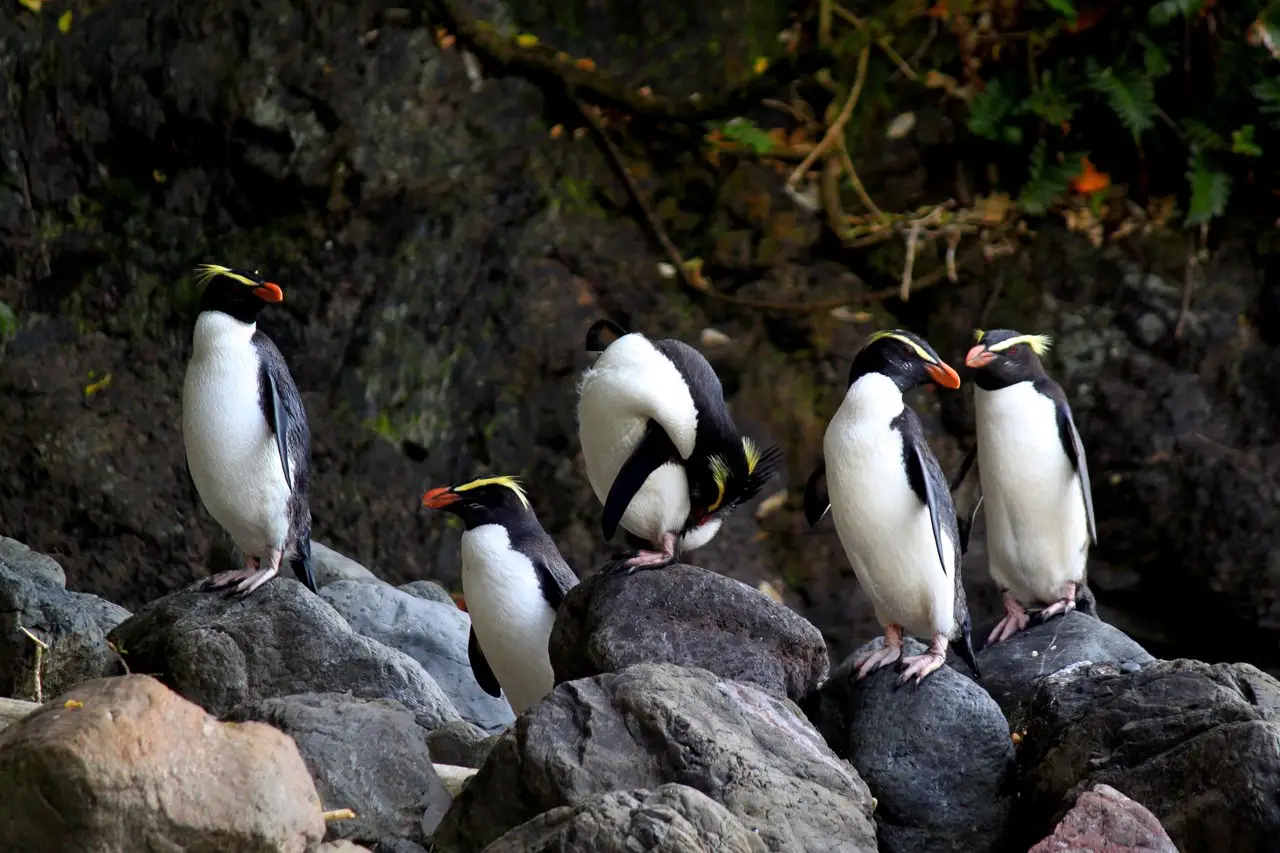

The Classic New Zealand Wine & Food Trail: A 6-Day Itinerary (and How to Stretch It to 10)
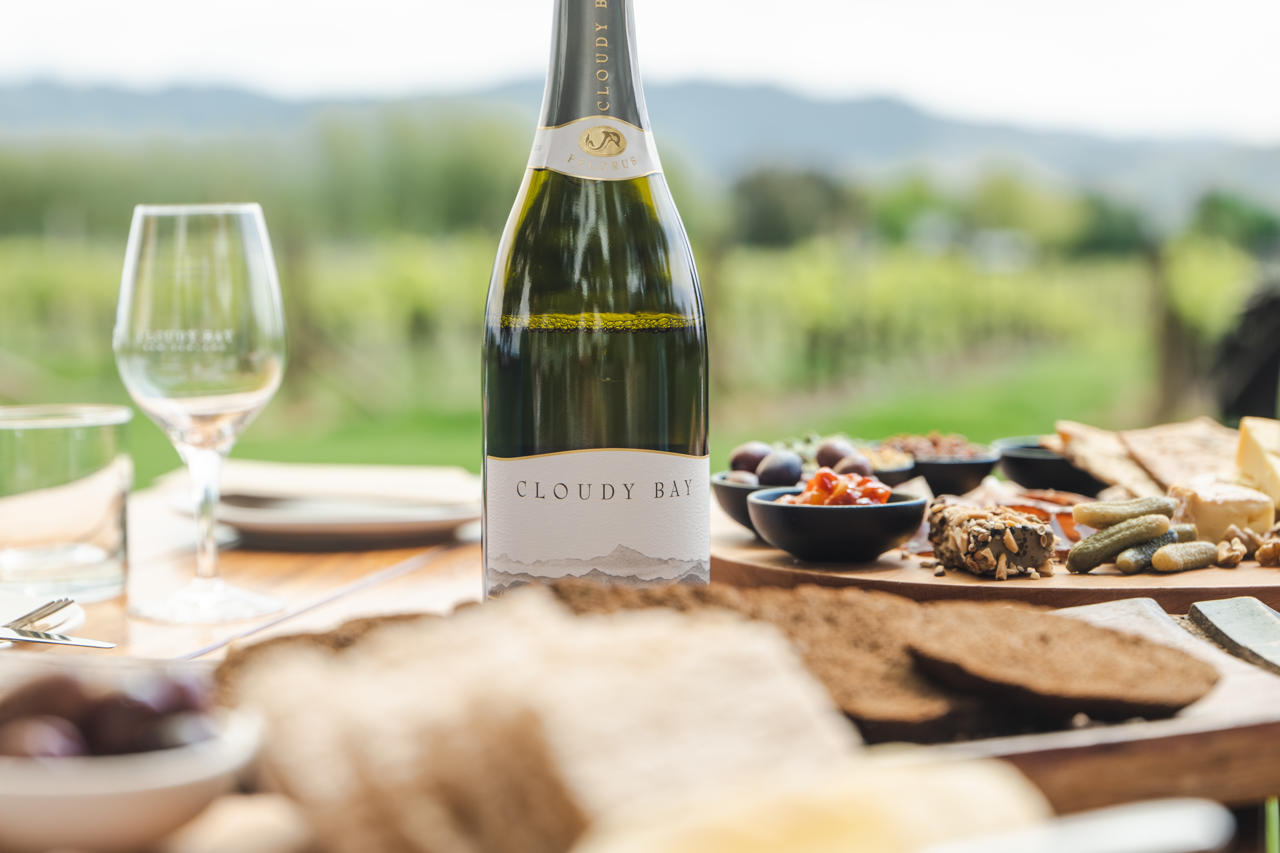
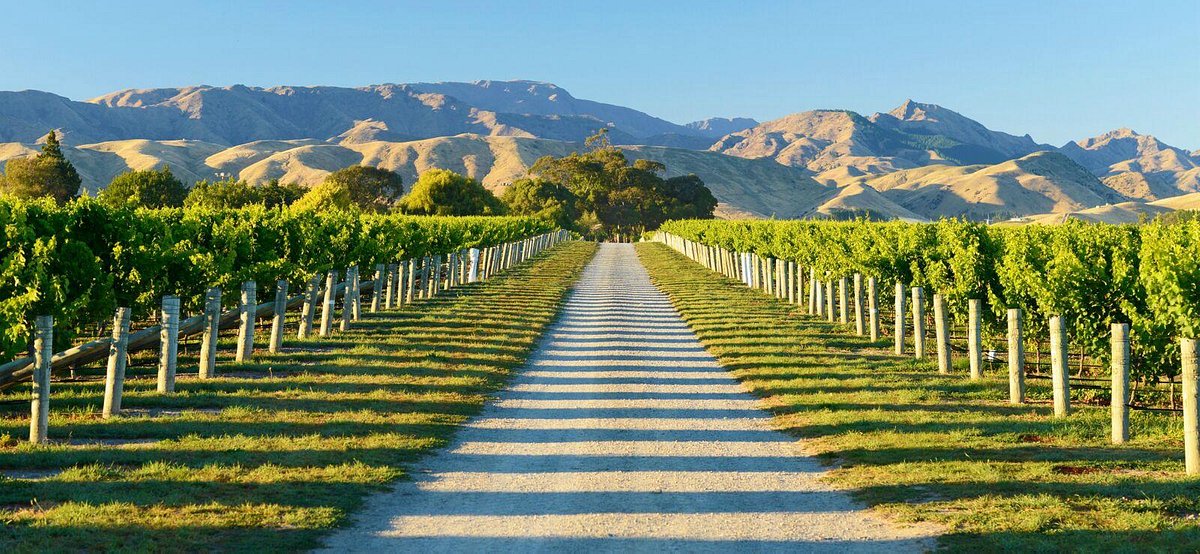
The Classic New Zealand Wine & Food Trail is a 380 km (240 mile) signposted route linking four of the country’s best food and wine regions: Hawke’s Bay, Wairarapa, Wellington and Marlborough. Look for the brown grape signs. They lead you from Napier’s Art Deco streets, through Martinborough’s boutique vineyards and across Cook Strait, to the Sauvignon Blanc country around Blenheim.
It works because it’s compact. The drives are short, the cellar doors sit close together, and each region has its own flavour. Hawke’s Bay is known for reds and Chardonnay. Wairarapa is known for Pinot Noir. Wellington has cafés, craft beer and, since June 2026, three Michelin-starred restaurants. Marlborough has Sauvignon Blanc and Greenshell mussels.
This guide follows the six-day plan from the trail’s organisers. Then it adds what a planner needs: official drive times, ideas for extra days, event dates, safe-drinking rules and recent changes. We’ve also matched each stop with tours and activities you can book through us.
The quick answer: Allow six days at the very least, and eight to ten if you can. Drive from Napier to Martinborough (about three and a half hours), continue to Wellington, take the ferry to Picton (about three and a half hours), and finish in Blenheim. Book your ferry and rooms early, and never drive after tasting.
In this guide
- Classic New Zealand Wine & Food Trail at a Glance
- Classic New Zealand Wine & Food Trail Itinerary: Day by Day
- How to Stretch the Classic New Zealand Wine & Food Trail to 8 or 10 Days
- Getting Around the Classic New Zealand Wine & Food Trail Safely
- Best Time to Do the Classic New Zealand Wine & Food Trail
- After the Trail: Where to Go Next
- Frequently Asked Questions About the Classic New Zealand Wine & Food Trail
Classic New Zealand Wine & Food Trail at a Glance
| Fact | Detail |
|---|---|
| Length | 380 km (240 miles), signposted with brown grape signs |
| Regions | Hawke’s Bay, Wairarapa, Wellington and Marlborough |
| How long | 6 days minimum. The organisers recommend 8–10 days. |
| Usual direction | Napier to Blenheim. It also works in reverse. |
| Island crossing | Wellington to Picton ferry (about 3.5 hours) or a 25-minute flight |
| Signature wines | Hawke’s Bay reds and Chardonnay, Martinborough Pinot Noir, Marlborough Sauvignon Blanc |
| Best for | Self-drive travellers, couples, food-and-wine lovers, and anyone who enjoys Art Deco and wildlife |
| Getting started | Fly or drive to Napier. Air New Zealand flies there direct from Auckland, Wellington and Christchurch. |
Official Drive Times
The official trail map gives these distances between the main stops:
| Leg | Time | Distance |
|---|---|---|
| Napier to Masterton | 3 hours | 230 km |
| Masterton to Martinborough | 40 minutes | 50 km |
| Masterton to Wellington | 1 hour 40 minutes | 100 km |
| Wellington to Picton (ferry) | 3 hours 30 minutes | 93 km |
| Picton to Blenheim | 25 minutes | 28 km |
Source: the official Classic New Zealand Wine Trail map. Times change with your starting point. For example, the trail’s own itinerary allows 3.5 hours from Hawke’s Bay to Wairarapa, and 75 minutes from Wairarapa to Wellington.
Four Regions, Four Flavours
- Hawke’s Bay: New Zealand’s oldest wine region, with warm sunshine, Art Deco architecture and a famous gannet colony. See our Hawke’s Bay activities.
- Wairarapa: A small, friendly wine country with boutique vineyards close to Martinborough’s village square. See Wellington & Wairarapa.
- Wellington: The capital, at the centre of the trail. It’s known for coffee, craft beer, museums and, now, Michelin-recognised dining.
- Marlborough: New Zealand’s largest wine region. It grows more than 90% of the country’s Sauvignon Blanc. See Marlborough activities.
The AA counts more than 230 wineries and around 120 cellar doors along the route. You won’t visit them all. The best plan is to choose a few in each region and give yourself time to enjoy them. For more on the styles you’ll taste, read our guide to New Zealand wine styles.
Classic New Zealand Wine & Food Trail Itinerary: Day by Day
This is the core six-day plan. It follows the official trail itinerary, with extra options and our own tour links added for each day.
Day 1: Hawke’s Bay
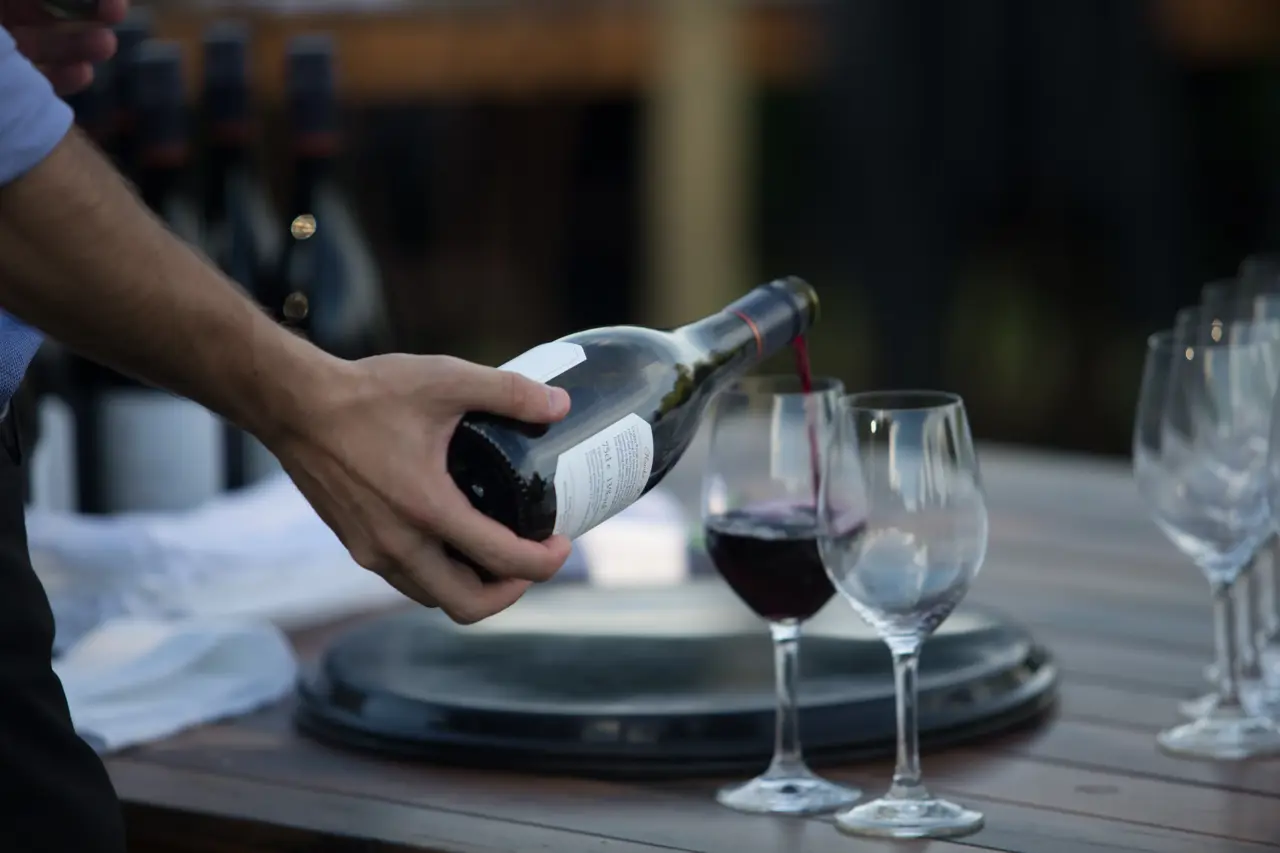
Arrive in Napier the night before, so you have a full day. Start with the city’s story. A huge earthquake destroyed Napier in 1931, and the rebuild created one of the world’s most complete Art Deco and Spanish Mission streetscapes. Napier says it has the highest concentration of Art Deco buildings anywhere. Join a guided walk, such as the Art Deco Afternoon Walk, to hear the full story.
In the afternoon, taste the wine. Hawke’s Bay is known for full-bodied reds and complex Chardonnays. You can cycle between cellar doors on the Cape Coast Winery Tour, a self-guided ride. Or let a guide drive on the Hawke’s Bay Wine Tour (half day), the Panoramic Taste of Wine Tour or the Wine and Dine Tour. For a sunset option, book the Twilight Wine Odyssey.
Lunch at Mission Estate Winery is a good fit. It’s New Zealand’s oldest surviving winemaking estate, founded in 1851.
Add an extra day: visit the world’s largest accessible mainland gannet colony at Cape Kidnappers on the Gannet Safaris Overland Tour (the birds are at their busiest from November to February). Taste at Craggy Range or Church Road, visit the Silky Oak Chocolate Factory, or meet the penguins on the Little Penguins Close Encounter.
The drive south: Hawke’s Bay to Wairarapa takes about 3.5 hours through the Tararua district. Stop at the historic Tui Brewery in Mangatainoka, or take a guided tour at Pūkaha National Wildlife Centre.
Day 2: Wairarapa
Wairarapa is small, relaxed and walkable. Most of Martinborough’s vineyards sit within a short ride of the village square, so a bike is the best way to see them. Hire one from Green Jersey Explorer Tours, or join a guided cycle tour. If you’d rather leave the planning to someone else, try the Martinborough Foodie Half-Day Tour. The region is known for Pinot Noir, and boutique wineries make it a favourite with wine lovers.
Plan an early dinner at The Runholder. It brings together the Te Kairanga and Martinborough Vineyard cellar doors and the Lighthouse Gin distillery, all overlooking the rolling vineyards.
After dark, look up. The trail’s organisers call Wairarapa arguably the most accessible Dark Sky Reserve in the world. A Star Safari evening with an expert guide unravels the Southern Hemisphere constellations.
Other options: Martinborough Wine Tours visit four or five wineries in a half or full day, and Martinborough Wine Walks take you through small vineyards with a local guide. Browse more cycling options under Cycling & Mountain Biking.
Day 3: Wairarapa to Wellington
Spend the morning in Greytown, a Victorian village with boutiques, galleries and cafés. Two hours on Main Street is plenty. Before you leave, book the beekeeping experience at Greytown Honey, a fifth-generation family business, to see the process from hive to jar.
In the afternoon, drive south over the Remutaka Ranges to Wellington. This is the centre of the Classic New Zealand Wine & Food Trail, and the capital is where everything comes together on a plate. The drive takes about 75 minutes.
In the evening, settle into one of Wellington’s wine bars. Staff are happy to match local and international wines to your dish.
Day 4: Wellington

Spend the morning at Te Papa Tongarewa, New Zealand’s national museum. It covers six floors and holds more than two million items. International visitors pay an entry fee, so check the current price. A guided tour helps you see the key exhibits, and you can join the Introducing Te Papa Tour. Or head to Wētā Workshop, the Academy Award-winning studio behind The Lord of the Rings, to see props, costumes and effects being made.
In the afternoon, visit Zealandia Te Māra a Tāne, a predator-free urban eco-sanctuary just ten minutes from the city centre. On the way, ride the Wellington Cable Car from Lambton Quay to the Botanic Garden.
Eat well tonight. The first Michelin Guide New Zealand launched in June 2026. In Wellington, Ortega Fish Shack, Jano Bistro and Logan Brown each received one star, and 1154 Pastaria, Cicio Cacio, Hummingbird and Indian Alley received Bib Gourmand awards. Book ahead, because the whole city is busy with the news. If you’d rather taste your way around, the Capital Bites Tour is a three-hour culinary walk.

Add an extra day: try a private tour such as the Private Food & Wine Tour, a Lord of the Rings full-day tour, or the Seal Coast Safari. Craft beer fans should read our craft beer guide.
Day 5: Wellington to Marlborough
Today you cross Cook Strait. Two companies, Interislander and Bluebridge, sail between Wellington and Picton, and each crossing takes about 3.5 hours. The route winds through the Marlborough Sounds, and it’s one of the loveliest ferry rides anywhere. If you’re short on time, Air New Zealand and Sounds Air fly the route in about 25 minutes. Our North to South Island Ferry Crossing page explains the options.
In the afternoon, join the Seafood Odyssea Cruise through Queen Charlotte Sound. You’ll taste salmon and Greenshell mussels with a glass of Marlborough Sauvignon Blanc. Stay overnight in the Sounds, in a lodge, a vineyard cottage or a hotel. Our guide to the best things to do in the Marlborough Sounds has more ideas.
Day 6: Marlborough
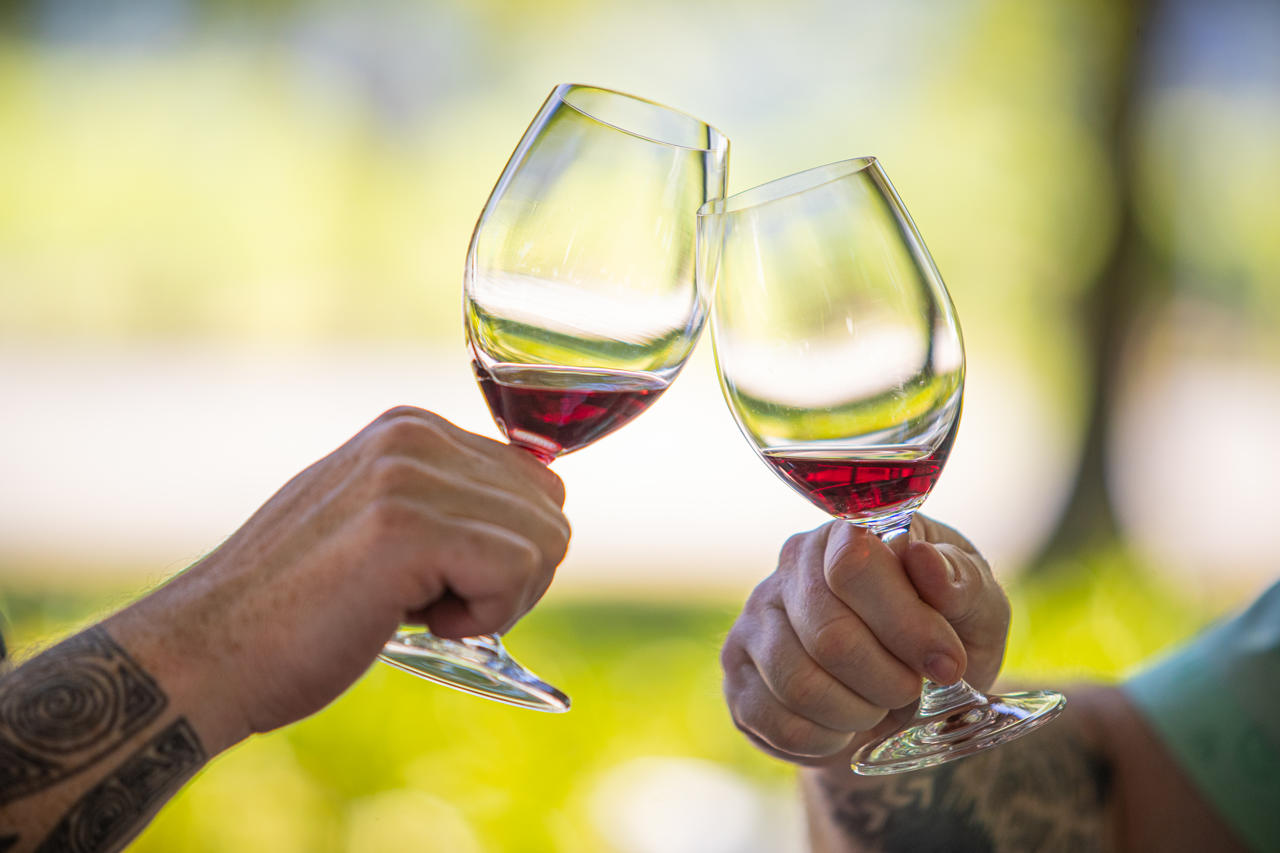
Marlborough is New Zealand’s largest wine region, with more than 30 cellar doors on the trail. Spend the day tasting the wines that put the country on the world map. Join the Marlborough Wine Tour from Blenheim (four hours), the Full Day Guided Tour, or the Bike Wine Tour. For a boutique stop, try the FROMM Winery Experience or the Marlborough Winery Lunch & Tasting.
Prefer a day outdoors? The 73.5 km Queen Charlotte Track combines coastal views, native bush and a network of boat transfers, lodges and great food. You can walk a single section, such as the Furneaux Lodge to Punga Cove day walk.
Add an extra day: visit the Omaka Aviation Heritage Centre, which displays Sir Peter Jackson’s own collection of First and Second World War aircraft. Have lunch at Harvest Restaurant, or watch chocolatiers at work at the Makana Chocolate Factory.
How to Stretch the Classic New Zealand Wine & Food Trail to 8 or 10 Days
The organisers recommend eight to ten days, and they’re right. Six days means a lot of driving and not much lingering. Extra nights are best spent where the stops are richest. Here is how the days could shift:
| Where | 6 days | 8 days | 10 days |
|---|---|---|---|
| Hawke’s Bay | 1 day | 2 days | 2 days |
| Wairarapa | 1.5 days | 1.5 days | 2 days |
| Wellington | 1.5 days | 2 days | 3 days |
| Marlborough | 2 days (incl. ferry) | 2.5 days | 3 days |
With extra time, you can add Cape Kidnappers, a Craggy Range tasting, a Wellington food tour and a full day on the Queen Charlotte Track. Our 14-day food and wine itinerary shows how to link the trail with other regions. If you’d like a ready-made version, the 7 Day New Zealand Premium Food & Wine Discovery is a private tour, and you can browse all of our wine tours.
Getting Around the Classic New Zealand Wine & Food Trail Safely
Never Drive After Tasting
This is the most important rule on the trail. The legal limit for drivers aged 20 and over is 250 micrograms of alcohol per litre of breath (50 mg per 100 ml of blood). For drivers under 20, the limit is zero. The NZ Transport Agency’s advice is simple: if you drink at all, don’t drive.
You have good options:
- Book a guided tour. Every region has local operators who drive you between wineries.
- Cycle between cellar doors. Hawke’s Bay and Martinborough are both well suited to bikes. See our bike tours.
- Share the driving. Agree on a designated driver each day.
- Taste small. Spit buckets are normal at cellar doors, and no one will mind.
Driving and Booking Tips
- Drive on the left. Read our driving in New Zealand guide before you set off, and see rental cars for options. Our guide to car rental companies compares providers.
- Book the ferry early in summer. Cook Strait sailings can be disrupted by weather or technical faults, as happened in March 2026. Leave a spare day, and don’t schedule a flight on the day you arrive in Marlborough.
- Check one-way fees. If you pick up a car in the North Island and drop it in the South Island, ask your rental company about the cost. Some travellers rent separately on each island.
- Book rooms and tables ahead. This applies especially to Napier in February, Martinborough on weekends and Wellington’s Michelin-recognised restaurants.
- Get covered. Read about travel insurance and use our must-have list.
Prefer Not to Drive at All?
You can do the trail without a car, though it takes planning. Fly to Napier, join local tours in each region, take the ferry or a flight to Marlborough, and then use a tour operator there. Or hand the whole thing to us. Compare self-drive tours, small group tours and private tours.
How Much Does It Cost?
According to Tourism New Zealand, a glass of wine usually costs NZ$9–15 at a bar or restaurant, and a bottle starts from about NZ$35. Cellar door tasting fees vary, so ask when you book.
Best Time to Do the Classic New Zealand Wine & Food Trail
The Classic New Zealand Wine & Food Trail works all year, but each season offers something different:
- Summer (December to February): warm days, outdoor concerts at Church Road in Napier (from 1 November to 7 March), and the Art Deco Festival in February. It’s also the best time for the Cape Kidnappers gannets. Book early.
- Autumn (March to May): the grape harvest, golden vines and fewer crowds. Hastings holds its Meatball Festival each March.
- Winter (June to August): quiet roads, cosy cellar doors and Matariki celebrations in June or July. Wellington on a Plate, the capital’s food festival, is a winter highlight. See our guide to visiting New Zealand in August.
- Spring (September to November): new growth, blossom and mild days. Hawke’s Bay’s HARVEST food and wine festival is held in Hastings in November. See our September guide.
Events to Know About
- Art Deco Festival, Napier: 18–21 February 2027. It is the country’s largest heritage festival, so book accommodation early.
- Toast Martinborough: the village’s annual wine and food festival. Check the organisers for the latest dates.
- Marlborough Wine & Food Festival: this long-running event was put on hold in August 2026, and the 2027 date of 13 February will not go ahead. Don’t plan around it. Marlborough’s cellar doors remain open.
For national dates, see New Zealand festivities. Our best time to visit New Zealand and weather and climate pages give more background.
After the Trail: Where to Go Next
The trail ends in Marlborough, but your trip doesn’t have to. The organisers suggest riding the Coastal Pacific train from Picton to Christchurch, one of the most scenic rail journeys in the country. The train runs through Blenheim and Kaikōura along the Pacific coast. It’s seasonal and pauses each winter, so confirm dates when you plan. It resumed on 1 September 2026. Compare options on our train journeys page and browse rail journeys.
- Kaikōura: whale watching and fresh seafood. See Kaikōura & Hanmer Springs.
- Nelson Tasman: more wineries and the Abel Tasman coast. See Nelson Tasman.
- Christchurch: a good place to fly home or start a South Island loop. See Christchurch & Canterbury.
- Central Otago: another top wine region, known for Pinot Noir. Our 4-week South Island itinerary shows how to add it.
If you’re starting from the north, you can link Auckland, Rotorua and Taupō with the trail on the way to Napier. See our 3-week North Island itinerary or North & South Island tours.
Frequently Asked Questions About the Classic New Zealand Wine & Food Trail
What is the Classic New Zealand Wine & Food Trail?
It’s a 380 km signposted self-drive route through Hawke’s Bay, Wairarapa, Wellington and Marlborough. It combines cellar doors, farmers’ markets, restaurants and scenery on both islands, with a ferry crossing in the middle.
How long is the Classic New Zealand Wine & Food Trail?
The route is 380 km (240 miles). The organisers say six days is the minimum, and recommend eight to ten days to enjoy it properly.
Which regions does the Classic New Zealand Wine & Food Trail cover?
Hawke’s Bay, Wairarapa, Wellington and Marlborough. Three of them are major wine regions, and Wellington sits at the centre as the food capital.
Where does the Classic New Zealand Wine & Food Trail start and finish?
Most people start in Napier and finish in Blenheim. The signs work in both directions, so you can start in Marlborough instead. If you fly in from Auckland, you can reach Napier by air or by road.
How do I get from Wellington to Marlborough?
Take the Interislander or Bluebridge ferry to Picton (about 3.5 hours), or fly to Marlborough in about 25 minutes with Air New Zealand or Sounds Air. Blenheim is 25 minutes’ drive from Picton.
Can I do the Classic New Zealand Wine & Food Trail without a car?
Yes, though it takes more planning. You can use local wine tours, bikes, the ferry or a short flight. Or book a guided or small group tour that includes the stops. See our New Zealand wine tours.
Is the Classic New Zealand Wine & Food Trail good if I don’t drink alcohol?
Yes. There’s plenty beyond the glass: Napier’s Art Deco streets, Cape Kidnappers, farmers’ markets, chocolate factories, stargazing in Wairarapa, Te Papa, Zealandia, the Queen Charlotte Track and the Marlborough Sounds.
What wines should I try on the trail?
Try Hawke’s Bay reds and Chardonnay, Martinborough Pinot Noir and Marlborough Sauvignon Blanc. Our wine styles guide explains what to order.
What is the best time of year for the Classic New Zealand Wine & Food Trail?
Summer and early autumn suit most travellers. February brings the Art Deco Festival, and the grape harvest usually falls in March and April. Winter is quieter, and spring is mild. See our best time to visit page.
Is Wellington worth including on the Classic New Zealand Wine & Food Trail?
Absolutely. Wellington sits at the centre of the route. It has Te Papa, Wētā Workshop, Zealandia, good coffee and craft beer, and three Michelin-starred restaurants announced in 2026.
Can I extend the trip after finishing the Classic New Zealand Wine & Food Trail?
Yes. Ride the Coastal Pacific train from Picton to Christchurch, visit Kaikōura for whales, or add Nelson Tasman and Central Otago. See our itinerary ideas.
Can I book the Classic New Zealand Wine & Food Trail as a tour?
Yes. We offer the 7 Day New Zealand Premium Food & Wine Discovery and a range of self-drive tours. Read how to book a tour for the steps.
Plan Your Classic New Zealand Wine & Food Trail With Us
Want the trail built around your dates, your budget and your taste? Browse our wine tours, explore our food and wine activities, or request a custom itinerary. For more ideas, visit our travel blog.