
Marlborough Sounds: A Maze of Bays at the Top of the South Island
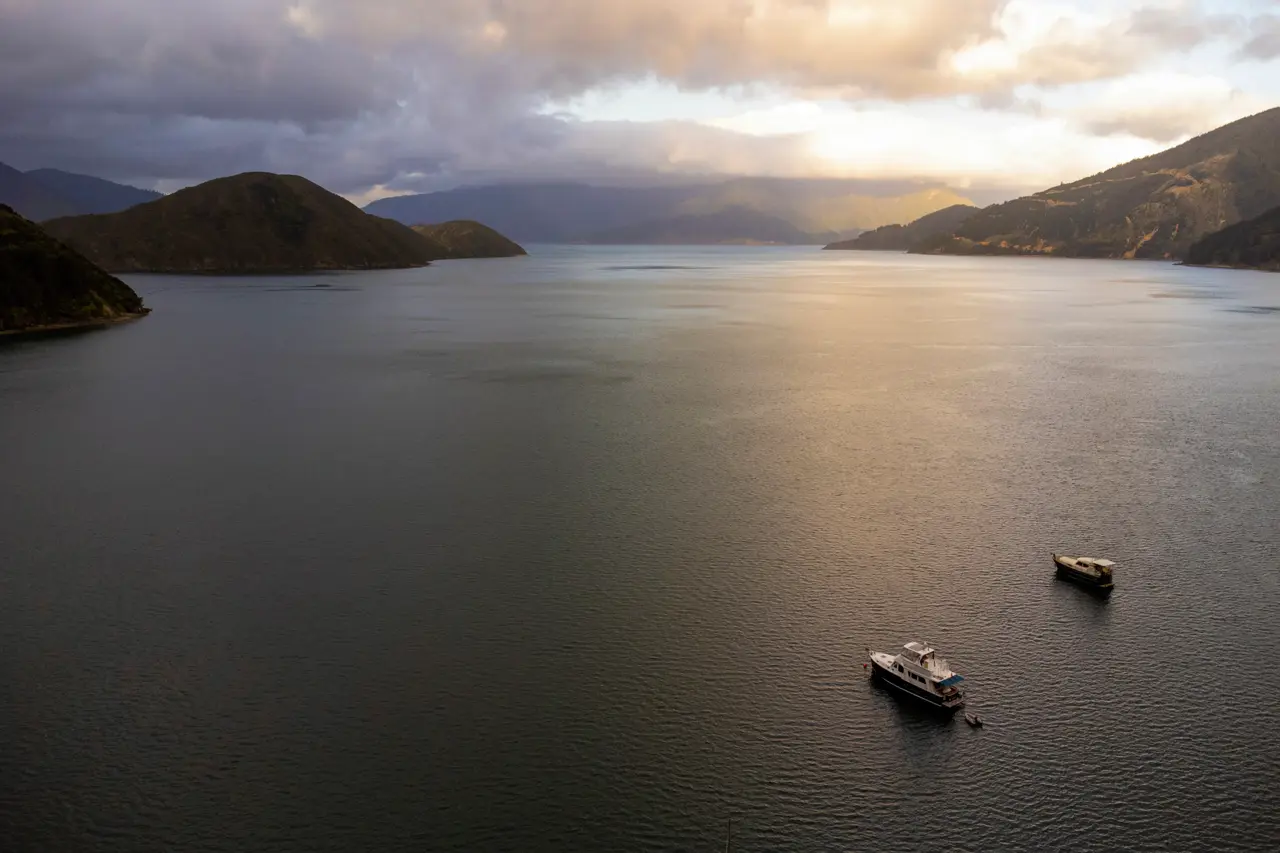
Picture a drowned landscape. Forested ridges slide straight into green water, and half the bays have no road at all. That’s the Marlborough Sounds, a maze of sheltered inlets covering roughly 4,000 square kilometres at the top of the South Island.
Three main sounds make up the maze: Queen Charlotte, Kenepuru and Pelorus. Picton sits at the head of Queen Charlotte Sound, and Havelock anchors Pelorus Sound. You can sail, walk, paddle, drive or camp your way around them. This guide picks 12 things worth your time, then covers the practical stuff: how to get there, where to sleep and when to go.
Folding the Sounds into a bigger trip? Browse our Marlborough activities page and our list of the best South Island tourist attractions for what to pair with it.
How to Get to the Marlborough Sounds
Most visitors arrive by water. The ferry from Wellington to Picton takes about three and a half hours, and Picton is the main gateway for inter-island crossings. Two operators run the route, Interislander and Bluebridge, so compare sailing times before you book.
Driving from the south? Picton sits about six hours from Christchurch by road. Coming from Nelson, State Highway 6 runs through Pelorus Bridge and Havelock, which makes a scenic approach to the western Sounds. Our driving in New Zealand guide covers the rules, and our scenic drives list has more routes to try. Want to take your own wheels across Cook Strait? Start with our motorhome holidays page or the campervan rental guide.
Picton: The Best Base for the Sounds
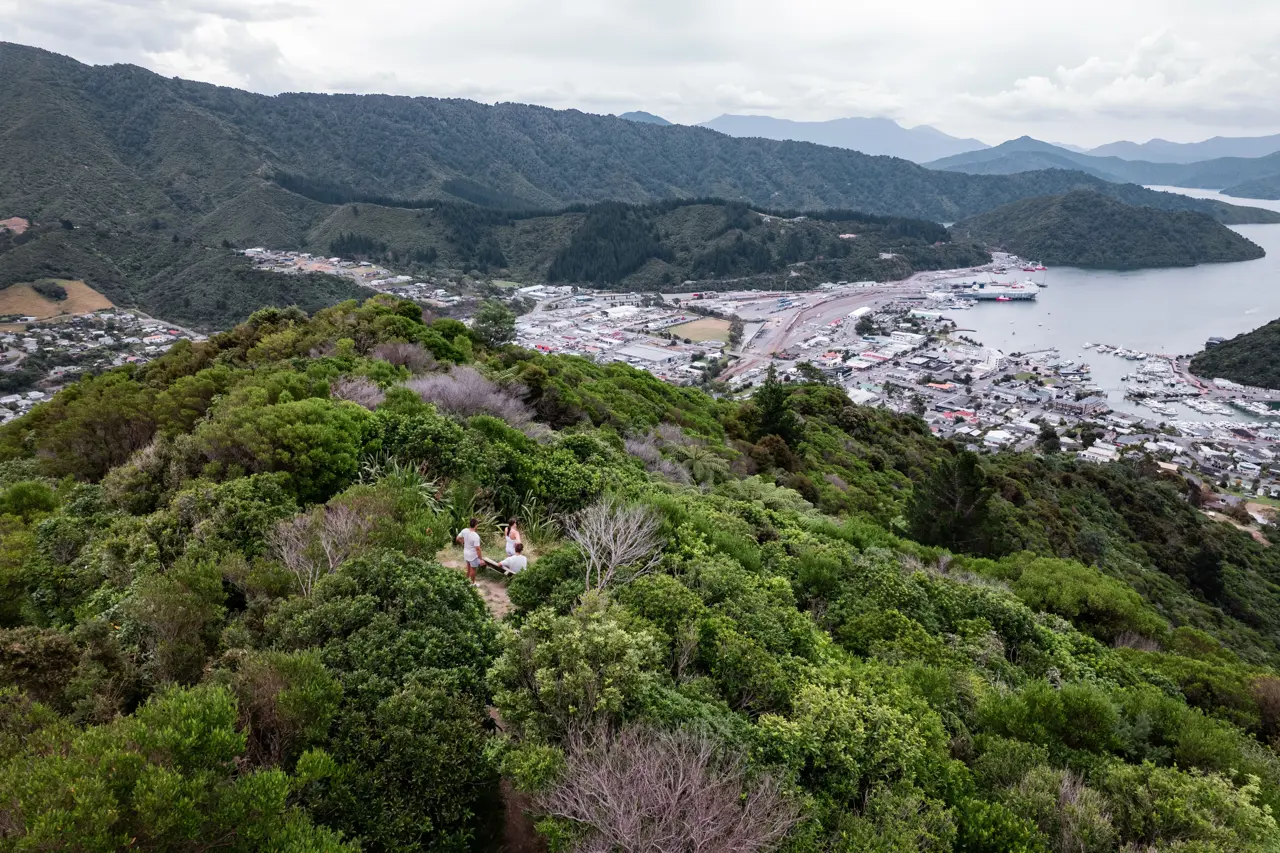
Picton is a small port town, but it punches above its size. Waterfront cafés, galleries and specialty shops line the harbour, and most Queen Charlotte Sound cruises leave from here. Step aboard the Edwin Fox at the Edwin Fox Maritime Centre if you like old ships. It’s reputedly the ninth-oldest vessel in the world.
Staying a night or two in Picton makes the logistics easy. Water taxis, day cruises and track transfers all start close to the waterfront.
12 Best Things to Do in the Marlborough Sounds
1. Cruise Queen Charlotte Sound
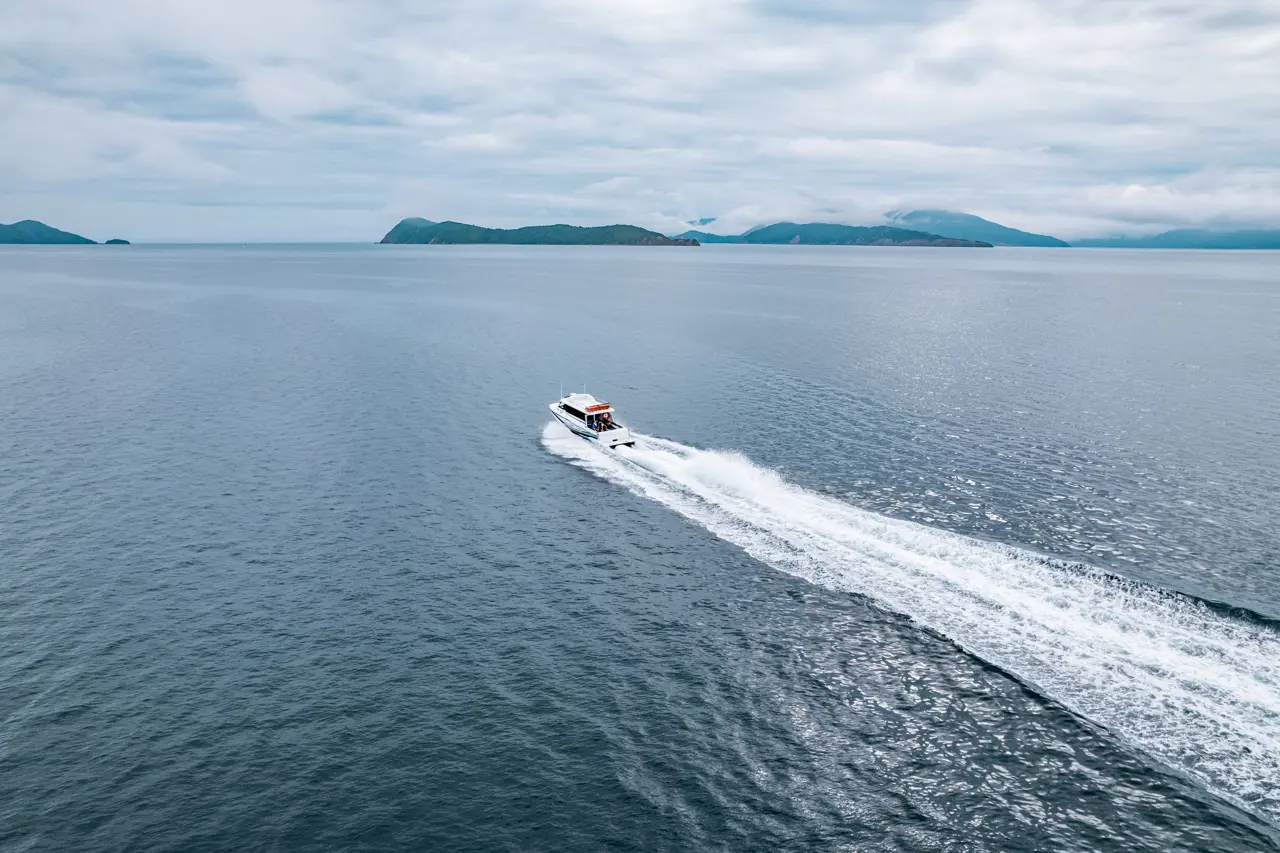
Start on the water. Several operators run day cruises from Picton, from relaxed scenic trips to wildlife outings, and options such as Cougar Line and Beachcomber Cruises mix cruising with walking or lunch stops. You’ll slide past forested headlands, hidden beaches and mussel farms, and you don’t need to lift a finger. Browse more on our boat cruises and water activities page.
2. Stand Where Captain Cook Anchored at Ship Cove
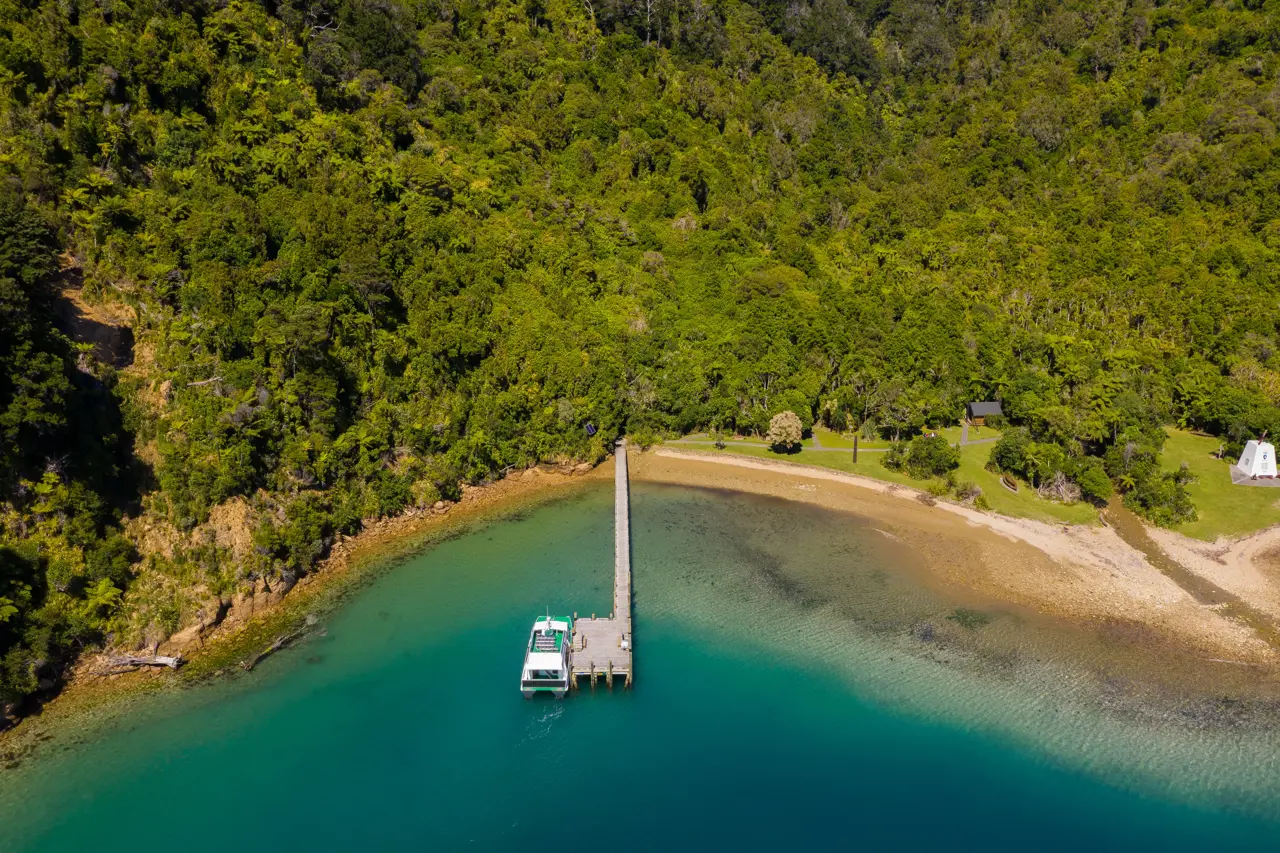
Ship Cove is the Sounds’ most famous bay. Captain Cook anchored HMS Endeavour here in January 1770 and returned several times, using it as a base for water, timber and fresh food. There’s no road in, so you’ll arrive by boat or on foot along the Queen Charlotte Track. Walk the short bush track behind the beach, find the monument, and listen to the birdsong. No camping is allowed at the cove itself.
3. Walk or Ride the Queen Charlotte Track
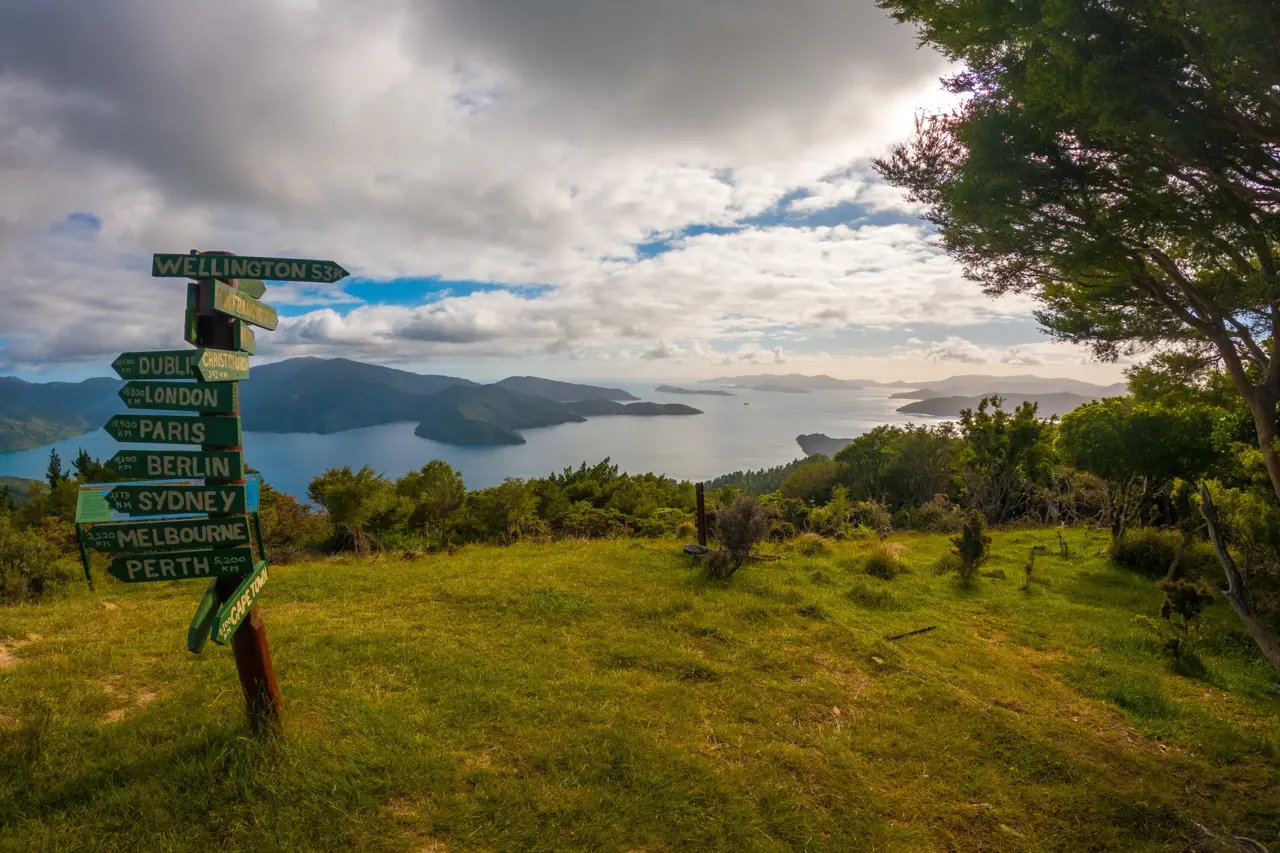
This is the Sounds’ headline walk. The track runs about 70 km from Ship Cove to Anakiwa, and DOC says walkers need three to five days to finish it while mountain bikers need two to three. Short on time? Day sections work well, such as the stretch from Ship Cove to Kenepuru Saddle or the 12.5 km from Mistletoe Bay to Anakiwa. Boats run to and from points along the track, and you can arrange pack transfers between your overnight stops. Sections cross private land between Kenepuru Saddle and Anakiwa, so you’ll need a track pass from the Queen Charlotte Track Land Cooperative website. Check the latest track details on DOC’s Queen Charlotte Track page before you go, and see our best hikes in New Zealand list for more walks.
4. Join the Pelorus Mail Boat from Havelock
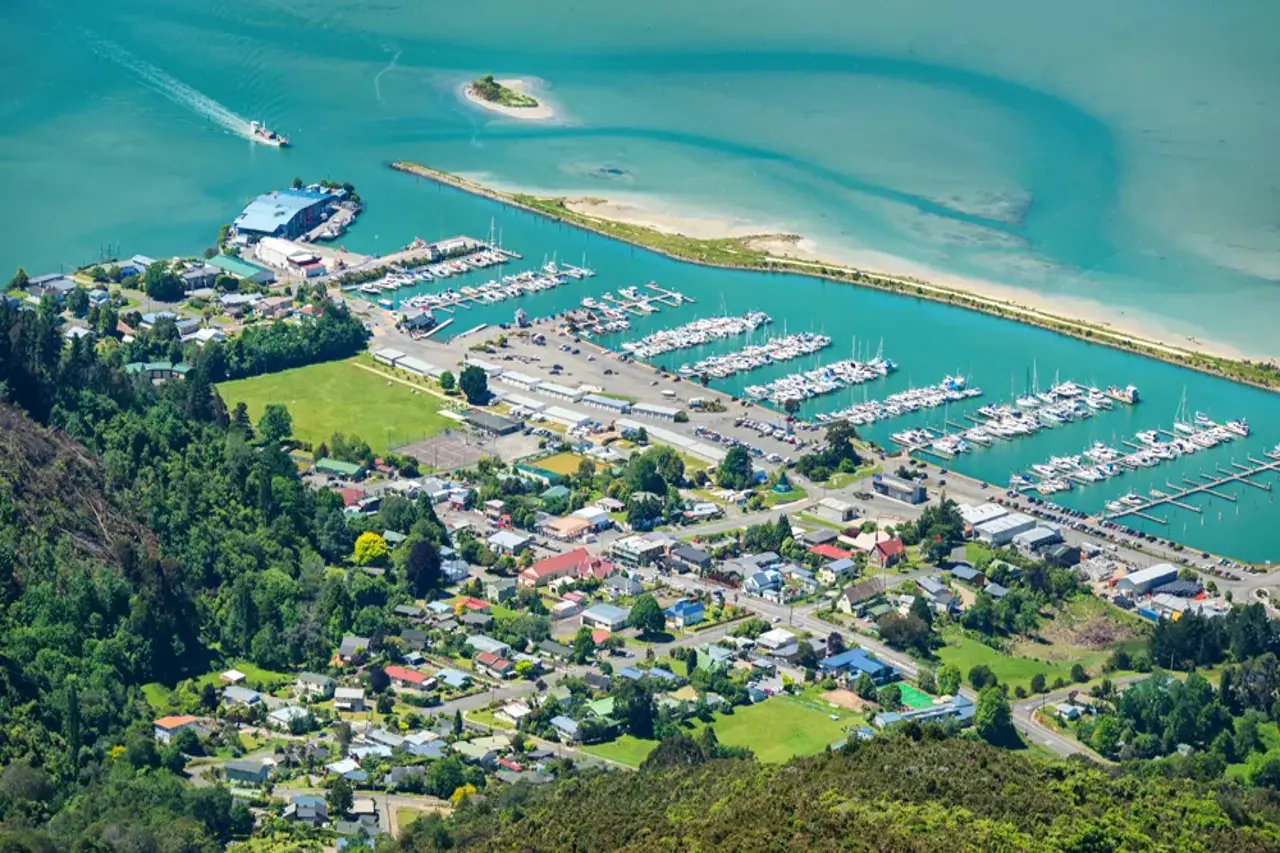
Want the Sounds without the tourist crowd? Hop aboard the mail boat. It’s a working vessel that has delivered post and supplies to remote Pelorus Sound residents for more than 100 years, and visitors ride along. Most runs leave Havelock Marina in the morning and return in the afternoon, and the route changes depending on the mail. You’ll see sheep farms, mussel lines and bays that have no road access. Bring a jacket and your sense of curiosity.
5. Eat Greenshell Mussels
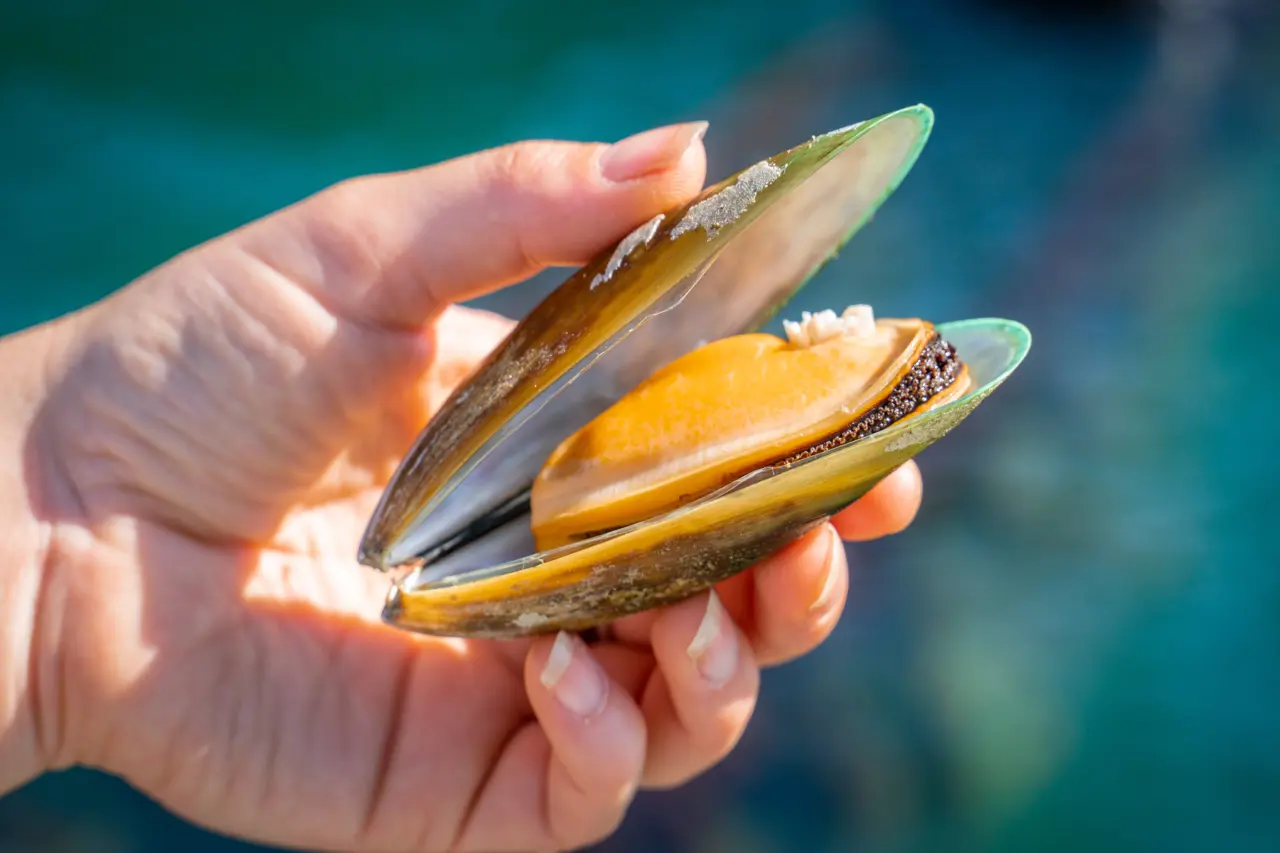
Order them in Picton. Order them in Havelock too. Most of New Zealand’s aquaculture exports come from the Marlborough Sounds, and most of them are green-lipped mussels, so you’re eating at the source. Havelock calls itself the Greenshell Mussel Capital of the World, and you’ll find harbourside restaurants there. Prefer to see where they grow? Picton operators run mussel and seafood cruises that include tastings. Pair them with local wine for the full effect (see item 12). Our food and wine experiences page has more ideas.
6. Spot Birds on Motuara Island
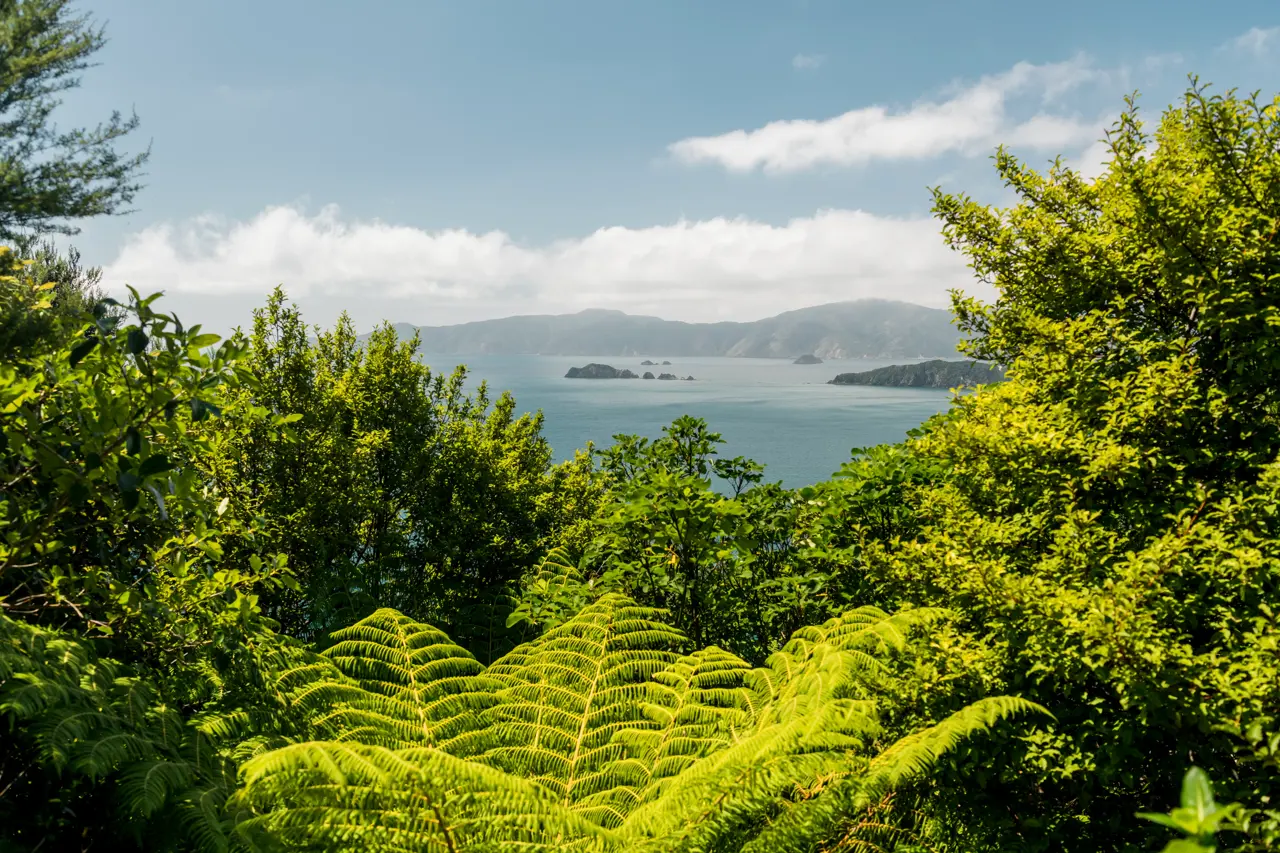
Motuara Island sits at the north entrance to Queen Charlotte Sound, and it’s a DOC-run bird sanctuary. You might see robins, tūī, bellbirds, kākāriki and the rare South Island saddleback. A bird-viewing station and an 800 m walk lead to the island’s highest point, where you can look out over the Sounds. It’s also where Cook proclaimed British sovereignty over the South Island in 1770. Cruises from Picton typically take about four hours. Fancy more native wildlife? Check our wildlife and beaches page.
7. Visit Kaipupu Point Wildlife Sanctuary

Kaipupu is a mainland island just outside Picton, and it’s a crèche for kiwi. A short boat ride takes you across, and a bush walk of around 2.7 km loops through regenerating forest. Great for families, since it’s quick and easy to fit around a ferry or a cruise.
8. Kayak the Pelorus River
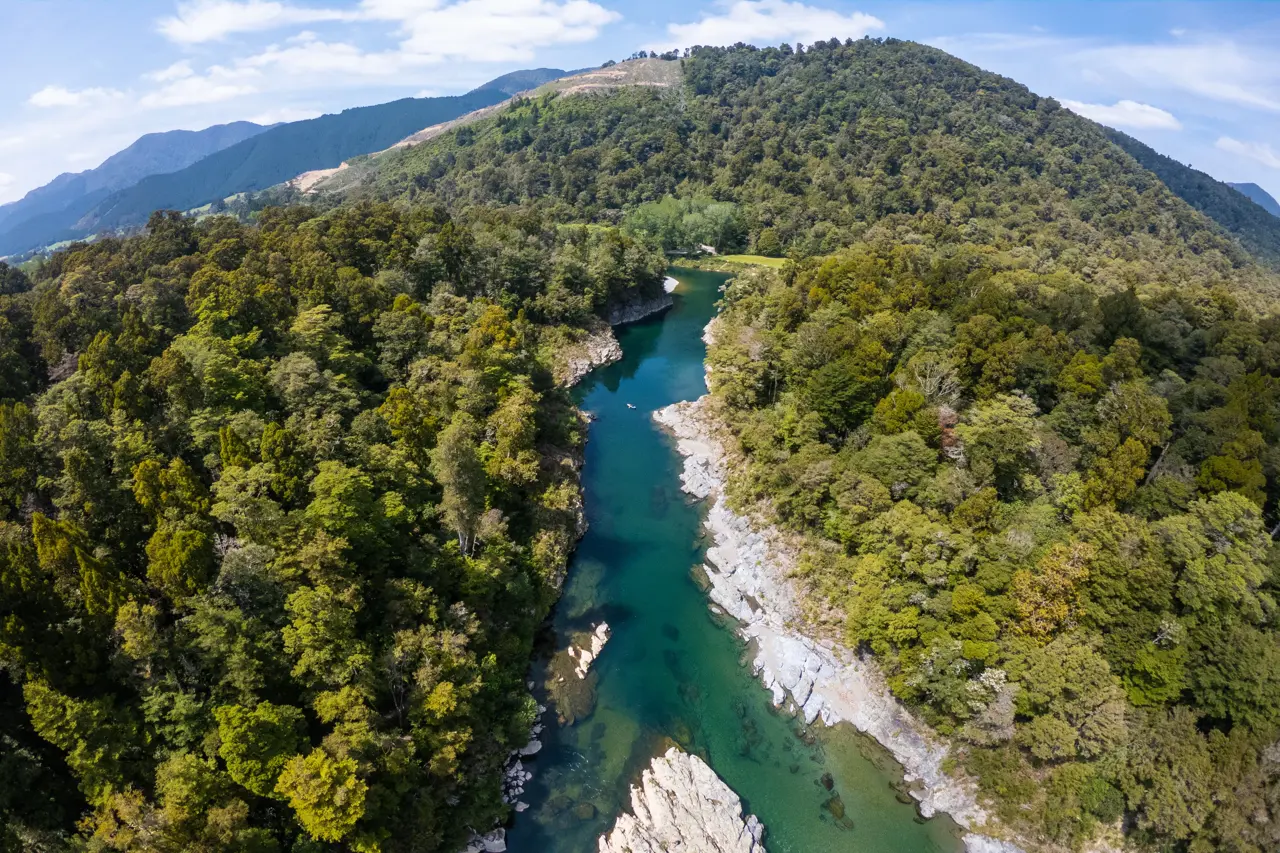
Prefer paddling to cruising? Pelorus Eco Adventures runs a Hobbit-themed kayaking tour on the Pelorus River from Havelock, following scenes from the films. The river is calm, the scenery is lush, and you’ll feel like you’ve wandered into Middle-earth. Sea kayaking tours also operate in the sheltered bays of Queen Charlotte Sound.
9. Drive Kenepuru Road to Portage and Beyond
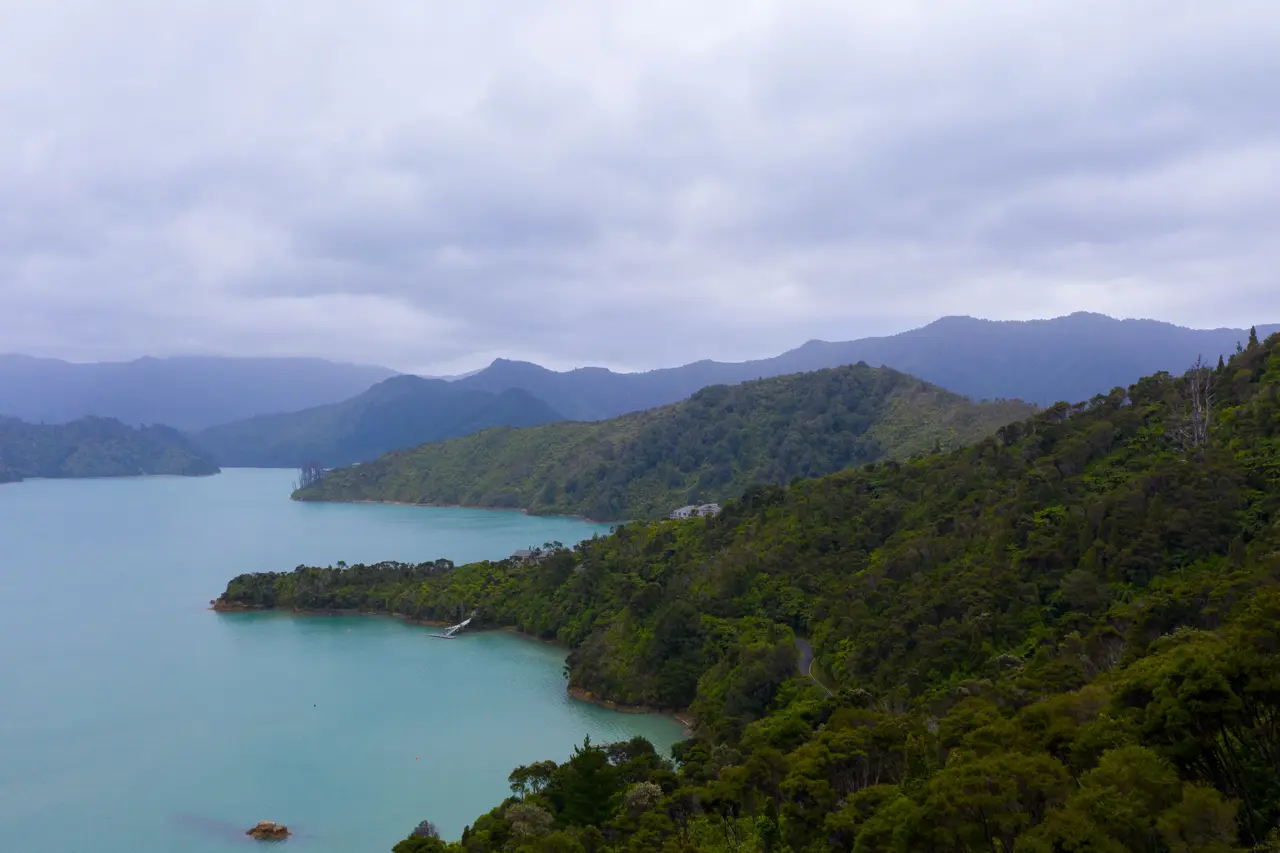
Take the winding road that curls around Kenepuru Sound. It starts at Linkwater and passes bays like Cowshed Bay, Picnic Bay and Nikau Cove, and it ends at Kenepuru Head about 40 km later. The road is narrow and twisty, so take it slowly and avoid the temptation to rush. Stop for a swim, a picnic or a paddle. Portage is the hub, with a waterfront and boat access.
10. Reach French Pass and D’Urville Island
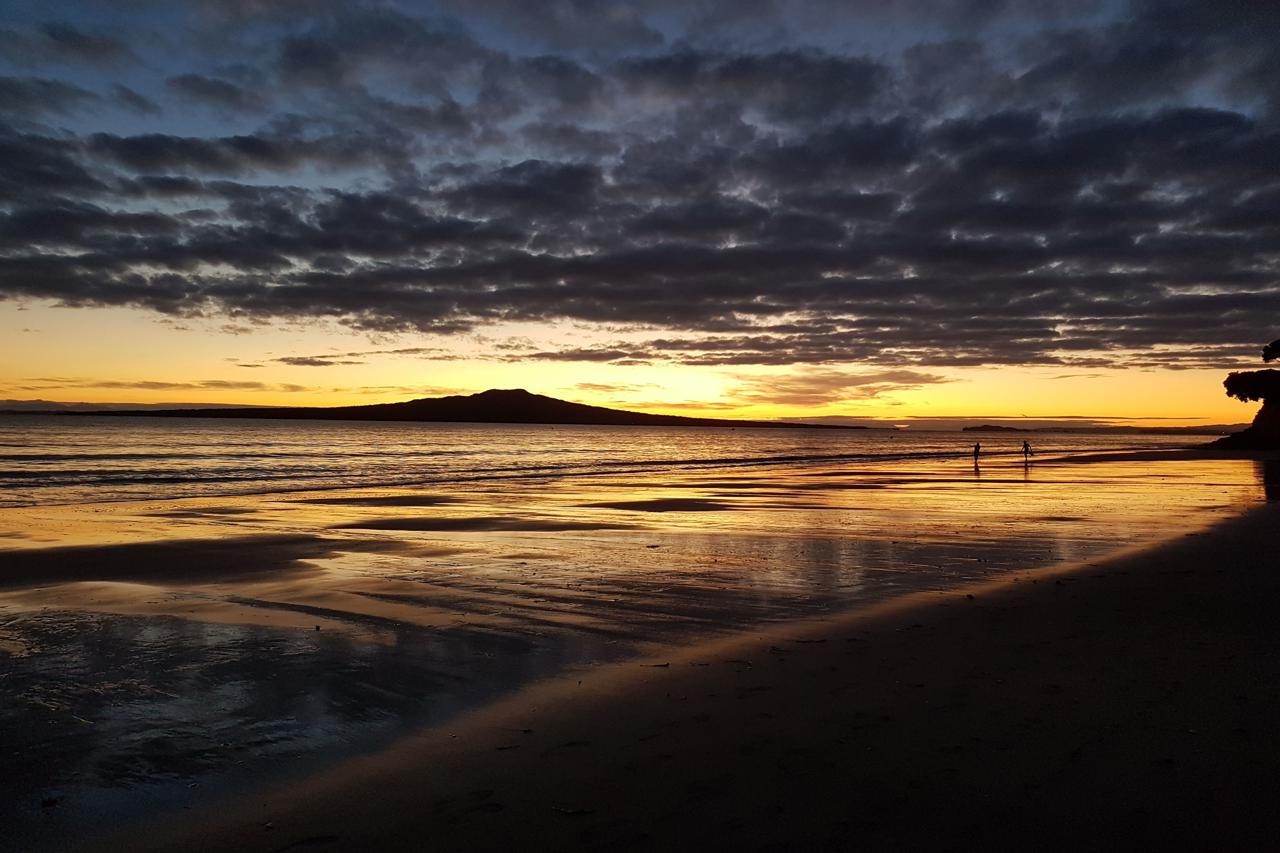
Go remote. French Pass lies about 60 km from State Highway 6 north of Rai Valley, along a narrow, winding road that’s partly sealed and partly gravel. It’s the gateway to Rangitoto ki te Tonga (D’Urville Island), and you can watch the water surge through Te Aumiti, the narrow channel between the island and the mainland. Pack snacks and a full tank. You won’t find much along the way.
11. Camp at a DOC Campsite in the Sounds
Sleep within earshot of the water. DOC campsites around the Sounds include Aussie Bay, Momorangi Bay, Whatamango Bay and Cowshed Bay, and DOC’s map banned fires at every Marlborough campsite because of the fire risk. Some sites suit small vehicles only, so check size limits and gravel roads before you go. Our guide to DOC campsites in New Zealand lists all 21 Marlborough campsites, with directions and access notes.
12. Taste Marlborough Wine

The Sounds sit beside one of New Zealand’s best-known wine regions. Operators run half-day wine tours from Blenheim, and some package a Picton cruise with a tasting, so you can combine water and wine in a single day. Browse our New Zealand wine tours for more.
Where to Stay in the Marlborough Sounds
Picton and Havelock give you the most choice, and both sit right on the water. For something more remote, lodges such as Furneaux Lodge and Punga Cove Resort sit along the Queen Charlotte Track and you reach them by boat or on foot. Several DOC campsites also dot the track, including Schoolhouse Bay, Camp Bay and Bay of Many Coves, so walkers can sleep outdoors without carrying much. Not sure what suits your trip? Our accommodation options guide explains the choices.
Best Time to Visit the Marlborough Sounds
Summer is the easy season. Water taxis and cruises run often, and the walking tracks are at their best. Winter, from June to August, brings more rain and occasional snow, and many small cruises don’t run during those months. The mail boat does operate year round, though. Check our best time to visit New Zealand guide and weather and climate page before you lock in dates.
A Simple 3-Day Marlborough Sounds Itinerary
Day 1: Picton and Queen Charlotte Sound
Arrive in Picton, visit the Edwin Fox, then catch a cruise to Ship Cove. Walk a short section of the Queen Charlotte Track and finish with mussels on the waterfront.
Day 2: Havelock and Pelorus Sound
Drive to Havelock. Board the mail boat for a full-day cruise, or paddle the Pelorus River if you want something more active. Eat mussels for lunch (again).
Day 3: Wine or Wild Roads
Spend a half day in Blenheim tasting wine. Or head the other way and drive Kenepuru Road to Kenepuru Head, stopping at the bays for a swim. You can also continue to Kaikōura or Nelson next.
Marlborough Sounds: Your Questions Answered
How many days do you need in the Marlborough Sounds?
Two or three days covers the highlights: a cruise, a walk, the mail boat and a wine tasting. Walking the whole Queen Charlotte Track needs three to five days on its own.
What are the main Marlborough Sounds?
There are three: Queen Charlotte Sound, Kenepuru Sound and Pelorus Sound. Pelorus is the largest, with roughly 380 km of shoreline.
Do you need a boat to explore the Marlborough Sounds?
No. Water taxis, day cruises and the mail boat cover most of it, and roads reach Portage, Kenepuru Head, French Pass and several campsites.
How long is the Queen Charlotte Track?
About 70 km from Ship Cove to Anakiwa. Walkers need three to five days, and mountain bikers need two to three. You need a track pass for the private land sections.
Is the Pelorus Mail Boat open year round?
Yes, day cruises operate year round, though the route changes depending on the mail run. Check times with the operator before you travel.
Can you camp in the Marlborough Sounds?
Yes. DOC runs 21 campsites across Marlborough. Fires are banned at all of them on DOC’s map, so bring a gas cooker.
Plan Your Marlborough Sounds Trip With NZ Tourism Tours
Want help linking the Sounds with the rest of the South Island? Ask our team to build a custom itinerary, or browse our self-drive tours and itinerary ideas for ready-made routes that pass through Picton.