
Solar Eclipse 2028 Australia: Where to See Totality and When to Book
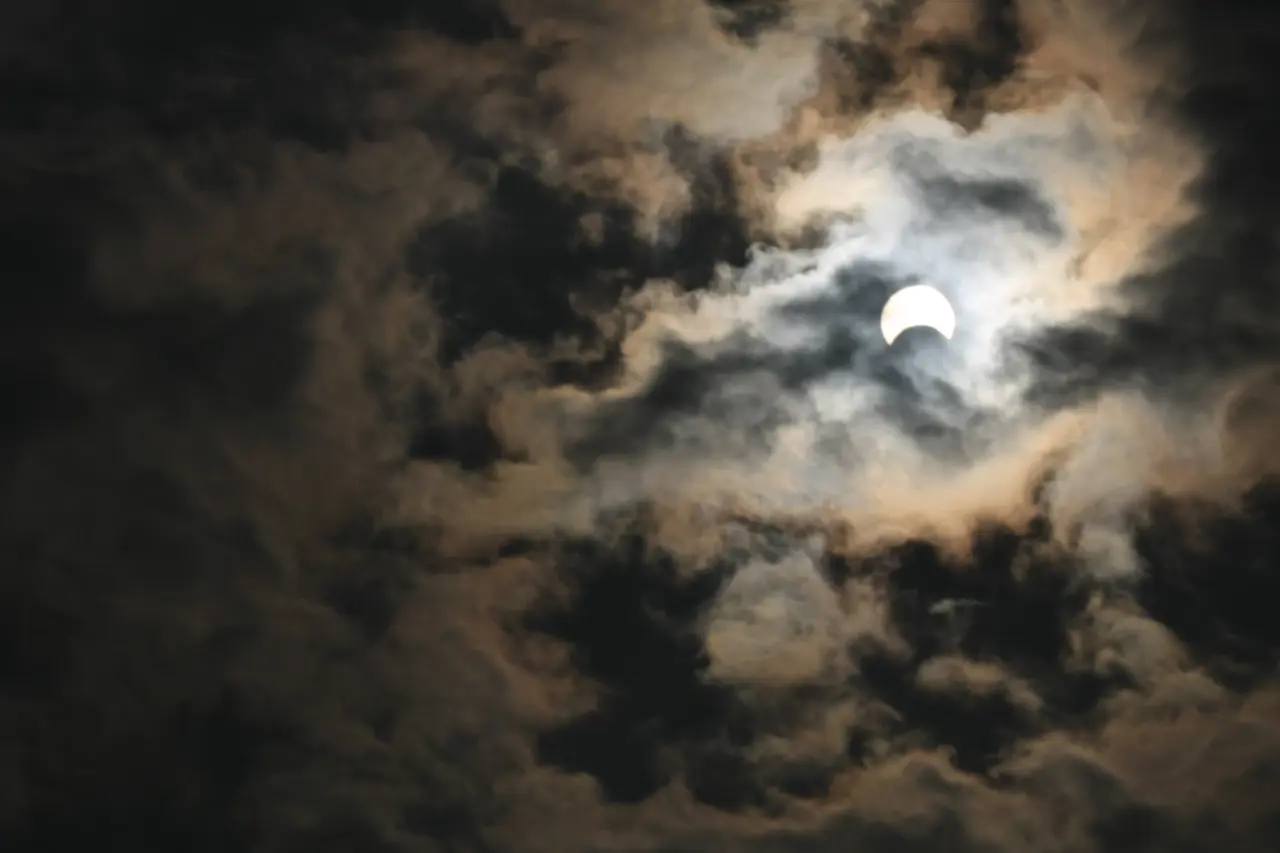
On Saturday 22 July 2028, the Moon will slide across the Sun and switch off a strip of Australia in broad daylight. The solar eclipse 2028 Australia path starts in the remote Kimberley, cuts across the Outback and finishes right over Sydney. In the far north-west, totality runs past five minutes. That’s the longest anywhere on the Australian mainland.
Sydney’s turn is rarer still. The city last saw a total eclipse in 1857, and its next one won’t arrive until 2858. So this is the one.
Here’s what matters: where the shadow falls, what time it hits each place, which spots give you the best shot at clear sky, and how early to book. We also cover safe viewing and how to pair Australia with New Zealand’s share of the same eclipse.
Solar Eclipse 2028 Australia at a Glance
- Date: Saturday 22 July 2028
- States in the path: Western Australia, the Northern Territory, south-west Queensland and New South Wales
- Longest totality: 5 minutes 10 seconds, near Doon Doon in the East Kimberley
- Sydney: about 3 minutes 45 seconds, starting near 1:59pm AEST
- Path width: roughly 230 km
- People inside it: about 6.3 million, most of them in Sydney
- Everywhere else: a deep partial eclipse, such as 81% in Melbourne and 50% in Perth
Solar Eclipse 2028 Path of Totality
The shadow touches Australia on the Kimberley coast in the morning, then races south-east. It passes close to Wyndham, Kununurra, Tennant Creek, Birdsville, Bourke and Dubbo, then slices through the middle of Sydney. After that it crosses the Tasman Sea and ends over Queenstown and Dunedin. Before any of that, it also brushes Christmas Island and the Cocos (Keeling) Islands.
The band is narrow. Step outside it and you get a partial eclipse: a bitten Sun, a slightly dim afternoon, no real darkness. Stay inside it and the sky drops into twilight, stars appear and the corona flares around a black disc.
What Time Is the Solar Eclipse in Australia in 2028?
Times for the solar eclipse 2028 Australia wide change by location, and three Australian time zones are in play. July falls outside daylight saving, so Sydney stays on AEST all month.
| Place | Totality starts (about) | Length of totality |
|---|---|---|
| Kununurra, WA | 10:59am AWST | 2 min 54 s |
| Lake Argyle, WA | 10:59am AWST | 4 min 19 s |
| Tennant Creek, NT | 12:48pm ACST | 3 min 26 s |
| Bourke, NSW | 1:50pm AEST | 4 min 5 s |
| Dubbo, NSW | 1:55pm AEST | 3 min 51 s |
| Sydney, NSW | 1:59pm AEST | 3 min 49 s |
Durations shift by a few seconds between sources, and even between suburbs. Wikipedia’s eclipse page holds the full table of local times.
One more number to plan around. In Sydney the partial phase begins at 12:40pm, so you wait almost 80 minutes between the first bite and totality. Pack snacks.
Best Places to See the Solar Eclipse in Australia
The Kimberley, Western Australia: Longest Darkness
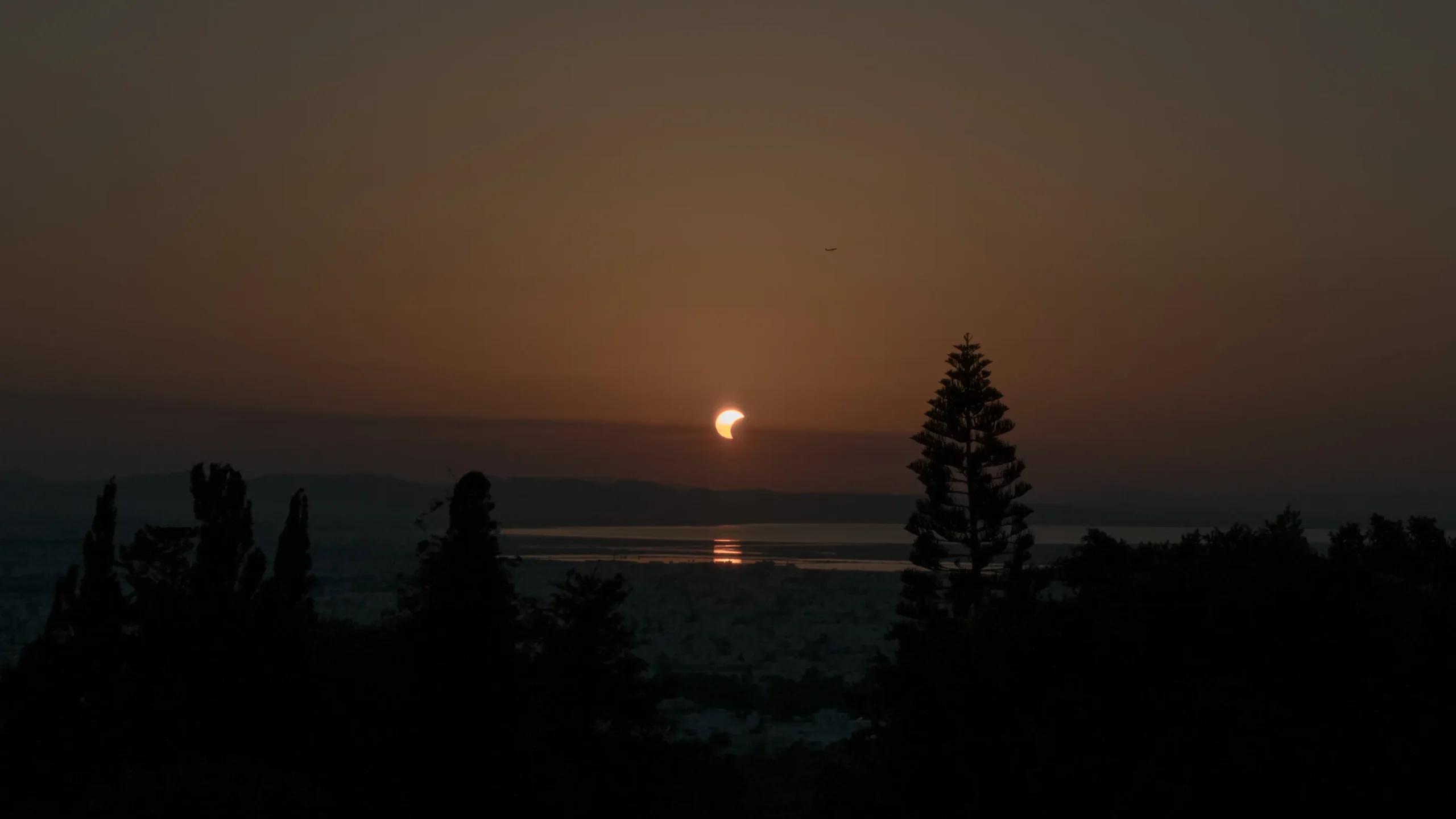
Want the maximum? Head to the East Kimberley. Wyndham, Kununurra, Lake Argyle and Purnululu National Park (the Bungle Bungles) all sit in or near the path, and the Sun will hang about 53° up in the north-east. That’s high, clean and hard to block.
The odds look good too. Time and Date records cloud on 22 July about 11% of the time in Kununurra and 10% at the Bungle Bungles. The state government has set aside $24.6 million for camping, water, telecommunications and safety upgrades, plus a proposed public viewing site along the Great Northern Highway, according to ABC News. Expect busy one-lane roads, though.
Northern Territory: Karlu Karlu and Tennant Creek
Karlu Karlu (Devils Marbles) gets around 4 minutes 50 seconds of totality, with giant granite boulders for a foreground. Cloud odds sit near 23%, still far better than the coast. Tennant Creek is the nearest town. Alice Springs falls outside the path, but it sees about 95% of the Sun covered and makes a handy Outback base.
Outback Queensland and New South Wales
Birdsville, Bourke and Dubbo all sit near the centreline. Bourke clocks just over four minutes, and Dubbo about 3 minutes 51 seconds. Roads are long, services are thin and fuel stops matter, so plan like it’s an expedition. Because the Sun sits only about 32° high here, check your north-eastern horizon for hills and trees.
Solar Eclipse 2028 Sydney: Totality in a Capital City
For the solar eclipse 2028 Australia city fans want, Sydney is the only big city on the path, and that’s the draw. You can watch the Sun vanish over the Harbour Bridge, then catch a train home. Likely viewing spots include the Opera House steps, Mrs Macquarie’s Chair, Observatory Hill, North Head and the cliffs around Bondi. Expect enormous crowds.
The catch is weather and angle. Sydney’s cloud figure for 22 July is about 47%, the worst of the major viewing areas, and the Sun will sit only about 29° up in the north-east. Choose a spot with an open view in that direction, and have a backup west of the city in case the coast clouds over.
Partial Eclipse: What Everyone Else Sees
Miss the band and you still get a show. Alice Springs sees about 95% of the Sun covered, Broome 91%, Darwin 88%, Brisbane and Melbourne 81%, Adelaide 76%, Hobart 73% and Perth 50%. None of those go dark. You’ll need certified glasses the whole time, and the afternoon will only dim a little.
Can’t make the path? Plan a second option. A solar eclipse 2028 Australia trip that includes a deep partial view still beats staying home.
Will the Weather Cooperate?
Here’s the pattern. The further inland and north you go, the clearer the odds. Coastal areas and big cities carry the highest cloud risk. That’s why eclipse chasers keep saying that climate is what you expect and weather is what you get.
- Kimberley: about 10% to 11%
- Karlu Karlu: about 23%
- Sydney: about 47%
So stay mobile. Watch forecasts three to five days out, then drive to the clearest sky you can reach. Hire a vehicle with room to spare, because rental cars in eclipse towns will be tight.
How to Watch the Eclipse Safely
Use certified eclipse glasses for every partial phase. Take them off only during totality, and put them back on the second a bright sliver returns.
- Look for ISO 12312-2. Ordinary sunglasses don’t come close.
- Inspect them first. Scratches or pinholes mean the bin.
- Filter every lens. Cameras, binoculars and telescopes all need solar filters.
- Watch the kids. Little ones forget fast.
- Buy early. Good glasses sell out in the final weeks.
No glasses? Poke a small hole in a piece of card and watch the crescent Sun appear on the ground.
Where to Stay and When to Book
Do it now. A 20-month lead time sounds generous, but eclipse towns fill early. Kununurra’s visitor centre has fielded enquiries for years, and a roadhouse near Doon Doon began taking bookings after the 2023 Exmouth eclipse. Short-stay beds anywhere along the path should go early, and prices will climb.
Three ideas to stretch your options:
- Book flexible rates. Weather may change your plan.
- Look beyond the obvious town. Dubbo, Bourke and smaller Outback stops get less attention than Sydney.
- Add a buffer. Arrive a week early for dark skies, and stay a day after to dodge the traffic.
Not sure where to start? Read how to book a tour, then check our travel insurance and medical cover page before you pay deposits.
Build a Trip Around the Eclipse
Tours turn a one-day event into a proper holiday. Browse our full Australia tours range, and ask us whether a departure lines up with 22 July 2028.
- By rail to Sydney. The 12 Day Indian Pacific Train Journey: Perth to Sydney and the shorter 9 Day Indian Pacific Train Journey both finish in Sydney, so you could time the end for eclipse week.
- Through the Red Centre. The 7 Day Ghan Train Journey runs from Darwin to Adelaide via Alice Springs, where the partial eclipse is deep.
- Outback landscapes. The 5 Day Uluru Kings Canyon Tour sits outside the path, so it’s a partial-eclipse option.
- Top End wildlife. The 6 Day Kakadu National Park Tour works the same way, and Darwin sees about 88% of the Sun covered.
- More rail options. Compare all our train tour packages.
Want it built around the eclipse instead? Our custom luxury private tours and the custom tour form are the quickest routes.
Australia or New Zealand: Can You See Both?
No. Sydney’s totality peaks around 4:01am UTC, and Queenstown’s arrives about 15 minutes later, with the whole Tasman Sea in between. You’ll see one totality, not two.
New Zealand’s share is smaller but gorgeous. Queenstown gets about 2 minutes 55 seconds and Dunedin about 2 minutes 51 seconds, around 4:16pm NZST, close to sunset. Our guide to the New Zealand solar eclipse 2028 has the details, and our Queenstown and Dunedin and Otago pages show what’s on.
The smart play is a two-country trip. Pick Australia or New Zealand for eclipse day, then add the other before or after. Our Australia and New Zealand vacation packages are a good start, and the guides to New Zealand in July, New Zealand in August and New Zealand in September show how the weather and crowds change after the eclipse.
FAQ: Solar Eclipse 2028 Australia
When is the total solar eclipse in Australia?
Saturday 22 July 2028. Totality hits the Kimberley around 11am AWST and Sydney around 2pm AEST.
Which Australian cities see totality?
Sydney is the only capital. Dubbo, Bourke and Tennant Creek also sit in the path, along with Kununurra and Wyndham in Western Australia. Melbourne, Brisbane, Perth, Adelaide, Hobart and Darwin get a partial eclipse only.
How long will totality last in Sydney?
About 3 minutes 45 seconds, depending on where you stand. The partial phase runs for roughly 2.5 hours.
Where is the longest totality in Australia?
Near Doon Doon in the East Kimberley, at 5 minutes 10 seconds. Lake Argyle gets just over four minutes.
When is the next total solar eclipse in Sydney?
Not until 2858.
Do I need eclipse glasses?
Yes, for every phase except totality itself. Look for ISO 12312-2 on the label.
Ready to plan? Tell us your dates through our custom tour form, or contact us directly.