
Southern Scenic Route Wildlife: A Spotter’s Guide From Dunedin to Fiordland | 610 Kilometres (379 Miles)
The Southern Scenic Route is famous for its wild coast, waterfalls and lonely lighthouses. But for many travellers, the real stars are the animals. Along this road you can watch the rarest penguin in the world waddle up a beach at dusk. You can see sea lions sleeping on the sand, tiny dolphins playing in the surf and giant albatross gliding over the cliffs.
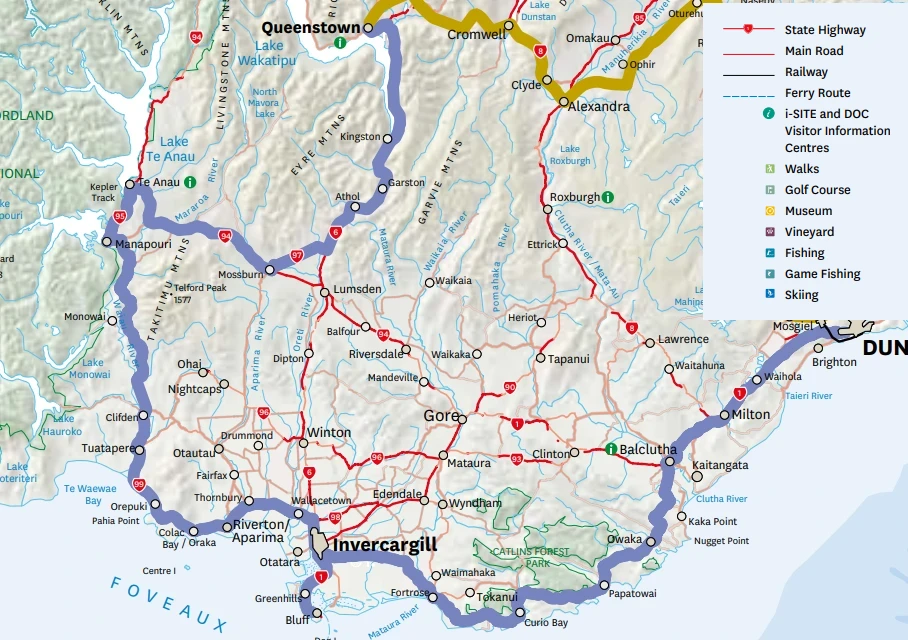
This guide focuses on Southern Scenic Route wildlife. It follows the route from Dunedin through the Catlins and Southland to Fiordland, stopping at the best places to see animals in the wild. For a general overview of the whole drive, read our Southern Scenic Route self-drive guide. Then use this guide to plan your wildlife stops.
Why the Deep South Is a Wildlife Hotspot
The southern coast of the South Island faces the cold, rich waters of the Southern Ocean. These waters are full of fish and squid, which feed huge numbers of seabirds and marine mammals. Large stretches of the coast are also remote and lightly populated, which gives wildlife the space it needs.
The result is a wealth of Southern Scenic Route wildlife and one of the best places in New Zealand to see rare animals in their natural home. Many of them are found nowhere else on Earth. Some, like the yellow-eyed penguin and the New Zealand sea lion, are also among the most endangered species of their kind.
Southern Scenic Route Map
The Golden Rules for Watching Southern Scenic Route Wildlife
Before you set off, keep these simple rules in mind. They protect the animals and keep you safe.
- Keep your distance. Stay at least 20 m from sea lions and seals. Give penguins even more space and stay out of their sight if you can.
- Never block their path. Penguins coming ashore need a clear route to their nests. Do not stand between them and the sea.
- Stay quiet and still. Sudden movement and noise can scare animals away from their young.
- No flash photography. Bright flashes can stress birds, especially at dusk.
- Keep dogs away. Dogs are a major threat to penguins and seals, so keep them on a lead or leave them at home.
- Use the hides. Where viewing hides exist, use them. They let you watch without being seen.
Otago Peninsula: Albatross, Penguins and Sea Lions
Start your search for Southern Scenic Route wildlife on the Otago Peninsula, just outside Dunedin. It is one of the richest wildlife areas in New Zealand and makes a perfect first stop. Our Dunedin and Otago activities page lists tours that cover the peninsula.
Royal Albatross at Taiaroa Head
At the tip of the peninsula, Taiaroa Head is home to the only mainland breeding colony of royal albatross in the world. These huge birds have a wingspan of around three metres. The Royal Albatross Centre runs guided tours to a viewing observatory above the nesting area. On windy days you may see the birds soaring over the cliffs without a single flap of their wings.
Yellow-Eyed Penguins
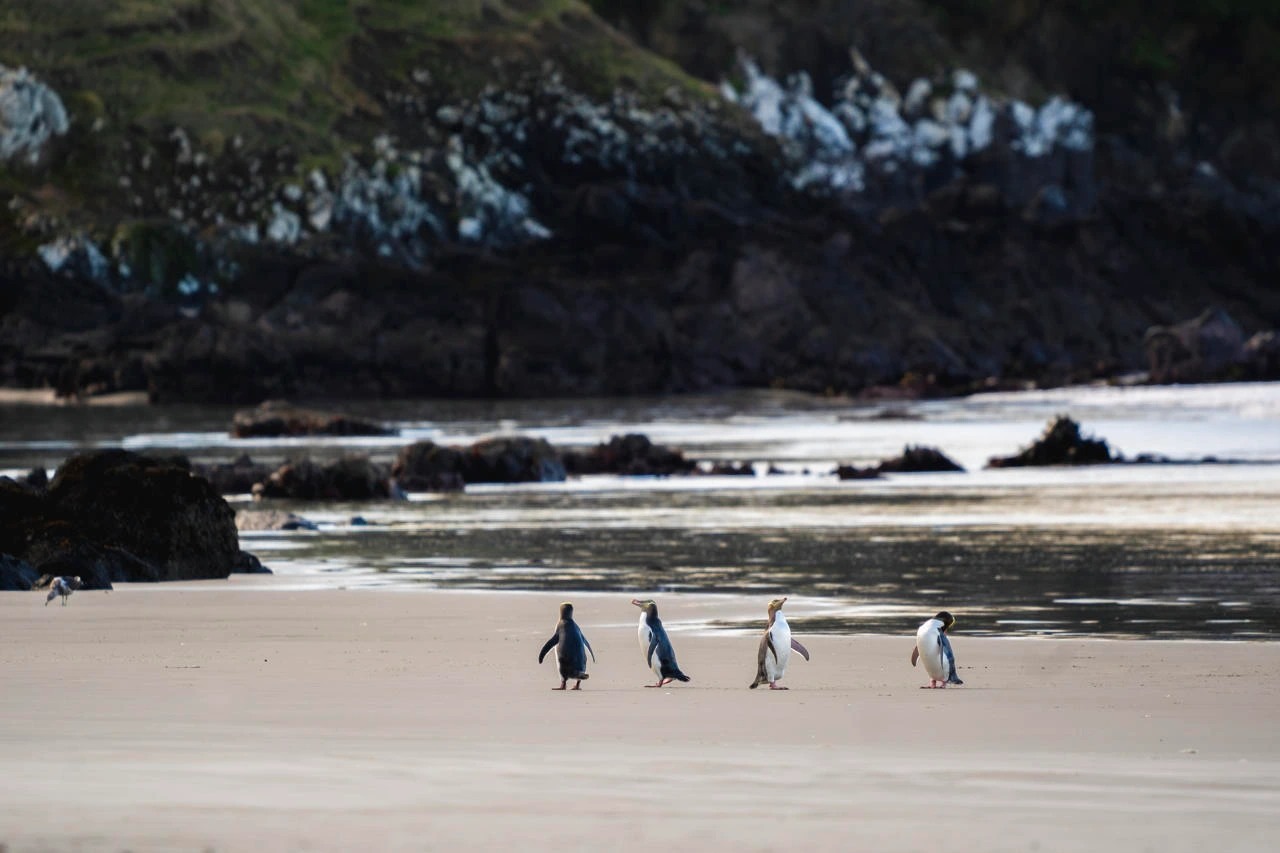
The yellow-eyed penguin, or hoiho, is one of the rarest penguins in the world. Its numbers have fallen sharply in recent years, so viewing is best done through guided tours on the peninsula. These tours use hides and trenches that let you watch the birds without disturbing them.
Little Blue Penguins and Sea Lions
At dusk, little blue penguins come ashore near Taiaroa Head after a day of fishing at sea. These are the smallest penguins on the planet. On the beaches of the peninsula, you may also spot New Zealand sea lions resting on the sand. Keep well back, as they can move faster than you think.
The Catlins: The Heart of Southern Scenic Route Wildlife
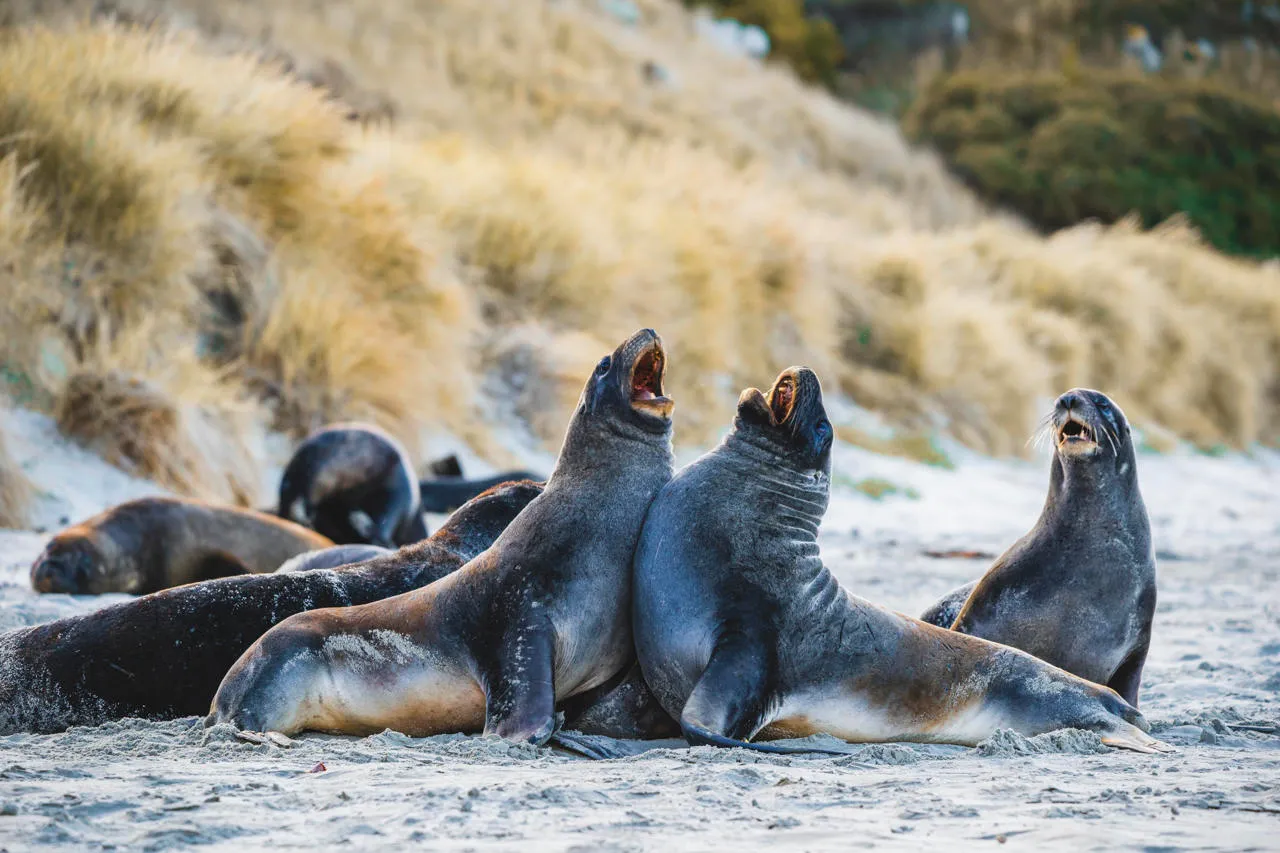
South of Dunedin, the road enters the Catlins. This wild and forested coast is the best place on the route for wildlife spotting. Catlins wildlife includes penguins, sea lions, fur seals, elephant seals and dolphins, often within a short walk of the road.
Nugget Point
Nugget Point is one of the most photographed spots in the Catlins. A short track leads to a lighthouse above a line of rocky islets. Look down from the lookout and you will often see fur seals on the rocks below. Sea lions and the occasional elephant seal also visit.
Roaring Bay Penguin Hide
Just before Nugget Point, Roaring Bay has a viewing hide overlooking the beach. Yellow-eyed penguins sometimes come ashore here in the late afternoon and early evening. Sit quietly in the hide and be patient. Never go onto the beach while penguins are landing.
Surat Bay and Cannibal Bay
Near Owaka, Surat Bay and Cannibal Bay are two of the best beaches in New Zealand for seeing sea lions. New Zealand sea lions are among the rarest sea lions in the world, and they returned to breed on this coast after an absence of around 150 years. Walk quietly along the sand and look for large brown shapes resting near the dunes. Stay at least 20 m away.
Curio Bay and Porpoise Bay
Curio Bay is a must for anyone interested in Catlins wildlife. At low tide you can walk across a petrified forest that is around 180 million years old. In the evening, yellow-eyed penguins sometimes come ashore across these ancient rocks. Follow the signs and any ranger instructions so the birds can reach their nests safely.
Next door, Porpoise Bay is famous for Hector’s dolphins. These are among the smallest dolphins in the world, at around 1.5 m long, with a distinctive rounded dorsal fin. They often swim close to shore in summer and autumn, sometimes surfing in the waves. Enjoy them from the beach and never chase them in the water.
Waipapa Point
At the western end of the Catlins, Waipapa Point has a historic lighthouse and a wide sandy beach. Sea lions often rest on the sand or in the grass near the car park. It is a good last Catlins stop before you head into Southland.
Southland and Stewart Island: Kiwi in the Wild
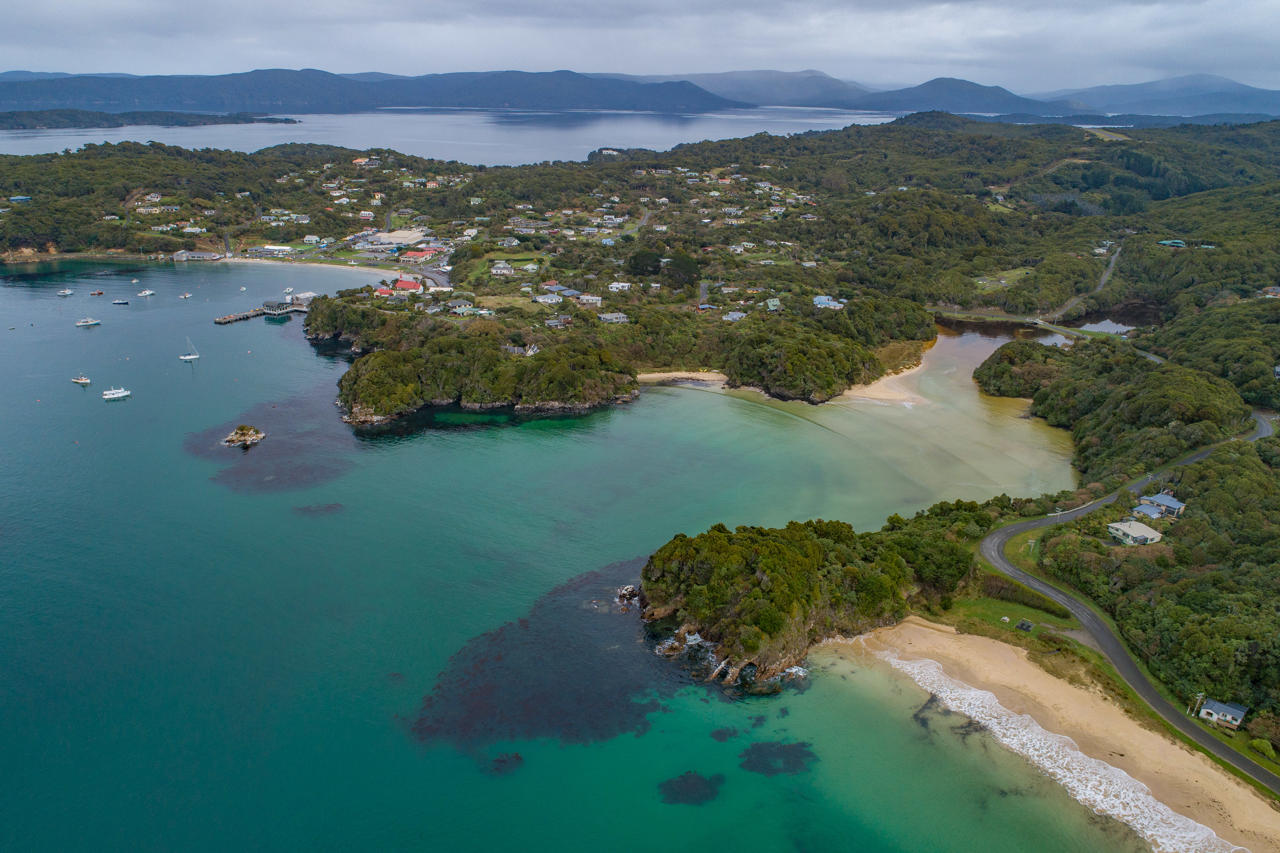
Bluff and Stewart Island
From Invercargill, the road leads to Bluff, where ferries depart for Stewart Island. If you have an extra day or two, take the trip across Foveaux Strait. Stewart Island is one of the few places where you have a real chance of seeing a kiwi in the wild. The local Stewart Island tokoeka are sometimes seen even in daylight.
Nearby Ulva Island is an open bird sanctuary free of introduced predators. Guided walks there often reveal rare native birds such as saddleback, robins and parakeets. See our Stewart Island activities page for tours and ferries.
Te Waewae Bay
West of Invercargill, the road follows the long curve of Te Waewae Bay. Hector’s dolphins are often seen close to shore here. In winter, southern right whales are occasionally spotted in the bay too. Bring binoculars and stop at the lookouts. This quiet bay is one of the most underrated spots for Southern Scenic Route wildlife. Our Southland activities page has more ideas for this part of the drive.
Fiordland: Takahē, Glowworms and Dolphins
Te Anau
The road turns inland to Te Anau, the gateway to Fiordland National Park. Fiordland adds some of the most unusual Southern Scenic Route wildlife of all. Visit Punanga Manu o Te Anau, a bird sanctuary by the lake. It is one of the best places to see takahē, a large flightless bird that was once thought to be extinct. You can also take a boat across the lake to the Te Anau glowworm caves, where thousands of tiny lights glow in the dark.
Milford Sound and Doubtful Sound
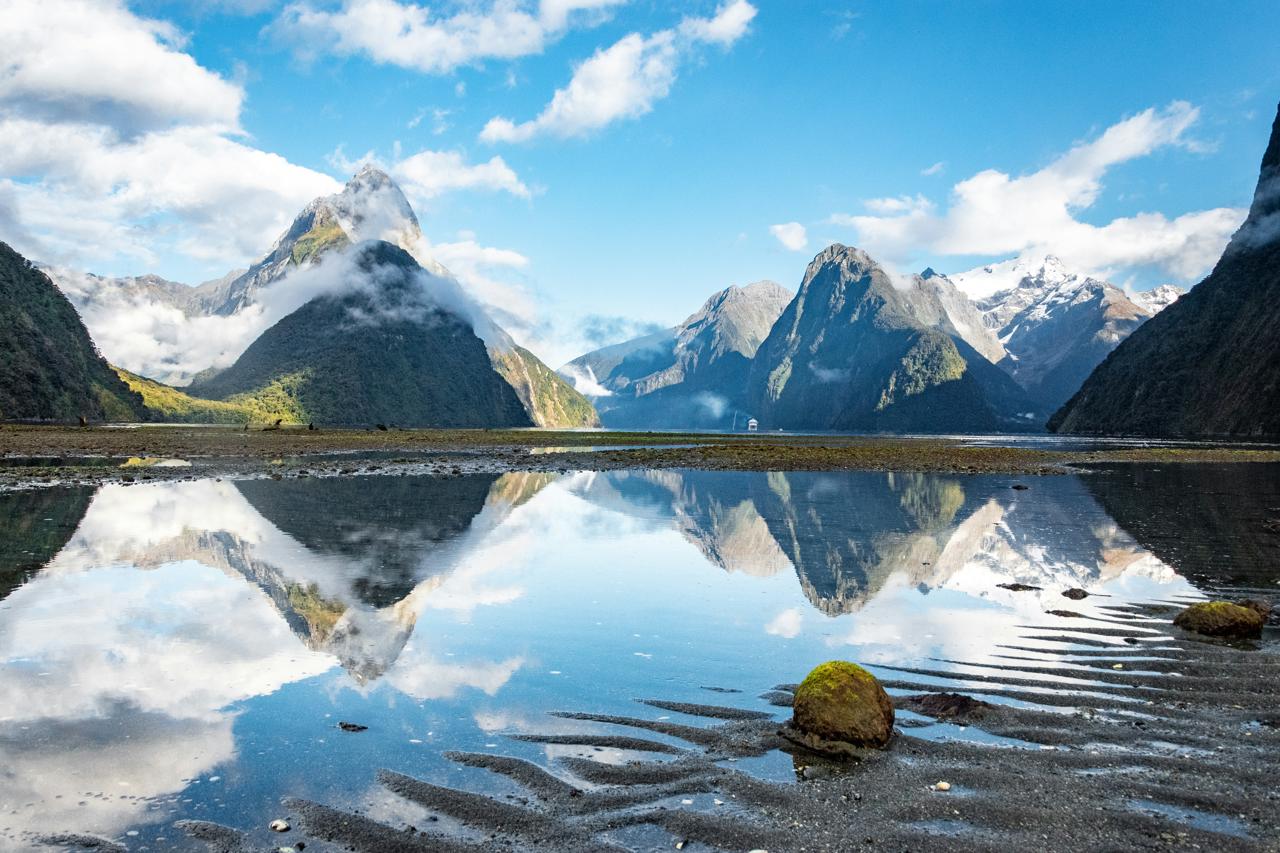
A cruise on Milford Sound or Doubtful Sound adds even more wildlife to your trip. New Zealand fur seals rest on the rocks, and pods of bottlenose dolphins often swim alongside the boats. In spring, you may even see the rare Fiordland crested penguin, or tawaki. Our guide to discovering Milford Sound has everything you need to plan your visit.
Where to See Penguins in New Zealand: A Quick Guide
If penguins are your main goal, this route offers some of the best chances in the country. Here is a quick guide on where to see penguins in New Zealand along the Southern Scenic Route:
- Yellow-eyed penguin: Otago Peninsula tours, Roaring Bay hide and Curio Bay
- Little blue penguin: Taiaroa Head on the Otago Peninsula
- Fiordland crested penguin: Milford Sound and the Fiordland coast in spring
For more on the birds you may see, read our guide to New Zealand birds.
Best Time to See Wildlife in the Catlins and the South
Wildlife can be seen all year, but each season offers something different. The best time to see wildlife in the Catlins is often from late spring to autumn. Summer is good for Hector’s dolphins at Porpoise Bay and for penguins coming ashore in the long evenings. Spring brings seal pups and nesting birds. Winter is quieter, but sea lions and fur seals are still around, and whales are more likely in some bays.
Time of day matters too. Penguins usually come ashore in the late afternoon and evening. Plan to be at the hides or viewing areas well before sunset, and stay patient.
Planning Your Southern Scenic Route Wildlife Road Trip
- Allow plenty of time. Wildlife watching takes patience. Give yourself at least four or five days for the full route.
- Pack binoculars. They make a huge difference for spotting dolphins, seals and seabirds.
- Dress warmly. The southern coast can be cold and windy, even in summer.
- Fuel up in towns. Fuel stops in the Catlins are limited, so fill up in Balclutha or Invercargill.
Read our guide to driving in New Zealand for more tips on rural and gravel roads.
Final Thoughts
Southern Scenic Route wildlife makes this drive one of the most memorable in New Zealand. In a single trip you can see albatross, three species of penguin, sea lions, fur seals, dolphins and even takahē. Take your time, follow the wildlife rules and let the animals set the pace. You will come home with stories and photos that few other road trips can match.
Frequently Asked Questions
Where can you see yellow-eyed penguins on the Southern Scenic Route?
The best places are guided tours on the Otago Peninsula, the Roaring Bay hide near Nugget Point and Curio Bay in the Catlins.
What time of day do penguins come ashore?
Penguins usually return from the sea in the late afternoon and evening. Arrive well before sunset and wait quietly.
How close can you get to sea lions in New Zealand?
Stay at least 20 m away from sea lions and seals. They can move quickly and may charge if they feel threatened.
Can you see Hector’s dolphins at Curio Bay?
Yes. Porpoise Bay, next to Curio Bay, is one of the best places to see Hector’s dolphins, especially in summer and autumn.
Can you see kiwi in the wild on the Southern Scenic Route?
Your best chance is on Stewart Island, a ferry ride from Bluff. Kiwi there are sometimes seen even during the day.
Where can you see albatross in New Zealand?
Taiaroa Head on the Otago Peninsula is home to the only mainland royal albatross colony in the world. Guided tours run from the Royal Albatross Centre.