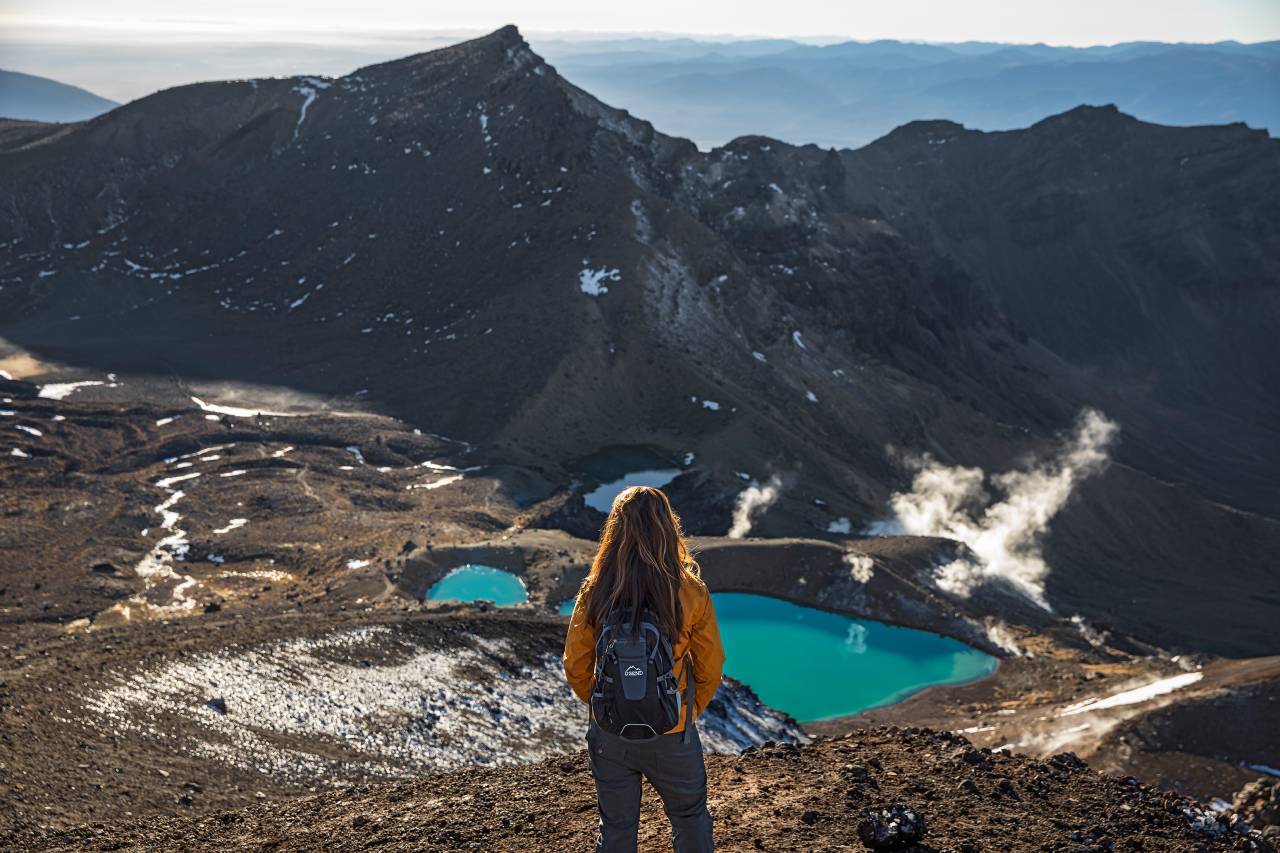

New Zealand Birds: Where to See Kiwi, Kea & Native Species
Few destinations on earth offer the kind of birdlife you’ll find in Aotearoa. New Zealand birds evolved for millions of years without land mammals to prey on them. That’s why so many species lost the ability to fly, grew unusually large, or developed behaviours found nowhere else. For visitors planning a trip, spotting these birds isn’t a niche activity. It’s one of the most memorable things you can build into any New Zealand tour package. This holds true whether you’re on a guided coach journey or exploring independently.
This guide walks through the country’s most iconic species and the best regions to see them. It also covers how to fit birdwatching into your itinerary. You won’t need to sacrifice time on the beaches, glaciers, and vineyards New Zealand is equally famous for.
Why New Zealand Birds Are So Unique
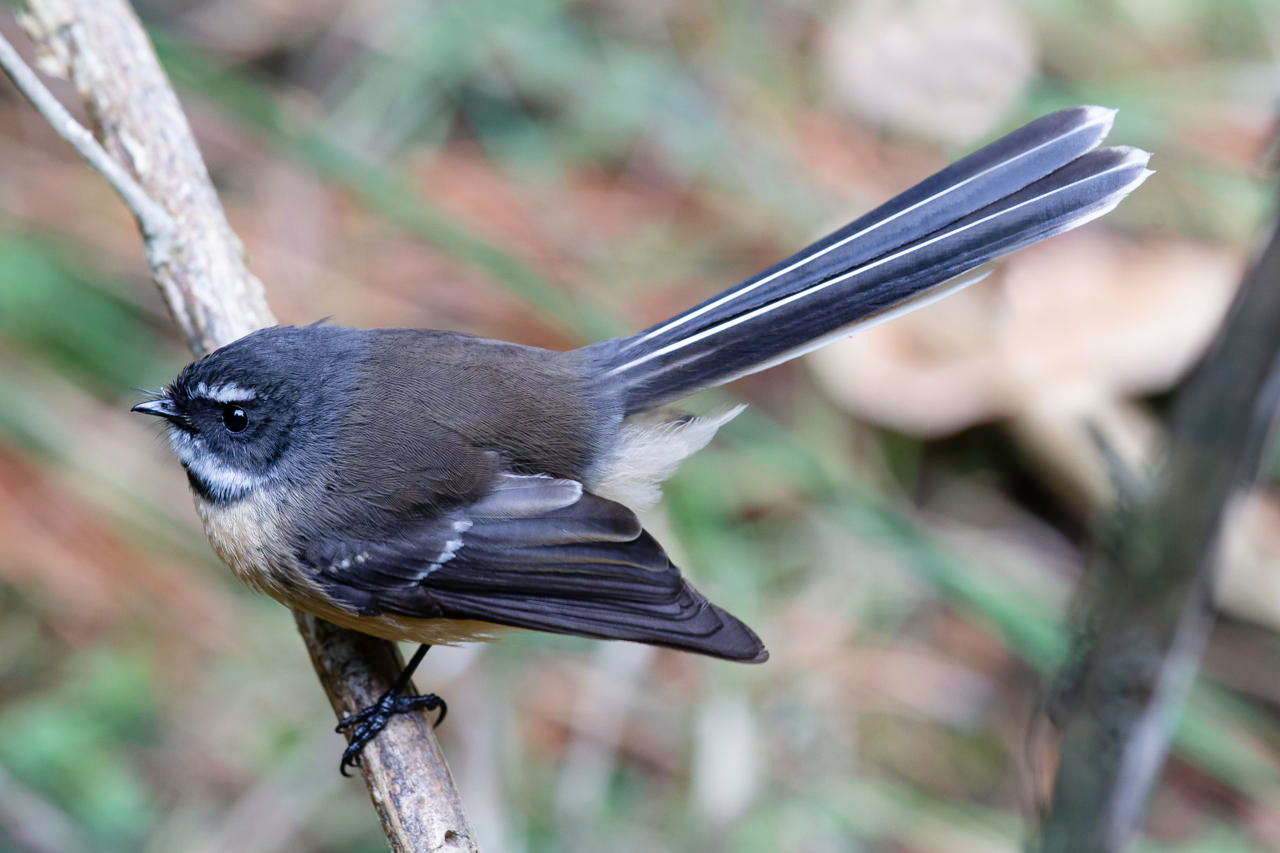
New Zealand separated from the ancient supercontinent Gondwana around 80 million years ago. This happened long before mammals had a chance to establish themselves here. With no natural land predators, birds took over ecological niches that mammals fill elsewhere in the world. Some species stopped flying altogether, since there was nothing to escape from. Others, like the now-extinct giant moa, grew to enormous sizes. This isolation is exactly why native birds of New Zealand look and behave so differently from anything you’ll have seen at home. It’s also why bird watching in New Zealand has become a genuine drawcard for international travellers.
Unfortunately, the arrival of humans brought stoats, rats, possums, and domestic cats. These animals had no natural defences to fight off. Many species are now found only in predator-controlled sanctuaries, offshore islands, or remote pockets of native forest. That’s part of what makes seeing them in the wild feel so special. It’s a genuinely rare experience, not a guaranteed roadside sighting.
The Kiwi Bird: New Zealand’s National Icon
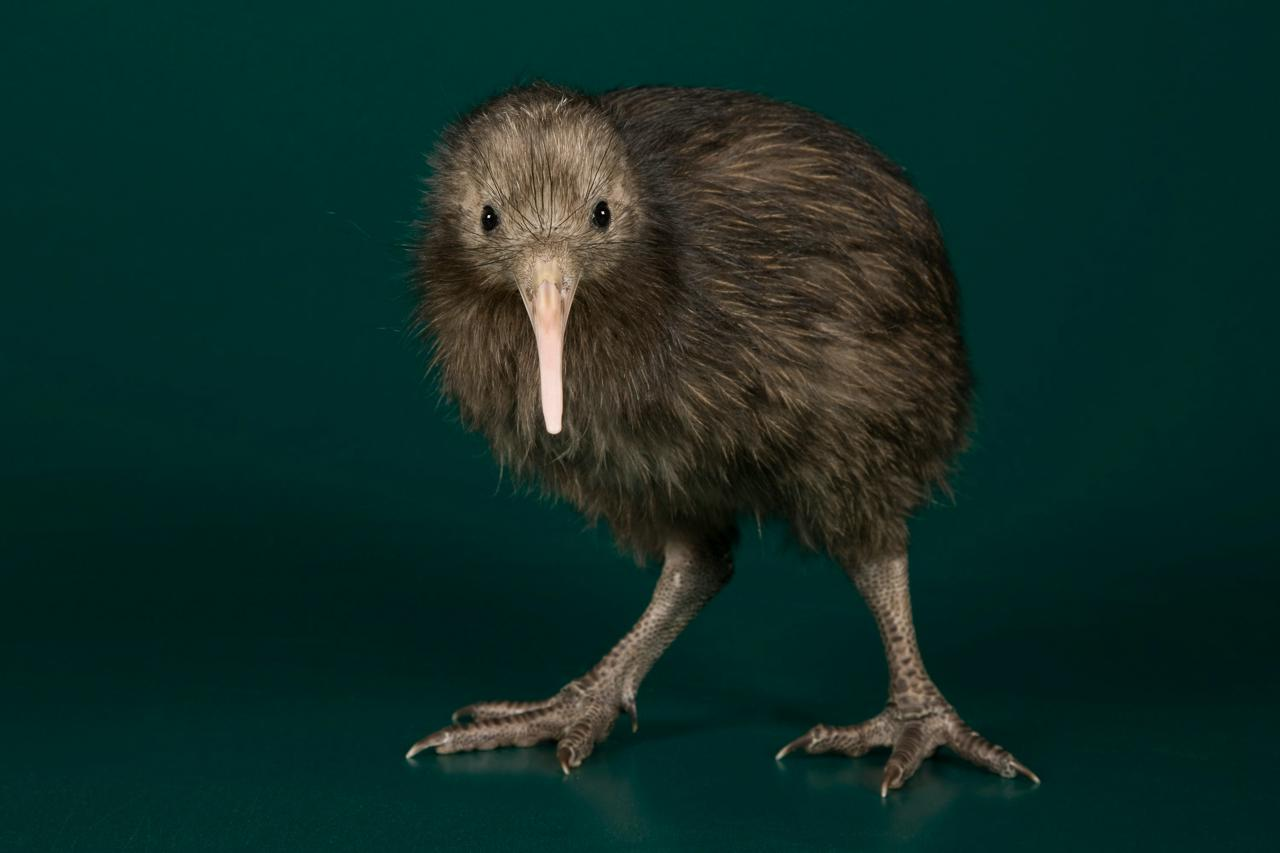
No discussion of New Zealand birds is complete without the kiwi bird. Flightless, nocturnal, and roughly the size of a chicken, the kiwi is New Zealand’s most recognisable icon. It’s such a strong symbol of national identity that New Zealanders themselves are nicknamed “Kiwis.” Tiny vestigial wings hide under its shaggy, hair-like feathers. It has no tail. Its nostrils sit at the very tip of its long bill rather than at the base. Almost no other bird shares this trait. This unusual adaptation lets the kiwi sniff out worms and insects underground before it even sees them.
There are five recognised kiwi species, and all are considered at risk or vulnerable due to predation by introduced mammals. Because they’re nocturnal and shy, spotting a wild kiwi takes patience and luck. Most visitors need a guide to find one.
Where to See Kiwi in New Zealand
If a wild encounter is on your bucket list, a few regions offer the best chance. The most reliable spots for where to see kiwi in New Zealand include Stewart Island, Northland, and the Coromandel Peninsula. Ōkārito near Franz Josef is another good option. On Stewart Island in particular, kiwi are occasionally active during daylight. That makes it one of the only places in the country with a realistic chance of a daytime sighting. Our Stewart Island tours and activities can help build this into a South Island itinerary.
For travellers who want a guaranteed, closer look, wildlife parks and nocturnal kiwi houses offer another option. Christchurch, Rotorua, and Hokitika all have low-light enclosures that mimic night conditions for daytime viewing. It’s a practical choice if your schedule doesn’t allow for a late-night forest walk. You’ll still get a genuine sense of how this extraordinary bird moves and forages.
Kea: The World’s Only Alpine Parrot’
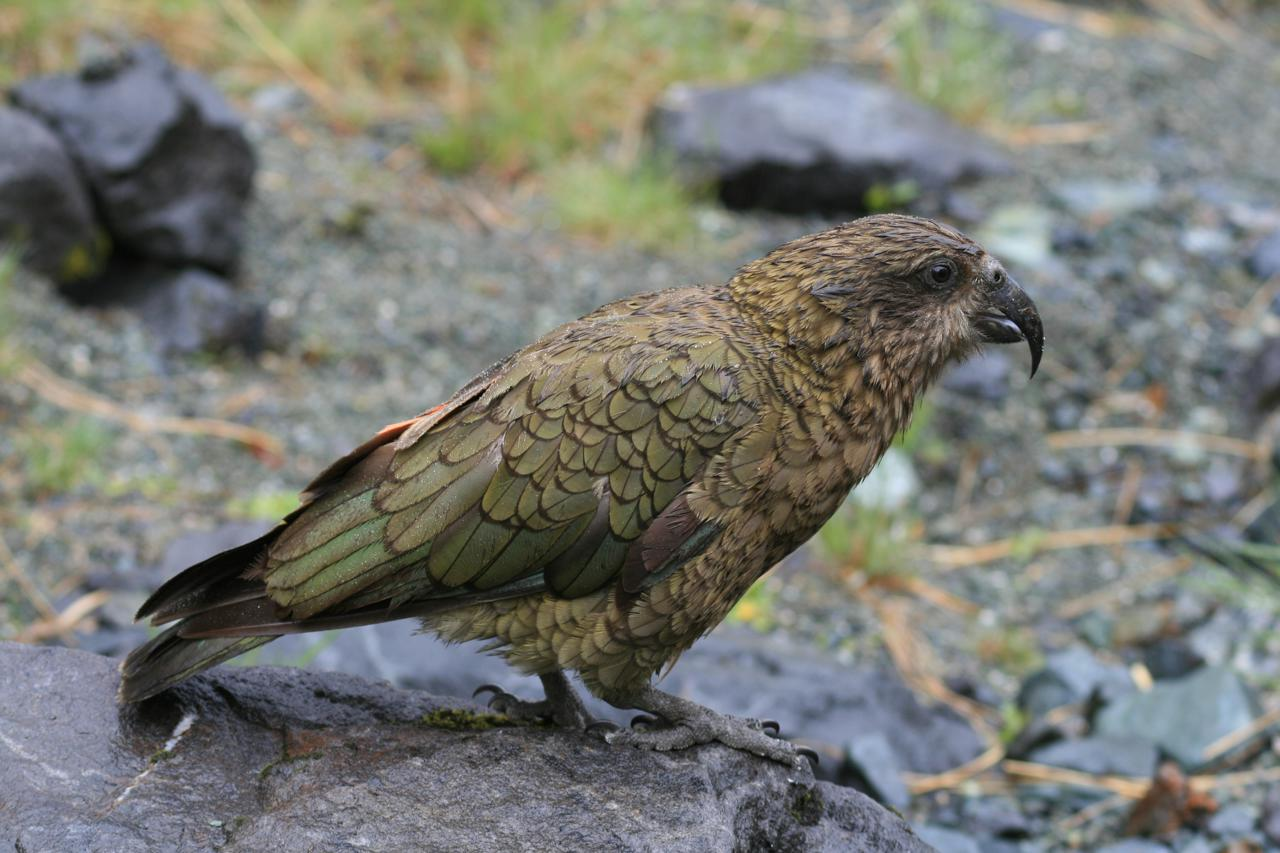
Travel through the mountains of the South Island and you’ll likely meet the kea, the world’s only alpine parrot. It’s olive-green with flashes of orange under its wings. The kea is famous for its intelligence and its cheeky, sometimes destructive curiosity. It has a well-earned reputation for stripping rubber seals off parked cars. It will also investigate anything left unattended at high-country car parks. Kea are found only in the South Island. They’re frequently spotted around Fiordland, Arthur’s Pass, and Aoraki/Mount Cook. Higher altitudes tend to have fewer predators competing for territory.
Kea are naturally bold around people. That makes them one of the easiest native birds of New Zealand to observe in the wild without a guide. Feeding them is discouraged, though. Human food damages their health and encourages risky behaviour around traffic and buildings.
Tūī, Kererū, and New Zealand’s Forest Birds
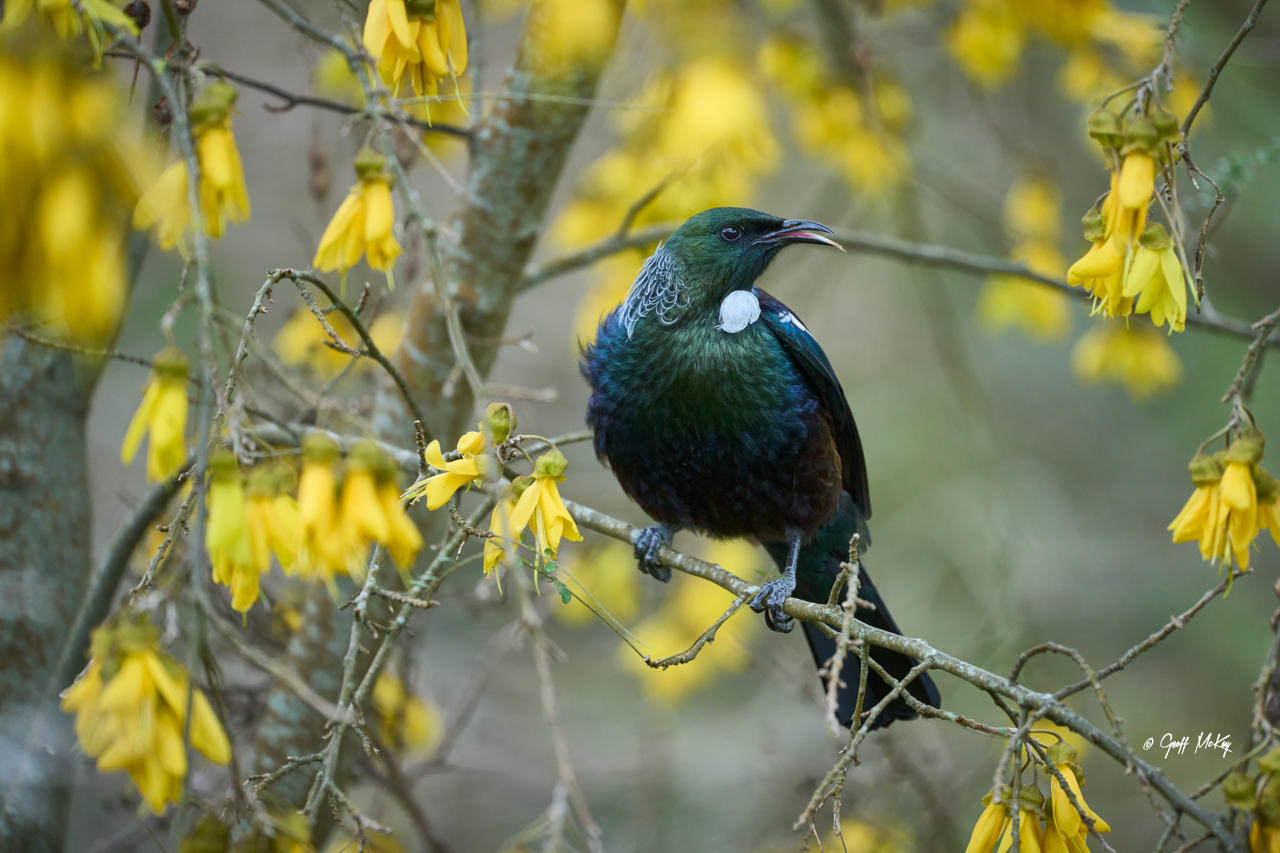
Away from the alpine zones, New Zealand’s native forests hum with distinctive birdsong. It sounds nothing like the birdlife most international visitors are used to. The tūī is one of the easiest to identify by ear. It produces an eccentric mix of clicks, coughs, and melodic notes, sometimes within a single phrase. Look for a glossy black bird with a distinctive white throat tuft as it darts between flowering flax and pōhutukawa trees.
The kererū, or New Zealand wood pigeon, is harder to miss visually. It’s large, iridescent, and famously clumsy in flight. It often crashes through the canopy after gorging on fermented berries. Both species are common across the North Island and South Island. You can spot them in almost any patch of native bush, city park, or botanic garden. That makes them an easy win for casual bird watching in New Zealand, even if you’re short on time.
Rare and Endangered Species Worth Seeking Out
Some of the country’s most remarkable birds are also its rarest. Seeing them usually means visiting a specific sanctuary or predator-free island.
- Takahē: Once thought extinct, this large flightless rail was rediscovered in the Murchison Mountains in 1948. It now survives thanks to intensive conservation breeding programmes.
- Kākāpō: The world’s only flightless, nocturnal parrot, and one of the rarest birds on earth. Its total population numbers only in the low hundreds.
- Hoiho (yellow-eyed penguin): Among the rarest penguin species globally, found along the Otago and Catlins coastlines.
- Kākā: A forest parrot related to the kea, found in Fiordland, Stewart Island, and several protected mainland sanctuaries.
Seeing these species usually means visiting a wildlife sanctuary. Zealandia in Wellington, Ulva Island near Stewart Island, and the offshore predator-free reserves are good places to start. Our nature and wildlife activities page lists sanctuary visits you can add to almost any itinerary. The wildlife and beaches category covers coastal species alongside forest birds.
Best Regions in New Zealand for Bird Watching
Bird watching in New Zealand rewards travellers who spread their time across a few key regions. Trying to squeeze everything into one stop won’t give you the same results.
- Fiordland: Dense native bush, low predator pressure in parts, and a strong population of kea, kākā, and native parakeets. Explore Fiordland day tours and activities for guided options.
- Stewart Island: The best odds anywhere in the country of a wild kiwi sighting, plus access to the predator-free Ulva Island sanctuary.
- Kaikōura: Better known for whale watching, but the coastline and pelagic boat trips also bring you close to albatross and shearwater colonies. See Kaikōura tours and attractions for details.
- Otago Peninsula: Home to yellow-eyed penguins, royal albatross colonies, and a wide range of coastal species.
- Rotorua and the Coromandel: Convenient North Island bases with easy access to kiwi centres, native forest walks, and predator-free sanctuaries.
Many of these regions overlap neatly with New Zealand’s national parks. These parks protect the largest remaining tracts of native habitat. Our overview of the country’s best national parks is a useful starting point. It’s ideal if you want to combine birdwatching with hiking and scenery in a single trip.
Building Bird Watching Into Your New Zealand Trip
The good news is that you don’t need a dedicated birdwatching holiday. Most of our tour styles naturally pass through the regions where native birds are found.
A self-drive New Zealand tour gives you the flexibility to stop at a kiwi sanctuary or take a detour to a coastal seabird colony. You can linger an extra hour on a forest walking track if the birdsong is too good to leave. If you’d rather have local knowledge on hand, a small group tour is a good option. Guides often know exactly where kea and kererū tend to gather at that time of year. Several of our hiking tours also route through prime native forest habitat, giving keen walkers an easy way to combine both interests.
When to Visit for the Best Bird Activity
Timing matters. Spring and early summer (September to December) bring nesting activity and increased birdsong. This makes it the liveliest season for bird watching in New Zealand. Winter months are quieter but can bring kea down to lower altitudes near ski fields, offering a different kind of encounter. For a full month-by-month breakdown of conditions across the country, see our guide to the best time to visit New Zealand.
Start Planning Your New Zealand Wildlife Trip
New Zealand birds are one of the country’s most distinctive drawcards. They’re easy to weave into almost any style of travel. Maybe it’s tracking down a wild kiwi bird on Stewart Island. Maybe it’s watching kea outsmart tourists at a South Island car park. Either way, these encounters tend to stick with travellers. Even simply listening to tūī song on a forest walk can be a highlight of the trip.
Browse our North Island tours and South Island tours to see which itineraries pass through the best birdwatching regions. Or check our things to do page for wildlife activities you can add to any package. For more travel inspiration, visit the NZ Tourism Tours travel blog.