
Dangerous Animals in New Zealand: Sharks, Spiders & Safety Tips
If you are researching dangerous animals in New Zealand before your trip, here is the short version: you can relax. New Zealand has no native snakes and no large land predators. It also has none of the venomous mammals or big cats that make other destinations feel risky. Compared with Australia, its closer neighbour, New Zealand is remarkably tame from a wildlife safety perspective. A handful of species still deserve a mention, mostly in the ocean rather than on land. Knowing what they are, and how unlikely an encounter really is, will help you relax. Enjoy your New Zealand tour with total peace of mind.
This guide runs through the animals worth knowing about and where they turn up. It also covers the simple precautions that keep almost every visitor’s trip completely incident-free.
Why New Zealand Has So Few Dangerous Animals
New Zealand broke away from the ancient supercontinent Gondwana around 80 million years ago. This happened long before most land mammals had evolved. Without predators to compete with, birds filled many of the ecological roles mammals play elsewhere. That’s part of why the country is equally famous for its remarkable native birds. Snakes never made it here at all. The isolated, temperate climate never suited large venomous or predatory species. Those kinds of animals are more at home in Australia, Southeast Asia, or parts of Africa.
The result is a country where the biggest wildlife risks are minor irritations rather than genuine threats. It’s one of the reasons New Zealand consistently ranks among the safest countries in the world to travel independently. This holds true whether you are on a self-drive tour or exploring with a guide.
Katipo Spider: New Zealand’s Most Talked-About Native Threat
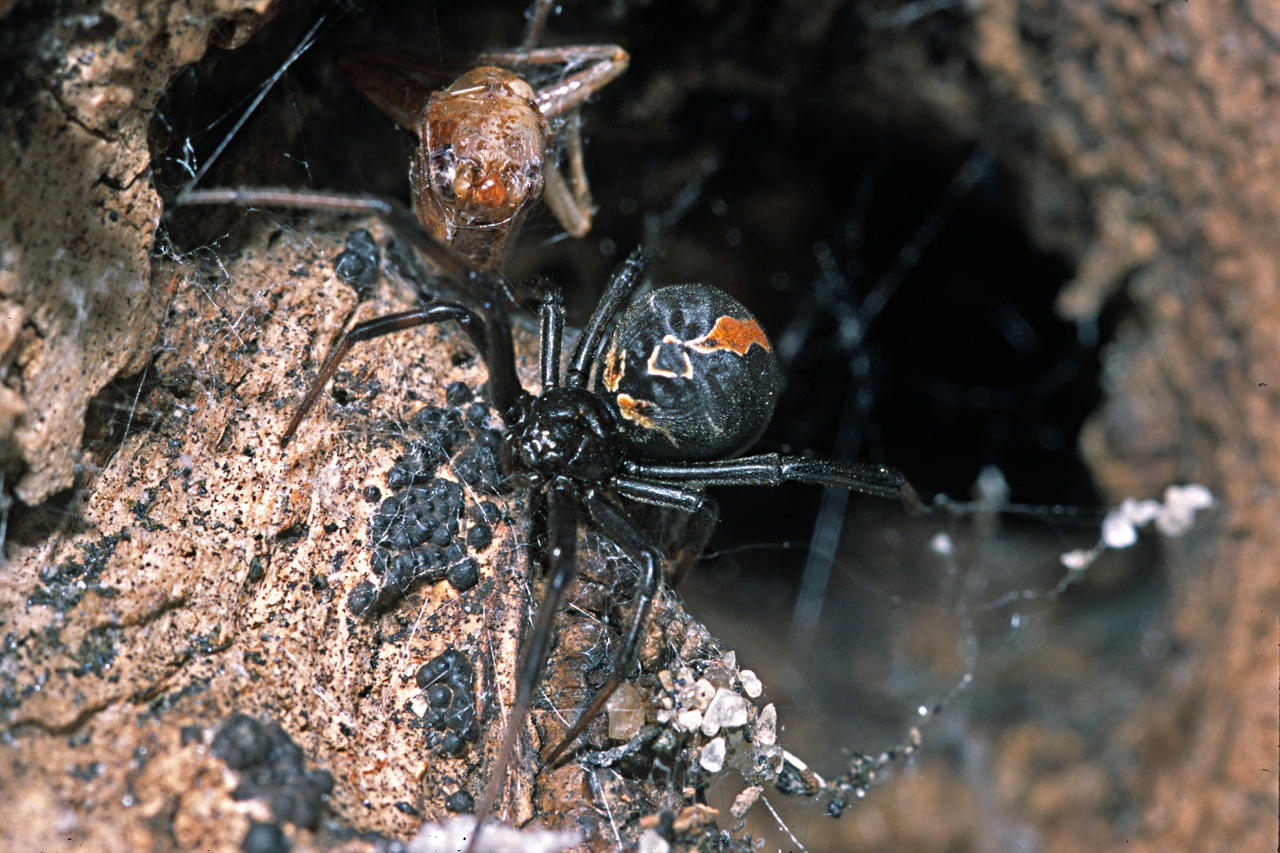
The katipo spider is usually the first creature that comes up in any conversation about dangerous animals in New Zealand. That’s largely because it’s the country’s only genuinely venomous native spider. It’s small, black, and marked with a distinctive red stripe bordered in white on its abdomen. Only adult females carry venom strong enough to affect humans, and even then, bites are extremely rare.
Katipo spiders live in coastal sand dunes, usually tucked under driftwood or within marram grass. They’re most common on the North Island’s east coast and around Great Barrier Island. A bite can cause muscle cramps, sweating, and nausea. Antivenom is widely available, though, and fatalities haven’t occurred in decades. The simplest precaution is to avoid reaching under logs or debris on undeveloped dunes. This matters most when you’re exploring New Zealand’s beaches off the beaten track.
Redback and White-Tailed Spiders
Alongside the katipo, the redback spider turns up occasionally in the North Island. It’s an accidental import from Australia, and sightings remain uncommon. The white-tailed spider is more frequently encountered around homes and gardens nationwide. Its bite is unpleasant rather than dangerous. Despite its reputation, there is little solid evidence it causes the severe skin reactions sometimes blamed on it.
The country has roughly 2,500 spider species. Only the katipo and redback carry venom strong enough to be medically significant. Both come with a readily available antivenom. Put simply, venomous spiders in New Zealand are a minor footnote rather than a genuine travel risk. Most New Zealanders go their entire lives without ever encountering one. You are far more likely to be bothered by a wasp sting or a sandfly bite than by anything with eight legs.
Great White Sharks in New Zealand
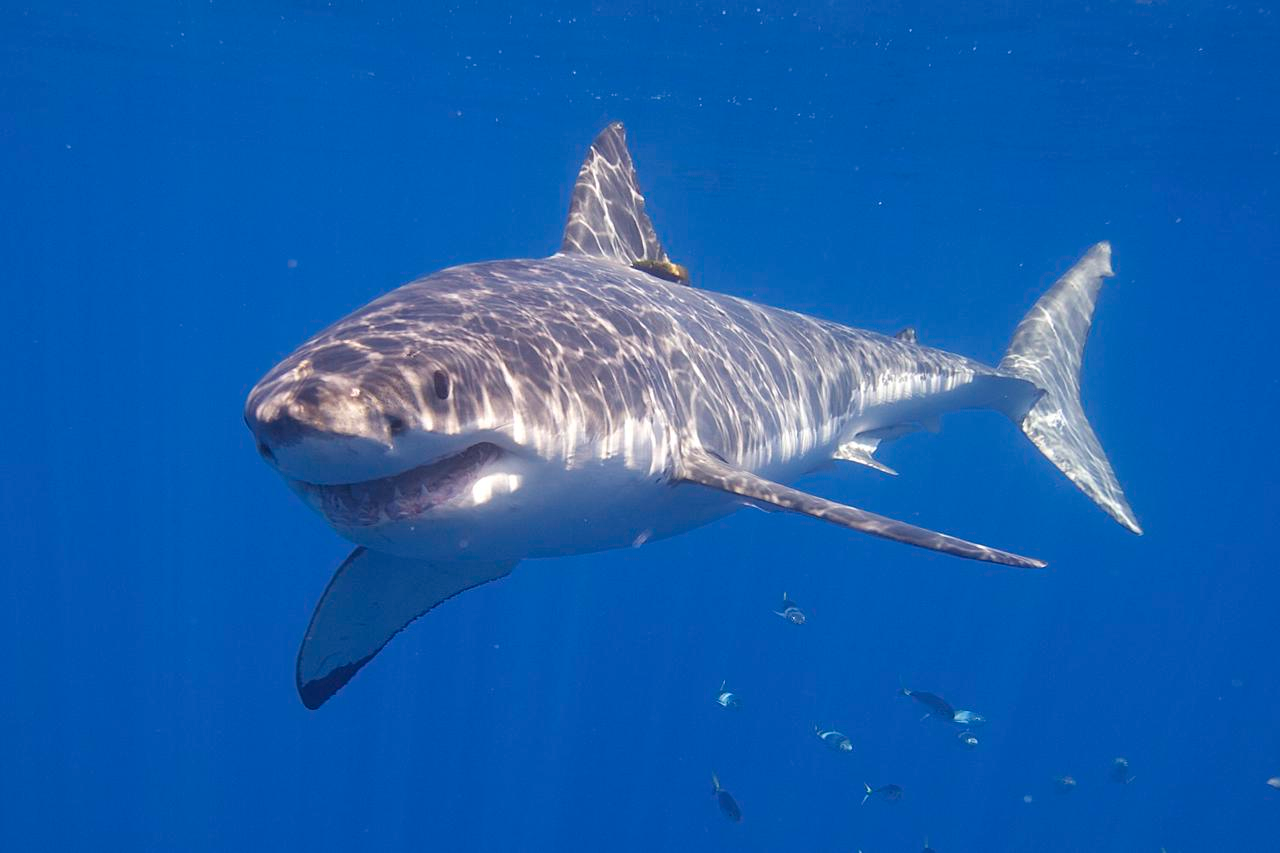
New Zealand’s coastal waters are home to great white sharks in New Zealand. They’re found particularly around Stewart Island, the Chatham Islands, and parts of the North Island’s east coast. Cooler water temperatures and seal colonies attract them to these areas. Encounters with swimmers or surfers are rare. Shark attacks in New Zealand happen far less often than most visitors expect. Only a handful of serious incidents have been recorded over the past few decades.
For travellers who want a safe, close-up look, shark cage diving operates in a few coastal regions. It offers a controlled way to see these animals without any real risk. For everyone else, the standard advice applies. Swim at patrolled beaches, and avoid swimming at dawn or dusk when sharks are more active. Steer clear of areas near seal colonies or where fishing boats are cleaning their catch. Our guide to New Zealand’s best beaches highlights popular, well-monitored swimming spots if safety is a priority for your trip.
Jellyfish and Marine Stingers
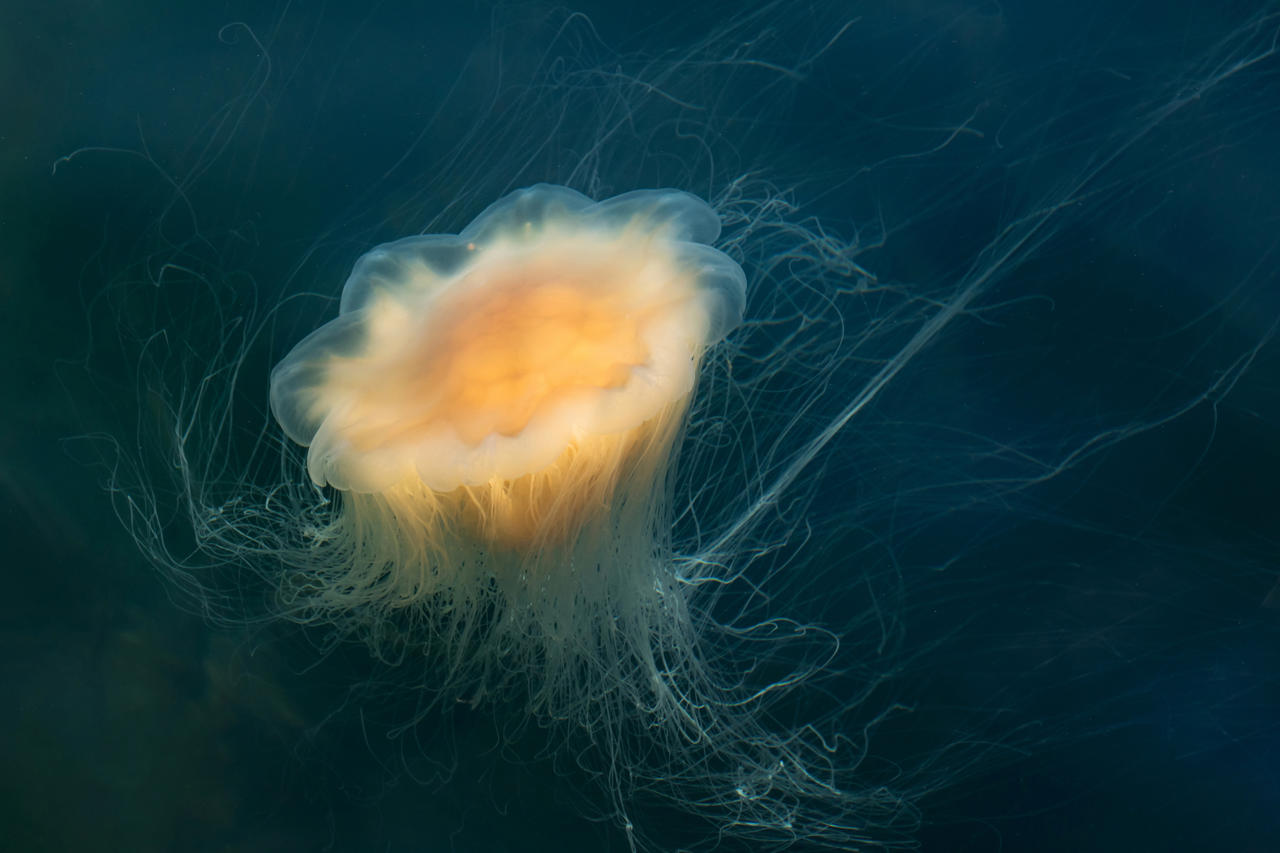
The bluebottle is technically a colonial organism rather than a true jellyfish. It occasionally washes ashore in warmer months, particularly after storms. Its sting is painful but rarely dangerous, and most beaches post warning signs when bluebottles are present. Box jellyfish are occasionally reported in northern waters during summer. Sightings are uncommon enough that they rarely factor into travel planning. If you are stung, rinse the area with seawater, not fresh water, and seek first aid at a lifeguard station if symptoms worsen.
Wasps: A Bigger Nuisance Than Any Spider
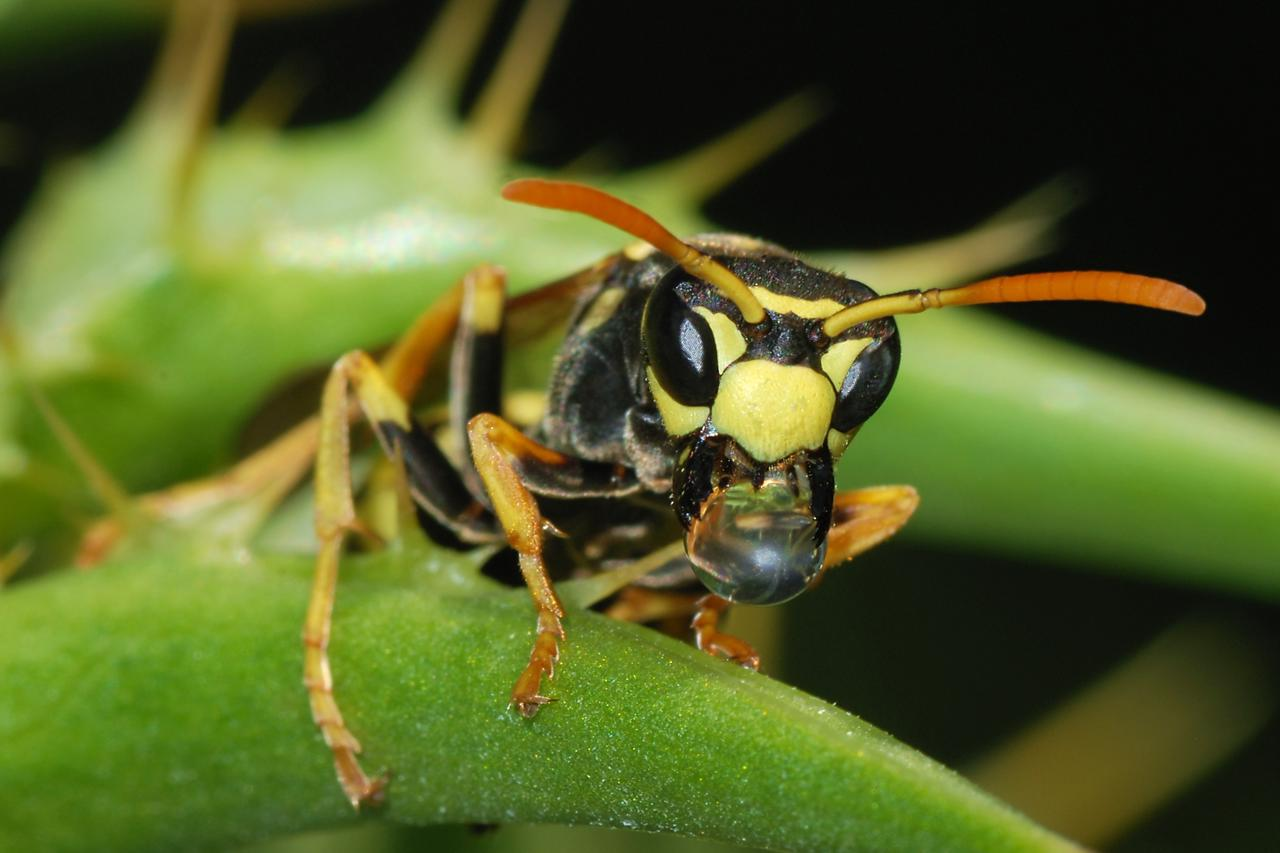
European and German wasps are both introduced species. They’re genuinely the animal most likely to cause a traveller discomfort in New Zealand. Nests can hold thousands of wasps, and they are especially active in late summer and autumn. Beech forests are a particular hotspot, since wasps feed on the honeydew found there. Multiple stings can be dangerous for anyone with an allergy, so travellers with known sensitivities should carry appropriate medication. This is worth flagging on our health, medication, and safety page before you travel, alongside general advice on travel insurance and medical cover.
Sandflies: New Zealand’s Real Enemy
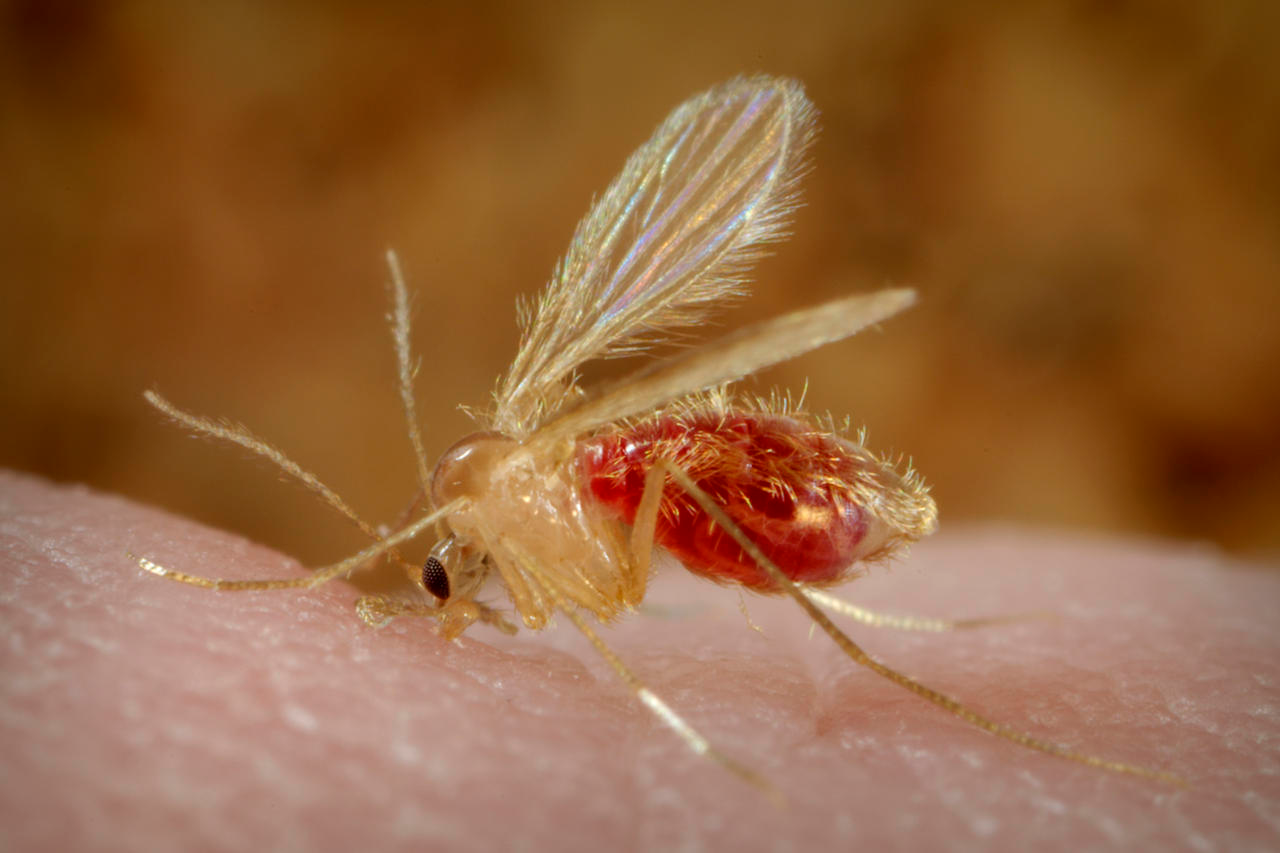
Ask any local which creature causes the most complaints. The answer is rarely a spider or a shark. Sandflies in New Zealand are tiny biting insects found in huge numbers around the West Coast, Fiordland, and Stewart Island. Look out for them near still water, forest edges, and river mouths. Their bite is not dangerous, but the itching that follows can last for days. Heavy infestations can genuinely spoil an otherwise perfect afternoon at Milford Sound or along a coastal track.
Insect repellent containing DEET or picaridin is the most effective defence. Long sleeves at dawn and dusk help too, since that’s when sandflies are most active. If your itinerary includes Fiordland or Stewart Island, pack repellent before you arrive. Remote towns can run out during peak season, so don’t count on finding it locally.
Sea Lions and Seals: Look, Do Not Approach
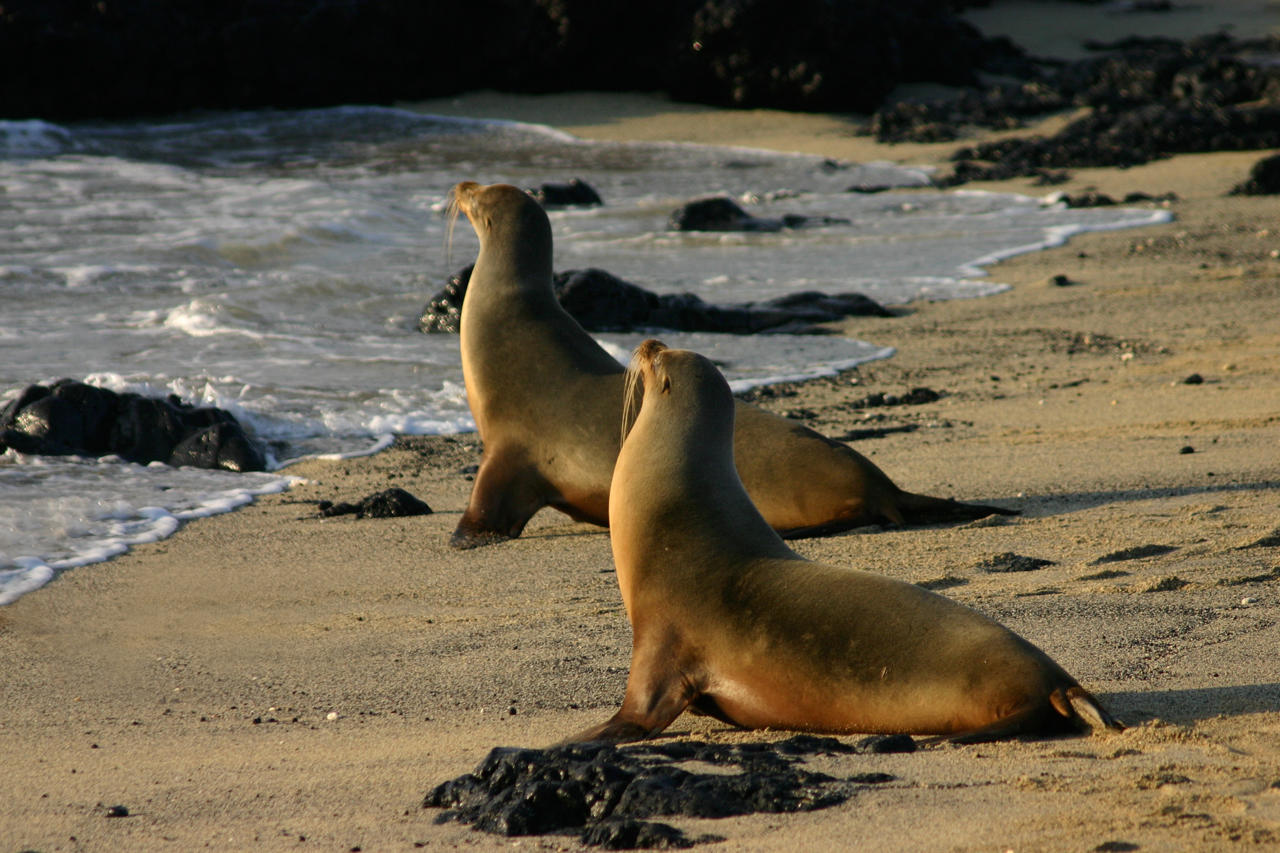
New Zealand fur seals are common sights along coastal walking tracks in Kaikōura, the Catlins, and parts of Otago. The rarer New Zealand sea lion turns up in these areas too. They look docile but can move surprisingly fast on land. They will also defend their space if approached too closely, particularly during breeding season. Keep at least 10 metres away, and never get between a seal and the water. Never approach a pup, even if it appears abandoned. Our Kaikōura tours and attractions page covers responsible ways to view marine wildlife, including seals, dolphins, and whales, from a safe and respectful distance.
Practical Safety Tips for Every Traveller
A few simple habits cover almost every risk on this list:
- Swim only at patrolled beaches and follow posted warning signs.
- Wear closed shoes and avoid reaching blindly under logs or driftwood on undeveloped dunes.
- Pack insect repellent for the West Coast, Fiordland, and Stewart Island.
- Keep a safe distance from seals and sea lions on coastal walks.
- Carry any personal allergy medication if you are sensitive to wasp or insect stings.
- Check current conditions with local visitor centres before swimming in unfamiliar areas.
None of these require special planning beyond what any experienced traveller already does. They are worth knowing, not worrying about.
Wildlife Safety Is Rarely a Reason to Change Your Plans
The honest takeaway on dangerous animals in New Zealand is that they barely register as a genuine safety consideration. Driving conditions, weather, and sun exposure matter far more. Our guide to driving in New Zealand and weather and climate are far more useful reading before your trip than any list of animals to avoid.
Wildlife encounters might actually be part of what draws you here, from great white sharks off Stewart Island to seal colonies in Kaikōura. New Zealand offers plenty of ways to see them safely and responsibly. Browse our South Island tours and North Island tours to find an itinerary that passes through the country’s best wildlife regions. Or check our things to do page for guided marine wildlife experiences you can add to any package. For more travel planning advice, visit the NZ Tourism Tours travel blog.
Frequently Asked Questions
Are there any deadly animals in New Zealand?
No animal in New Zealand is considered a serious threat to human life under normal circumstances. Great white sharks and the katipo spider carry the greatest risk in theory. Confirmed fatalities from either are rare, though, and antivenom is available for the small number of spider bites that occur each year.
Does New Zealand have snakes?
No. New Zealand has no native or established wild snake population, and strict biosecurity laws keep it that way. If a snake is ever spotted, it’s treated as a serious biosecurity incident and reported to the Department of Conservation.
Is it safe to swim in New Zealand?
Yes, provided you swim at patrolled beaches and follow posted safety flags. Strong currents and rip tides are a far bigger risk to swimmers than sharks or jellyfish. Choosing a lifeguarded beach matters more than worrying about wildlife.
What is the most dangerous animal in New Zealand?
Most experts point to the katipo spider or the great white shark as the two species capable of causing serious harm. Both are responsible for very few incidents, though. In practical terms, wasps and sandflies cause far more discomfort to visitors each year than either.