
Seven North Island Campsites Worth Driving For
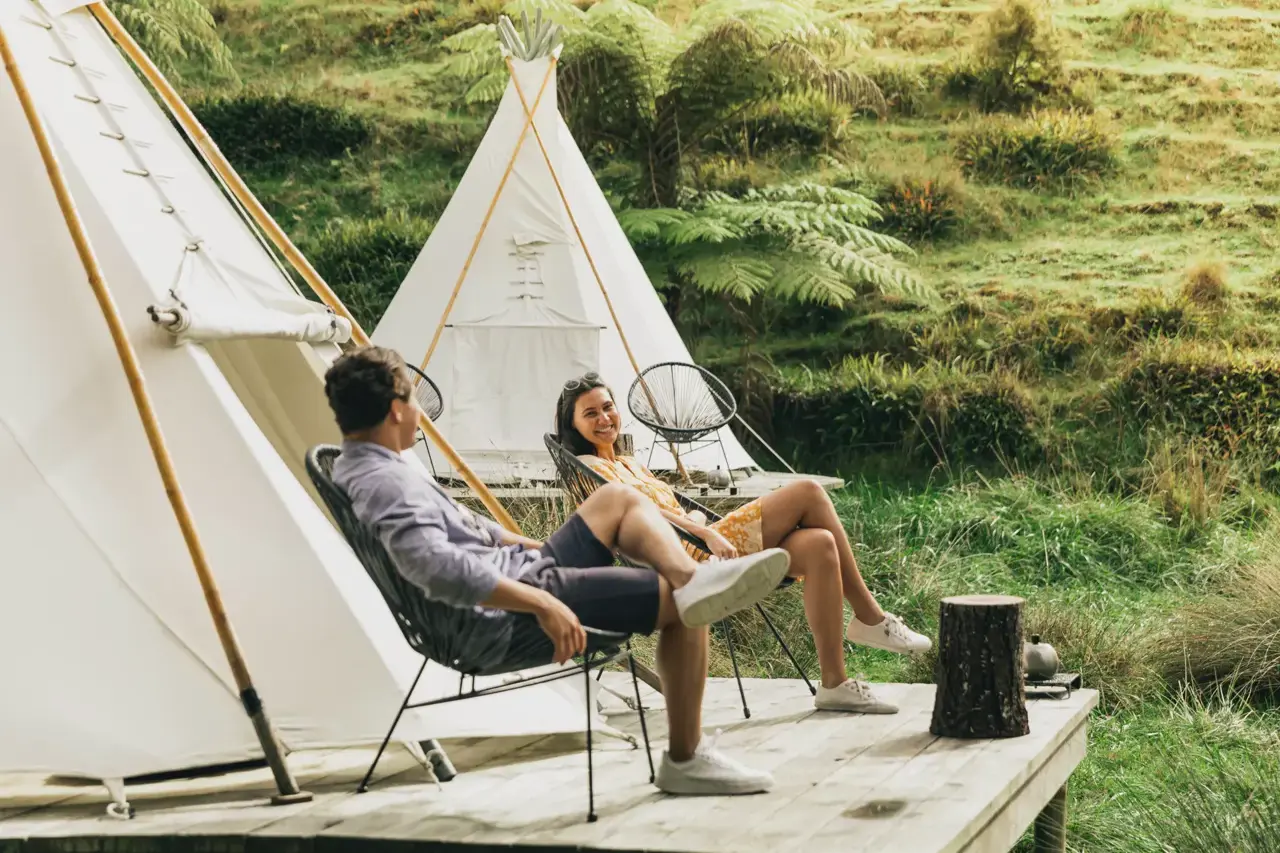
North Island campsites run by the Department of Conservation (DOC) put you on a beach, inside a kauri forest or at the foot of a volcano. All for a fraction of a motel room’s price. No lobby, no lift, no breakfast buffet. Just a patch of grass and a view you’ll bore your friends with for years.
This 10-day North Island road trip strings seven of them together between Auckland and Wellington. It works best in a campervan or motorhome, though a car and a tent will do the job. We’ve flagged the gravel roads, and there’s a three-night extension to Cape Reinga if you’ve got days to spare. Fees and booking rules have shifted a lot lately, so check DOC for current numbers before you lock anything in.
How DOC Campsites Work
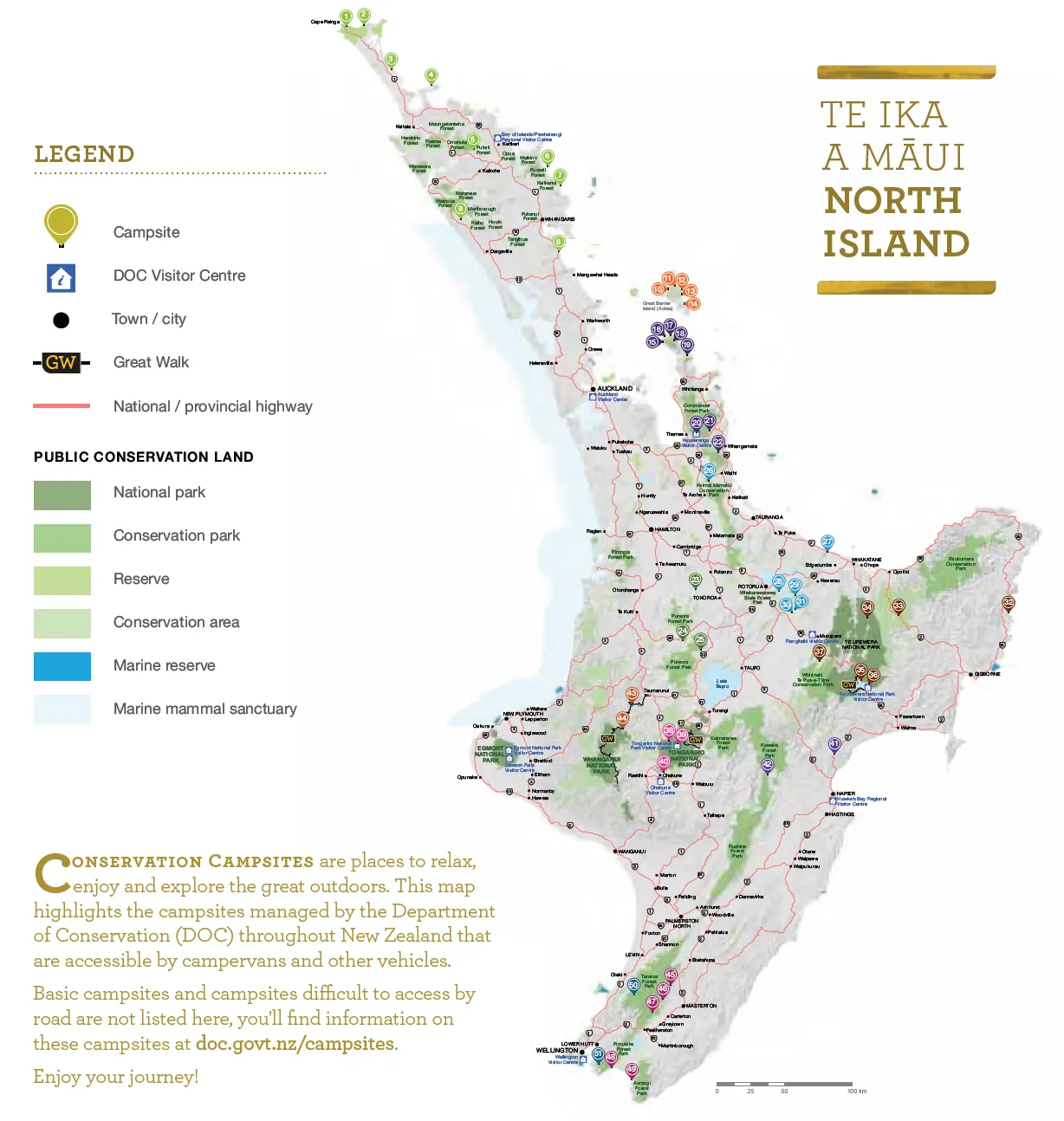
Camping in New Zealand gets easier once you know the basics. DOC sorts its campsites into three main types. Serviced sites have flush toilets, hot showers and a kitchen area. Scenic sites give you toilets, water and room to spread out. Standard sites are simpler still: a toilet, a water source and not much else.
Prices have climbed since the old printed brochures. Standard sites mostly cost between $10 and $20 per adult each night now. Children aged 5 to 17 pay half, and under-fives stay free. Popular sites cost more in peak season, so check each listing on the DOC campsites website before you go.
Book ahead. Most popular campsites need an online booking before you arrive, and turning up without one can mean a surcharge or no space at all. The northern Coromandel sites fill early for Christmas and New Year, so start looking in early October.
The 10-Day North Island Road Trip Route
Most days are short drives with plenty of time to walk, swim or just sit. The exceptions are day 3, when you cross from Northland to the Coromandel, and day 6, when you head inland.
Days 1–2: Uretiti and the Northland Coast
Day 1 is a roughly two-hour drive north from Auckland to Uretiti. It’s signposted straight off State Highway 1, about 5 km north of Waipu. This is a big scenic campsite tucked behind the dunes, so you’ll fall asleep to surf. Book online first.
Spend day 2 on the coastal track and at the nearby Waipu Caves. Bring a torch. Want more to do up here? Our Northland and Bay of Islands page lists day trips and activities.
Days 3–5: Coromandel Camping
Day 3 is the long one. Drive south and east to the Kauaeranga Valley, 14 km up the valley road from Thames. Camp at Trestle View, the last campsite past the visitor centre. The Webb Creek Track to the Pinnacles starts close by. Nearby Wainora is the trailhead for the 2 hr 30 min Cookson Kauri Walk. Some valley campsites only open from Labour Weekend to the end of April, so check dates.
Days 4 and 5 take you up the peninsula, where Coromandel camping gets properly wild. From Coromandel town it’s 58 km to Port Jackson, and the road turns to gravel at Colville. Port Jackson sits right beside the beach at the northern tip. Fletcher Bay is another 6 km on, a beachfront site in a farm setting that suits swimming and kayaking. Book both online. More ideas are on our Coromandel Peninsula page.
Days 6–8: Rotorua and Tongariro
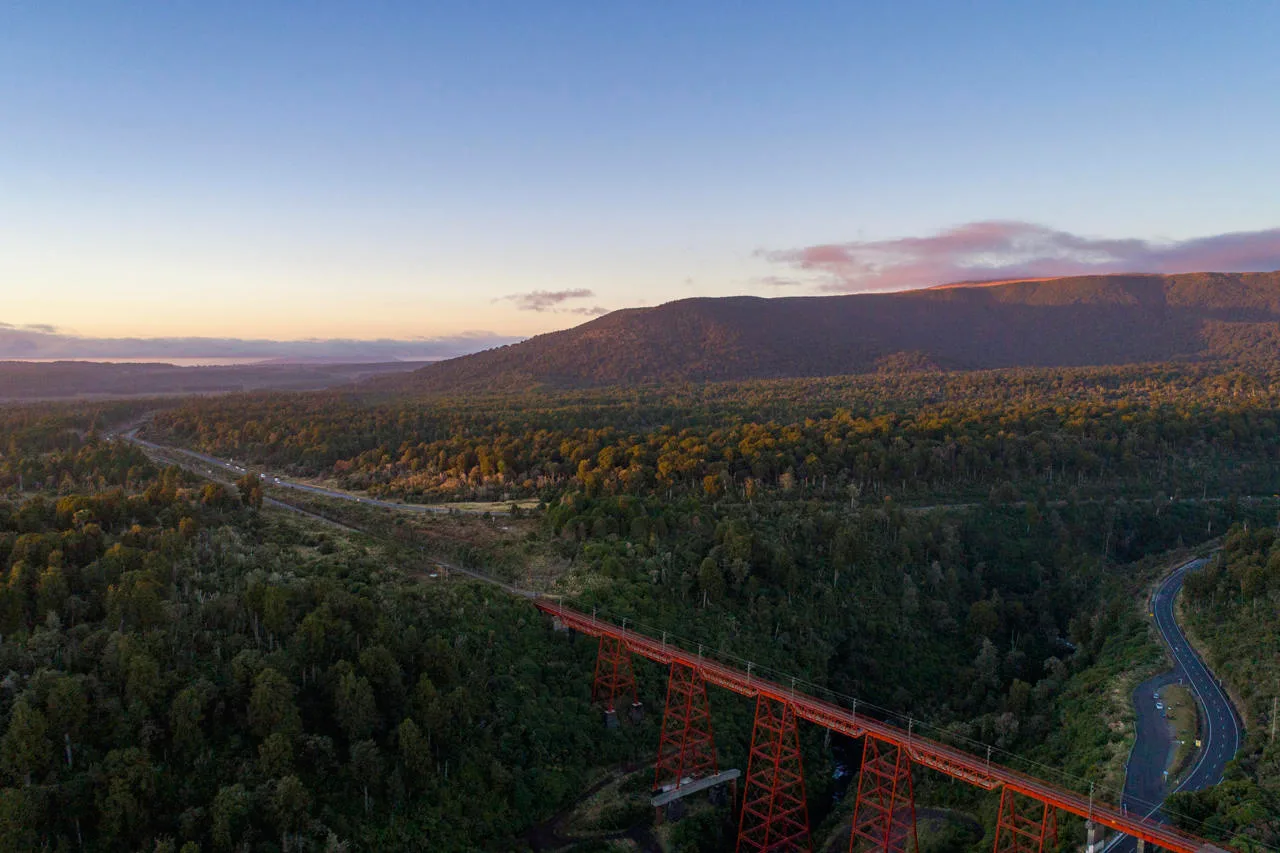
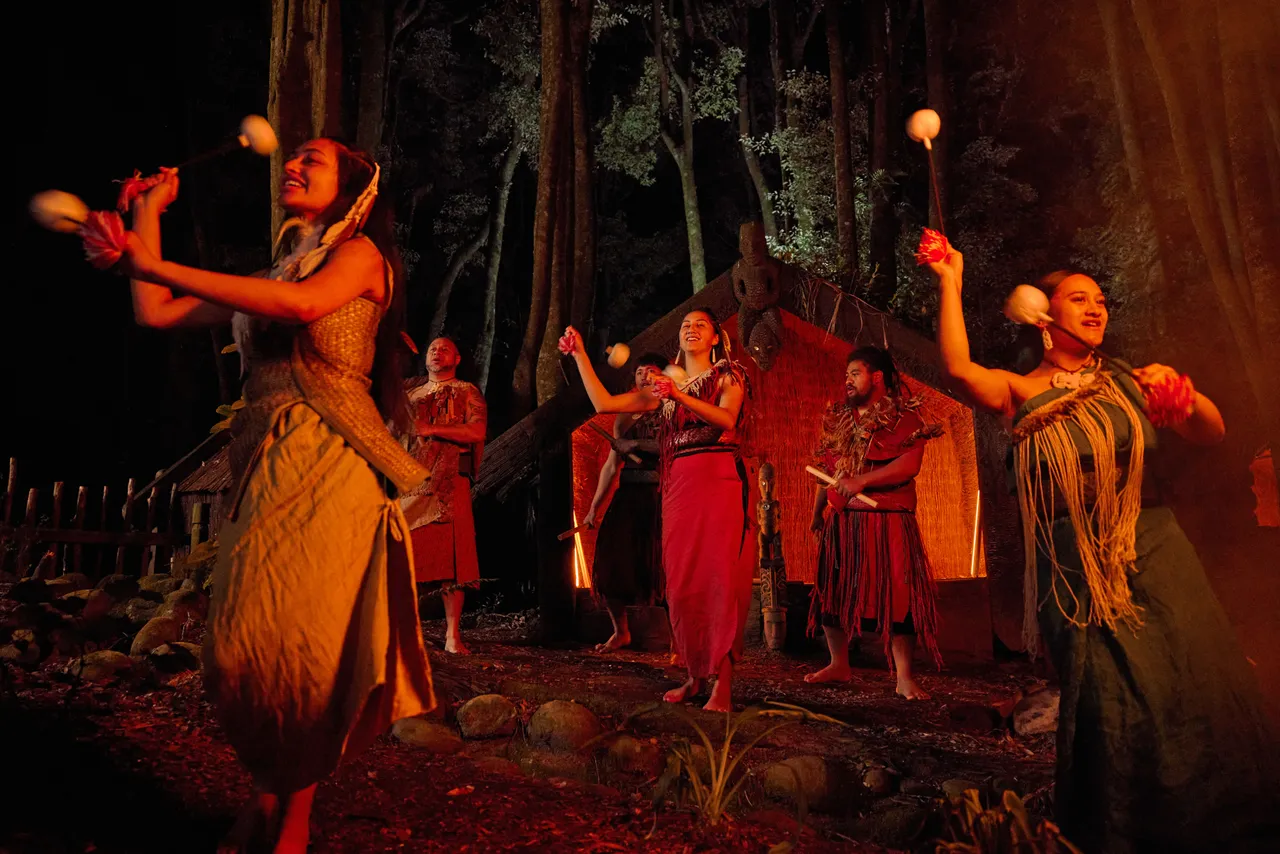
On day 6, head inland to Lake Okareka, a small scenic lakeside campsite about 15 minutes from Rotorua. Swim or fish from the shore. It isn’t suitable for vehicles longer than 6 m, so a big motorhome should use a holiday park instead. Browse Rotorua activities for geothermal and Māori culture options.
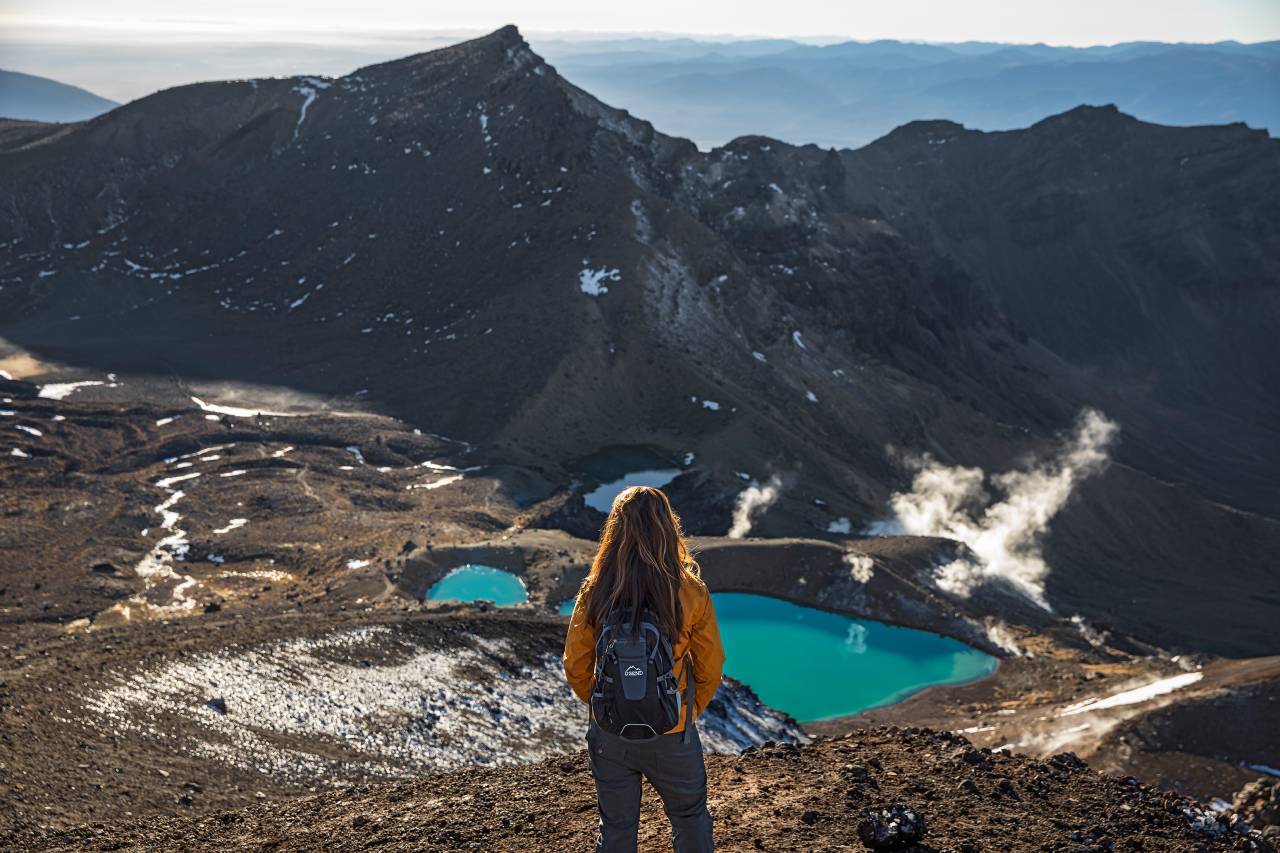
Days 7 and 8 are all about volcanoes. Mangawhero sits in the forest on the flanks of Mt Ruapehu, 2 km up the Ohakune Mountain Road from Ohakune. The campsite is small, and part of the road is gravel. Alpine weather changes fast here, so check in at the Tongariro National Park Visitor Centre before you head onto the tracks. Tongariro also has a Great Walk, covered on our Great Walks page, and plenty more on the Ruapehu page.
Days 9–10: Wairarapa to Wellington
Day 9 ends at Holdsworth, a big sealed campsite beneath the Tararua Ranges, about 15 km from the highway turn-off just south of Masterton. Walk, fish or swim in the river. Holdsworth Lodge sleeps 28 if the weather turns miserable.
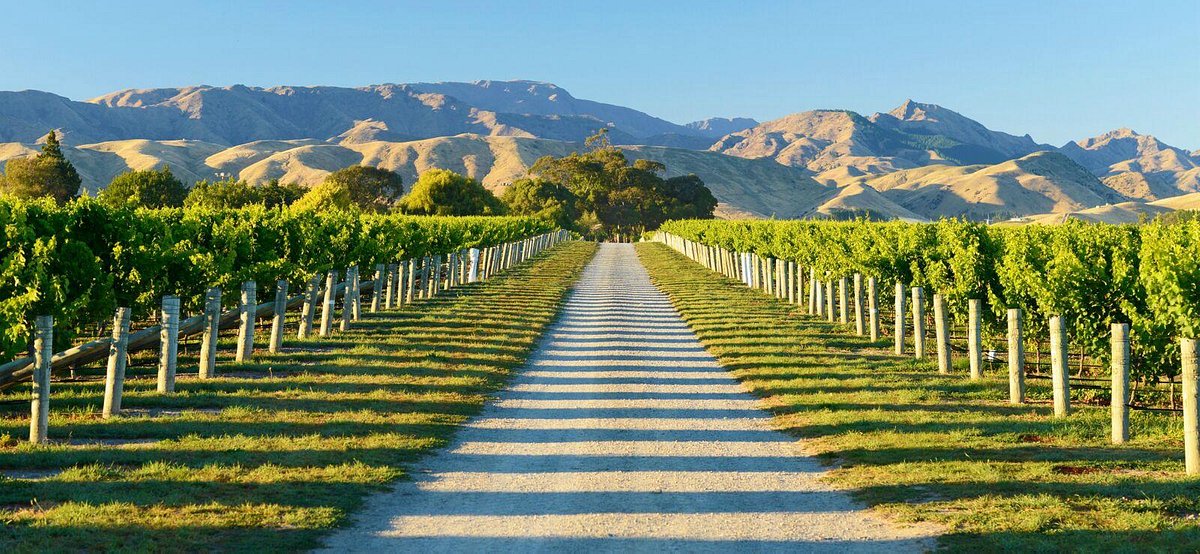
Day 10 is the showpiece. Putangirua Pinnacles campsite sits beside the stream below the pinnacles themselves, 58 km south via Martinborough and Lake Ferry Road. It’s sealed, but water isn’t always available, so bring your own. Walk up to the rock spires, then drive on to the seal colony. Film fans will recognise the Paths of the Dead from The Return of the King, and our Lord of the Rings tours cover the rest of Middle-earth. After that, point the van at Wellington. Check out Wellington and Wairarapa activities to fill your last evening.
Got Three Extra Days? Add the Far North
Do this part first, before Uretiti. Tapotupotu is New Zealand’s northernmost campsite, 3 km south of Cape Reinga. The road is gravel with some steep sections. You can swim, snorkel, surf or walk the Te Paki Coastal Track. Spirits Bay (Kapowairua) is a beautiful beach campsite at the end of 16 km of gravel. Rarawa has a white-sand beach, but the surf can be dangerous, so take care in the water.
Island hopper? Great Barrier Island (Aotea) has several DOC campsites too. You’ll need a ferry or flight and an online booking.
Freedom Camping in New Zealand vs DOC Campsites
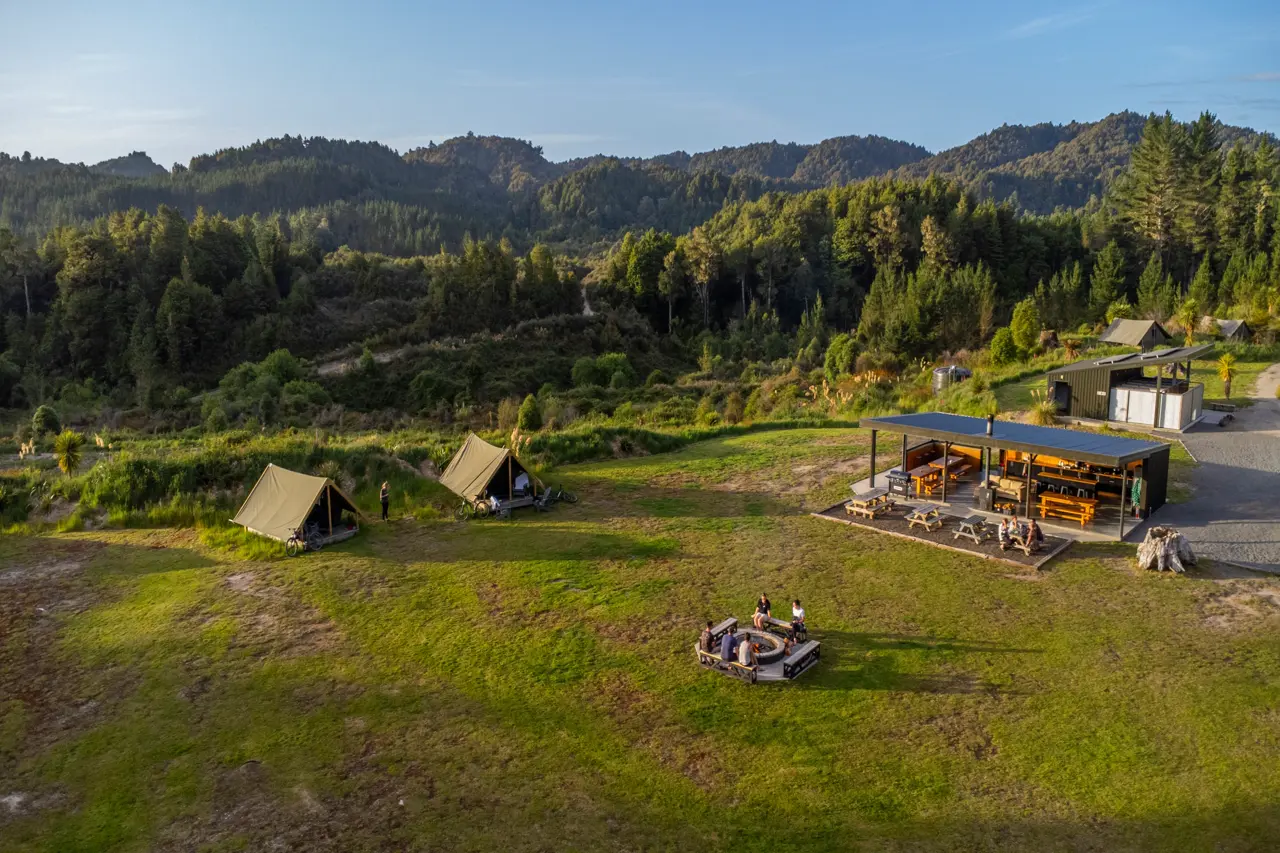
Freedom camping in New Zealand means staying overnight on public land outside a formal campground. Rules vary by council and by site. Plenty of areas ban it outright, and instant fines apply. Self-contained vehicles get the most flexibility, but even they can’t park anywhere they like.
DOC campsites cost money, yet you get a legal spot, a toilet and usually water. Most people on a first trip find that peace of mind is worth the fee. Mix both styles if you like, and always ask at a visitor centre about local restrictions.
Practical Tips for Camping in New Zealand
- Gravel roads: Port Jackson, Fletcher Bay and Tapotupotu all involve unsealed driving. Check your rental agreement covers it, because some insurance doesn’t.
- Kauri dieback: This disease kills kauri trees. Stick to marked tracks, and clean your footwear and gear before and after visiting kauri forest.
- Check, Clean, Dry: Many campsites sit beside rivers and lakes. Clean fishing gear, boots and bikes between waterways to stop freshwater pests spreading.
- Dogs: Dogs aren’t allowed at DOC campsites unless the listing says so.
- Waste: Few DOC campsites have dump stations. Use the facilities in nearby towns.
- Security: Lock your vehicle and take valuables with you.
Summer is busy and shoulder seasons are quieter. Our guide to the best time to visit New Zealand breaks it down month by month, and our driving in New Zealand page covers road rules.
Plan Your North Island Campervan Trip
Rather have the logistics sorted? Our motorhome holidays and self-drive tours cover the same ground with the planning done. Browse all North Island tours, or find more route ideas in our New Zealand itinerary ideas. Prefer a few hotel nights between campsites? Send us a custom tour request.
Campsite details change often. Confirm facilities, fees and access on the DOC listing before you book.