
Marlborough Sounds: Sandy Bay and the Sunken Valleys
At the top of the South Island, a maze of drowned river valleys forms one of New Zealand’s most fragmented coastlines. The Marlborough Sounds cover roughly 1,500 kilometres of shoreline. Yet many of its bays remain accessible only by boat. Sandy Bay is one of dozens of small, sheltered coves tucked into this landscape. It sits quietly within Kenepuru Sound, far from the ferries and cruise boats that pass through the busier Queen Charlotte Sound nearby.
This guide places Sandy Bay within the wider Marlborough Sounds. It also covers the region’s better-known attractions. Finally, it explains how travelers can plan a trip around this genuinely unusual stretch of coast.
Table of Contents
- Marlborough Sounds New Zealand: Overview & Quick Facts
- Sandy Bay Marlborough Sounds: A Quiet Corner of Kenepuru Sound
- Queen Charlotte Track: The Region’s Signature Walk
- Picton New Zealand: The Gateway Town
- Marlborough Sounds Cruise & Wine Region
- Planning Your Trip
Marlborough Sounds New Zealand: Overview & Quick Facts
Quick Facts
- Location: northern tip of the South Island, accessed via Picton
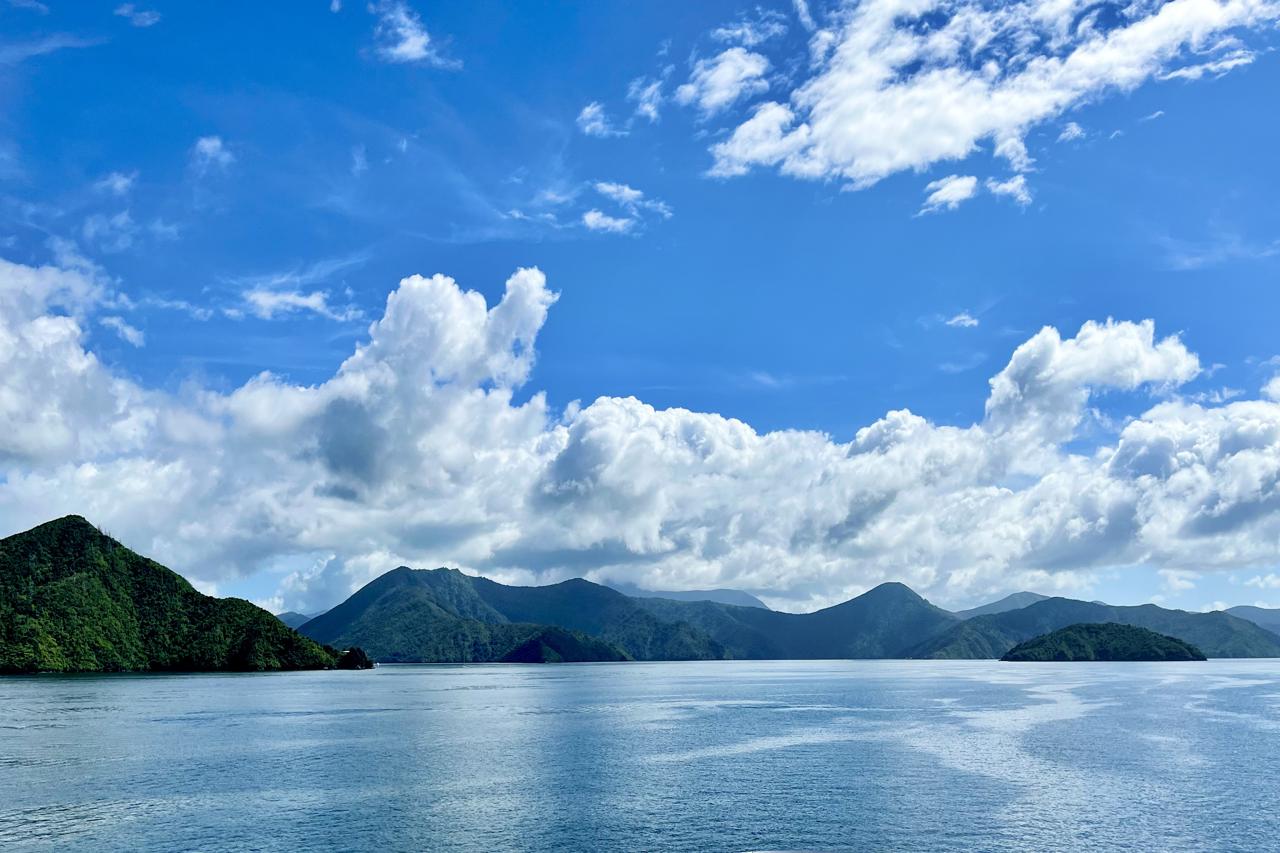
- Formation: ancient sunken river valleys, still slowly submerging today
- Main waterways: Queen Charlotte Sound, Kenepuru Sound, and Pelorus Sound
- Sandy Bay’s location: a small bay within Kenepuru Sound, near Portage and Waitaria Bay
- Access: many bays, including Sandy Bay, are reachable only by boat, water taxi, or the Queen Charlotte Track
Marlborough Sounds New Zealand: A Landscape Still Sinking
Marlborough Sounds New Zealand sits at the very top of the South Island, where the land itself continues to slowly sink into the sea. Geologists consider it the only large land area in the country still submerging. This slow process has carved out sheltered inlets, forested peninsulas, and hundreds of small sandy bays over millions of years.
A few details capture the scale and character of this region:
- Three main bodies of water make up the Sounds: Queen Charlotte, Kenepuru, and Pelorus
- The Department of Conservation manages more than 50 reserves scattered across the area
- Several islands within the Sounds are predator-free sanctuaries for native wildlife
- Because so much of the coastline sits away from any road, waterside accommodation here is sometimes only reachable by boat or helicopter
Because the region is so fragmented, most visitors experience it in pieces, a cruise here, a walk there, rather than trying to see it all in a single trip.
Sandy Bay Marlborough Sounds: A Quiet Corner of Kenepuru Sound
Sandy Bay Marlborough Sounds sits within Kenepuru Sound, one of the three main waterways making up the wider region. It’s positioned near the small settlements of Portage and Waitaria Bay, and close to Kenepuru Head.
A few details help explain why this particular sound, and Sandy Bay within it, differs from the busier Queen Charlotte side:
- Kenepuru Sound is generally considered the quieter, lesser-known of the main sounds, with fewer boats and visitors passing through
- The sound is known for its sandy bays and shallow waters, a contrast to some of the steeper, rockier coastline found elsewhere in the region
- Small, quirky villages dot the shoreline here, giving the area a slower, more residential feel than Picton or the main cruise routes
- Reaching Sandy Bay typically means arranging a water taxi or private boat, since no direct road links most of Kenepuru Sound’s smaller bays
Because Kenepuru Sound sees far less traffic than Queen Charlotte Sound, Sandy Bay rewards travelers specifically looking to get away from the more visited parts of the Marlborough Sounds.
Queen Charlotte Track: The Region’s Signature Walk
The Queen Charlotte Track is the Marlborough Sounds’ best-known drawcard. It’s a 71-kilometre coastal walking and cycling route between Ship Cove and Anakiwa. Widely regarded as one of New Zealand’s finest coastal tracks, it winds along ridgelines and through native bush. Sweeping views open up across Queen Charlotte and Kenepuru Sounds along the way.
A few practical details shape how most people experience the track:
- Most walkers complete the track over four days, though anywhere from one to five days is possible
- Because no road reaches Ship Cove, the track’s starting point, walkers need to arrange water transport from Picton to begin
- Sections of the track pass close to Kenepuru Sound, connecting the walking route conceptually, if not directly, to quieter bays like Sandy Bay
- Five sections of the track are open to mountain bikes, alongside the standard walking route
Our Queen Charlotte Track Self-Guided Tour covers an 11.5km stretch of the track from Furneaux Lodge to Punga Cove, following the coastline around Endeavour Inlet without the steeper terrain found elsewhere on the full route.
Picton New Zealand: The Gateway Town
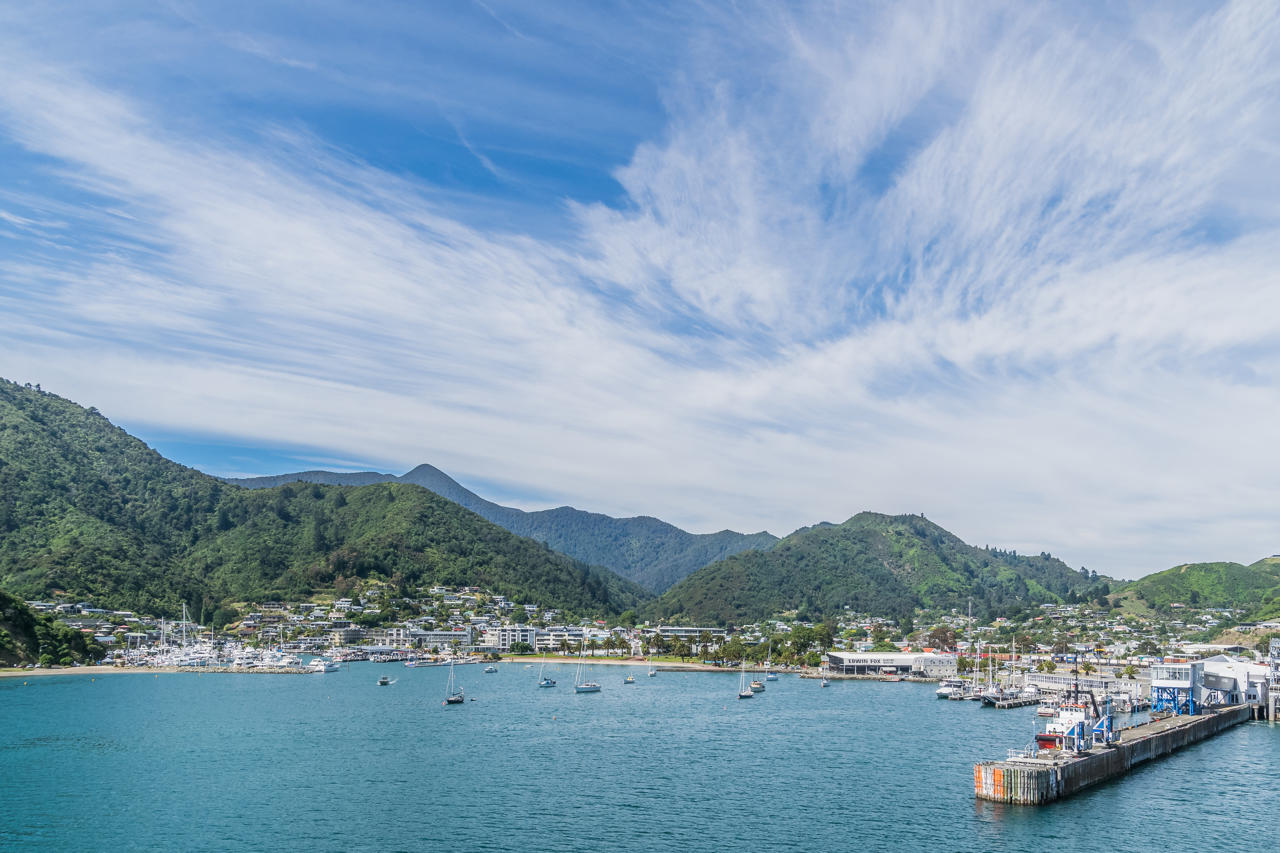
Picton New Zealand, sits at the southern base of Queen Charlotte Sound. It functions as the practical entry point to the entire Marlborough Sounds region. Most visitors arrive here either by Interislander or Bluebridge ferry from Wellington, or by road from Nelson and Blenheim.
Because Picton sits closest to the ferry terminal, it’s also the busiest and most accessible part of the Sounds for time-pressed travelers. Even a spare hour or two before a ferry departure is enough to explore some of the short looping tracks around town. Dolphins are commonly seen following boat wakes in this more open stretch of water.
Marlborough Sounds Cruise & Wine Region
Marlborough Sounds Cruise: Seeing the Coastline From the Water
A Marlborough Sounds cruise remains one of the best ways to experience the region’s scattered bays without committing to a multi-day walk. Cruises typically depart from Picton Wharf and wind through Queen Charlotte Sound, passing remote holiday homes and forested headlands along the way.
Our Seafood Odyssea Cruise combines a scenic cruise through Queen Charlotte Sound with local seafood and Marlborough wine. It pairs the region’s two biggest draws in a single afternoon.
Marlborough Wine Region: A Natural Pairing
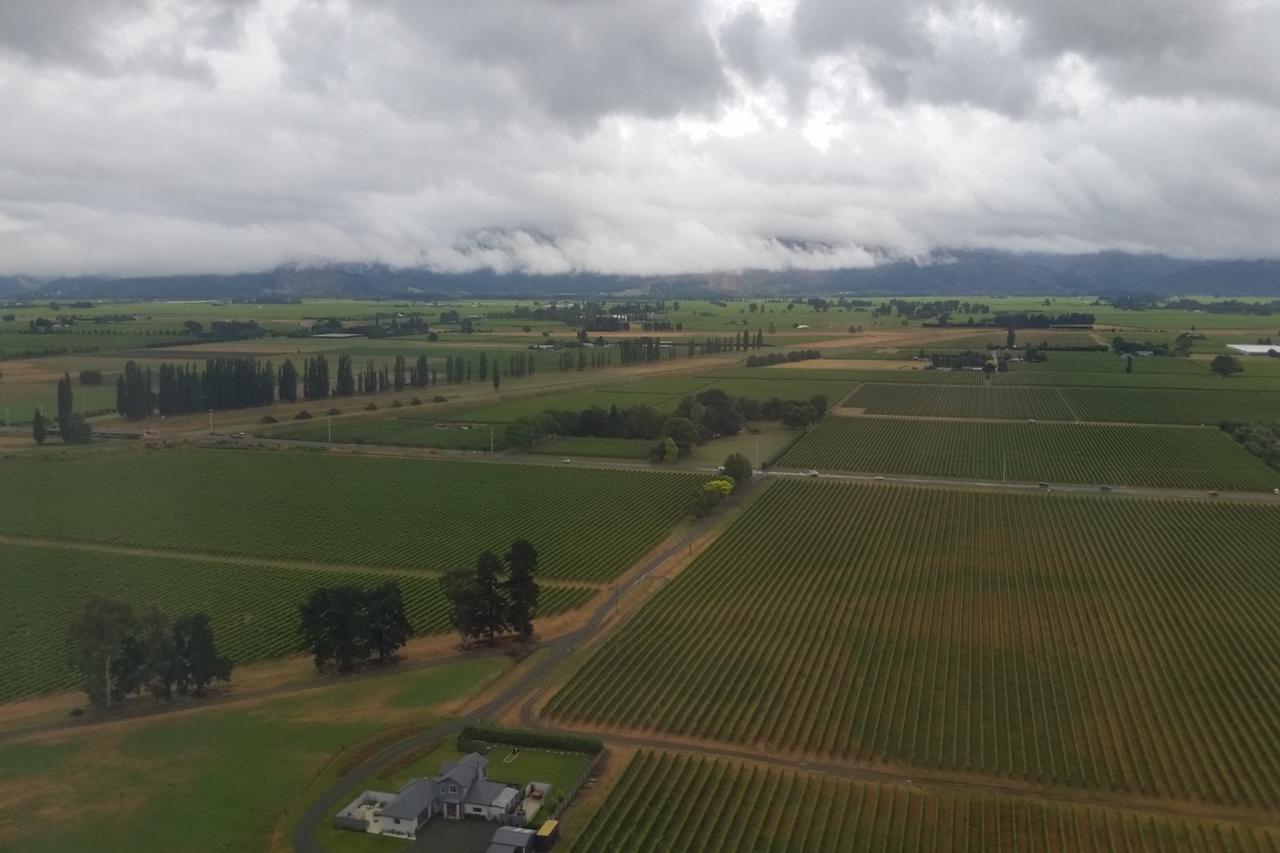
The Marlborough wine region sits just a short drive from Picton. Most Sounds itineraries build in at least a half-day for it. Marlborough is New Zealand’s largest wine region and the country’s home of Sauvignon Blanc. Vineyards spread across the flat, sunny plains around Blenheim.
Our Marlborough things to do guide covers the wider region, including the wine trail, the Omaka Aviation Heritage Centre, and the Pelorus River. Our New Zealand wine tours guide covers Marlborough’s cellar doors, as well as the country’s other major wine regions.
Planning Your Trip
Comparing the Marlborough Sounds’ Main Areas
| Area | Character | Best For |
| Picton | Busiest, ferry gateway | Short stops, dolphin watching, day cruises |
| Queen Charlotte Sound | Popular, well-serviced | The Queen Charlotte Track, guided cruises |
| Kenepuru Sound (incl. Sandy Bay) | Quiet, sandy bays | Getting away from crowds, boat access only |
| Blenheim & wine region | Inland, sunny plains | Sauvignon Blanc, vineyard tours |
Getting There
Because the Marlborough Sounds are so spread out, most travelers combine a few specific stops rather than attempting to see the entire region. A South Island tour package can weave Picton, the Queen Charlotte Track, and the wine region into a longer South Island route. Alternatively, our customizable New Zealand vacation packages can shape a trip entirely around your own interests. That includes quieter, boat-access stops like Sandy Bay. You can also add the Marlborough Sounds directly to your custom vacation package wishlist.
When to Visit
Conditions across the Marlborough Sounds shift with the seasons:
- Summer (December-February): the busiest season, with the most reliable weather for cruising, walking, and boat access to quieter bays
- Autumn (March-April): wine harvest season in Marlborough, alongside quieter tracks and cooler, settled weather
- Winter (June-August): cooler and quieter, with the Queen Charlotte Track remaining open year-round, though water taxi schedules can reduce
Regardless of the season, arranging water transport in advance matters more here than in most other New Zealand regions, since much of the coastline has no road access at all.
New Zealand’s Most Fragmented Coastline
Most visitors arrive expecting a single scenic sound and leave realizing the Marlborough Sounds are really dozens of distinct places loosely connected by water. Picton’s ferry terminal, the Queen Charlotte Track’s ridgelines, and quiet corners like Sandy Bay in Kenepuru Sound all belong to the same region. Yet each feels genuinely different from the next.
You might be drawn here for the Queen Charlotte Track, a Marlborough Sounds cruise, or simply the chance to find a quiet bay like Sandy Bay away from the main routes. Either way, this stretch of sunken coastline rewards travelers willing to explore beyond Picton itself.
Browse our Marlborough things to do guide or get in touch to start planning a trip built around the Marlborough Sounds.