
Awaroa Inlet & Beach, Abel Tasman National Park: The Full Package
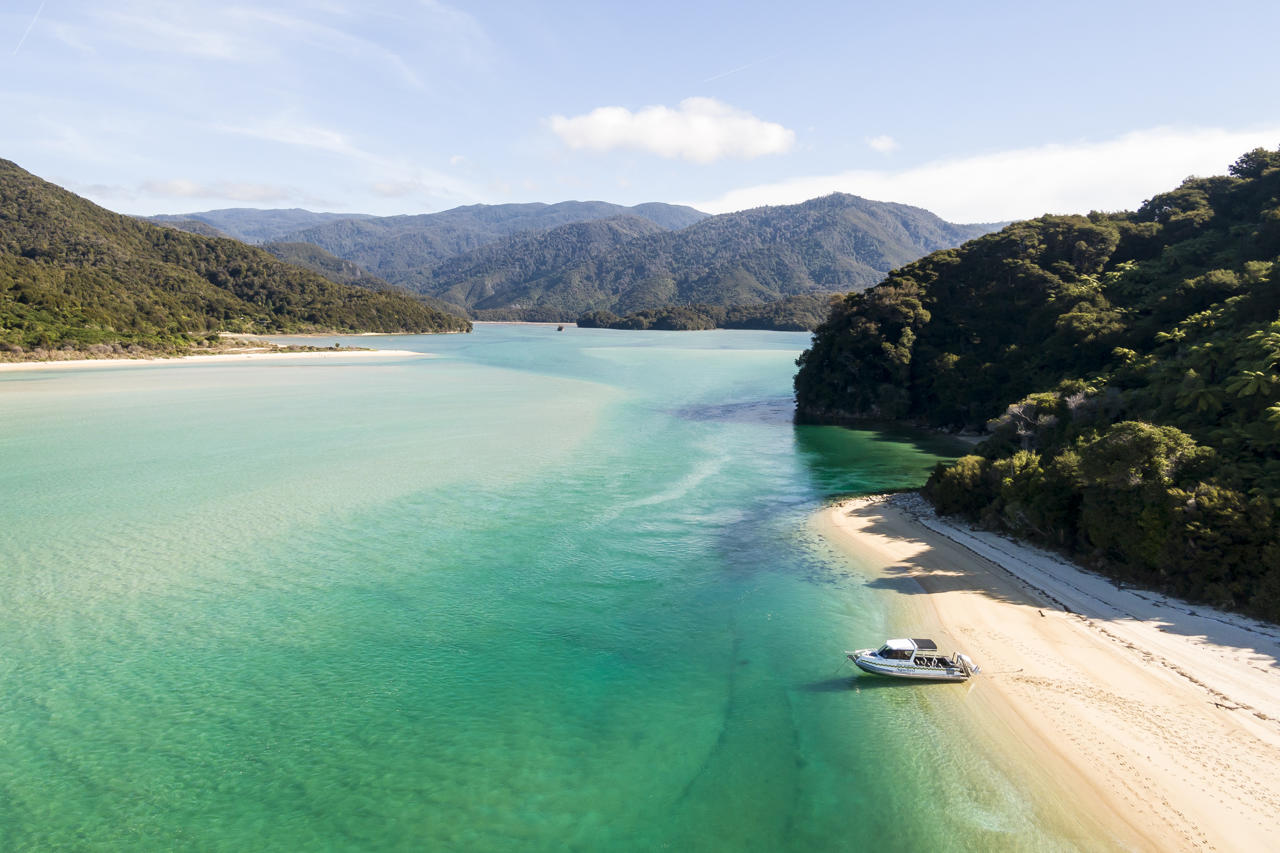
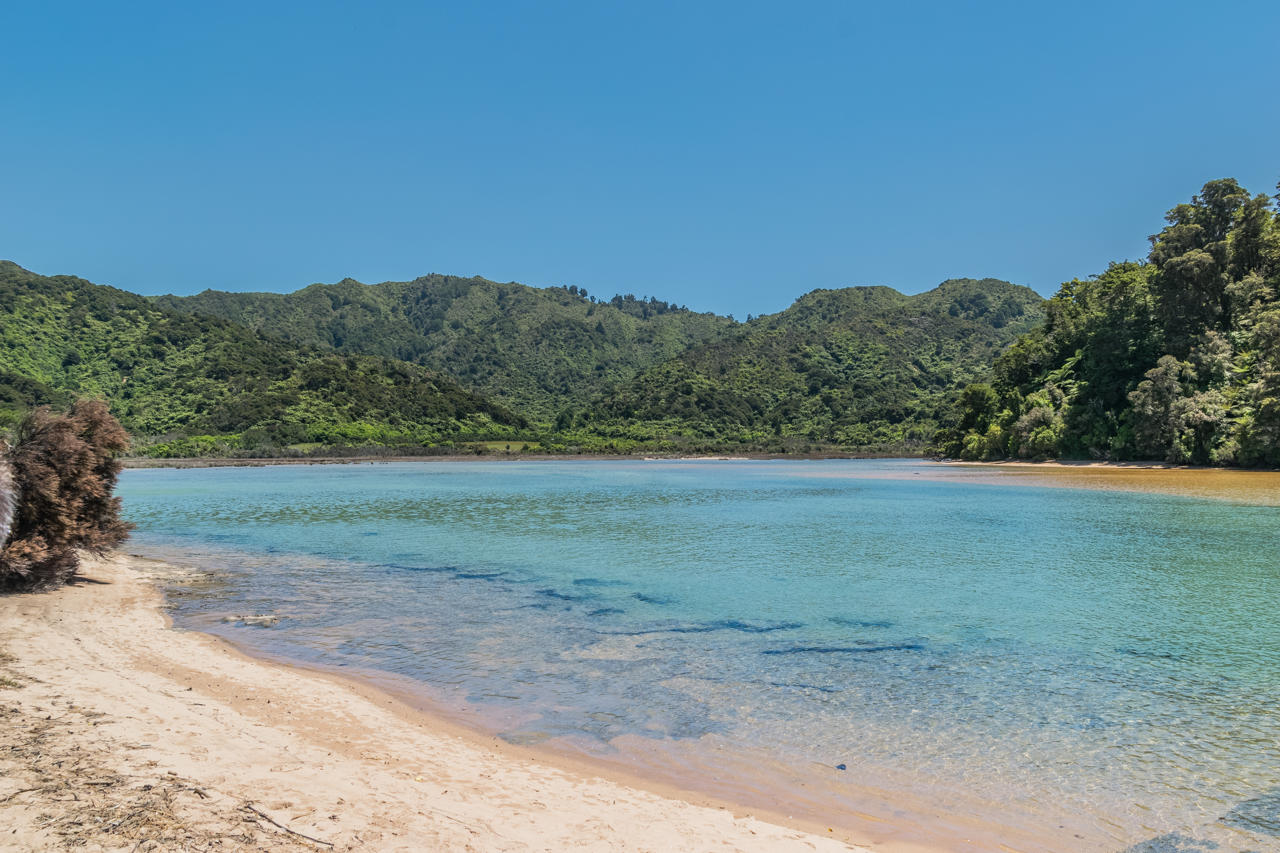
Awaroa Beach holds a unique place in New Zealand’s story. In 2016, thousands of ordinary New Zealanders crowdfunded its purchase. They donated enough to buy the beach and gift it to the Department of Conservation for good. That single act of generosity turned Awaroa Inlet into one of the most talked-about spots in Abel Tasman National Park. Golden sand, turquoise water, and genuine remoteness make it a highlight of the wider Abel Tasman Coast Track.
This guide covers what makes Awaroa Beach worth the effort to reach. That includes how the tides shape a visit here and how it fits into a wider Abel Tasman trip.
Table of Contents
- The Story Behind Awaroa Beach
- Awaroa Inlet and the Tidal Crossing
- Getting to Awaroa Beach
- Awaroa on the Abel Tasman Coast Track
- Totaranui Beach and Nearby Highlights
- Planning Your Visit
The Story Behind Awaroa Beach
Awaroa Beach wasn’t always public land. Part of the beach remained privately owned for decades. It was at real risk of development that would have restricted access for good. In early 2016, a public campaign launched to raise the funds needed to buy it back. Within weeks, more than 39,000 people had donated. Together they raised over NZD $2 million, one of the country’s largest crowdfunding efforts ever recorded.
The government matched the final shortfall. Awaroa Beach was formally added to Abel Tasman National Park later that year. It’s a genuinely unusual origin story for a piece of coastline. That’s part of why so many New Zealanders feel a personal connection to this particular stretch of sand.
Awaroa Inlet and the Tidal Crossing
Awaroa Inlet sits at the heart of what makes this location both beautiful and logistically tricky. A wide tidal estuary separates the northern and southern sections of the beach. It’s only safely crossable on foot around low tide. Outside that window, the inlet floods with water, cutting the route in two.
This tidal dependency shapes almost every visit to Awaroa Beach. Trampers walking the Abel Tasman Coast Track need to time their arrival carefully. Many end up adjusting their whole day’s schedule around the tide tables. It’s a small inconvenience, but it adds to the sense of remoteness here. This stretch of coast genuinely can’t be rushed or ignored.
Practical Tips for Crossing
A few habits make the Awaroa Inlet crossing safer and easier. Always check current tide tables before setting out, rather than relying on general timing from a guidebook or an older itinerary. Cross with a walking pole if you have one, since the inlet bed can be uneven underfoot even at low tide.
Give yourself a wider window than the bare minimum. Tides can run slightly early or late depending on weather and wind conditions. If in doubt, wait it out on dry land rather than risk crossing as the water starts to rise.
Getting to Awaroa Beach
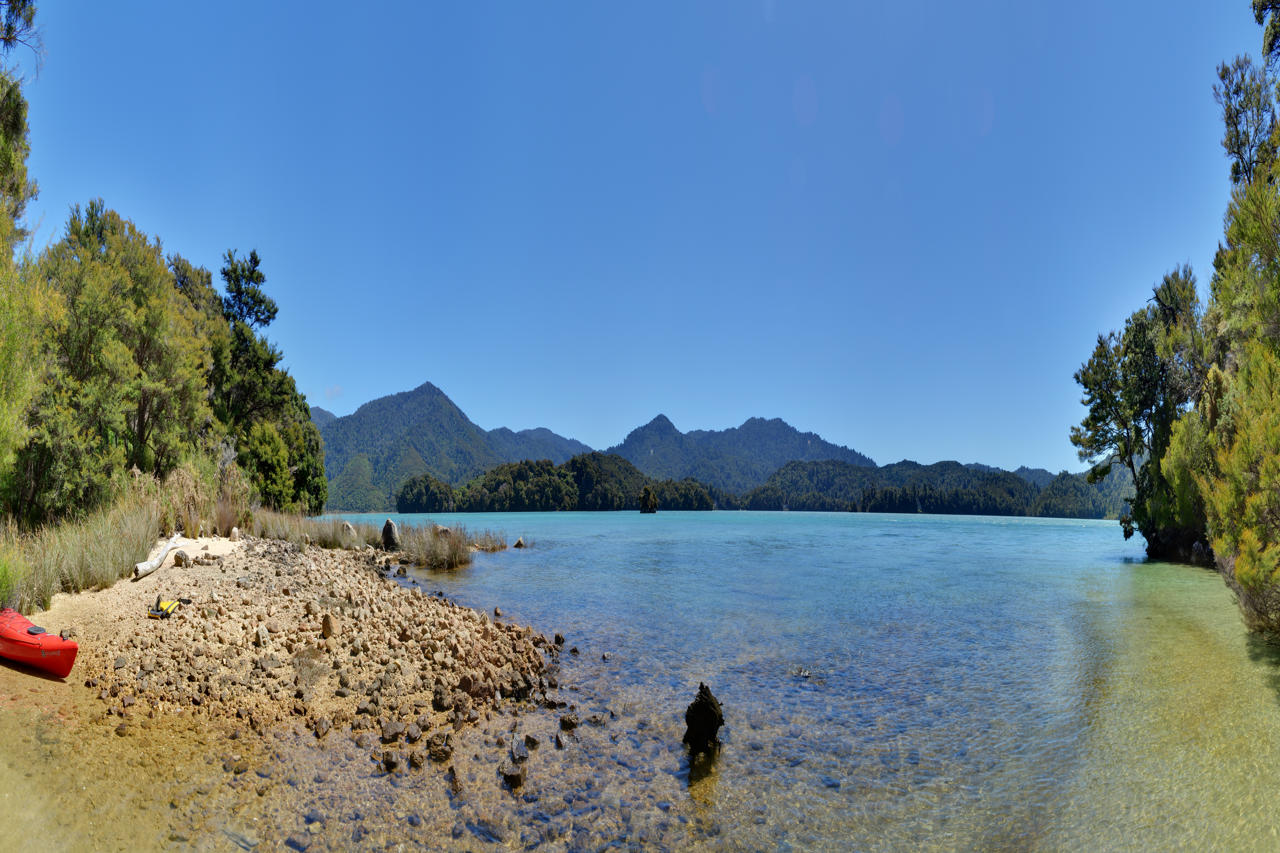
There’s no road access to Awaroa Beach. Getting there means either a boat trip or a multi-day walk along the Abel Tasman Coast Track. Water taxis running the Kaiteriteri to Awaroa route are the most common option for day-trippers. Several operators offer scheduled departures during the main season.
For those walking in, Awaroa typically falls around the midpoint of a multi-day Coast Track itinerary. It’s roughly two to three days in from Marahau. Some trampers choose to walk one direction and take a water taxi back. That avoids the need to retrace their steps entirely on foot. Our dedicated Abel Tasman National Park guide covers tour operators and scheduling in more detail.
Awaroa on the Abel Tasman Coast Track
The Abel Tasman Coast Track runs roughly 60 kilometres between Marahau and Wainui. Awaroa sits among its most memorable sections. Golden sand beaches, native bush, and clear water define almost the entire route. Awaroa’s scale and its backstory make it a standout even among strong competition.
DOC huts and campsites are available at Awaroa for trampers doing the full track. Bookings are required and fill quickly during peak season. Our guide to Kaiteriteri Beach, the main departure point for boats into the park, covers more on the wider gateway to this region.
Totaranui Beach and Nearby Highlights
A short distance north of Awaroa, Totaranui Beach marks the northern end of the main Abel Tasman Coast Track. It’s a genuinely large campground and beach in its own right. Road access from Takaka in Golden Bay makes it popular with families over summer. Many multi-day itineraries combine Awaroa and Totaranui Beach into a single trip, since they sit close enough together to visit both without major detours.
Between the two, native forest and smaller coves offer plenty of reasons to slow down rather than rush from one beach to the next. Wildlife sightings, including fur seals and native birdlife, are common along this stretch. Keep an eye out as you walk, particularly around dawn and dusk when animals tend to be more active.
Planning Your Visit
Awaroa Beach rewards travellers willing to put in a bit of extra effort. A self-drive New Zealand tour can include a Kaiteriteri base with a day trip out to Awaroa by water taxi. That gives you a taste of the beach without committing to a multi-day hike. A South Island tour is a solid alternative too. It suits travellers who’d rather have a guide handle the logistics of tides and boat schedules.
If you’re comparing coastal highlights across the South Island, our guide to the best beaches in New Zealand covers Awaroa Beach alongside other standout spots across both islands. Browse our full range of New Zealand tours to find an itinerary that includes Abel Tasman National Park. Or visit the NZ Tourism Tours travel blog for more regional guides.