
Glacier Highway: A Rain-or-Shine Guide to New Zealand’s Glacier Country | 234 kilometres (145 miles)
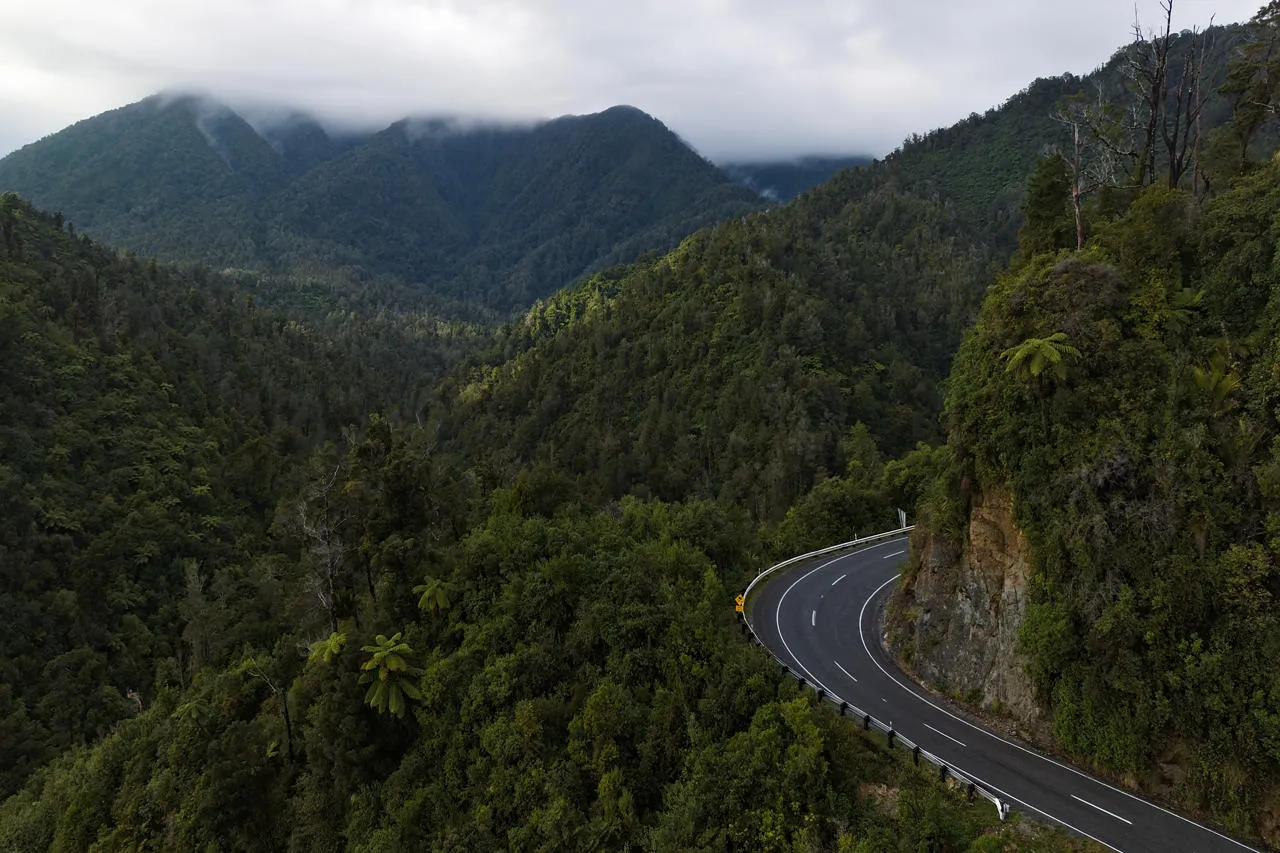
Every trip down the Glacier Highway comes with one big unknown, and that is the weather. The West Coast of the South Island is one of the wettest places in New Zealand. Franz Josef receives more than four metres of rain a year, and cloud can roll in from the Tasman Sea within minutes.
Here is the good news. Glacier Country is just as rewarding in the rain as it is in the sun. You simply need a different plan. This guide gives you two. Use the sunny-day plan when the mountains are clear, and switch to the rainy-day plan when the clouds come down. Either way, you will leave with great memories.
What Is the Glacier Highway?
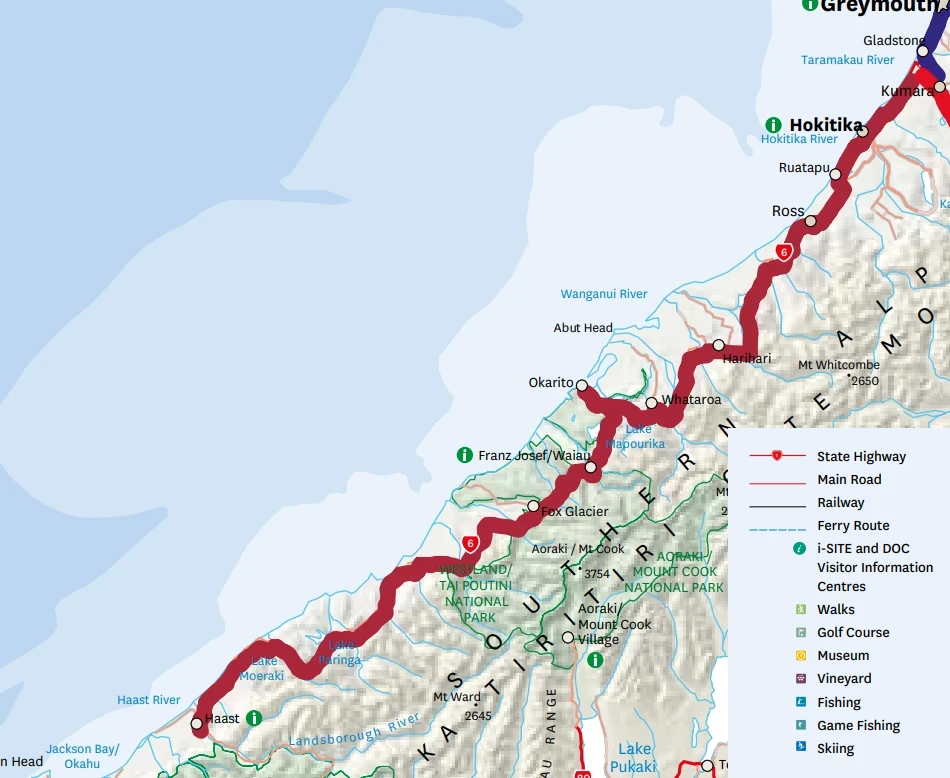
The Glacier Highway is the touring name for State Highway 6 between Kumara and Glacier Country. It runs for about 300 km down the West Coast, through Hokitika, Ross and Whataroa to the glacier towns of Franz Josef and Fox Glacier.
The road is squeezed between the Tasman Sea and the Southern Alps. Dense rainforest grows right down to the coast, and dozens of rivers cut across the road on their way to the sea. Much of the southern section passes through Westland Tai Poutini National Park, which protects the glaciers, lakes and forests.
Two glaciers are the stars of the trip. Franz Josef Glacier is known in Māori as Kā Roimata o Hine Hukatere, the tears of Hine Hukatere. Fox Glacier is known as Te Moeka o Tuawe. Both flow down from the high snowfields of the Southern Alps towards the rainforest below.
Driving the full Glacier Highway takes around four hours without stops. Most visitors spend at least two or three days to enjoy it properly.
Glacier Highway Map
Why You Need Two Plans
Many of the best experiences in Glacier Country depend on the weather. Helicopter flights and heli-hikes only go when the cloud is high enough. In busy summer months they may only fly on around two out of every three days. Mountain reflections at Lake Matheson need still air and clear skies.
That is why local guides recommend two simple rules. First, stay at least two nights near the glaciers. This gives you a much better chance of a clear window. Second, book flights for the morning if you can, as the weather is often more settled early in the day.
Then keep both plans below in your pocket and choose each morning.
The Sunny-Day Plan
Hokitika Gorge
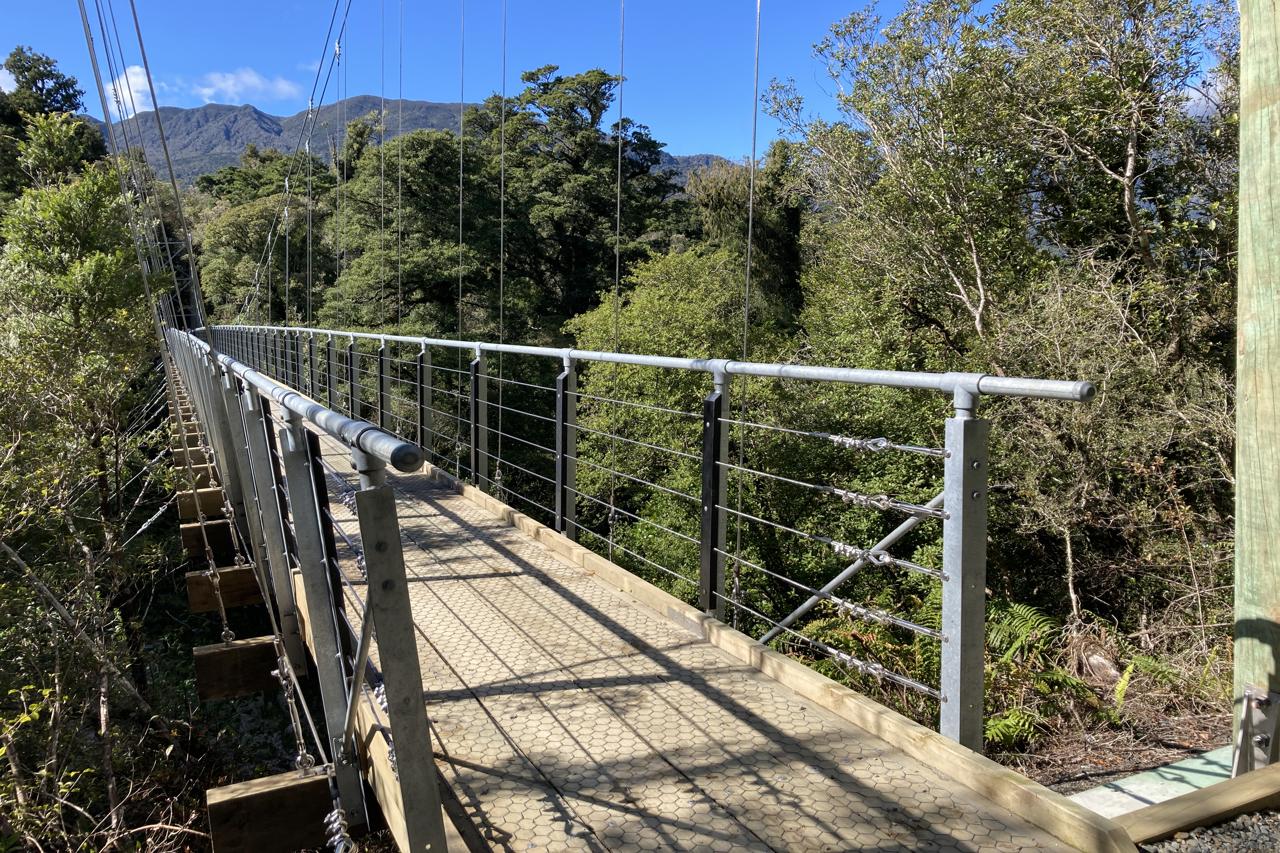
Start at the northern end of the Glacier Highway near Hokitika. A short drive inland brings you to Hokitika Gorge, where milky turquoise water flows through a narrow granite gorge. A swing bridge crosses the river, and the colour is at its brightest on a sunny day. Our full guide to Hokitika Gorge explains how to get there and the best walks.
Okarito Lagoon
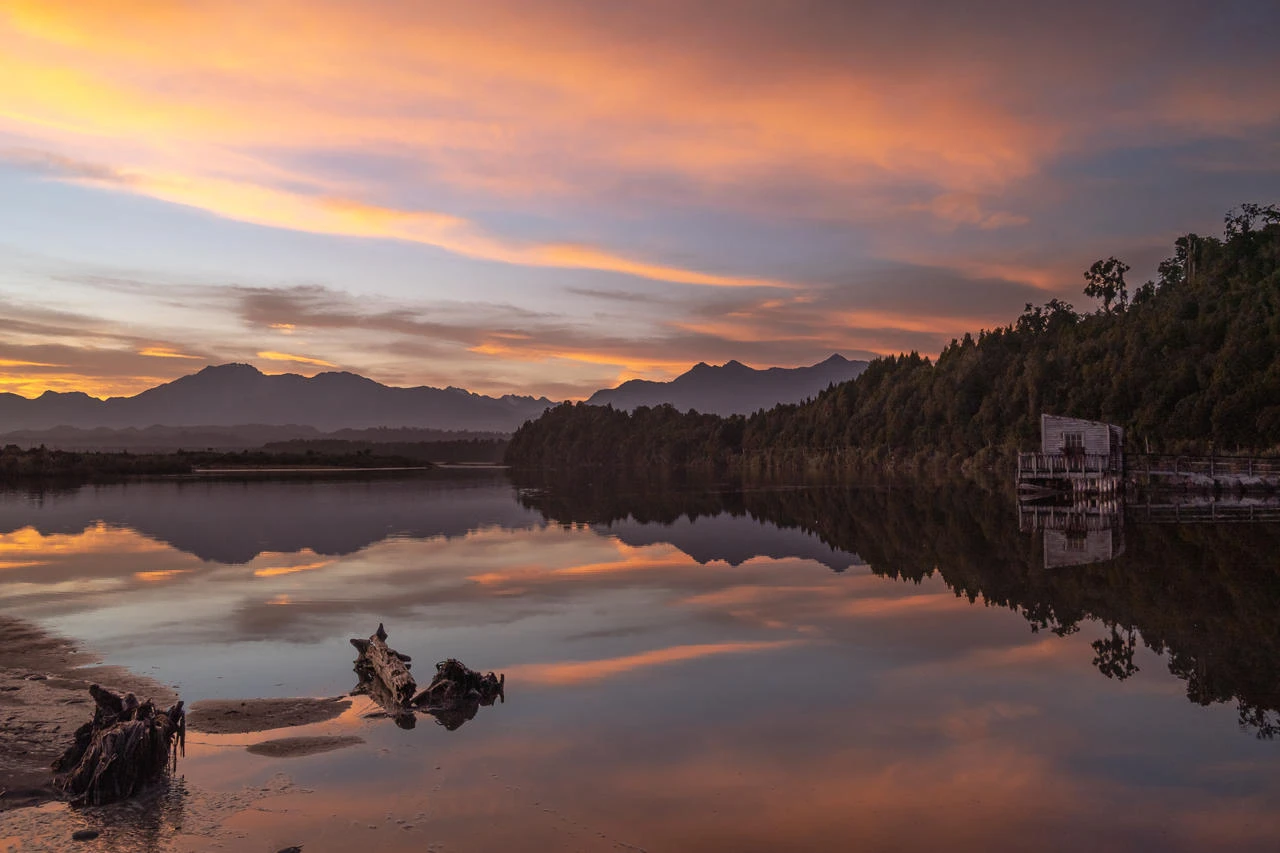
South of Whataroa, take the side road to the tiny village of Okarito. Its large lagoon is the largest unmodified coastal wetland in New Zealand and is home to many wading birds. Hire a kayak and paddle the quiet channels through the forest. Then walk up the Okarito Trig track for views across the lagoon to the Southern Alps on a clear day.
Walk on the Ice With a Heli-Hike
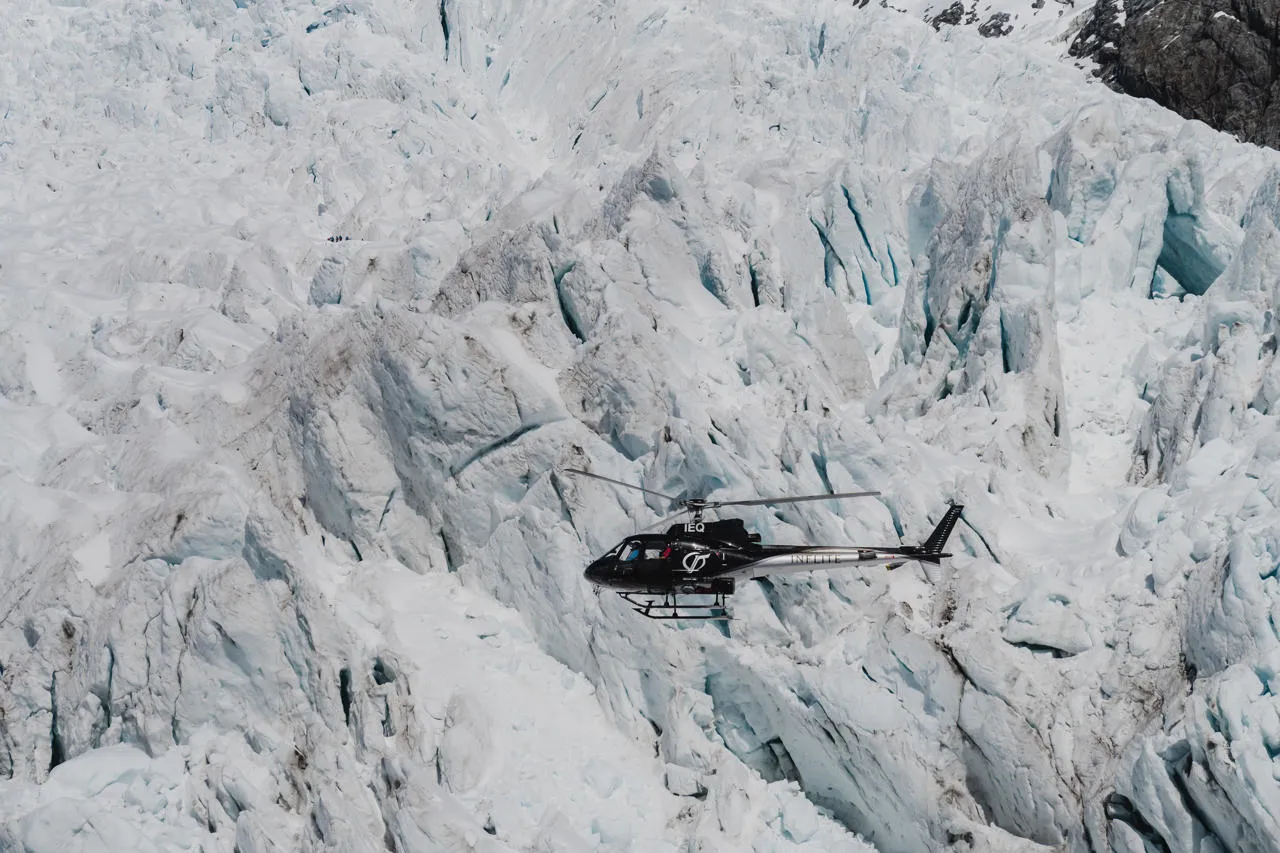
A heli-hike is the highlight of a sunny day in Glacier Country. A helicopter flies you onto Franz Josef Glacier, where a guide leads you across the ice. You will see blue ice caves, deep crevasses and frozen ridges up close.
This is now the only way to walk on the glacier. Many visitors ask if they can walk on Franz Josef Glacier from the valley floor, but that is no longer possible. The glacier has retreated a long way in recent years, and the ice at the valley end is too unstable to reach on foot.
If you would rather stay in the air, scenic flights circle the glaciers and often land on the snow high above. Some flights also loop around Aoraki Mount Cook. See our list of the top scenic flights in New Zealand for ideas.
Lake Matheson at Dawn
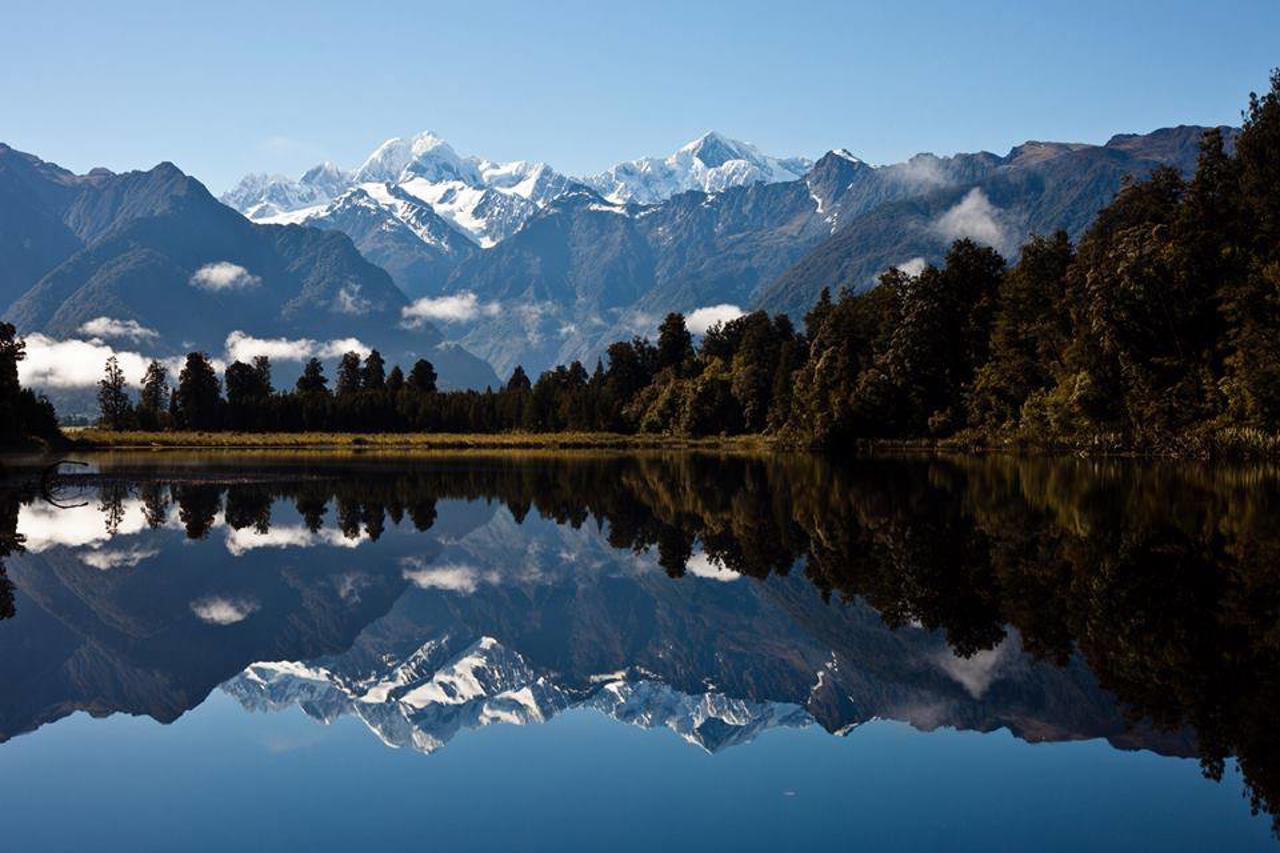
On a still, clear morning, Lake Matheson is one of the most beautiful places in the country. The dark water reflects Aoraki Mount Cook and Mount Tasman in near-perfect detail. An easy loop track of about 90 minutes circles the lake, with viewing platforms at the best spots. Arrive early, before the wind picks up, and enjoy breakfast at the café afterwards.
Gillespies Beach
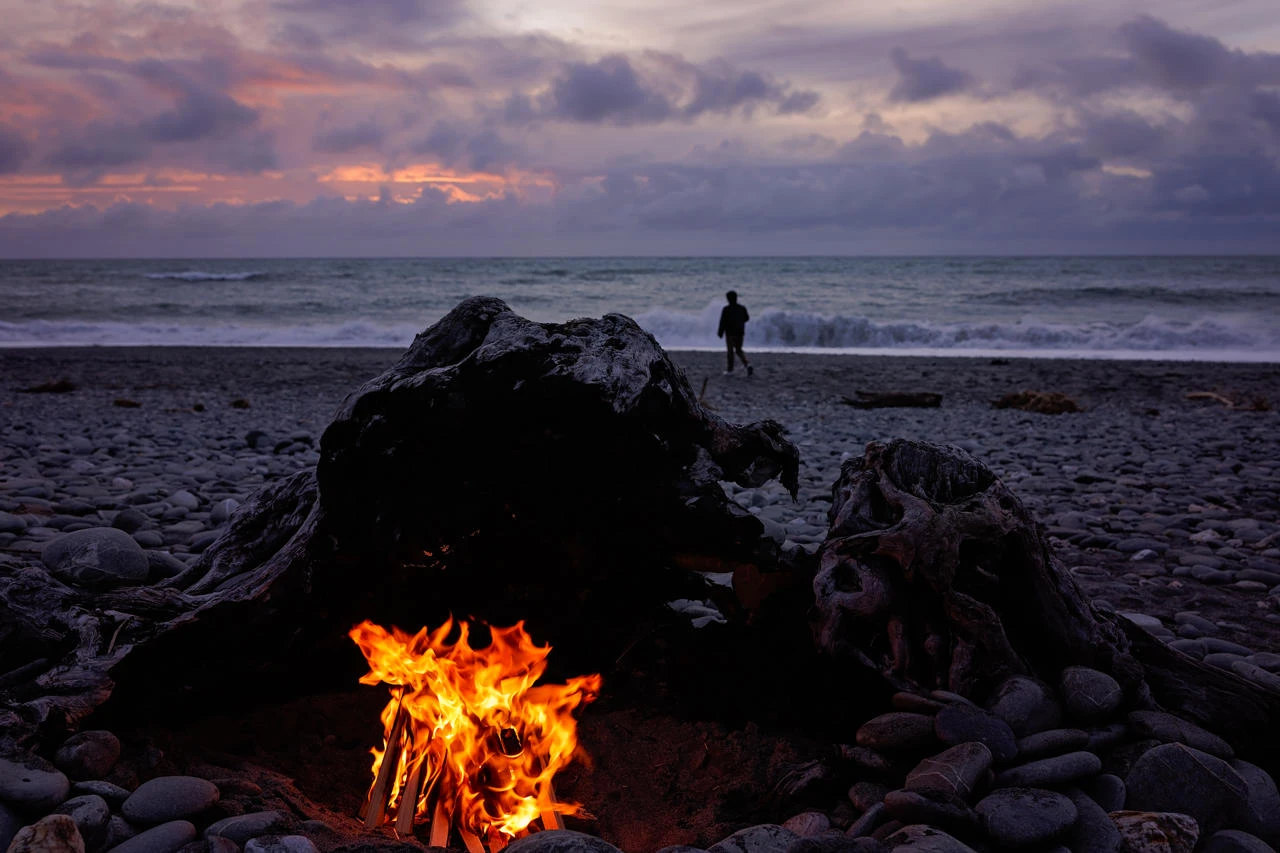
From Fox Glacier, a gravel road leads to Gillespies Beach, an old gold mining site on the wild coast. A walk along the beach leads to a seal colony, and on clear evenings the sunset over the Tasman Sea is spectacular.
The Rainy-Day Plan
Rain in Glacier Country is not a disaster. In fact, it brings out a different side of the region. The waterfalls swell, the forest glows green and the mist hangs in the valleys. These are the best things to do in Franz Josef when it rains, along with other wet-weather ideas along the Glacier Highway.
Glacier Valley Walks
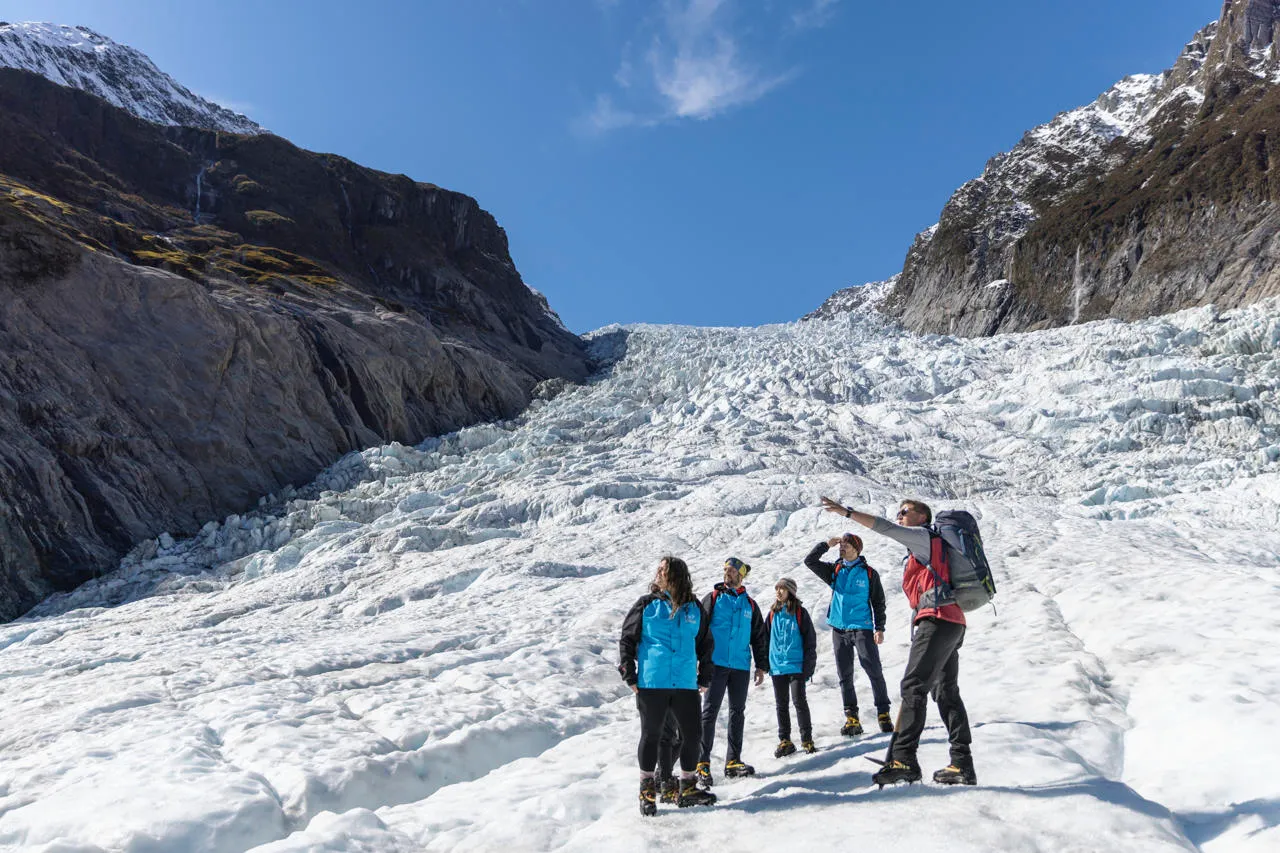
The valley walks to Franz Josef and Fox glaciers are still worth doing in light rain. The Franz Josef valley walk is about 4 km return and takes around 90 minutes. It follows the Waiho River through a rocky valley to a viewpoint near the glacier face. Waterfalls tumble down the cliffs on both sides, and they are at their best after rain.
River levels can rise quickly in heavy rain, and tracks sometimes close. Check with the Department of Conservation visitor centre before you go, especially at Fox Glacier, where the walking routes have changed over the years.
Franz Josef Glacier Hot Pools
Few things feel better on a rainy day than a soak in hot water surrounded by rainforest. The Franz Josef Glacier Hot Pools sit in the bush just off the main street. Listening to the rain fall while you relax in the warm pools is a West Coast experience in itself.
Meet the Rarest Kiwi
The West Coast Wildlife Centre in Franz Josef works to protect two rare kiwi species, the rowi and the Haast tokoeka. The rowi is the rarest kiwi in New Zealand and lives only in the forest near Okarito. Indoor displays and a nocturnal house let you see these birds whatever the weather. Learn more in our guide to New Zealand birds.
Carve Your Own Pounamu in Hokitika
Hokitika is the home of pounamu, the treasured New Zealand greenstone. Several local carvers run workshops where you can shape your own pendant. It is a perfect indoor activity, and you go home with a meaningful souvenir. Afterwards, browse the galleries and craft shops in town.
Gold Rush History in Ross
The small town of Ross was once a busy gold rush settlement. In 1909, miners here found the largest gold nugget ever discovered in New Zealand, known as the Honourable Roddy. Visit the heritage area, see the old miner’s cottage and try gold panning in the creek.
The West Coast Treetop Walk
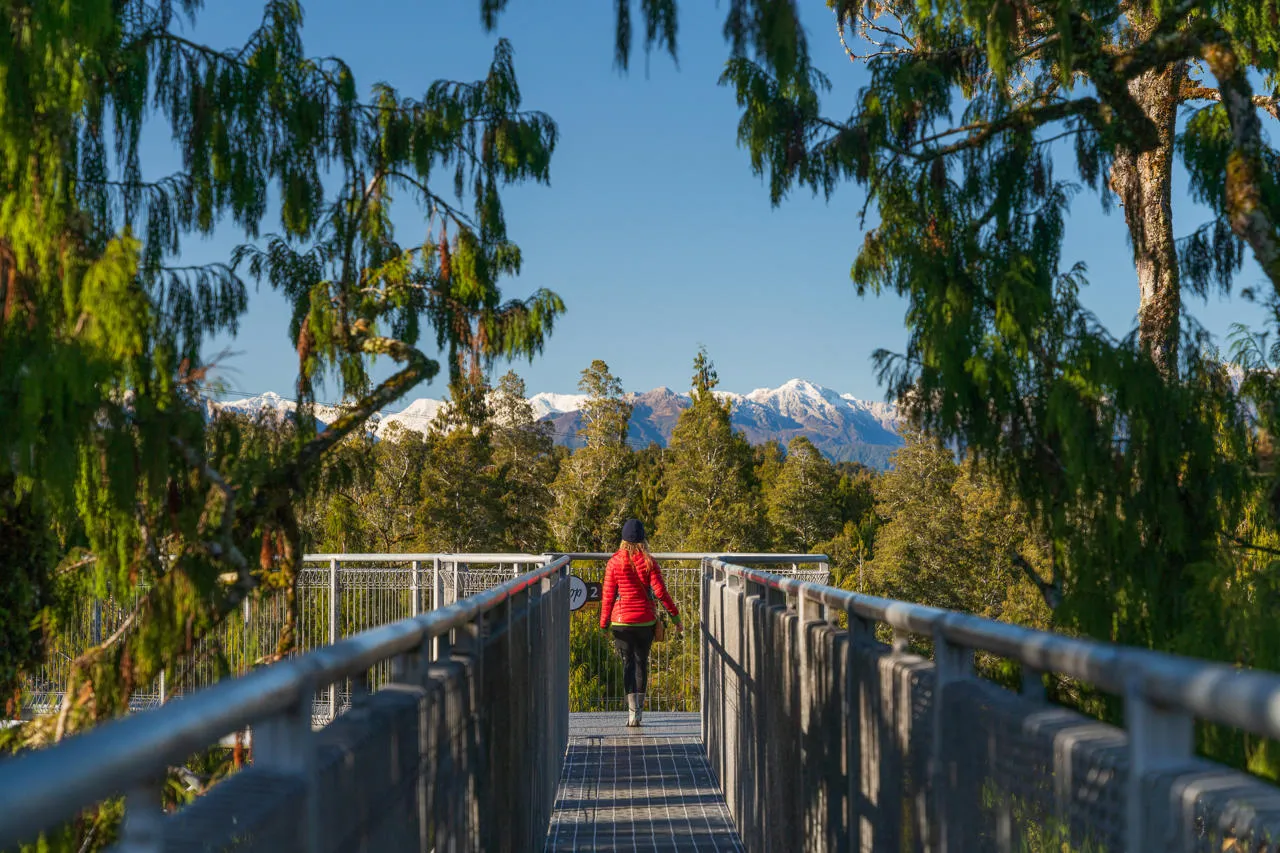
Near Hokitika, the West Coast Treetop Walk takes you high into the rainforest canopy on a steel walkway. The forest canopy offers some shelter from light rain, and the misty bush looks especially atmospheric. There is also a tall tower for wider views and a café at the entrance.
A Seasonal Bonus: White Herons at Whataroa
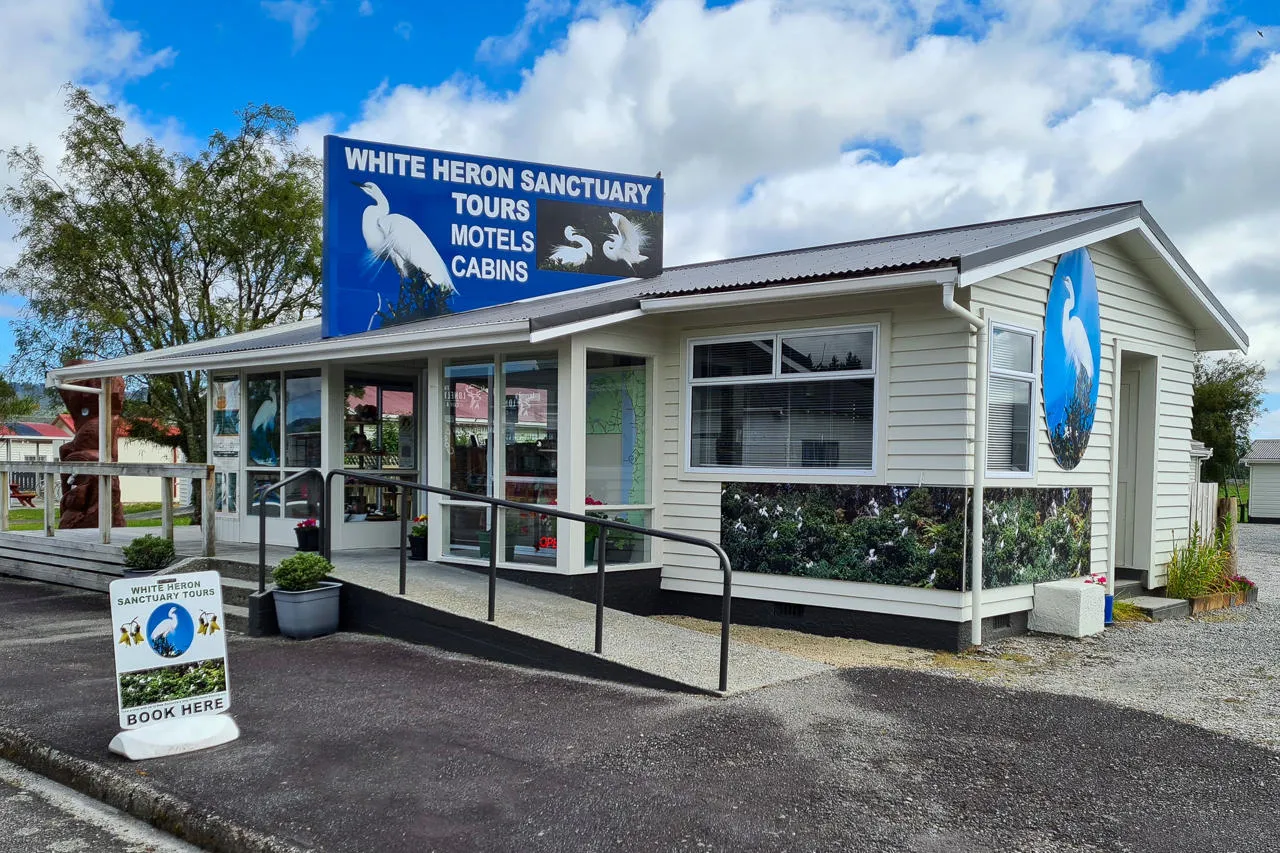
Between late spring and summer, take a tour from Whataroa to see the kōtuku, or white heron. The colony near Whataroa is the only nesting site for these birds in New Zealand. Tours travel by jet boat and short bush walk to a hide overlooking the nests. It runs in most weather, so it suits either plan.
Planning Tips for Your Glacier Highway Trip
- Fuel up in the towns. Hokitika, Harihari, Whataroa, Franz Josef and Fox Glacier have fuel, but there are long gaps between them.
- Bring insect repellent. Sandflies are common on the West Coast, especially near rivers and beaches.
- Book flexible flights. Choose operators that let you move your flight if the weather turns.
- Check the road. Heavy rain can sometimes close sections of State Highway 6, including bridges near the glaciers.
- Pack layers. Temperatures can change fast, so bring a warm layer and a good rain jacket.
Read our guide to driving in New Zealand for more road tips. For more ideas in the region, see our West Coast activities page.
Best Time to Visit Glacier Country
Many people are surprised to learn that winter can be a great time to visit. The weather is often clearer and more settled, and the mountains are covered in fresh snow. Summer brings the most visitors and long daylight hours, but it can also be wetter. Spring and autumn offer a good balance, with fewer crowds and changeable but often beautiful weather.
Whatever the season, give yourself time. The longer you stay, the better your chances of a perfect clear day.
Final Thoughts
The Glacier Highway rewards travellers who stay flexible. On a clear day you can walk on ancient ice, watch mountains reflect in a mirror lake and fly over the Southern Alps. On a wet day you can soak in rainforest hot pools, meet the rarest kiwi and carve your own greenstone. Either way, Glacier Country delivers. Add it to a South Island road trip on the West Coast by campervan and give the weather time to work in your favour.
Frequently Asked Questions
How long is the Glacier Highway?
The Glacier Highway runs about 300 km from Kumara to Glacier Country. Driving it takes around four hours without stops.
Can you walk on Franz Josef Glacier?
Yes, but only on a guided heli-hike. The glacier has retreated, and you can no longer reach the ice safely from the valley floor.
What are the best things to do in Franz Josef when it rains?
Good options include the glacier valley walk in light rain, the Franz Josef Glacier Hot Pools and the West Coast Wildlife Centre.
Should I visit Franz Josef or Fox Glacier?
Both are worth seeing, and they are only about 30 minutes apart. Franz Josef has more activities and accommodation. Fox Glacier is close to Lake Matheson and Gillespies Beach.
When is the best time to see the glaciers?
Clear days can happen at any time of year. Winter often brings more settled weather, while summer has longer days and more tours running.
Are there sandflies on the Glacier Highway?
Yes. Sandflies are common on the West Coast, so bring insect repellent and cover up at dawn and dusk.