
New Zealand North Island vs South Island: Which Is Right for You?
Every first-time visitor asks the same thing. Should you spend your time on the North Island or the South Island? It’s a fair question, because New Zealand is bigger than it looks on a map. The North Island vs South Island decision shapes what you see, how far you drive, and even what you pack.
There’s no wrong answer, but there is usually a better one for your dates and travel style. We compare the two islands side by side below. Then we help you choose by season, time and traveller type. We also cover the Cook Strait ferry and how to do both if you can.
The Short Answer
Here’s the quick version. Choose the North Island if you want warm beaches, geothermal pools, Māori culture and good city food. Choose the South Island if you want big mountains, glaciers, fiords and some of the most dramatic drives anywhere. Have two weeks or more? Do both.
The bigger mistake is trying to squeeze both islands into one week. You would spend more hours in the car than on the beach or the trail. If you only have seven to ten days, pick one island and see it properly. You can always come back for the other.
North Island vs South Island at a Glance
A few numbers make the contrast clearer.
| Feature | North Island | South Island |
|---|---|---|
| Land area | 113,729 km² (about 43% of the country) | Larger, at roughly 150,000 km² |
| People | About 4 million (around 77%) | About 1.2 million (around 23%) |
| Biggest city | Auckland, about 1.5 million | Christchurch, about 385,000 |
| Highest peak | Mt Ruapehu, 2,797 m | Aoraki / Mt Cook, 3,724 m |
| National parks | 3 | 10 (including Rakiura on Stewart Island) |
| Great Walks | 3 | 7 (including the Rakiura Track) |
| Typical December day | Auckland 22°C, Kerikeri 23°C | Queenstown 22°C, Christchurch 21°C |
| Typical June day | Auckland 16°C, Kerikeri 16°C | Queenstown 9°C, Lake Tekapo 7°C |
So the South Island is bigger but much emptier. That is why it feels wilder, and why you can go a long way between towns. The North Island packs most of the people, the cities and the Māori communities into a smaller space.
Landscapes and Culture
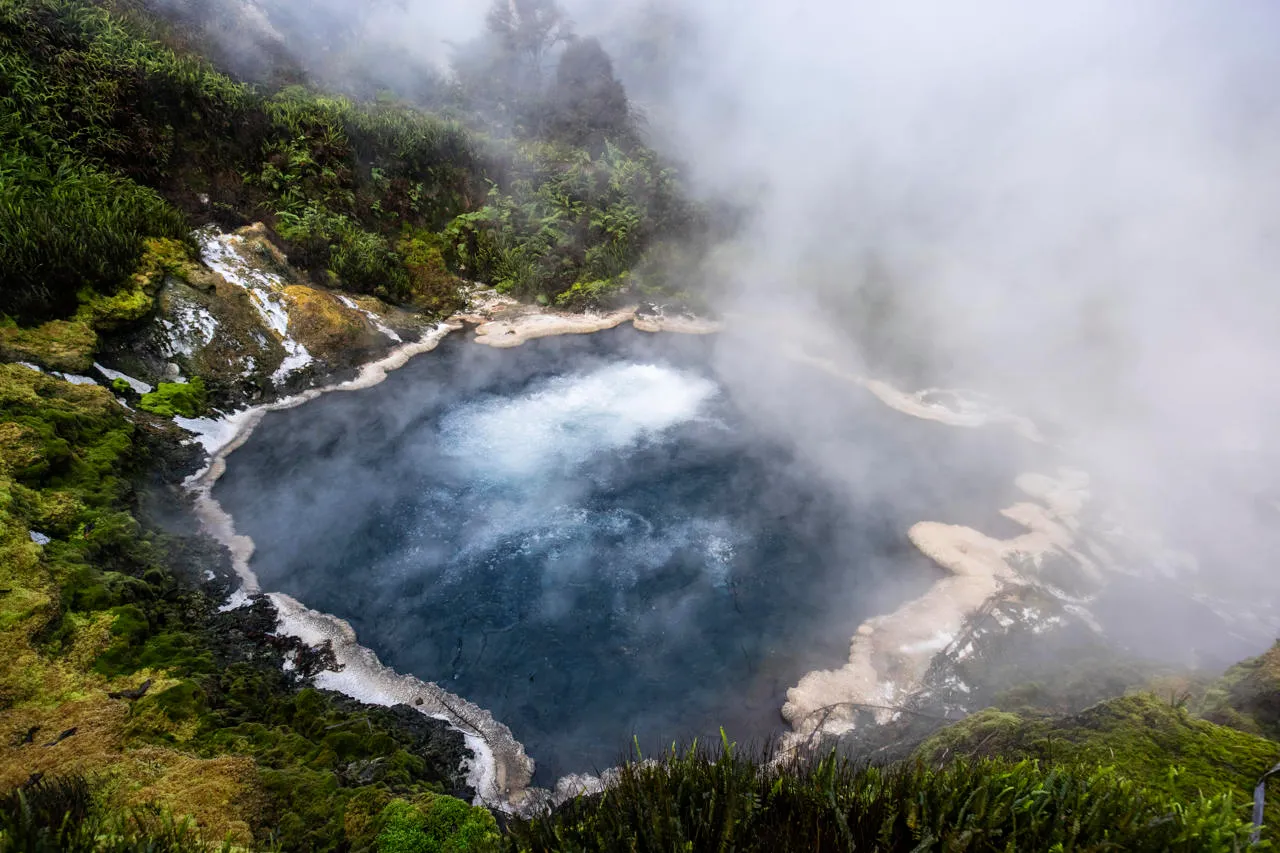
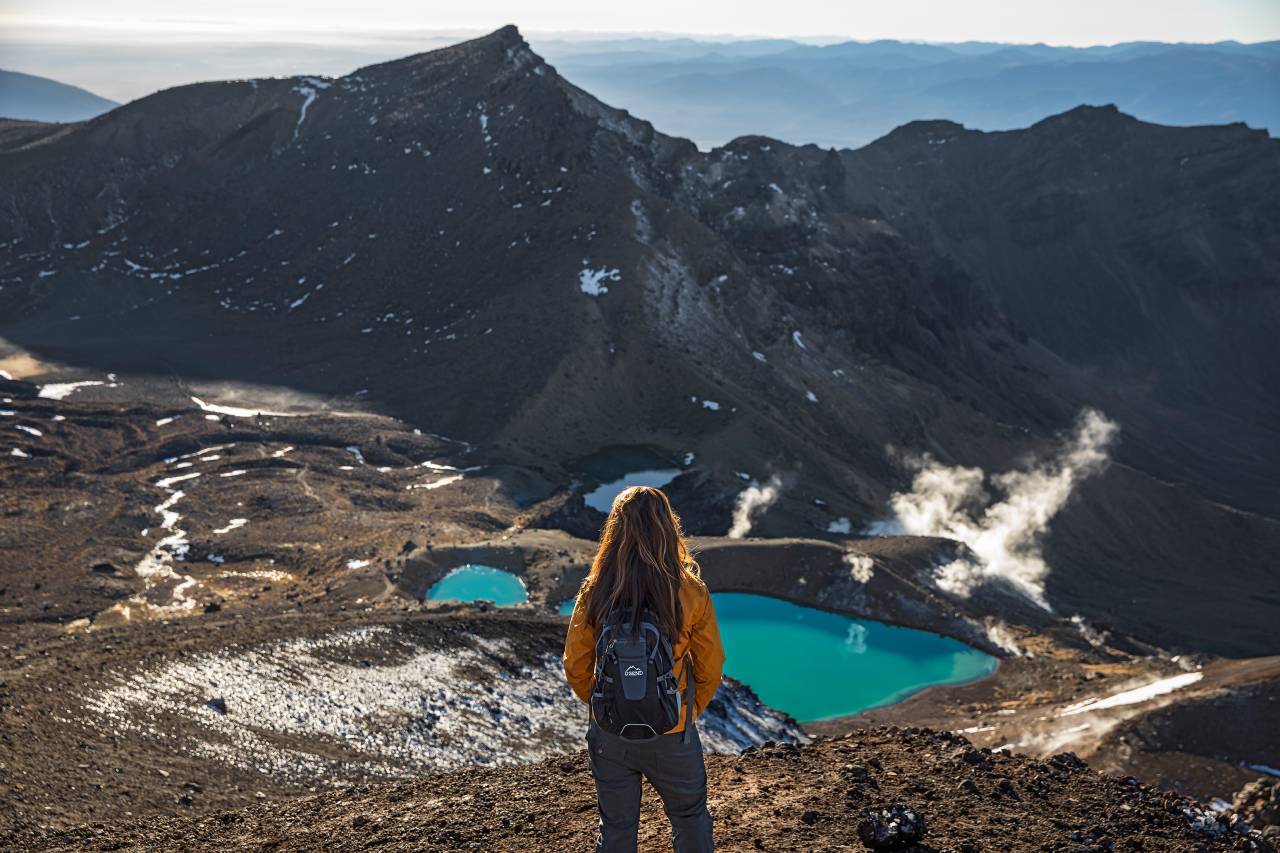
The North Island is volcanic, green and lived in. Rotorua steams and bubbles, Tongariro National Park has three active volcanoes, and the Bay of Islands and the Coromandel have the country’s easiest beaches. Waitomo’s glowworm caves and the Hobbiton Movie Set sit within a few hours of Auckland. Wellington, meanwhile, is compact, creative and very good at coffee.
Culture is a big part of the North Island too. Most Māori live here, and Rotorua is the easiest place to join a hangi, a performance or a guided visit. Our Rotorua activities page is a good place to start.
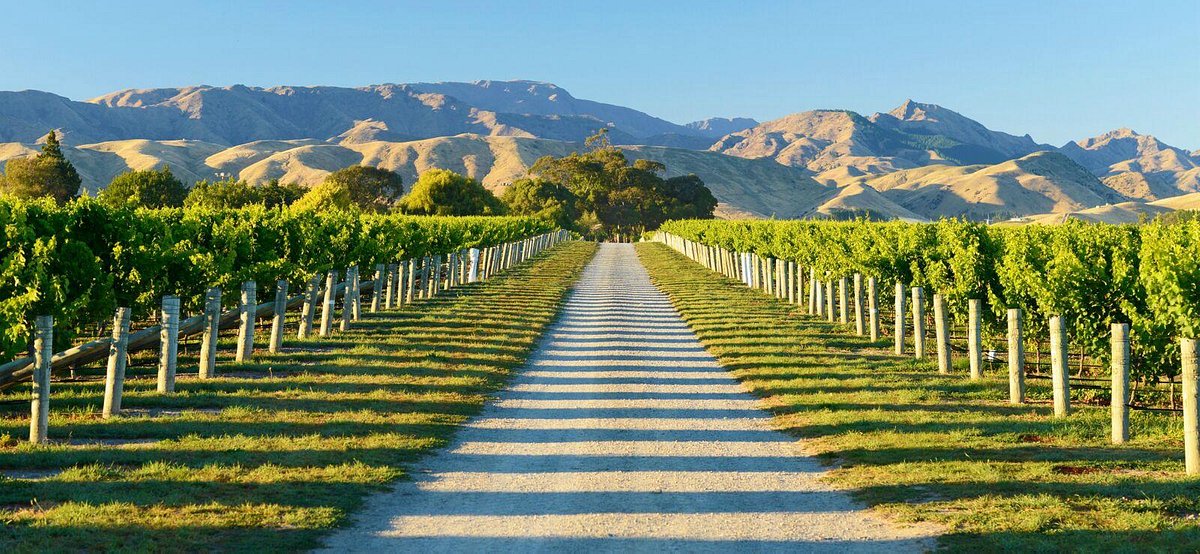
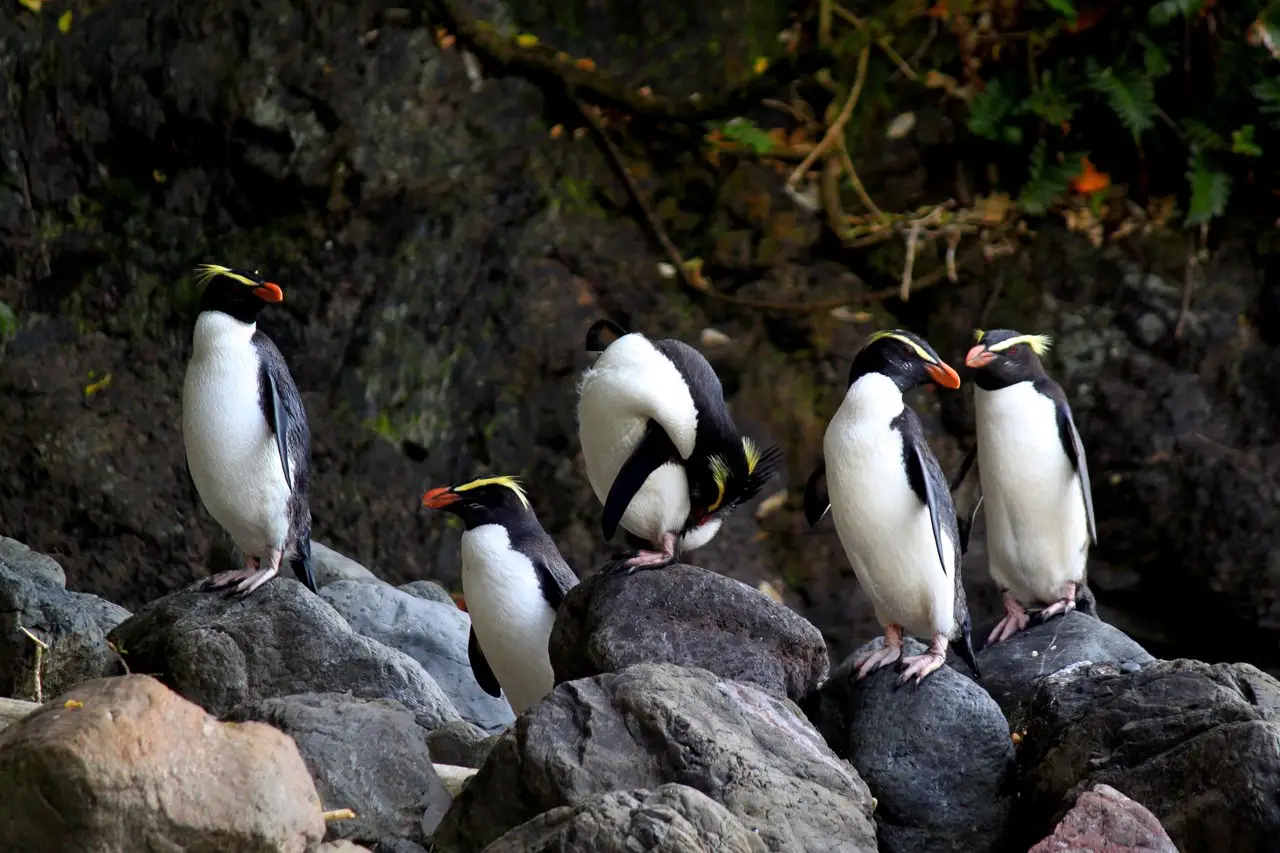
The South Island is where the postcard peaks are. Aoraki / Mt Cook and the Southern Alps run down the middle, glaciers reach into rainforest on the West Coast, and Milford Sound is the headline act in Fiordland. Lake Tekapo has some of the clearest night skies in the country, and Queenstown is the adventure capital. Marlborough produces most of New Zealand’s wine, and Kaikōura and Dunedin are great for whales and wildlife.
For ideas on both, see our guides to the best North Island attractions and the best South Island attractions.
North Island vs South Island: Weather and Seasons
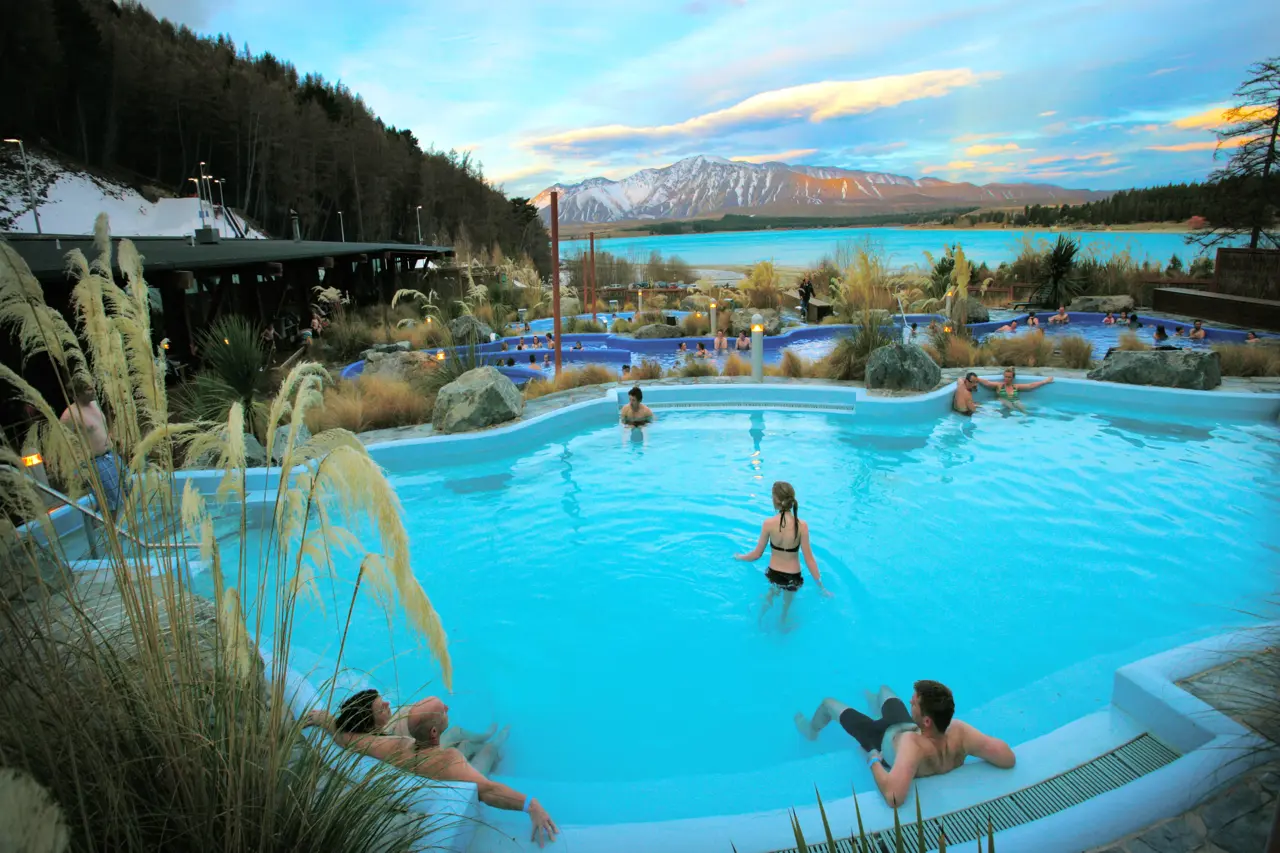
The north is warmer, but the gap depends on the season. In an average December, a day reaches 23°C in Kerikeri and 22°C in Auckland. Queenstown matches that at 22°C, yet its nights drop to 10°C against Auckland’s 15°C. By June, the difference is stark. Kerikeri still reaches 16°C, while Queenstown manages 9°C and falls to 1°C at night.
Rain is the other big gap. The Southern Alps split the South Island in two. Christchurch gets about 47 mm in an average December, while Franz Josef collects about 594 mm and Milford Sound about 585 mm. Both islands have wet and dry corners, so check the region as well as the island.
Here is how the seasons break down:
- Summer (December to February): Either island works. The north has the best beach weather, and the south has very long days. Both are busy, so book early.
- Autumn (March to May): The north is still warm, with Auckland reaching about 23°C in March. In the south, autumn colour around Queenstown and Arrowtown usually peaks in April.
- Winter (June to August): The north stays mild, and the South Island is the better pick for skiing. Mt Ruapehu in the north has ski fields too.
- Spring (September to November): It is windy and changeable everywhere. The lupins bloom in the Mackenzie Basin from mid-November, and the north warms up first.
For month-by-month detail, read our weather and climate guide and our advice on the best time to visit New Zealand. If winter sports are your goal, our best ski resorts page covers both islands.
How Much Time Do You Have?
Time matters more than anything else on this list. Roads wind, views make you stop, and distances are longer than they look. A rough guide:
- Under a week: Pick a region, not an island. Auckland with the Bay of Islands works well. So does Queenstown with a day at Milford Sound.
- 7 to 10 days: Stick to one island. Our 9 Day South Island Self Drive Tour is a good model.
- Two weeks: You can see both islands at a brisk pace. Our 2 week New Zealand itinerary shows how.
- Three weeks: You can take the North Island slowly, using our 3 week North Island itinerary.
- Four weeks: The South Island rewards a long stay, and our 4 week South Island itinerary covers it in detail.
Driving and Getting Around

New Zealand distances catch people out. Auckland to Wellington is roughly 640 km, which is a long day or a comfortable two. Picton to Christchurch is about 335 km, and Christchurch to Queenstown is about 485 km. Queenstown to Milford Sound is around 290 km each way, so many people join a coach tour instead. Sat-nav times are often optimistic, so add time for photo stops.
You drive on the left, and many roads are narrow and winding. Our driving in New Zealand guide explains the rules. You can also compare car rental with campervan hire before you decide.
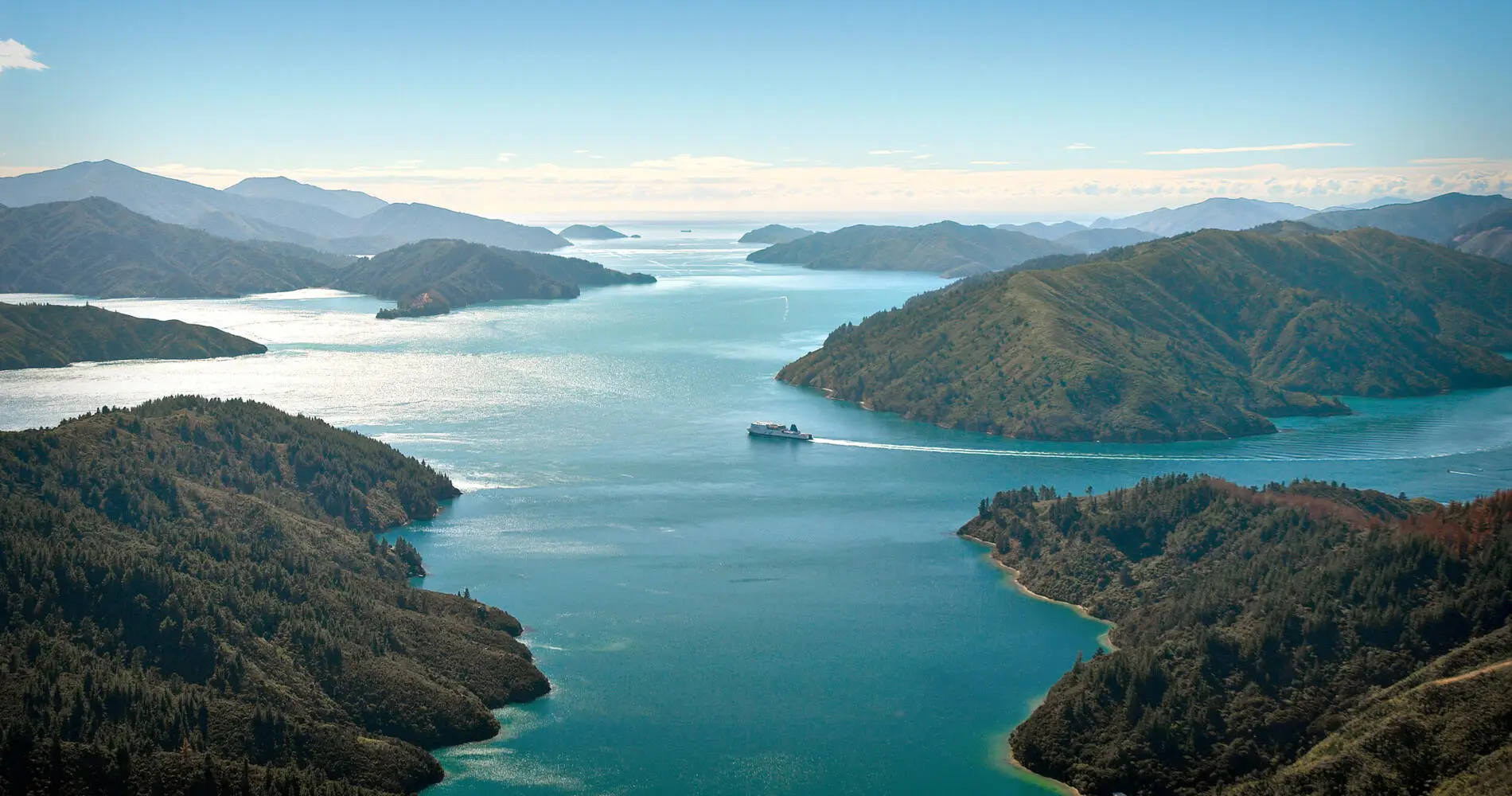
To cross between islands, you take the Cook Strait ferry from Wellington to Picton. It covers about 92 km and takes roughly 3.5 hours. Two companies run it, Interislander and Bluebridge. Rough seas can cause cancellations. In March 2026, for instance, two sailings were cancelled in a southerly gale. You can also fly, and many travellers do. See our local transportation page for options.
North Island vs South Island by Traveller Type
Your own style can settle the question faster than any comparison chart.
- First-timers: The South Island is the classic first choice for scenery. But if you dislike long drives, the North Island’s compact highlights are easier.
- Families: The North Island has gentle beaches, geothermal parks and glowworm caves. Browse our activities for children for ideas.
- Couples and honeymooners: Both islands deliver. Our honeymoon packages mix the two.
- Hikers: The South Island has seven of the ten Great Walks, but Tongariro in the north is superb. See our best hikes in New Zealand.
- Food and wine lovers: Marlborough leads in the south and Hawke’s Bay in the north. Try our wine tours.
- Film fans: Hobbiton is in the north, and the south has Middle-earth scenery around Queenstown. Our Lord of the Rings tours cover both.
- Travellers who prefer a relaxed pace: A guided or coach tour removes the driving. Have a look at our tours for seniors.
Can You Do Both?
Yes, and most people with the time should. The trick is to avoid backtracking. Fly into Auckland and out of Christchurch, or the other way round, and travel one way. Our 20 Day New Zealand Self Drive Tour: Nature & Wildlife Experience does exactly that, running from Christchurch to Auckland. You can also browse our tours covering both islands.
North Island vs South Island FAQs
Which island is better for first-time visitors?
It depends on your time and taste. With ten days or fewer, many first-timers pick the South Island for its mountains and fiords. But the North Island is easier on the driving, and it is warmer for much of the year.
Is the South Island better than the North Island?
Not really. They are different. The South Island has the bigger scenery, while the North Island has more culture, more beaches and more warmth. Most visitors enjoy both.
Which island is warmer?
The North Island, especially the far north. Kerikeri reaches 16°C in an average June, compared with 9°C in Queenstown. In summer, the gap narrows, though nights stay cooler in the south.
Can I see both islands in one week?
You can, but we wouldn’t. Between the ferry and the long drives, you’d spend much of the week in transit. Choose one island or one region instead.
Is the Cook Strait ferry worth it?
Yes, if the weather is kind. The crossing takes about 3.5 hours and passes through the Marlborough Sounds. Leave a flexible day on either side in case of cancellations.
Which island is best in winter?
The North Island is milder, so it suits sightseeing. The South Island is better for skiing and snow sports, though alpine roads can close.
Plan Your Trip With Us
Still undecided? Browse our North Island tours and South Island tours, or read how to choose a tour category. If you would rather have a plan built around you, ask for a custom tour. Tell us your dates and your interests, and we’ll help you settle the North Island vs South Island question for good.