
Mount Maunganui Beach: The Bay of Plenty’s Coastal Favourite
Mount Maunganui Beach sits on a narrow peninsula at the edge of Tauranga Harbour. An extinct volcanic cone, which locals simply call “the Mount,” backs the whole stretch. TripAdvisor has named it New Zealand’s number-one beach. It regularly ranks among the top 25 beaches in the world. Long, white sand stretches along the open coast. A much calmer harbour beach sits just a short walk away, on the other side of the peninsula.
This guide covers the beach itself, the mountain that gives it its name, and everything else worth building into a Bay of Plenty visit.
Quick facts:
- Location: Mount Maunganui, on a peninsula across the harbour from Tauranga
- Distance from Auckland: roughly 2 hours 45 minutes by road
- Two beaches, one peninsula: Main Beach (ocean side) and Pilot Bay (harbour side)
- Mauao height: 232 metres above sea level
- Best known for: surfing, swimming, and the summit walk up Mauao
Mount Maunganui Beach: New Zealand’s Top-Rated Coastline
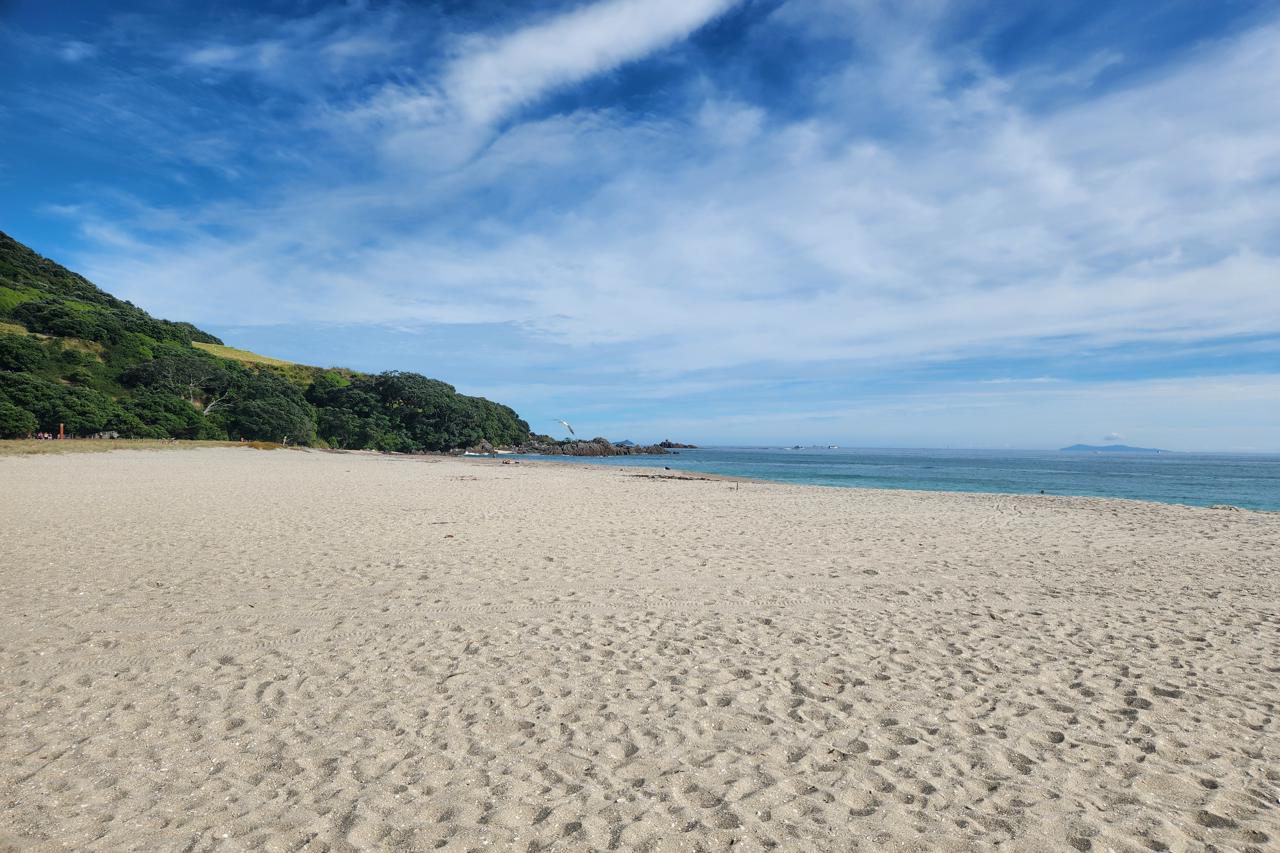
Mount Maunganui Beach, often called Main Beach by locals, runs along the ocean side of the peninsula. Long stretches of white sand meet rolling Pacific surf. The beach draws swimmers, surfers, and paddleboarders throughout the warmer months. Surf Life Saving New Zealand patrols the beach during summer. Swimming between the flags is the safest way to enjoy it, since rips can form without much warning.
A few details help explain the beach’s reputation:
- Bayfair Shopping Centre and a lively café strip sit just back from the sand, making it easy to combine a beach day with food and shopping
- The beach can host over 20,000 visitors during the busy New Year period
- Surf conditions here are considered some of the most consistent in the North Island, drawing both beginners and experienced surfers
Because the beach faces the open Pacific, conditions can shift quickly. Checking the surf report before swimming is a good habit, especially outside the patrolled summer season.
Mauao: The Mountain Behind the Beach
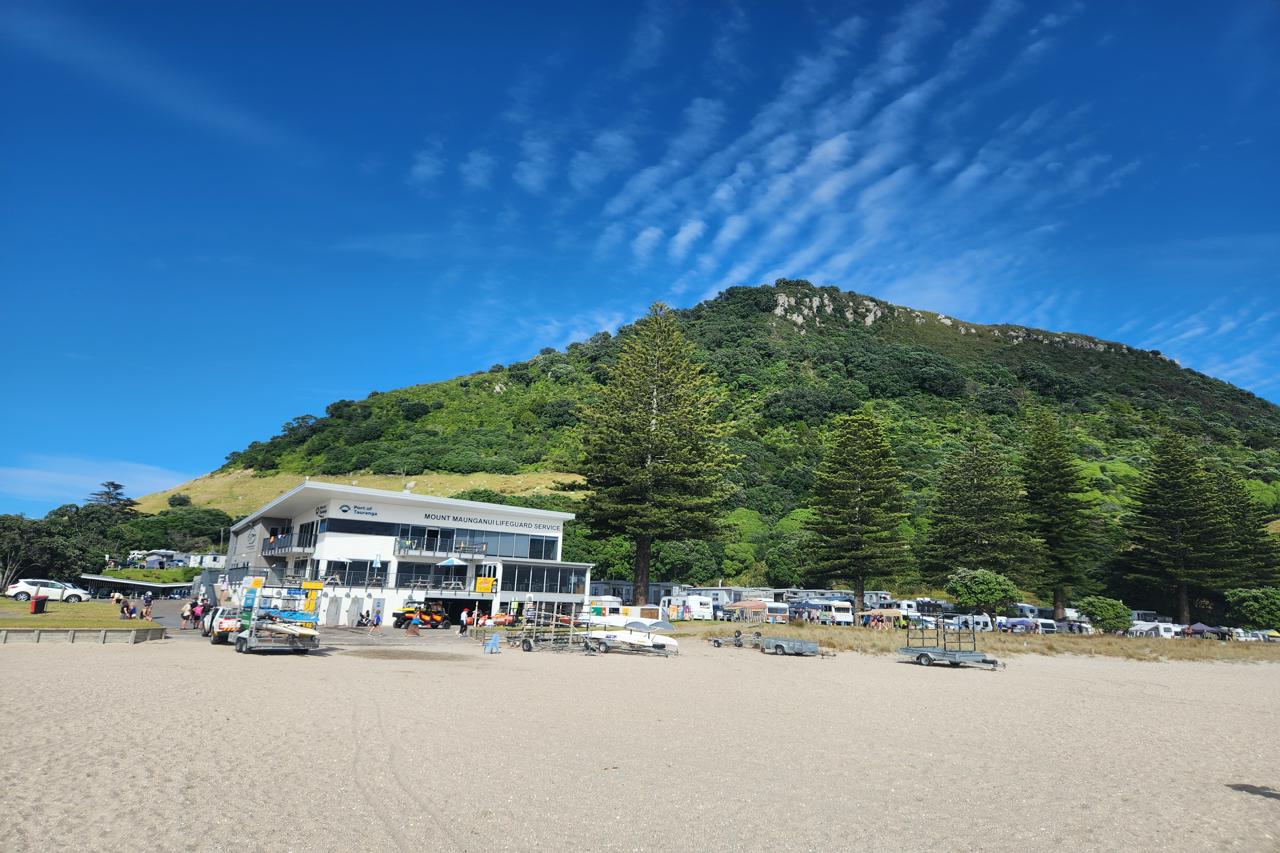
Mauao gives Mount Maunganui its name and its most recognisable landmark. The extinct volcanic cone rises 232 metres above the peninsula. Rhyolite lava formed it roughly two to three million years ago. In Māori tradition, the name Mauao means “caught by the morning sun.” The name refers to a legend involving a mountain that could not move on its own, until the tide carried it into place.
Mauao is one of the most photographed spots in the Bay of Plenty. Normally, three walking options let visitors experience it. The base track circles the mountain at sea level in about 45 minutes. A steeper summit track climbs to the top for sweeping 360-degree views. A separate 4WD track called Te Ara Motukauri also winds around the upper slopes.
However, a serious event has affected access recently. In January 2026, extreme rainfall triggered landslides across Mauao. A slip at the Mount Maunganui Beachside Holiday Park, near the base of the mountain, tragically killed six people. Tauranga City Council has since worked through a staged recovery. The summit’s 4WD track repairs were completed by mid-2026, while the base track remains closed as recovery work continues. The situation is still developing. Because of this, it’s worth checking the Tauranga City Council website for the latest access updates before planning a hike up Mauao. The beach itself remains a separate, unaffected part of the peninsula.
Pilot Bay: The Calmer Side of the Peninsula
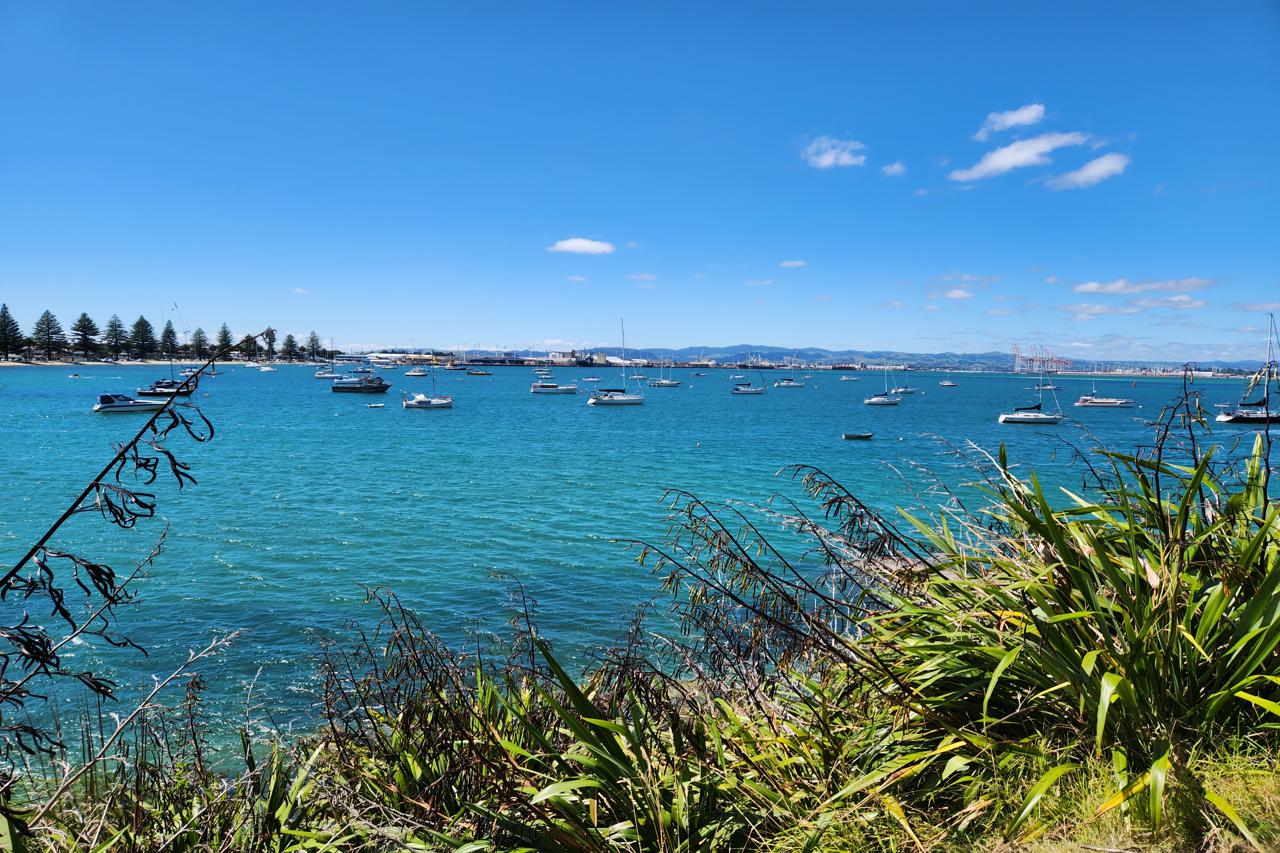
On the harbour side of the same peninsula sits Pilot Bay. This sheltered stretch of water offers a very different experience from the open surf of Main Beach. It faces into Tauranga Harbour rather than the open ocean. Because of this, Pilot Bay stays calm even when the ocean side gets rough.
A few things make Pilot Bay worth adding to a Mount Maunganui visit:
- Its still water suits paddleboarding, swimming, and simply relaxing without the current or swell found on the ocean side
- The bay sits along a tombolo, a sand bar formation that connects Mauao to the mainland
- Locals often head here in the evening for fish and chips and a sunset view across the harbour
Pilot Bay and Main Beach sit close together. Because of this, most visitors experience both in the same day, choosing whichever suits the conditions or their mood.
Mount Hot Pools: A Warm-Water Finish to the Day
After a day in the surf, many visitors head to the Mount Hot Pools. This saltwater bathing complex sits at the base of the mountain and offers both public pools and private spa options. The pools draw on geothermal water. They have long been one of the peninsula’s signature attractions, popular with locals and travelers alike after a walk or swim.
The complex sits close to the area affected by the January 2026 landslide. Because of this, it’s worth checking current opening status alongside any Mauao track updates before visiting.
Tauranga: The City Across the Harbour
Mount Maunganui itself was once a separate town from Tauranga. The two joined only after the Tauranga Harbour Bridge opened in 1988. Today, the two feel like one connected destination, and most Bay of Plenty itineraries treat them as a single stop.
Tauranga offers a livelier, more urban contrast to the beachside feel of the Mount, with harbourside dining, shopping, and nightlife. Our Tauranga & Mount Maunganui tours guide rounds up activities across both. It includes white-water rafting on the Wairoa River and blokarting at nearby Papamoa. For a broader look at the wider region, our Bay of Plenty things to do guide covers the coastline beyond Tauranga itself.
Papamoa Beach: A Quieter Stretch Further East
A short drive from Mount Maunganui, Papamoa Beach offers a longer, less crowded alternative along the same coastline. The beach is popular for blokarting on a purpose-built track. It also suits swimming, surfing, and long beach walks away from the busier central strip near the Mount.
Papamoa sits far enough from central Mount Maunganui to feel like its own destination. Because of this, it’s a good option for travelers seeking a quieter beach day, without giving up the region’s warm water and reliable summer weather.
Comparing the Bay of Plenty’s Main Beaches
| Beach | Character | Best For |
| Mount Maunganui Beach (Main Beach) | Open ocean, consistent surf | Surfing, swimming, people-watching |
| Pilot Bay | Sheltered harbour water | Paddleboarding, calm swimming, sunset views |
| Papamoa Beach | Longer, quieter stretch | Blokarting, long walks, escaping the crowds |
| Ōhope Beach | Sheltered, calm | Families, sandcastles, gentle swimming |
Mount Maunganui Things to Do Beyond the Sand
Beyond the beaches themselves, there’s plenty to fill a longer Bay of Plenty stay:
- Mauao walks: once tracks reopen, the base and summit routes remain some of the region’s most popular activities
- White-water rafting: the Wairoa River offers a genuine adrenaline option a short drive from the coast
- Surf lessons: several operators teach beginners directly on Main Beach
- Marine wildlife tours: boat trips from the harbour offer chances to see dolphins and other marine life offshore
If you’re weighing up other New Zealand beaches alongside this one, our best beaches in New Zealand guide rounds up the wider country’s coastline. Our recent top New Zealand beaches roundup also features Mount Maunganui among its standout North Island picks.
Bay of Plenty Beaches: The Wider Coastline
Mount Maunganui and Papamoa are just two of many Bay of Plenty beaches worth exploring. Ōhope Beach offers calmer, more sheltered water further along the coast, while the wider region stretches toward Whakatāne and beyond. The whole coastline shares a similarly mild climate. Because of this, it’s easy to combine several stops into a single road trip.
Planning Your Trip
Mount Maunganui sits close enough to Auckland and Rotorua to fit naturally into a wider North Island route. A North Island self-drive tour can weave the Bay of Plenty into a longer itinerary alongside Rotorua and the Coromandel. Alternatively, our customizable New Zealand vacation packages can shape a trip entirely around your own interests. You can also add Mount Maunganui directly to your custom vacation package wishlist.
When to Visit
Conditions at Mount Maunganui Beach shift with the seasons:
- Summer (December-February): the busiest period, with lifeguards patrolling and the warmest swimming conditions
- Autumn and spring: quieter beaches and milder weather, still comfortable for walking and exploring
- Winter (June-August): cooler and less crowded, though surf conditions can still draw dedicated surfers
Given the current recovery work on Mauao, it’s worth checking official updates before visiting, regardless of season, if a mountain walk is part of your plan.
The Bay of Plenty’s Signature Stop
Most visitors come to Mount Maunganui Beach expecting a swim. They leave with a genuine appreciation for how much the peninsula packs into such a small area. A world-class ocean beach sits on one side. A calm harbour bay sits on the other. A landmark mountain rises between them.
You might be drawn here for the surf at Main Beach, the calm water at Pilot Bay, or simply the views once Mauao’s tracks reopen. Either way, this stretch of the Bay of Plenty remains one of the North Island’s most complete coastal stops.
Browse our Tauranga & Mount Maunganui tours or get in touch to start planning a trip built around Mount Maunganui Beach and the wider Bay of Plenty.