Visiting New Zealand in Spring: Your Complete Guide
Visiting New Zealand in spring is one of those travel decisions that tends to surprise people. September, October, and November sit in an odd spot in most travellers’ mental calendars – the peak summer crowd hasn’t arrived yet, the ski season is winding down, and the country quietly shifts into something genuinely lovely. Waterfalls are running hard from winter snowmelt. Wildflowers are out across the alpine zones. Lambs are in every paddock. And the prices? Noticeably better than December.
Spring in New Zealand is the shoulder season, and that phrase undersells it. Visiting New Zealand in spring is an entirely different experience.
What to Expect: New Zealand Spring Weather
Spring temperatures across New Zealand range from around 13°C to 18°C (55°F to 64°F) in September, warming steadily through to the low-to-mid 20s by November. The North Island warms faster – by late October, Auckland and the Bay of Plenty feel genuinely summery. The South Island takes a little longer, which is part of what makes it so good for hiking: cool, clear days with air sharp enough to notice.
Rain is more frequent in spring than in summer, particularly on the West Coast and in Fiordland. That’s not a reason to avoid those areas – quite the opposite. Milford Sound in the rain is an experience the summer postcard version can’t match. The waterfalls multiply. The drama goes up several notches.
Layers are essential. Spring weather in New Zealand changes its mind often, sometimes within the same afternoon. A light down jacket, a waterproof outer layer, and a hat will cover almost every situation.
For a full breakdown of what each month delivers, the Best Time to Visit New Zealand guide covers spring in detail alongside the other seasons.
Top New Zealand Spring Activities
1. Hiking Without the Summer Crowds
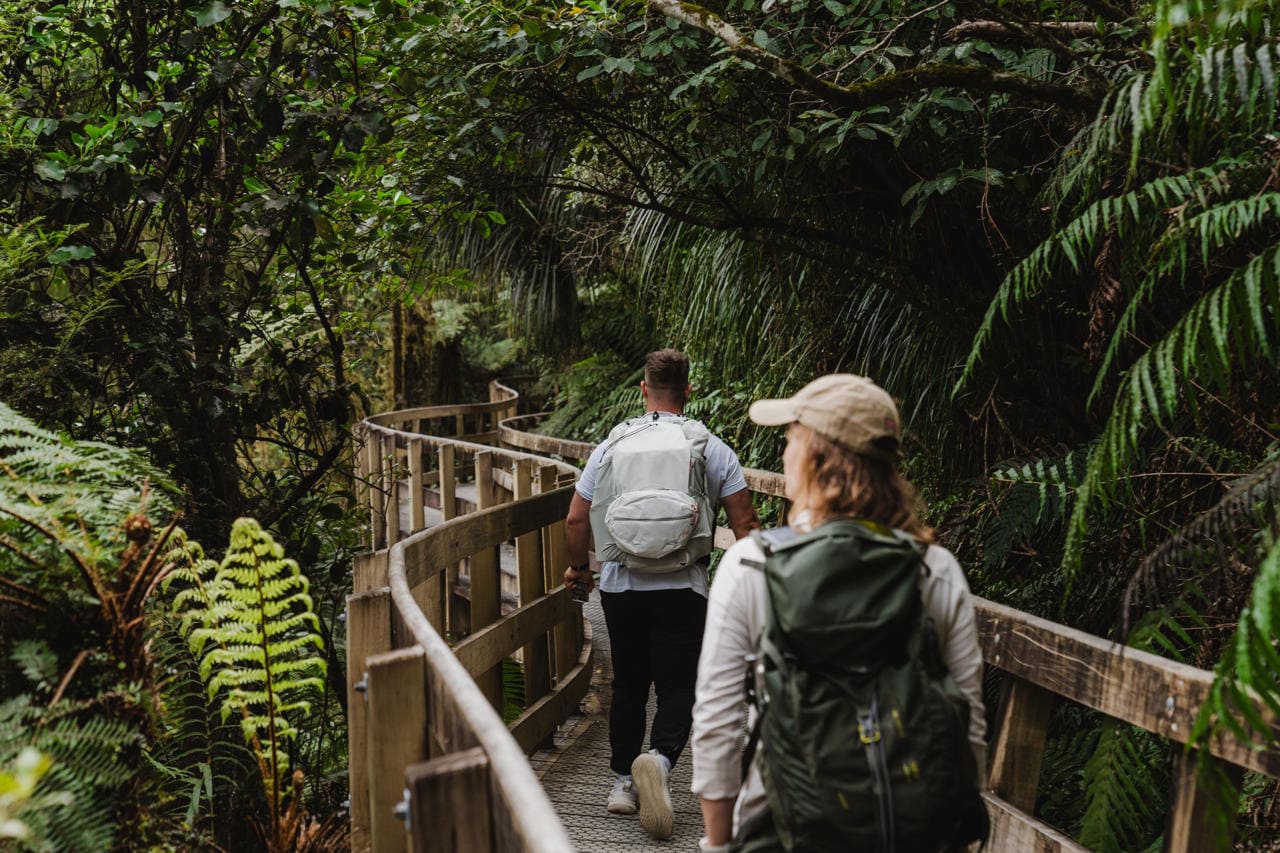
This is the real reason to consider visiting New Zealand in spring. The Great Walks open progressively through September and October, and for a brief window before the December surge, you can walk the Routeburn Track or the Abel Tasman Coast Track with far fewer people sharing the trail. Hut bookings are easier to secure. The pace feels less pressured.
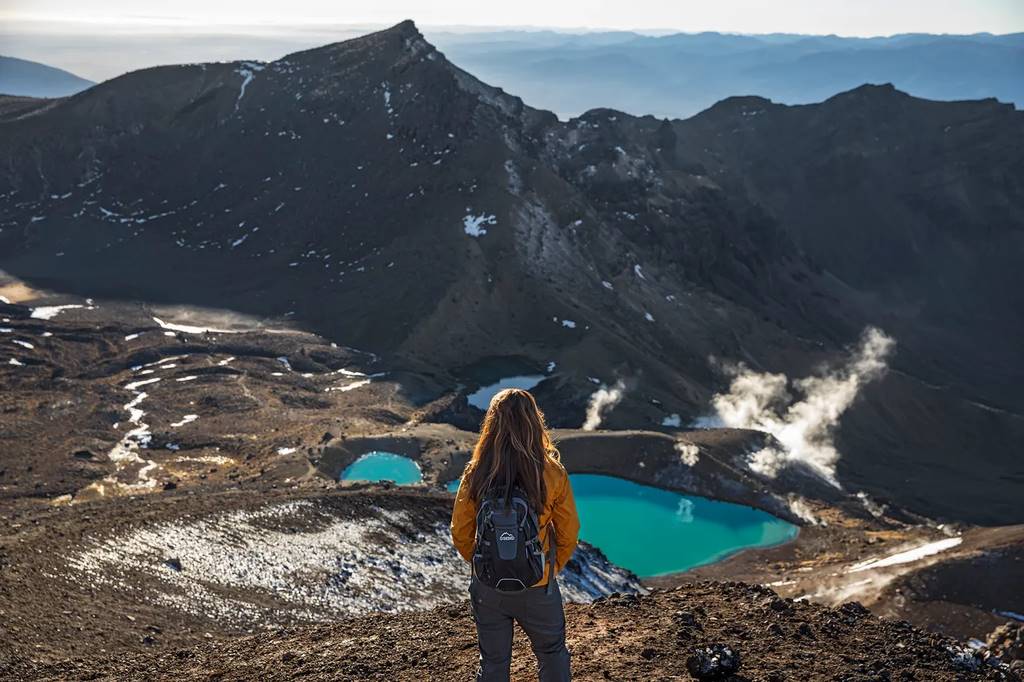
The Tongariro Alpine Crossing is stunning in spring, with snow still visible on the volcanic peaks and the crater lakes at their most vivid. Check trail conditions before you go – the alpine crossing can close at short notice in September if the weather turns – but on a clear spring day, it’s as good as the hike gets.
Our 22-Day New Zealand Hiking Tour runs in spring and covers the best trails across both islands. Prefer to move at your own pace? The 10-Day Scenic New Zealand Self-Drive Tour builds in time at the key hiking spots without locking you to a fixed schedule.
2. Wildlife Encounters

Spring is arguably the best season for wildlife in New Zealand. Full stop.
Kaikoura, on the South Island’s east coast, is at its most active. Sperm whales are present year-round, but spring brings humpbacks migrating north and dolphins in particularly large numbers. Seabirds are breeding, which means albatross, shearwaters, and petrels in concentrations that serious wildlife travellers travel specifically for. It’s not a coincidence that many wildlife operators consider September and October their favourite months.
On the Otago Peninsula near Dunedin, yellow-eyed penguins – one of the world’s rarest – are nesting, and the royal albatross colony at Taiaroa Head is genuinely active. Further north, Northland’s dolphin encounters are reliable from spring through autumn. New Zealand in spring, for wildlife, is a serious destination, not just a scenic backdrop.
3. Scenic Drives and Road Trips
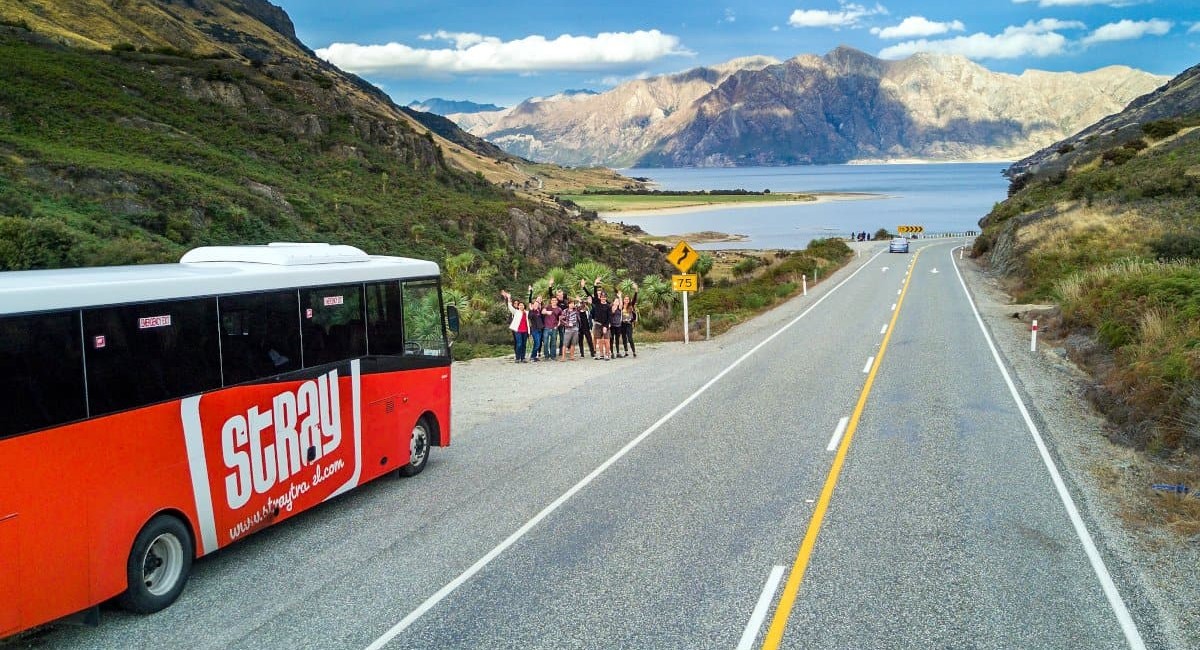
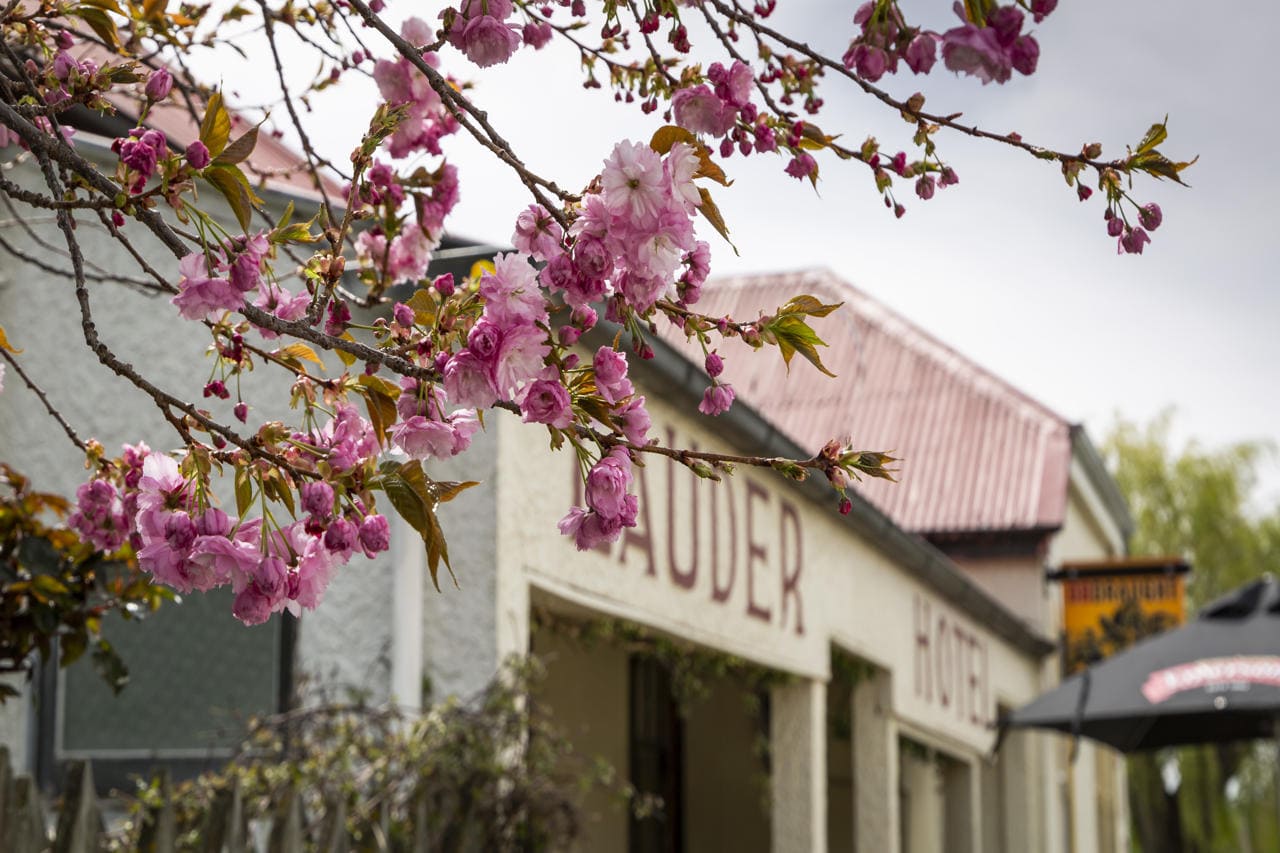
The light in spring is different from summer. Softer, longer shadows, a clarity to the air that comes from the clean westerly winds that roll in off the Tasman Sea. Driving through Central Otago in October, when the stone fruit orchards are blossoming, and the mountains still carry their winter snow, is one of those views that makes people put down their phones for a moment. Rare.
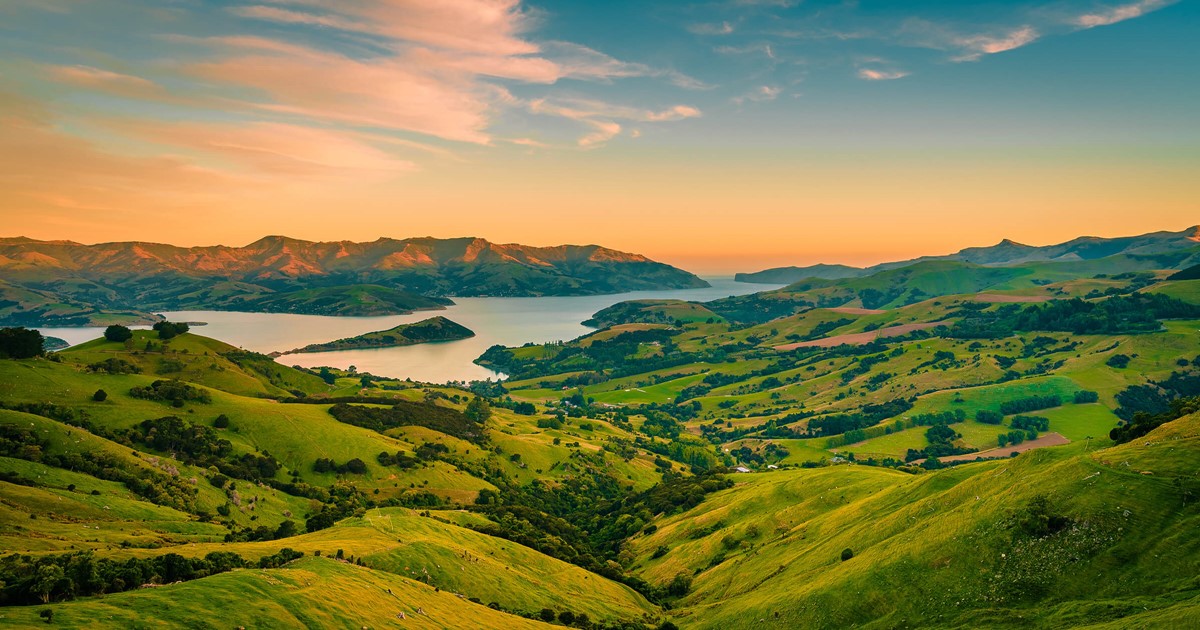
The South Island’s classic road trip spine – Christchurch to Queenstown via the Mackenzie Basin and Tekapo – is at its photogenic best in spring. So is the route from Nelson down the West Coast to the glaciers. Everything’s green in a way that the dry summer doesn’t always sustain.
Our 7-Day West Coast Wonder Self-Drive Tour runs this route through some of the best spring scenery in the country. For those who’d rather not drive, the New Zealand Independent Coach Tours cover the main scenic routes with transfers handled.
4. The Vineyards in Blossom
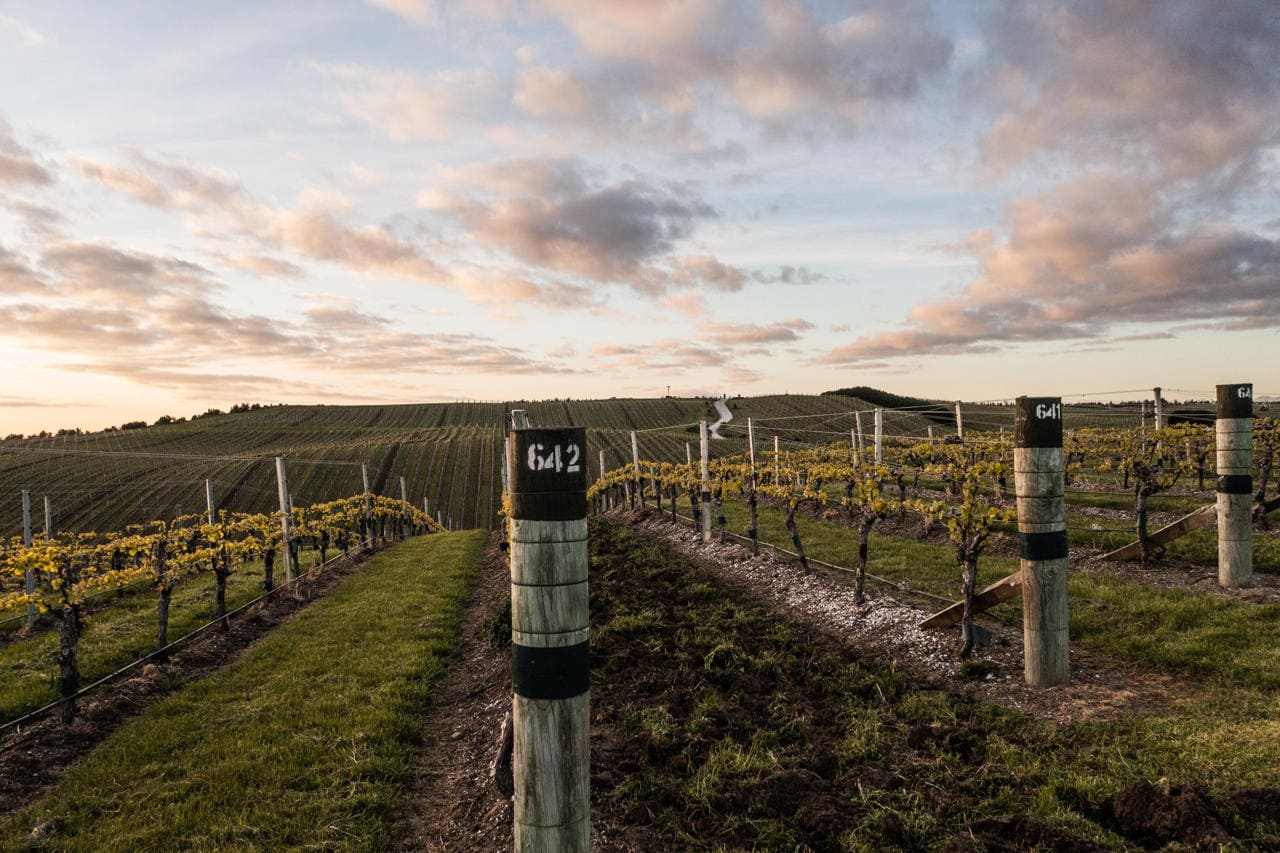
The wine regions in spring offer something the summer tastings don’t: the vines themselves are budding and flowering, and the whole landscape is in a state of becoming. Marlborough in October is a different visual experience from Marlborough in February. The restaurants and cellar doors are quieter, staff have more time, and the conversations over a glass of Sauvignon Blanc are generally better.
Central Otago’s vineyards in spring – particularly around Cromwell and Bannockburn – sit against snow-capped mountains and stone-terraced hillsides in a combination that has no right to be as beautiful as it is. Our New Zealand Wine Tours run through spring and include both regions.
5. Romantic and Honeymoon Travel
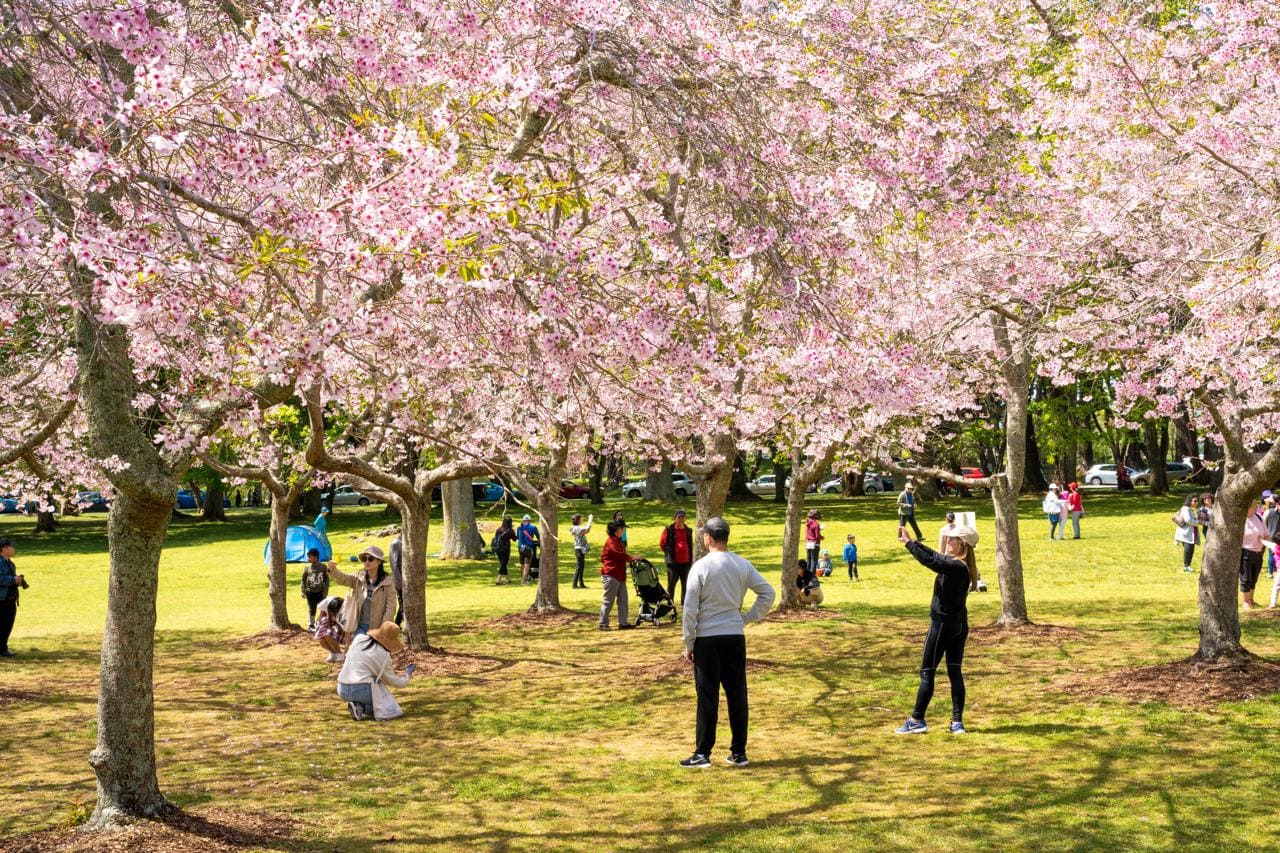
Spring has always been the romantic season, and New Zealand in September and October lives up to the idea. Fewer crowds at the iconic viewpoints. Waterfalls in full flow. Gardens and orchards in bloom. Accommodation operators who have time to make things special.
Queenstown in spring still has the energy it’s famous for – the adventure operators are running at full pace – but the town itself is less frantic than it is in January. Milford Sound is dramatic in a way that sunny conditions actually undercut slightly. Spring is when it performs best. For couples planning a trip with more intention than a standard holiday, our New Zealand Honeymoon Packages are built specifically around the kind of experiences that leave something behind.
North Island vs. South Island in Spring
A spring visit to the North Island makes most sense from mid-October onwards. By then, the Coromandel and Bay of Plenty are warm enough for beaches, Rotorua’s outdoor activities are in full swing, and the geothermal parks are doing what they always do, regardless of season. The 5-Day Thermal Wonder Self-Drive Tour is a compact North Island introduction that works particularly well in spring when the driving conditions are good and the crowds are light.
The South Island rewards spring visitors from September. The glaciers are at their most dramatic with recent snowfall still on the peaks. Milford Sound is in full waterfall mode. The hiking trails are opening up. The 11-Day Glacier Wonder Self-Drive covers the West Coast glaciers, Fiordland, and Queenstown in a South Island loop that suits the spring season.
For both islands, the 12-Day Majestic New Zealand Self-Drive Tour is a well-paced option that connects Auckland through to Queenstown without feeling like a race.
Practical New Zealand Spring Travel Tips
Book ahead, but not frantically. Spring is the shoulder season, and availability is generally better than in summer. You don’t need to book six months out, but three months is sensible for the popular Great Walks huts, guided tours, and well-reviewed accommodation.
Pack for all conditions. A warm day in October can become a cold and wet evening quickly. New Zealand spring weather earns its reputation for changeability. A mid-layer, waterproof jacket, and walking shoes that handle wet ground will serve you across almost every situation.
Think about how you want to travel. Self-drive is the most flexible option – our New Zealand Self-Drive Tours give you pre-booked accommodation and a planned itinerary without the rigidity of a group tour. For something more structured, the New Zealand Independent Coach Tours take the driving off your plate entirely. Or, if spring in New Zealand is the centrepiece of a special trip, our Luxury Private Tours are fully tailored to your group and preferences.
Consider combining with Australia. The shoulder season pricing on trans-Tasman flights in spring is often better than in summer, and the combination of New Zealand spring landscapes with Australia’s warmth makes for a compelling two-destination trip. Our Australia and New Zealand Vacation Packages handle both countries in one booking.
Plan Your New Zealand Spring Holiday
The case for visiting New Zealand in spring is straightforward: better prices, fewer crowds, excellent wildlife, strong hiking conditions, and a version of the country’s landscapes that looks different from the summer brochure. Not worse. Just different. And for many travellers, genuinely more interesting.
Browse our full range of New Zealand Tour Packages and start planning. Our team knows the spring season well and can help you build an itinerary around it properly.
For more seasonal travel inspiration, visit our New Zealand Travel Blog or explore our full guide to Top 10+ Adventure Activities in New Zealand.
Frequently Asked Questions
Is spring a good time to visit New Zealand?
Very. It’s one of the most underrated times to go. Trails are opening up, wildlife is at its most active, prices are lower than in summer, and the crowds haven’t arrived yet. The main trade-off is unpredictable weather, particularly in September – but that’s what layers are for.
What months are spring in New Zealand?
September, October, and November. New Zealand is in the Southern Hemisphere, so the seasons run opposite to the Northern Hemisphere calendar. October is widely considered the sweet spot – warmer than September, less crowded than November as it edges toward summer.
What is the weather like in New Zealand in spring?
Variable, which is the honest answer. Temperatures range from around 13°C in early September to the low 20s by late November. Rain is more common than in summer, especially on the South Island’s west coast. Clear spring days are genuinely spectacular. The changeable nature of it is part of the experience, not just a downside.
Is spring cheaper than summer in New Zealand?
Yes, noticeably. Accommodation, tour packages, and domestic flights all sit at lower price points through September and October compared to the December to February peak. If budget is a factor, spring is the most cost-effective time to visit without sacrificing the quality of experience.
Do I need to book in advance for a spring trip?
Less urgently than for summer, but advance booking is still worthwhile for Great Walks huts, popular guided tours, and well-reviewed lodges. Three months ahead is a reasonable target. Some operators open spring availability in July, so early enquiry never hurts.
Most Popular New Zealand Tours