Visiting New Zealand in summer is, genuinely, one of the better decisions a traveller can make. December through February brings long golden days, warm temperatures, open trails, and a version of this country that simply isn’t available at any other time of year. The beaches are swimmable. The Great Walks are fully open. The vineyards are lush. And the light at 9pm is the kind that makes you forget you have a flight to catch.
That said, it’s peak season. Prices are higher, popular spots fill fast, and the Tongariro Alpine Crossing will have company. Worth it? Absolutely. Just go in with a plan.
What to Expect: New Zealand Summer Weather
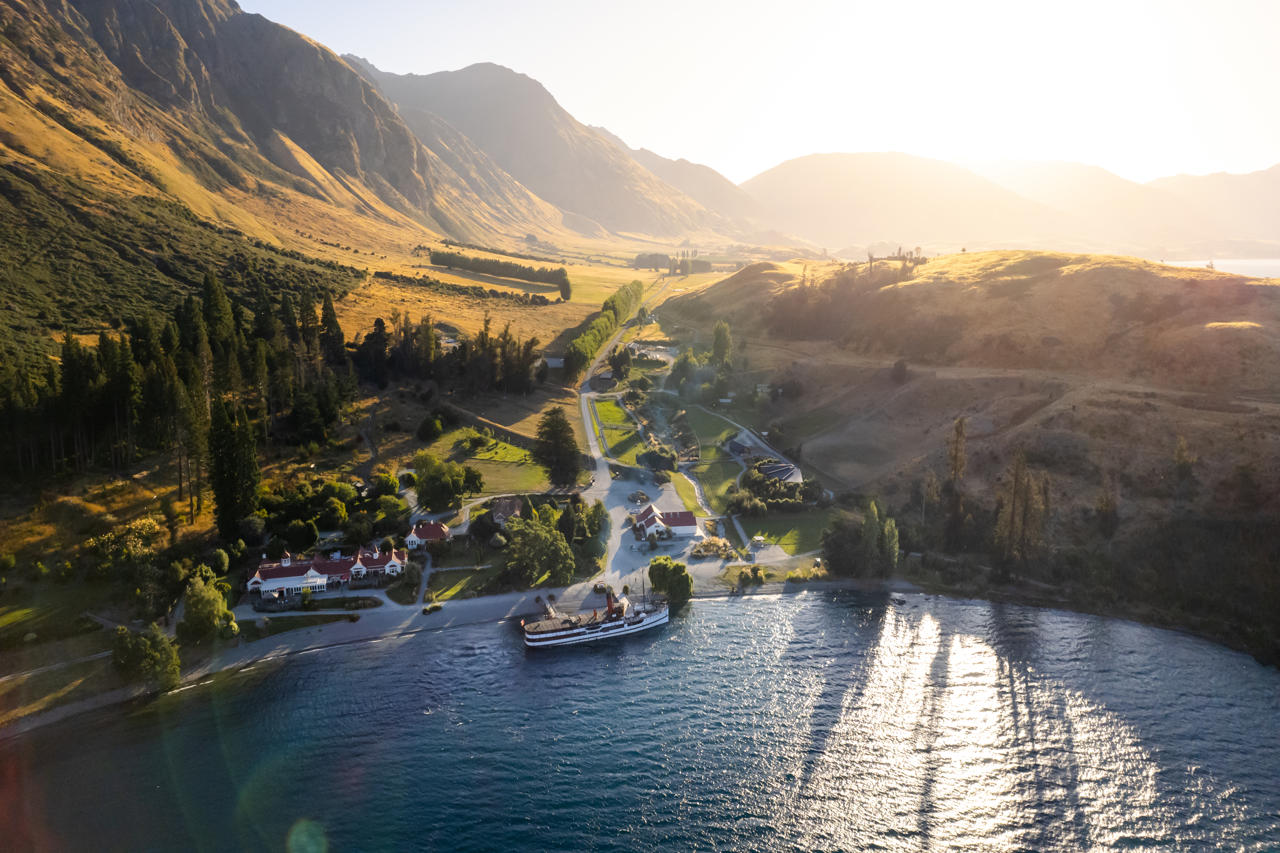
Summer temperatures across most of New Zealand sit between 20°C and 30°C (68°F to 86°F). The North Island runs warmer and more humid, while the South Island’s alpine interior stays cooler – genuinely ideal for hiking without the misery of heat. Wellington, true to form, will remind you at least once that wind exists.
Pack layers. This isn’t filler advice. The weather here is famously changeable, and a warm morning on the Tongariro Crossing can become a cold and blustery afternoon very quickly. Lightweight waterproof jacket, SPF 50+ sunscreen (New Zealand’s UV levels are no joke – significantly higher than equivalent Northern Hemisphere latitudes), and solid walking shoes. Non-negotiables, all three.
For a month-by-month breakdown of what each season actually delivers, our Best Time to Visit New Zealand guide covers it in full.
Top New Zealand Summer Activities
1. Hike the Great Walks
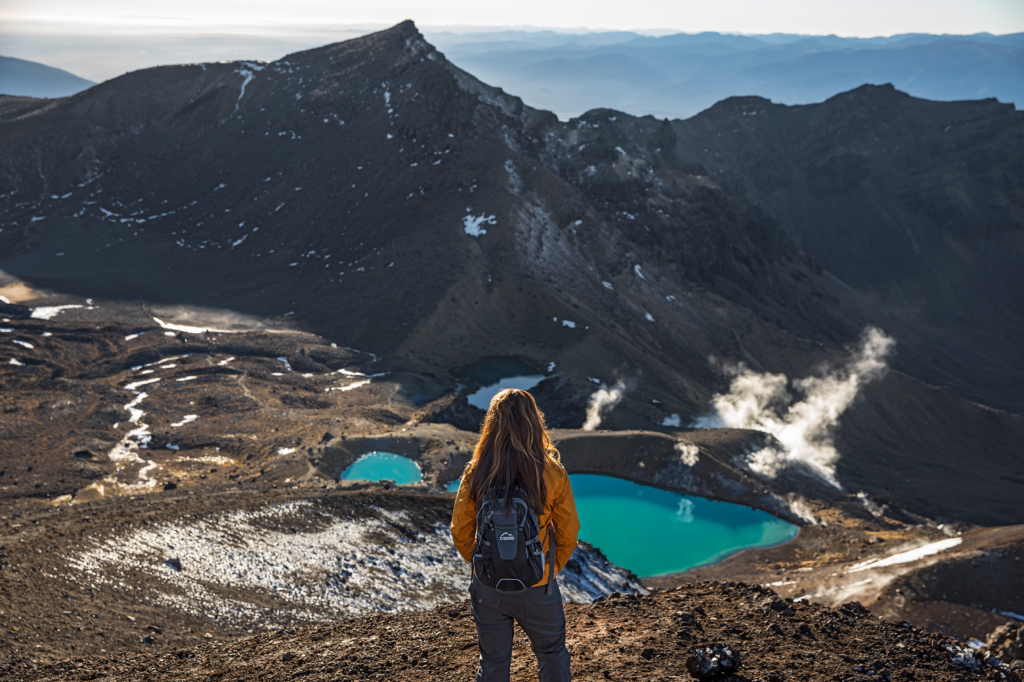
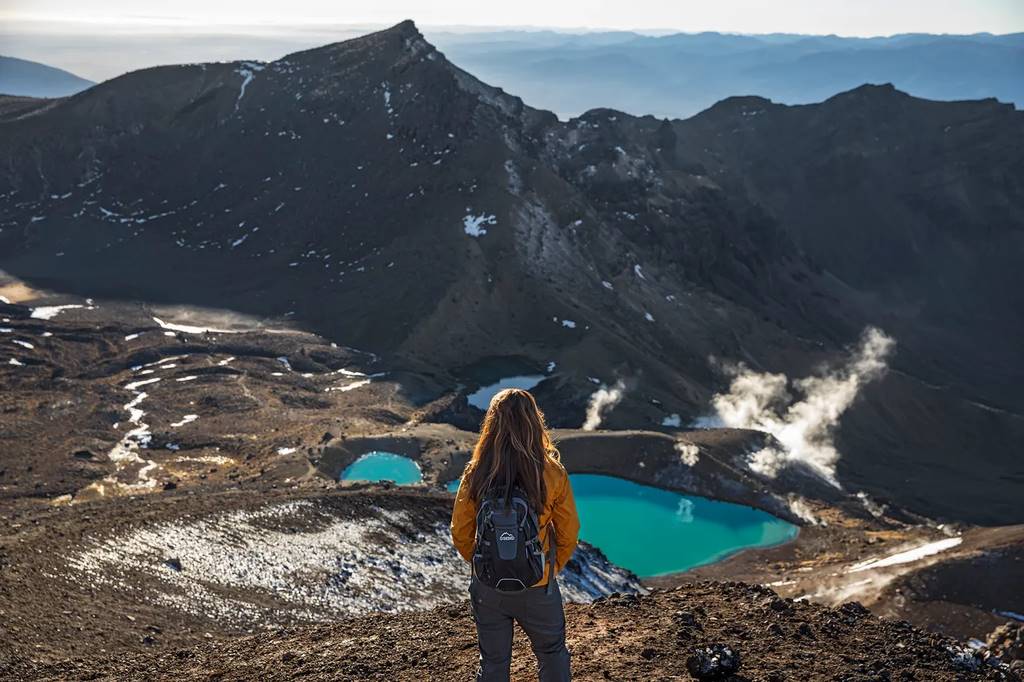
Summer is the window for this. The Tongariro Alpine Crossing – widely considered one of the world’s best day hikes – is at its safest and most spectacular between December and February. Emerald crater lakes, active vents, and volcanic panoramas that feel genuinely otherworldly. Start early. The crowds build by mid-morning.
On the South Island, the Milford Track, Routeburn Track, and Abel Tasman Coast Track all reward summer hikers. Huts are staffed, wildflowers are out, and the long daylight hours mean you’re never rushing the viewpoints. Book hut passes well in advance. They sell out months ahead, and the disappointment of missing out is avoidable.
If you want the Great Walks experience without the logistics headache, our 22-Day New Zealand Hiking Tour covers both islands and ticks off the best trails from Auckland through to Christchurch. Shorter on time? The 7-Day North Island Road Trip builds the Tongariro Crossing into a wider geothermal and coastal itinerary.
2. The Beaches
Over 15,000 km of coastline. Summer is when it earns that number.
On the North Island, the Coromandel Peninsula delivers white-sand coves and water so clear it feels implausible. Cathedral Cove and Hot Water Beach are the headline acts, and both deserve the attention they get. The Bay of Islands in Northland is better suited to sailing and dolphin encounters than lying on sand, though it does both well.
Abel Tasman National Park on the South Island is arguably the standout summer destination in the country. Kayak between golden beaches, swim in sheltered bays, follow the coastal track through native bush. It’s the kind of place that makes people extend their trips. Our 7-Day South Island Itinerary takes in Abel Tasman alongside Queenstown and Milford Sound – a combination that covers the South Island’s greatest hits without feeling rushed.
3. Adventure Activities
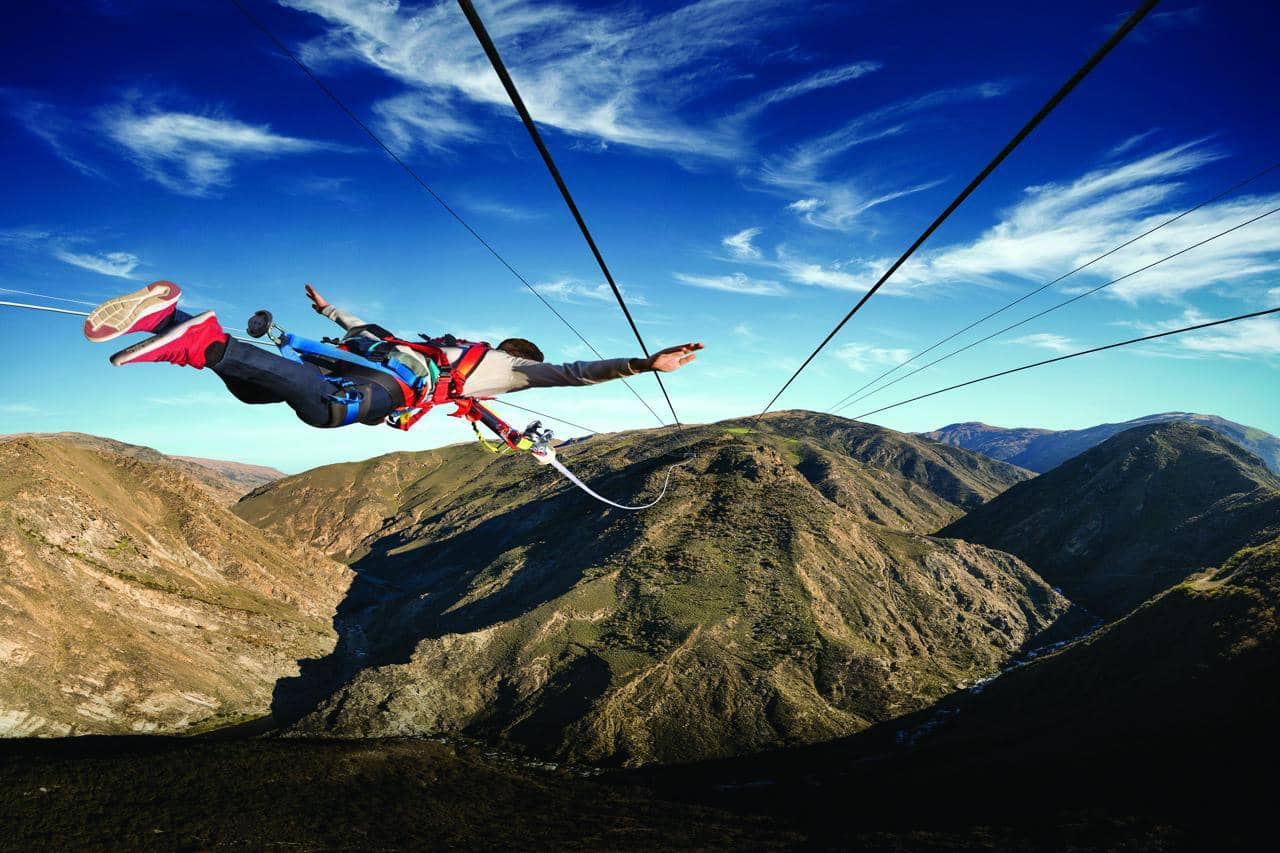
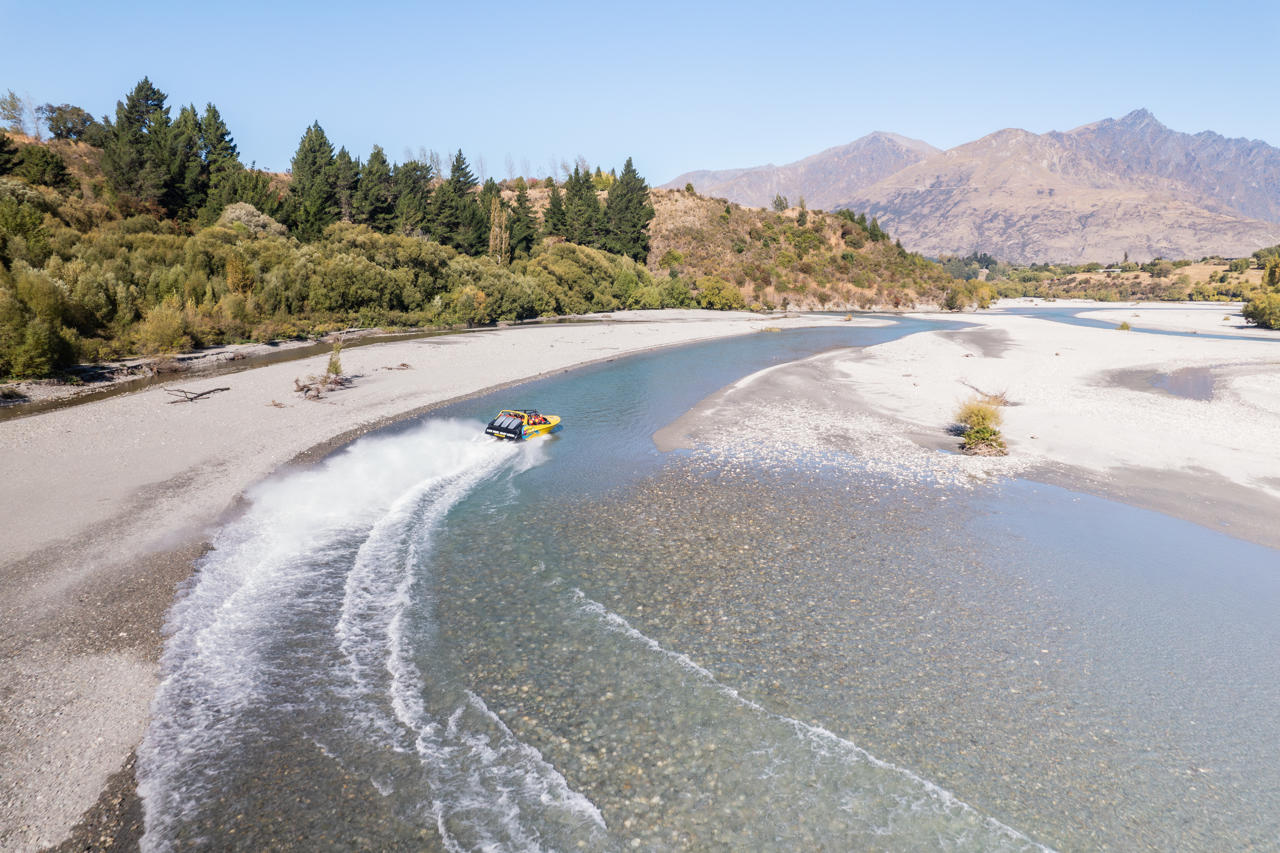
Queenstown needs no introduction, though it always gets one. Bungee jumping, skydiving, jet boating through narrow gorges, white-water rafting – all of it is available year-round, but summer adds a particular energy to the place. Rotorua on the North Island is the other adventure hub worth knowing: white-water rafting on the Kaituna River and mountain biking through the Redwoods are both genuinely excellent.
For those who want both islands and both adventure hubs in one trip, the 14-Day New Zealand Self-Drive Itinerary is the most popular option we offer. It runs from Auckland to Queenstown and covers the main adventure stops with room for the scenery in between. Prefer a fully guided experience? The New Zealand Small Group Tours keep group sizes between 12 and 18 people, which makes a real difference on the trail and at the activity operators.
4. Wine Tasting in Marlborough and Central Otago

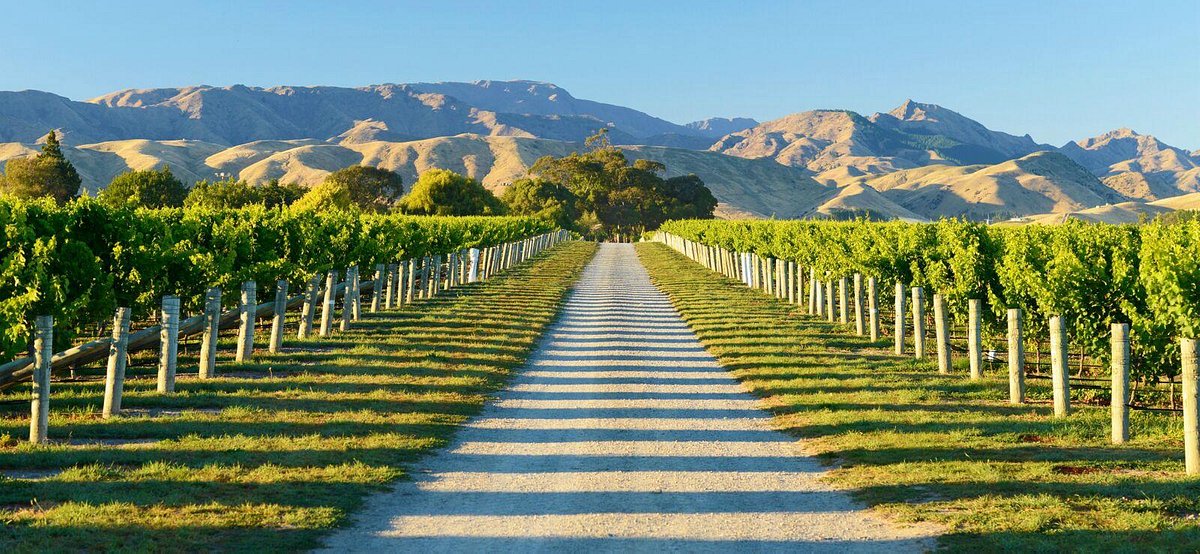
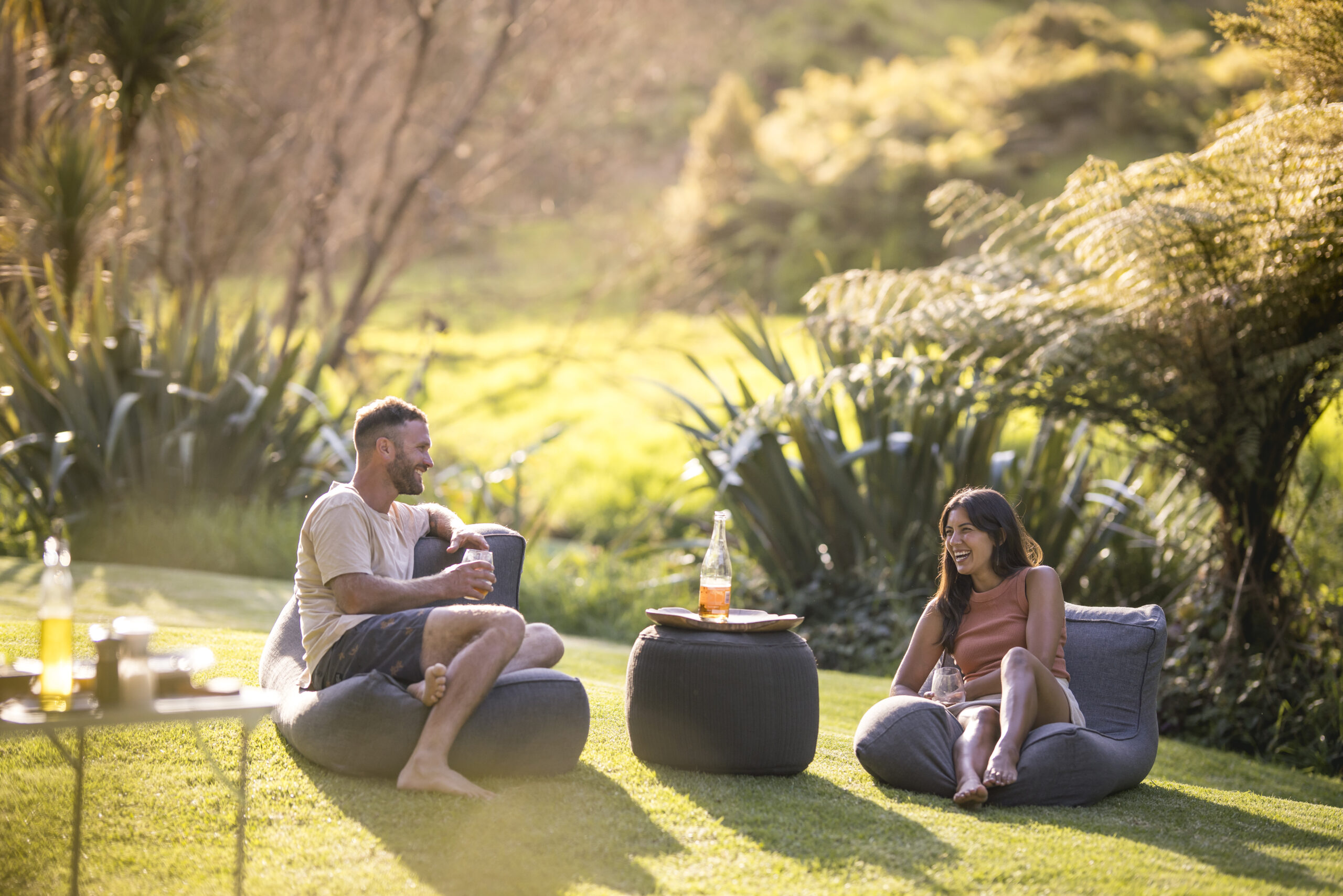
Summer is, logically, when New Zealand’s vineyards look their best. Marlborough produces what is probably the country’s most internationally recognised wine – Sauvignon Blanc of a quality that the region hasn’t entirely stopped being proud of, and rightfully so. Central Otago, further south, is the world’s southernmost wine region and makes outstanding Pinot Noir. Cycling through its stone-and-gold landscape with a tasting at the end is one of those afternoons that earns its own category.
Our New Zealand Wine Tours cover both regions with guided itineraries that take the guesswork out of it. The 7-Day West Coast Wonder Self-Drive Tour also passes through Marlborough, combining glaciers, the wild West Coast, and wine country in a single South Island loop.
5. Maori Culture and Summer Festivals
Summer is festival season. Rhythm and Vines in Gisborne over New Year is the big one, drawing serious international acts to a setting that, let’s be honest, is more beautiful than most festival sites have any right to be. Local markets, kapa haka performances, and hangi feasts run throughout the country across the season.
Rotorua is the consistent base for Maori cultural immersion. Traditional village experiences, geothermal wonders, and storytelling that adds genuine depth to what might otherwise be a very scenic but surface-level trip. It changes the visit. Worth building time into the itinerary for it.
North Island vs. South Island in Summer
This question comes up constantly, and the honest answer is: both, if you can manage it.
The North Island gives you warm beaches, geothermal parks, and cities worth spending time in. Auckland and Wellington both have food and arts scenes that outperform their size. The Tongariro volcanic plateau is singular. The 7-Day North Island Road Trip covers the essential stops – Rotorua, Taupo, the Coromandel, and Northland – at a pace that doesn’t feel punishing.
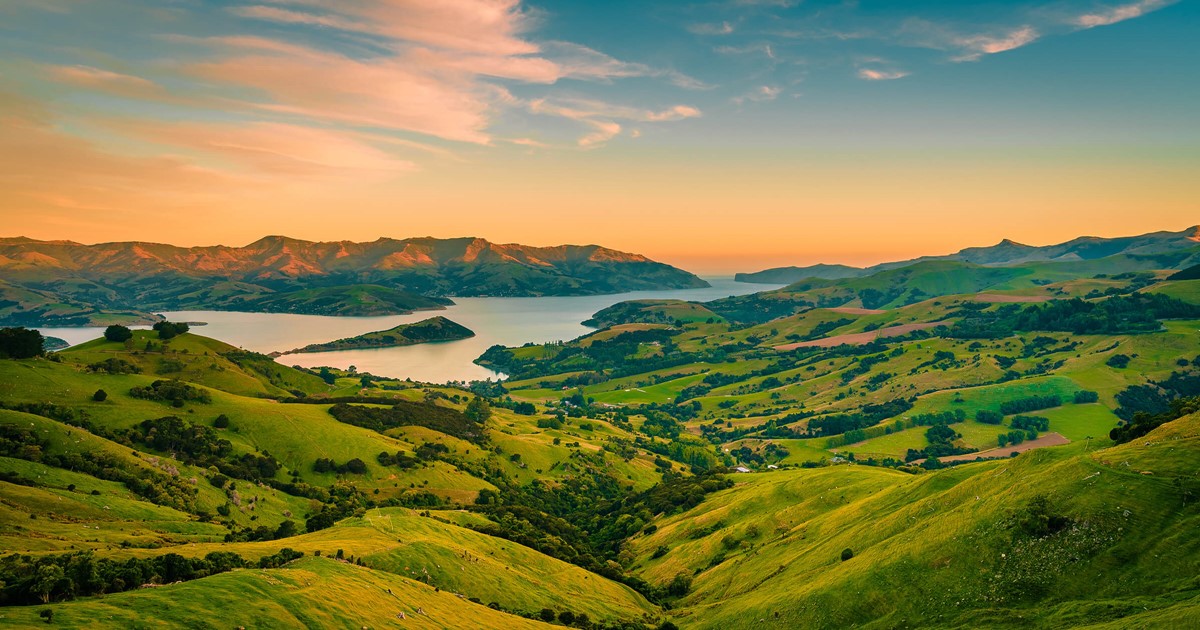
The South Island is where the drama lives. Fiordland. The Southern Alps. The Mackenzie Basin under a sky that genuinely justifies the word “vast.” Summer opens high-country roads and alpine trails that are closed or dangerous in winter. The 7-Day South Island Itinerary is a solid introduction; the 11-Day Glacier Wonder Self-Drive goes deeper into the West Coast and the glacier country that most short trips miss.
For the full picture across both islands, the 14-Day New Zealand Self-Drive Itinerary connects Auckland through to Queenstown and is consistently the itinerary our customers come back and say they’d add more time to, which is about the highest recommendation a tour can get.
Practical New Zealand Summer Travel Tips
Book early. Not “a few weeks ahead” early. Months ahead. Great Walks huts, popular lodges, and well-rated tour operators fill up over the summer peak season faster than most travellers expect. If you’re planning a December or January trip, August is not too soon to start securing bookings.
Take the sun seriously. SPF 50+, sunglasses, a hat. New Zealand sits beneath a thinned section of the ozone layer, and the UV index regularly hits extreme levels even on days that don’t feel particularly hot. Sunburn here arrives faster than most visitors are prepared for.
Think about how you want to travel. Self-driving is the most flexible option and the right choice for people who like to set their own pace. But it’s not the only one. If you’d rather leave the navigation to someone else, our New Zealand Independent Coach Tours give you pre-planned routes with daily hotel transfers – all the logistics handled, none of the driving stress. Good value, and genuinely well-suited to travellers who want to cover a lot of ground without thinking about road signs.
At the other end of the spectrum, our Luxury Private Tours are fully tailored to your group, your pace, and your preferences. Private vehicle, personalised itinerary, 5-star accommodation where you want it. It’s the right format for honeymoons, milestone trips, or anyone who simply wants the country on their own terms. Both options book out early in summer, for the same reasons everything else does.
Many travellers also use summer in New Zealand as an opportunity to extend into Australia. Our Australia and New Zealand Vacation Packages make the combination straightforward to plan and book.
Plan Your New Zealand Summer Holiday
The combination of New Zealand summer activities on offer – world-class hiking, beach days, adventure sports, wine country, and cultural depth – is hard to match anywhere in the Southern Hemisphere. The season is busy, yes. But it’s busy for reasons that hold up under scrutiny.
Browse our full range of New Zealand Tour Packages and start putting it together. Our team has been building New Zealand itineraries for decades and the options are genuinely wider than most travellers realise.
For more ideas, head to our New Zealand Travel Blog or dive into our guide to the Top 10+ Adventure Activities in New Zealand.
Frequently Asked Questions
Is summer the best time to visit New Zealand?
For most travellers, yes. Hiking trails are fully open, beaches are swimmable, and the long daylight hours mean you get significantly more out of each day. The trade-off is cost and crowds – both are at their peak. If you want the experiences without the premium pricing, the shoulder seasons of November and March are genuinely underrated.
What months are summer in New Zealand?
December, January, and February. New Zealand sits in the Southern Hemisphere, so the seasons are flipped from Europe and North America. Christmas Day in Auckland is typically warm and sunny. Plan accordingly.
How hot does it get in New Zealand in summer?
Most regions sit between 20°C and 30°C (68°F to 86°F). The far north of the North Island nudges warmer. Alpine areas of the South Island stay cooler even in peak summer – comfortable for hiking, occasionally cold at altitude. It rarely gets oppressively hot anywhere, which is one of the things that makes visiting New Zealand in summer so pleasant compared to tropical alternatives.
Do I need to book tours and activities in advance?
Yes, and earlier than you’d think. Great Walks hut passes, popular guided tours, and well-regarded lodges fill up months before the December to February period. Leaving it to a few weeks out is a genuine risk. August or September is a reasonable target if you’re planning a Christmas or New Year trip.
Can I combine New Zealand with Australia in summer?
Easily. It’s one of the most popular long-haul travel combinations, and the logistics are well-established. Our Australia and New Zealand Vacation Packages are built specifically around making the two-destination trip feel seamless rather than exhausting.
Most Popular New Zealand Tours