
Solo Travel New Zealand: Everything You Need to Know Before Going
Booking a plane ticket by yourself is one thing. Actually landing in a new country alone, picking up a rental car, and figuring out where to sleep that night? That’s a different kind of nervous. If you’re weighing up solo travel, New Zealand-style, take a breath. This is one of the easiest countries on earth to do it in, and thousands of people do exactly this every year.
New Zealand consistently ranks among the safest, friendliest, and most solo-traveler-ready destinations in the world. English is spoken everywhere, the hostel and small-group tour network is thriving, and the distances between jaw-dropping scenery are short enough that you’re never far from your next “wow” moment. This guide walks you through everything you need to plan a smart, confident solo trip to New Zealand: safety, budget, timing, transport, and how to meet people along the way.
Why Solo Travel New Zealand Is Such a Popular Choice
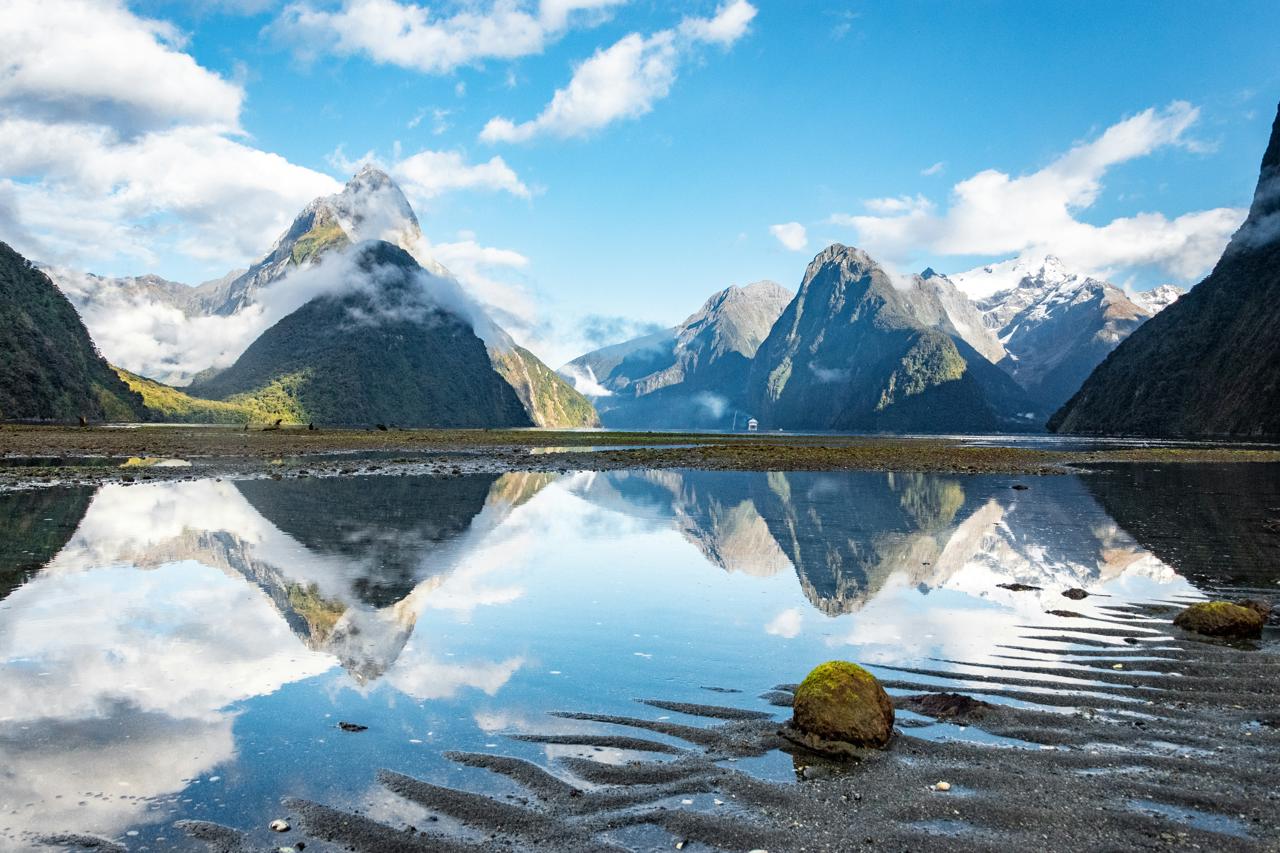
New Zealand shows up again and again on lists of the best countries for going it alone, and for good reason:
- Low crime, high trust – New Zealand ranks among the top countries globally on the Global Peace Index.
- No dangerous wildlife – unlike neighbouring Australia, there’s nothing venomous to worry about on the trail.
- A built-in social network – hostels, backpacker buses, and small group tours are full of other solo travelers.
- Easy logistics – English-language signage, reliable roads, and a well-organized tourism industry.
- Small enough to cover, big enough to get lost in – you can drive from a glacier to a beach in an afternoon.
If you’ve been putting off solo travel New Zealand plans because you’re worried about safety or loneliness, both concerns are far smaller here than in most parts of the world.
Is New Zealand Safe for Solo Travelers?
This is the question almost everyone asks before booking, and the short answer is yes. Whether you’re a solo woman, a first-time solo traveler, or simply someone who prefers going alone, is New Zealand safe for solo travelers is one of the most searched questions for a reason, and the data backs it up.
That said, “safe” doesn’t mean “risk-free.” The real hazards in New Zealand tend to be nature-related rather than crime-related: changeable alpine weather, strong ocean currents, and remote hiking trails without phone coverage.
| Risk Area | Level | What to Do |
| Street crime/theft | Low | Standard city precautions apply |
| Violent crime | Very low | No specific concerns for tourists |
| Road safety | Moderate | Drive to conditions; roads are narrow and winding |
| Hiking/backcountry | Moderate–High | Register your route with the Department of Conservation |
| Swimming (rivers, waterfalls, beaches) | Moderate | Check conditions before entering water |
A few practical habits go a long way: don’t walk alone late at night in unfamiliar areas, avoid hitchhiking, tell someone your hiking plans before you set off, and always carry proper travel insurance and medical cover. Our health, medication, and safety guide covers what to pack and how New Zealand’s healthcare system works for visitors.
What Does a Solo Trip to New Zealand Cost?
Budget is usually the second biggest question after safety. A solo trip to New Zealand can be shaped around almost any budget, but New Zealand isn’t a cheap destination. Its remote location and import-reliant economy push prices higher than you might expect.
| Travel Style | Daily Budget (NZD) | What’s Typically Included |
| Backpacker | $120 – $180 | Hostel dorms, self-catering, free walks |
| Mid-range | $250 – $400 | Motels or private rooms, some meals out, occasional paid activity |
| Comfort / Guided | $450+ | Hotels, restaurants, rental car or coach tour, regular activities |
A few cost-saving tips for anyone travelling solo:
- Cook your own meals: supermarket shopping is far cheaper than eating out every night.
- Book a small-group tour instead of travelling completely independently; costs such as fuel, accommodation, and guiding are shared among the group.
- Travel during the shoulder seasons for lower accommodation rates and lighter crowds.
- Pre-book big-ticket activities (Milford Sound cruises, glacier hikes, bungy jumps) online in advance for better pricing.
One of the easiest ways to control your budget while removing the guesswork of logistics is to book a pre-planned package rather than piecing everything together yourself. See how to book a tour for a walkthrough of what’s included.
When to Go: Timing Your Solo Adventure

Choosing the best time to visit New Zealand matters more when you’re travelling alone, since the season affects both what you can do and how easy it is to meet other travelers.
- Summer (December–February): Peak season for hiking, beaches, and wildlife-watching. Hostels and small group tours are at their busiest, which is great if you want maximum social opportunities.
- Autumn (March–April): Quieter trails, mild weather, and excellent photography light. A sweet spot for solo travelers who prefer smaller crowds.
- Winter (June–August): Ski season around Queenstown and Wanaka. Ski towns are famously social, with hostels full of seasonal workers and solo skiers.
- Spring (September–November): Shoulder season with blooming landscapes, good value, and fewer crowds on popular routes.
For a full month-by-month breakdown, our guide to the best time to visit New Zealand covers regional weather patterns and what to expect in each season.
How to Get Around: Choosing Your Transport Style
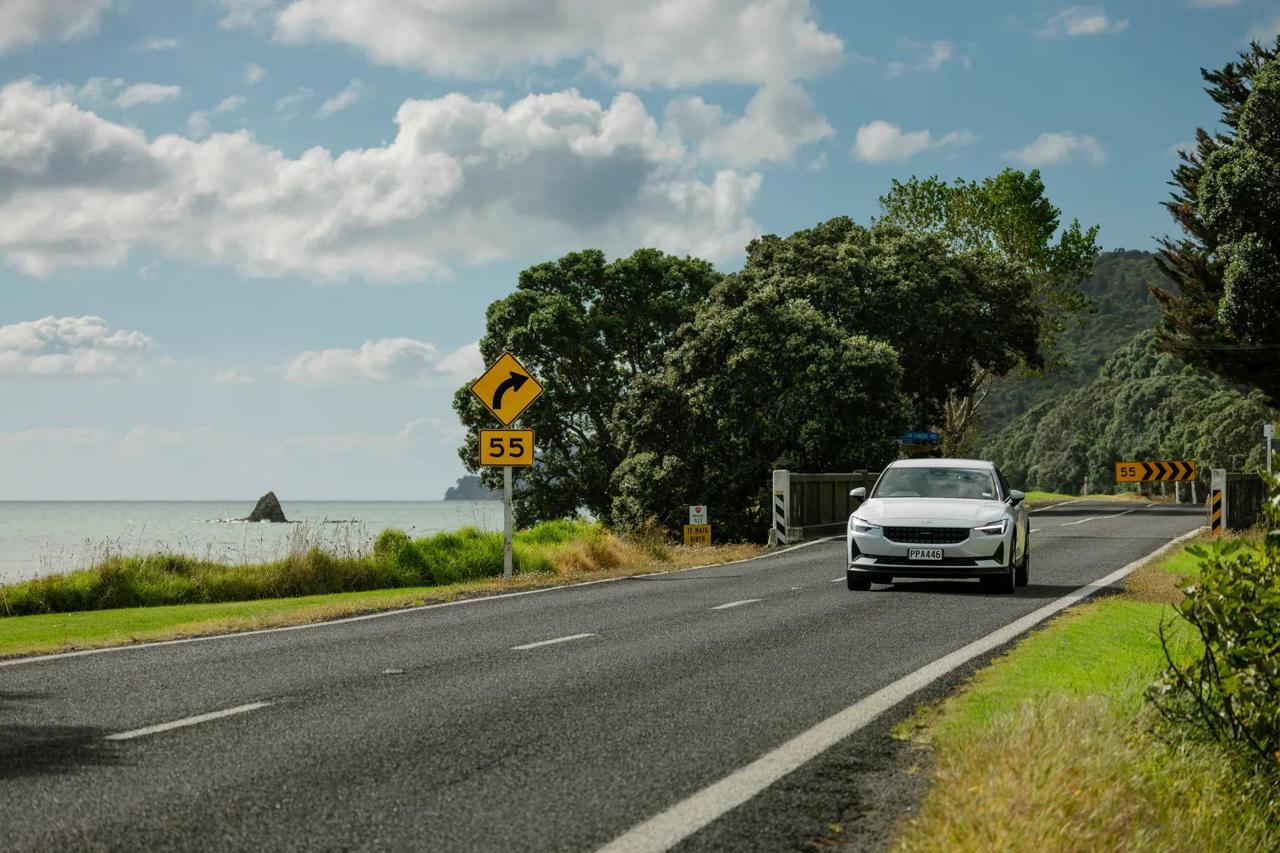
This is where solo travel New Zealand trips really diverge, and it’s worth thinking through before you book anything.
Self-Drive
Renting a car or campervan gives you total freedom to set your own pace, detour on a whim, and skip anything that doesn’t interest you. It’s the most popular way to explore independently, and New Zealand self-drive tours come with pre-booked accommodation and a set itinerary, so you’re never left guessing where to stay each night. The trade-off is that you’re doing all the driving, navigating, and decision-making yourself, which can feel isolating on longer stretches.
Small Group Tours
If meeting people is a priority, small group tours are hard to beat. Groups typically cap at 12–18 travelers, which is small enough to actually get to know your fellow guests while still having a guide handle logistics, commentary, and bookings. Many solo travelers say the friendships made on a small group tour become the highlight of the whole trip.
Independent Coach Tours
Independent coach tours sit somewhere in between: scheduled coach transport between destinations without the commitment of a fixed group or a rental car. You get structure without being tied to anyone else’s pace.
| Style | Best For | Social Level | Flexibility |
| Self-drive | Independent explorers | Low–Medium | High |
| Small group tour | Meeting people, guided insight | High | Medium |
| Independent coach | Budget-conscious flexibility seekers | Medium | High |
| Escorted/guided tour | Hands-off, fully planned trips | Medium | Low |
Where to Go: Top Regions for Solo Travelers

New Zealand’s compact size means you can cover an enormous amount of ground in a few weeks. A few standout stops for anyone doing solo travel New Zealand style:
- Queenstown – the adventure capital, packed with hostels, bungy jumping, and a buzzing social scene. Browse things to do in Queenstown.
- Fiordland & Milford Sound – dramatic, less-visited landscapes best explored on a guided day trip. See Fiordland activities.
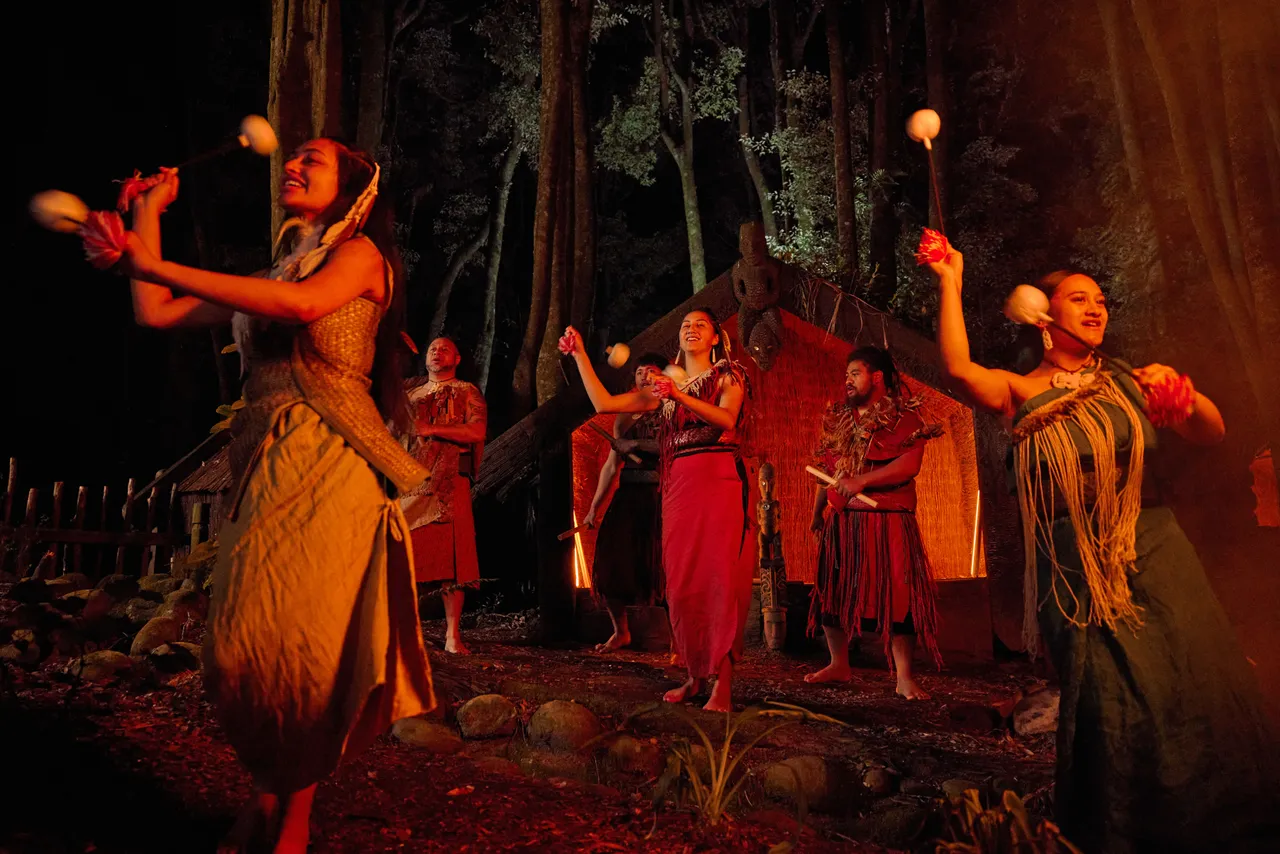
- Rotorua – geothermal wonders and Māori cultural experiences, easy to reach by coach.
- Wanaka – a quieter alternative to Queenstown with excellent hiking and lake views.
- Abel Tasman & Nelson Tasman – golden beaches and coastal walks, popular with backpackers.
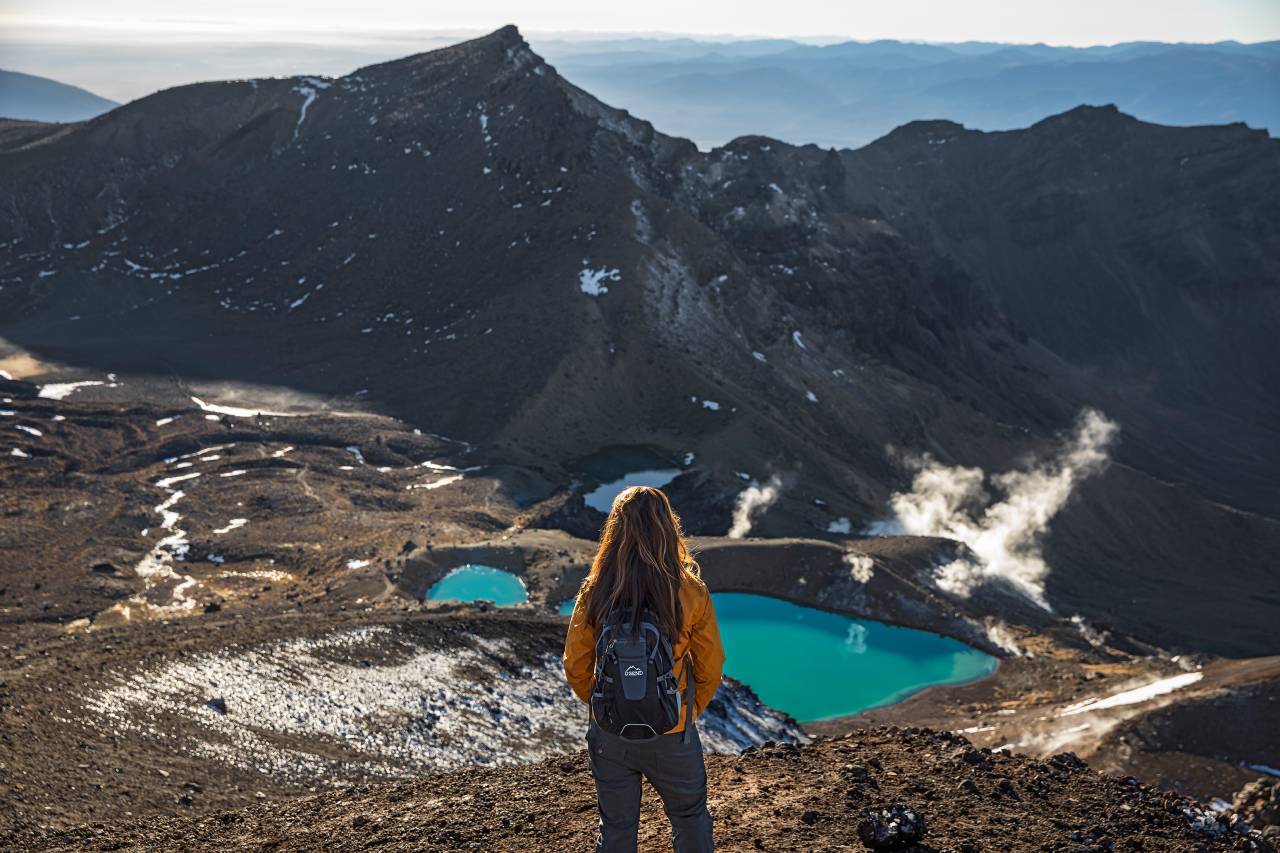
If hiking is your priority, our hiking tours page lists guided options that pair you with experienced trail leaders, a smart move for solo hikers tackling New Zealand’s famous Great Walks.
Making Friends on the Road

One of the biggest myths about solo travel is that it means being alone the whole time. In practice, the opposite tends to be true:
- Hostel common rooms and kitchens are natural meeting points.
- Small group tours come with an instant travel crew from day one.
- Facebook groups for solo travelers in New Zealand are active and welcoming.
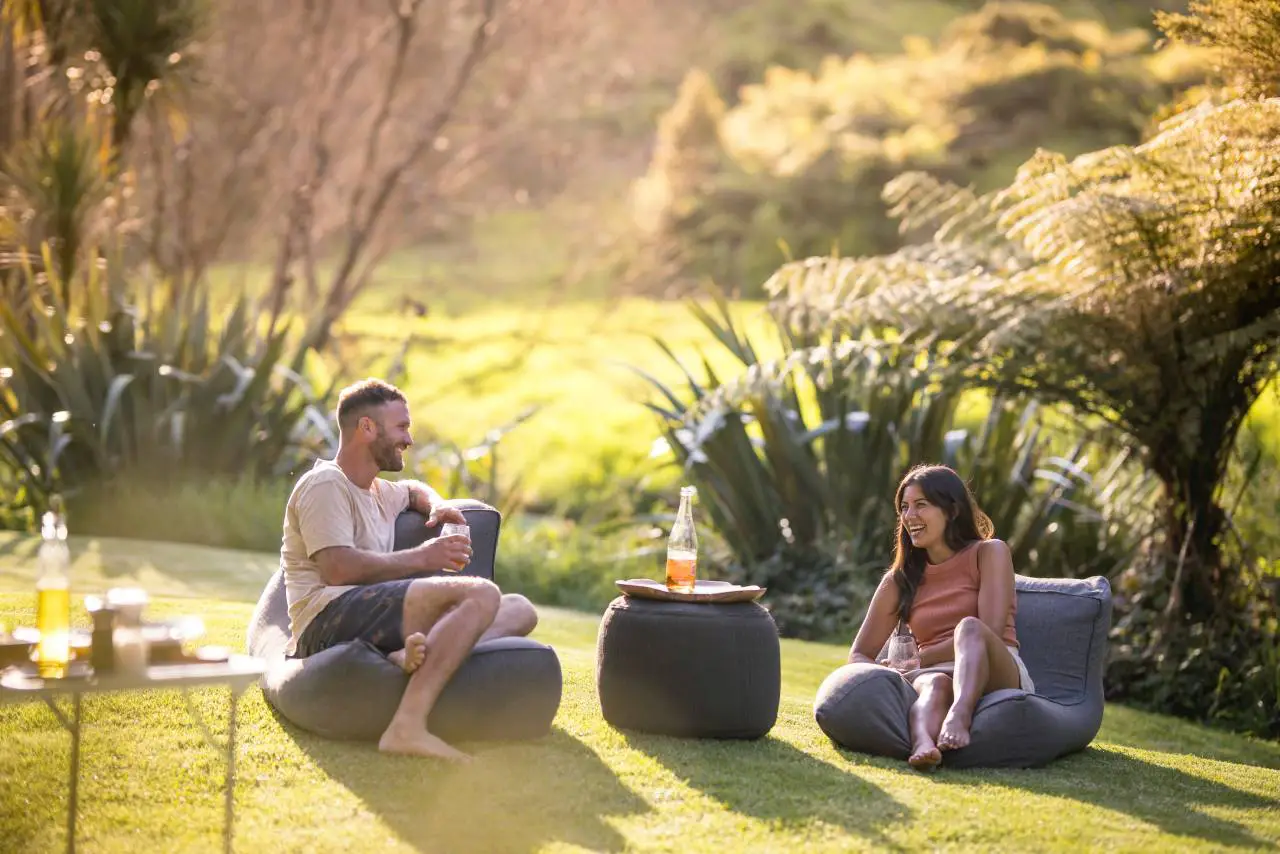
- Shared activities, like a group hike, a wine tasting, or a cooking class, are easier conversation starters than a bar.
Many people who set out to travel completely independently end up joining a guided tour partway through simply because the social side turned out to matter more than expected. There’s no wrong way to do it. The beauty of solo travel New Zealand style is that you can mix and match as you go.
Before You Book: A Quick Checklist
- Confirm your visa or NZeTA requirements well before departure.
- Arrange comprehensive travel insurance that covers adventure activities.
- Decide whether you want the freedom of a self-drive trip or the built-in company of a small group tour.
- Register any backcountry hikes with the Department of Conservation.
- Share your itinerary with someone back home.
If you’d rather have someone else handle the logistics while you focus on the experience, a tailor-made tour can be built entirely around solo travel, right down to accommodation style, pace, and the regions you most want to see.
Final Thoughts
New Zealand rewards travelers who take the leap and go alone. Between the safety record, the social hostel and tour scene, and landscapes that make small talk with strangers easy, solo travel New Zealand trips tend to end with a lot more new friends than you started with. Whether you choose a self-drive road trip or a guided small group tour, the hardest part is booking the flight. Everything after that tends to take care of itself.
Frequently Asked Questions
Is New Zealand safe for solo travelers?
Yes. New Zealand is regularly ranked among the safest countries in the world, with low violent crime rates and a welcoming culture. The main risks for solo travelers are weather-related and outdoor hazards rather than crime, so most safety planning should focus on hiking, driving, and water conditions rather than personal security.
How much does a solo trip to New Zealand cost?
Costs vary widely by travel style. Backpackers can get by on roughly NZD 120–180 per day using hostels and self-catering, mid-range travelers should budget NZD 250–400 per day, and those wanting hotels, rental cars, and regular guided activities should plan for NZD 450 or more per day.
Is it better to self-drive or join a tour when traveling alone in New Zealand?
It depends on your priorities. Self-drive tours offer maximum flexibility and independence, while small group tours provide built-in company, a local guide, and simplified logistics. Many solo travelers combine both approaches at different points in their trip.
What is the best time of year for solo travel in New Zealand?
Summer (December–February) offers the busiest social scene and full access to hiking trails, while the shoulder seasons (March–May and September–November) bring better value, fewer crowds, and still-pleasant weather. Winter is ideal for solo travelers interested in skiing around Queenstown and Wanaka.
How do you meet people while traveling alone in New Zealand?
Hostels, small group tours, and shared activities like guided hikes or wine tours are the easiest ways to meet people. New Zealand’s backpacker and tour culture is built around solo travelers, so opportunities to connect with others come up naturally throughout most itineraries.