
Ninety Mile Beach: Northland’s Legendary Sand Highway
Few beaches in the world double as an actual road. Ninety Mile Beach Northland does exactly that. This stretch of the Far North is a beach, a public highway, and one of New Zealand’s most photographed drives, all in one. Despite its name, the beach is closer to 88 kilometres long. It runs from Ahipara in the south to Scott Point near Cape Reinga in the north.
This guide covers the real story behind the name. It also covers what makes the beach worth visiting, and how to experience it safely today.
Quick facts:
- Length: approximately 88 kilometres (55 miles), despite the “ninety mile” name
- Location: western coast of the Aupōuri Peninsula, Northland region
- Māori name: Te Oneroa-a-Tōhe, meaning “the long beach of Tōhe”
- Legal status: officially classified as a public highway
- Nearest towns: Kaitaia to the south, Cape Reinga at the northern end
Ninety Mile Beach Northland: Why the Name Is Wrong
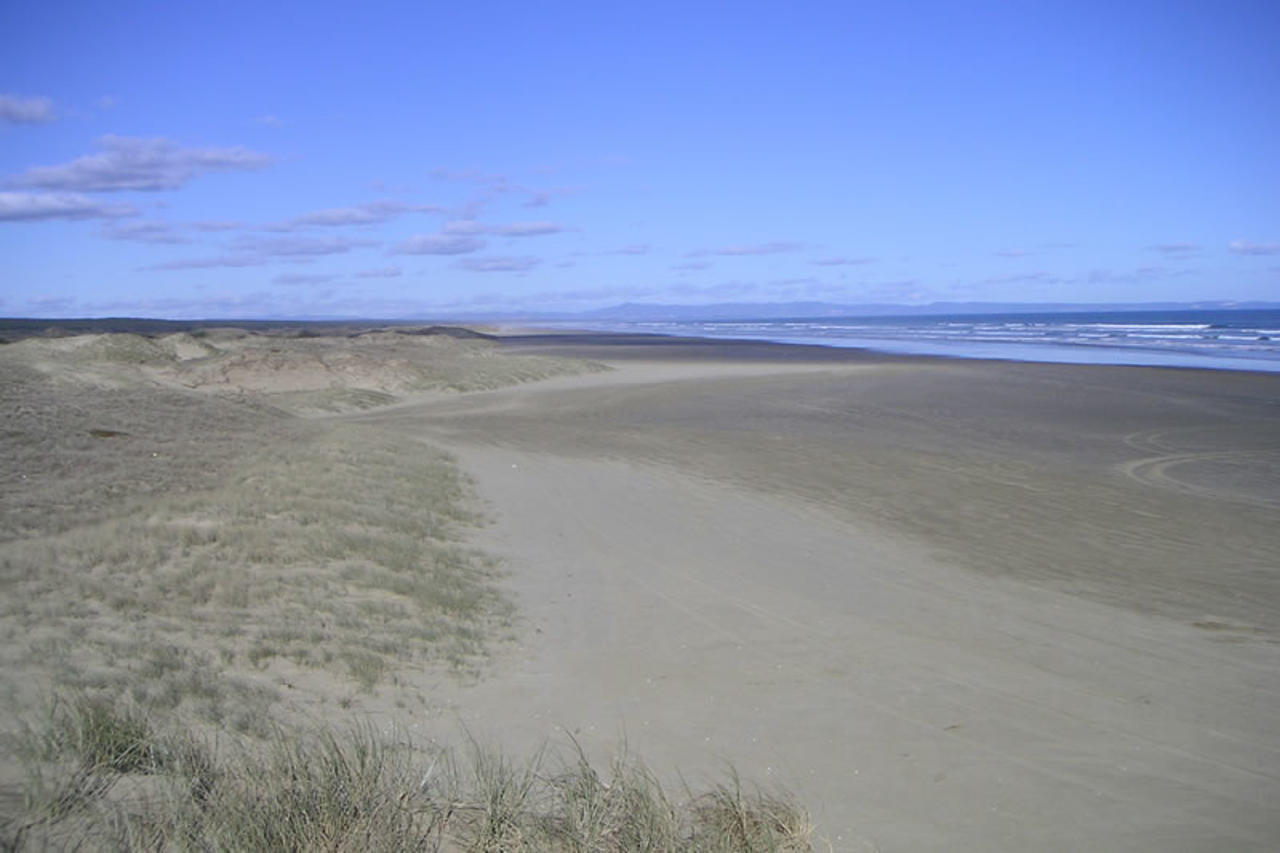
Ninety Mile Beach isn’t ninety miles long. It measures roughly 88 kilometres, or about 55 miles. Several explanations exist for the mismatch. The most common one dates back to early missionaries who traveled its length on horseback. A horse could cover about 30 miles a day on solid ground, and the journey took roughly three days. That math suggested a 90-mile beach. However, it didn’t account for how much softer, slower going sand actually is compared to a normal road.
A second Māori tradition explains the beach’s real name instead. Te Oneroa-a-Tōhe honours Tōhe, an ancestor of Te Aupōuri and other northern iwi. He is said to have walked the length of the coast searching for his daughter. According to local tradition, Tōhe named more than 100 places along the way. He died at Whāngaiariki, without reaching her home. His name remains attached to the beach today as a lasting memorial to that journey.
Te Oneroa-a-Tōhe: Cultural and Spiritual Significance
Te Oneroa-a-Tōhe carries meaning far beyond its role as a tourist route. In Māori tradition, the beach forms one of two spirit pathways leading to Cape Reinga, known as Te Rerenga Wairua, “the leaping place of spirits.” Local belief holds that the spirits of the dead travel along this coastline. Their final journey leads back to Hawaiki, the ancestral homeland.
A few facts help explain the depth of this significance:
- The dual name, Te Oneroa-a-Tōhe / Ninety Mile Beach, became official in 2014, following a Treaty settlement between the New Zealand Government and Ngāti Kuri
- Ngāti Kuri and Te Aupōuri are the two iwi most closely connected to the beach and surrounding land
- The beach has also been the subject of significant legal history, including a landmark 1963 Court of Appeal case over customary Māori ownership of the foreshore
Because of this cultural weight, visitors are encouraged to treat the beach with the same respect they’d bring to any other significant heritage site, not simply as a scenic backdrop.
Ninety Mile Beach Driving: What You Need to Know
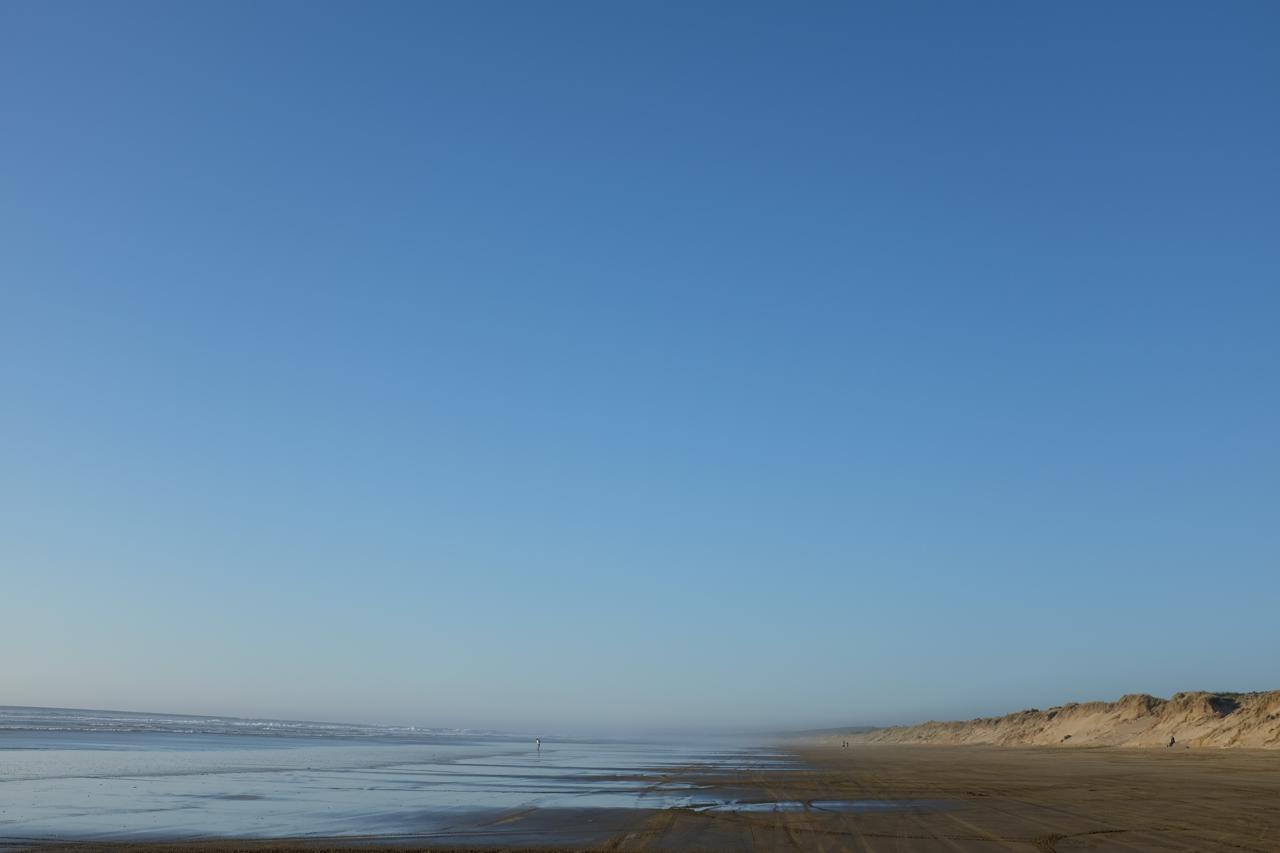
Ninety Mile Beach driving is one of the beach’s biggest draws, and also its biggest safety consideration. The beach functions as an official alternative to State Highway 1 north of Kaitaia. It’s sometimes used this way when the main road floods or slips. For most visitors, though, it’s simply one of the more unusual road trips in the country.
A few practical points matter before attempting to drive the beach yourself:
- Rental car companies do not permit their vehicles on the sand, mostly due to the risk of vehicles becoming stuck or damaged by saltwater
- Driving is only safe within a specific window either side of low tide; incoming tides can trap vehicles quickly
- Soft sand and hidden ruts are common, and recovery from a bogged vehicle can be difficult given how remote parts of the beach are
- In December 2025, local authorities issued a fresh summer safety warning for both drivers and swimmers, a reminder that conditions here demand real caution even for a beach this famous
Because of these risks, most visitors join a guided coach tour rather than drive independently. Purpose-built tour vehicles are designed specifically for beach conditions, and experienced drivers already know the tide windows.
Cape Reinga Ninety Mile Beach Tour: The Classic Day Trip
A Cape Reinga Ninety Mile Beach tour is the standard way most travelers experience this stretch of coastline. These tours typically combine a drive along the sand with a stop at Cape Reinga itself. This is the northernmost tip of the North Island, where the Tasman Sea meets the Pacific Ocean.
Our Cape Reinga Day Tour from Paihia covers this full route in a single day. It includes a stop at the ancient Puketi Kauri Forest and the option of a BBQ lunch along the way. The tour includes time at Cape Reinga’s lighthouse, along with the drive back along Te Oneroa-a-Tōhe itself. This gives travelers the classic beach-highway experience without any of the tide-timing risk of self-driving.
Beyond Driving: Other Things to Do
While driving the beach is the headline activity, Ninety Mile Beach offers plenty else for visitors willing to get out of the vehicle:
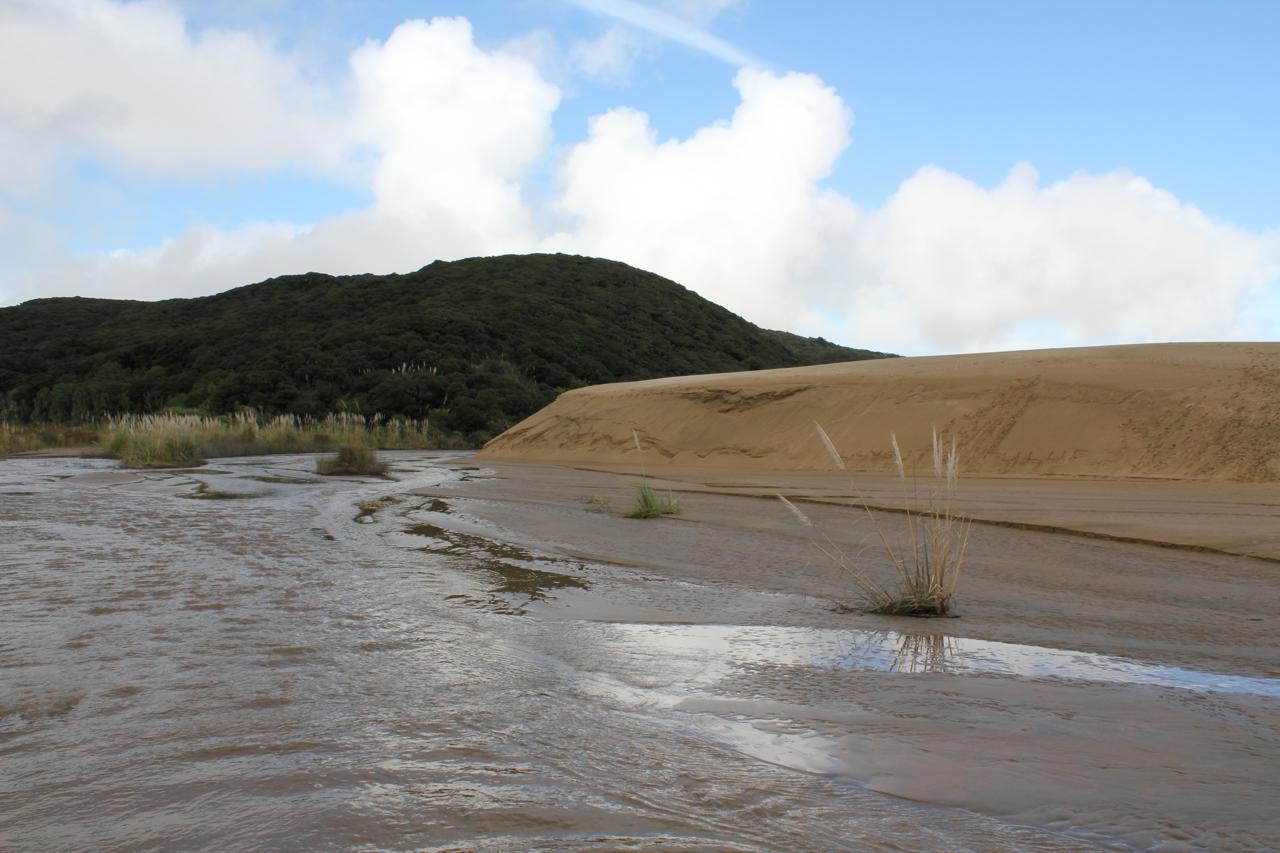
- Sandboarding at Te Paki: towering dunes near the northern end of the beach give visitors a genuine desert-like landscape to climb and slide down
- Surfcasting and fishing: the beach hosts an annual surf-casting contest and remains popular with anglers
- Surfing: the beach is known for consistent, powerful left-hand breaks that draw experienced surfers from around the country
- Wildlife spotting: wild horses are occasionally seen roaming near the dunes, along with whales and sea lions offshore on lucky days
Swimming is possible but should be approached carefully. Strong currents and a lack of patrolled areas make this a beach better suited to experienced swimmers. Casual visitors are better off simply admiring it from the shore.
Comparing Ways to Experience the Beach
| Method | Best For | Key Consideration |
| Guided coach tour | Most travelers, stress-free experience | Fixed schedule, but no tide-timing risk |
| Self-drive (own 4WD) | Experienced drivers familiar with tide conditions | Rental cars are not permitted; real risk if timed poorly |
| Walking a section | Photography, quiet reflection | No time pressure, but covers only a small stretch |
| Sandboarding at Te Paki | Active travelers, families | Best combined with a wider Cape Reinga day trip |
Bay of Islands Northland Tour: Combining Your Visit
Most visitors reach Ninety Mile Beach as part of a wider Bay of Islands Northland tour rather than a standalone trip, since Paihia serves as the main departure point for the region’s day tours. Beyond Ninety Mile Beach and Cape Reinga, the Bay of Islands itself offers dolphin watching and the historic Waitangi Treaty Grounds. It also offers cruises out to the famous Hole in the Rock at Piercy Island.
Our New Zealand Bay of Islands Tour covers the dolphin-watching side of the region. Our Hole in the Rock Morning Cruise explores the islands themselves. For travelers with a few days to spare, our 4 Day Far North Escape builds Ninety Mile Beach into a longer, more relaxed Northland itinerary.
Planning Your Trip
Ninety Mile Beach sits at the far end of the North Island. Because of this, most travelers build it into a longer Northland route rather than a rushed day trip from Auckland. A North Island self-drive tour can weave the Bay of Islands and Far North into a wider itinerary. Alternatively, our customizable New Zealand vacation packages can shape a trip entirely around your own interests. You can also add Ninety Mile Beach directly to your custom vacation package wishlist.
If you’re weighing up other New Zealand beaches alongside this one, our best beaches in New Zealand guide rounds up the wider country’s coastline.
When to Visit
Conditions on Ninety Mile Beach shift with both season and tide:
- Summer (December–February): the warmest weather and busiest season, though this is also when local authorities issue the most safety warnings for drivers and swimmers
- Autumn and spring: quieter roads and cooler conditions, still generally reliable for a coach tour or sandboarding trip
- Winter (June–August): cooler and wetter, though the beach itself remains accessible year-round given the right tide timing
Regardless of season, checking tide times before any independent visit is essential. The beach’s safety profile depends far more on the tide than on the time of year.
Northland’s Most Unusual Coastline
Most visitors expect a beach. What they find at Ninety Mile Beach is something closer to a coastal highway. It stretches further than the eye can follow in either direction. That scale, paired with the beach’s deep cultural significance as Te Oneroa-a-Tōhe, makes it a genuinely different experience from anywhere else in New Zealand.
Whether you’re drawn here for the drive itself, the dunes at Te Paki, or the chance to stand at Cape Reinga afterward, Ninety Mile Beach Northland rewards travelers willing to time their visit around the tide, rather than the clock.
Browse our Bay of Islands tours or get in touch to start planning a Far North itinerary built around Ninety Mile Beach.