
Mount Taranaki: New Zealand’s Stand-In for Mount Fuji
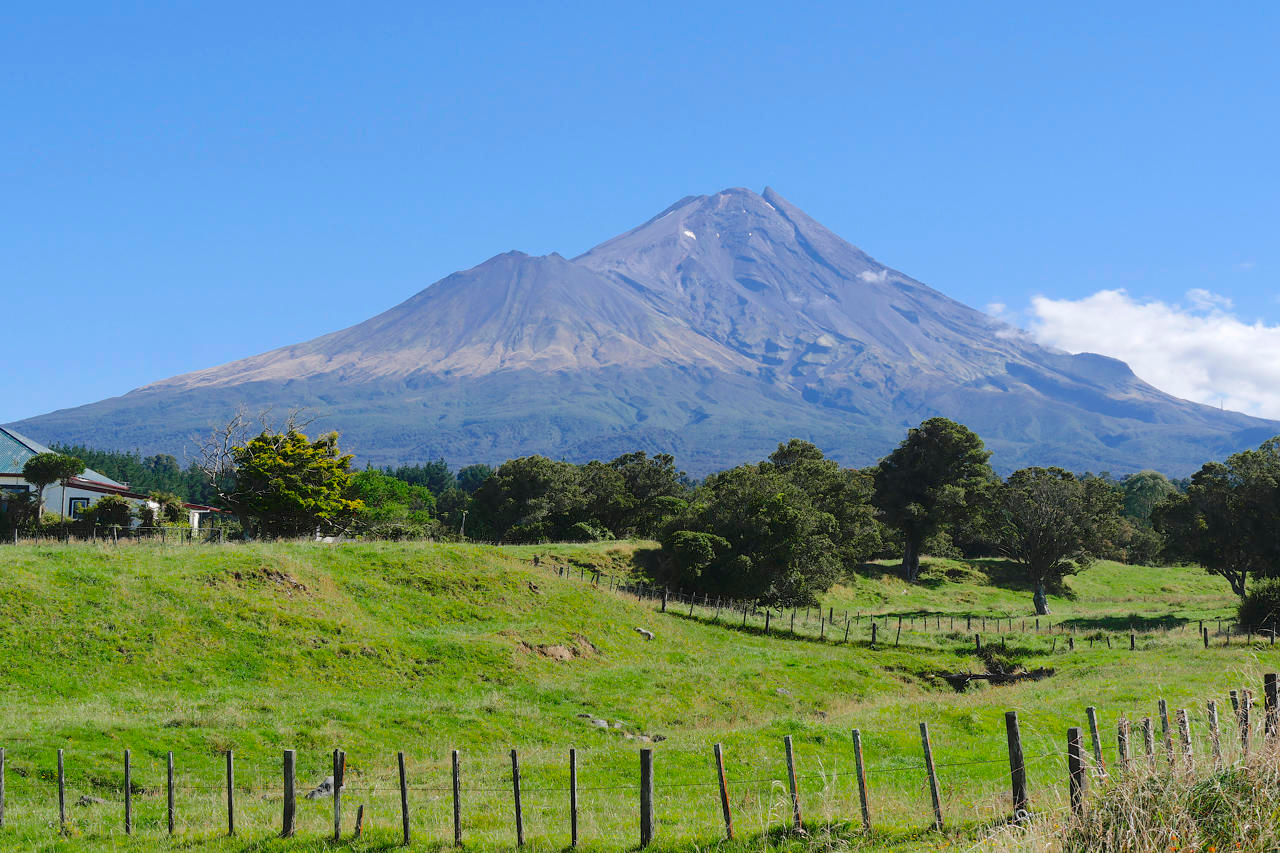
Tom Cruise’s The Last Samurai is set in 1870s Japan. However, most of its rural scenery never came anywhere near Japan at all. Instead, the Mount Taranaki filming location on New Zealand’s North Island doubled convincingly for feudal-era Japan. The mountain itself stood in for the country’s most iconic peak, Mount Fuji.
This guide covers what was actually filmed here. It also explains how the Uruti Valley became a full Japanese village, and how travelers can visit these same locations around Taranaki today.
Quick facts:
- Main location: Mount Taranaki (Taranaki Maunga), Egmont National Park, Taranaki region
- What was filmed here: the “Mount Fuji” backdrop shots, plus the Japanese village and battle scenes in nearby Uruti Valley
- Other Taranaki sites used: Pukekura Park, Lake Mangamahoe, and Port Taranaki
- Distance from New Plymouth: most sites sit within 30 minutes of the city
- Best time to visit: the mountain’s summit is clearest from December to March
Mount Taranaki Filming Location: Becoming Mount Fuji
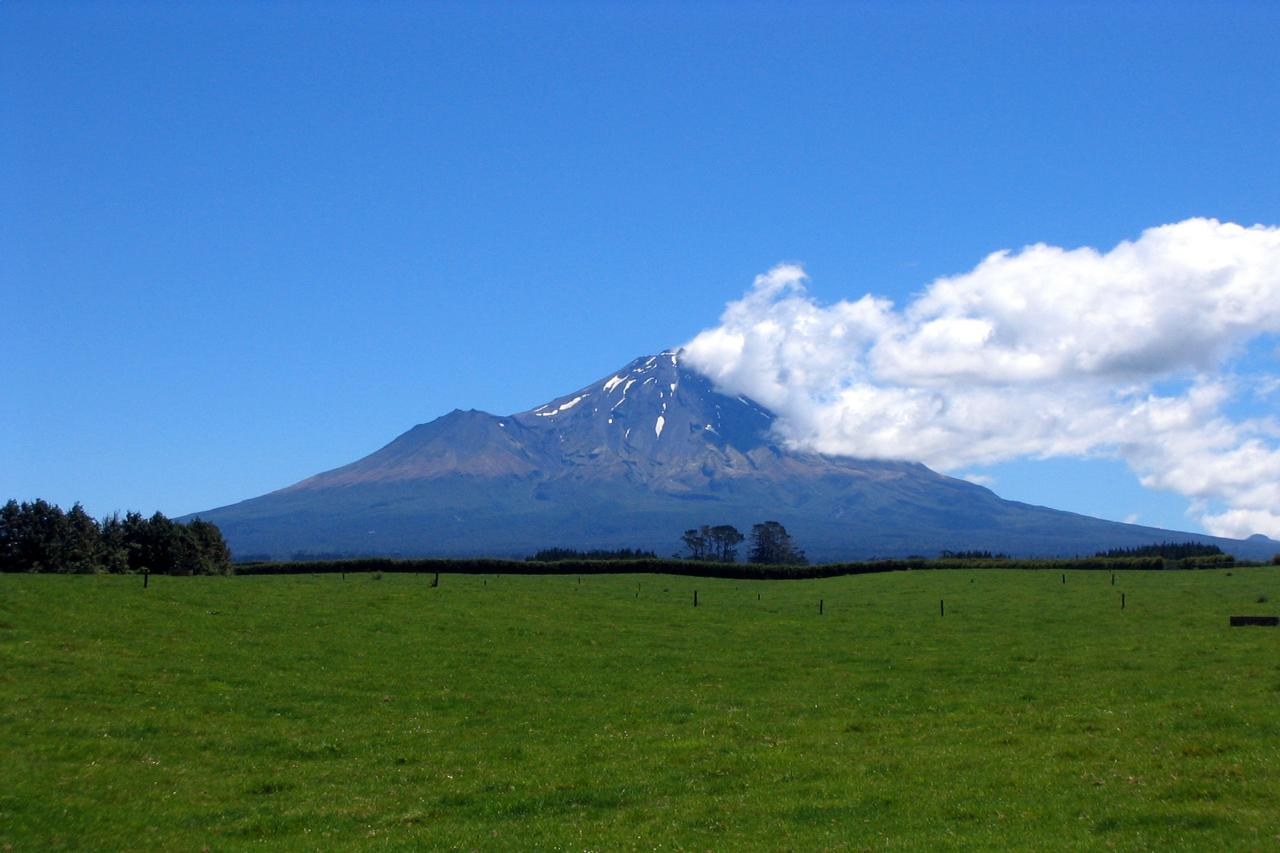
Director Edward Zwick needed a mountain that felt instantly recognizable, even to audiences who had never visited Japan. Mount Taranaki gave him exactly that. Its symmetrical volcanic cone rises to 2,518 metres. It remains one of the most photographed peaks in the world for the same reason: a near-perfect symmetry that historically drew comparisons to Mount Fuji itself.
A few details help explain why this particular mountain worked so well on screen:
- The production used the mountain mainly for wide establishing shots and background scenery, rather than scenes filmed directly on its slopes
- New Zealand’s Taranaki region shares a similar volcanic, mist-prone climate to Japan’s Fuji area, which added to the illusion
- Mount Fuji held deep spiritual significance for samurai, who saw it as a symbol of endurance and discipline. The film leans into this same theme during its quieter mountain shots
Taranaki’s weather changes quickly. Because of this, the crew often had only short windows to capture the mountain clear of cloud. That same unpredictability is something modern-day visitors should plan around too.
Uruti Valley Last Samurai: Building a Japanese Village From Scratch
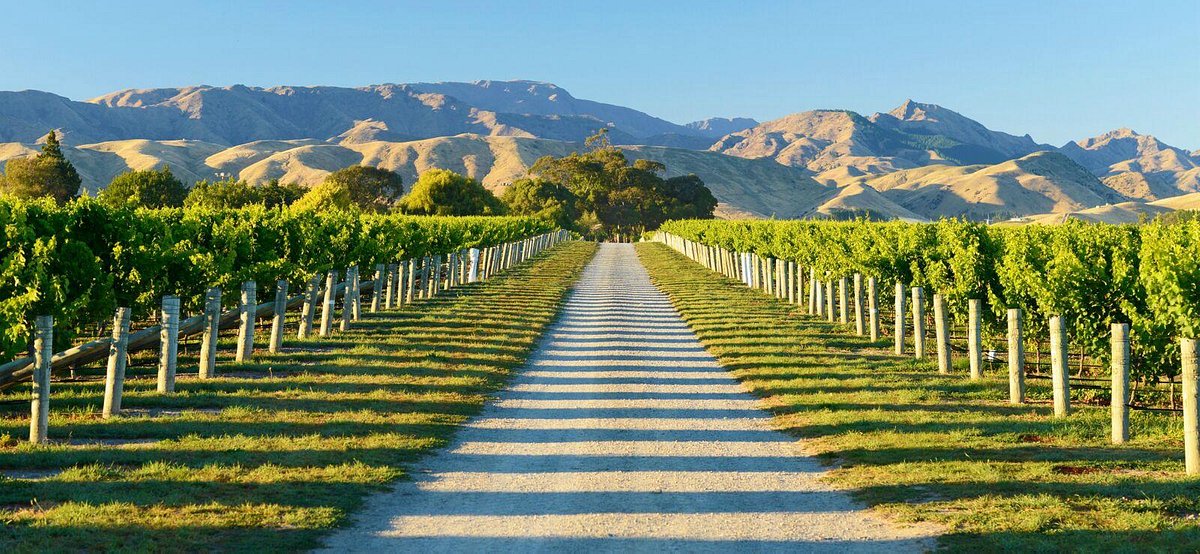
Mount Taranaki provided the skyline. The Uruti Valley provided almost everything else. Production designers built a full 1860s-style Japanese village on the valley’s hillsides, reshaping the rural landscape north of New Plymouth into rural Edo-era Japan.
The Uruti Valley Last Samurai set hosted two major elements of the film:
- The village scenes, including daily life sequences meant to establish the samurai community’s way of life
- Several of the film’s battle sequences, staged directly on the remodeled hillsides
Local farmland provided exactly the rolling, undeveloped terrain the production needed. So little modern infrastructure existed in the valley. As a result, the crew could dress the landscape without fighting against power lines, roads, or buildings breaking the illusion.
Egmont National Park Taranaki: The Mountain’s Real Identity
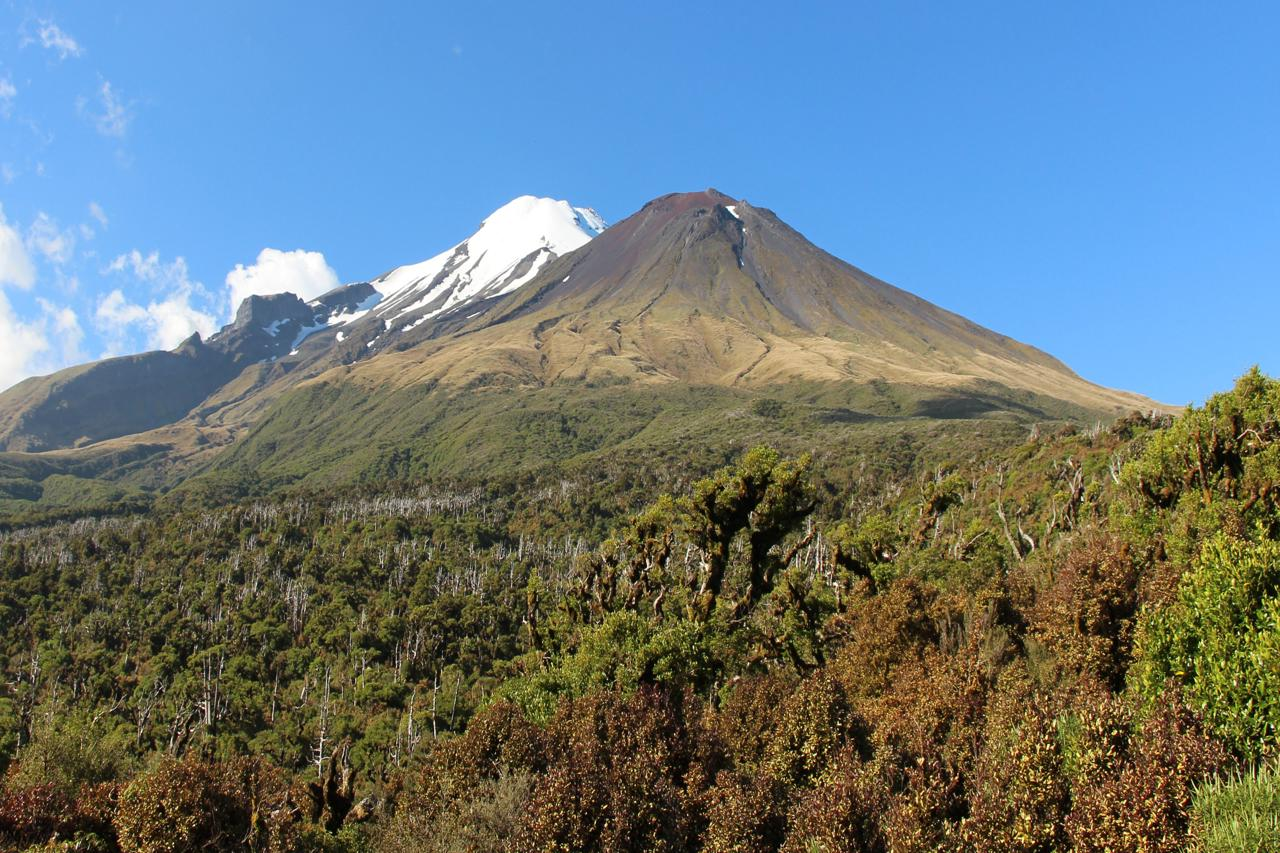
Beyond its film role, Mount Taranaki sits at the heart of Egmont National Park, officially known as Te Papa-Kura-o-Taranaki. The park protects three volcanic cones: Mount Taranaki itself, along with the Pouākai and Kaitake Ranges. Together they cover roughly 340 square kilometres of rainforest, sub-alpine shrubland, and mossy swamp.
For Māori, the mountain’s significance runs far deeper than any film role. Eight local Māori clans consider Taranaki Maunga an ancestor. In 2023, the New Zealand Government granted the mountain and its surrounding peaks legal personhood under the name Te Kāhui Tupua, a form of redress for the land’s confiscation in 1866. This same cultural weight shaped a 2024 film shot on the mountain’s slopes, The Mountain, directed by Rachel House. She has described Taranaki Maunga as one of New Zealand’s ancient living ancestors.
Visitors exploring Egmont National Park Taranaki today have several options depending on time and fitness:
- The Pouakai Crossing, considered the region’s premier one-day guided walk
- The Pouakai Tarns, roughly three hours return, offering the most photographed reflection view of the mountain
- Goblin Forest, a short walk through moss-draped mountain cedar near the North Egmont Visitor Centre
- Dawson Falls, a short walk to a 17-metre waterfall near the Manaia Road entrance
Our Mount Taranaki Summit Track hiking guide covers the full summit route in detail. Our wider Egmont National Park guide rounds up the park’s other walks and practical visitor information.
Pukekura Park New Plymouth: Where the Imperial Palace Came to Life
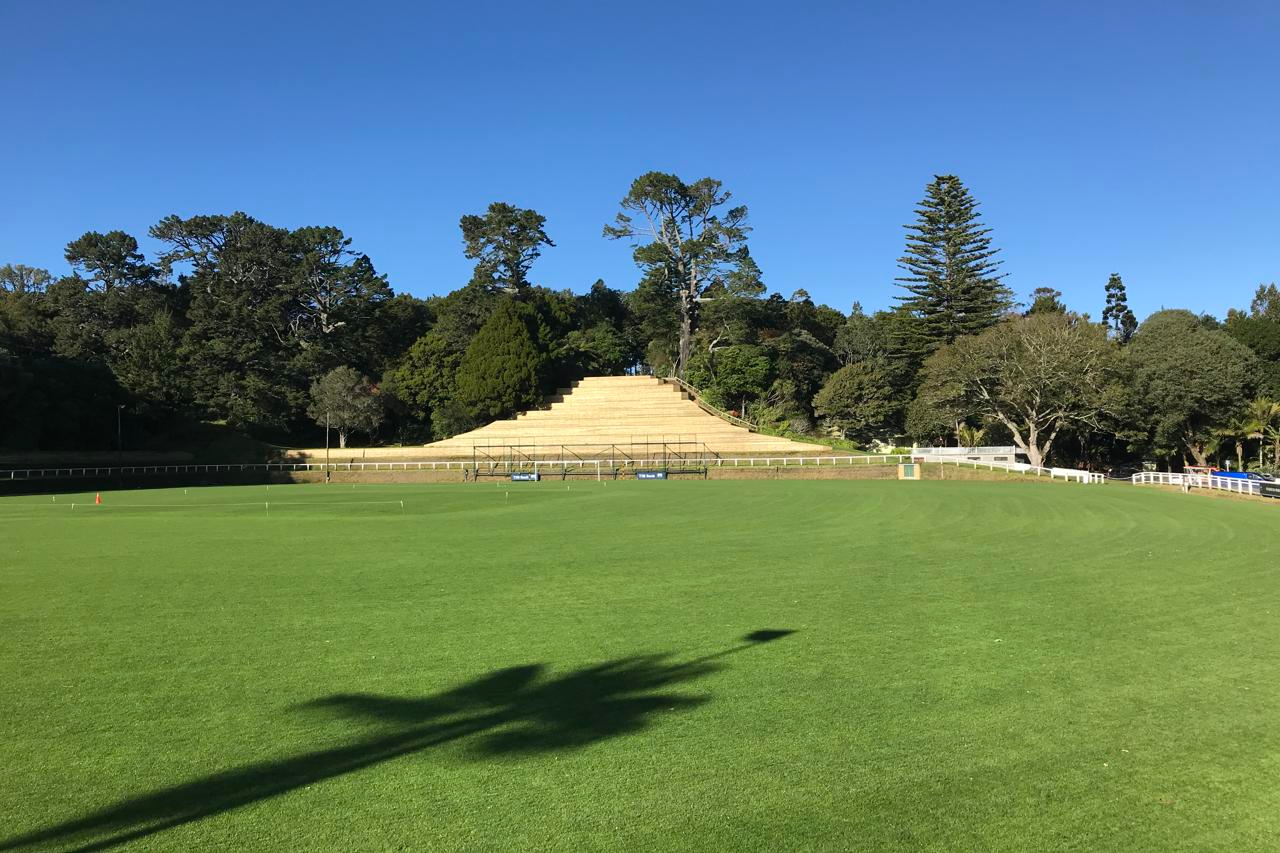
Back in New Plymouth itself, Pukekura Park New Plymouth doubled as the setting for the Imperial Army Parade grounds and palace scenes. The park’s terraces also hosted one of the film’s battle training sequences. This gave the production a second convincing stand-in without needing to leave the city.
Today, Pukekura Park remains one of New Plymouth’s most-loved public spaces. It features two lakes, a fernery, display houses, a historic band rotunda, and the Bowl of Brooklands, an outdoor amphitheatre that hosts major events, including the annual WOMAD festival each March. The park sits within easy walking distance of the city centre. Because of that, it’s simple to combine with other New Plymouth sights on the same day.
Lake Mangamahoe Taranaki: Horses, Battles, and Mountain Views
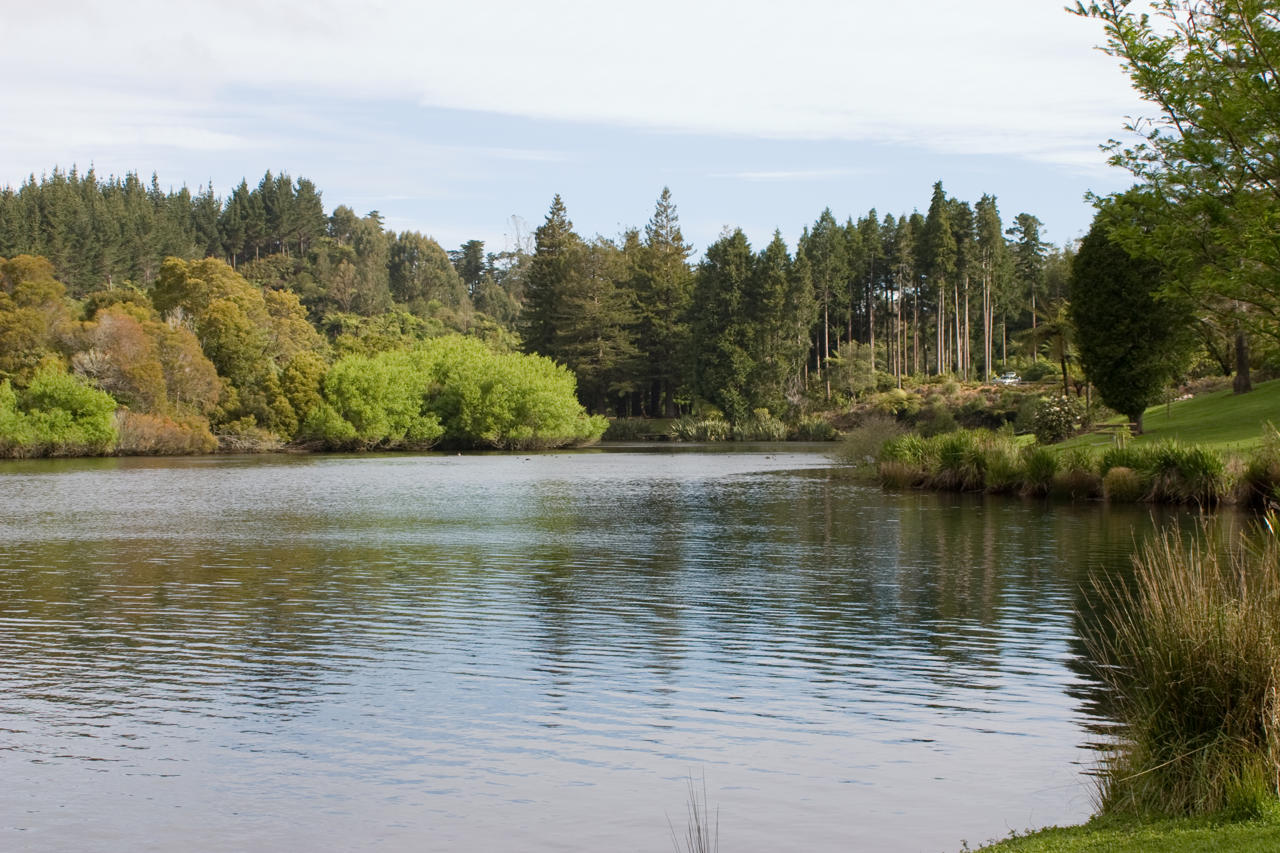
A short drive from New Plymouth, Lake Mangamahoe Taranaki hosted several of the film’s horse and battle scenes. The lake sits sheltered within a mix of forest and scrubland. This gave the production a quiet, enclosed setting away from the coastal wind that affects much of the region.
For travelers, the appeal here has little to do with the film itself. A 6-kilometre loop walk circles the lake through regenerating and mature native bush. On a clear day, the walk delivers one of the best reflected views of Mount Taranaki anywhere in the region.
Comparing the Main Filming Sites
| Location | Role in the Film | What Visitors Do Today |
| Mount Taranaki | Background “Mount Fuji” shots | Hiking, the Pouakai Crossing, summit climbs |
| Uruti Valley | Japanese village and battle scenes | Mostly private farmland; viewed from the road |
| Pukekura Park | Imperial Army Parade grounds and palace | Walking, gardens, WOMAD festival |
| Lake Mangamahoe | Horse and battle scenes | 6km loop walk, mountain reflection views |
| Port Taranaki | Japanese fishing village, built then burned | Working port; viewed from New Plymouth’s waterfront |
Port Taranaki: The Village That Was Built to Burn
One of the film’s more dramatic sequences required an entire Japanese fishing village. The crew constructed it specifically at Port Taranaki so it could be set alight during filming. Unlike the other sites on this list, nothing of that set remains today. Port Taranaki continues to operate as a working port, visible from New Plymouth’s waterfront and coastal walkway.
Planning a Visit Around Mount Taranaki
Most of these sites cluster within a short drive of New Plymouth. Because of that, Taranaki works well as a dedicated multi-day stop rather than a quick detour. Our New Plymouth tours and day trips guide covers the city itself, including the Govett-Brewster Art Gallery and the Puke Ariki museum. For the wider region, our things to do in Taranaki guide rounds up Surf Highway 45, the Forgotten World Highway, and the rest of the area’s attractions.
A North Island self-drive tour can build Taranaki into a longer route alongside Rotorua, Wellington, or the Coromandel Peninsula. Alternatively, our customizable New Zealand vacation packages can shape a trip entirely around your own interests. You can also add Mount Taranaki directly to your custom vacation package wishlist.
When to Visit
Taranaki’s weather is famously changeable, and that matters more here than in most regions:
- Summer (December-February): the clearest conditions for photographing the mountain, and the best season for the Pouakai Crossing
- Autumn (March-May): quieter crowds, plus WOMAD in mid-March draws visitors specifically to New Plymouth
- Winter (June-August): cooler and wetter, with snow occasionally dusting the summit, though lower walks like Lake Mangamahoe remain accessible year-round
Cloud can roll in with little warning here. Regardless of season, it’s worth checking conditions before attempting any of the higher walks.
New Zealand’s Real Mount Fuji
Most viewers watching The Last Samurai have no idea they’re looking at New Zealand’s North Island rather than Japan. That illusion says as much about Mount Taranaki’s striking symmetry as it does about clever filmmaking. Real mist, real volcanic slopes, and a genuinely undeveloped valley gave the production a texture no set could fully replicate.
For travelers, that same landscape is worth seeing regardless of the film connection. Whether you’re drawn here for the Mount Taranaki filming location itself, the Uruti Valley’s quiet farmland, or a walk around Lake Mangamahoe, this corner of the North Island rewards far more than a passing glance from the highway.
Browse our things to do in Taranaki or get in touch to start planning a trip built around Mount Taranaki and the wider region.