
Karekare Beach, Auckland: Falls, Film History & Safety Tips
Karekare Beach is one of the most striking stretches of coastline on Auckland’s west coast. Black sand, towering cliffs, and a genuine sense of isolation set it apart from busier beaches closer to the city. Karekare Beach NZ gained international attention as a filming location for the Oscar-winning film The Piano. It has drawn visitors ever since.
This guide covers everything worth knowing before you visit Karekare Beach. That includes getting there and what to do once you arrive.
Table of Contents
- Where Karekare Beach Is and How to Get There
- Karekare Falls
- Swimming and Safety at Karekare Beach
- Waitākere Ranges Regional Park
- Karekare Beach vs Piha Beach
- Best Time to Visit Karekare Beach
- Planning Your Visit
Where Karekare Beach Is and How to Get There
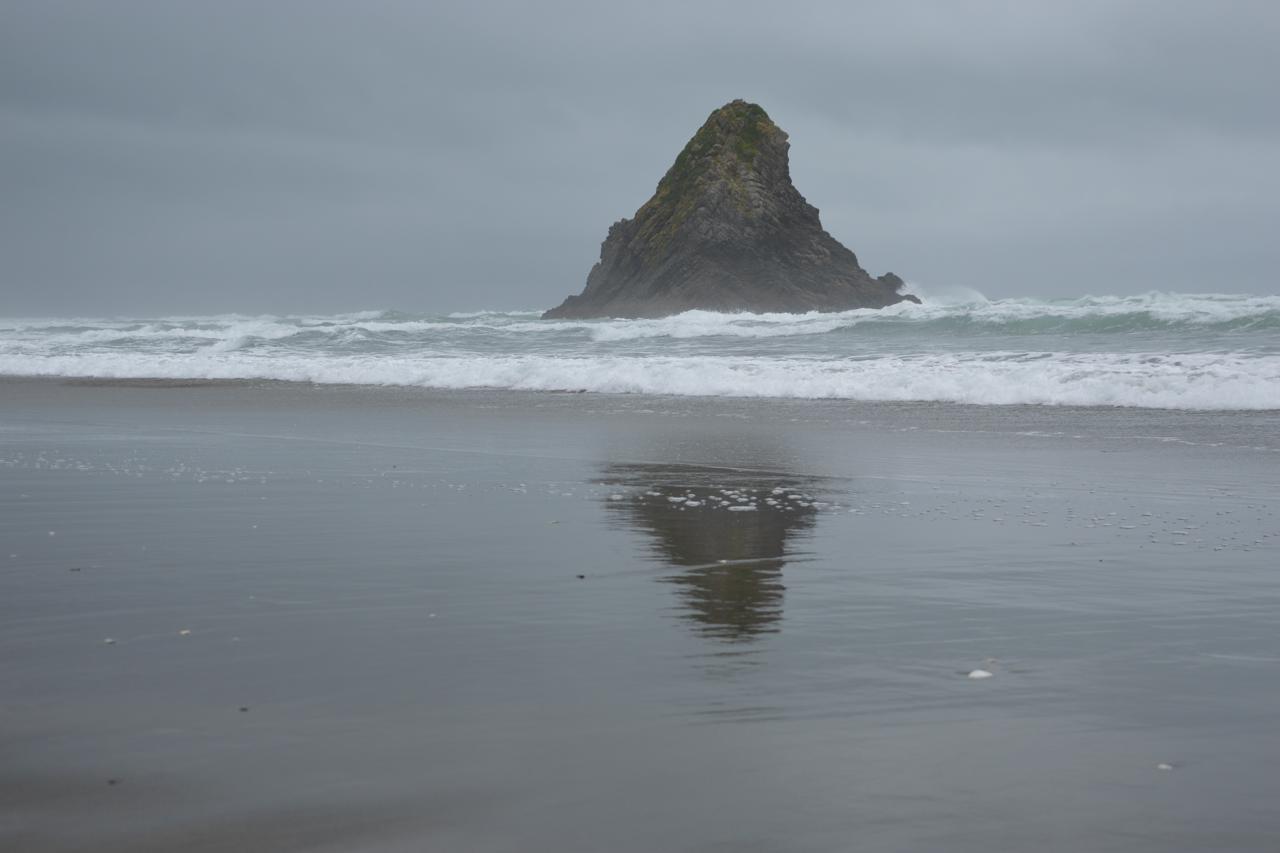
Karekare Beach sits on Auckland’s rugged west coast. It’s part of the Waitākere Ranges Regional Park. It’s roughly 35 kilometres from downtown Auckland, or about a 45 to 60 minute drive. To get there, follow the road toward Piha. Turn left onto Karekare Road just before reaching Piha village.
The main car park sits close to the beach, with toilets and a small picnic area nearby. From there, a short walk of around ten minutes brings you to the sand. The path follows a stream that runs from the car park down to the ocean. There’s no public transport directly to Karekare Beach, so a car is the most practical way to visit.
Karekare Beach and The Piano
Karekare Beach gained wider recognition after starring in the 1993 film The Piano. The film went on to win three Academy Awards. Several key scenes were filmed on this stretch of black sand. The beach’s dramatic, windswept character suited the film’s tone perfectly. Decades later, the connection still draws film fans to Karekare New Zealand Beach specifically to see the location in person.
Beyond the film, Karekare Beach carries deep Māori history. The surrounding area holds cultural significance that predates its role as a filming backdrop. That layered history adds context to what might otherwise seem like just a dramatic photo opportunity.
Karekare Beach and the surrounding regional park are also home to native birdlife, including species that have become rarer elsewhere around Auckland thanks to ongoing pest control efforts in the Waitākere Ranges. Keep an eye out along the walking tracks, where the dense native bush provides good cover for birds that are harder to spot in more developed parts of the city.
Karekare Falls
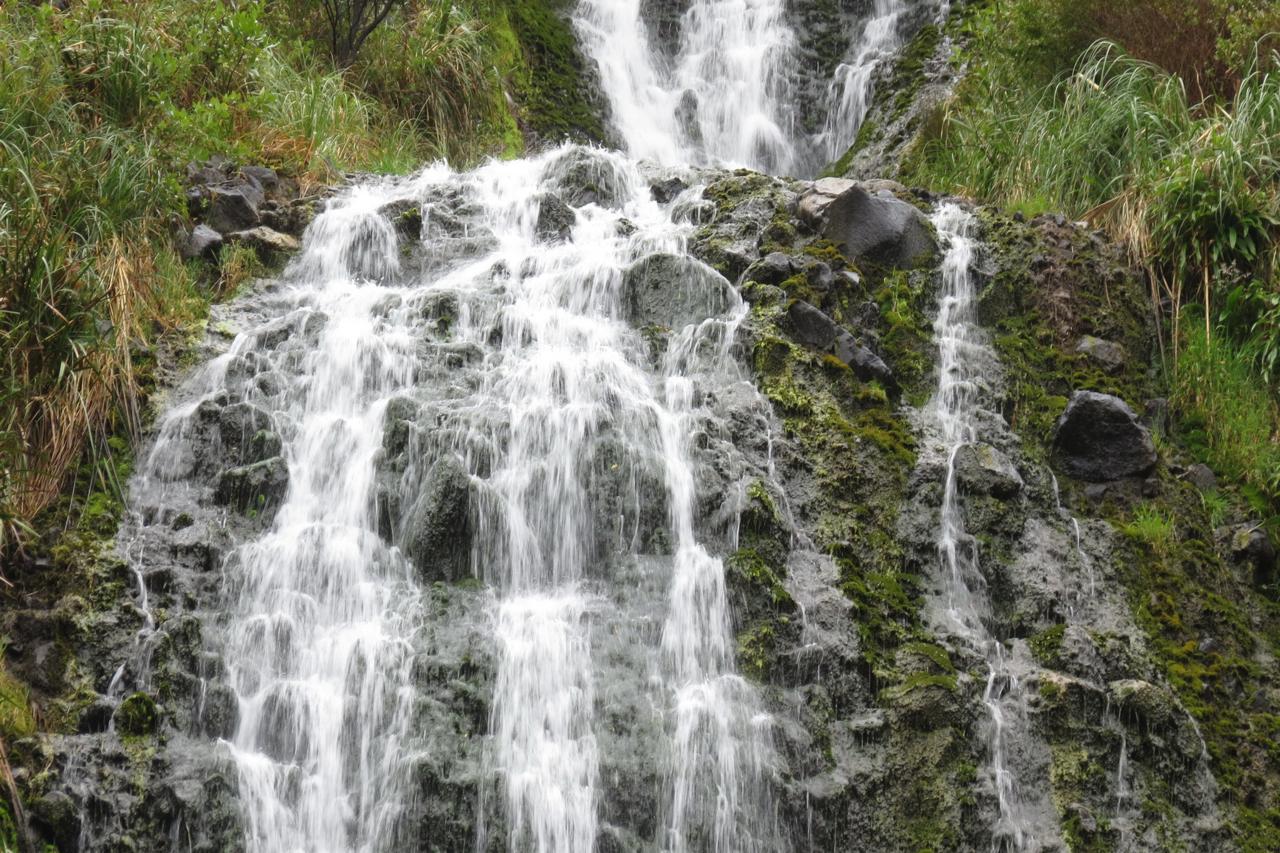
A short walk from the beach leads to Karekare Falls, a genuine highlight of any visit. The falls drop into a shaded, fern-covered pool, framed by native bush and rock walls. From the main car park, the walk takes around fifteen minutes. From the Karekare Road car park closer to the falls themselves, it’s closer to seven minutes.
The La Trobe Track leads directly to Karekare Falls. The path is well-formed and manageable for most fitness levels. Karekare Falls tends to flow best after rain. A visit during winter or spring often rewards you with a fuller, more dramatic waterfall than during a dry summer.
Swimming and Safety at Karekare Beach
Karekare Beach looks inviting, but it demands real respect. Strong rip currents are common here. The beach is far less patrolled than nearby Piha. Swim only when lifeguards are present, and stay within the flagged area if flags are up. Outside patrolled hours, it’s safer to admire the beach from the sand rather than swim.
The powerful surf that makes Karekare Beach so photogenic is the same surf that makes it genuinely dangerous for inexperienced swimmers. If you’re travelling with children, keep a close eye on them near the water. Conditions can change quickly, even on a calm-looking day.
Practical Tips for Visiting Karekare Beach
A few small details make a Karekare Beach visit go more smoothly. Bring cash if you plan to buy anything nearby, since facilities are limited and card payment isn’t always available in the surrounding area. Sturdy, closed shoes are worth packing if you’re heading to the falls, since the track can get muddy after rain.
Mobile phone coverage is patchy around Karekare Beach, so it’s worth letting someone know your plans before you head out, particularly if you’re walking to the falls or exploring further into the Waitākere Ranges. There’s no food or drink available at the beach itself, so bring water and snacks if you’re planning to stay for a few hours.
Waitākere Ranges Regional Park
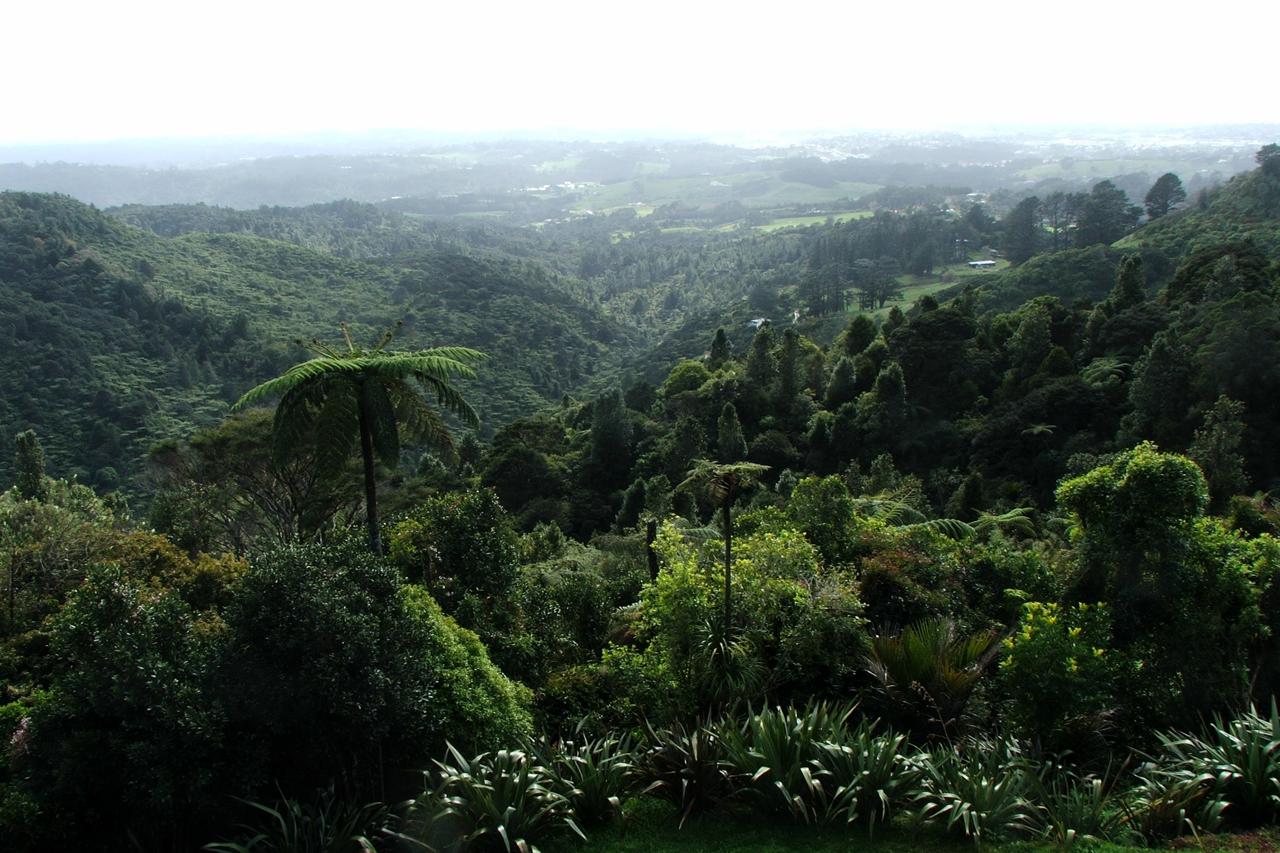
Karekare Beach sits within the wider Waitākere Ranges Regional Park, a large area of native forest and coastline west of Auckland. The Waitākere Ranges offer dozens of walking tracks beyond the beach itself. These range from short strolls to full-day hikes through dense bush.
If you have extra time, the Mercer Bay Loop Track nearby delivers sweeping coastal views along the cliffs above the Tasman Sea. Combining a Karekare Beach visit with even a short Waitākere Ranges walk gives you a fuller sense of this part of Auckland beyond just the sand.
Karekare Beach vs Piha Beach
Karekare Beach and Piha Beach sit only about fifteen minutes apart. Travellers often visit both in a single day. Piha is the busier, more developed of the two, with cafes, a well-known surf club, and the iconic Lion Rock rising from the sand. Karekare Beach, by contrast, feels far more remote. Minimal development and a quieter, more isolated atmosphere set it apart.
Neither beach is better than the other. They simply suit different moods. If you want facilities, surf lessons, and a livelier atmosphere, head to Piha. If you want solitude, dramatic scenery, and a genuine sense of escape, Karekare Beach is the better choice.
Best Time to Visit Karekare Beach
Karekare Beach is worth visiting year-round, though conditions shift noticeably with the seasons. Summer, from December through February, brings the warmest weather and the best swimming conditions when lifeguards are on duty. Winter and spring bring more dramatic skies and a fuller Karekare Falls. That’s appealing if photography is your main goal rather than swimming.
Weekdays tend to be quieter than weekends at any time of year. That matters if solitude is part of the appeal for you. Our guide to the best time to visit New Zealand covers broader seasonal planning if Auckland is part of a wider trip.
Planning Your Visit
Karekare Beach sits close to central Auckland. It fits easily into a day trip without requiring dedicated travel days elsewhere in your itinerary. A self-drive New Zealand tour lets you base yourself in Auckland and explore the west coast beaches at your own pace. A small group tour is a good alternative. It suits travellers who’d rather have a local guide handle the driving and safety considerations around the surf.
If you’re comparing Auckland’s beaches, our guide to the best beaches in New Zealand covers Karekare Beach alongside other standout coastal spots across both islands. Our things to do page also covers more Auckland activities worth combining with a west coast beach visit. Browse our full range of New Zealand tours to find an itinerary that includes Auckland. Or visit the NZ Tourism Tours travel blog for more regional guides.