
Farewell Spit, Golden Bay: New Zealand’s Wild Northern Edge
Farewell Spit stretches roughly 25 kilometres from the tip of Golden Bay. That makes it New Zealand’s longest sand spit. It sits at the very top of the South Island, curling out into the Tasman Sea like a giant hook. Farewell Spit NZ is recognised internationally as a Ramsar wetland. It’s home to more than 90 bird species. It also hosts one of the few sea-level gannet colonies anywhere in the country.
This guide covers what makes Farewell Spit worth visiting. That includes its history and how it fits into a wider trip through Golden Bay. For guided tour bookings and departure details, our dedicated Farewell Spit Eco Tours guide has everything you need.
Table of Contents
- Where Farewell Spit Is and Why It’s Protected
- Wildlife on Farewell Spit
- The Lighthouse and Cape Farewell
- Exploring the Rest of Golden Bay
- Best Time to Visit Farewell Spit
- Planning Your Visit
Where Farewell Spit Is and Why It’s Protected
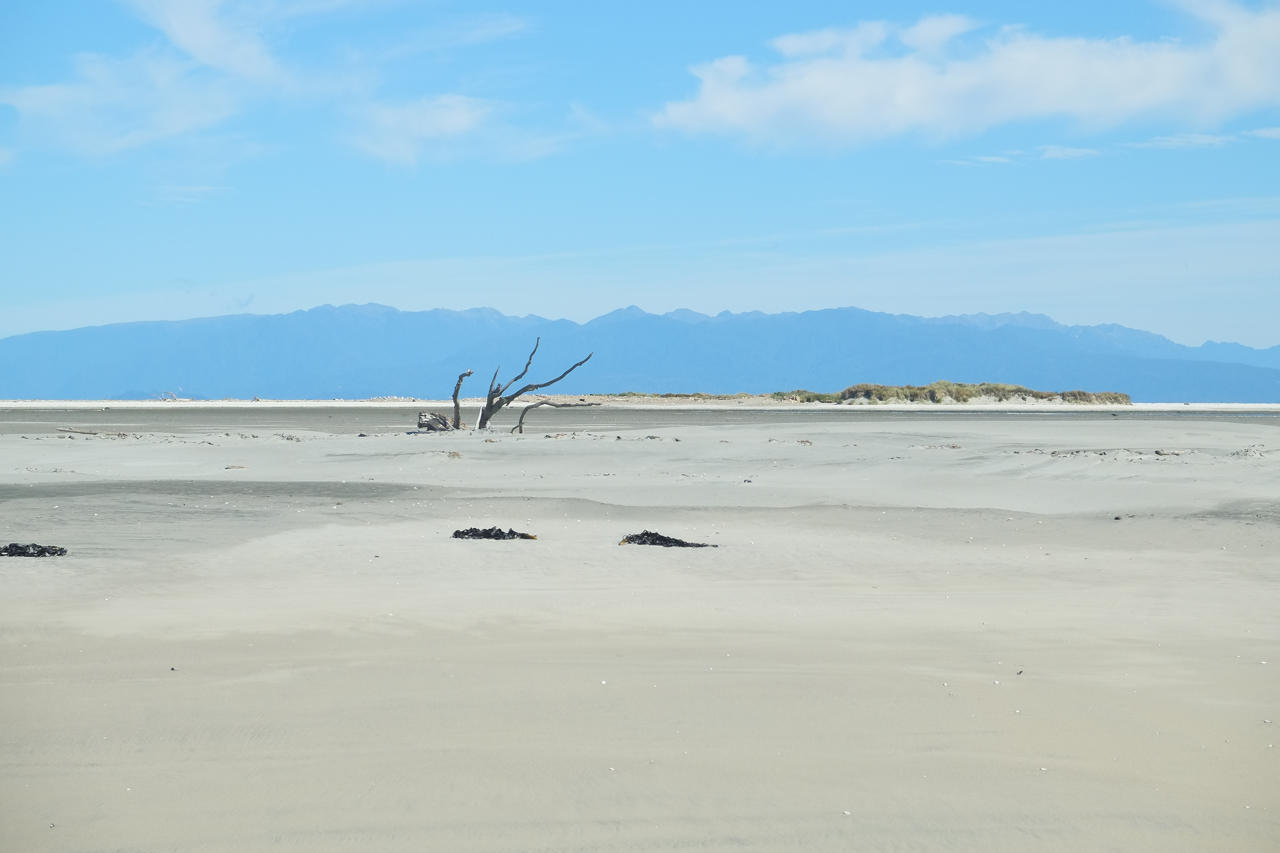
Farewell Spit sits at the northernmost point of Golden Bay. It’s formed from quartz sand eroded off the Southern Alps. Ocean currents carried that sand north over thousands of years. The result is a dynamic, shifting landscape of dunes and mudflats. Nowhere else in New Zealand looks quite like it. The Department of Conservation manages Farewell Spit as a Nature Reserve, a stricter classification than a national park.
Public access on foot is limited to the first four kilometres of the spit. Beyond that point, only licensed tour operators are permitted. This protects the fragile dune systems and nesting birds from disturbance. That’s part of why Farewell Spit has stayed so wild. Tourism across Golden Bay has grown, but the spit itself hasn’t changed much.
The spit itself is genuinely unstable ground in places. Shifting sands and tidal flats can catch out unprepared walkers. That instability is exactly why the reserve carries such strict protections. It’s not simply bureaucratic caution. It’s a real reflection of how easily this landscape can change from one season to the next.
Wildlife on Farewell Spit
Farewell Spit’s wetlands hold real international significance for migratory birds. Each spring, tens of thousands of bar-tailed godwits and red knots arrive from the Arctic Circle. They fly thousands of kilometres without stopping along the way. They spend the warmer months feeding on the spit’s tidal flats before making the return journey north.
Past the lighthouse, near the far tip of the spit, sits something rare. It’s New Zealand’s only mainland gannet colony at sea level. Most gannet colonies nest on rocky cliffs, out of easy reach. This one sits right on the sand. That gives visitors an unusually close view of adult birds caring for their chicks.
New Zealand fur seals are also a common sight here. Fossil Point is a particular favourite, where seals haul out on rocky ledges below the cliffs. Look closely at the rock itself. You’ll find small fossilised shells and worm casts, a reminder of just how old this coastal landscape really is.
Practical Tips for Wildlife Viewing
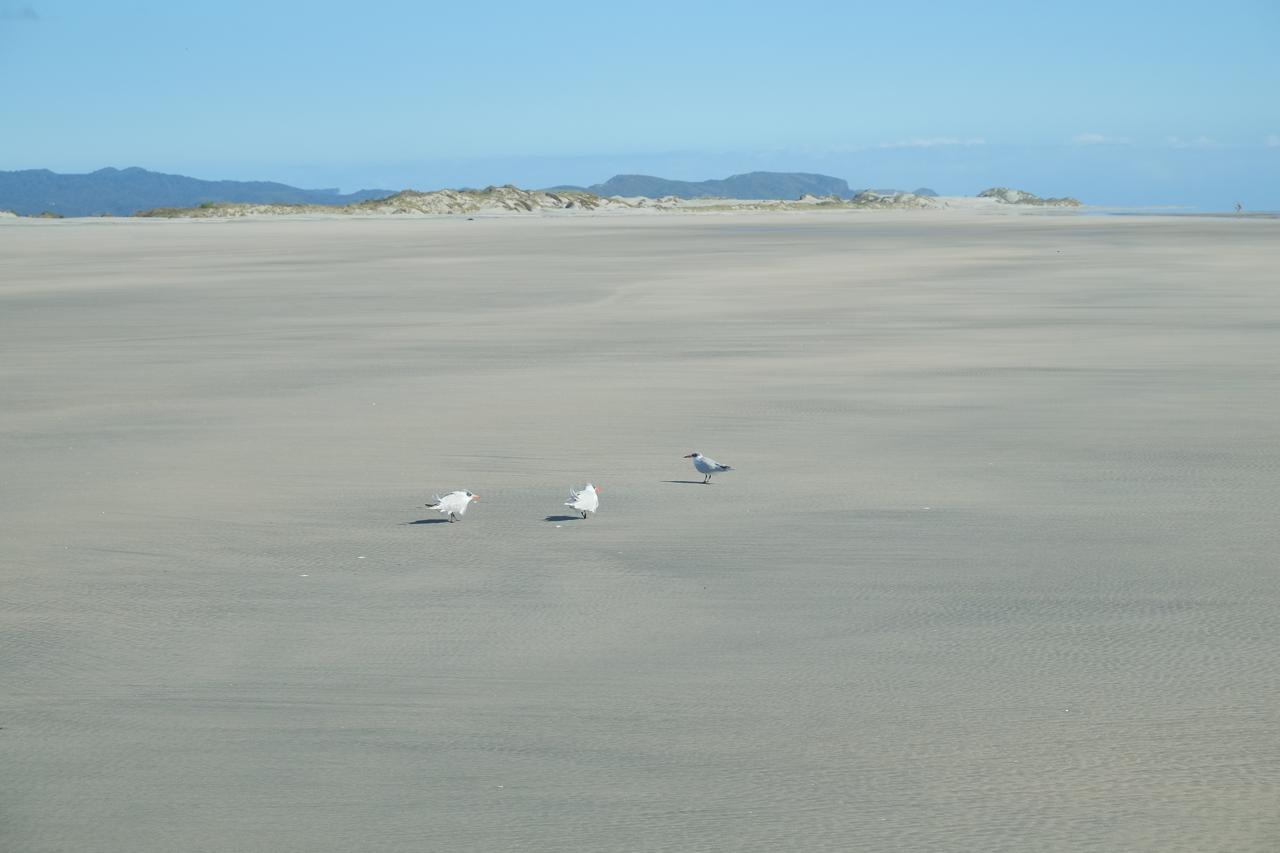
A few small habits make wildlife viewing on Farewell Spit more rewarding. Bring binoculars if you have them, since many birds and seals are visible only at a distance from designated viewing points. Move slowly and quietly around any wildlife you spot, since sudden movement can startle nesting birds or resting seals.
Tides matter more than most visitors expect. Large sections of the tidal flats that host feeding godwits and knots are only exposed at low tide, so timing your visit around tide tables genuinely changes what you’ll see. Guides on organised tours plan around this automatically, but if you’re viewing from the publicly accessible section near Puponga, it’s worth checking tide times yourself before you set out.
The Lighthouse and Cape Farewell
The Farewell Spit Lighthouse stands about 27 kilometres along the beach, close to the seaward end of the spit. It was first lit in 1870. Builders rebuilt it in steel in 1897 to withstand the constant sand and salt exposure. It still operates today as an automated, solar-powered navigational light, flashing every 15 seconds.
Nearby, Cape Farewell marks the northernmost point of the South Island. Dramatic, sculpted quartz sandstone cliffs meet the open ocean here. It’s a worthwhile stop even outside a full Farewell Spit tour. The views alone offer a genuine sense of standing at the edge of the country.
A short walking track leads from the small car park at Cape Farewell out to a lookout point, manageable for most fitness levels in well under an hour. From here, on a clear day, you can see across to the beginning of Farewell Spit itself, curving away into the distance toward the Tasman Sea. It’s one of the few spots where you get a real sense of the spit’s scale without needing to join a guided tour.
Exploring the Rest of Golden Bay
Farewell Spit is the northern anchor of a wider Golden Bay region. The region rewards a slower, multi-day visit rather than a single quick stop. Golden Bay New Zealand is known for its relaxed pace, artistic community, and dramatic natural scenery. That includes everything from Wharariki Beach’s sea caves to the entrance of Abel Tasman National Park further south.
Collingwood is the small township closest to Farewell Spit. It serves as the main base for tours and accommodation in this part of Golden Bay. Takaka, the region’s largest town, sits about 40 minutes further south. It offers a wider range of cafes, galleries, and services if you’re staying in the area for several days. Our things to do page has more South Island ideas. It’s worth a look if you’re combining this with a wider trip.
The wider Golden Bay area also has a strong reputation among artists and craftspeople. Several small galleries and studios sit scattered along the main road through Takaka. It’s worth building in time to browse these alongside the natural attractions. They add a genuinely different texture to the trip.
Getting to Golden Bay involves crossing Takaka Hill, a winding mountain road connecting the region to Nelson and the rest of the South Island. The drive itself is part of the experience, with lookout points along the way offering sweeping views back over Tasman Bay. Allow extra time for this stretch of road, particularly if you’re not used to driving on winding mountain routes, since the twists and turns take longer than the distance alone suggests.
Best Time to Visit Farewell Spit
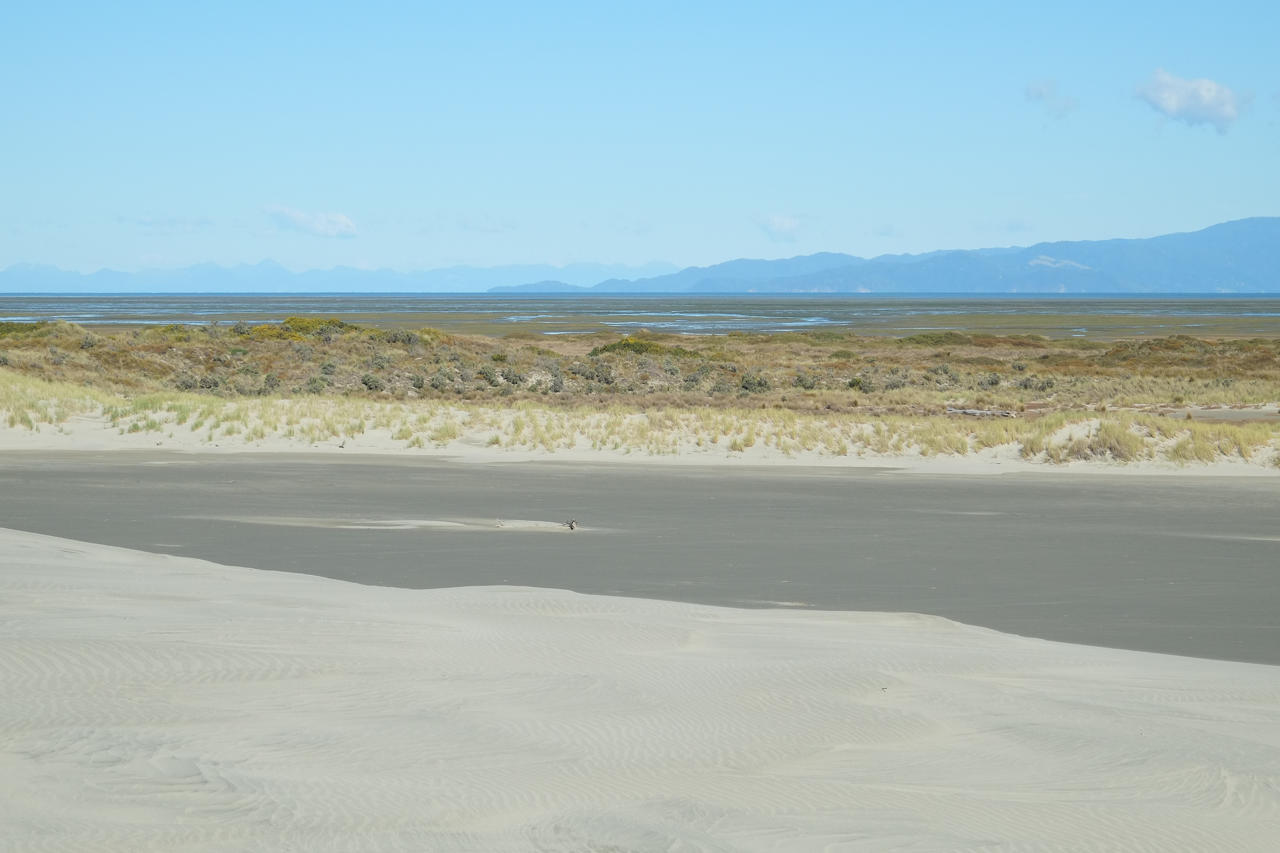
Farewell Spit is worth visiting year-round, but the birdlife shifts noticeably with the seasons. Migratory waders are present from around September through April, with peak numbers over summer. Outside this window, resident species are still visible. The spit feels quieter without the seasonal arrivals, which some visitors actually prefer.
Weather can change quickly on this exposed stretch of coast. Layered clothing is worth packing regardless of season. Our guide to the best time to visit New Zealand covers broader seasonal planning too, useful if Golden Bay is part of a wider South Island trip.
Planning Your Visit
Farewell Spit sits roughly two hours north of Nelson by road. That makes it a genuine detour rather than a quick stop. A self-drive New Zealand tour gives you real flexibility. You can spend a full day, or more, exploring Golden Bay at your own pace. A South Island tour is a solid alternative too. It suits travellers who’d rather have local knowledge on hand for the wider region.
If you’re comparing coastal highlights across the South Island, our guide to the best beaches in New Zealand is worth a look. It covers several other standout spots worth pairing with a Farewell Spit visit. Browse our full range of New Zealand tours to find an itinerary that includes Golden Bay. Or visit the NZ Tourism Tours travel blog for more regional guides.