
Stargazing in New Zealand: Where to See the Southern Sky at Its Best
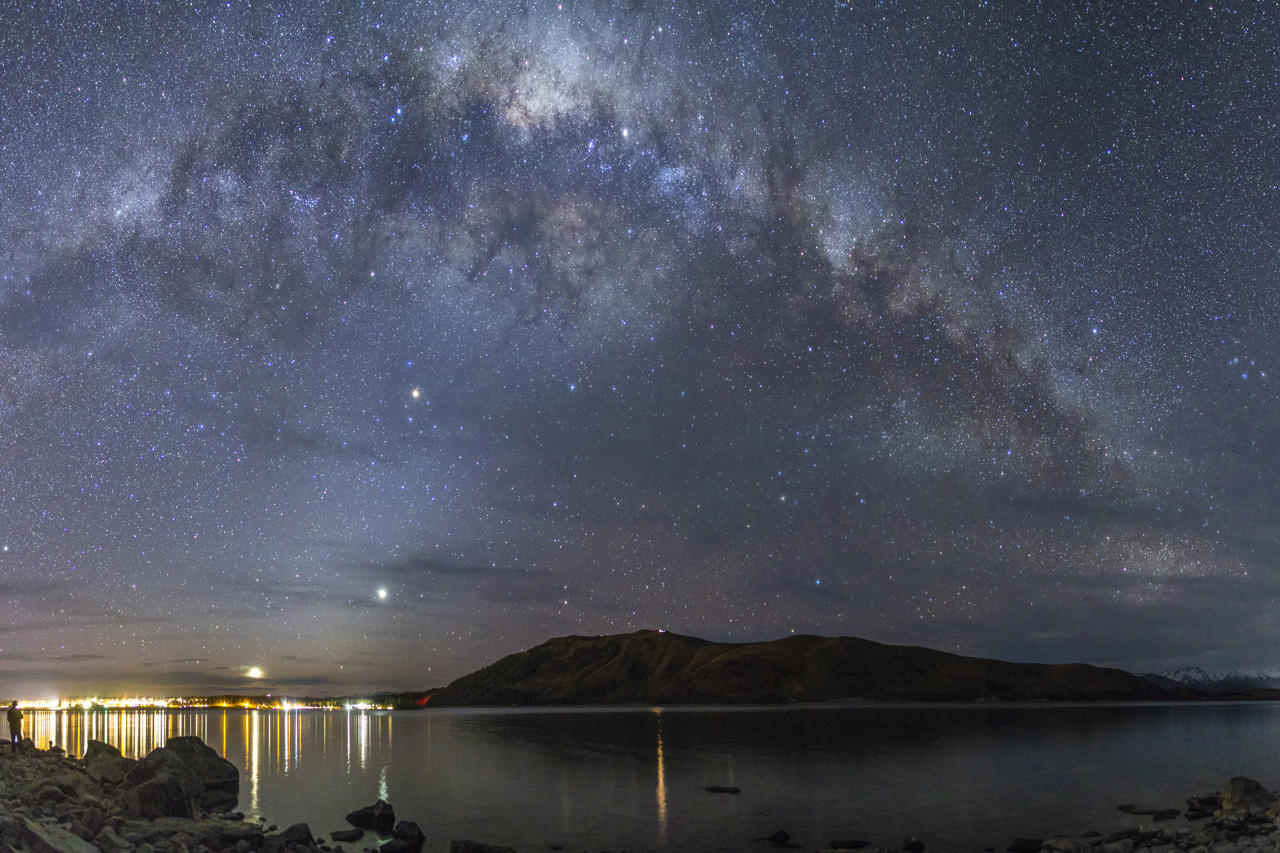
Few places on Earth let you look this far into the universe. Stargazing in New Zealand means dark skies, a Southern Hemisphere view that many travelers have never seen, and some of the most accessible observatories anywhere. On a clear night you can watch the Milky Way arc overhead, pick out the Southern Cross and, with luck, catch the Southern Lights.
This guide covers the best places to stargaze in New Zealand, what you will see and when to go. It also shows how to fit a night under the stars into a South Island trip.
Stargazing in New Zealand at a glance
| Best place | Aoraki Mackenzie Dark Sky Reserve (Lake Tekapō and Aoraki Mount Cook) |
| Best months | April to September, when nights are longest |
| How long to allow | At least two nights in one place, in case of cloud |
| Don’t miss | Southern Cross, Milky Way core, Magellanic Clouds |
| Bonus sights | Southern Lights (far south), Matariki (winter) |
| Getting there | Lake Tekapō is 226 km (140 mi), about 3 hours from Christchurch |
Watch: magical stargazing in New Zealand
Want a preview before you go? Press play on If You Seek Magical Stargazing to see why travelers plan whole trips around the night sky.
Why New Zealand is one of the best places to stargaze
Compared with most countries, New Zealand has very little light pollution. Large areas are sparsely populated, and the air is clean and often dry. As a result, the sky looks sharper and holds far more stars than you may be used to.
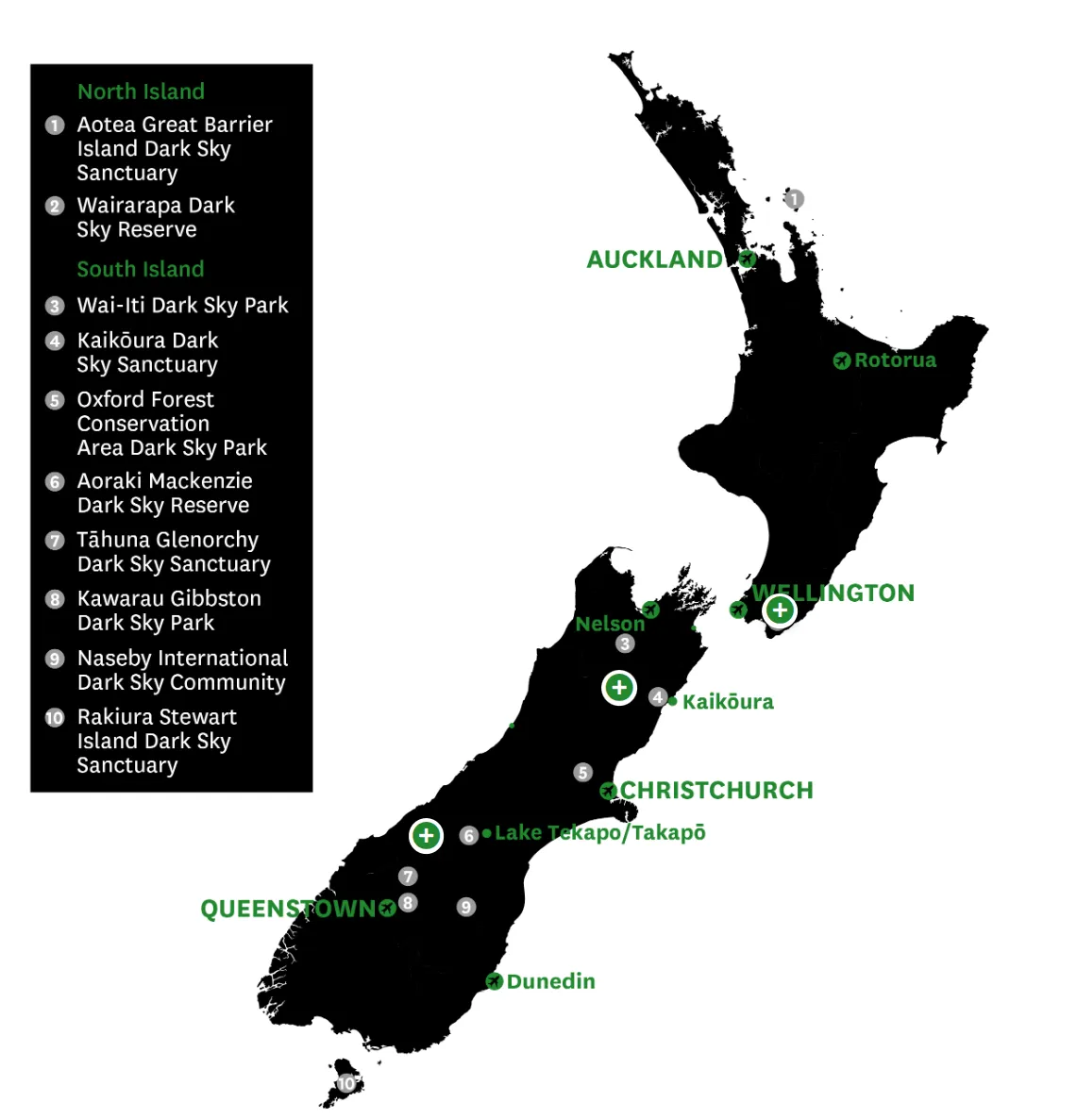
New Zealand also protects its night skies. The country has several internationally recognized dark-sky places, certified by DarkSky International:
| Place | Island | Type |
| Aoraki Mackenzie Dark Sky Reserve | South Island | Gold-tier reserve |
| Wairarapa Dark Sky Reserve | North Island | Gold-tier reserve |
| Great Barrier Island (Aotea) | North Island | Dark sky sanctuary |
| Stewart Island (Rakiura) | South Island | Dark sky sanctuary |
The Aoraki Mackenzie Dark Sky Reserve is the headline act. It covers more than 4,000 sq km (about 1,550 sq mi) around Lake Tekapō, Lake Pukaki and Aoraki Mount Cook.
What can you see in the night sky in New Zealand?
The southern sky is a different show from the one most Northern Hemisphere visitors know. Here is what to look for:
- The Milky Way: Its bright, dusty core is easy to spot with the naked eye. Wondering where to see the Milky Way in New Zealand? Any dark site works, and the Aoraki Mackenzie Dark Sky Reserve is the best.
- The Southern Cross: This small, kite-shaped constellation is the icon of the southern sky. Māori know it as Te Punga, the anchor.
- The Magellanic Clouds: These two small galaxies look like detached pieces of the Milky Way.
- Star clusters and nebulae: Telescopes reveal glittering clusters and glowing gas clouds that you cannot see unaided.
- Planets: Bright planets are often visible, and tour guides will point them out.
In winter, you can also look for Matariki, the Pleiades cluster, low in the northeast just before dawn. Its reappearance marks the Māori New Year. Learn more about New Zealand festivals and Māori culture experiences.
Best places to stargaze in New Zealand
Lake Tekapō and Mount John Observatory
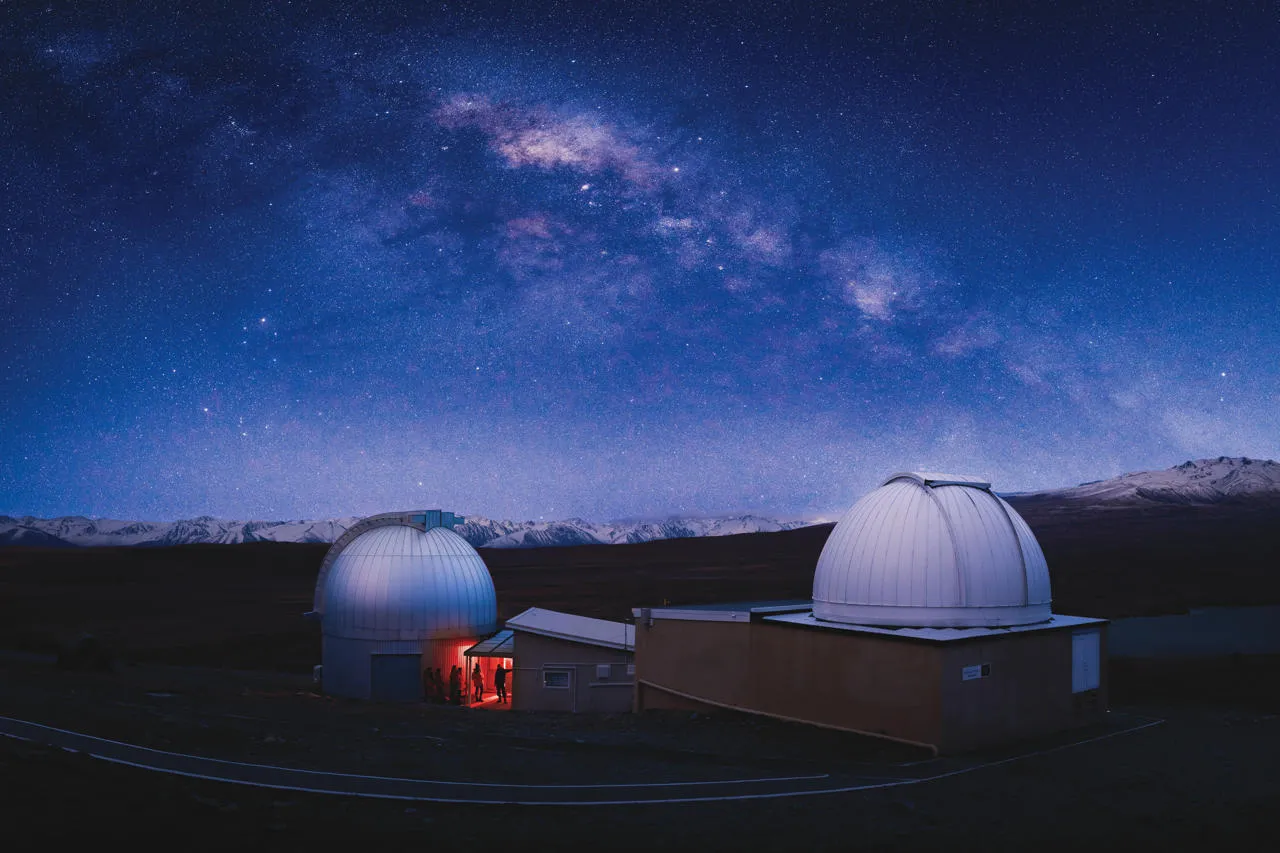
Lake Tekapō is the most popular spot for stargazing in New Zealand, and the reason is simple. It sits at the heart of the Aoraki Mackenzie Dark Sky Reserve, and the town controls its lighting to protect the view. You can stroll to the Church of the Good Shepherd, then join a telescope tour from Mount John Observatory, run by Earth & Sky.
Afterward, warm up in the hot pools. For more ideas, browse our Mt Cook and Mackenzie guide.
Aoraki Mount Cook Village
Aoraki Mount Cook Village is also inside the Aoraki Mackenzie Dark Sky Reserve. It is about 5 hours from Christchurch, and few places feel more remote. Snow-capped peaks frame the sky, so photographs look spectacular.
Cloud rolls in fast here. If it does, a village planetarium gives you a handy indoor backup. See more in our guide to New Zealand’s national parks.
Stewart Island (Rakiura)
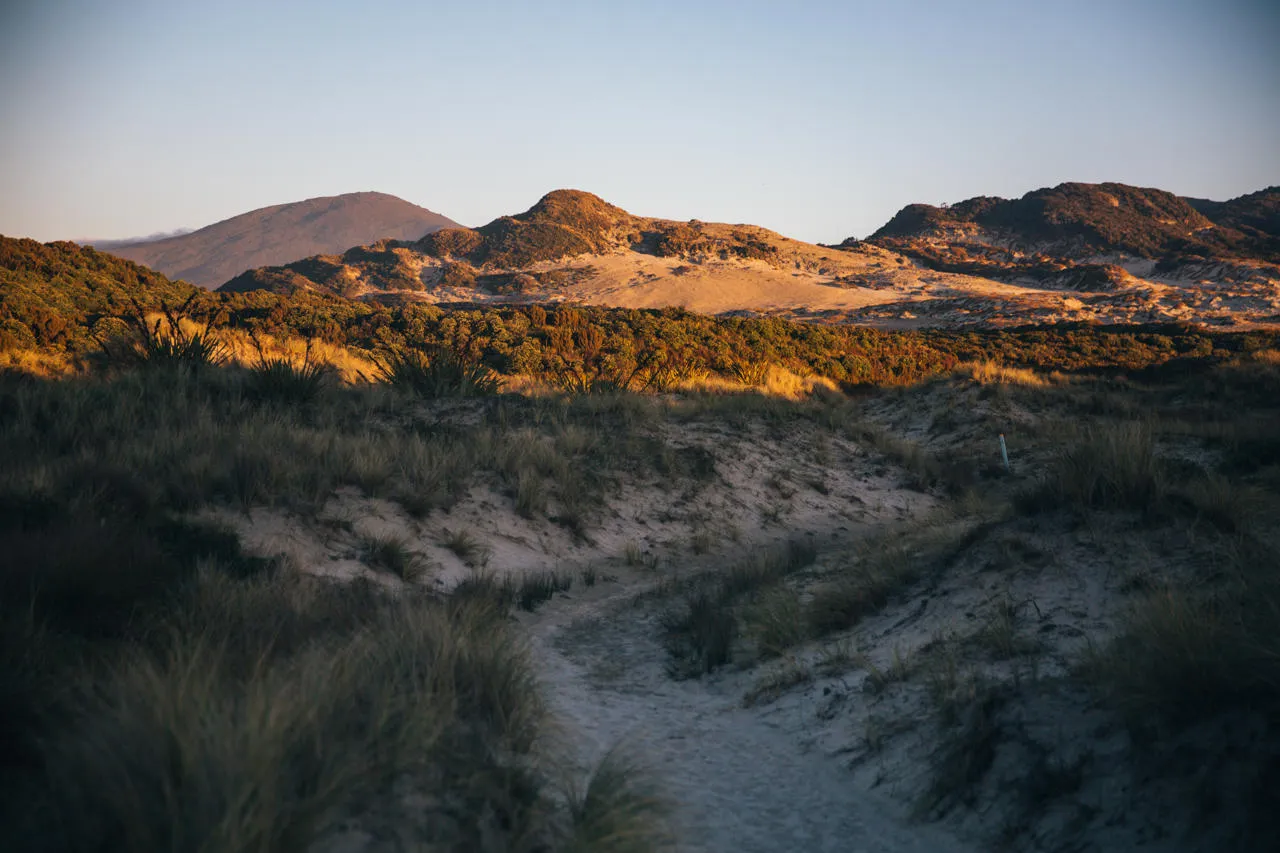
New Zealand’s southernmost island is a Dark Sky Sanctuary. With almost no artificial light, the stars here are spectacular. It is also one of the best places to hope for the Southern Lights in New Zealand. Plan your visit with our Stewart Island guide.
Great Barrier Island (Aotea)
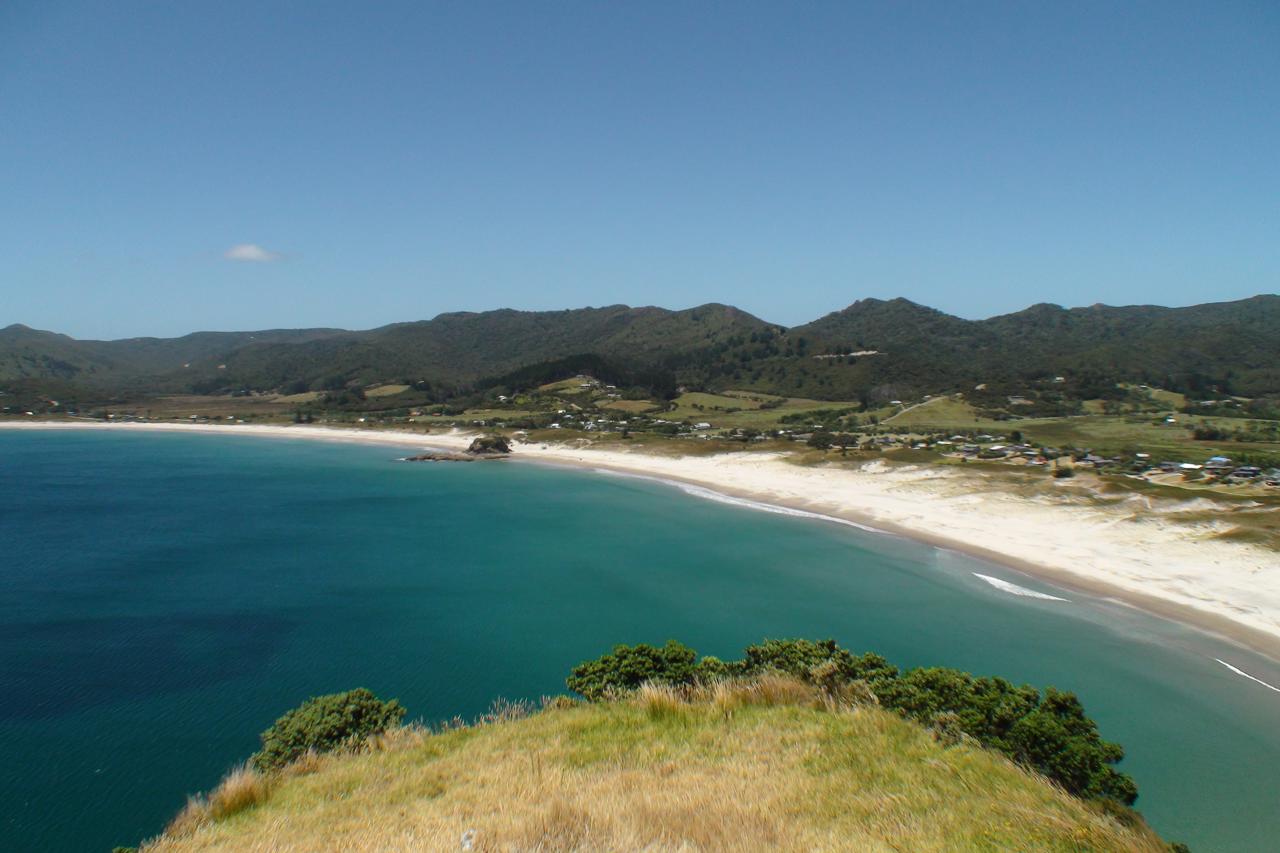
If you are based in the North Island, this is your best bet. Great Barrier Island is a short flight or ferry ride from Auckland. Its Dark Sky Sanctuary status means you can enjoy a sky full of stars without crossing the Cook Strait.
Wairarapa and the capital region
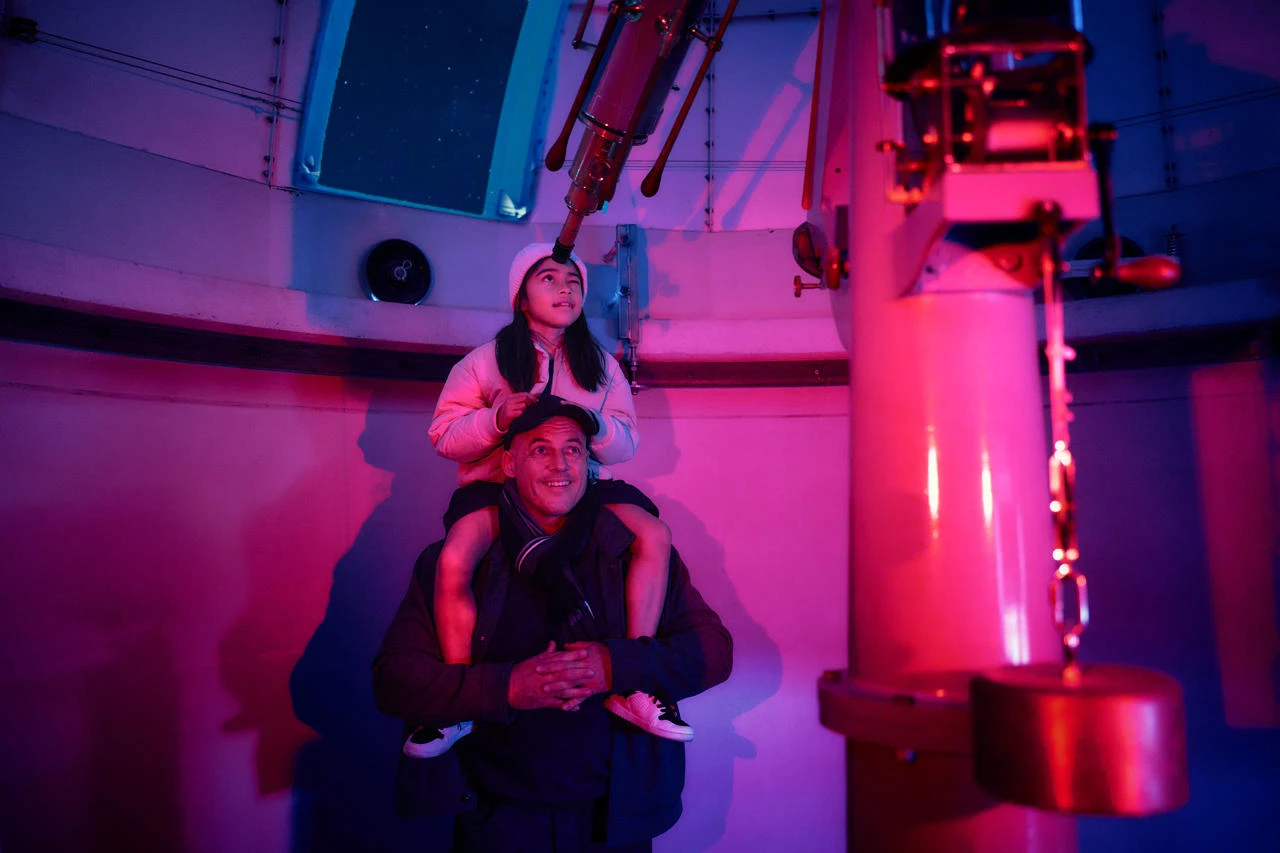
The Wairarapa Dark Sky Reserve lies within reach of Wellington, so it works for a short trip from the capital. Wellington and Auckland also have observatories with public programs, which suit rainy nights. Explore Wellington and Wairarapa for more.
New Zealand stargazing tours: what to expect
You can stargaze for free in many places. However, New Zealand stargazing tours add things a night walk can’t. Expert astronomers lead small groups, telescopes bring distant objects into view, and guides share the science and the Māori star stories.
Here is what a typical tour offers:
- Telescope time: You look at planets, clusters and nebulae through powerful scopes.
- Local knowledge: Guides explain what you are seeing and help you find the Southern Cross.
- Comfort: Many tours include transport from town, and some supply warm drinks or jackets.
- Photo options: Some tours offer a group photo or tips for night photography.
Most tours last around an hour or more. Start times depend on the season, because sunset is much later in summer. Some run after midnight.
Because tours depend on clear skies, book early and ask about the weather policy. Children are often best on earlier sessions. For help building tours into your trip, see our South Island tours.
Best time for stargazing in New Zealand
You can stargaze in New Zealand all year, but the best time for stargazing in New Zealand is the cooler half of the year. Here is how the seasons compare:
| Season | Why go |
| Winter (June to August) | Longest, darkest nights and early starts. Matariki falls in this season. Expect freezing temperatures. |
| Autumn (March to May) | Settled weather, earlier darkness and fewer visitors. |
| Spring (September to November) | Good value, with the Milky Way still well placed early in the season. |
| Summer (December to February) | Warmest nights, but darkness comes late. |
The Milky Way’s bright core is best placed from around April to September. The moon matters too. A full moon washes out faint stars, so plan around the new moon if you can. Our guides to the best time to visit New Zealand and weather and climate help you choose.
Planning a cold-weather trip? Our 10-day New Zealand winter itinerary builds a stargazing stop into the route, along with whale watching and skiing.
Can you see the Southern Lights in New Zealand?
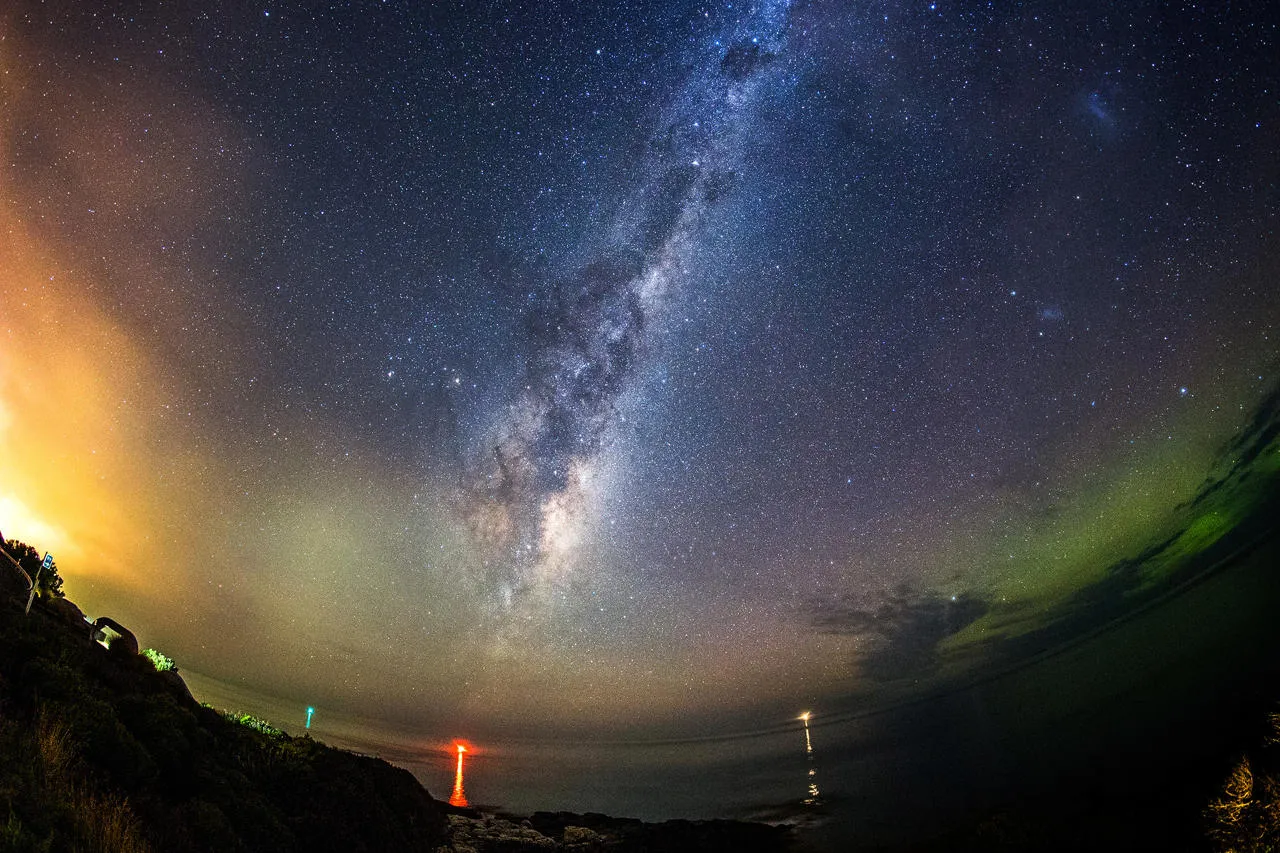
Sometimes, yes. The Southern Lights, or Aurora Australis, appear when solar activity is strong. Southern Lights in New Zealand are most likely in the far south: Stewart Island, Southland, the Catlins and Otago. On strong nights they reach as far north as Lake Tekapō.
However, no one can promise a sighting. Check a space-weather forecast such as the NOAA Space Weather Prediction Center and head to a dark spot with a clear view south. Cameras often pick up more color than the human eye, so take a few long-exposure shots.
Tips for your first night of stargazing in New Zealand
- Dress warmly. Alpine nights are cold in every season. Bring layers, a hat and gloves.
- Use a red torch. White light ruins your night vision. It also breaks local lighting rules in some dark-sky areas.
- Give your eyes time. Allow 20 to 30 minutes to adapt, and keep your phone dimmed.
- Have a backup night. Cloud is the main risk, so book at least two nights in one place.
- Leave night driving to the experts. Mountain roads are unfamiliar and can be icy. Choose a tour with transport, or read our guide to driving in New Zealand.
- Bring a tripod. Photographers need one, plus a wide-angle lens, for sharp long exposures.
Frequently asked questions
Where is the best place for stargazing in New Zealand?
The Aoraki Mackenzie Dark Sky Reserve, which includes Lake Tekapō and Aoraki Mount Cook, is widely regarded as the best. It is a Gold-tier reserve with some of the darkest skies on the planet.
Where can you see the Milky Way in New Zealand?
You can see it from most dark places, away from city lights. The Aoraki Mackenzie Dark Sky Reserve, Stewart Island and Great Barrier Island give the clearest views. Winter and autumn show the brightest core.
Do I need a tour to go stargazing in New Zealand?
No. You can stargaze for free in many places. A tour adds telescopes, expert guides and transport, which makes it easier for first-timers.
What is the best time for stargazing in New Zealand?
April to September offers the longest, darkest nights. However, clear skies happen all year, so any season can work.
What can you see in the night sky in New Zealand?
You can see the Milky Way, the Southern Cross, the Magellanic Clouds and bright planets. Telescopes add star clusters and nebulae.
Can you see the Southern Cross from New Zealand?
Yes. For most of the country it stays in the sky for much of the year, and it is a highlight of any tour.
Plan your stargazing in New Zealand with us
Ready to add a night under the stars to your trip? Many South Island routes pass Lake Tekapō or Aoraki Mount Cook, so stargazing in New Zealand fits easily into a self-drive tour. See how a route comes together in our 9-day South Island self-drive tour, or browse more New Zealand itinerary ideas.
We can book accommodation, transport and New Zealand stargazing tours for you. Share your dates through our custom New Zealand tour form and we will build a route around the best places to stargaze in New Zealand for your dates. For official ideas, see the New Zealand stargazing guide too.