New Zealand is one of the few places on Earth where fishing in New Zealand isn’t just an activity; it’s a pilgrimage. With crystal-clear glacial rivers, remote alpine lakes, and a coastline stretching over 15,000 km, New Zealand offers some of the world’s most sought-after angling experiences. Whether you’re chasing wild rainbow trout through a mountain stream, casting for brown trout in a gin-clear South Island river, or battling a marlin off the Northland coast, New Zealand delivers the kind of fishing that anglers dream about for years before they finally make the trip.
Why New Zealand Is Every Angler’s Dream Destination
There are trout-fishing destinations around the world, and then there is New Zealand. What sets Aotearoa apart is the extraordinary clarity of its freshwater systems, the abundance of wild (not stocked) fish, and the sheer variety of fishing environments packed into a relatively compact country.
New Zealand’s rivers and lakes were introduced to brown and rainbow trout in the 1860s and 1870s, and the fish thrived so spectacularly in the clean, cold, food-rich waters that the country quickly earned a global reputation among fly fishing purists. Today, the South Island’s back-country rivers, many accessible only by helicopter, harbor some of the largest, most challenging wild trout on the planet.
Combine this with world-class big-game saltwater fishing in the warm waters off Northland and the Bay of Islands, and you begin to understand why New Zealand sits at the very top of every serious angler’s bucket list.
If you’re also planning broader adventures beyond the riverbank, our New Zealand Adventure Tours combine fishing regions with the country’s most spectacular landscapes.
New Zealand Trout Fishing: The Crown Jewel
Rainbow Trout
New Zealand trout fishing for rainbow trout is a rite of passage. The country’s rainbow trout average between 1-3 kg in most accessible rivers and lakes, but trophy fish exceeding 5-7 kg are caught regularly in premium locations. Lake Taupo on the North Island is the world’s most famous rainbow trout fishery, drawing anglers from every corner of the globe year after year.
Brown Trout
South Island rivers, particularly in Canterbury, Otago, Nelson, and the West Coast, are the stronghold of New Zealand’s legendary brown trout. These fish are notoriously wary and selective, making them the ultimate challenge for experienced fly anglers. A 5 kg brown trout taken on a dry fly in a backcountry Otago river is considered by many guides to be the pinnacle of freshwater fishing anywhere in the world.
Quinnat (Chinook) Salmon
The South Island’s Canterbury and Otago rivers also host runs of quinnat (Chinook) salmon from December through to April. The Waitaki, Rakaia, and Rangitata rivers are particularly well-regarded for salmon fishing, with fresh-run fish in perfect condition straight from the ocean.
The Best Fishing Spots in New Zealand
1. Lake Taupo – North Island’s Legendary Trout Fishery
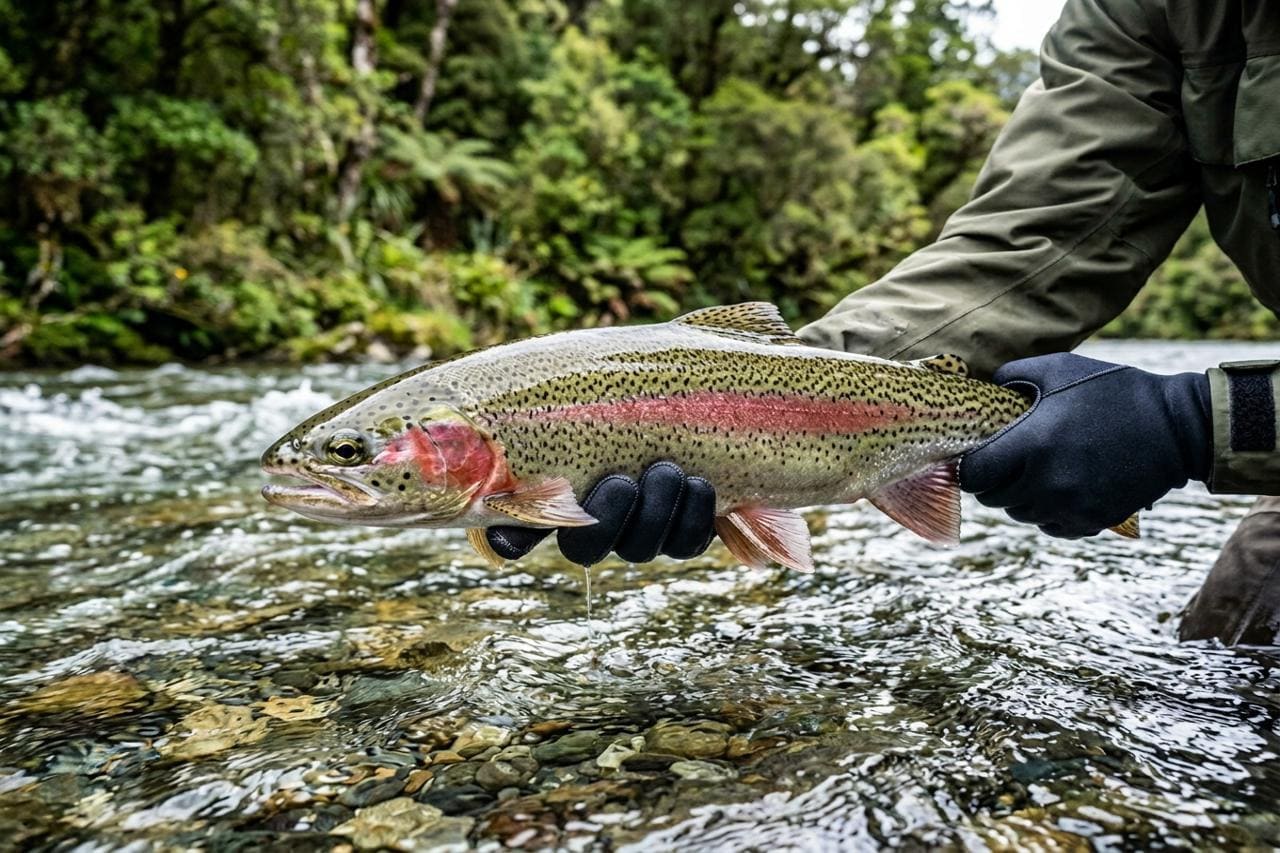
Lake Taupo fishing needs little introduction. The world’s most famous rainbow trout lake sits at the heart of the North Island, fed by a network of glacier-fed rivers and streams that pour through volcanic landscapes. The Tongariro River, which flows into the southern end of the lake, is perhaps New Zealand’s single most celebrated trout river, renowned for its powerful, acrobatic rainbows during the winter run (June-August).
Taupo is unique in that it requires a separate special licence in addition to a standard fishing licence. Year-round fishing is permitted, with catch-and-release policies in force on the Tongariro between August and October.
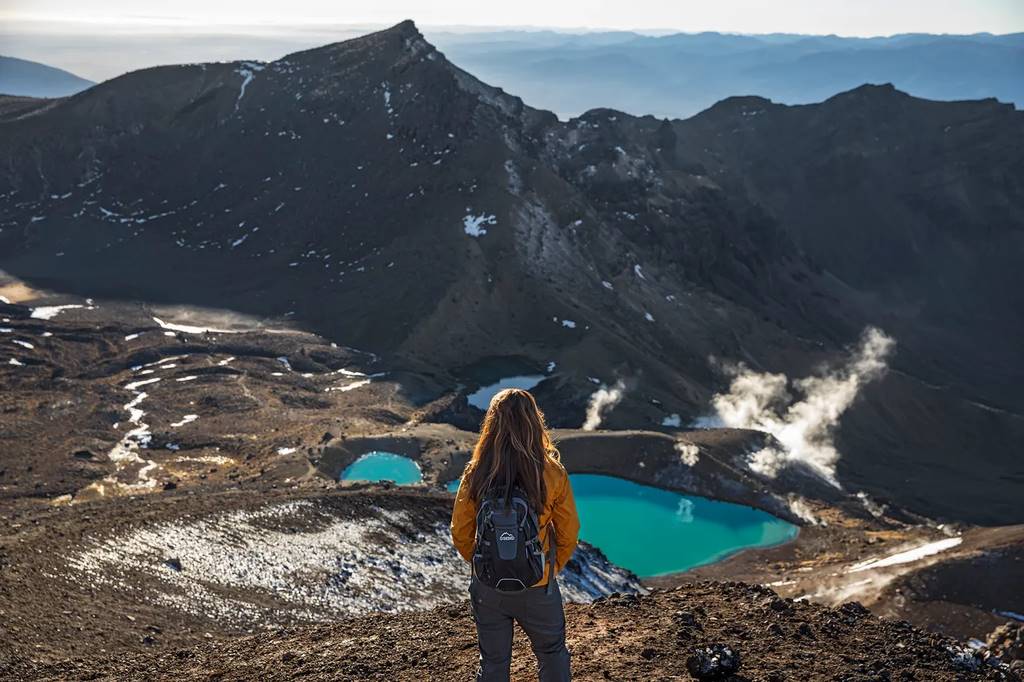
Explore the Lake Taupo region to plan your visit around both fishing and the area’s remarkable volcanic scenery. You might also want to pair a Taupo fishing trip with the famous Tongariro Alpine Crossing, one of the world’s great single-day hikes.
2. Queenstown & Central Otago – Fly Fishing Heaven
The rivers and lakes surrounding Queenstown are among the most picturesque fishing environments in the world. The Arrow, Kawarau, and Clutha rivers offer outstanding trout fishing set against the dramatic backdrop of the Remarkables mountain range.
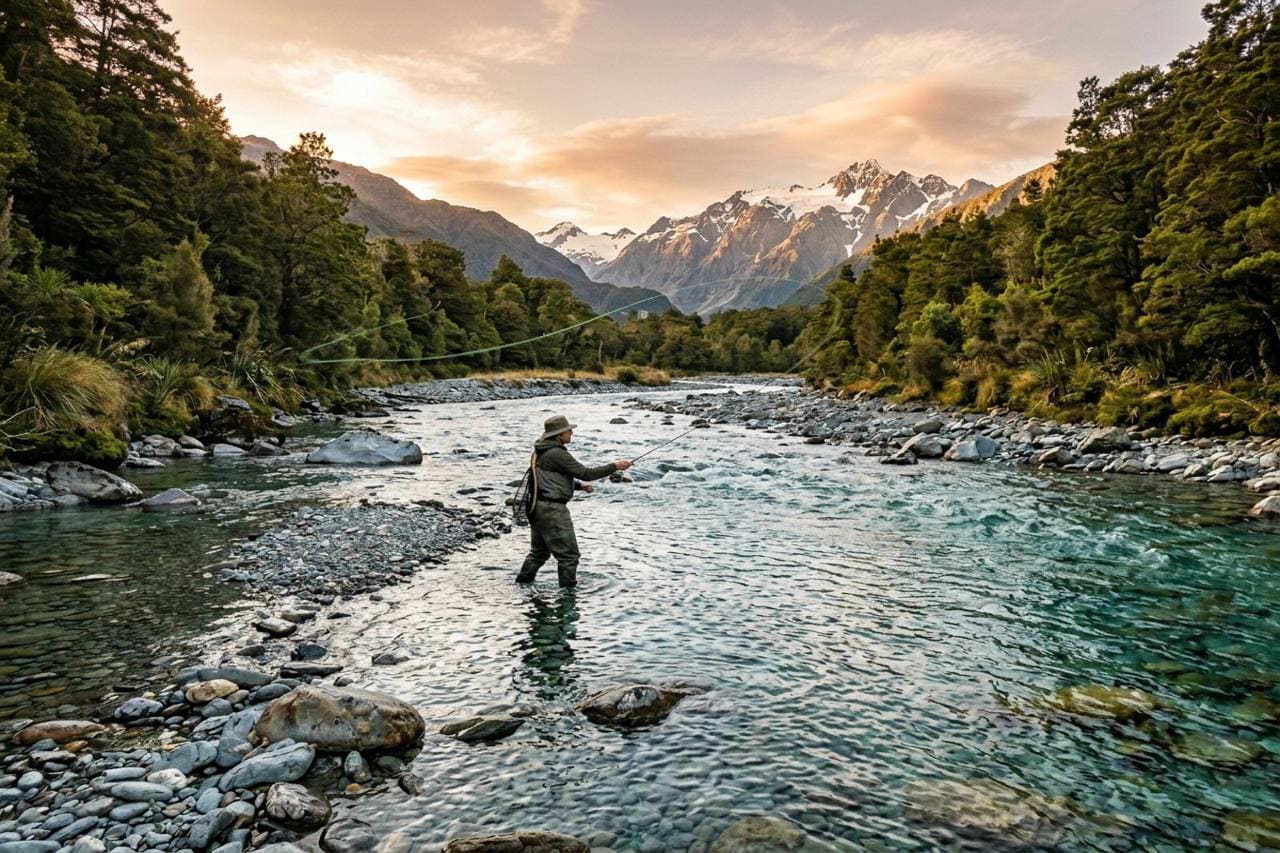
Fly fishing in New Zealand reaches its artistic peak in Central Otago, where sight-fishing to large brown trout in clear, shallow runs demands both skill and patience. Many visiting anglers describe their first successful cast to a visible double-figure brown as one of the most exciting moments in their fishing career.
3. Nelson & Marlborough – The South Island’s Freshwater Heartland
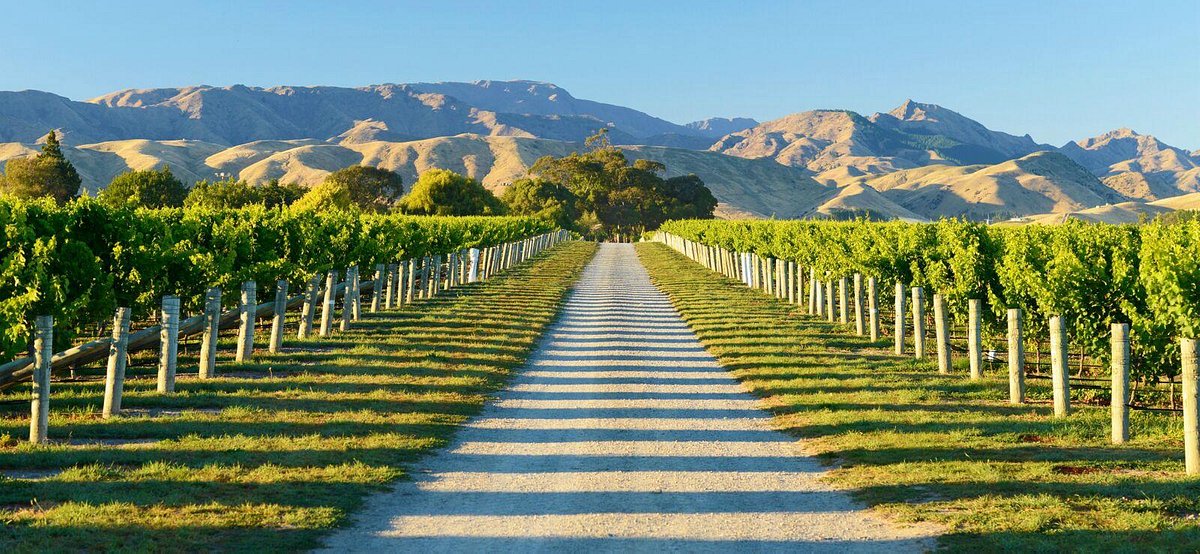
The Nelson Tasman region is home to an extraordinary density of quality trout rivers. The Motueka, Wairoa, and Buller rivers are all within easy reach, and the region’s relatively mild climate makes it one of the most accessible year-round fishing destinations in the South Island.
Marlborough’s Wairau Valley rivers also deserve attention, particularly for dry fly fishing during the January–March summer season when hatches are prolific.
4. Fiordland – Remote Rivers for the Adventurous Angler
Fiordland is New Zealand’s fishing at its most remote and spectacular. The rivers here, accessible only by floatplane or helicopter, are wilderness experiences as much as fishing trips. Expect extraordinary brown trout in pristine, untouched environments. Fish and Game New Zealand estimates that Fiordland rivers hold some of the highest average fish sizes in the entire country.
5. Northland & Bay of Islands – Big-Game Saltwater Fishing
For those drawn to the ocean, Northland and the Bay of Islands offer world-class big-game fishing for marlin (both striped and black), yellowfin tuna, mahi-mahi, and kingfish. The warm East Auckland Current brings these pelagic species close to the Northland coast from December through to May, making it one of the Southern Hemisphere’s premier big-game destinations.
Charter boats depart from Paihia, Russell, and Whangarei, with half-day, full-day, and multi-day options available.
Fly Fishing New Zealand: A Guide for First-Timers
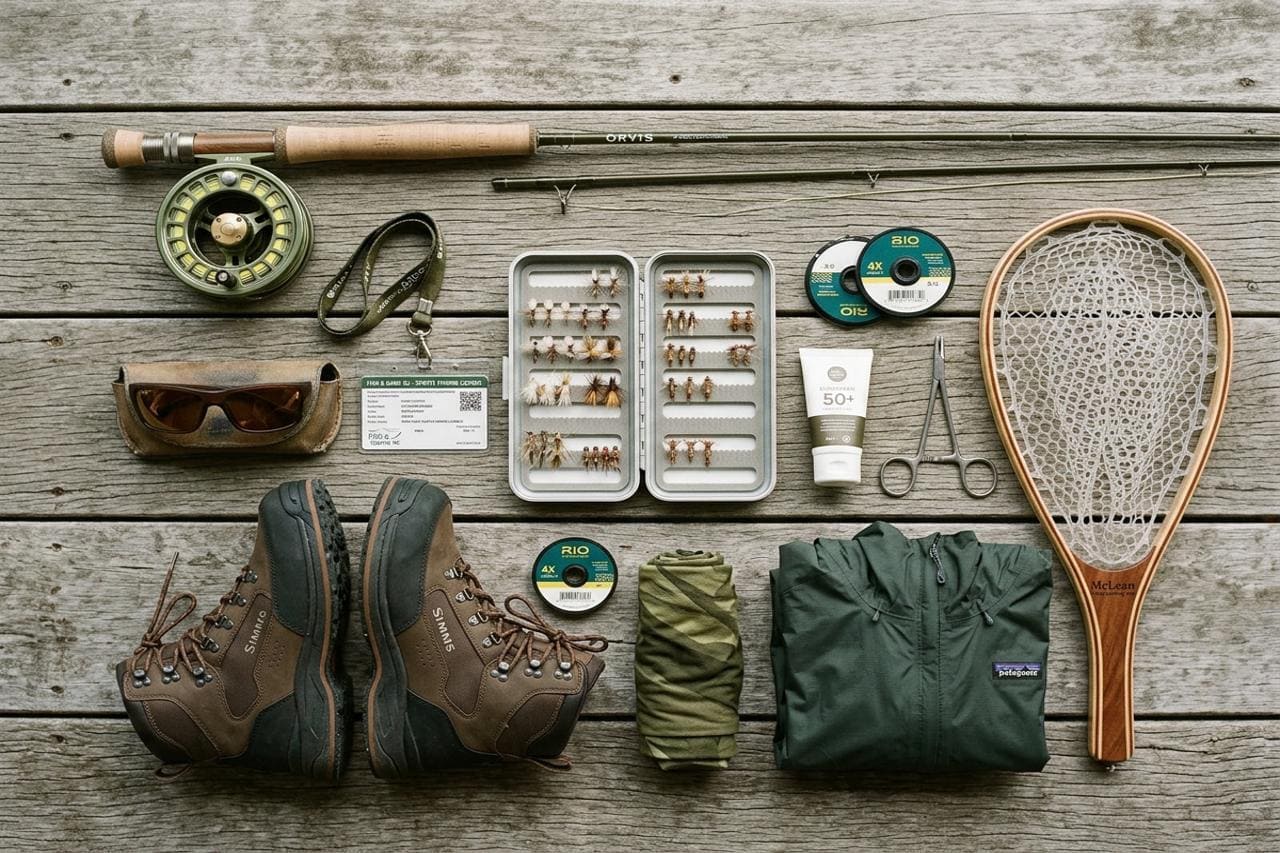
Fly fishing New Zealand style is different from fly fishing almost anywhere else. Here’s what sets it apart and what you need to know before you cast your first line:
Sight-fishing is king. In many of New Zealand’s clearest rivers, you’ll walk the bank looking for fish before you cast. The ability to spot trout in the water and then present a fly naturally to them is the defining skill of Kiwi trout fishing. A good local guide is invaluable for developing this technique.
Light tackle is essential. Most New Zealand rivers call for 3–6 weight rods with fine tippets (4x–6x). The fish are educated, and the water is clear; heavy gear will spook them.
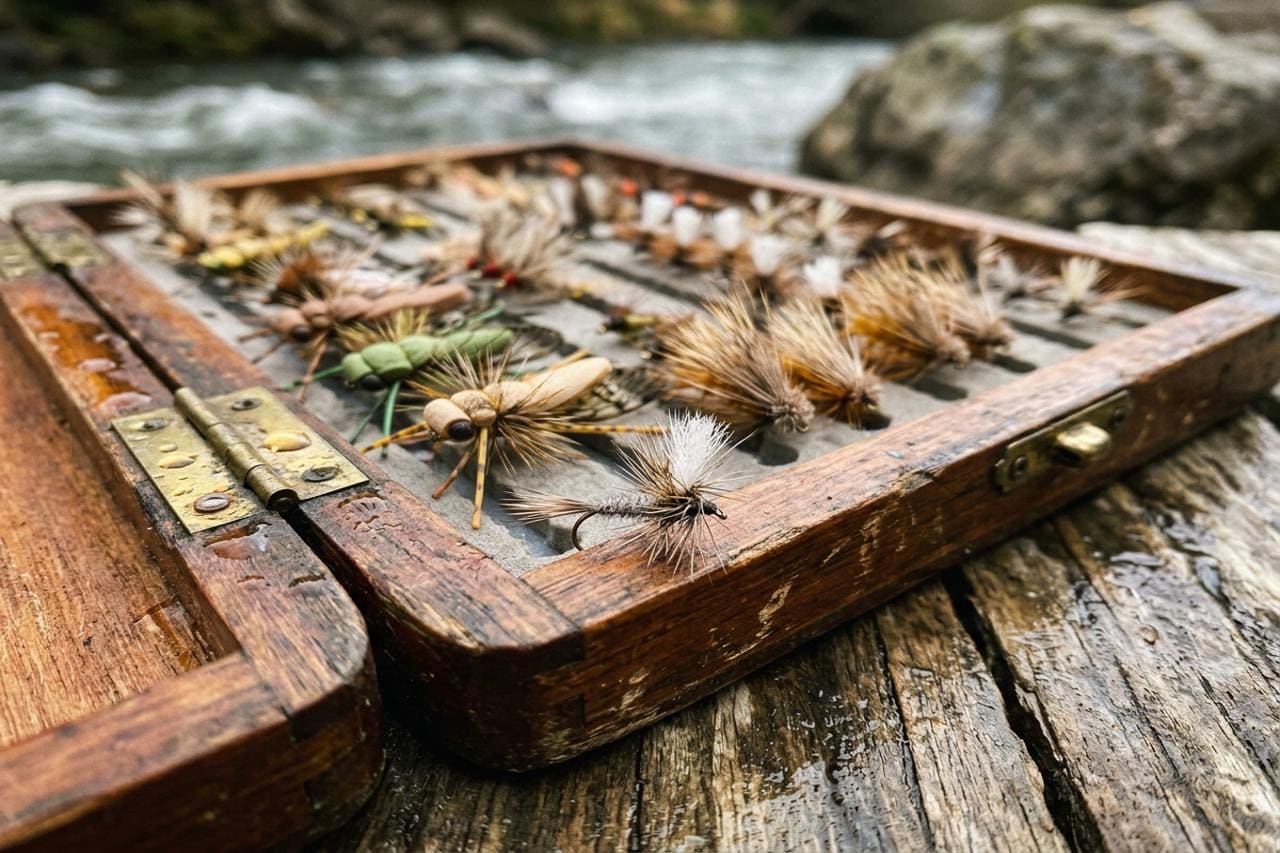
Match the hatch. New Zealand rivers have rich insect hatches, and selective trout will often refuse anything that doesn’t closely imitate what’s on the water. Cicada imitations, mayfly emergers, and caddis patterns are all important depending on the season.
Hire a licensed guide. Not only will a professional fishing guide dramatically improve your catch rate, but they’ll also ensure you’re fishing legally, using appropriate techniques for the area, and fishing sustainably. Most guides are affiliated with the New Zealand Professional Fishing Guides Association (NZPFGA).
Fishing Seasons & Best Times to Visit
| Season | Period | Highlights |
| Summer | Dec – Feb | Dry fly fishing; cicada season; salmon runs; warm-water saltwater fishing |
| Autumn | Mar – May | Trophy brown trout; feeding activity increases before winter |
| Winter | Jun – Aug | Tongariro River winter run; large rainbow trout in Lake Taupo tributaries |
| Spring | Sep – Nov | Rivers open (Oct 1 in most regions); fish are active after winter |
Most New Zealand freshwater fishing seasons run from 1 October to 30 April in standard zones, although some fisheries (including Lake Taupo) are open year-round. Always check the current Fish & Game New Zealand regulations for the specific region you plan to fish.
The best time to visit New Zealand for fishing generally aligns with the summer and early autumn months (December through April) when salmon runs, summer hatches, and big-game fishing all coincide.
New Zealand Fishing Licences: What You Need to Know
This is a crucial part of any New Zealand fishing guide:
Freshwater fishing requires a valid New Zealand fishing licence, available from Fish & Game New Zealand (fishandgame.org.nz), most sporting goods stores, and many tourism operators. Licences are issued on a regional basis, and you’ll need a licence that covers the specific region you plan to fish. A national licence covers all Fish & Game regions.
Lake Taupo requires an additional special licence on top of your national or regional licence.
Saltwater (sea) fishing for recreational purposes does not generally require a licence, though bag limits and minimum size rules apply to many species. Always check the latest Ministry for Primary Industries (MPI) regulations before heading out.
Overseas visitors can purchase short-term licences (24-hour, 7-day, or season) from Fish & Game offices or online, making it straightforward to fish legally from the moment you arrive.
Planning Your New Zealand Fishing Holiday
A fishing trip to New Zealand pairs beautifully with a broader touring holiday. Many anglers combine their time on the water with wine experiences in Marlborough or Hawke’s Bay (read our New Zealand Wine Tours guide), a campervan road trip (see our Motorhome vs Campervan Rental guide), or a relaxed multi-day self-drive itinerary that weaves through river valleys and lake districts.
For couples, a fishing-focused honeymoon combining Queenstown’s rivers, Lake Taupo, and Nelson’s backcountry streams makes for a spectacularly romantic adventure. Explore our New Zealand Honeymoon Tour ideas for inspiration.
Recommended Tour Options
If you’d like expert guidance in planning a trip that incorporates world-class fishing alongside New Zealand’s most iconic experiences, our team at NZ Tourism can help:
- New Zealand Adventure Tours – combine fishing with hiking, rafting, and more
- New Zealand Self-Drive Tours – explore fishing regions at your own pace
- Luxury Private Tours – fully customised itineraries with guided fishing days included
- Tailor-Made Tour Packages – tell us your fishing priorities, and we’ll build the perfect itinerary
What to Pack for Fishing in New Zealand
A quick packing checklist for anglers visiting New Zealand:
- Fly rod: 9 ft, 4-5 weight for most freshwater; 7-8 weight for bigger rivers and salmon
- Waders and wading boots with felt or rubber soles (rubber preferred, felt soles are banned in some regions due to biosecurity rules)
- Polarised sunglasses – essential for sight-fishing
- Sunscreen and hat – UV levels in New Zealand are extremely high
- Rain jacket – South Island weather is famously changeable
- Dry fly selection: cicada, elk hair caddis, Royal Wulff, and parachute Adams are all reliable choices
- Nymph selection: hare and copper, pheasant tail, and Czech nymph patterns
- A valid fishing licence before you start
Final Thoughts: Time to Cast Your Line in Aotearoa
Fishing in New Zealand is unlike anything else. From the world-famous trout waters of Lake Taupo to the remote backcountry rivers of Fiordland, from the spring-creek meadows of Nelson to the big-game ocean off the Bay of Islands, New Zealand offers anglers a lifetime of extraordinary experiences packed into two magnificent islands.
Whether you’re a seasoned fly fishing purist or a first-time visitor looking to try something unforgettable, New Zealand’s waters are ready for you. All that’s left is to book your trip.
Start planning your New Zealand adventure today
Frequently Asked Questions: Fishing in New Zealand
Do I need a licence to fish in New Zealand?
Yes, for all freshwater fishing. A national licence covers all Fish & Game regions. Saltwater recreational fishing generally does not require a licence, but species-specific rules apply.
What is the best river for trout fishing in New Zealand?
The Tongariro River (Lake Taupo) is the most famous, but the rivers of Central Otago, Nelson, and the West Coast are considered by many guides to offer the most challenging and rewarding brown trout fishing in the world.
Can I bring my own fishing gear into New Zealand?
Yes, but all fishing equipment, particularly waders and wading boots, must be declared at biosecurity on arrival and is subject to inspection. New Zealand has strict biosecurity rules to protect its pristine waterways from invasive species like didymo (rock snot).
Is guided fishing worth it in New Zealand?
Absolutely, especially for first-time visitors. The rivers can be difficult to navigate, and a licensed guide will dramatically increase your catch rate while ensuring you fish legally and sustainably.
When do the salmon run in New Zealand?
Quinnat (Chinook) salmon typically run in South Island rivers from December through April, with peak activity in January and February.
Explore more from the NZ Tourism blog: Tongariro Alpine Crossing | New Zealand Wine Tours | Motorhome vs Campervan Rental | New Zealand Honeymoon Tours
Most Popular New Zealand Tours