

New Zealand has earned its reputation as the world’s adventure capital, and for good reason. This island nation packs an extraordinary variety of adrenaline-pumping experiences into a relatively compact space, all set against some of the planet’s most breathtaking scenery. But here’s the best part: you don’t need to be an extreme athlete to dive into New Zealand’s adventure scene. The country has mastered the art of making thrilling activities accessible to beginners, with expert guides, top-notch safety standards, and options for every comfort level.
Before you pack your bags, it’s helpful to understand what makes New Zealand a standout destination for adventure—and how you can make the most of your first trip.
Why New Zealand for Adventure?
New Zealand’s geography reads like an adventure enthusiast’s wishlist. The North Island offers volcanic landscapes, geothermal wonders, and pristine beaches, while the South Island delivers dramatic fjords, towering mountains, and crystal-clear lakes. This diverse terrain means you can go from surfing in the morning to hiking alpine trails in the afternoon.
New Zealand Adventure Tour Packages >
More importantly, New Zealand has developed an entire industry centered on making adventure safe and accessible. The country’s strict safety regulations ensure that even seemingly extreme activities are carefully managed by experienced professionals. You’re far more likely to leave with an incredible story than a scraped knee.
#1 Starting with the Classics – Bungy Jumping
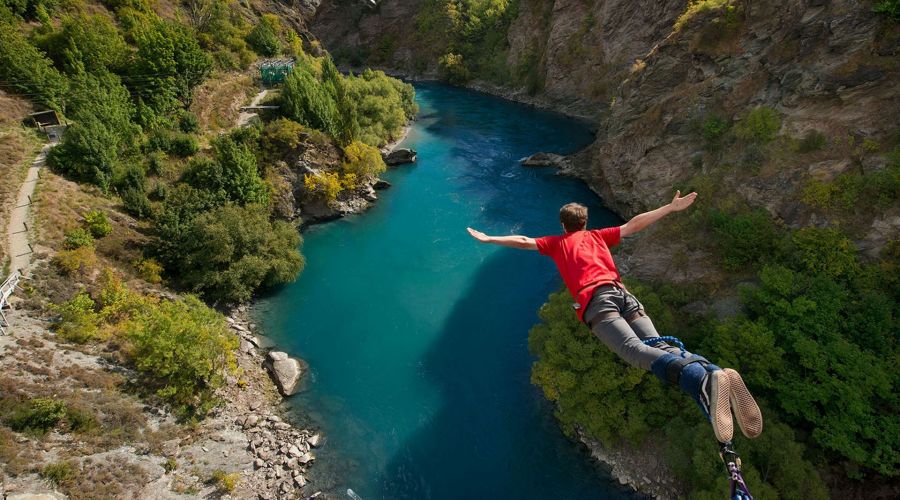
New Zealand invented commercial bungee jumping, making it uniquely poetic to take your first leap here. The Kawarau Bridge near Queenstown, the birthplace of the sport in 1988, is an ideal beginner’s location. At 43 meters, it’s high enough to get your heart racing but not so extreme that you’ll question your life choices for the entire climb up. With thousands of first-timers under their belt, the experienced crew knows just how to calm nerves.
If you want to ease into the experience, some locations offer tandem jumps where you’re attached to an instructor. The Nevis Bungy, also near Queenstown, is for those who discover they love the rush and want to go bigger at 134 meters.
#2 – Skydiving
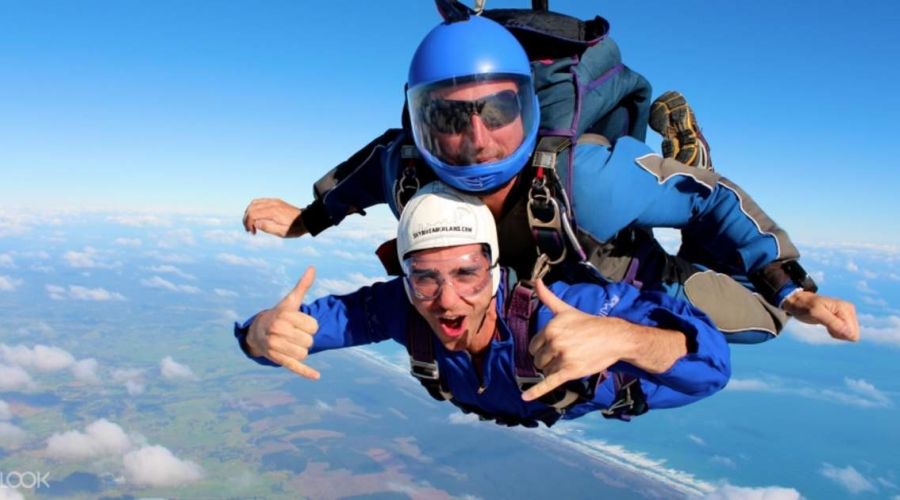
Few places make skydiving as visually spectacular as New Zealand. Tandem skydiving requires zero experience, as you’re strapped to an instructor who handles all the technical aspects. Popular spots include Lake Taupo, where you’ll freefall over New Zealand’s largest lake with volcanic peaks in the distance, and Queenstown, which offers mountain and lake views that will make you forget to scream.
Most operators offer jumps from different heights, starting around 9,000 feet for beginners. The freefall lasts about 30 seconds, followed by a peaceful five-minute parachute descent where you can actually appreciate the scenery once your heartbeat returns to normal.
#3 – Water Adventures – White Water Rafting
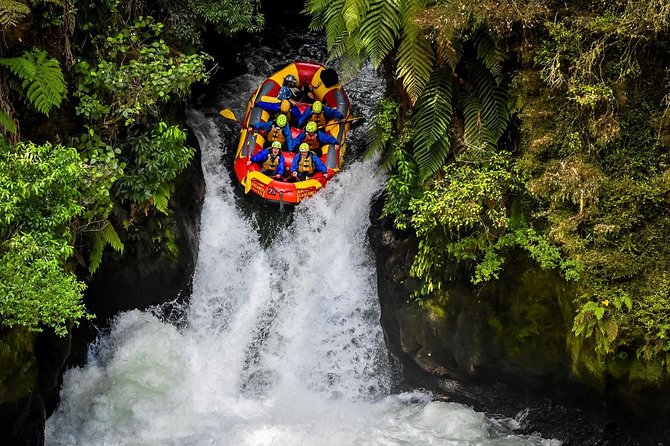
New Zealand’s rivers offer everything from gentle floats to thundering rapids. For beginners, the Shotover River near Queenstown provides Grade 3–5 rapids with dramatic canyon scenery. Don’t worry about the Grade 5 rating—guides expertly navigate the most challenging sections, and you’ll wear a wetsuit, helmet, and life jacket.
If you want something milder, the Rangitikei River on the North Island has Grade 2 sections perfect for families and first-timers. Many operators combine rafting with other activities like cliff jumping or cave exploring, letting you ease into multiple adventures in one trip.
#4 Kayaking and Paddle Boarding
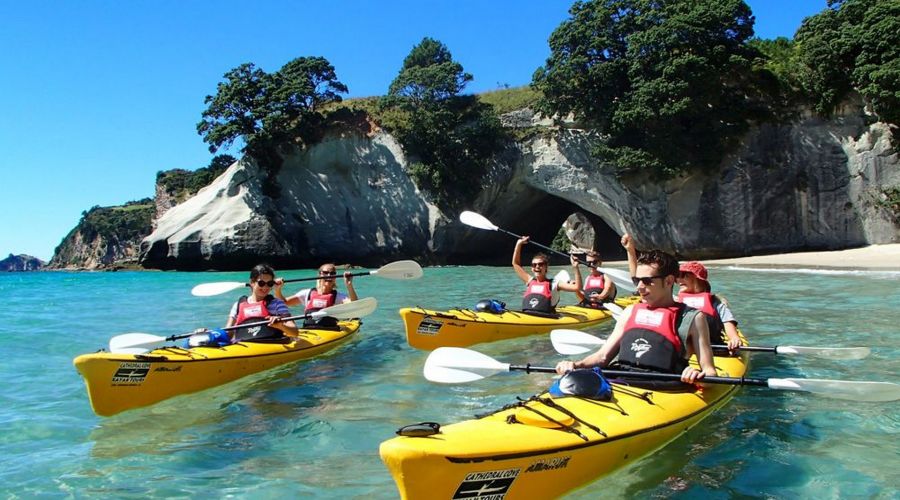
For a more peaceful water experience, sea kayaking in Abel Tasman National Park or Milford Sound offers stunning coastal scenery without the adrenaline spike. These guided tours accommodate complete beginners, with stable double kayaks and calm waters. You’ll paddle past secluded beaches, seal colonies, and dramatic cliff faces at your own pace.
Paddle boarding has exploded in popularity across New Zealand’s lakes and harbors. Lake Wanaka and Lake Wakatipu offer glassy conditions perfect for learning, with rental shops providing lessons and equipment.
#5 Land-Based Thrills – Mountain Biking
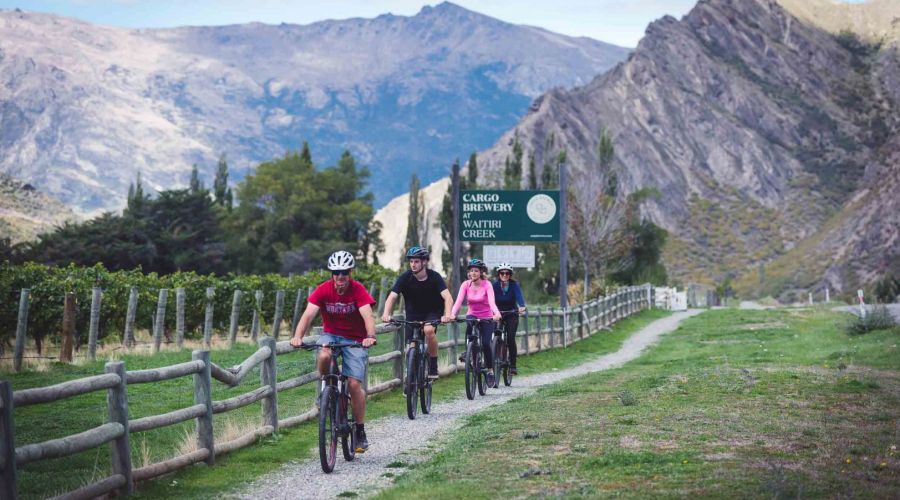
Queenstown and Rotorua have become mountain biking meccas, but both offer extensive beginner trail networks. The Queenstown Bike Park includes gondola access to high-altitude trails, meaning you get the downhill fun without the uphill suffering. Green-rated trails wind through the forest with gentle gradients and stunning views.
Rotorua’s Redwoods Forest provides over 130 kilometers of purpose-built trails, including easy loops through towering California redwoods. Bike rentals and shuttle services are plentiful, and many accommodations cater specifically to mountain bikers.
#6 Hiking and Tramping
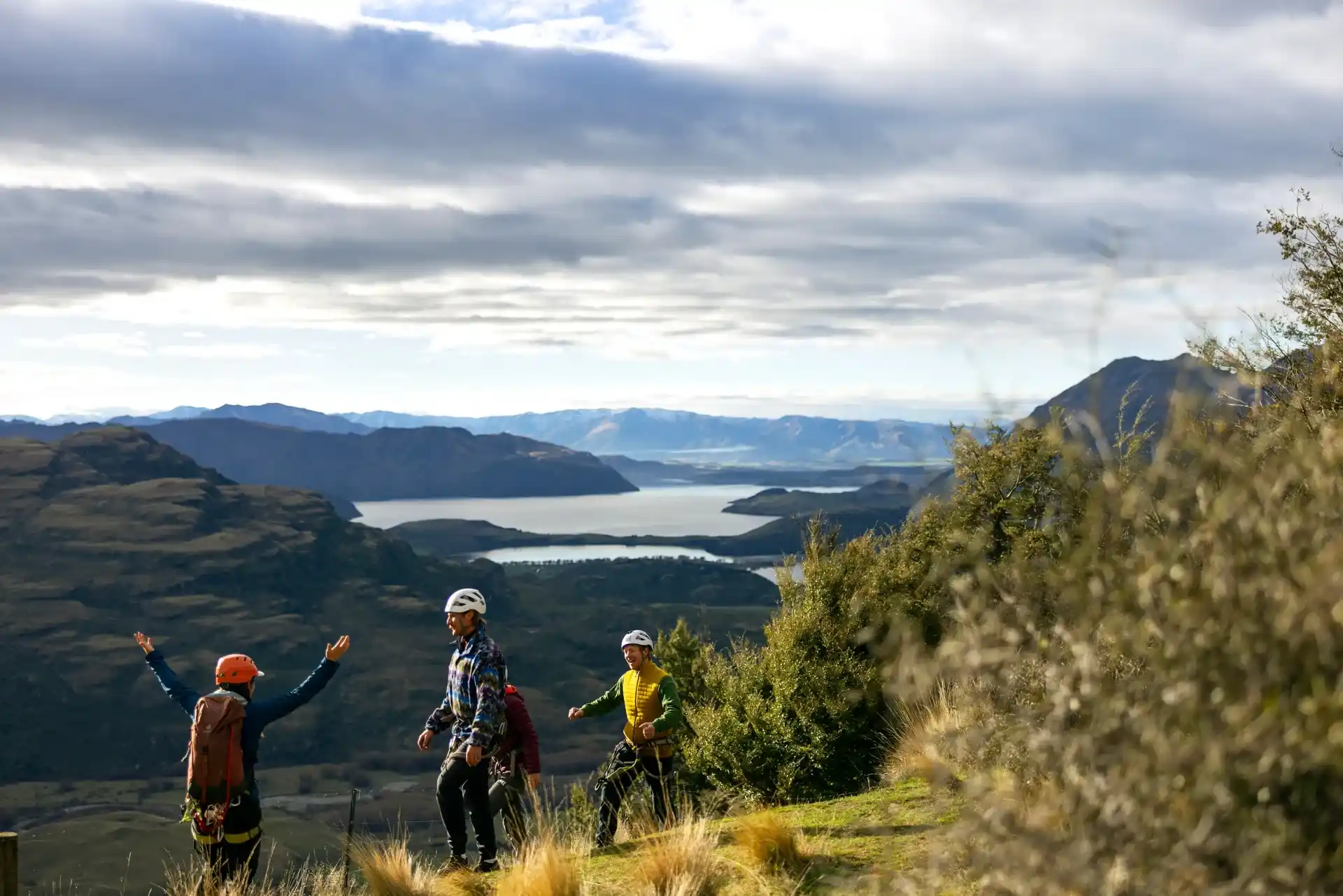
New Zealand calls it “tramping,” and the country offers trails for every fitness level. The Department of Conservation maintains an extensive network of well-marked tracks with backcountry huts for overnight trips.
For beginners, day hikes offer a perfect introduction. The Tongariro Alpine Crossing is New Zealand’s most famous day hike, taking you across volcanic terrain with emerald lakes and steaming vents. The Routeburn Track can be done as day hikes from either end if you’re not ready for a multi-day commitment. The Key Summit Track offers alpine views with minimal elevation gain.
If you want to try overnight tramping, the Abel Tasman Coast Track provides beachside camping and hut options with relatively flat, well-maintained paths. It’s essentially a beach walk punctuated by swimming spots and seal encounters.
#7 Unique New Zealand Experiences – Zorbing
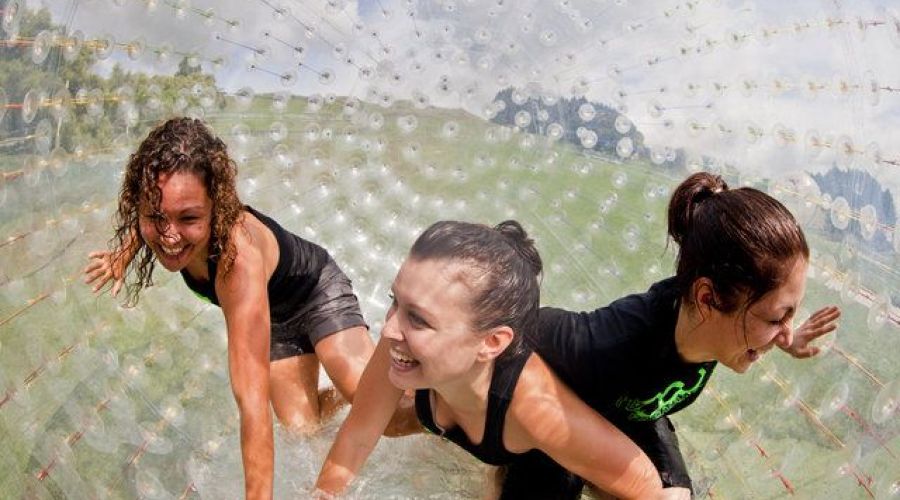
Only in New Zealand would someone invent the sport of rolling down a hill inside a giant inflatable ball. Rotorua’s Zorb offers this peculiarly Kiwi activity, where you’re secured inside a clear ball (or free to tumble in a water-filled version) and sent rolling down specially designed tracks. It’s ridiculous, exhilarating, and utterly unforgettable.
# 8 Black Water Rafting / Black Water Rafting – Labyrinth
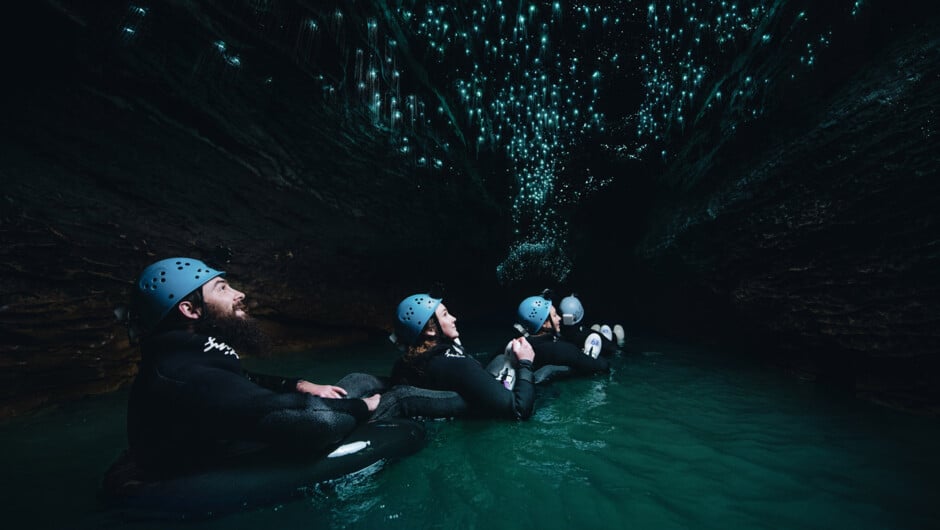
The Waitomo Caves offer a uniquely New Zealand adventure: floating through underground caverns on an inner tube while thousands of glowworms illuminate the ceiling like stars. You’ll wear a wetsuit and helmet, wade through underground streams, and occasionally slide down small waterfalls. It combines caving, swimming, and natural wonder in one extraordinary package.
# 9 Heli-Hiking – Helicopter & Ski Plane Experience
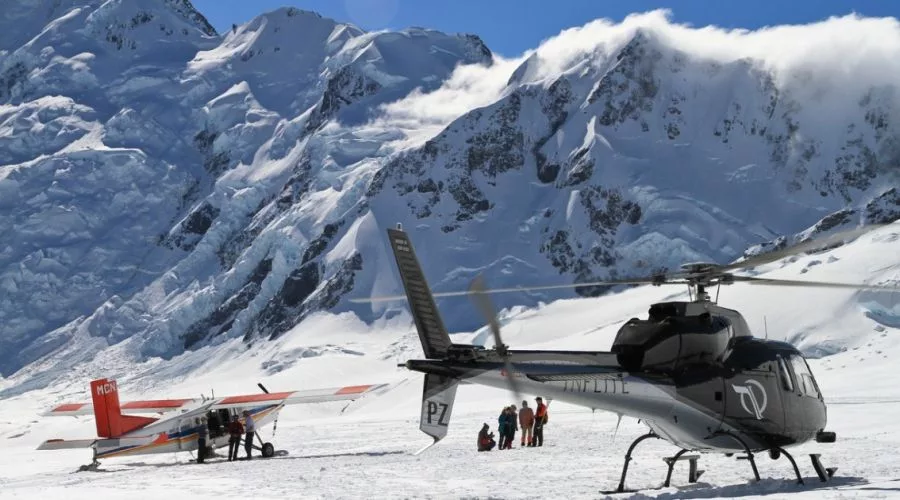
For those who want alpine scenery without the hours of uphill trudging, heli-hiking provides helicopter access to glaciers and mountain trails. Fox and Franz Josef Glaciers offer guided walks where you’ll crunch across ancient ice formations and peer into electric-blue crevasses. Guides provide all equipment and teach ice-walking techniques, making it accessible to anyone with moderate fitness.
Practical Tips for Adventure Beginners
Timing and Seasons for Adventure Tours
New Zealand’s seasons are opposite to those of the Northern Hemisphere.
- Summer (December to February) offers the warmest weather and longest days, but also the biggest crowds and highest prices.
- Autumn (March to May) provides stable weather, smaller crowds, and spectacular foliage.
- Winter (June to August) is prime time for skiing, but many adventure activities scale back operations.
- Spring (September to November) brings wildflowers and unpredictable weather.
What to Pack
New Zealand weather changes rapidly, especially in mountain areas. Pack layers, including a waterproof jacket, regardless of the forecast. Most adventure operators provide specialized equipment (wetsuits, helmets, harnesses), but you’ll need your own comfortable, closed-toe shoes for most activities. Sunscreen is essential—New Zealand’s sun is fierce due to the ozone hole, even on cloudy days.
Booking and Costs
Popular activities can book out weeks in advance during peak season, so reserve ahead when possible. Many operators offer combo deals when you book multiple activities. Costs vary widely, but expect to pay NZ$150–250 for major activities like bungy jumping or skydiving, NZ$100–150 for rafting or zorbing, and NZ$30–50 for equipment rentals.
Safety Considerations
New Zealand’s adventure tourism industry is heavily regulated, but accidents can happen. Choose operators who are members of industry associations like the Adventure Activities Regulations (AAR) scheme. Don’t let anyone pressure you into an activity you’re uncomfortable with—legitimate operators will respect your boundaries and often offer alternatives.
Always disclose any medical conditions or medications to your guides. Many activities have weight limits or physical requirements, so check these before booking.
Creating Your Itinerary or Pre-Planned Adventure Tour
Most first-time adventure seekers base themselves in one or two locations rather than trying to cover the entire country. Queenstown on the South Island offers the densest concentration of activities, from bungy jumping to jet boating, all within easy reach. Rotorua on the North Island combines adventure activities with Māori cultural experiences and geothermal wonders.
A solid beginner’s itinerary might include 3–4 days in Queenstown for bungy jumping, a jet boat ride, and a day hike, then 2–3 days in Wanaka for a more relaxed pace with kayaking and scenic walks. Add a few days in Abel Tasman or the Bay of Islands for coastal beauty and water sports, finishing with Rotorua for zorbing and black water rafting. All New Zealand Adventure Tour Packages
The Real New Zealand Adventure Activities
Here’s what they don’t tell you in the brochures: the real adventure in New Zealand isn’t just the activities themselves. New Zealand makes it easy to surprise yourself. The country’s adventure infrastructure removes most barriers to entry, leaving you free to discover capabilities you didn’t know you had. You don’t need to be fearless to embrace adventure here—you just need to be willing to try.
So pack your sense of humor along with your rain jacket, leave your comfort zone at the airport, and prepare for the kind of memories that make your friends tired of hearing your New Zealand stories. Because in a country where adventure is the norm and natural beauty is the backdrop, even beginners become storytellers.