
29 Must-Visit New Zealand Cultural and Heritage Attractions

New Zealand cultural and heritage attractions tell the story of two peoples and one very young country. Māori arrived around 800 years ago and shaped the land with carving, rock art and storytelling. Europeans followed, then gold miners, earthquake survivors and artists. Today you can trace all of it, from the place where the Treaty of Waitangi was signed to a steampunk gallery in a Victorian port town.
We’ve gathered 29 of the best New Zealand cultural and heritage attractions, from the Far North to Invercargill. Each entry tells you what it is, why it’s worth your time, and what to know before you go. Some are famous. Others are small, strange and easy to miss, which is exactly why they’re worth finding.
Quick answer: If you only have time for five, choose the Waitangi Treaty Grounds, Te Puia in Rotorua, Te Papa in Wellington, Napier’s Art Deco quarter and the Te Ana Māori Rock Art Centre in Timaru. Together they cover Māori culture, colonial history, national identity, architecture and ancient art.
In this guide
- New Zealand Cultural and Heritage Attractions at a Glance
- North Island Cultural and Heritage Attractions (1–17)
- South Island Cultural and Heritage Attractions (18–29)
- How to Plan a Trip Around New Zealand Cultural and Heritage Attractions
- Frequently Asked Questions About New Zealand Cultural and Heritage Attractions
New Zealand Cultural and Heritage Attractions at a Glance
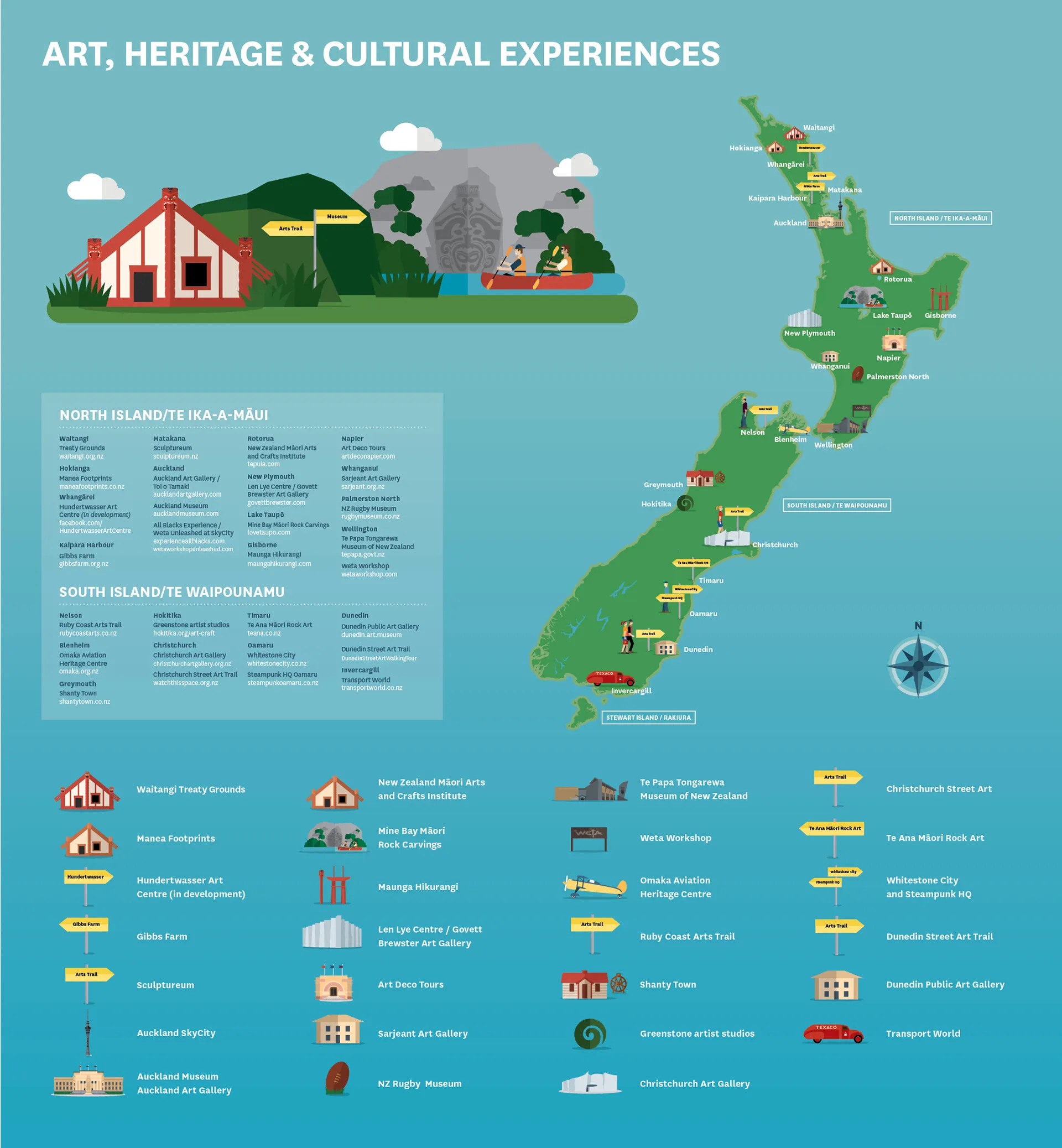
Use this table to scan the full list of New Zealand cultural and heritage attractions. Each name links to its full entry below.
| # | Attraction | Where | Best for |
|---|---|---|---|
| 1 | Waitangi Treaty Grounds | Bay of Islands | Founding history |
| 2 | Manea Footprints of Kupe | Hokianga | Māori voyaging stories |
| 3 | Hundertwasser Art Centre | Whangārei | Architecture and Māori art |
| 4 | Gibbs Farm | Kaipara Harbour | Monumental sculpture |
| 5 | Sculptureum | Matakana | Gardens and art |
| 6 | Auckland Art Gallery Toi o Tāmaki | Auckland | Painting and Māori art |
| 7 | Auckland War Memorial Museum | Auckland | Māori and Pacific taonga |
| 8 | All Blacks Experience and Wētā Workshop Unleashed | Auckland SkyCity | Rugby, haka and film craft |
| 9 | Te Puia | Rotorua | Living Māori arts |
| 10 | Len Lye Centre and Govett-Brewster | New Plymouth | Kinetic and contemporary art |
| 11 | Mine Bay Māori Rock Carvings | Lake Taupō | Contemporary carving by boat |
| 12 | Maunga Hikurangi | Gisborne | Sacred mountain and sunrise |
| 13 | Napier Art Deco Tours | Napier | Architecture |
| 14 | Sarjeant Gallery | Whanganui | Heritage building and Māori design |
| 15 | New Zealand Rugby Museum | Palmerston North | Sporting heritage |
| 16 | Te Papa Tongarewa | Wellington | National story |
| 17 | Wētā Workshop | Wellington | Film-making craft |
| 18 | Ruby Coast Arts Trail | Nelson Tasman | Artist studios |
| 19 | Omaka Aviation Heritage Centre | Blenheim | First World War aviation |
| 20 | Shantytown Heritage Park | Greymouth | Gold-rush history |
| 21 | Hokitika Greenstone Studios | Hokitika | Pounamu carving |
| 22 | Christchurch Art Gallery | Christchurch | Art and city rebuild |
| 23 | Christchurch Street Art Trail | Christchurch | Murals |
| 24 | Te Ana Māori Rock Art Centre | Timaru | Ancient rock art |
| 25 | Whitestone City | Ōamaru | Victorian heritage |
| 26 | Steampunk HQ | Ōamaru | Quirky art |
| 27 | Dunedin Public Art Gallery | Dunedin | Art in the city centre |
| 28 | Dunedin Street Art Trail | Dunedin | Murals on foot |
| 29 | Transport World | Invercargill | Vehicles and design |
North Island Cultural and Heritage Attractions (1–17)
The North Island, or Te Ika-a-Māui, holds the country’s founding story. It also holds its biggest Māori cultural centres, its best Art Deco city and its national museum. Here are 17 New Zealand cultural and heritage attractions to build a trip around.
1. Waitangi Treaty Grounds, Bay of Islands

This is the birthplace of modern New Zealand. In 1840, Māori chiefs and the British Crown signed Te Tiriti o Waitangi, the founding document, on these grounds. Today you can take a guided tour of the Treaty House and the carved meeting house. You can also see the world’s largest ceremonial war canoe and watch a cultural performance. Allow half a day, because there is more here than most visitors expect. Waitangi Day on 6 February is the busiest and most moving time to visit. See our Northland & Bay of Islands activities and our public holidays guide.
2. Manea Footprints of Kupe, Hokianga
Manea tells the story of Kupe, the Polynesian navigator said to have first reached Aotearoa. The experience combines storytelling, art, immersive film and tāonga (treasures), and it sits beside the quiet Hokianga Harbour. It’s a good stop if you want Māori history told from a Māori perspective, away from the crowds. Pair it with a drive through the Waipoua Forest, home to giant kauri trees. For more kauri history, visit the Kauri Museum at Matakohe.
3. Hundertwasser Art Centre with Wairau Māori Art Gallery, Whangārei
This building is the artwork. Its undulating floors, coloured tiles, golden cupola and living green roof come from the Austrian artist Friedensreich Hundertwasser. The centre opened in February 2022 and holds the largest collection of his work outside Vienna. On the ground floor, the Wairau Māori Art Gallery is Aotearoa’s first public gallery dedicated to contemporary Māori art. Allow one to two hours. Read more on our Hundertwasser Art Centre page.
4. Gibbs Farm, Kaipara Harbour
Gibbs Farm is the largest outdoor sculpture park in the country, and it is a rare treat. Giant works by international artists, including Sol LeWitt, Anish Kapoor, Daniel Buren, Ralph Hotere and Richard Serra, sit across 400 hectares of farmland above the Kaipara Harbour. But it’s a private property. Visits are by appointment only, on scheduled monthly visitor days, so you must book through the Gibbs Farm website well ahead. The farm is steep and hilly, so wear good shoes. It’s about 47 km north of Auckland, so it fits neatly into our Auckland activities list.
5. Sculptureum, Matakana
Sculptureum blends gardens, sculpture and a large private art collection just outside Matakana village. It’s a good half-day stop if you enjoy contemporary art in a relaxed, rural setting. Visit on a Saturday morning and you can also browse the Matakana farmers’ market. Opening days vary by season, so check before you drive. Browse more art stops under Heritage & Art.
6. Auckland Art Gallery Toi o Tāmaki, Auckland
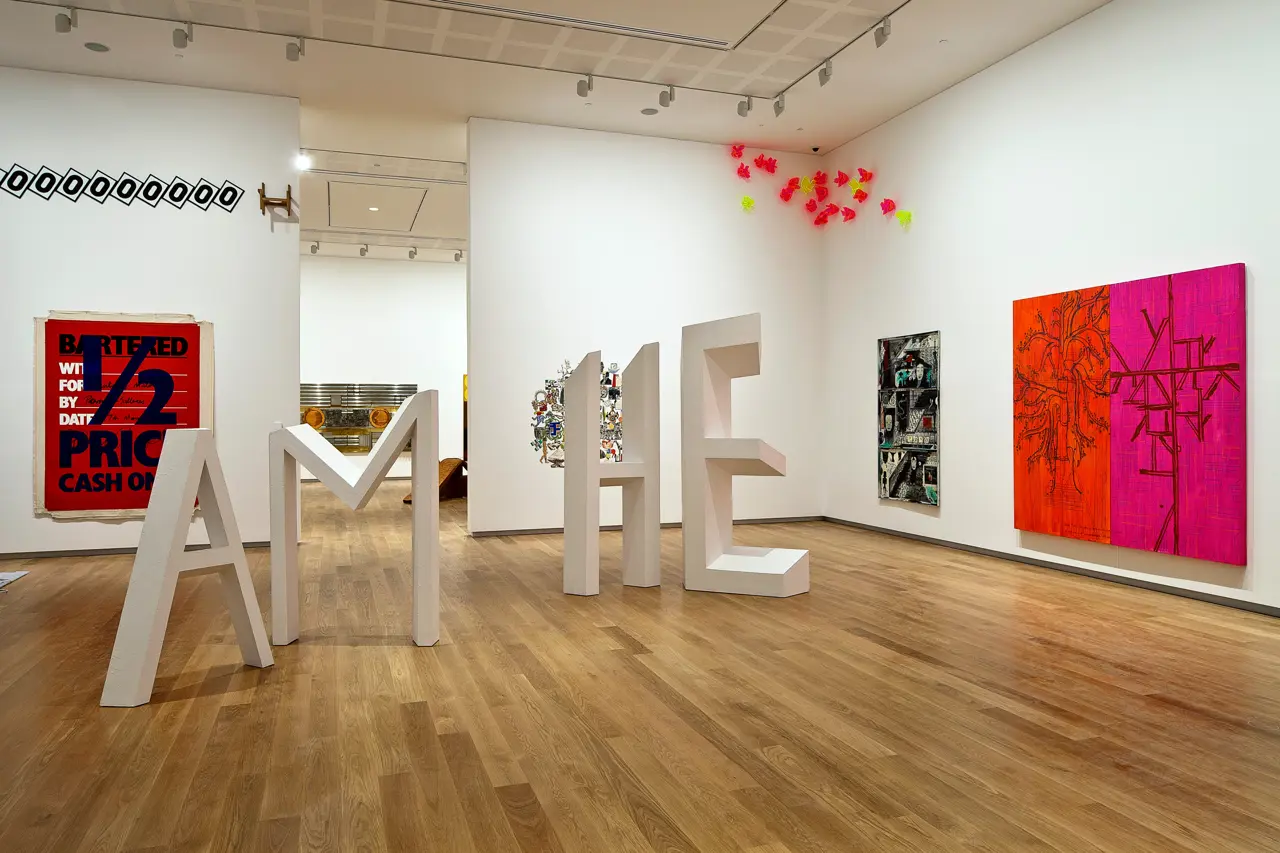
Auckland Art Gallery pairs a heritage building with an award-winning modern extension. Inside, you’ll find a deep collection of New Zealand and international art. The Māori portraiture and contemporary Pacific works are especially strong. It sits beside Albert Park, so you can combine it with a stroll through the city centre. Allow two hours. See more in our city tours category.
7. Auckland War Memorial Museum, Auckland
Auckland Museum stands on a hill in the Domain and is known for its Māori and Pacific collections. Carved meeting houses and a huge waka (canoe) show the scale of Māori craft. Upstairs, galleries cover natural history and the story of the city. The museum charges international visitors, so check the current price online. Pair it with the museums on our site, and look for cultural performances on the day’s schedule.
8. All Blacks Experience and Wētā Workshop Unleashed, Auckland SkyCity
Rugby is a form of national culture, and the haka is its most famous expression. The All Blacks Experience is a fully guided, interactive showcase of the All Blacks and Black Ferns, and you can feel the haka up close. Tours run through the day from 10am. One floor above, Wētā Workshop Unleashed is a 90-minute guided look at film-effects craft. SkyCity sells a combo pass with the Sky Tower, so you can do all three in one day. It’s a good wet-weather plan, and kids love it.
9. Te Puia, Rotorua
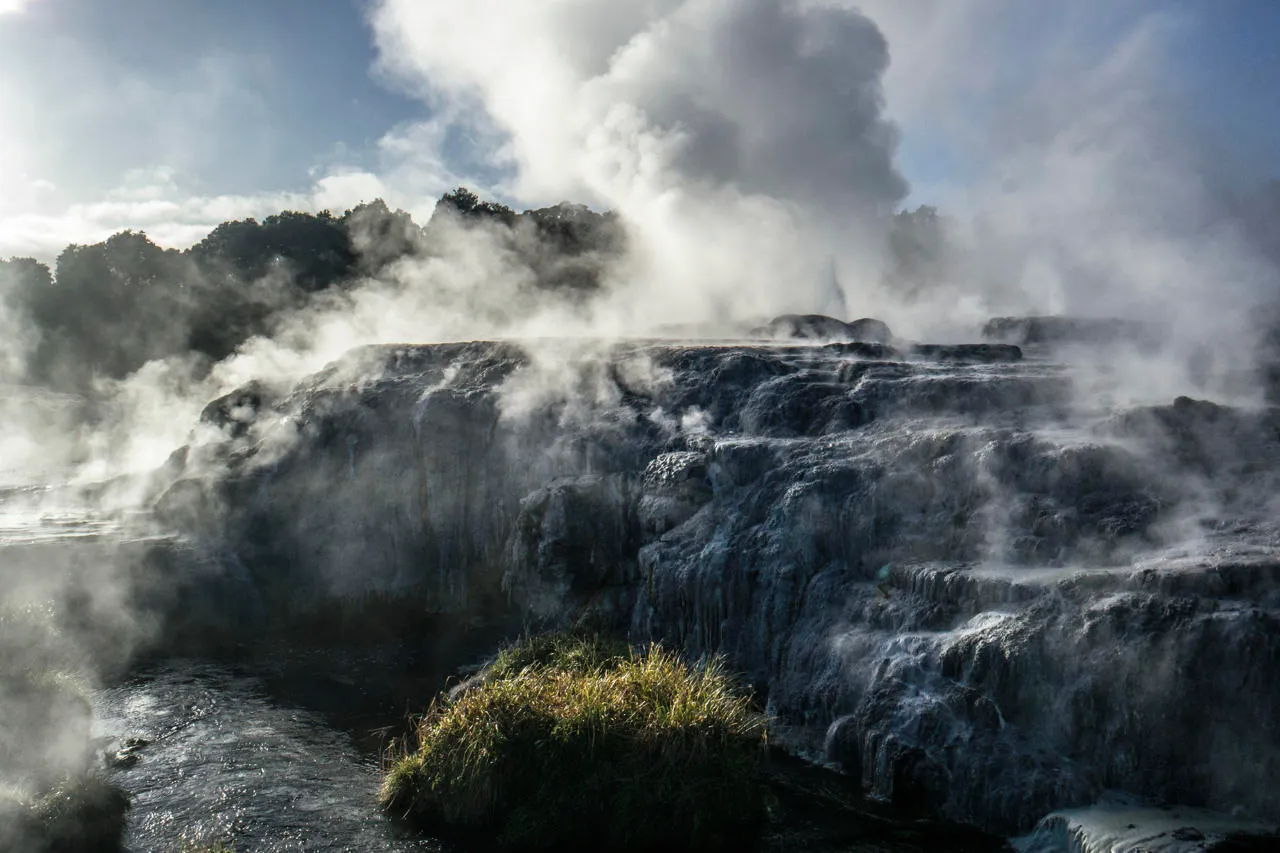
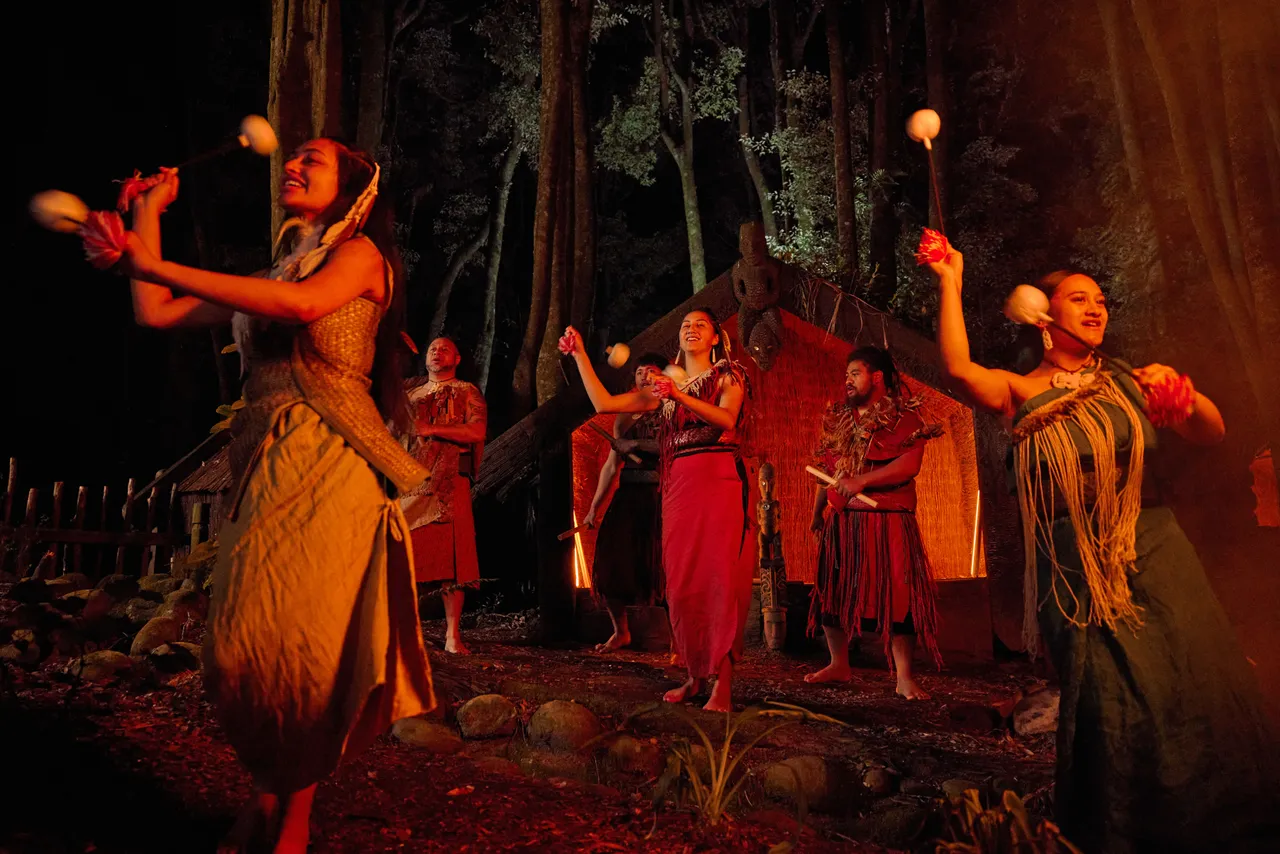
Te Puia is the home of the New Zealand Māori Arts and Crafts Institute. Here you can watch master carvers, weavers and pounamu (greenstone) artists at work. You can also walk through a geothermal valley, with the Pōhutu geyser as its star. Evening cultural performances and a hāngi (earth-oven) meal complete the day. The institute nurtures traditional arts, so your visit helps keep them alive. See the Te Puia Te Rā cultural day experience. Then add the Buried Village of Te Wairoa for volcanic history, and browse all Rotorua activities.
10. Len Lye Centre and Govett-Brewster Art Gallery, New Plymouth
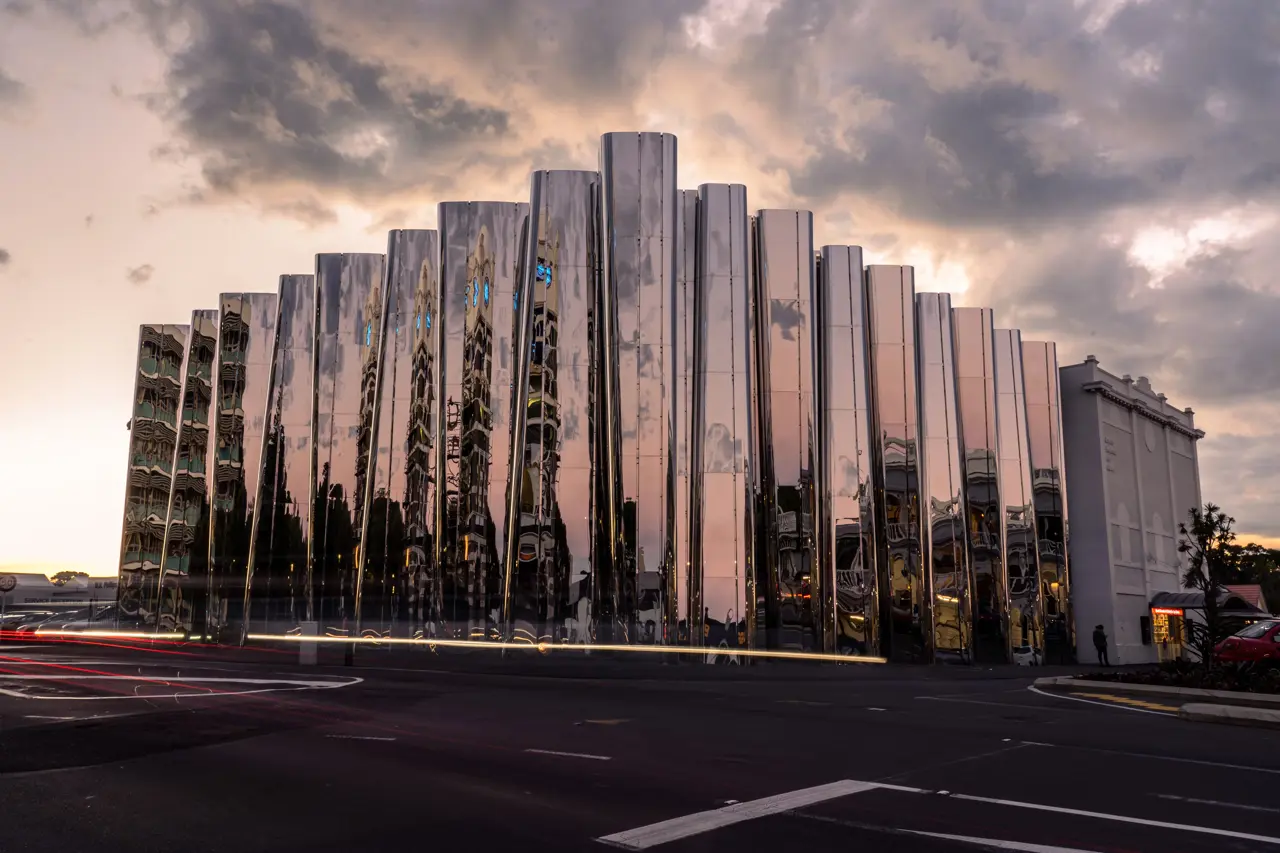
This pair is a surprise in Taranaki. The Len Lye Centre is dedicated to the kinetic art of New Zealand-born filmmaker and sculptor Len Lye, and its mirror-clad building is an attraction in itself. Next door, the Govett-Brewster Art Gallery shows contemporary art. Together they put New Plymouth on the map for art lovers. Allow two hours, then walk the nearby coastal pathway. See our Taranaki activities.
11. Mine Bay Māori Rock Carvings, Lake Taupō
These carvings are one of the country’s most striking contemporary Māori artworks. They rise 14 metres above Lake Taupō and portray Ngātoroirangi, the navigator who guided the Tūwharetoa and Te Arawa people to the area. Artist Matahi Whakataka-Brightwell carved them into the cliff in the 1970s. You can only reach them by water, so book a boat or kayak trip. Calm mornings give the best light and the least wind. See our Taupō activities and our boat cruises and water activities.
12. Maunga Hikurangi, Gisborne
Maunga Hikurangi stands 1,754 metres tall and is the sacred mountain of Ngāti Porou. It’s said to be the first place on the New Zealand mainland to see the sun each morning. Guided tours take you up by four-wheel-drive to Te Takapau-o-Māui, where nine carvings tell the story of Māui and his family. You need a guided tour to visit well. The mountain is closed in October for lambing and on 31 December and 1 January for a dawn event. It is about two hours’ drive from Gisborne. See our Gisborne & Eastland page.
13. Napier Art Deco Tours, Napier
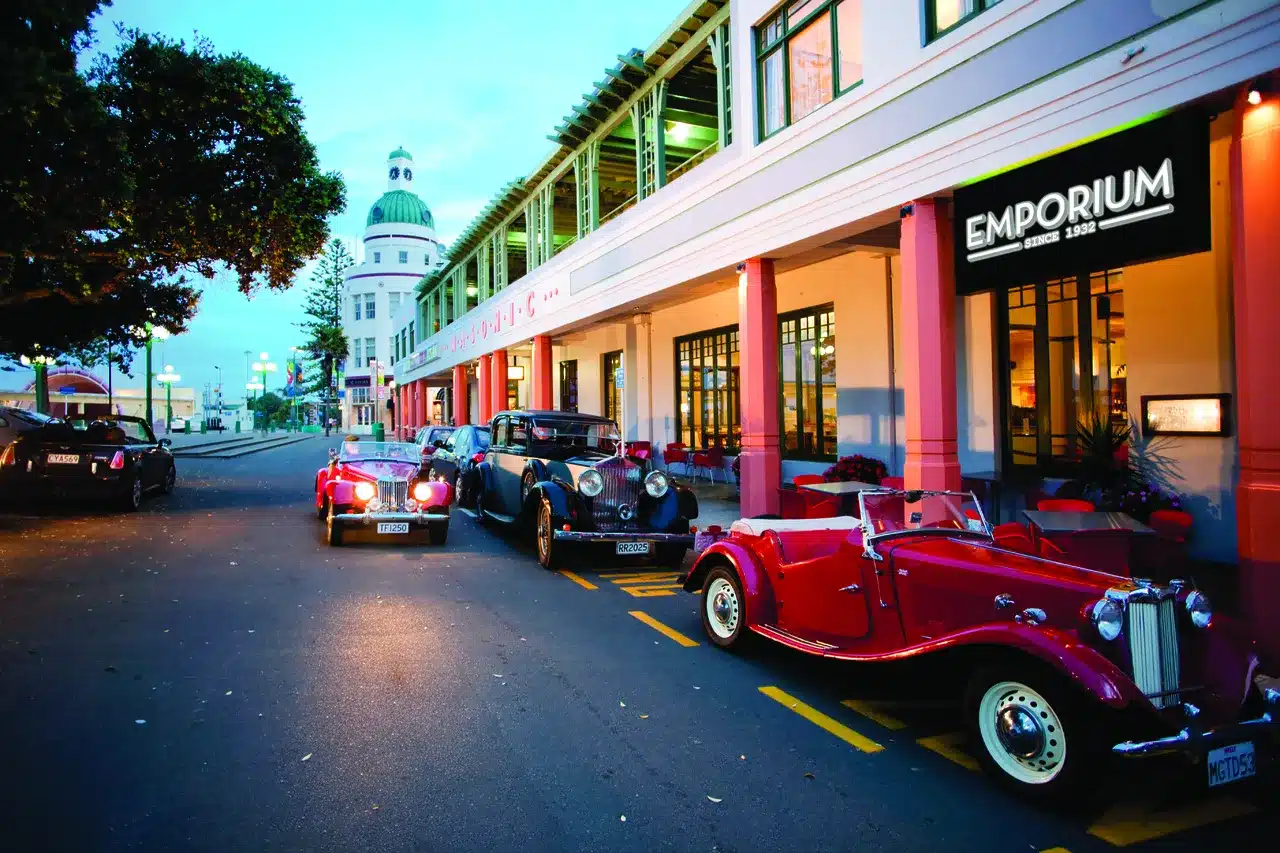
A huge earthquake destroyed Napier in 1931. The city rebuilt quickly in the style of the day, Art Deco, and often added Māori motifs. The result is one of the most complete Art Deco cities in the world. The Art Deco Trust runs guided walking tours, and many people love the vintage-car tours too. Visit in February for the Art Deco Festival, when the streets fill with period fashion and music. Browse our Hawke’s Bay activities and see New Zealand festivities.
14. Te Whare o Rehua Sarjeant Gallery, Whanganui
This gallery reopened in November 2024 after a decade-long redevelopment that cost more than $70 million. The 1919 heritage building now links to a modern west-facing atrium with extra exhibition space and a café. The collection holds more than 9,000 items, and the new wing was co-designed with local Māori hapū. Whanganui is also a UNESCO City of Design. Check current admission before you go, and allow about an hour. See our Whanganui & Manawatu page.
15. New Zealand Rugby Museum, Palmerston North
Few countries wear a sport as proudly as New Zealand wears rugby. This museum collects the memorabilia: jerseys, trophies, photographs and match stories from the earliest days to the modern All Blacks. It makes a good partner to the All Blacks Experience in Auckland. Even if you’re not a fan, the museum explains why the game matters here. It sits in the same region as Whanganui, so you can see both in one day.
16. Te Papa Tongarewa, Wellington

Te Papa is the national museum, and the name means “container of treasures”. Its floors cover Māori culture, art, natural history and the nation’s story. On level 4, the marae Rongomaraeroa is a working Māori meeting house. The museum is open daily from 10am to 6pm, except Christmas Day. Entry is free for New Zealanders, but international visitors aged 16 and over pay NZ$35 for a ticket valid for 48 hours. You can buy international visitor tickets online. Wet Wellington days suit it perfectly. See Wellington activities.
17. Wētā Workshop, Wellington
Wētā Workshop built the props, creatures and armour for The Lord of the Rings and many other films. Its Wellington tours take you behind the scenes of that craft. You’ll see sculptors, costume makers and prop-makers at work. It’s a modern kind of heritage: a small country turning its imagination into a global industry. Book ahead in summer. For more, see our best filming locations, the Lord of the Rings tours and the 15 Day Lord of the Rings Tour.
South Island Cultural and Heritage Attractions (18–29)
The South Island, or Te Waipounamu, is known for scenery. But its New Zealand cultural and heritage attractions are just as rewarding. You’ll find ancient rock art, gold-rush towns, greenstone studios and the country’s quirkiest Victorian port.
18. Ruby Coast Arts Trail, Nelson Tasman
Nelson has long been a craft and art hub. It’s even the birthplace of World of WearableArt. The Ruby Coast Arts Trail leads you to galleries and artist studios along the coast, so you can meet makers and buy direct. Plan a slow day, with stops for coffee and a wine tasting. See our Nelson Tasman activities.
19. Omaka Aviation Heritage Centre, Blenheim
Omaka tells the story of First World War aviation through restored aircraft and lifelike scenes. The displays are dramatic and well made, and even non-aviation fans tend to be impressed. It is a good wet-day option in wine country. After your visit, try a cellar door. Read more in our Marlborough activities and our food and wine itinerary.
20. Shantytown Heritage Park, Greymouth
Shantytown recreates an 1880s West Coast gold-mining town. You can pan for gold, ride a steam train and wander through period shops and homes. It’s a hands-on way to understand why thousands of people rushed to this wet, wild coast. Children love it. For a deeper look at mining history, see the Goldfields Experience in Central Otago and our West Coast activities.
21. Hokitika Greenstone Studios, Hokitika
Pounamu, or greenstone, is a treasured stone for Māori. Hokitika is the best place to see it carved. Studios in town let you watch carvers shape it into pendants and art, and some offer carving classes. Buy from a reputable studio, because genuine pounamu is a cultural treasure, not just a souvenir. Close by, the Hokitika Glass Studio adds another craft stop. In Greymouth, the Pounamu Pathway explores the stone’s story.
22. Christchurch Art Gallery Te Puna o Waiwhetū, Christchurch
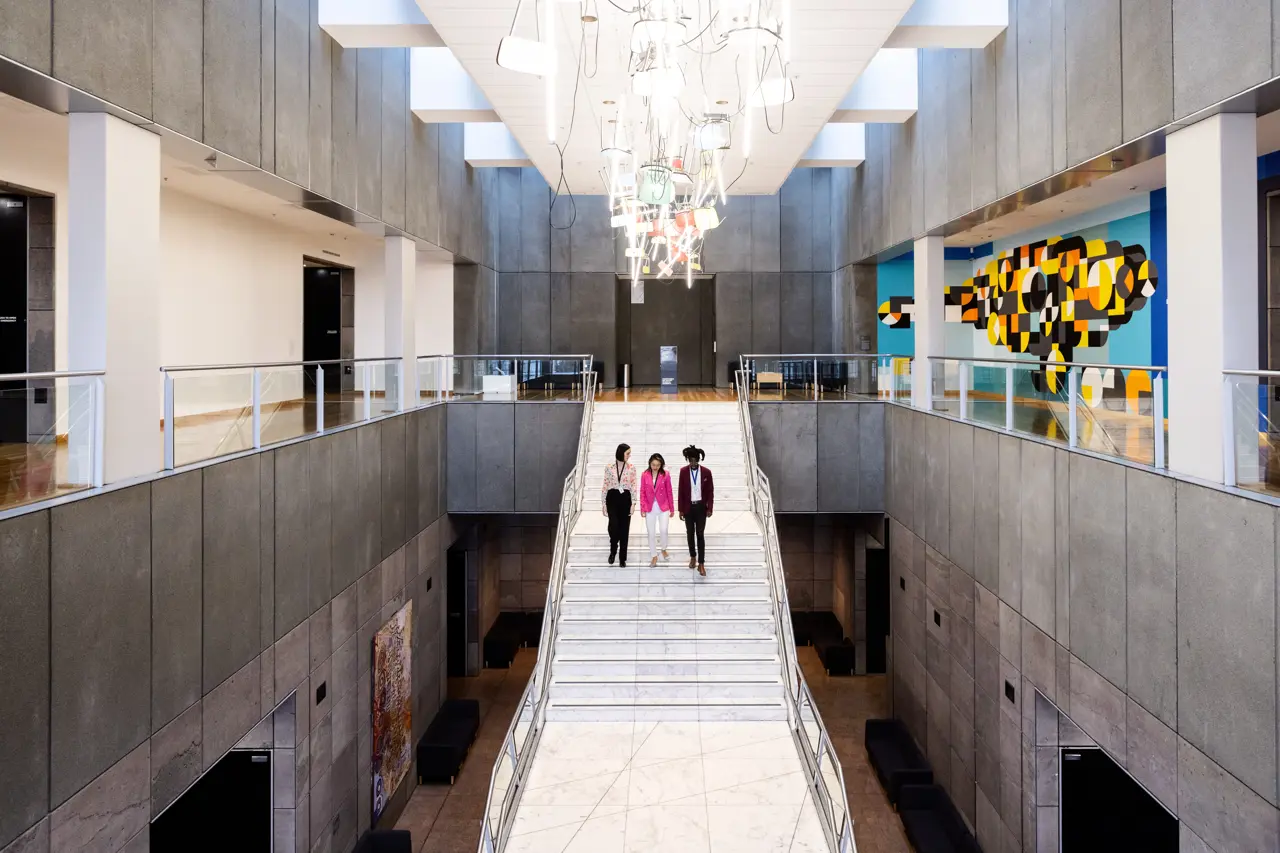
This gallery reflects a city that has rebuilt itself after the 2010–2011 earthquakes. Its glass-fronted building holds a strong collection of New Zealand and international art, including Māori work. General entry has been free, but check for charges on special exhibitions. Allow two hours, then walk to the Avon River. See our Christchurch & Canterbury activities.
23. Christchurch Street Art Trail, Christchurch
After the earthquakes, empty lots and blank walls became canvases. Today murals by local and international artists cover buildings across the central city. The trail is free and walkable, so you can follow it at your own pace. It’s one of the best free ways to see how Christchurch recovered. Pick up a map or use the Watch This Space site to plan your route.
24. Te Ana Māori Rock Art Centre, Timaru
South Canterbury holds hundreds of ancient Māori rock art sites, some 700 to 1,000 years old. Te Ana is a Ngāi Tahu cultural centre that tells their story. It holds rock art slabs removed from caves in the early 1900s, and local guides explain the symbols. The centre is open from 10am to 3pm daily. From November to April, guided tours at 2pm take you to the Ōpihi caves, where you can see the taniwha drawings in place. Bookings are essential, and the walk crosses farmland, so wear sturdy shoes. See Māori culture on our site.
25. Whitestone City, Ōamaru
Ōamaru’s Victorian precinct is built from creamy local limestone, and it looks like a film set. Whitestone City brings that history to life, with period streets, workshops and stories of the town’s 19th-century boom. Walk the harbour area afterwards to see the grand stone buildings. Ōamaru also has a colony of little blue penguins in the evenings. Browse Dunedin & Otago activities for nearby options.
26. Steampunk HQ, Ōamaru
Steampunk HQ is a gallery of retro-futuristic installations, and it’s gloriously odd. Machines, sound and light fill the space, and some pieces are interactive. It helped make Ōamaru a contender for the steampunk capital of the world, and the town hosts a steampunk festival each year. Come with an open mind. You’ll leave smiling. For more quirky heritage, see the Cardrona Hotel Historic Experience and the Around Arrowtown Tour.
27. Dunedin Public Art Gallery, Dunedin
Dunedin is a city of Scottish roots, grand Victorian buildings and a lively art scene. The Dunedin Public Art Gallery sits in the Octagon, the city’s central plaza. It holds one of the country’s oldest public collections. General entry is usually free, but check before you go. It’s easy to combine with Dunedin’s other sights, so see our Dunedin & Otago page.
28. Dunedin Street Art Trail, Dunedin
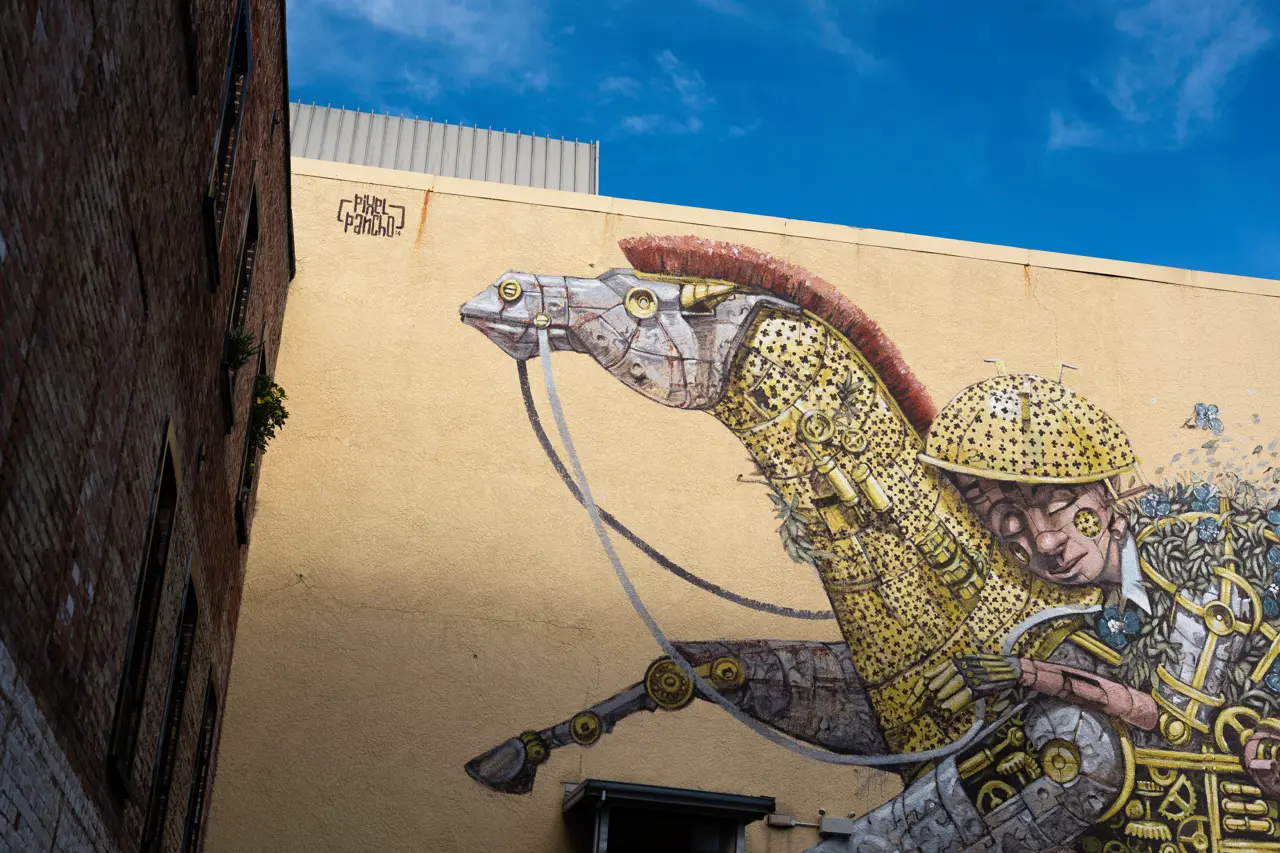
Dunedin’s walls are full of colour. The Street Art Trail links large murals by local and visiting artists, and you can walk it in an hour or two. It’s free, and it gives you a good reason to explore the warehouse district. Combine it with a visit to the public art gallery for an easy art day.
29. Bill Richardson Transport World, Invercargill
Transport World may be the most surprising entry on this list. It’s a huge private collection of vehicles, with a wearable arts display, play zones and famously themed bathrooms. It opens daily from 10am to 5pm, with last entry at 4pm, except on Christmas Day and Boxing Day. It’s a first-rate rainy-day stop in cold, wet Southland. Nearby, the Classic Motorcycle Mecca adds more. See Southland activities, and for a taste of local spirit, try the Hokonui Moonshine Museum & Distillery.
How to Plan a Trip Around New Zealand Cultural and Heritage Attractions
You can’t see all 29 New Zealand cultural and heritage attractions in one trip, and you don’t need to. Instead, build a route around the regions that interest you most.
- North Island route: Bay of Islands, Whangārei, Auckland, Rotorua, Napier and Wellington cover the best-known cultural stops in about two to three weeks. See our 3-week North Island itinerary.
- South Island route: Nelson, Blenheim, the West Coast, Christchurch, Timaru, Ōamaru, Dunedin and Invercargill make a long but rewarding loop. See our 4-week South Island itinerary.
- Short on time: choose one cultural highlight per region. Our 2-week itinerary and itinerary ideas show how.
- Māori culture focus: read our 14-day Māori culture itinerary for a route built around iwi-led experiences.
Book the ones that need it. Gibbs Farm is by appointment on monthly visitor days. Maunga Hikurangi needs a guided tour and is closed in October. The Ōpihi rock art tours run from November to April. Mine Bay is only reachable by boat. And Te Papa charges international visitors. So plan these early, and leave flexibility for the rest.
Be respectful. Many of these places are sacred to Māori. Follow your guide’s lead at marae and sacred sites, ask before you photograph people, and treat carvings as taonga. Our New Zealand etiquette guide explains the basics.
Choose the right transport. Many New Zealand cultural and heritage attractions are regional and spread out. A rental car gives you freedom, so see our rental cars and driving in New Zealand guides. Prefer to leave the logistics to others? Compare self-drive tours, small group tours and guided tours. Our special interest tours and educational tours suit travellers who want culture at the centre. For timing, see the best time to visit New Zealand.
Frequently Asked Questions About New Zealand Cultural and Heritage Attractions
What are the best New Zealand cultural and heritage attractions?
The most famous are the Waitangi Treaty Grounds, Te Puia in Rotorua, Te Papa in Wellington and Napier’s Art Deco quarter. In the South Island, the Te Ana Māori Rock Art Centre and the Ōamaru Victorian precinct stand out. This list of 29 covers all of them, plus lesser-known stops.
Where is the best place to learn about Māori culture in New Zealand?
Rotorua is the best-known centre, and Te Puia offers living arts, geothermal sights and evening performances. Waitangi in the Bay of Islands covers the Treaty story. For something more remote, Maunga Hikurangi and the Te Ana Rock Art Centre are led by local iwi. See our Māori culture activities.
Which New Zealand cultural and heritage attractions are free?
Some galleries, including the Christchurch and Dunedin art galleries, have traditionally offered free general entry. The street art trails in Christchurch and Dunedin are free too. But Te Papa and Auckland Museum charge international visitors, and Gibbs Farm has booking-based visit days. Always check before you go.
How many days do I need to see New Zealand cultural and heritage attractions?
Plan about two to three weeks for the North Island highlights and three to four weeks for the South Island. If you have a week, pick two or three regions and go deeper. Our itinerary ideas can help you choose.
Is Gibbs Farm open to the public?
Not in the usual sense. Gibbs Farm is a private property and opens by appointment on scheduled monthly visitor days. Charities and arts groups also run fundraising visits. Book well ahead, and read the terms of access first.
Can I visit the Mine Bay rock carvings by road?
No. The carvings are on Lake Taupō’s shoreline and are only accessible by water. Book a boat cruise or a kayak trip from Taupō. Calm mornings are best.
Are New Zealand cultural and heritage attractions open all year?
Most are, but a few have limits. The Ōpihi rock art tours run from November to April. Maunga Hikurangi is closed in October for lambing. Gibbs Farm opens only on set days. Te Papa is open daily except Christmas Day. Check each site before you travel.
What should I know before visiting a marae or Māori cultural site?
Listen to your guide, and follow their instructions. You may be welcomed with a pōwhiri (welcome ceremony), and you should remove your shoes before entering a meeting house. Ask before taking photos, and never touch carvings. Our etiquette guide has more.
When is the best time to visit New Zealand cultural and heritage attractions?
Summer suits most of them, especially the Ōpihi rock art tours. February is a highlight, with Waitangi Day on 6 February and the Art Deco Festival in Napier. Winter is quieter, and the museums and galleries work well on wet days. See our best time to visit guide.
Which New Zealand cultural and heritage attractions are best on a rainy day?
Choose the museums and galleries: Te Papa, Auckland Museum, Auckland Art Gallery, the Sarjeant Gallery, Omaka Aviation Heritage Centre and Transport World. All are indoors. Browse our museums category for more.
Can I visit New Zealand cultural and heritage attractions on a guided tour?
Yes. Many guided and small group tours include Waitangi, Te Puia, Te Papa or Napier’s Art Deco quarter. If you want a custom route, you can request a tailor-made tour. Read how to book a tour for the steps, and check our travel insurance guidance before you go.
Plan Your Cultural Journey With Us
Ready to turn this list into a trip? Browse our New Zealand tours, or build a custom itinerary around the New Zealand cultural and heritage attractions that matter most to you. For more ideas, explore our best North Island attractions, our best South Island attractions and the travel blog.