
Space to Explore: A 14-Day New Zealand Nature and Wildlife Journey
This New Zealand nature and wildlife itinerary gives you 14 days to meet the country’s wild side. You will see a sperm whale breach, glide under a cave ceiling of glowworms and stand where two oceans meet. You will also look for kiwi and tuatara, hike across a volcano and stargaze under one of the world’s great dark sky reserves. It is a trip for people who want to get back to nature and still have a comfortable bed at night.
Why Choose This New Zealand Nature and Wildlife Itinerary
New Zealand offers a huge amount of space to explore. This New Zealand nature and wildlife itinerary is designed to use it well. It links the sacred far north with Auckland’s islands, the glowworm caves of Waitomo and the volcanoes around Taupō. Then it crosses Cook Strait to a whale-rich coast and finishes under the stars at Lake Tekapo.
Along the way, you will meet some of the country’s most special wildlife. These include:
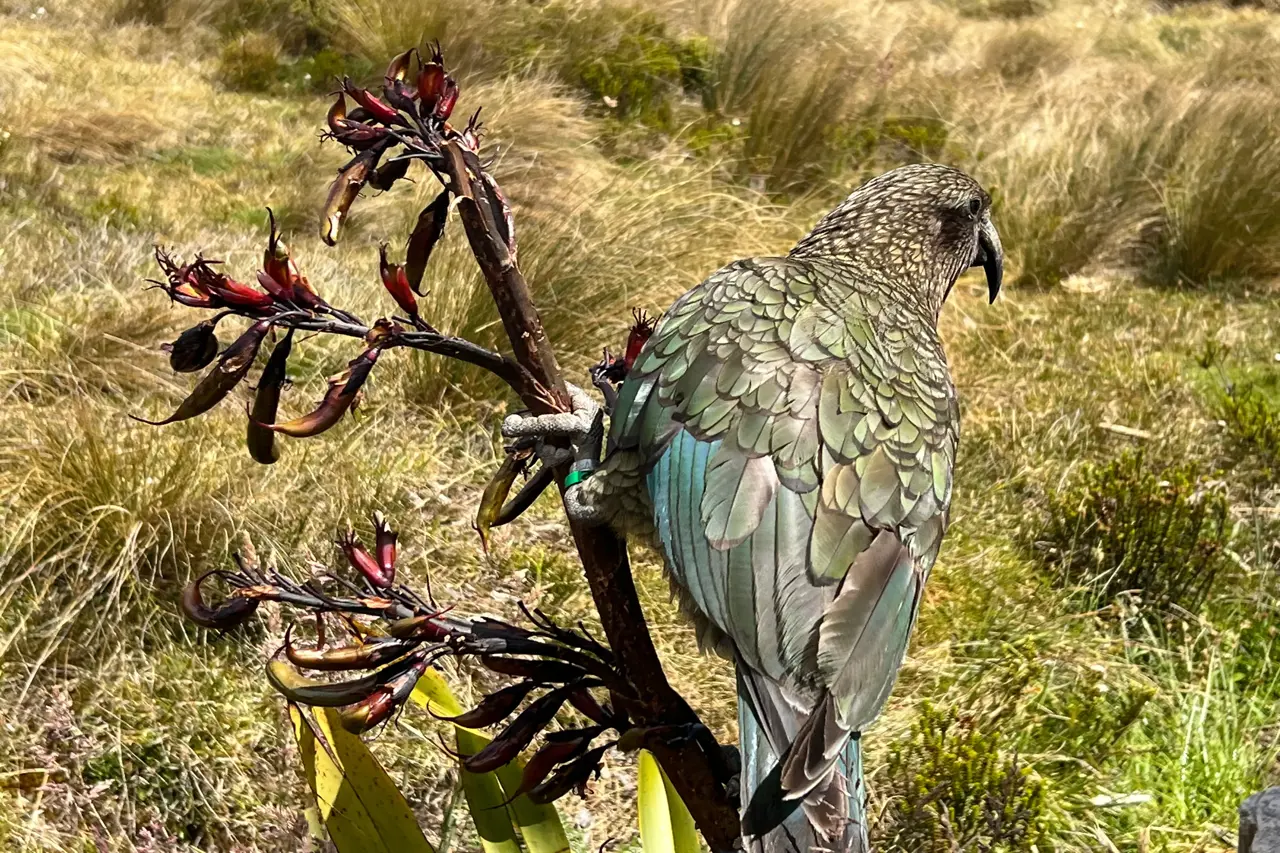
- Birds: kiwi, which are nocturnal, and rare native birds on predator-free sanctuaries.
- Reptiles: tuatara, an ancient reptile found only in New Zealand.
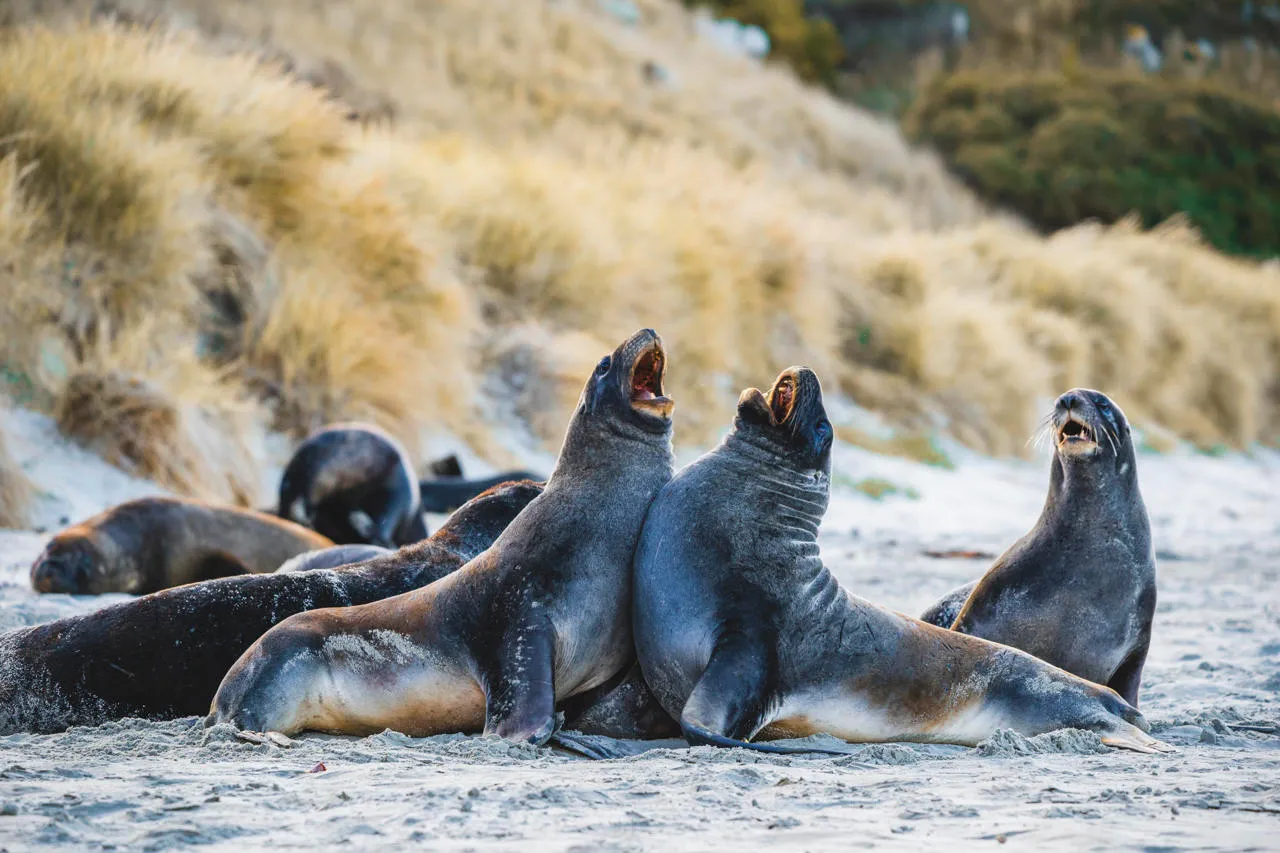
- Marine life: sperm whales, dusky dolphins and fur seals.
- Cave life: glowworms that light up cave ceilings.
You will also see how rivers and ice have carved the landscape over centuries. You will find that in the Tongariro region and in the glacial valleys near Aoraki Mount Cook.
Who This New Zealand Nature and Wildlife Itinerary Suits
This trip suits travellers who prefer a close encounter to a long list of sights. You do not need to be an expert, because most of the experiences come with a guide. You do need to be comfortable with early starts, boat trips and at least one long hike.
It also suits people who like variety. In two weeks you will paddle a kayak, ride a boat through a cave and take a ferry across Cook Strait. You will also hike on a volcano and watch the Milky Way from a dark sky reserve.
Your Route at a Glance
This table sets out the whole trip. The itinerary does not give travel times for every leg, so I have added times only where they come from official sources. Check them before you travel.
| Days | Stop | Getting there | Highlights |
|---|---|---|---|
| 1–3 | Cape Reinga, Northland | Arrive in Auckland, then head north. The Bay of Islands is about 3 hours from Auckland, and Cape Reinga is further | Cape Reinga, Te Paki sand dunes, the winterless north |
| 4–5 | Tāmaki Makaurau Auckland | Return south to Auckland | Rangitoto Island, Waitematā Harbour, Waiheke Island |
| 6 | Waitomo | Head south into the Waikato | Waitomo Glowworm Caves boat ride |
| 7–8 | Taupō | Journey south to the lake | Mine Bay rock carvings, Tongariro Crossing |
| 9–10 | Wellington | Fly from Taupō in 1 hour, or drive 373 km (232 miles) in about 4 hours 45 minutes | Zealandia, Kāpiti Island |
| 11–12 | Kaikōura | Ferry from Wellington to Picton (about 3 hours 30 minutes) or fly, then drive 156 km (96 miles), about 2 hours | Sperm whales, dusky dolphins, fur seals |
| 13–14 | Christchurch and Aoraki Mackenzie | Drive from Kaikōura to Christchurch, about 2 hours 30 minutes, then 226 km (140 miles) to Lake Tekapo, about 3 hours | Aoraki Mackenzie Dark Sky Reserve, stargazing with expert guides |
Day by Day: Your New Zealand Nature and Wildlife Itinerary
Days 1 to 3: Te Rerenga Wairua Cape Reinga
On arrival in Auckland, head straight to the winterless north for a few days of rest. Cape Reinga, in the Far North, is where the Tasman Sea meets the Pacific Ocean in a spectacular swirl of currents. In Māori belief, spirits begin their final journey from this sacred place to Hawaiki, the ancestral homeland. Visit the Te Paki sand dunes, which rise up to 150 metres. Ninety Mile Beach is best seen on a guided coach tour. See our Northland & Bay of Islands guide.
Days 4 and 5: Auckland from a volcano
Kayak across the sparkling water of Waitematā Harbour to Rangitoto Island, Auckland’s youngest volcano, and climb to the top. The Rangitoto Island summit rewards you with 360-degree views and a fascinating insight into the history of the region. Then stay on the wilder side of the city by basing yourself on Waiheke Island, with its vineyards, beaches and olive groves. For more wildlife, cruises visit the sanctuaries of Tiritiri Matangi and Rotoroa.
A sunset kayak trip to Rangitoto Island is a quieter way to see it. Great Barrier Island is an International Dark Sky Sanctuary, and the west coast beaches at Piha and Muriwai are good spots for stargazing too. See our Auckland guide and boat cruises and water activities.
Day 6: Underground at Waitomo
The central North Island is full of treasure. Glide by boat on an underground river through the caverns of the Waitomo Glowworm Caves, where thousands of glowworms light the rock formations. If you want more adventure, choose from a gentle boat cruise to blackwater rafting or abseiling. Nearby, Ōtorohanga Kiwi House is a chance to meet New Zealand’s national symbol. See our Waikato & Waitomo guide.
Days 7 and 8: Taupō, by lake or volcano
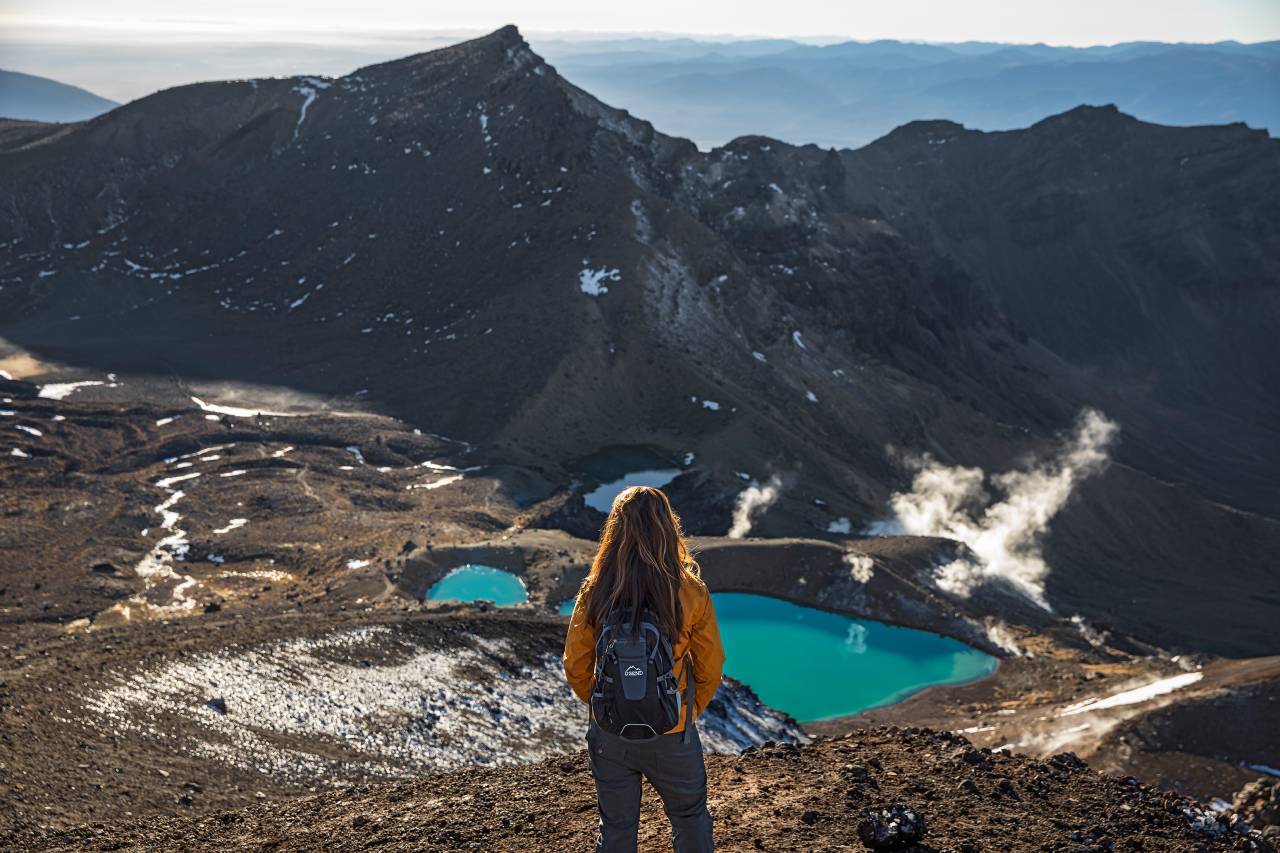
Taupō is perfect for outdoor adventures. Paddle a kayak close to the Mine Bay Māori Rock Carvings, or cruise out to see them. Or spend a day on the Tongariro Crossing, arguably New Zealand’s greatest day walk. It crosses volcanic alpine terrain and descends past the Emerald Lakes, which are water-filled explosion craters. Tongariro is the country’s oldest national park, so book a guide, check the weather and bring warm layers. Afterwards, Taupō offers hot pools such as DeBretts Hot Springs and Tokaanu Thermal Pools. You can also see Huka Falls on foot or by boat. See our Taupō guide and walking and hiking experiences.
Days 9 and 10: Go wild in Wellington
Spy kiwi and tuatara at Zealandia, a lush eco-sanctuary just minutes from Wellington’s CBD. It was the world’s first fully fenced ecosanctuary, and it shelters more than 40 rare native species. For another wildlife escape, sail offshore to Kāpiti Island, a tranquil bird sanctuary, to see native flora and fauna. Wellington Zoo has more than 500 animals, and the Botanic Garden covers 25 hectares of gardens and native bush. The Cable Car makes the climb easy. See our Wellington & Wairarapa guide.
Days 11 and 12: Kaikoura whale watching
Take a ferry or flight to Picton, then head south along the east coast. Kaikōura’s deep coastal waters teem with marine mammals. A deep canyon drops to more than 1,200 metres close to shore, which draws sperm whales, dusky dolphins and fur seals. Watch a gigantic sperm whale breach the waves from the air or from a boat, or swim with pods of playful dusky dolphins in their natural habitat.
Rare Hector’s dolphins, humpback whales and orca also visit through the year, and albatross follow the boats. The name Kaikōura means “to eat crayfish”, so save time for seafood. See our Kaikoura & Hanmer Springs guide and wildlife and beaches.
Days 13 and 14: Stargazing at Aoraki Mount Cook
After a break in ever-evolving Christchurch, drive inland to turquoise Lake Tekapo. The Aoraki Mackenzie Dark Sky Reserve is one of the planet’s quietest places on the ground and one of its busiest in the sky. Expert guides are on hand to explain what you see.
At Tekapo Springs, you can float on a hammock in 38 °C water under the dark sky. In Twizel, SkyScape’s glass eco-domes offer a “5 billion star” stay. The Church of the Good Shepherd on the lakefront is a famous place to see the stars. This region also holds Aoraki Mount Cook, the highest mountain in the country, and the Haupapa Tasman Glacier, the largest. In Christchurch, take the electric shuttle through the Botanic Gardens, or visit the International Antarctic Centre. See our Mt Cook & Mackenzie guide and Christchurch & Canterbury guide.
How Each Leg of This Journey Works
This trip mixes flights, a ferry and some driving. The notes below explain each leg, using the figures in the table above.
Auckland to the north. After you land in Auckland, the winterless north is your first stop. The Bay of Islands is about three hours’ drive from Auckland, and Cape Reinga is further on, so plan your days in the north around a base.
Auckland to Waitomo and Taupō. These legs run south through the Waikato and central North Island. The itinerary gives no times, so check them on a route planner.
Taupō to Wellington. You can fly in 1 hour or drive 373 km (232 miles) in about 4 hours 45 minutes. Flying saves most of a day, and driving lets you stop along the way.
Wellington to Kaikōura. The Interislander and Bluebridge ferries cross Cook Strait to Picton in about 3 hours 30 minutes. Then drive 156 km (96 miles) south to Kaikōura in about 2 hours. You can also fly to Picton, as the itinerary suggests.
Kaikōura to Lake Tekapo. Drive to Christchurch in about 2 hours 30 minutes, then inland to Lake Tekapo, 226 km (140 miles) and about 3 hours. The break in Christchurch breaks up the long journey.
Allow extra time on mountain roads and in bad weather. For a similar style of trip, compare our self-drive tours and our North & South Island tours.
What to Book on This New Zealand Nature and Wildlife Itinerary
Most of these experiences are best booked ahead. Use this checklist when you plan.
| Experience | Where | Days |
|---|---|---|
| Guided tour of Cape Reinga and Ninety Mile Beach | Northland | 1–3 |
| Kayak trip to Rangitoto Island | Auckland | 4–5 |
| Waiheke Island stay | Hauraki Gulf | 4–5 |
| Waitomo Glowworm Caves boat tour | Waitomo | 6 |
| Kayak or cruise to the Mine Bay rock carvings | Lake Taupō | 7–8 |
| Guided Tongariro Crossing | Tongariro National Park | 7–8 |
| Zealandia visit | Wellington | 9–10 |
| Kāpiti Island visit with a licensed operator | Kāpiti Coast | 9–10 |
| Kaikoura whale watching by boat, plane or helicopter | Kaikōura | 11–12 |
| Swim with dusky dolphins | Kaikōura | 11–12 |
| Stargazing tour in the Aoraki Mackenzie Dark Sky Reserve | Lake Tekapo | 13–14 |
Wildlife and Nature You Might Meet
Wildlife sightings depend on weather, tides and luck, so treat this list as hopes, not promises.
- Kiwi: nocturnal and shy. Zealandia and Ōtorohanga Kiwi House give you the best chances.
- Tuatara: an ancient reptile that lives at Zealandia.
- Sperm whales: Kaikōura’s deep canyon makes them easier to see close to shore.
- Dusky dolphins: playful pods you can swim with on a guided trip.
- Fur seals: they gather at Ohau Point, a short drive north of Kaikōura.
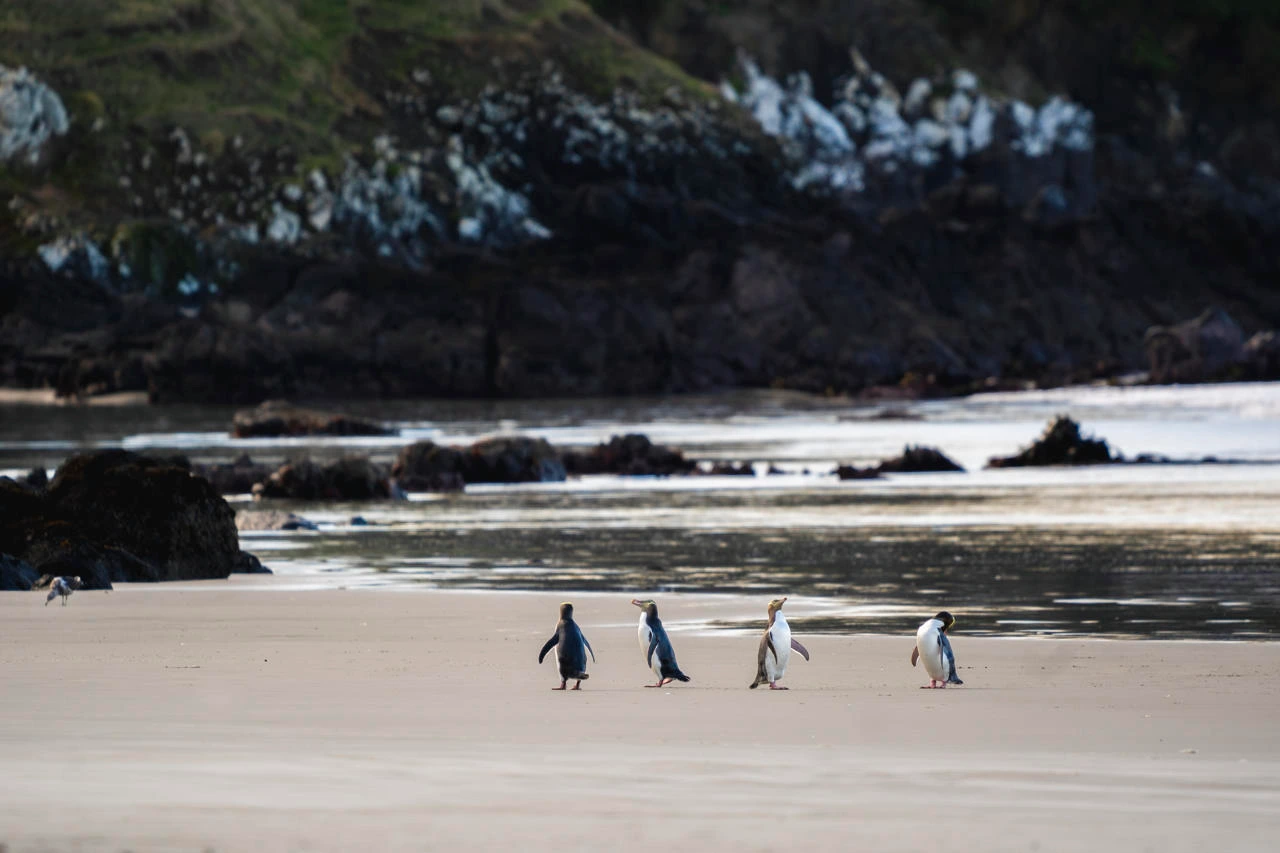
- Little penguins: if you have time near Christchurch, Akaroa has the largest colony of kororā on the mainland.
- Glowworms: thousands of tiny lights in the Waitomo caves.
Extra Days: Ideas to Extend Your New Zealand Nature and Wildlife Itinerary
If you can add a few days, these detours fit naturally into a New Zealand nature and wildlife itinerary.
- Poor Knights Islands, Northland: a marine reserve rated one of the world’s top dive sites, with Rikoriko Cave, the largest sea cave in the world. See our Northland guide.
- Stewart Island: brown kiwi (tokoeka) outnumber people here, and a guided night trip is a highlight. See our Stewart Island guide.
- Fiordland: a Milford Sound cruise adds fur seals, dolphins and waterfalls. See our Fiordland guide.
- West Coast: two glaciers that descend into rainforest, plus the Pancake Rocks at Punakaiki. See our West Coast guide.
- Gisborne: the first place in the world to see the sunrise each day, with Maunga Hikurangi and Wainui Beach as classic dawn spots. See our Gisborne & Eastland guide.
What to Pack for a Wildlife Trip
A few items make wildlife watching easier and more comfortable.
- Warm layers and a waterproof jacket: weather changes quickly on the coast and in the mountains.
- Binoculars: useful for birds, seals and distant whales.
- A torch with a red light: it helps you move in the dark without disturbing night wildlife.
- Seasickness tablets: handy for the Cook Strait ferry and whale watching boats.
- Sturdy shoes: you will need them for volcanic tracks and the Tongariro Crossing.
Tips for Planning Your New Zealand Nature and Wildlife Itinerary
These tips will help you get the most from a New Zealand nature and wildlife itinerary that depends on weather and bookings.
- Book early: whale watching, glowworm tours, Kāpiti Island visits and stargazing tours are best booked in advance.
- Allow for weather: Cook Strait crossings, flights and whale watching can change at short notice.
- Prepare for the Tongariro Crossing: it is a full-day alpine hike, so check conditions and your fitness first.
- Pack for the dark: bring warm layers for stargazing, because nights in the Aoraki Mackenzie Dark Sky Reserve get cold.
- Confirm the details: prices, operators and opening times change, so check each provider before you go.
When to Go on Your New Zealand Nature and Wildlife Itinerary
You can follow this route in any season, but a few things change with the calendar. Kaikōura’s marine experiences run all year, so whale watching is not tied to one season, although the weather can change quickly. The Tongariro Crossing is usually easier in summer, when the alpine terrain is free of snow. For stargazing, pick nights around the new moon, because a bright moon washes out the sky. In winter, Tekapo Springs also runs a seasonal ice skating rink, which makes a fun break between star-watching nights.
Travel With Care
A New Zealand nature and wildlife itinerary only works if the wildlife stays wild. Nature is the reason to take this trip, so protect it. Stay on tracks, keep your distance from wildlife and follow the Tiaki Promise wherever you go. Local operators also set rules to protect whales, seals and birds, so listen to their guides. Read more about the region at the official Kaikōura site.
Make Your New Zealand Nature and Wildlife Itinerary Your Own
Every day of this New Zealand nature and wildlife itinerary can be adjusted. If you have more time, add a night in the Far North or a day at Aoraki Mount Cook. If you have less, drop Waitomo or Wellington. You can also swap a flight for a drive where the table offers both. If you prefer a slower pace, spend three nights in each region and skip one stop, so you spend more time watching and less time travelling. Our team can shape the route around your dates and interests.
Start Planning Your Trip
Use this New Zealand nature and wildlife itinerary as it is, or adjust any day to suit you. Ready to explore? Browse our guides to Northland, Kaikoura and Mt Cook & Mackenzie. Then compare our South Island tours to see how this journey fits with other ways to travel.