
Classic New Zealand Wine Trail: A 7-Day Road Trip Across Two Islands | 380 kilometers (236 miles)
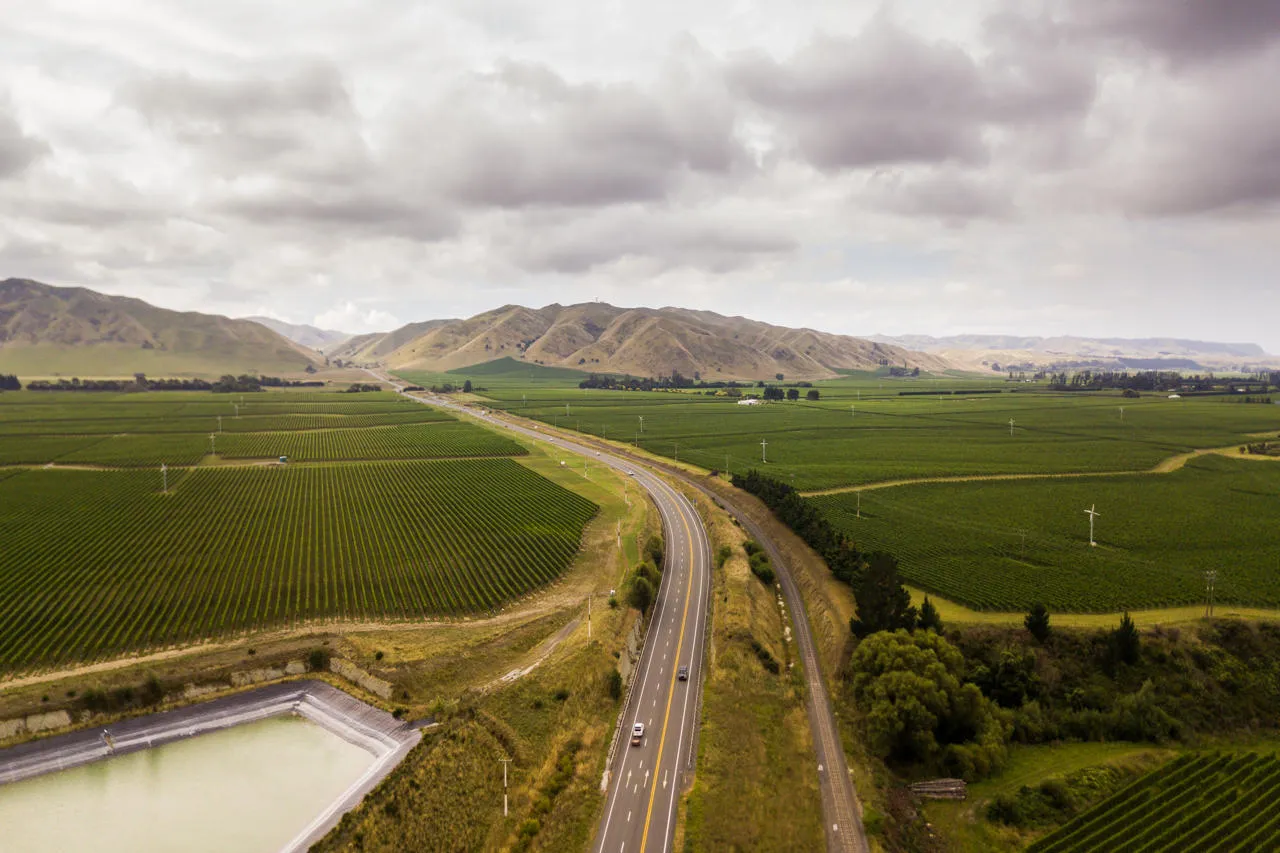
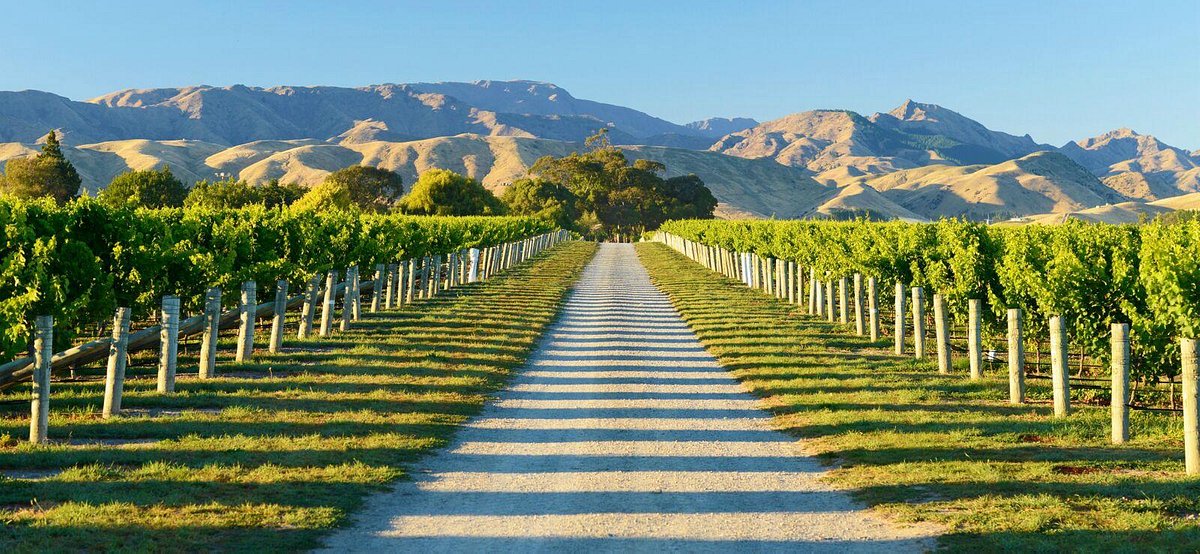
The Classic New Zealand Wine Trail links three of the best known wine regions in the country. It starts in Hawke’s Bay, runs south through the Wairarapa to Wellington and then crosses Cook Strait to Marlborough. The route covers about 380 km of driving, plus a scenic ferry ride between the islands. Along the way you can visit around 230 wineries, eat at award-winning restaurants, and explore the capital city. Seven days gives you time to taste slowly, travel safely and enjoy each region properly.
What Is the Classic New Zealand Wine Trail?
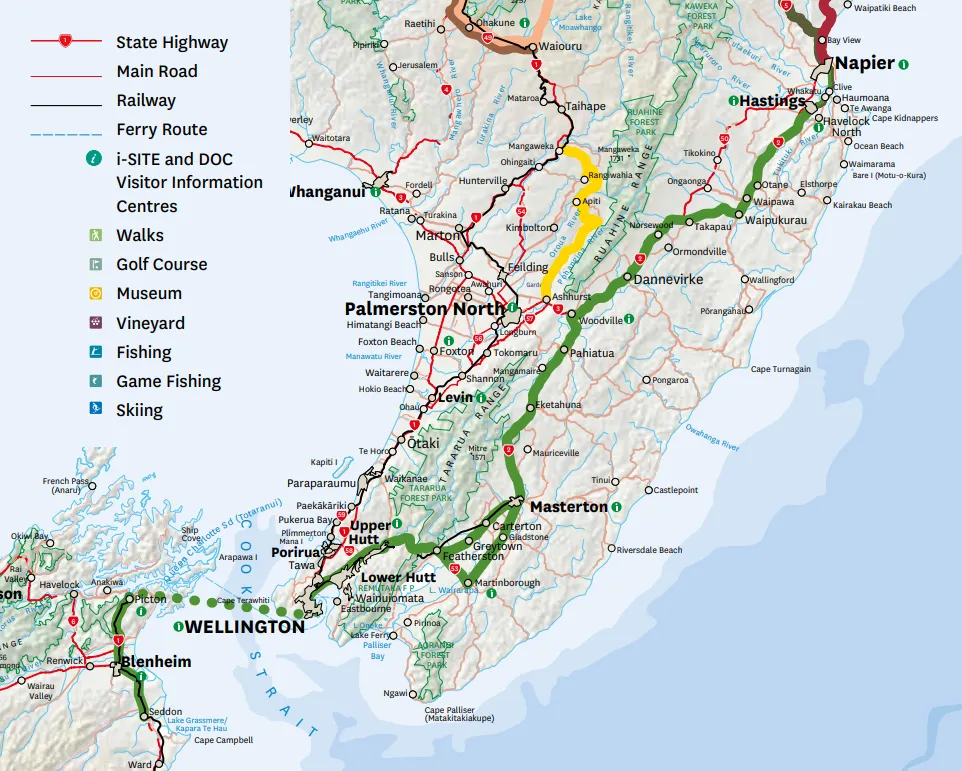
The Classic New Zealand Wine Trail is a self-guided touring route that follows signposted roads between three major New Zealand wine regions. In the North Island it uses State Highway 51 between Napier and Hastings and State Highway 2 from Hastings to Wellington. In the South Island, it follows State Highway 1 from Picton through Blenheim towards Seddon.
Each region has its own style. Hawke’s Bay is known for rich reds such as Syrah and Bordeaux-style blends. The Wairarapa and Martinborough, in particular, are famous for Pinot Noir. Marlborough made its name with crisp Sauvignon Blanc, now the best known New Zealand wine around the world. Wellington sits in the middle and adds a lively food, coffee and arts scene to the trip.
The Classic New Zealand Wine Trail also connects neatly with other themed highways. The Pacific Coast Highway and the Thermal Explorer Highway both finish in Hawke’s Bay, so you can carry straight on.
Classic New Zealand Wine Trail Map
Planning Your Classic New Zealand Wine Trail Road Trip
A wine-focused road trip needs a bit more planning than a normal drive. Read our guide to driving in New Zealand for the road rules. Then keep these tips in mind:
- Do not drink and drive. New Zealand has strict alcohol limits for drivers, and there is a zero limit for drivers under 20. Use tasting spittoons, share the driving or book a guided tour.
- Book the ferry early. The Cook Strait ferry fills up quickly in summer and during school holidays, especially if you are taking a vehicle.
- Check your rental agreement. Some rental companies ask you to drop your car in Wellington and collect another in Picton.
- Check cellar door hours. Smaller wineries may only open on weekends or by appointment.
- Ship your wine home. Many cellar doors can post bottles, which saves space in your luggage.
The easiest way to taste without worrying is to join a local tour. Our guide to the best New Zealand wine tours lists options in all three regions.
Day 1: Napier and the Art Deco City
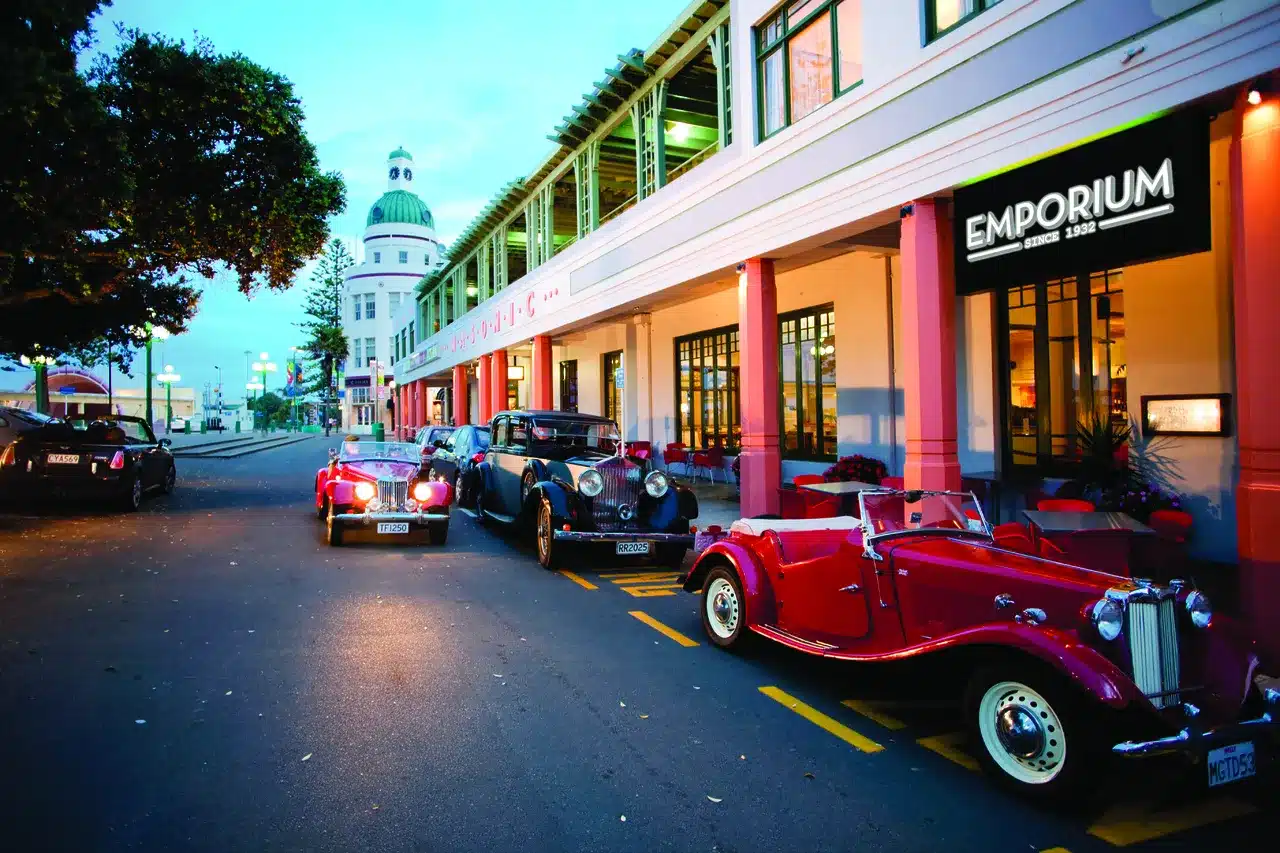
Start your New Zealand wine road trip itinerary in Napier. A huge earthquake destroyed much of the city in 1931. It was rebuilt in the Art Deco style of the time, and today it has one of the best collections of Art Deco buildings in the world. Take a guided walk or a vintage car tour to learn the story. Our page on Napier tours and day trips has plenty of ideas.
In the afternoon, visit Mission Estate in Taradale. It was founded by Marist missionaries in 1851 and is the oldest winery in New Zealand. The grand old seminary building and its terraced lawns make a lovely spot for a first tasting and dinner.
Day 2: Hastings and Hawke’s Bay Wineries
Hawke’s Bay is the oldest wine region in New Zealand. It was also named one of the Great Wine Capitals of the world in 2023. Spend today exploring the Hawke’s Bay wineries around Hastings and Havelock North.
The Gimblett Gravels area is famous for its stony soils, which hold heat and suit Syrah and Bordeaux-style reds. Many cellar doors sit close together, so the region is ideal for cycling. The Hawke’s Bay Trails network has flat, easy paths that link vineyards, cafés and the coast.
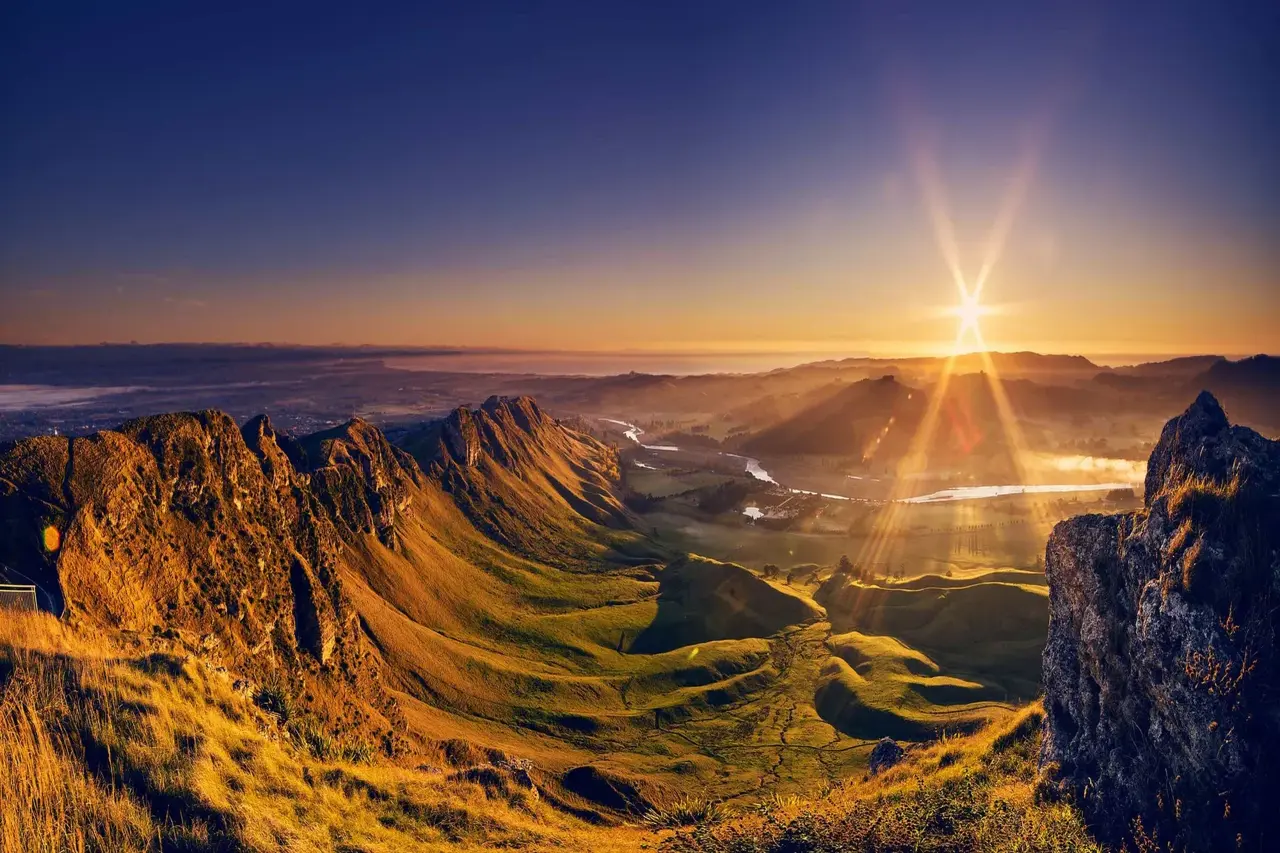
Before sunset, drive up Te Mata Peak above Havelock North. The views stretch across the plains, the vineyards and out to the sea. For more ideas in the region, see our Hawke’s Bay activities page.
Day 3: Cape Kidnappers and the Drive South
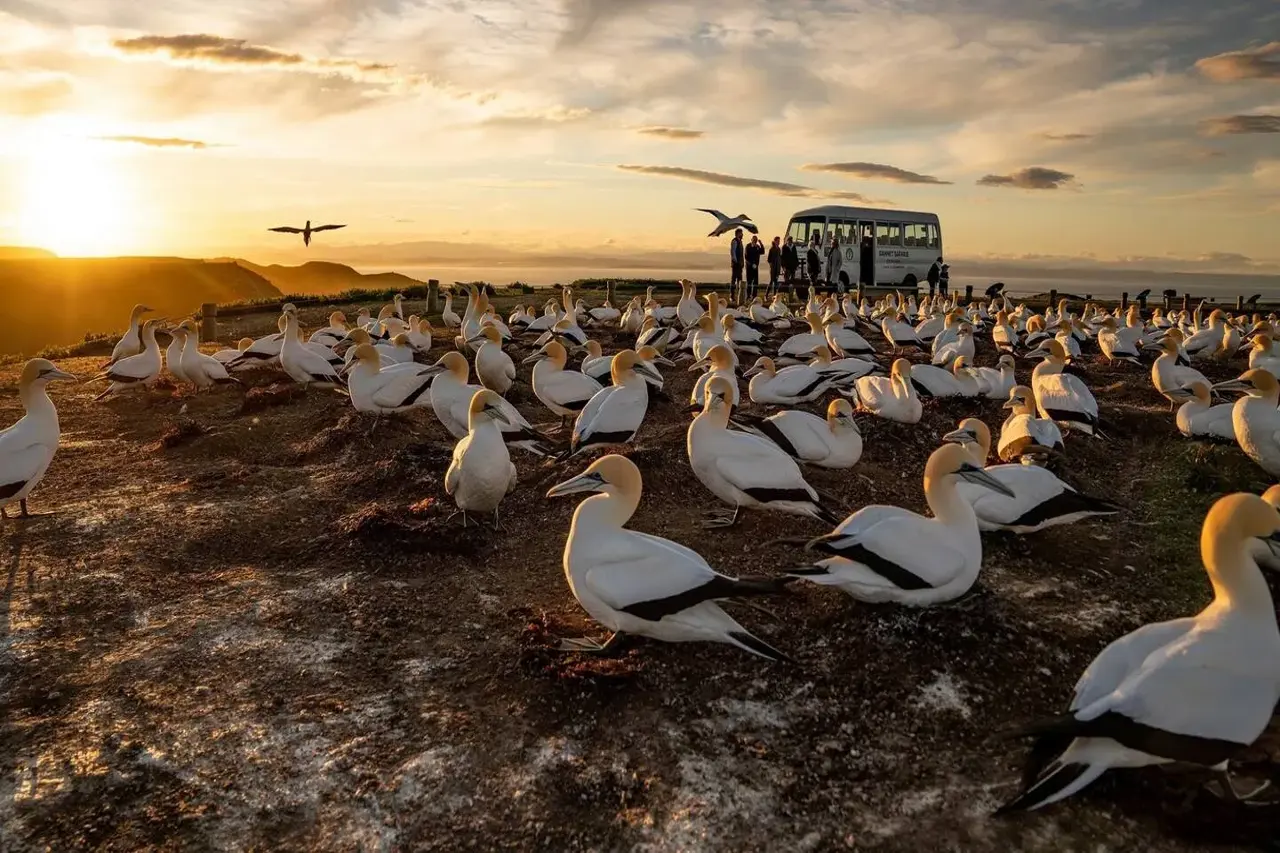
If you are visiting between spring and autumn, start the morning with a tour to Cape Kidnappers. The headland is home to a large gannet colony, with thousands of seabirds nesting on the cliffs. Tours run along the beach or over farmland, depending on the tide.
After lunch, head south on State Highway 2. The road passes through quiet farming towns such as Waipukurau, Dannevirke and Pahiatua. Just north of Masterton, stop at Pūkaha National Wildlife Centre to see native birds, including kiwi. Spend the night in Masterton or one of the small Wairarapa towns nearby.
Day 4: Martinborough and the Wairarapa
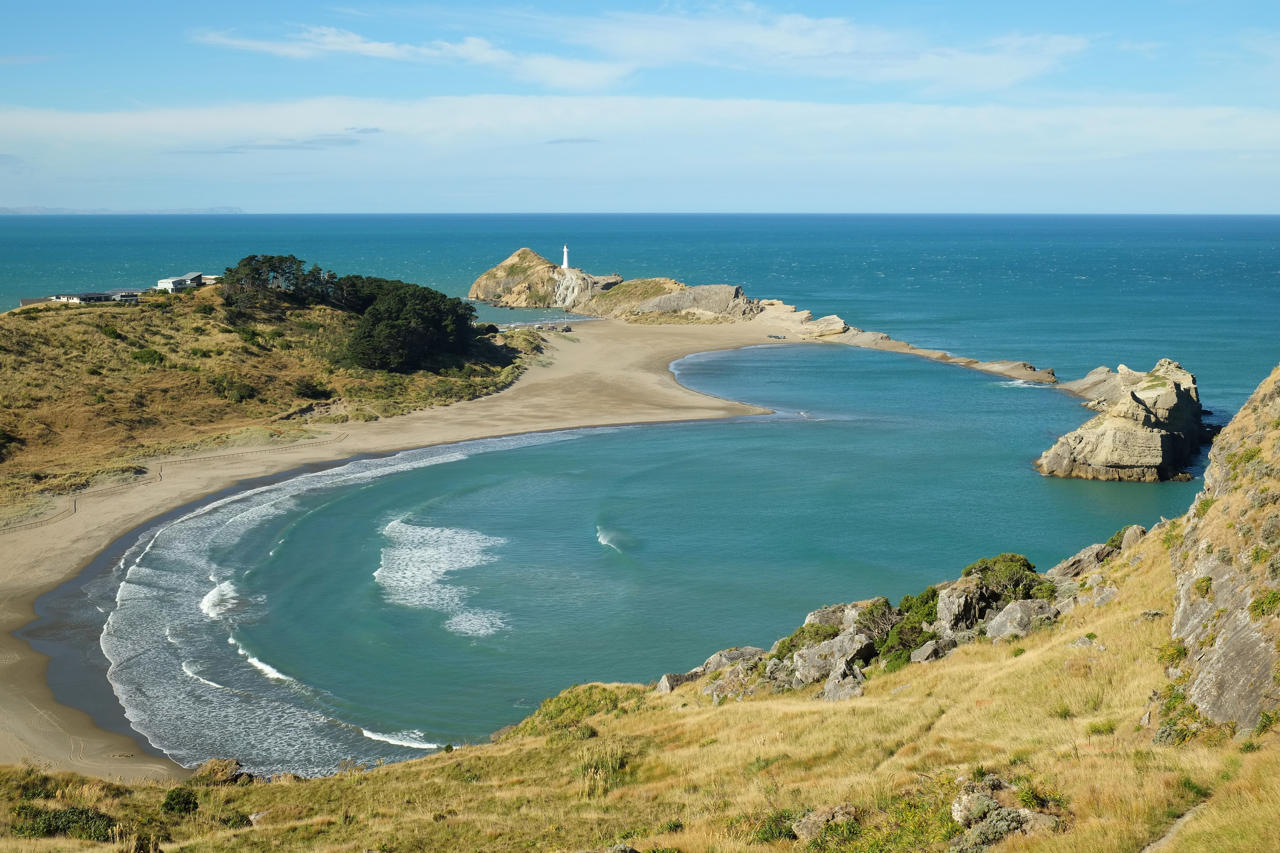
Martinborough is the heart of the Wairarapa wine scene. More than 20 boutique wineries sit within walking or cycling distance of the village square. This makes it one of the easiest places in New Zealand to taste wine without a car. Hire a bike in the village and spend the day moving slowly between cellar doors.
The region is best known for Pinot Noir, but it also produces fine Sauvignon Blanc and aromatic whites. In November, the Toast Martinborough festival brings wine, food and live music to the village.
On the way into Martinborough, stop in Greytown. Its main street is lined with restored Victorian buildings, boutique shops and good cafés. Near Carterton, Stonehenge Aotearoa offers a quirky look at the night sky and how early navigators used the stars.
Day 5: Wellington, the Capital

Cross the Remutaka Hill Road to reach Wellington, about an hour from Martinborough. The capital is compact and easy to explore on foot. Visit Te Papa, the national museum, to learn about New Zealand history, nature and Māori culture. Then ride the red cable car up to Kelburn for views across the harbour.
Wellington is also known for its café culture and craft beer. Wander along Cuba Street for food, coffee and street art. Film fans can visit the Wētā Cave to see props from The Lord of the Rings and The Hobbit trilogies. Our Wellington activities page has more ideas for your stay. For a taste of local dishes, see our New Zealand food guide.
Day 6: The Cook Strait Ferry and Picton
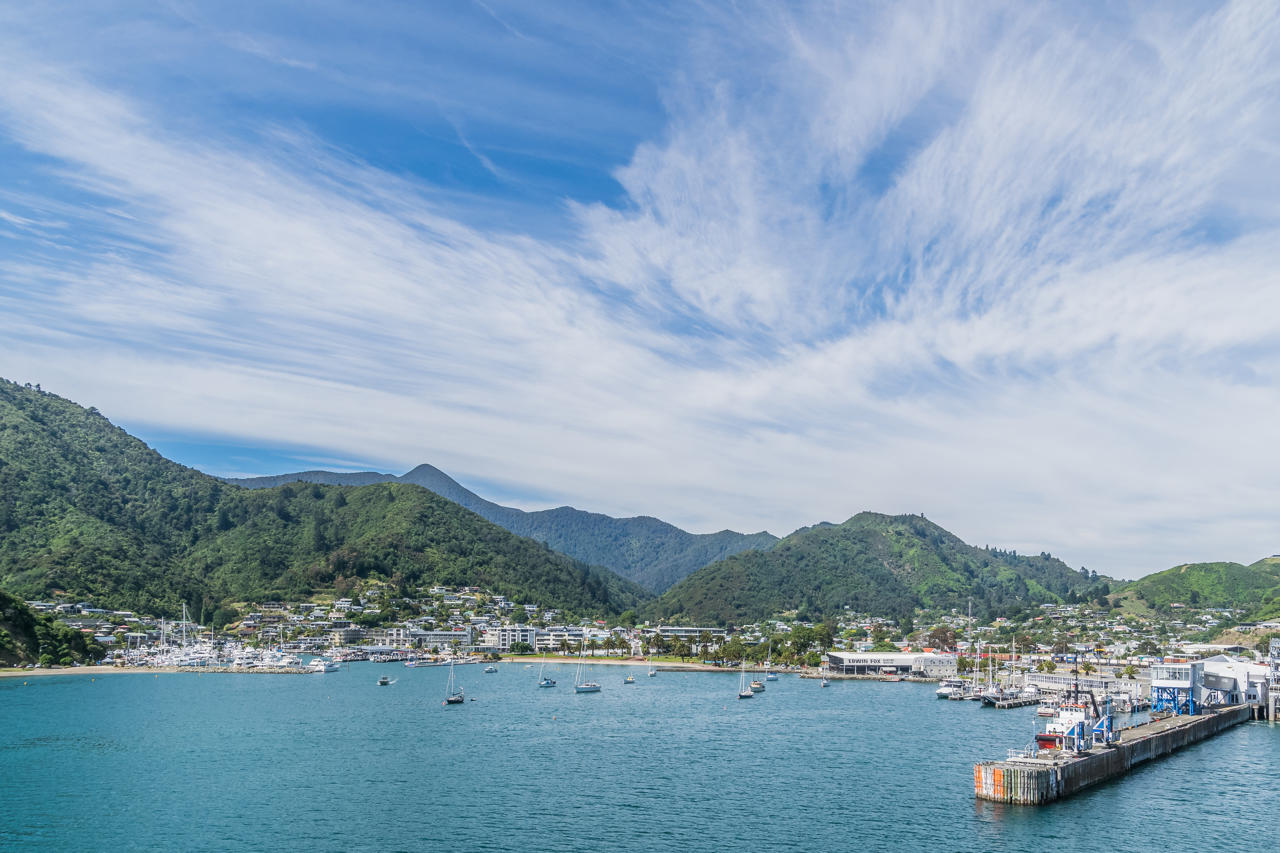
Today you cross from the North Island to the South Island. The Cook Strait ferry takes around three and a half hours. The last part of the journey winds through the Marlborough Sounds, with green hills dropping straight into the sea. Stand on the outer deck as you enter Queen Charlotte Sound.
You arrive in Picton, a small harbour town at the head of the sound. If you have time, walk a short section of the Queen Charlotte Track. Then drive about 30 minutes south to Blenheim, the main town in Marlborough. If you prefer seafood, take a detour to Havelock. The town is known for its green-lipped mussels, which are farmed in the nearby sounds.
Day 7: Marlborough Sauvignon Blanc Country
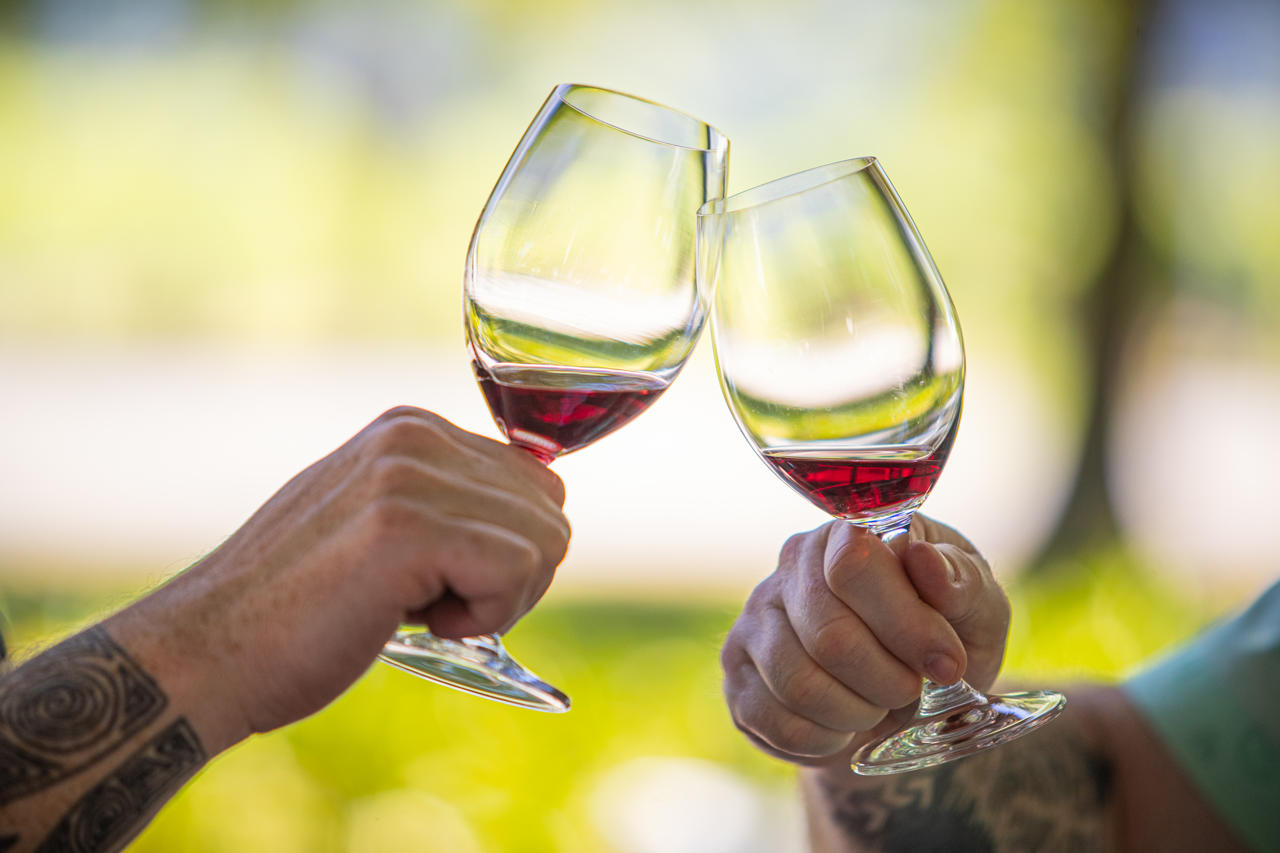
Marlborough is the largest wine region in New Zealand. Commercial vines were first planted here in 1973, and the region soon became famous worldwide for Marlborough Sauvignon Blanc. Today vineyards cover much of the flat, sunny Wairau Valley.
Many cellar doors sit close to Renwick and Blenheim, and the flat roads are perfect for cycling. Guided bike tours and hire shops will drop you at the start and collect you at the end.
Away from the vineyards, visit the Omaka Aviation Heritage Centre near Blenheim. It displays rare World War I and World War II aircraft in lifelike scenes. Finish your Classic New Zealand Wine Trail with a long lunch at a vineyard restaurant. See our Marlborough activities page if you want to stay longer.
Best Time to Visit New Zealand Wineries
You can visit these New Zealand wine regions at any time of year. However, the best time to visit New Zealand wineries is during the late summer and autumn months, from February to April. This is harvest time, so the vineyards are busy and the weather is usually settled. Read our tips on visiting New Zealand in autumn for more ideas.
Summer brings long days and outdoor events, but cellar doors and ferries are busier. Winter is quieter, and some smaller wineries reduce their hours. Spring is a good choice if you want fewer crowds and fresh green vineyards.
Final Thoughts
The Classic New Zealand Wine Trail is more than a tasting tour. It takes you through Art Deco streets, quiet farm towns, a lively capital city and one of the prettiest ferry rides anywhere. Each region has its own wines, food and personality, so the trip never feels repetitive. Book your ferry early, plan who is driving and leave room in your bag for a few bottles. When you reach the end in Marlborough, you will have seen a large slice of New Zealand.
If you want to keep exploring the South Island, the golden Abel Tasman beaches are a few hours’ drive west of Marlborough.
Frequently Asked Questions
How long is the Classic New Zealand Wine Trail?
The trail covers about 380 km of driving, plus the Cook Strait ferry crossing between Wellington and Picton.
How many days do you need for the Classic New Zealand Wine Trail?
Seven days is ideal. It allows a full day in each region, a day in Wellington and time for the ferry crossing.
What wine is each region known for?
Hawke’s Bay is known for Syrah and Bordeaux-style reds. Martinborough is famous for Pinot Noir. Marlborough is best known for Sauvignon Blanc.
How do you get from the North Island to the South Island?
You take the Cook Strait ferry from Wellington to Picton. The crossing takes around three and a half hours, and you can take your car or campervan on board.
Can you do wine tastings without driving?
Yes. Guided wine tours operate in all three regions. Martinborough and Marlborough are also easy to explore by bike.
Do I need to book cellar door visits?
Many larger wineries welcome walk-in visitors. However, smaller boutique wineries often need a booking, so it is best to call ahead.