
Mason Bay: New Zealand’s Wildest Kiwi Beach
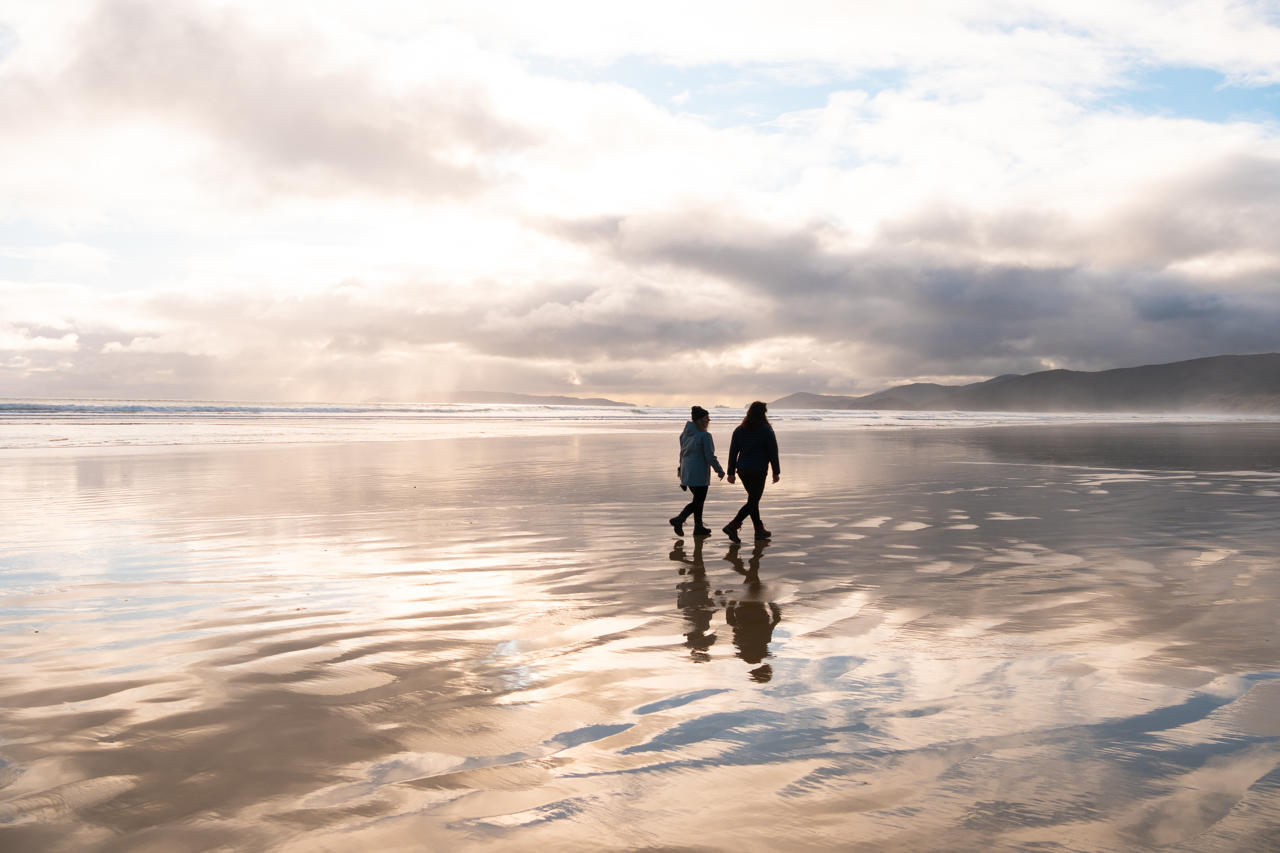
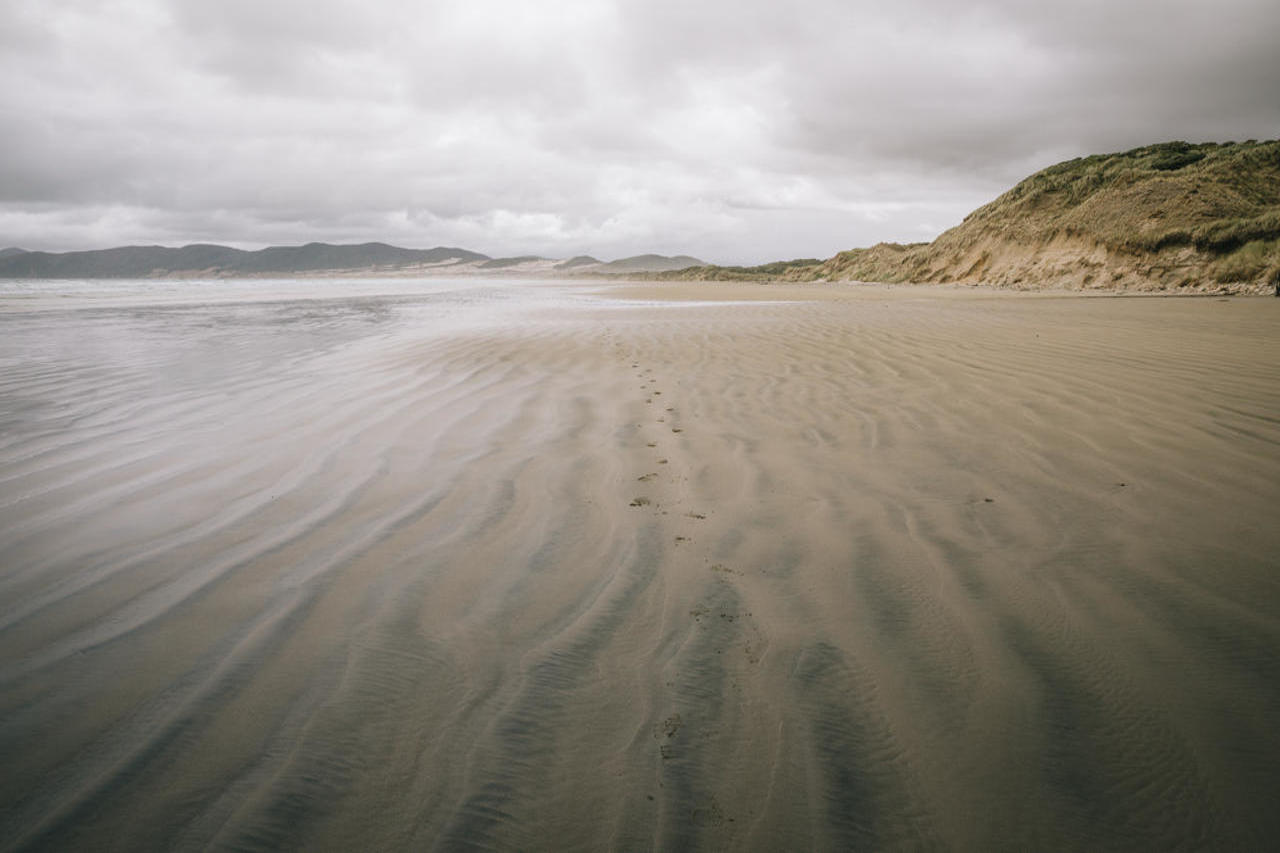
On the exposed west coast of Stewart Island, roughly 14 kilometres of empty sand faces directly into the Southern Ocean. Mason Bay has no road, no town, and no phone signal. What it does have is one of the largest kiwi populations anywhere in New Zealand. It’s also one of the rare places where these famously nocturnal birds sometimes wander into daylight.
This guide covers what makes Mason Bay worth the journey. It also explains how to actually get there, and what to expect once you arrive.
Table of Contents
- Mason Bay: Overview & Quick Facts
- Mason Bay Kiwi: New Zealand’s Best Daytime Sightings
- Mason Bay Hut & the Dune Landscape
- Getting There: Stewart Island Flights & Freshwater Landing
- Rakiura National Park & the North West Circuit Track
- Planning Your Trip
Mason Bay: Overview & Quick Facts
Quick Facts
- Location: west coast of Stewart Island, within Rakiura National Park
- Beach length: roughly 14 kilometres, from Mason Head to the Ernest Islands
- Access: small plane beach landing, or a multi-hour walk from Freshwater Landing
- Signature draw: one of New Zealand’s largest wild kiwi populations, occasionally active by day
- Accommodation: Mason Bay Hut, a basic DOC hut with no booking system
Mason Bay Stewart Island: The Country’s Most Exposed Beach
Mason Bay Stewart Island sits at roughly 47 degrees south, facing directly into weather systems rolling up from the subantarctic and Southern Ocean. Locals and trampers alike describe it as one of the most exposed beaches in the country. The landscape backs that up.
A few details capture the scale of this place:
- Dunes behind the beach reach up to 200 metres high and stretch nearly 3 kilometres inland, among the most extensive dune systems in the Southern Hemisphere
- The dunes remain largely untouched by development, giving Mason Bay one of New Zealand’s last intact transgressive, or migratory, dune systems
- An abandoned Kilbride family homestead still stands near the bay, a reminder of an earlier attempt to farm this remote stretch of coast
- Rare native plants, including threatened sand tussock and creeping herb species, grow within the dune conservation area
So little has changed here since farming was abandoned. Because of this, Mason Bay feels genuinely wild in a way few New Zealand beaches still do.
Mason Bay Kiwi: New Zealand’s Best Daytime Sightings
Mason Bay kiwi sightings are the main reason most visitors make the journey here at all. Stewart Island is home to the Southern brown kiwi, or tokoeka, the largest of New Zealand’s kiwi species. An estimated 15,000 individuals live across the island. Unlike other kiwi species, which stay strictly nocturnal, Rakiura’s tokoeka are unusual for sometimes foraging in daylight.
A few honest details help set expectations before a visit:
- Sightings are never guaranteed, since these remain genuinely wild birds behaving naturally rather than performing for visitors
- Some experienced trampers now report better luck along the track between Mason Bay Hut and nearby Island Hill, particularly around dusk
- Guided operators combine flights, hikes, and overnight stays specifically to maximise the chance of a sighting, with some reporting daytime success rates above 80%
- Responsible viewing matters enormously here: no flash photography, staying quiet, and keeping to marked tracks all help protect birds that have grown more cautious due to past disturbance
Our Evening Kiwi Spotting Tour departs from Oban and offers a guided alternative closer to the island’s main settlement, for travelers who can’t commit to the full Mason Bay trip.
Mason Bay Hut & the Dune Landscape
Mason Bay Hut sits back from the beach in a grassy clearing beside Duck Creek, roughly a kilometre inland. The Department of Conservation runs the hut. It has no online booking system, so arriving without a confirmed bed is a real possibility during busier periods.
A few practical details matter here more than at most New Zealand huts:
- Water at the hut is untreated and needs to be boiled before drinking
- Nearby hunters’ huts exist around the wider bay, though these operate separately from the DOC network and require separate access arrangements
- The historic homestead and an old woolshed, the most southerly in New Zealand, still stand near the hut
- On clear nights, Mason Bay’s far southern latitude and lack of light pollution make it a genuinely good spot for viewing the aurora australis
The hut sits within such an isolated landscape. Because of this, most visitors treat a Mason Bay stay as a genuine backcountry experience rather than a simple overnight stop.
Getting There: Stewart Island Flights & Freshwater Landing
Stewart Island Flights: The Fastest Way In
Stewart Island Flights offers the most direct route to Mason Bay, with small planes landing straight on the sand at low tide. The flight takes only a few minutes from Oban. This makes it by far the fastest option for travelers short on time.
Freshwater Landing: The Walking Route
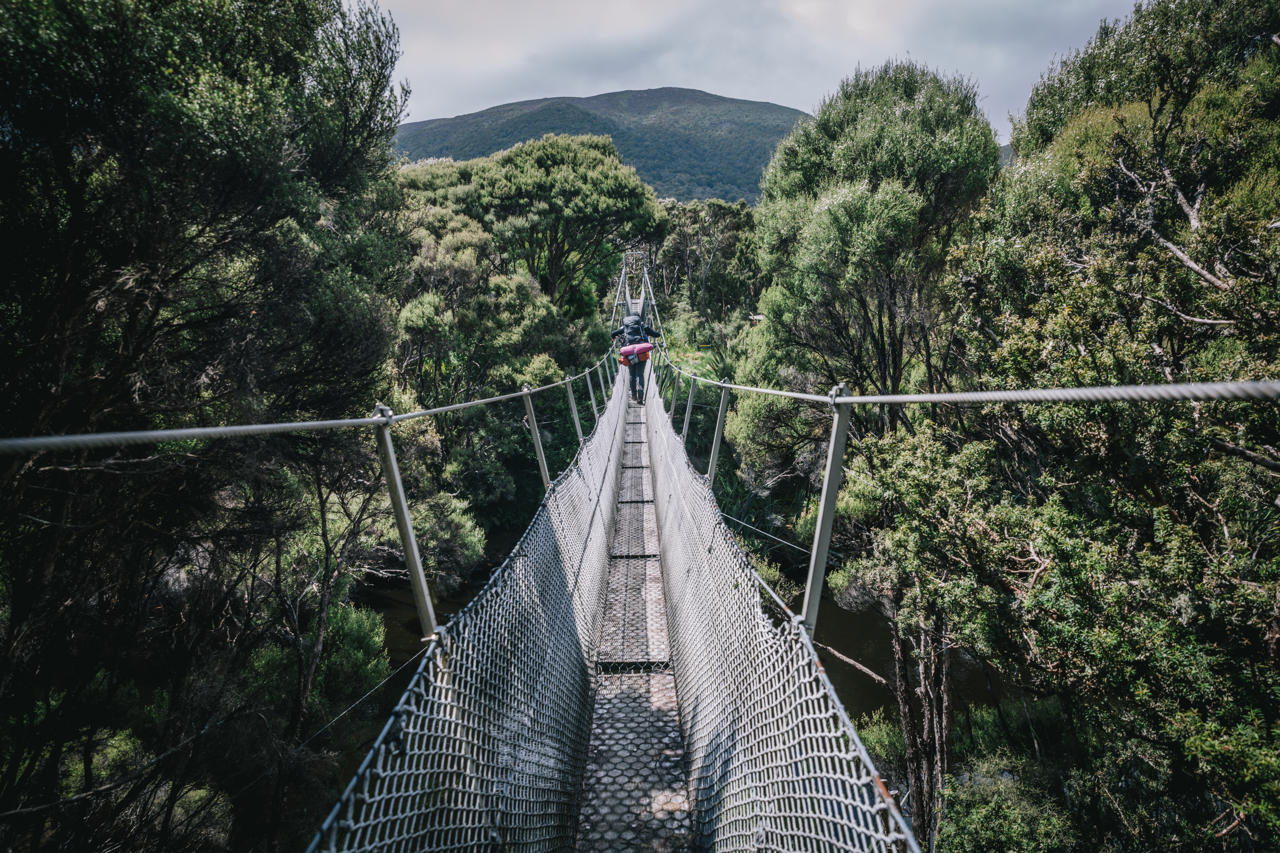
For those preferring to walk, a water taxi to Freshwater Landing connects to a flat, roughly 15.5-kilometre track through tussock wetland and manuka scrub. The walk generally takes around four hours each way. The track follows the Scott Burn Stream for part of its length. It can flood after heavy rain, so checking conditions before setting out matters.
Most independent travelers combine both options, flying in one direction and walking out the other. This avoids retracing the same route twice, while still allowing time to explore the bay itself.
Rakiura National Park & the North West Circuit Track
Rakiura National Park covers around 85 percent of Stewart Island. Mason Bay sits well within its boundaries on the park’s remote western side. Established in 2002, the park protects some of New Zealand’s best remaining kiwi habitat. The island’s historic lack of stoats and ferrets helps make that possible.
For serious trampers, Mason Bay also forms part of the North West Circuit Track. This is a demanding 8 to 11-day route looping around the island’s wilder northern and western coastlines. It’s a significant step up from the island’s more accessible three-day Rakiura Track, one of New Zealand’s official Great Walks. The Circuit is generally reserved for experienced, well-equipped trampers.
Our Rakiura National Park guide covers the park’s full range of walks, from short strolls near Oban through to more demanding multi-day routes like the one to Mason Bay.
Planning Your Trip
Comparing Ways to Reach Mason Bay
| Method | Duration | Best For |
| Stewart Island Flights (beach landing) | A few minutes from Oban | Time-poor travelers, guaranteed arrival timing |
| Water taxi + walk from Freshwater Landing | ~4 hours walking each way | Independent trampers, a more immersive approach |
| North West Circuit Track | 8–11 days | Experienced trampers tackling the full island route |
| Guided kiwi tour | 1–2 nights | Travelers wanting maximised sighting odds with support |
Oban Stewart Island: The Island’s Gateway
Oban Stewart Island is the island’s only town, and it functions as the starting point for every route to Mason Bay, whether by air or on foot. With a population of just a few hundred, Oban still offers accommodation, food, and the departure points for flights and water taxis heading further into the park.
Our Stewart Island Fly-Explore-Fly tour covers a scenic round-trip flight paired with a guided nature walk. It’s a good option for travelers wanting a taste of the island without committing to the full Mason Bay journey. For a broader look at the island, our things to do in Stewart Island guide rounds up Oban’s other attractions, including Ulva Island’s predator-free sanctuary.
A South Island tour package can weave Stewart Island into a longer South Island route. Alternatively, our customizable New Zealand vacation packages can shape a trip entirely around your own interests. You can also add Mason Bay directly to your custom vacation package wishlist.
When to Visit
Conditions at Mason Bay shift with the seasons, though its remote location keeps it demanding year-round:
- Summer (December-February): the most reliable flying conditions and longest daylight hours for exploring
- Autumn (March-May): cooler, with the aurora australis season beginning, best viewed from March through September
- Winter (June-August): genuinely harsh, with flights more likely to be weather-delayed and the walking track prone to flooding
Mason Bay’s exposure to Southern Ocean weather can disrupt flights and water taxis with little warning. Because of this, flexibility matters enormously here, regardless of season.
Most visitors who make it to Mason Bay describe it as one of the wildest places they’ve experienced in New Zealand. The effort required to get there is exactly what keeps it that way. Few beaches in the country offer the same combination of genuine kiwi encounters, untouched dunes, and total isolation from the rest of the world.
Browse our Rakiura National Park guide or get in touch to start planning a trip built around Mason Bay and Stewart Island.