

The World’s Fastest Indian: Oreti Beach and Lake Hawea
Roger Donaldson’s The World’s Fastest Indian tells a true story. However, the film still needed the right New Zealand scenery to bring Burt Munro’s life back to the screen. The World’s Fastest Indian filming locations span two very different landscapes. One is the wide, hard-packed sands of Oreti Beach near Invercargill. The other is the alpine lake scenery around Lake Hawea in Central Otago.
This guide covers what was filmed where. It also explains the real history behind Burt Munro’s story, and how travelers can visit both regions today.
Quick facts:
- Main locations: Oreti Beach (Southland) and Lake Hawea (Central Otago)
- What was filmed here: Munro’s beach racing scenes at Oreti, plus scenic South Island backdrops around Lake Hawea
- Star and director: Anthony Hopkins as Burt Munro, directed by Roger Donaldson
- Release date: 7 December 2005, New Zealand
- Real Burt Munro connection: Munro set actual New Zealand speed records at Oreti Beach in 1957 and 1975
The World’s Fastest Indian Filming Locations: Where It All Began

The World’s Fastest Indian tells the true story of Invercargill’s Burt Munro. He was an old motorcycle enthusiast who spent decades modifying his 1920 Indian Scout. He eventually rode it to a land speed record at Utah’s Bonneville Salt Flats in 1967. Anthony Hopkins plays Munro. The film became the highest-grossing New Zealand film at the local box office following its December 2005 release.
Most of the film’s overseas racing scenes were shot on location in Utah, including the Bonneville Salt Flats themselves. However, the New Zealand portion of the shoot gave the production its emotional grounding. Filmed entirely around Invercargill and the wider Southland and Central Otago regions, it’s the part of the film that shows where Munro actually came from.
Oreti Beach Burt Munro: The Real Race Track
Oreti Beach Burt Munro connections run far deeper than film history alone. This isn’t a location the production simply chose for its looks. It’s the actual beach where the real Burt Munro tested and raced his motorcycle. He did this for decades before ever reaching Utah.
A few facts help explain why Oreti Beach mattered so much, both to Munro and to the film crew who later shot there:
- The beach stretches around 26 kilometres. That gave Munro the length he needed to build up genuine speed
- In February 1957, Munro set a New Zealand Open Beach record of 131.38 mph at Oreti Beach
- He returned in 1975 and raised that record to 136 mph
- For the film, the production used the beach specifically for Munro’s beach racing scenes. This recreated the same stretch of sand where the real events took place
Beyond Oreti Beach, other Invercargill locations played a role too. The Crescent, a street in the city centre, doubled as the setting for the film’s post office. It came complete with 1960s-style phone booths and parking meters fitted specially for the shoot. Munro’s home and workshop were filmed on Lithgow Street, on a section that has since seen its own turbulent history unrelated to the film.
Invercargill Southland Tour: Following the Real Burt Munro Trail
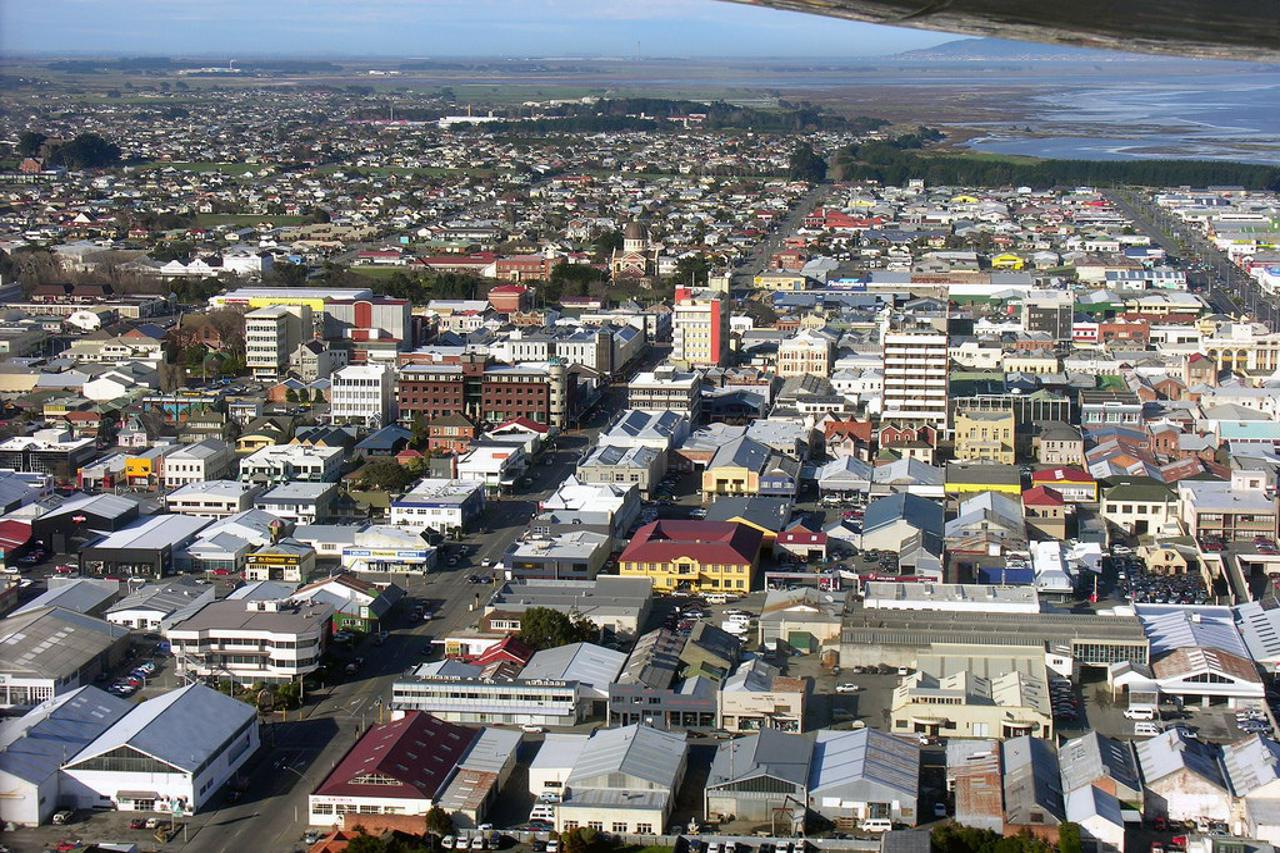
For travelers keen on the real story behind the film, an Invercargill Southland tour built around Burt Munro’s life covers far more than just the beach itself. Many of Munro’s actual tools and props from his home workshop are on display today at E Hayes & Sons. This local hardware store has become an unofficial motorcycle museum in his honour.
A few sites worth adding to any Burt Munro-themed visit:
- E Hayes & Sons Hardware: displays several of Munro’s original motorcycles and workshop tools
- Eastern Cemetery, Invercargill: the site of Munro’s grave, marked for visitors who want to pay their respects
- Oreti Beach and Sandy Point: the beach itself, plus the adjoining natural reserve popular for walking, mountain biking, and horse riding
Our Southland things to do guide rounds up the wider region, including the Catlins coast and Stewart Island. Our Southern Scenic Route guide covers the full self-drive route connecting Invercargill with Fiordland and Dunedin.
Burt Munro Challenge Invercargill: Keeping the Legend Alive
Every year, the Burt Munro Challenge Invercargill draws motorcycle enthusiasts from around the world. It’s a multi-day celebration of speed, culminating in races back on Oreti Beach itself. The event has become one of Southland’s largest annual gatherings, blending genuine competitive racing with a tribute to Munro’s legacy.
In recent years, the event has taken on an even more direct connection to Munro’s story. Indian Motorcycle USA built a modern tribute bike, the Spirit of Munro. The company brought it to Oreti Beach to mark the 50th anniversary of Munro’s 1967 record. Munro’s great-nephew, Lee Munro, rode the bike along the same sand his great-uncle once raced on. This closed a loop between the film’s story and the beach’s ongoing motorcycle culture.
Lake Hawea Central Otago: The Film’s Other New Zealand Backdrop
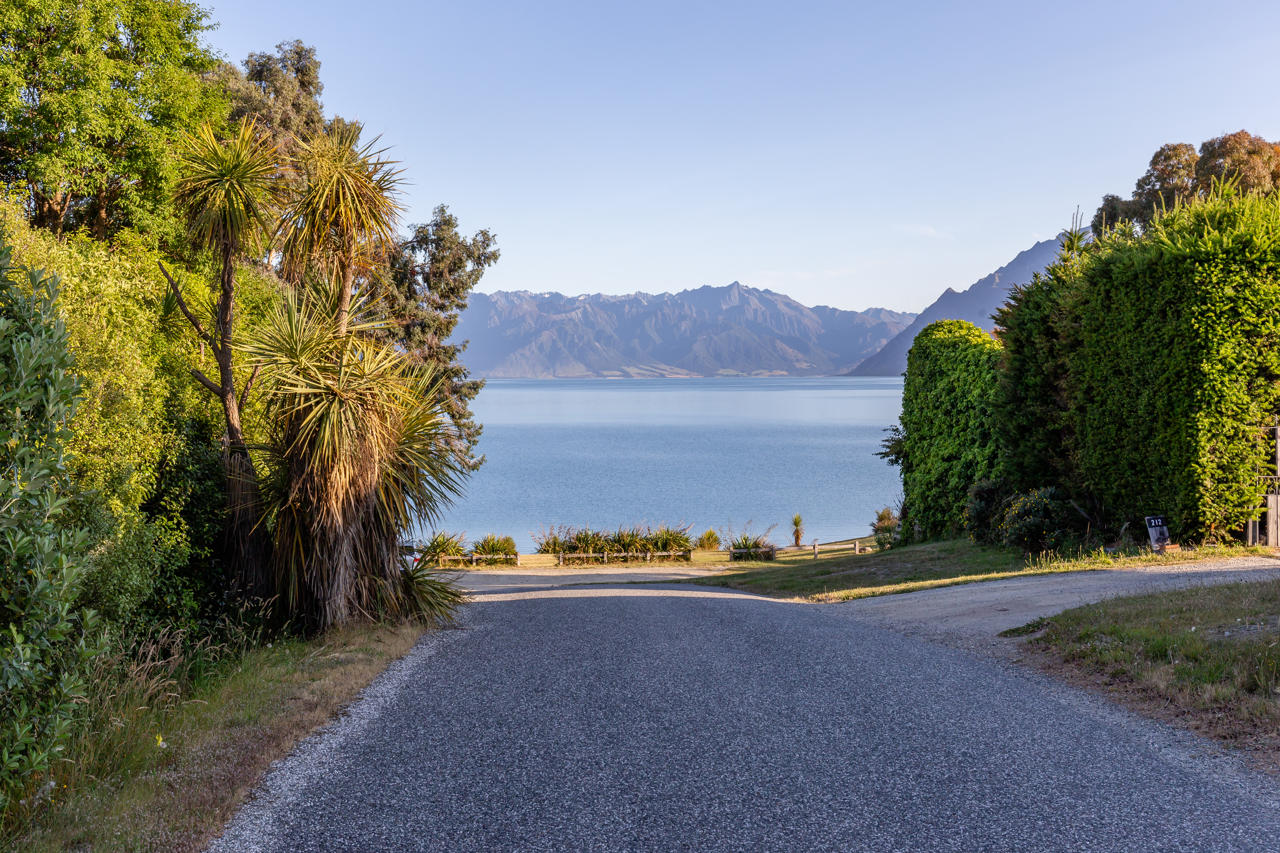
Oreti Beach anchored the film’s racing scenes. Lake Hawea Central Otago provided some of its most striking scenic backdrops instead. The lake’s dramatic mountain setting is framed by the peaks of nearby Mount Aspiring National Park. This gave the production a second, very different flavour of New Zealand landscape to draw on.
Lake Hawea sits just a short drive from Wanaka, and the wider basin has continued to attract international film crews well beyond this one production. Disney’s A Wrinkle in Time filmed scenes at Hunter Valley Station on the lake’s northern shores in 2017. More recently, Netflix’s 2026 action film War Machine used the wider Wanaka, Alexandra, and Queenstown Lakes area for several of its outdoor sequences. It’s a reminder that this stretch of Central Otago keeps drawing productions, long after Burt Munro’s story first put it on screen.
Comparing the Two Main Regions
| Oreti Beach (Southland) | Lake Hawea (Central Otago) | |
| Role in the film | Munro’s beach racing scenes | Scenic South Island backdrop |
| Real-world connection | The actual beach Munro raced on for decades | Scenic filming location, not tied to Munro’s own history |
| Distance from nearest city | ~10 minutes from Invercargill | ~20 minutes from Wanaka |
| Signature activity today | Beach walks, the Burt Munro Challenge | Kayaking, fishing, scenic drives |
| Nearby attraction | E Hayes & Sons motorcycle displays | Hawea River Trail, Mount Aspiring views |
Visiting Lake Hawea Today

Travelers exploring Lake Hawea Central Otago today have several easy ways to experience the lake without needing any connection to the film. Our Lake Hawea Scenic Explorer tour covers the lake’s fishing, kayaking, and hiking options, all set against the same mountain backdrop visible in the film. For a more active option, the Hawea River Trail follows the river by e-bike, from the lake through to Wanaka.
Our wider things to do in Wanaka guide covers the neighbouring town, including Mount Aspiring National Park and the region’s ski fields.
Planning a Trip Around Both Locations
Oreti Beach and Lake Hawea sit at opposite ends of the South Island’s lower half. Because of that, most travelers see them as part of a longer route rather than a single dedicated trip. A South Island tour package can connect Invercargill, the Catlins, and Central Otago into one itinerary. You can also add Oreti Beach and Lake Hawea directly to your custom vacation package wishlist while planning.
If you’re chasing more of New Zealand’s screen history along the way, our New Zealand filming locations roundup covers other productions shot across the South Island, from Sweet Tooth’s Central Otago scenes to Vertical Limit’s Aoraki/Mount Cook sequences.
When to Visit
Conditions differ meaningfully between the two regions:
- Oreti Beach & Invercargill: cooler year-round than most of New Zealand, with the Burt Munro Challenge held each February drawing the biggest crowds
- Lake Hawea & Central Otago: hot, dry summers and cold winters, with December to March offering the most reliable weather for kayaking and lake activities
Southland’s weather can shift quickly. Regardless of season, it’s worth packing for rain even during summer visits.
Burt Munro’s Real New Zealand
Most viewers watching The World’s Fastest Indian know they’re watching a true story, even if they’ve never heard of Oreti Beach or Lake Hawea specifically. That’s what makes visiting these locations different from chasing a purely fictional film set. Munro really did race on this sand. The wider Central Otago scenery really does look the way the film shows it.
For travelers, the appeal is straightforward. Whether you’re drawn to the Oreti Beach Burt Munro story, the Burt Munro Challenge Invercargill draws every February, or simply the alpine scenery around Lake Hawea, this pairing of Southland and Central Otago rewards visitors with two genuinely different sides of the South Island in one trip.
Browse our Southland things to do guide or get in touch to start planning a trip built around Oreti Beach and the wider South Island.