Visiting New Zealand in Autumn: Your Complete Guide
There’s a version of New Zealand that most international visitors never see. Visiting New Zealand in autumn – March, April, and May – means arriving after the summer crowds have gone home, into a country that’s still warm, still open, and wearing colours that the rest of the year simply doesn’t offer. The beech forests of the South Island turn gold and rust. The Central Otago vineyards shift from green to amber. The air gets a crispness to it that makes every view feel sharper.
Autumn is arguably the most underrated time to visit. The case for it is straightforward. You just have to know to look.
What to Expect: New Zealand Autumn Weather
Temperatures across New Zealand in autumn range from around 17°C to 23°C (63°F to 73°F) in March, cooling gradually through to 12°C to 16°C (54°F to 61°F) by May. Warm enough to hike comfortably, cool enough to appreciate the activity. The long summer daylight hours start to shorten, but March and April still give you plenty of usable light each day.
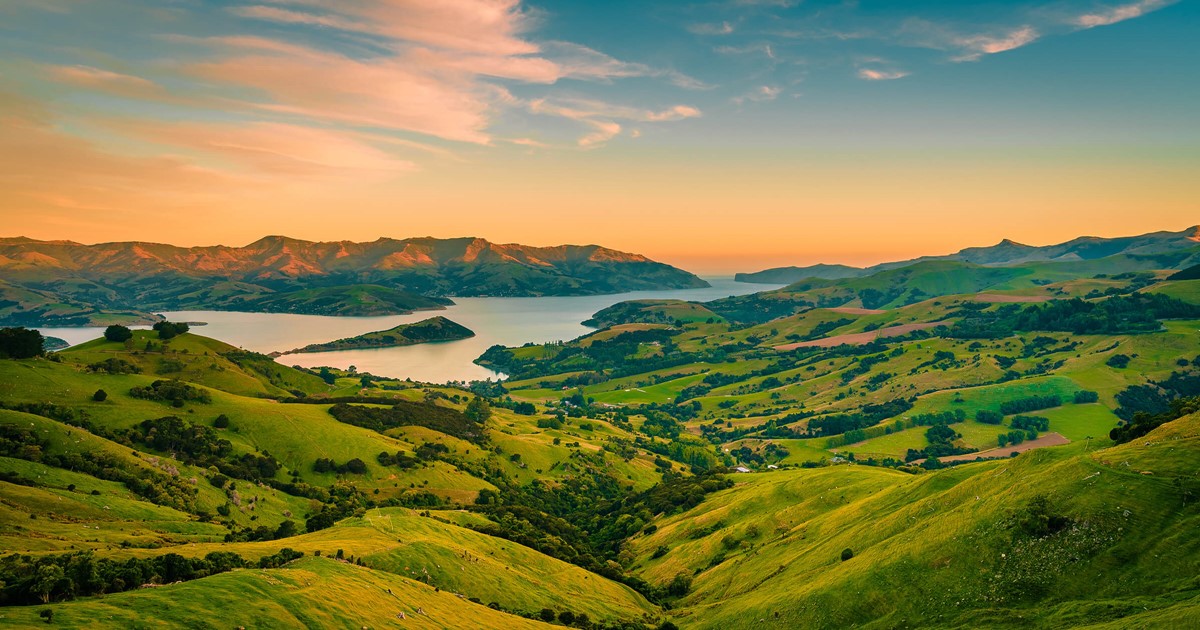
Rain patterns vary significantly by region. The east coasts of both islands tend to be drier and sunnier in autumn – Hawke’s Bay, Marlborough, and Canterbury can deliver genuinely beautiful March and April days. The West Coast is wetter, as it always is, but the waterfalls are extraordinary for it. Don’t write it off.
The one practical point: pack a proper mid-layer by May. Evenings cool quickly, especially in the South Island interior and at altitude. A lightweight down jacket takes up almost no space and earns its place every time.
For a month-by-month breakdown of what to expect, our Best Time to Visit New Zealand guide covers the full seasonal picture.
Top New Zealand Autumn Activities
1. Wine Harvest Season
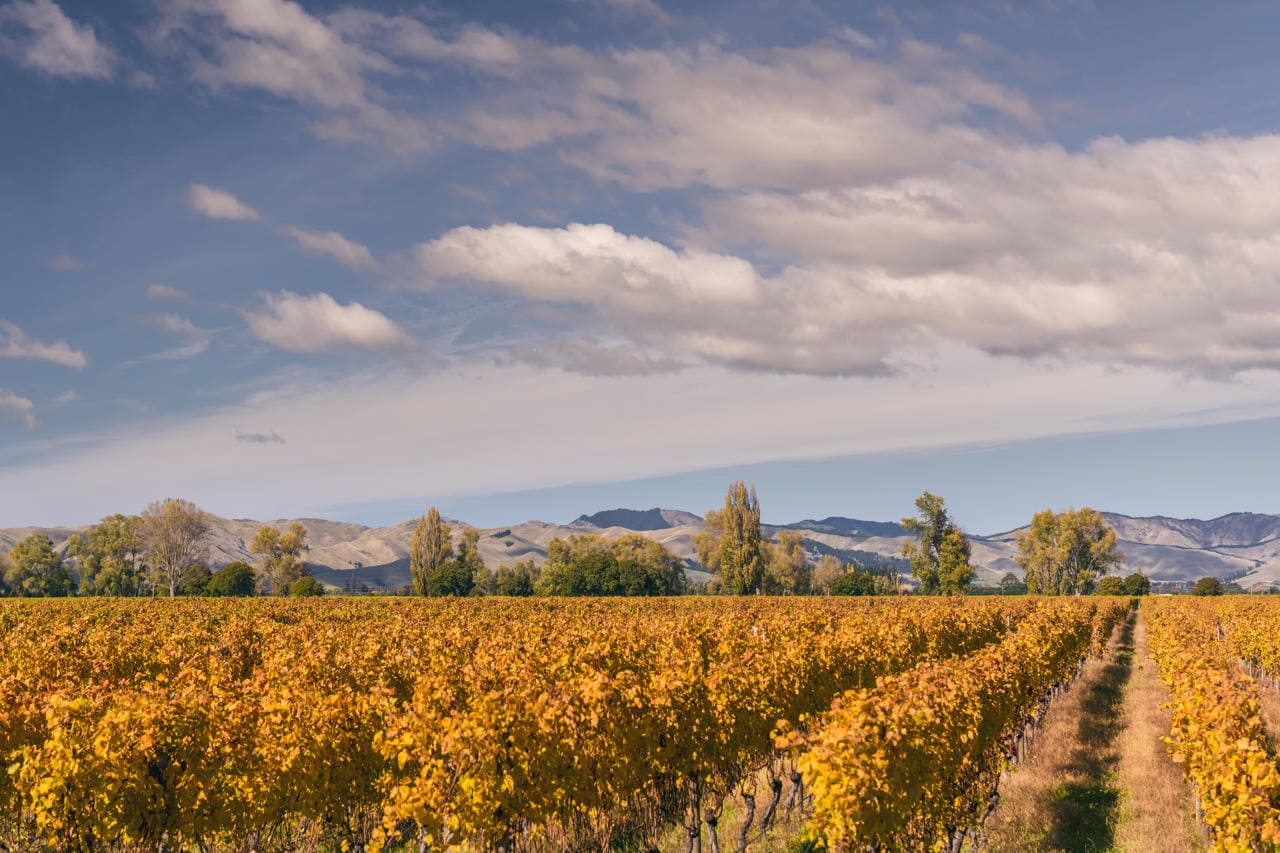
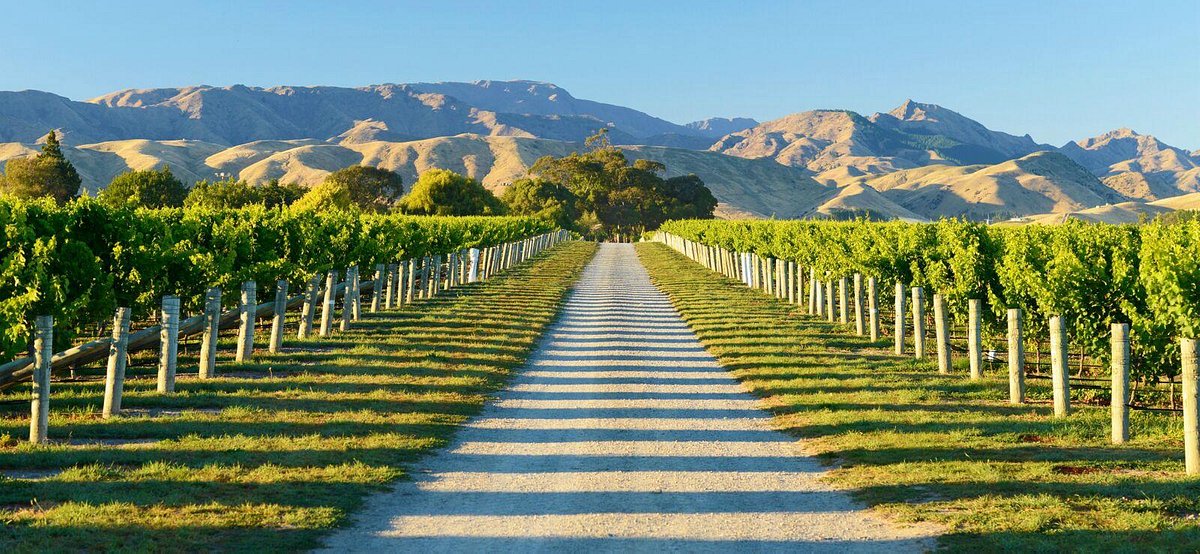
This is the big one. Visiting New Zealand in autumn means arriving during harvest, and the wine regions in March and April are at their absolute peak. Not just in terms of what’s in the glass – the vineyards themselves are spectacular. Marlborough’s Sauvignon Blanc vines run gold along the valley floors. Central Otago’s Pinot Noir blocks sit against snow-dusted mountains in a combination that photographers travel specifically for. Cellar doors are pouring the new vintage, the restaurants are at their seasonal best, and the crowds are a fraction of what February brings.
Hawke’s Bay on the North Island is the other autumn essential. The region produces outstanding reds and runs a harvest festival each March that draws serious wine travellers from around the world. Worth building an itinerary around. Our New Zealand Wine Tours run through the autumn season and cover all three regions with guided itineraries.
2. Hiking in Ideal Conditions
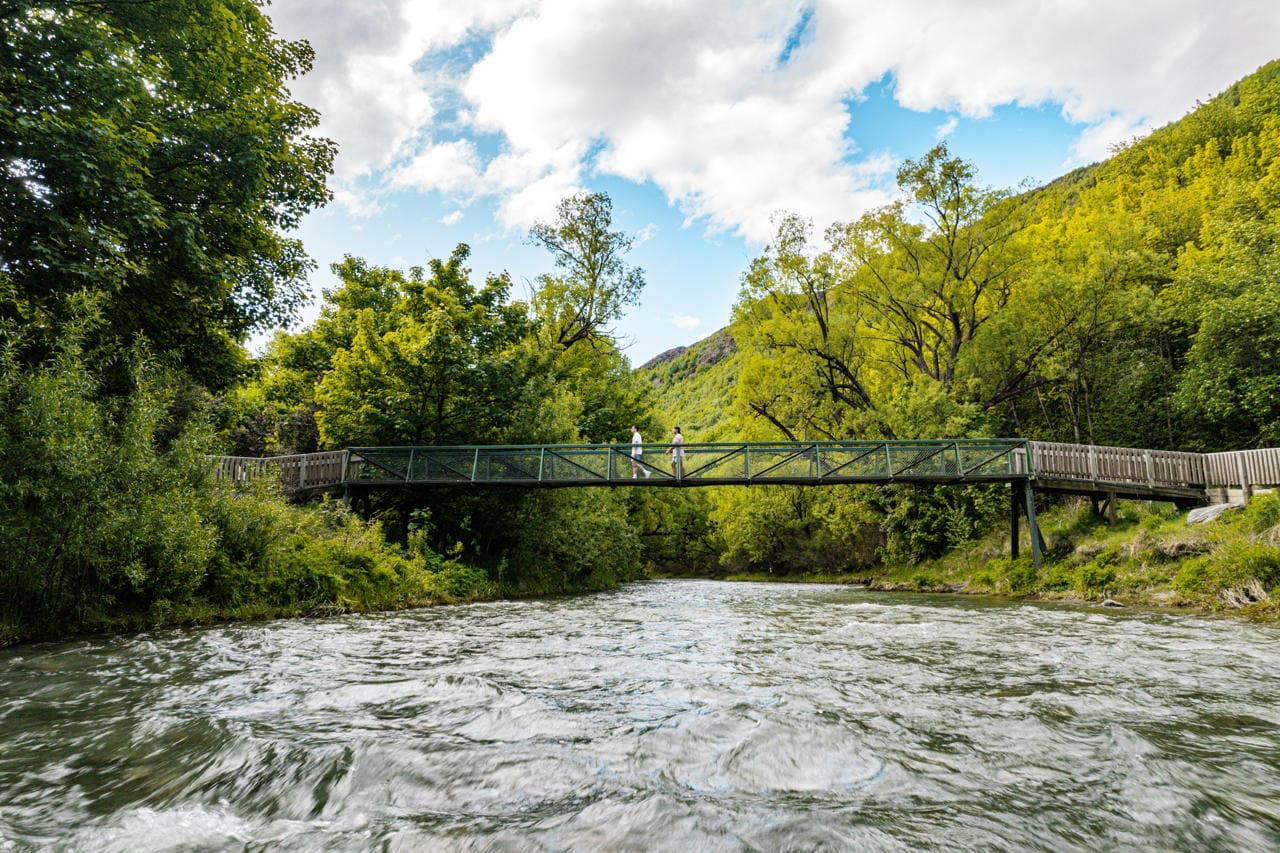
The Great Walks are still fully open in March and April, and the crowds have thinned considerably from the summer peak. The Routeburn Track and Milford Track walk through beech forest that turns gold in autumn – a genuinely different visual experience from the summer green. The huts are quieter. The trail feels more like a trail and less like a queue.
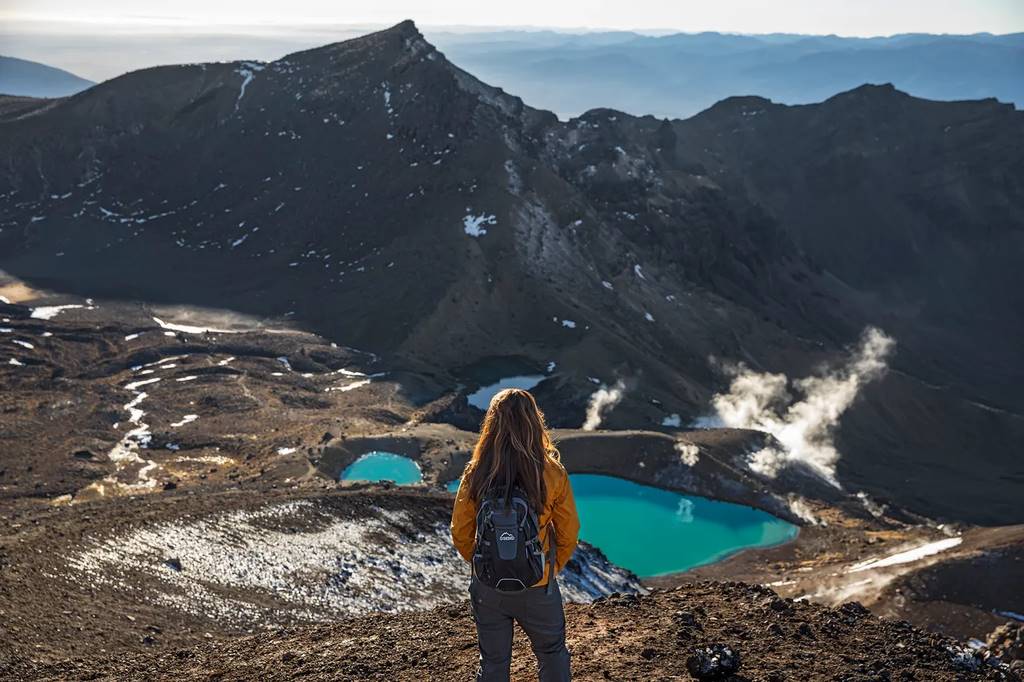
Tongariro Alpine Crossing conditions in autumn are typically excellent through April. Clear, still days with good visibility are common, and the lower sun angle makes the crater lakes look otherworldly. By May, alpine weather becomes more variable and the crossing should be checked before committing.
Our 22-Day New Zealand Hiking Tour covers the best trails across both islands and operates in autumn when the conditions are among the best of the year. Short on time? The 14-Day Best of New Zealand Self-Drive builds in hiking stops alongside the main South Island and North Island highlights.
3. Scenic Drives Through Autumn Colour
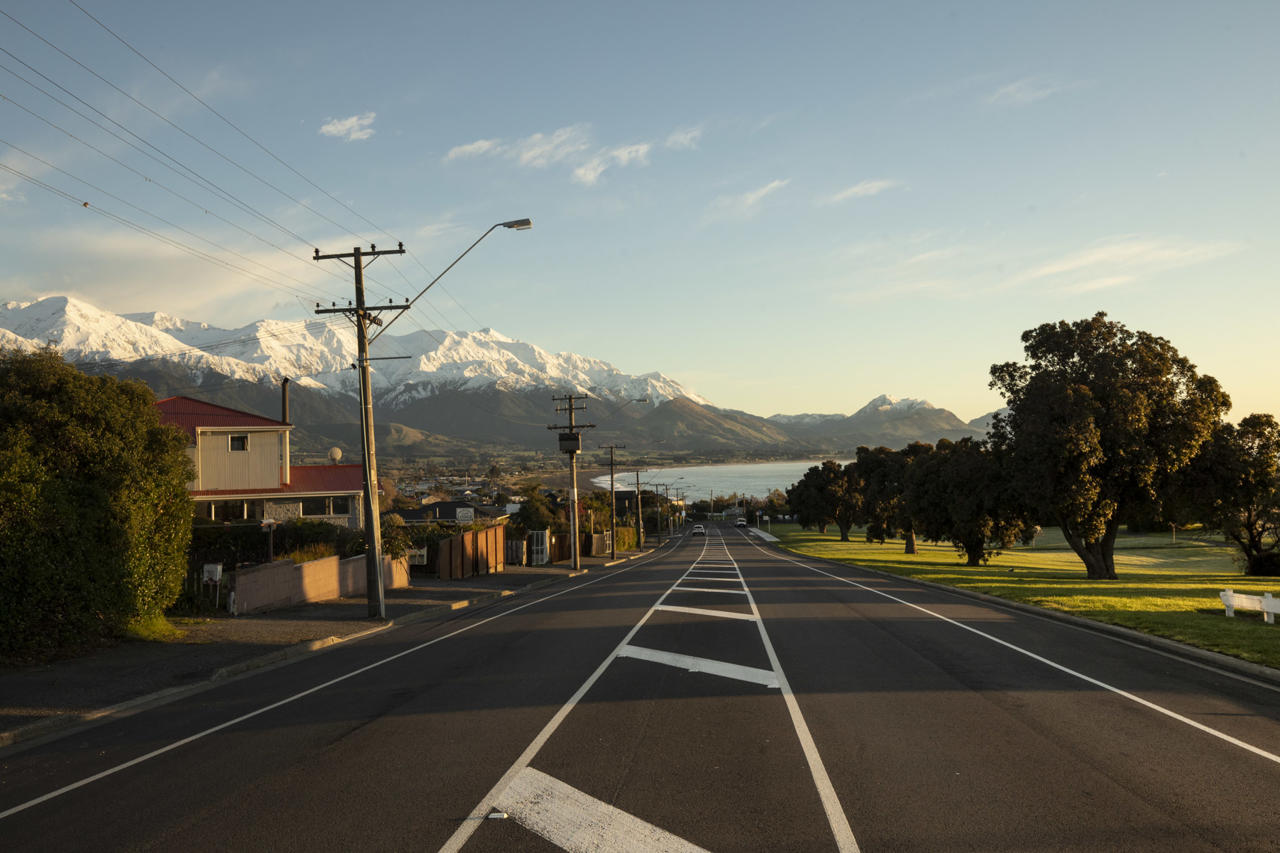
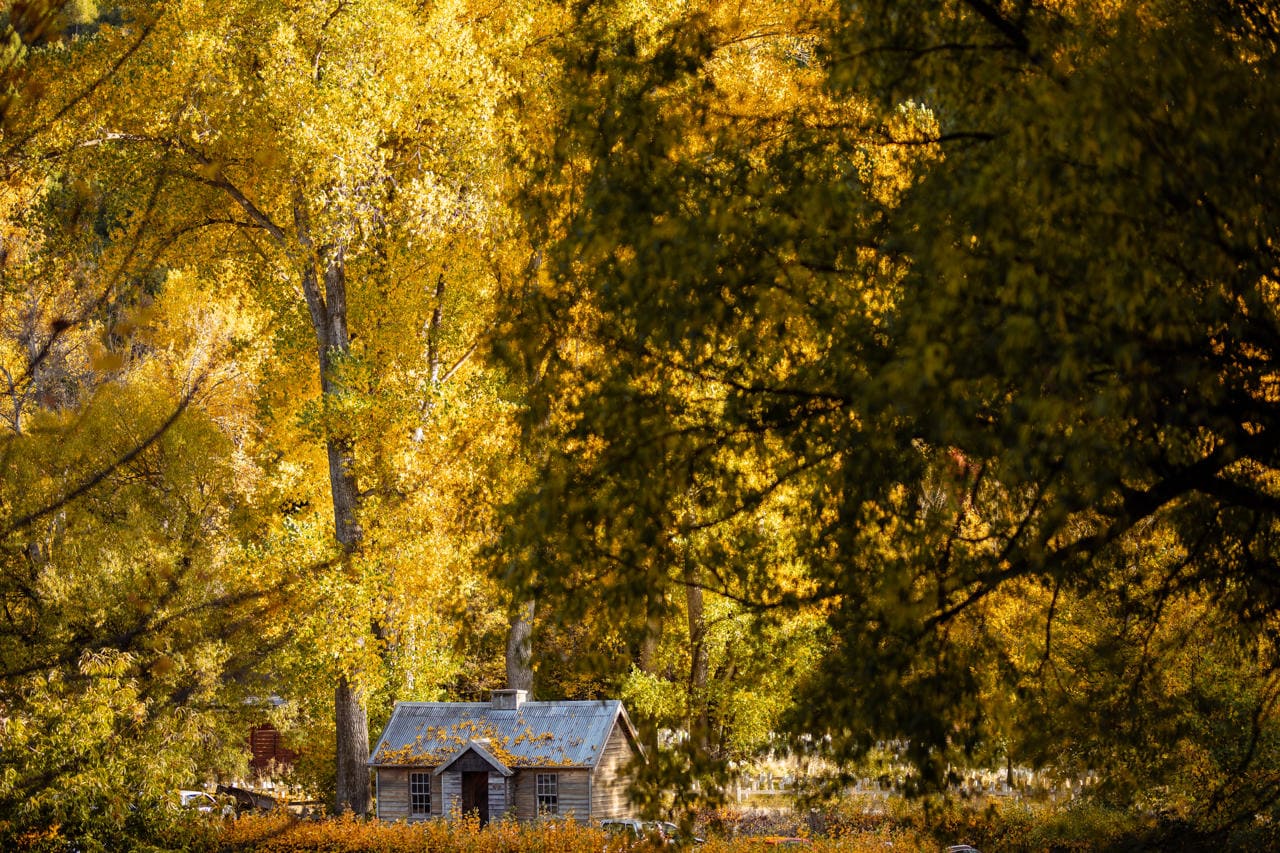
New Zealand doesn’t have the same wall-to-wall autumn colour of North America or parts of Europe – the native bush stays green year-round. But the introduced trees tell a different story. Arrowtown, near Queenstown, is famous for its autumn display: elm and oak trees lining the main street and the Arrow River in shades of amber, gold, and deep red. It’s genuinely worth going out of your way for in April.
The Mackenzie Basin in the South Island is another autumn standout. The poplars planted as windbreaks on the high-country farms turn a vivid yellow against the tawny grass and blue lake water of Tekapo and Pukaki. Drive through it on a clear April morning and you understand immediately why people come back.
The 7-Day West Coast Wonder Self-Drive Tour passes through some of the best autumn scenery on the South Island. For both islands, the 14-Day Best of New Zealand Self-Drive covers the Mackenzie Basin, Arrowtown, and the North Island highlights in a single well-paced itinerary.
4. Maori Culture and Food Experiences

Autumn brings one of New Zealand’s best food festivals. Hawke’s Bay’s harvest celebrations run through March, with local producers, chefs, and winemakers putting on events that sit well above the typical food festival standard. Wellington’s hospitality scene – year-round excellent – is at its most relaxed once the summer tourist volume drops.
Rotorua’s Maori cultural experiences run every season and are genuinely worth the time. A traditional hangi, kapa haka performance, and guided village experience adds a layer to a New Zealand trip that the scenery alone doesn’t provide. Don’t treat it as an optional extra. Our 7-Day North Island Road Trip builds Rotorua into a wider North Island autumn itinerary that works particularly well in March and April.
5. Wildlife and the Coast
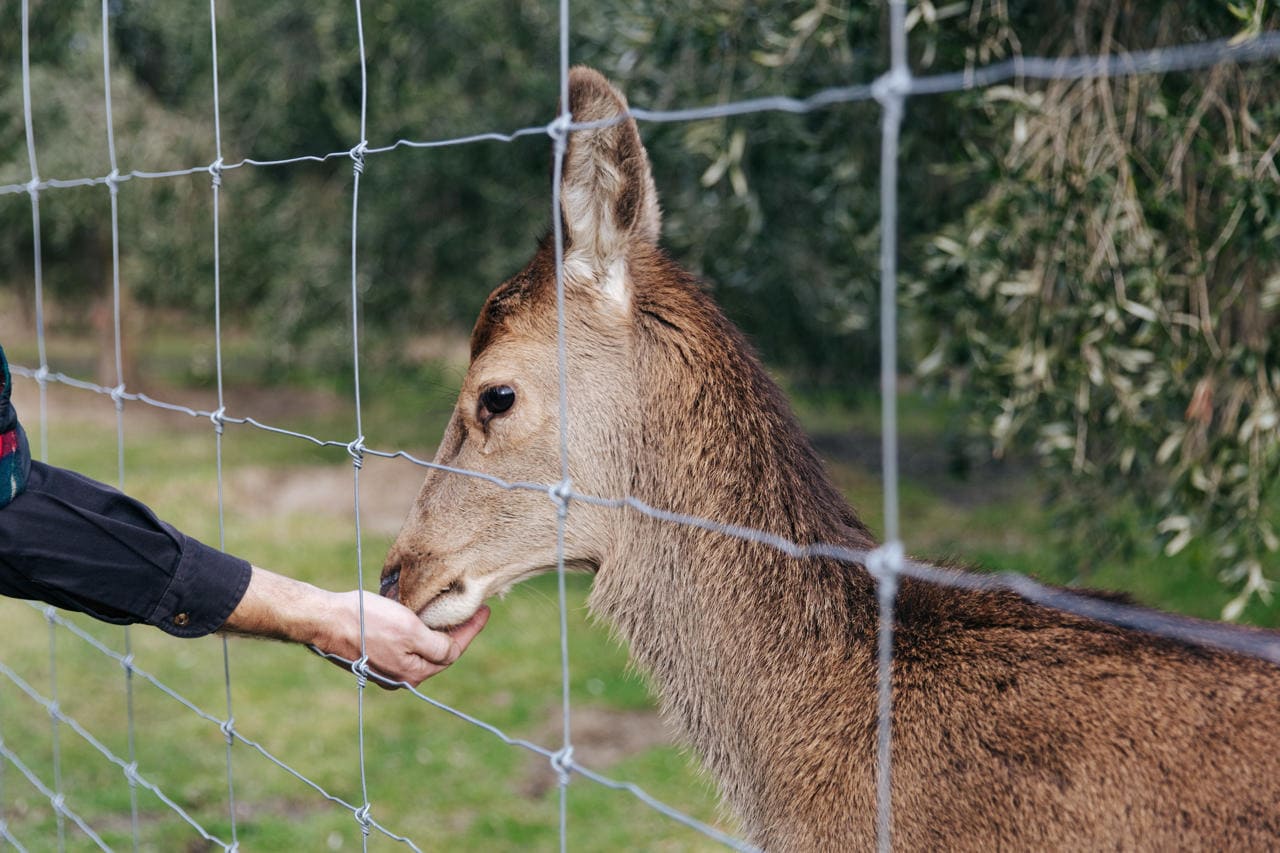
Kaikoura’s whale watching runs year-round, and autumn is one of the better seasons for it – sperm whales are reliably present, and the seas tend to be calmer than in winter. The Otago Peninsula near Dunedin has yellow-eyed penguins returning to nesting sites in autumn, and the royal albatross colony at Taiaroa Head remains active. Seal pups born in summer are now developing on the rocks below.
Northland’s coastal experiences – dolphin encounters, bay sailing, beach walking – are warm enough to enjoy well into April. The 7-Day North Island Road Trip covers Northland and the Bay of Islands alongside the geothermal highlights further south.
North Island vs. South Island in Autumn
Both reward autumn visitors, for different reasons.
The North Island stays warm through May. Auckland is genuinely pleasant, Wellington at its least windy, and the Coromandel beaches are swimmable well into April. The geothermal parks of Rotorua and the volcanic plateau of Tongariro are season-agnostic – they perform equally well in autumn as in summer, often better because the car parks aren’t full.
The South Island is where autumn earns its reputation. The colour, the harvest, the cooling alpine air, the quieter Great Walks. Queenstown in April is a different town from Queenstown in January – still lively, still the adventure capital, but with space to breathe. Milford Sound in autumn light, with low mist over the fiord in the morning, is something the summer photos don’t capture.
For the South Island in depth, the 11-Day Glacier Wonder Self-Drive covers the West Coast, Franz Josef, Queenstown, and Milford Sound in an itinerary that autumn suits perfectly. For both islands, the 12-Day Majestic New Zealand Self-Drive Tour connects Auckland through to Christchurch at a pace that doesn’t rush any of it.
Practical New Zealand Autumn Travel Tips
Book ahead, but with less urgency than summer. Autumn availability is generally good, but the most popular wine region experiences, guided hikes, and well-reviewed lodges still fill up. Six to eight weeks ahead is usually sufficient for March and April travel; a little more for the Easter period, which falls in autumn and can spike demand.
Pack for the range. Warm days and cool evenings are the autumn norm. A light down jacket, waterproof layer, and walking shoes cover almost every situation. By May, add a heavier layer for the South Island.
Think about how you want to travel. Self-drive gives you the freedom to chase the colour – to pull over when a poplar-lined river road looks exactly right – and our New Zealand Self-Drive Tours are well set up for autumn itineraries with pre-booked accommodation and route planning included. If you’d rather leave the driving to someone else, our New Zealand Independent Coach Tours cover the main scenic routes with accommodation and transfers handled. For a special autumn trip – a milestone birthday, an anniversary, or simply a trip worth doing properly – our Luxury Private Tours are fully tailored to your group with private vehicle and five-star accommodation throughout.
Autumn and Australia combine well. The trans-Tasman pricing is better in autumn than at peak summer, and adding time in Australia to a New Zealand autumn trip is logistically straightforward. Our Australia and New Zealand Vacation Packages handle both destinations in a single booking.
Plan Your New Zealand Autumn Holiday
The combination on offer during visiting New Zealand in autumn – wine harvest, autumn colour, quieter trails, excellent weather, and prices that reflect the shoulder season – is a genuinely compelling travel proposition. It doesn’t get the marketing attention that summer does. That’s precisely why it’s worth choosing.
Browse our full range of New Zealand Tour Packages and start planning. Our team knows the autumn season well and can help you build an itinerary that makes the most of it.
For more seasonal travel ideas, visit our New Zealand Travel Blog or explore our guide to Top 10+ Adventure Activities in New Zealand.
Frequently Asked Questions
Is autumn a good time to visit New Zealand?
One of the best, and consistently underrated. The weather is mild, the summer crowds have gone, Great Walks huts are available, and the wine regions are in harvest. If budget matters, autumn pricing on accommodation and tours is noticeably better than December through February.
What months are autumn in New Zealand?
March, April, and May. New Zealand is in the Southern Hemisphere, so the seasons are reversed from the Northern Hemisphere. March is the warmest autumn month and arguably the best for combining beach weather with harvest season. April is peak colour and perhaps the most visually spectacular. May is quieter still, though some alpine areas start to see early winter conditions.
What is the weather like in New Zealand in autumn?
Warm and settled in March and April, cooling through May. East coast regions – Marlborough, Hawke’s Bay, Canterbury – tend to be sunnier and drier. The West Coast is wetter but dramatic. Evenings cool quickly, particularly in the South Island, so layers are worth packing regardless of how warm the forecast looks.
What is New Zealand famous for in autumn?
The wine harvest is the standout. Marlborough, Central Otago, and Hawke’s Bay are all at their most beautiful and most active in March and April. The autumn foliage around Arrowtown and the Mackenzie Basin is genuinely spectacular. And the Great Walks are open, uncrowded, and walking through golden beech forest. It’s a strong season across the board.
Is autumn cheaper than summer in New Zealand?
Yes. Accommodation, domestic flights, and tour packages are all priced below the December to February peak. The shoulder season saving is real and meaningful, particularly for longer trips where accommodation costs accumulate.
Most Popular New Zealand Tours