

Documents & Entry Requirements
Valid Passport
Your passport must be valid for the entire duration of your stay. Most travel experts recommend having at least three to six months of validity beyond your intended departure date. Check the expiry date well before booking your flights — renewing a passport mid-planning is stressful and avoidable.

new zealand packing list
Category |
Item |
Key Action |
Priority |
|---|---|---|---|
📄Documents & Entry |
Passport
Valid for full stay |
Check expiry — aim for 3–6 months of validity beyond your departure date | Critical |
| NZeTA & IVLVisa
waiver visitors |
Apply via app (NZ$17) or online (NZ$23) + NZ$100 IVL levy. Allow up to 72 hours for approval | Apply early | |
| NZTD Declaration
All passengers incl. children |
Free. Complete online at travellerdeclaration.govt.nz or via the NZTD app up to 24 hrs before departure | Mandatory | |
| Biosecurity declaration
All luggage & carry-on |
Declare all food, plant material, animal products, and used outdoor gear such as hiking boots | NZ$400 fine | |
🚗Driving |
Driver’s license
Home-country license |
Valid for 12–18 months from entry. Must be carried at all times while driving | Required |
| IDP or translation
Non-English licenses only |
Apply through your national automobile club before departure. Driving without one may void your rental car insurance | Critical | |
| Drive on the left
All roads |
Speed limits: 100 km/h on open roads, 50 km/h in towns. Rural roads are often narrow and winding | Stay alert | |
| Rental car age
Minimum age 21 |
Drivers under 25 may face a surcharge. Full license required — provisional licenses are not accepted | Note | |
💳Money & Payments |
Credit & debit cards
Visa & Mastercard |
Notify your bank before travel to prevent blocked transactions abroad | Recommended |
| NZ cash
NZ$100–200 |
ATMs are scarce in remote areas. All prices include 15% GST — no hidden charges at checkout | Handy | |
| Travel money card
Wise / Revolut |
Avoids foreign transaction fees on a typically expensive destination | Saves money | |
📱 Connectivity & Devices |
SIM card or eSIM
Spark · One NZ · 2degrees |
Buy on arrival or activate an eSIM before flying. Signal is patchy in national parks and remote valleys | Essential |
| Power adapter
Type I — 3 flat angled pins |
230V/50Hz. Most modern devices are dual-voltage — only a plug adapter is needed, not a converter | Required | |
| Offline maps
Google Maps / Maps.me |
Download routes and the DOC app before heading into rural or mountainous areas | Recommended | |
🏥Health & Insurance |
Travel insurance
Including adventure cover |
ACC covers injury treatment but not evacuations or trip cancellations. Check that adventure activities are included | Critical |
| Prescription medication
Full trip supply |
Declare supplies exceeding 3 months in your NZTD. Carry a doctor’s letter for controlled substances | Declare it | |
| Sunscreen SPF
50+Extreme UV index |
Reapply every 2 hours. Sunburn can occur within 15 minutes, even on overcast days | Very high risk | |
🎒Practical Extras |
Waterproof layers
Merino wool mid-layer |
Weather shifts rapidly year-round. Four seasons in one day is a genuine local saying | Pack it |
| Reusable water bottle
Tap water safe to drink |
Refill freely everywhere — save money and reduce plastic waste | Easy win | |
| Document copies
Digital & physical |
Store separately from originals. Save digital copies in a cloud folder accessible without cell service | Smart habit | |
| Insect repellent
DEET or picaridin |
Sandflies are notorious on the West Coast, in Fiordland, and near lakes and rivers | Don’t skip | |
| Portable power bank
20,000 mAh or more |
GPS navigation drains phones fast on full-day drives and hikes away from outlets | Recommended | |
| Daypack or dry bag
Lightweight |
Essential for walks and hikes. A waterproof cover is equally important — rain arrives without warning | Recommended |
Your complete pre-departure checklist – 20 items to check before you fly
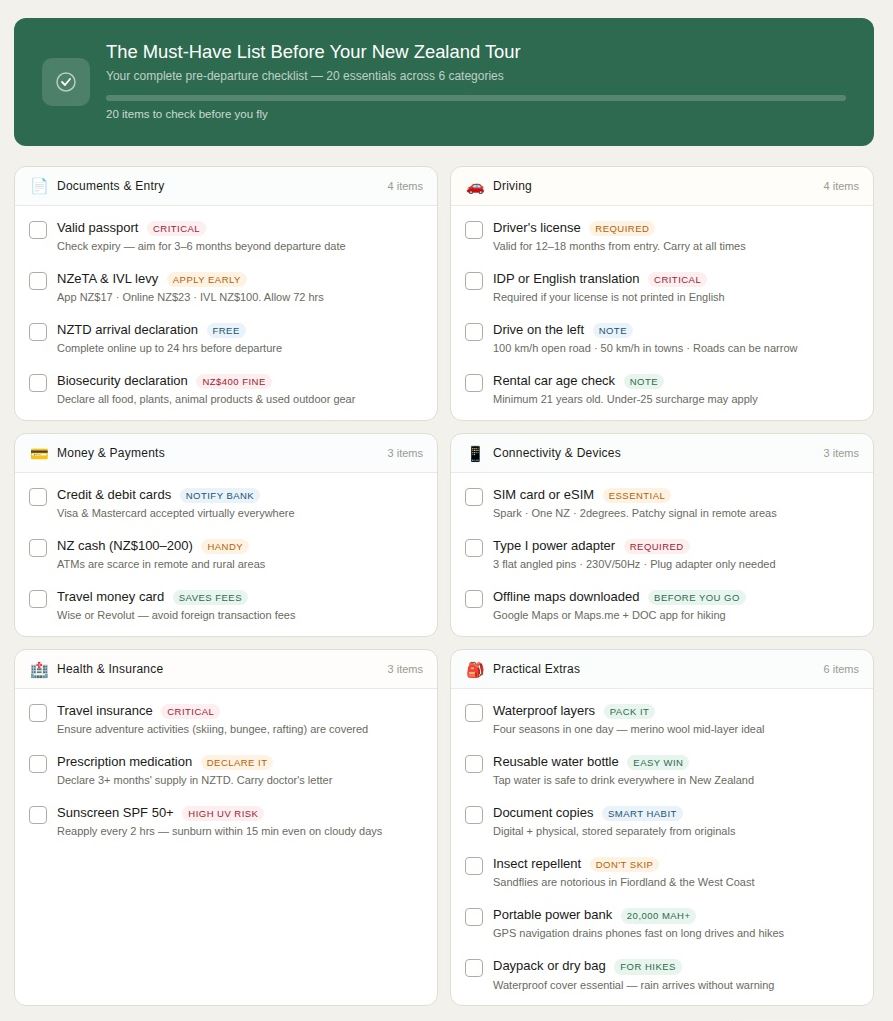
New Zealand Packing List – Travel Checklist
DOWNLOAD – New Zealand Packing List – Travel Checklist
What you need to visit New Zealand - official New Zealand immigration website Download the Official New Zealand Visa and Entry Requirements
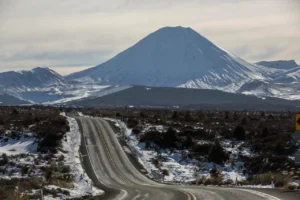
Volcanic Loop Highway: 5-Day Tongariro Road Trip Guide
Volcanic Loop Highway: A 5-Day Road Trip Around Tongariro’s Volcanoes The Volcanic Loop Highway circles
02
Oct
Oct
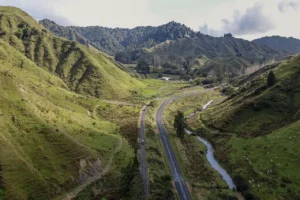
Forgotten World Highway: 2-Day Road Trip Guide
Forgotten World Highway: A 2-Day Road Trip Through New Zealand’s Back Country The Forgotten World
02
Oct
Oct
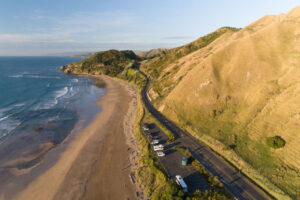
Pacific Coast Highway New Zealand Road Trip: 7 Day Itinerary
Your Auckland to Napier Road Trip on New Zealand’s Pacific Coast Highway If you want
01
Oct
Oct
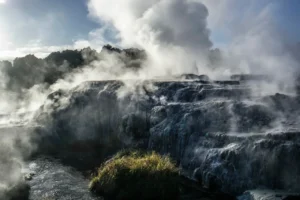
Thermal Explorer Highway Road Trip: 6 Day Itinerary
A 6-Day North Island Road Trip Through New Zealand’s Volcanic Heart If you want one
01
Oct
Oct
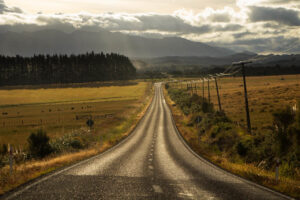
Twin Coast Discovery Highway Road Trip: 6 Day Itinerary
Explore Northland on the Twin Coast Discovery Highway – North Island – 800 km Circular
30
Sep
Sep

Tuatapere Hump Ridge Track: Guide to NZ’s Newest Great Walk
Tuatapere Hump Ridge Track: Complete Guide to New Zealand’s Newest Great Walk The Tuatapere Hump
29
Sep
Sep

15 Best New Zealand Hot Springs: Where to Soak
15 Best New Zealand Hot Springs: Where to Soak Across Both Islands New Zealand sits
29
Sep
Sep
Budget Tours New Zealand: Best Cheap & Adventure Tour Packages
Budget Tours New Zealand: The Complete Guide to Cheap and Adventure Packages Finding good budget
28
Sep
Sep