
Egmont National Park
If you are thinking about visiting with your family, you can be confident that New Zealand has a wide range of activities to keep your children happy.
Things to Do in Egmont National Park
Egmont National Park invites you to immerse yourself in its natural wonders—a must-visit for anyone experiencing New Zealand for the first time!
Egmont National Park: A Natural Gem in New Zealand
Egmont National Park, also known as Te Papakura o Taranaki in Māori, is a pristine wilderness area located on the west coast of New Zealand’s North Island. The park encompasses three volcanic cones:
Useful Egmont NP Resources

Mount Taranaki
The centerpiece of the park, this dormant volcano stands majestically at the heart of the landscape.
Pouakai
A rugged volcanic peak with stunning vistas.
Kaitake
Another volcanic cone offering unique natural beauty.
You´ll ❤️ these great things to see & do…
- Mount Taranaki Summit: For adventurous souls, the summit hike rewards with breathtaking views of the surrounding landscape. Be prepared for changing weather conditions.
- Dawson Falls: A short walk leads to this picturesque waterfall surrounded by lush rainforest.
- Pouakai Tarns: A moderate hike takes you to these serene alpine lakes, reflecting the peaks.
- Goblin Forest: Explore the enchanting moss-covered forest near the visitor center.
- Ahukawakawa Swamp: Discover this rare high-
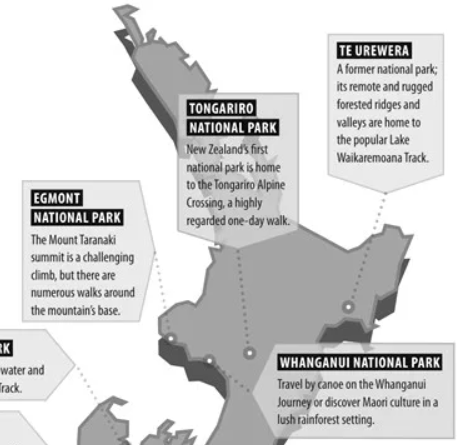
Egmont National Park Map & Location
Egmont National Park lies south of New Plymouth, a vibrant city on the western coast of the North Island. Its proximity to the Tasman Sea ensures a mild coastal climate and lush vegetation.
How to Get There
By Air
Fly into New Plymouth Airport (NPL), which offers domestic flights from major New Zealand cities.
By Road
Drive from New Plymouth (approximately 30 minutes) or nearby towns. The park entrance is easily accessible.
Important Information for Visitors
Weather
Be prepared for sudden changes. Dress in layers and carry rain gear.
Safety
Follow track signs, stay on designated paths, and inform someone of your plans.
Accommodation
Nearby New Plymouth offers various lodging options.
Egmont National Park Touring Options
Guided Tours:
oin guided hikes to learn about the park’s flora, fauna, and cultural significance.
Self-Guided Exploration
Pick up trail maps at the visitor center and explore at your own pace.
Frequently Asked Questions
What is special about Egmont National Park?
Egmont National Park encompasses the mighty ancestral Taranaki Maunga (Mount Taranaki). This perfectly formed volcano, around 120,000 years old, offers lush waterfalls, rainforests, and mossy swamps. The snow-capped cone of Taranaki Maunga is a geological marvel, and its symmetrical shape is captivating.
How long does it take to hike Mount Taranaki?
The main peak of Mount Taranaki forms the nucleus of the park. While the duration of hikes varies, the most famous trek is the Pouākai Circuit, which takes about three days. For shorter walks, explore the network of tracks around Dawson Falls, including the walk to Wilkies Pools, a series of eroded rock pools with gentle waterfalls and swimmable freshwater pools.
Is Egmont National Park worth a visit?
Absolutely! Whether you’re an experienced hiker or simply appreciate natural beauty, Egmont National Park won’t disappoint. The stunning landscapes, from rainforests to sub-alpine shrubs, make it a must-visit destination.
How difficult is hiking in Mount Taranaki?
Hiking requires a moderate to good level of fitness. The summit climb to Taranaki Maunga is achievable for experienced hikers in all seasons, but winter can be more challenging. Proper equipment and awareness of changeable conditions are essential.
How long to stay?
While the Pouākai Circuit takes three days, consider staying longer to explore other trails and immerse yourself in the park’s beauty. Nearby towns like New Plymouth, Inglewood, Stratford, and Opunake offer accommodations.
Is it free to walk in Egmont National Park?
Access to NP is free. There are three entry points: Manaia Road to Dawson Falls, Egmont Road to North Egmont, and Pembroke Road to Stratford Plateau.
Can you swim in Egmont National Park?
While swimming isn’t a common activity, the park’s natural rock pools and waterfalls provide serene spots to cool off during your hikes.
What is the best time of year to visit Egmont National Park?
The best months for summit climbs are January through April. However, any season offers unique experiences. Be prepared for changeable weather conditions.
Can you wear sneakers?
Sturdy hiking boots or shoes with good traction are recommended due to the volcanic terrain. Sneakers may not provide adequate support.
What is the cheapest way to explore Egmont NP?
Opt for licensed shuttle services from nearby towns rather than parking at the track ends. Booking in advance and sharing costs with fellow hikers can help keep expenses down.