Westland Tai Poutini National Park: Your Complete Visitor Guide
Some places earn their UNESCO World Heritage status easily. Westland Tai Poutini National Park is one of them. Stretching 1.2 million hectares along the South Island’s West Coast, the park packs an extraordinary range into a narrow coastal strip. Glaciers that descend from 3,000 metres into temperate rainforest. Rivers of ancient ice that end just kilometres from the Tasman Sea. Dense podocarp forest sheltering species found nowhere else on earth. And a coastline that remains one of the most genuinely wild stretches in the country.
Most people come for the glaciers. They leave having understood why the whole park has protected status.
Where Is Westland Tai Poutini National Park?
The park runs along the West Coast of the South Island, roughly between the towns of Hokitika in the north and Haast in the south. Franz Josef village and Fox Glacier township are the two main bases, sitting about 25 kilometres apart on State Highway 6. Greymouth, the largest West Coast town, is around two hours north of Franz Josef.
Getting here means driving State Highway 6 – the only road through the West Coast – or flying into Hokitika or Queenstown and driving from there. There is no rail access to the glacier villages. That said, the TranzAlpine train from Christchurch to Greymouth is a spectacular way to travel. Continue south by road from Greymouth, and you’re in glacier country within two hours.
The park fits naturally into any South Island itinerary. Our 11-Day Glacier Wonder Self-Drive is built specifically around the West Coast and glacier country. It connects Christchurch, the glaciers, Queenstown, and Milford Sound in a single South Island loop. The 7-Day West Coast Wonder Self-Drive Tour covers the same region in a more focused week.
Franz Josef Glacier
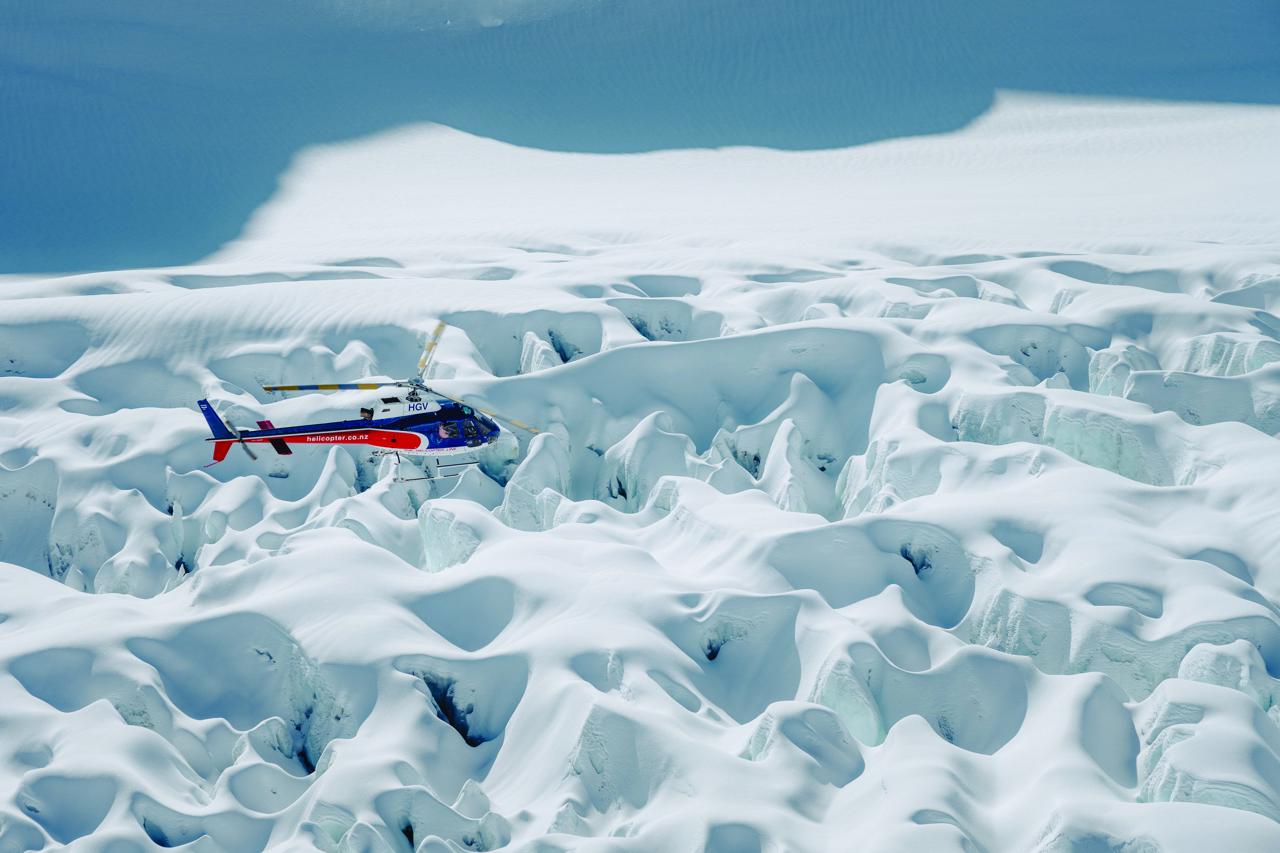
Franz Josef Glacier – known in Maori as Ka Roimata-a-Hinehukatere, meaning “the tears of Hinehukatere” – is the park’s most visited attraction. It descends 10.5 kilometres from the Southern Alps snowfields to just 240 metres above sea level. Nowhere else at this latitude on earth does a glacier reach so close to the ocean. Ancient ice surrounded by subtropical rainforest. The Tasman Sea is visible from the glacier valley on clear days. It’s a landscape that shouldn’t logically exist.
Access to the glacier is via a short valley walk from Franz Josef village. The walk takes around 45 minutes return and brings you to the terminal face viewpoint. It’s striking, accessible, and requires nothing more than sensible footwear. The glacier has retreated significantly in recent decades. Worth acknowledging – visiting now is part of understanding a landscape that is actively changing.
For those who want to get onto the ice itself, helicopter access is the only option. Our Franz Josef Glacier Heli-Hike lands you directly on the glacier for a guided walk. Crevasse fields, ice caves, seracs. It’s a different experience from viewing the terminal face from below. The scale and the silence of it are genuinely arresting.
A full glacier tour with a knowledgeable guide adds context that the valley walk alone doesn’t provide. Our Franz Josef Glacier Tour covers the valley, the history of the glacier’s formation and retreat, and the ecological significance of the ice-meets-rainforest environment. That context changes the visit.
For the truly memorable addition, the Franz Josef Glacier Helicopter Hike combines a scenic flight over the Southern Alps with a guided ice walk. The views of the glacier from above before landing on it are hard to prepare for. Worth doing if the budget allows.
Fox Glacier
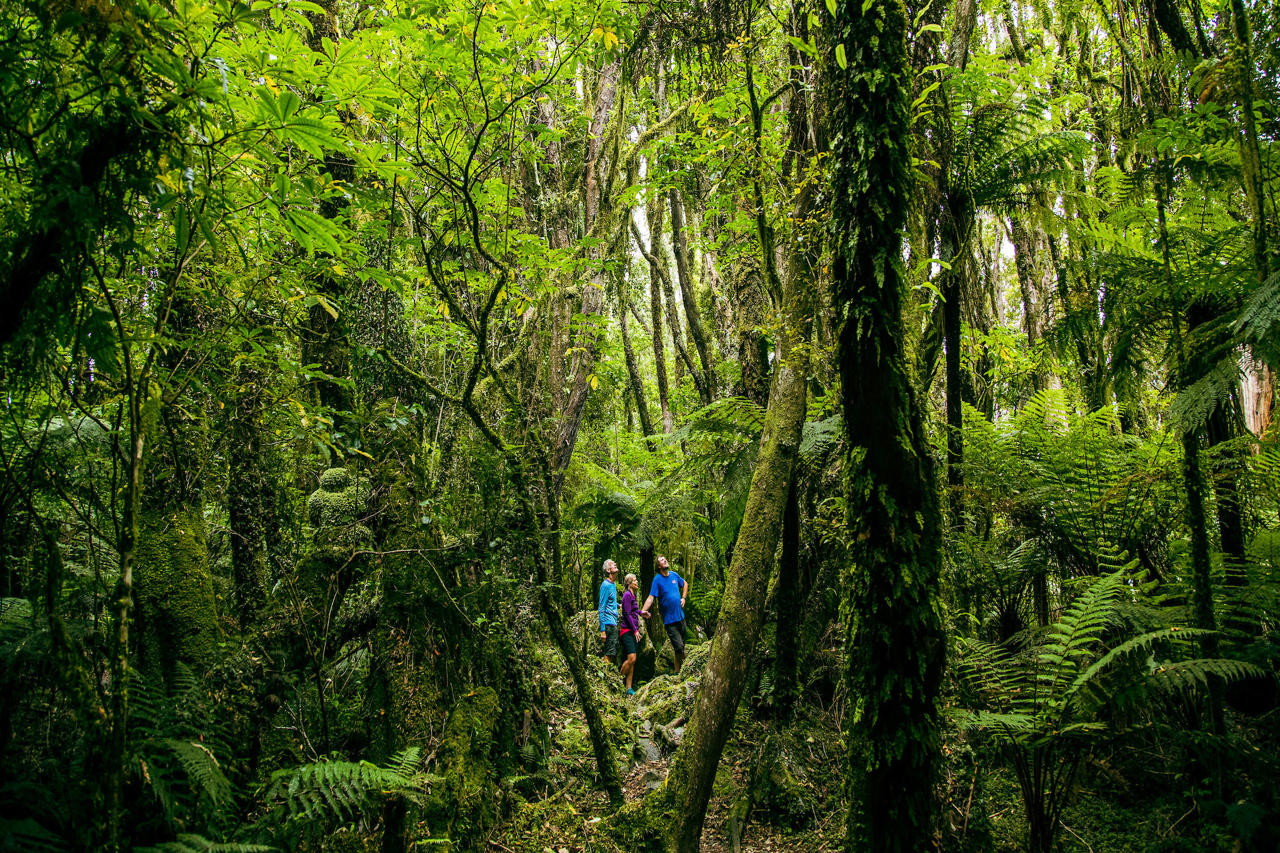
Fox Glacier sits 25 kilometres south of Franz Josef. Slightly longer, slightly less visited, and arguably more rewarding for those who prefer their experiences without a crowd. At 13 kilometres long, it descends through a valley flanked by dense beech and podocarp forest. On still days, the meltwater pools at the terminal face reflect the surrounding peaks.
The valley walk to the Fox Glacier terminal face takes around an hour return. Clear days deliver views back toward the Southern Alps that justify every step. Lake Matheson is a short drive from Fox village. It offers the West Coast’s most-photographed reflection: Aoraki/Mount Cook and the Southern Alps mirrored in a dark, glacier-fed lake. Best seen in the hour after dawn. Any wind disturbs the surface, and the mirror effect is gone.
Heli-hiking and scenic flights operate from both Fox and Franz Josef. Both glaciers are worth seeing. If time forces a choice, Franz Josef offers more infrastructure and a wider variety of glacier experiences. Fox rewards those who prioritise space and quiet.
Wildlife in Westland Tai Poutini National Park
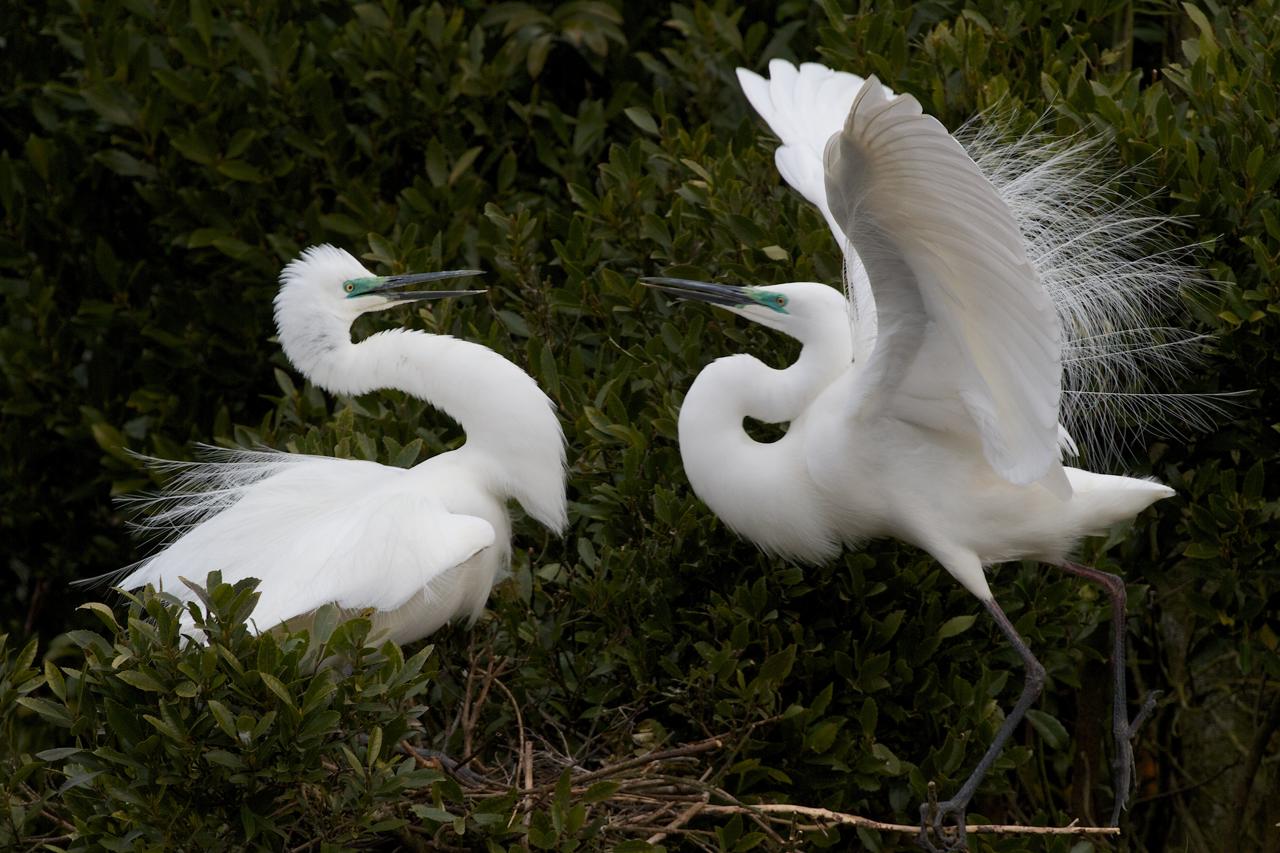
The park’s wildlife credentials are exceptional and undersold. Okarito Lagoon, on the coast north of Franz Josef, is the only breeding site for the kotuku – the white heron, revered in Maori culture as a symbol of rare beauty. The colony is small, and the birds are genuinely sacred to local iwi. Guided boat tours run to the lagoon in the breeding season.
The park’s rainforest supports kiwi, kaka, kereru, and long-tailed bats. Fur seals haul out on coastal rocks at Okarito and along the park’s southern coastline. The rivers running through the park to the sea are home to whitebait, a seasonal West Coast delicacy that locals take seriously.
Birdwatching in the park rewards early mornings and patience. The forest around Franz Josef village is genuinely productive at dawn, and the lagoon at Okarito is worth an early start on its own terms.
Other Things to Do in the Park
The glaciers dominate the conversation, but the park offers more. Quite a lot more.
The Gillespies Beach Track on the coast south of Fox Glacier leads to a historic gold mining settlement and a seal colony. Around two hours return. It’s the kind of walk most visitors to glacier country miss entirely. Hokitika Gorge, at the park’s northern edge, has water of an improbable turquoise colour fed by glacial meltwater. A short walk from the car park to a swing bridge. One of the most striking colours in New Zealand.
For those wanting adrenaline alongside the glaciers, the Skydive Franz Josef Glacier offers tandem jumps from up to 20,000 feet above the West Coast. The views during freefall – glaciers, rainforest, and the Tasman Sea simultaneously – are unlike anything a scenic flight provides.
The park also neighbours Paparoa National Park to the north. Together, the two parks cover the best of the West Coast. Our guide to Paparoa National Park covers everything worth knowing: the Pancake Rocks, the Paparoa Track, and Punakaiki.
Practical Information
Getting there. Self-drive on State Highway 6 is the most practical option. From Queenstown, allow four to five hours. From Christchurch via Arthur’s Pass, allow around four hours to reach Franz Josef. The road is sealed throughout, but mountain passes require attention in winter.
Best time to visit. The park is open year-round. Summer gives the best walking conditions and the longest days. Winter brings snow to the surrounding peaks and the most stable ice conditions on the glaciers – the contrast of blue-white ice against fresh snow is spectacular. Rain is possible in any month on the West Coast; come prepared and don’t let a wet morning change your plans.
How long to spend here. A single night covers the Franz Josef valley walk and one glacier activity. Two nights allows Fox Glacier, Lake Matheson, and Okarito Lagoon. Three nights give you space to breathe and do it properly without rushing.
How to travel. Self-drive suits most visitors. Our New Zealand Self-Drive Tours include pre-booked accommodation and built-in route planning. For those who’d prefer not to drive the West Coast, our New Zealand Independent Coach Tours cover the glacier country with professional drivers year-round. For a special trip – a honeymoon, an anniversary, or simply a journey worth doing properly – our Luxury Private Tours run fully tailored West Coast itineraries with private vehicle and five-star accommodation throughout.
Connecting Westland to a Wider South Island Trip
The glaciers sit roughly halfway along the West Coast road between Christchurch and Queenstown, which makes them a natural two-night stop on a longer South Island loop. Most travellers combine Westland Tai Poutini with Paparoa National Park to the north and the Fiordland region to the south.
The 12-Day South Island Guided Tour routes through Franz Josef, Paparoa, and Fiordland in sequence. Glacier country, Milford Sound, and the Pancake Rocks – all covered. The 8-Day Mountains to Sea Coach Tour also passes through the park as part of a West Coast loop that includes the TranzAlpine train crossing.
For first-time visitors planning a broader New Zealand trip, our Top 10 Must-See New Zealand Attractions guide places Westland Tai Poutini in the context of the country’s other essential stops.
For more West Coast and South Island inspiration, visit our New Zealand Travel Blog or explore our full guide to South Island Tourist Attractions.
-
Egmont National Park Map & Location
[/ux_text][/col]Egmont National Park lies south of New Plymouth, a vibrant city on the western coast of the North Island. Its proximity to the Tasman Sea ensures a mild coastal climate and lush vegetation.
[/row] [/section]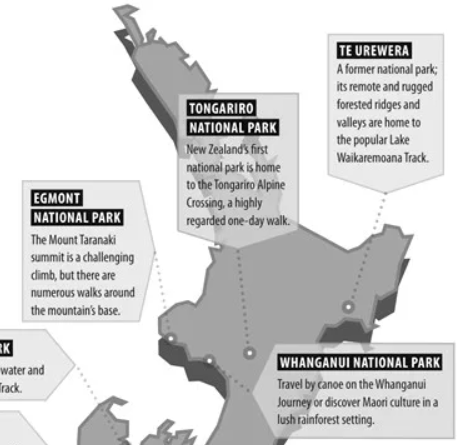
Frequently Asked Questions
What is Westland Tai Poutini National Park famous for? Franz Josef Glacier and Fox Glacier are the headline attractions. Two of the world’s most accessible glaciers descend from the Southern Alps into temperate rainforest at a latitude found nowhere else on earth. The park is UNESCO World Heritage-listed. It’s also home to the kotuku white heron, kiwi, and some of New Zealand’s most dramatic coastal scenery.
Can you walk on Franz Josef Glacier? Not from the valley floor. Glacial retreat in recent decades has made the terminal face inaccessible from below on foot. Helicopter access is required to get onto the ice. The Franz Josef Glacier Heli-Hike takes you directly onto the glacier for a guided ice walk. The valley walk to the terminal face viewpoint remains fully accessible without a helicopter.
How long does it take to visit Franz Josef Glacier? The valley walk to the terminal face viewpoint takes 45 minutes to an hour return. Allow half a day for a valley walk plus a glacier tour or heli-hike. A full day covers Franz Josef thoroughly. Staying two nights gives you time for both glaciers and the surrounding highlights, including Lake Matheson and Okarito.
What is the best way to get to Westland Tai Poutini National Park? Self-drive on State Highway 6 is the most practical option from either Christchurch or Queenstown. There is no rail access to the glacier villages. Guided tours that include the West Coast on their itineraries are the best option. Our 11-Day Glacier Wonder Self-Drive and 12-Day South Island Guided Tour both pass through the park.
Most Popular New Zealand Tours