

New Zealand Currency
Official Currency of New Zealand
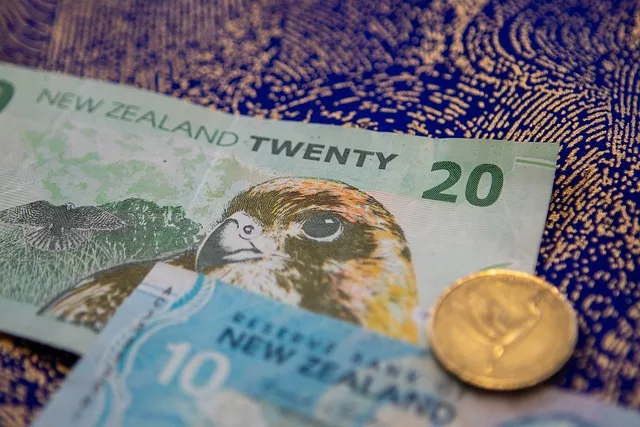
The New Zealand Dollar (NZD) serves as the official currency of New Zealand and is one of the most traded currencies in the global foreign exchange market. Commonly denoted as NZ$ to distinguish it from other dollar-denominated currencies, the New Zealand Dollar is affectionately known as the “Kiwi Dollar” after the country’s national bird. The currency ranks among the 16 major currencies actively traded in international markets and is subdivided into 100 cents.
Historical Background and Decimalization
New Zealand underwent a significant monetary reform in 1967 when it transitioned from the pound sterling system to decimal currency. This change aligned the country with modern international monetary standards and simplified financial transactions. The introduction of the New Zealand Dollar marked a pivotal moment in the nation’s economic history, moving away from the complex pounds, shillings, and pence system to a more straightforward decimal-based currency.
Evolution of New Zealand Coinage
Initial Coin Introduction (1967)
The inaugural decimal coins were introduced in six denominations: 1, 2, 5, 10, 20, and 50 cents. The composition of these coins reflected both economic considerations and durability requirements:
- 1 and 2 cent coins: Manufactured from bronze, providing an economical solution for low-value denominations
- 5, 10, 20, and 50 cent coins: Crafted from cupro-nickel, offering enhanced durability and resistance to wear
Early Design Features (1967-1970)
During the transition period from 1967 to 1970, the 10-cent coin retained historical elements by displaying “one shilling” alongside the decimal denomination, helping citizens adapt to the new currency system. All coins featured a portrait of Queen Elizabeth II created by renowned sculptor Arnold Machin, establishing a consistent royal presence across the denomination range.
Design Modernization (1986)
In 1986, New Zealand updated its coinage design with a new portrait of Queen Elizabeth II by Raphael Maklouf. This artistic update appeared on the obverse (heads) side of all coins, providing a fresh, contemporary look while maintaining the traditional monarchical imagery that connected New Zealand to the Commonwealth.
Elimination of Small Denominations
The 1 and 2 cent coins faced their final minting in 1987 due to declining purchasing power and increasing production costs. These denominations were officially demonetized on May 1, 1990, ceasing to function as legal tender. This decision reflected practical economic considerations, as the cost of producing these coins exceeded their face value.
Introduction of Dollar Coins (1990)
1990 marked another significant milestone with the introduction of $1 and $2 coins made from aluminum-bronze. These coins replaced the corresponding banknotes, offering several advantages:
- Enhanced durability compared to paper currency
- Reduced replacement costs over time
- Improved security features
- More practical for everyday transactions
Contemporary Design Update (1999)
The turn of the millennium brought another design refresh in 1999 with a new portrait of Queen Elizabeth II by Ian Rank-Broadley. Accompanying this artistic update, the coin legend was standardized to read “NEW ZEALAND ELIZABETH II,” creating consistency across all denominations and reinforcing national identity.
Current Monetary System
Legal Tender Status
Today’s New Zealand coinage reflects decades of evolution and practical refinement. Older versions of the 50, 20, 10, and 5 cent coins are no longer considered legal tender for everyday transactions. However, the Reserve Bank of New Zealand continues to honor these coins through their redemption program, ensuring that citizens can exchange outdated currency for current legal tender.
Modern Coin Characteristics
Contemporary New Zealand coins have been optimized for:
- Efficiency: Streamlined denominations reduce transaction complexity
- Durability: Advanced alloys ensure longer circulation life
- Cost-effectiveness: Modern production techniques minimize minting expenses
- User convenience: Appropriate sizing and weight for practical use
Economic Significance
The New Zealand Dollar plays a crucial role in the nation’s economy and international trade relationships. As a freely floating currency, the NZD’s value fluctuates based on market forces, economic indicators, and global financial conditions. Its status as a major trading currency reflects New Zealand’s stable political environment, robust financial institutions, and strong economic fundamentals.
The evolution of New Zealand’s currency system demonstrates the country’s ability to adapt to changing economic conditions while maintaining stability and public confidence. From the initial decimalization in 1967 to today’s modern coinage system, the New Zealand Dollar has successfully served the nation’s monetary needs while establishing itself as a respected international currency. The ongoing refinements to coin design, composition, and denominations reflect a commitment to practical efficiency and cost-effective monetary policy.
The Reserve Bank of New Zealand continues to monitor and adjust the currency system as needed, ensuring that the New Zealand Dollar remains fit for purpose in an evolving global economy.
EXPLORE
New Zealand Tour Packages & Categories
Read more about New Zealand
New Zealand Tour Packages




Tour by Locations
Reviews From Our Customers
"
All of the transportation was where it would be when it said it would be there and all the drivers were really nice. If we did the trip again we would probably skip Greymouth and maybe spend an extra day at Franz Glacier because we didn't get to see anything there. It was just an overnight stop and that hotel was the nicest one, or skip the western part alltogether and maybe go further south than Queenstown or spend more time in Christchurch or do the glow worm caves. Given our time constraints though we saw a lot and everything went very smoothly. Thank you for your help!
Timea, US
"
Robert from NZ Tourism Tours was so helpful and responded to my questions in a prompt manner. We booked the Kirra 9 day South Island tour and we had an awesome time. It was my 79 year old mother’s first overseas trip. Our driver/tour guide Ian was very knowledgable and personable -he really looked after us. The accommodation was great, the food was good, and the places we visited were breathtaking. I highly recommend NZ Tourism Tours.
Cathy, US
"
We are here in New Zealand and having a fantastic vacation. Thank you so much for all your hard work organizing this for us.
Dave, Marilyne, John, Mary and Anne, Canada
"
We are back in Indonesia safe and sound. We would sincerely like to thank you for every effort you made for us to make our trip pleasant one. My family members and I are very happy to choose NZ-Tourism.com for our trip in NZ.
Gunawanto, Indonesia
"
Thank you very much for taking care of us in such a professional way, especially with the closer of the way to the Fox Glacier, and arranging our accommodation even before call. I will surly recommend NZ-Tourism.com to my accountants.
Liora, Izrael
"
Back again in Switzerland, I would like to thank you very much for all you help concerning my North Island travel. I can tell you with great satisfaction, that everything worked out very well. All the hotel reservations, all the buses, all the shuttle transfers, just every detail was perfectly organized! Thank you so much. You did a perfect job!
Doris, Switzerland
"
We booked the Glacier & Coastal Wonder Itinerary which was arranged perfectly. You gave feedback immediately to all our questions. Our New Zealand vacation was truly memorable experience!
Jason, Malaysia
"
Great trip! We really liked the „Best of New Zealand“ tour. The guides were excellent. The thing I like most is that you organized my trip very well, we visited the best NZ destinations in reasonable price.
Teresa, Philippines
New Zealand Tour Package Deals 2026/2027
Are you looking for deals? Book early and save up to 10% on your next New Zealand tour package. If you are interested in discounted tours in New Zealand, fill out our Inquiry form and we will send you our best offer.
