
Flock Hill: Where Narnia’s Great Battle Was Filmed
High in the Canterbury high country, a working sheep station became the setting for one of the biggest set pieces in The Chronicles of Narnia: The Lion, the Witch and the Wardrobe. The Flock Hill Narnia filming location hosted the climactic battle between Aslan’s forces and the White Witch’s army. Unlike many of the franchise’s other New Zealand sites, this one sits right alongside one of the South Island’s most scenic road and rail routes.
This guide covers what was actually filmed at Flock Hill. It also explains how the site connects to the nearby Castle Hill Kura Tāwhiti reserve, and what travelers need to know before visiting today.
Quick facts:
- Location: Flock Hill Station, Waimakariri River basin, Canterbury high country
- What was filmed here: the final battle between Aslan’s army and General Otmin’s Telmarine forces
- Distance from Christchurch: roughly 75–90 minutes by road via State Highway 73
- Nearby landmark: Castle Hill / Kura Tāwhiti, often mistaken for the actual film site
- How most visitors see it: via a TranzAlpine Arthur’s Pass tour or a Christchurch day trip
Flock Hill Narnia Filming Location: Setting the Scene
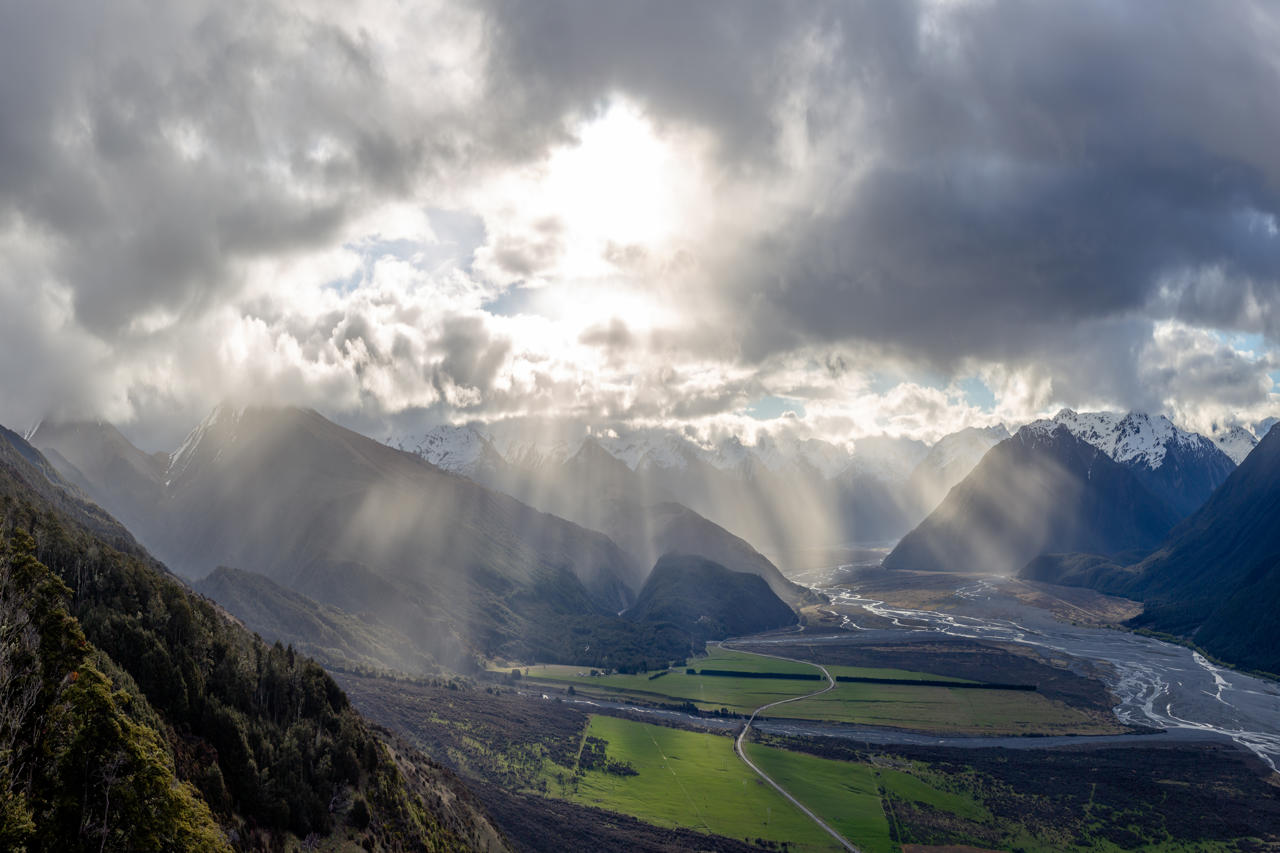
Director Andrew Adamson needed somewhere that could believably hold an army on each side. He wanted tortured limestone rock formations, dramatic valleys, and open tussock grassland stretching toward the Torlesse Range. Flock Hill Station delivered all three. Consequently, this stretch of high country became the battlefield where Aslan’s forces, alongside Peter, Susan, Edmund, and Lucy, clashed with the White Witch’s army, led by the minotaur General Otmin.
Flock Hill Station itself is a genuine working property, not a purpose-built film set. Spanning roughly 14,000 hectares in the Waimakariri River basin, the station has been farmed since 1857. It continues to run sheep and cattle today. So much of the land remains untouched by modern development. Because of this, the crew could frame wide shots without a single fence line or building breaking the illusion of ancient Narnia.
Chronicles of Narnia Battle Scene: What Made the Location Work
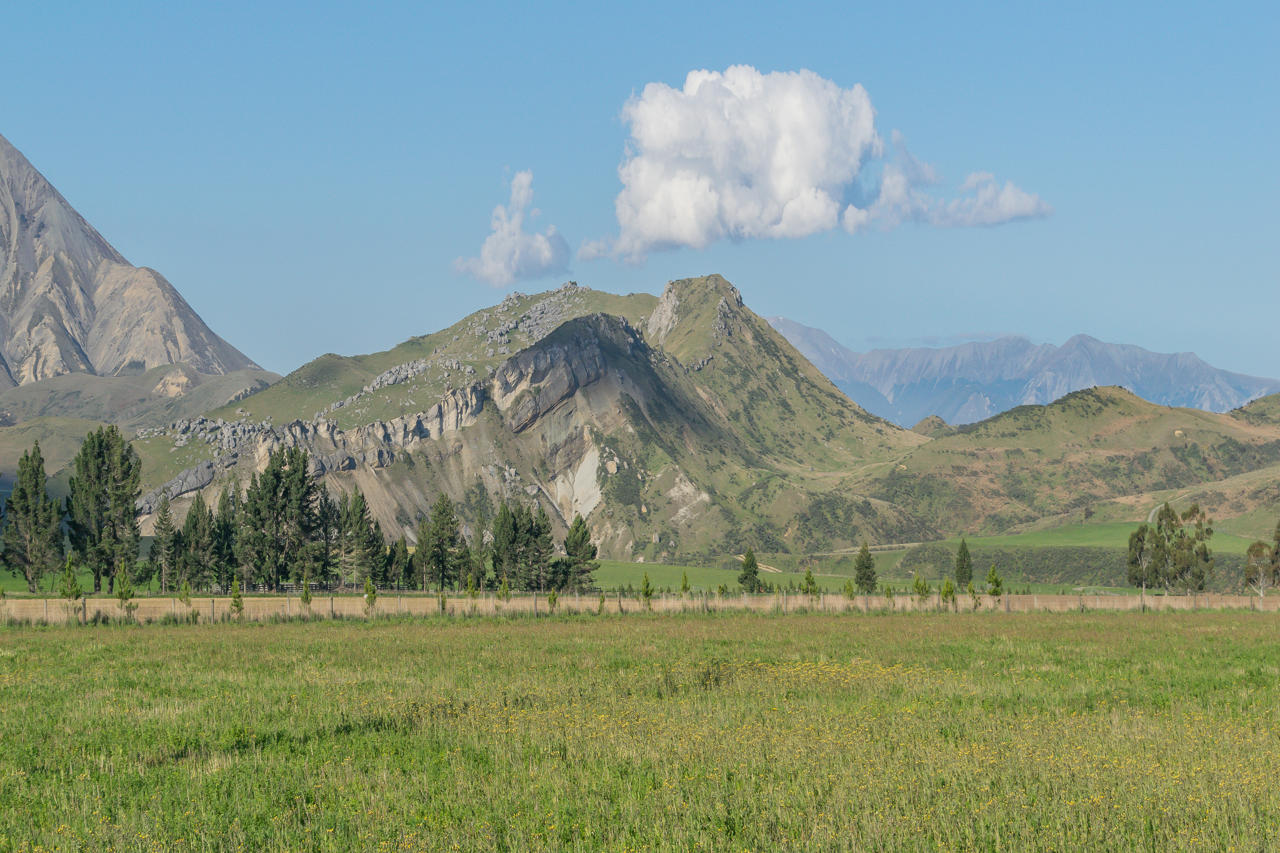
The battle sequence needed scale above almost everything else. The surrounding landscape gave the production exactly that. A few details help explain why Flock Hill became the production’s choice for this particular Chronicles of Narnia battle scene:
- The distant peaks of the Torlesse Range provided a dramatic, mountainous backdrop framing the battle from a distance
- The station’s tussock flats offered enough open ground to stage large groups of extras and choreographed combat
- The land had been earthworked only lightly for filming. Because of this, Selwyn District planners confirmed at the time that no special resource consent was required for the production’s preparations
Interestingly, the production company initially declined to confirm Flock Hill as a filming location while preparations were underway. This happened even as contractors were already visible on-site. That secrecy didn’t last long. Once the film released in December 2005, the connection between Flock Hill and Narnia became widely known among fans and locals alike.
Castle Hill Kura Tāwhiti: The Site Visitors Often Confuse With Flock Hill
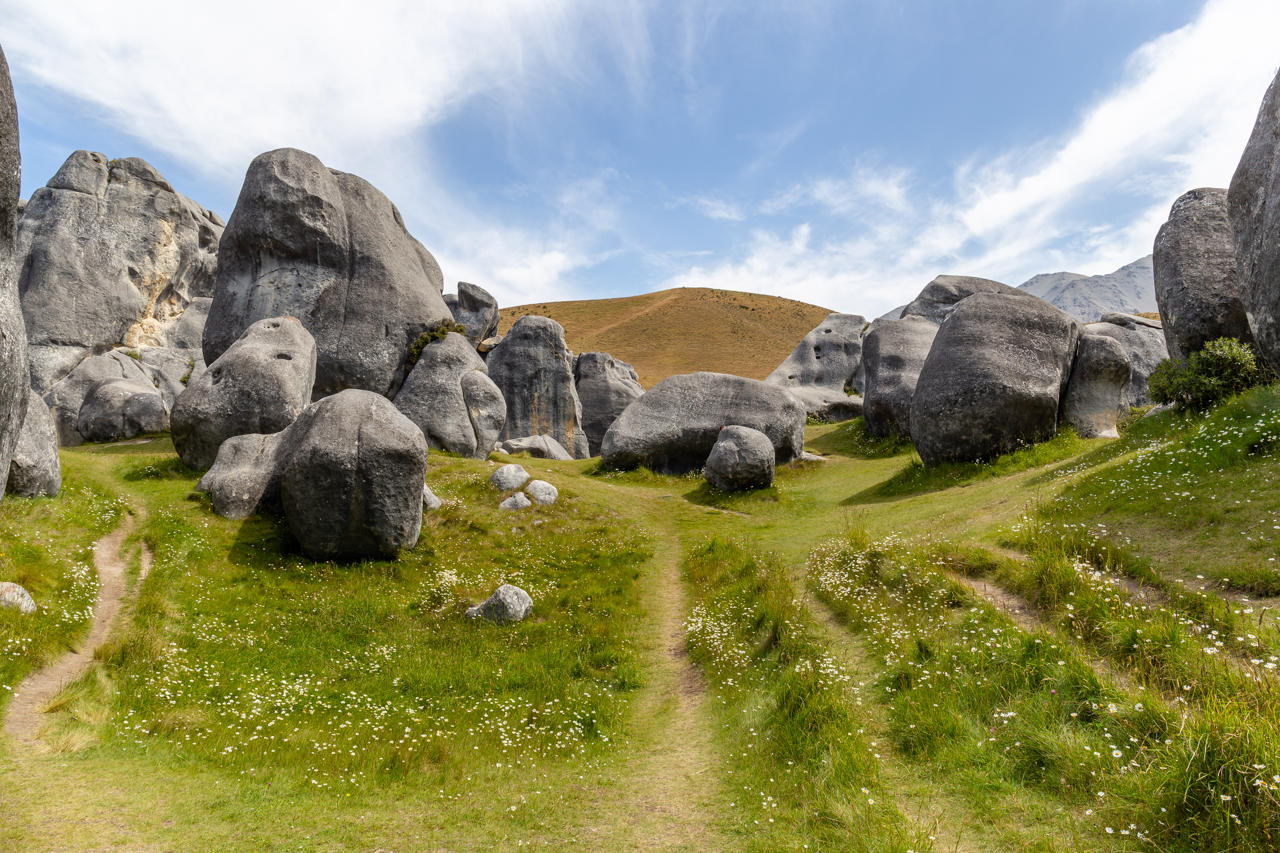
Just down the road from Flock Hill sits Castle Hill, known to Ngāi Tahu as Kura Tāwhiti, meaning “treasure from a distant land.” The two properties share such similar limestone scenery. Because of this, many visitors assume the battle scene was filmed at Castle Hill itself. In reality, the actual footage came from Flock Hill Station, a short distance further along State Highway 73.
That said, Castle Hill Kura Tāwhiti is well worth visiting in its own right:
- The reserve holds significant cultural and spiritual value for Ngāi Tahu, including 500-year-old charcoal drawings left by the Waitaha, the first people known to have traveled through the area
- An easy walking track winds through the limestone boulders, making it accessible for families and casual visitors
- The area is also one of New Zealand’s premier bouldering and rock-climbing destinations, drawing climbers from around the world
- Nearby Cave Stream Scenic Reserve offers a 594-metre underground cave walk, though this requires proper preparation and headlamps
Castle Hill sits on public conservation land, while Flock Hill remains a private working station. Because of this, most travelers explore Castle Hill on foot and view Flock Hill from the road or on a guided tour.
Getting There: TranzAlpine Arthur’s Pass Tour Options
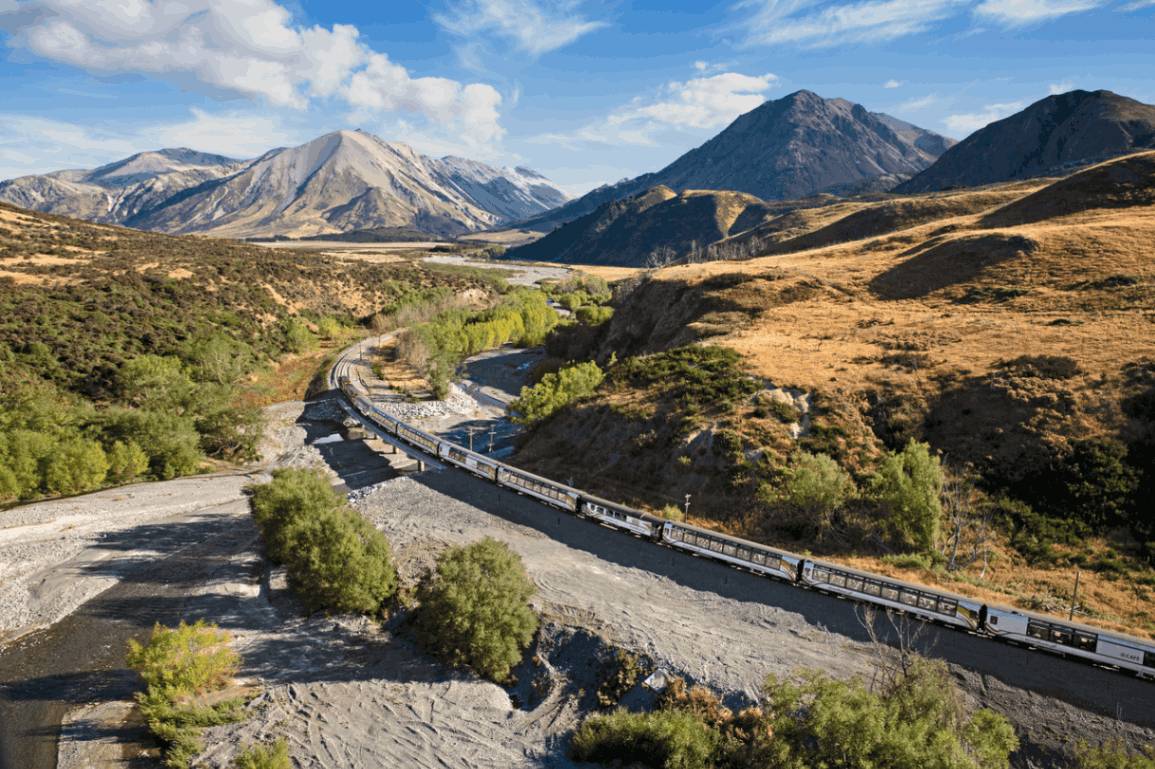
Flock Hill sits directly along the Great Alpine Highway. That makes it one of the more accessible Narnia filming locations in New Zealand. Most visitors combine it with a wider day trip through Arthur’s Pass rather than visiting in isolation.
A TranzAlpine Arthur’s Pass tour is the most popular way to see the region. Our TranzAlpine Train experience covers the scenic rail journey itself, crossing the Canterbury Plains before climbing into the Southern Alps. For a more complete day out, our Arthur’s Pass Day Tour from Christchurch combines the train with road travel back through Flock Hill and Castle Hill. This includes a stop to view the limestone formations up close.
Travelers with more time can also explore things to do in Arthur’s Pass National Park, which sits just beyond Flock Hill along the same route. Alternatively, browse our wider South Island tours for other ways to combine this region with the rest of Canterbury.
Comparing Flock Hill and Castle Hill
| Flock Hill Station | Castle Hill / Kura Tāwhiti | |
| Access | Private working farm; viewed from the road or by tour | Public conservation land with a walking track |
| Film connection | Actual filming site for the battle scene | Similar scenery, often mistaken for the real location |
| Cultural significance | Working high-country station since 1857 | Sacred Ngāi Tahu site with ancient rock art |
| Typical activity | Photo stops, farm stays, guided tours | Walking, bouldering, rock climbing |
| Distance from Christchurch | ~75–90 minutes | ~90 minutes, just past Flock Hill |
Flock Hill Station Canterbury Today
Beyond its film history, Flock Hill Station Canterbury has become a destination in its own right. The property is now home to Flockhill Lodge, an award-winning luxury farm-stay lodge. It pairs high-end accommodation with genuine high-country farming life. Guests can experience mustering, shearing, and lambing depending on the season, alongside more typical activities like rock climbing, abseiling, tramping, and canyoning. In winter, several ski fields sit within a short drive, including Broken River, Craigieburn, Mt Cheeseman, Porter Heights, and Temple Basin.
It’s also worth knowing that the valley has faced real challenges recently. In December 2024, a large wildfire swept through the Craigieburn area. It damaged native flora and fauna across the wider valley, including land neighboring Flock Hill Station. The station and its neighbors have since been working on regrowth efforts for the affected native bush. It’s a reminder that this landscape, however cinematic, remains a living, working environment rather than a static backdrop.
Other Chronicles of Narnia New Zealand Locations Nearby
Flock Hill wasn’t the only South Island location the production used. Elephant Rocks, further south in the Waitaki district, became Aslan’s Camp. Purakaunui Bay in the Catlins provided the clifftop backdrop for the digitally rendered Cair Paravel castle. Paradise, a privately owned property near Glenorchy, also appeared in the film. It later became one of the most recognizable Lord of the Rings filming locations near Queenstown as well.
If you’re chasing the full Narnia trail across New Zealand, our New Zealand filming locations roundup covers the other sites. That includes Cathedral Cove on the Coromandel Peninsula, where the Pevensie children first arrive in Narnia.
Planning a Visit to Flock Hill and Arthur’s Pass
This region rewards a full day rather than a quick drive-by. Because of that, it’s worth building Flock Hill into a broader Canterbury itinerary. A South Island tour package can weave Arthur’s Pass, Castle Hill, and the TranzAlpine journey into a longer South Island route, taking in Aoraki/Mount Cook, Lake Tekapo, and beyond. You can also add Flock Hill and Castle Hill directly to your custom vacation package wishlist while you plan.
When to Visit
Conditions in this alpine region shift more dramatically by season than in most parts of Canterbury:
- Summer (December-February): the most reliable weather, with long daylight hours for exploring both Flock Hill and Castle Hill
- Autumn and spring: quieter roads and cooler temperatures, though snow can arrive early or linger late at this altitude
- -Winter (June August): cold and often snowy, drawing skiers to the nearby fields, though road conditions over Arthur’s Pass can change quickly
Both the TranzAlpine train and the road route cross exposed alpine terrain. Because of that, it’s worth checking conditions before setting out, particularly outside the summer months.
New Zealand’s Real Battlefield for Narnia
Most travelers crossing the Southern Alps on the TranzAlpine have no idea they’re passing directly by one of the franchise’s most memorable sets. That’s part of what makes Flock Hill worth stopping for. It isn’t a recreated attraction or a fenced-off tourist site. Instead, it’s a genuine working station that briefly became the stage for one of fantasy cinema’s bigger battle sequences.
Whether you’re drawn here for the Flock Hill Narnia filming location itself, the neighboring Castle Hill Kura Tāwhiti reserve, or simply the drive over Arthur’s Pass, this stretch of Canterbury high country delivers far more than a quick photo stop.
Browse our South Island tour packages or get in touch to start planning a Canterbury itinerary built around Flock Hill and Arthur’s Pass.