
Visiting New Zealand in Winter
Visiting New Zealand in Winter: Your Complete Guide
Most people don’t think of winter when they think of travel in New Zealand. That’s a mistake, and a fairly common one. Visiting New Zealand in winter – June through August – means arriving in a country that has shifted gears entirely. The ski fields are open. Milford Sound is home to hundreds of waterfalls cascading off snow-heavy cliffs. The cities are quieter, the prices are lower, and the landscape has a drama to it that long summer days simply don’t produce.
Winter is not a compromise. For certain travellers and certain trips, it’s the best time to come. You just need to know what you’re walking into.
What to Expect: New Zealand Winter Weather
Winter temperatures vary sharply by region and altitude. Auckland, at the top of the North Island, sits around 8°C to 14°C in winter – cool, occasionally rainy, but rarely cold in any meaningful sense. Wellington has similar temperatures and a characteristic wind. Neither island city feels like a winter destination in the Northern European sense. They just feel autumnal.
The South Island interior is a different story. Queenstown drops to 1°C to 8°C in July, the alpine passes get snow and ice, and the ski fields above Wanaka and the Remarkables operate at full capacity. Christchurch is crisp and often brilliantly clear. The West Coast stays mild but wet – the glaciers are at their most dramatic when the surrounding peaks are white.
Pack properly. Thermals, a serious mid-layer, a waterproof outer shell, and warm footwear. For ski travel, equipment can be rented at every major field, so there’s no need to check skis. Non-ski South Island travel, chain hire is worth knowing about – some mountain passes require it in heavy snow conditions.
For a full month-by-month breakdown, the Best Time to Visit New Zealand guide covers winter in detail, as well as every other season.
Top New Zealand Winter Activities
1. Skiing and Snowboarding
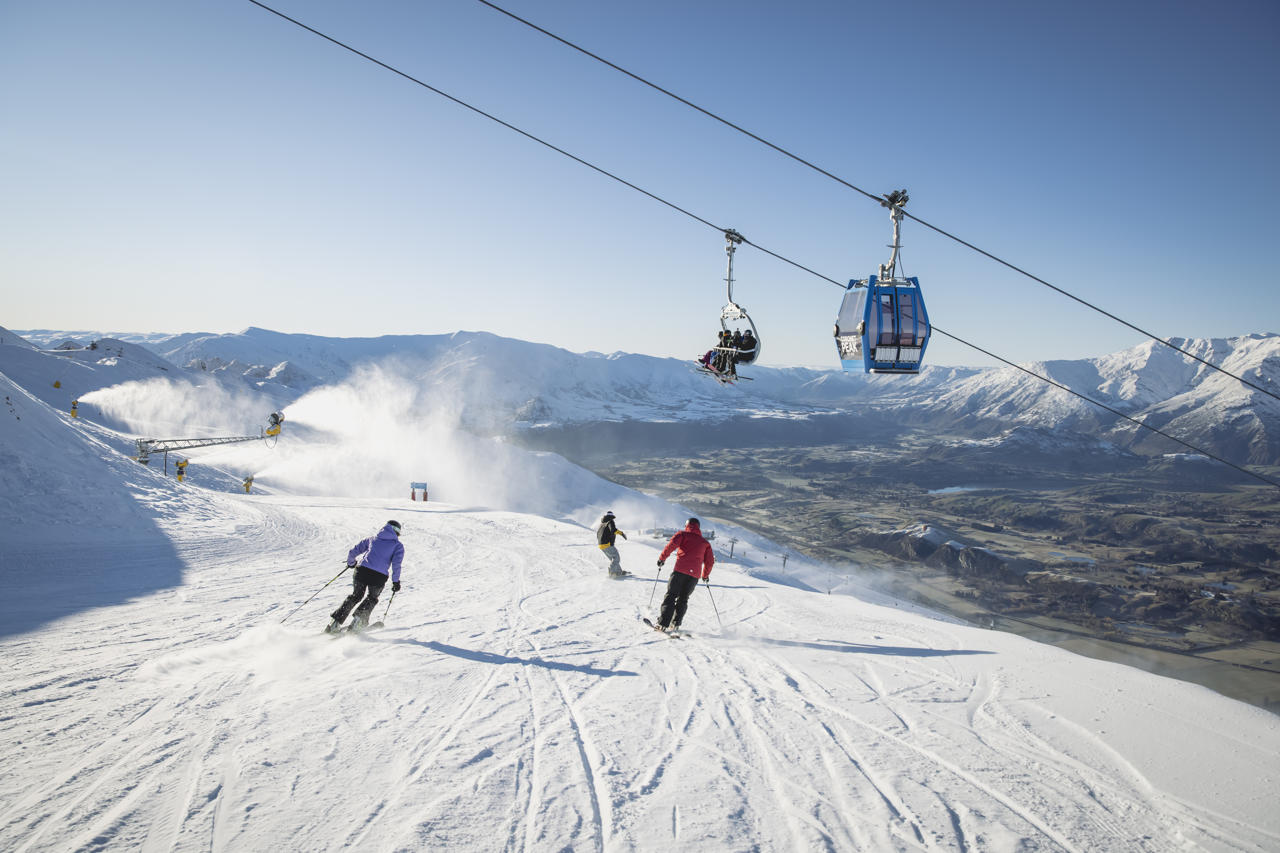
This is winter’s main event. New Zealand skiing is genuinely world-class, and the combination of high-quality slopes with extraordinary scenery is hard to match anywhere in the Southern Hemisphere. The Queenstown region is the ski capital: Coronet Peak is the closest field to town, well-groomed, and it unusually offers night skiing on weekends. The Remarkables is the more dramatic of the two – a jagged skyline above Queenstown that earns every photograph taken of it.
Wanaka’s Cardrona Alpine Resort is a favourite with families and freestyle skiers, with a wide variety of terrain and a more relaxed atmosphere than the Queenstown fields. Treble Cone, also near Wanaka, has the South Island’s longest runs and is less crowded than its reputation deserves.
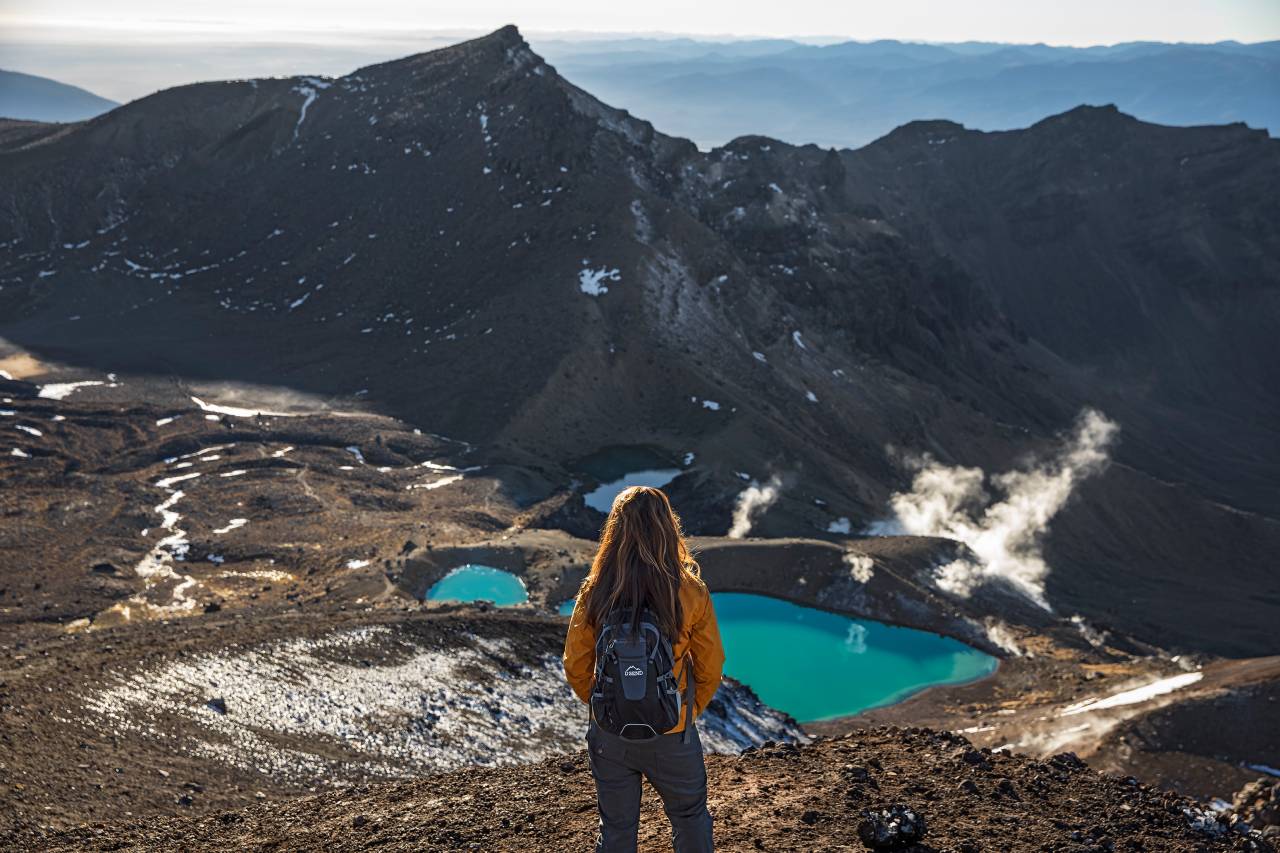
On the North Island, Ruapehu’s Whakapapa and Turoa ski areas sit on the slopes of an active volcano – a detail that never entirely stops being remarkable. The views across the volcanic plateau on a clear winter day are unlike anything else in the Southern Hemisphere. Our dedicated New Zealand Skiing and Snowboarding guide covers all the major fields in detail.
2. Milford Sound in Winter
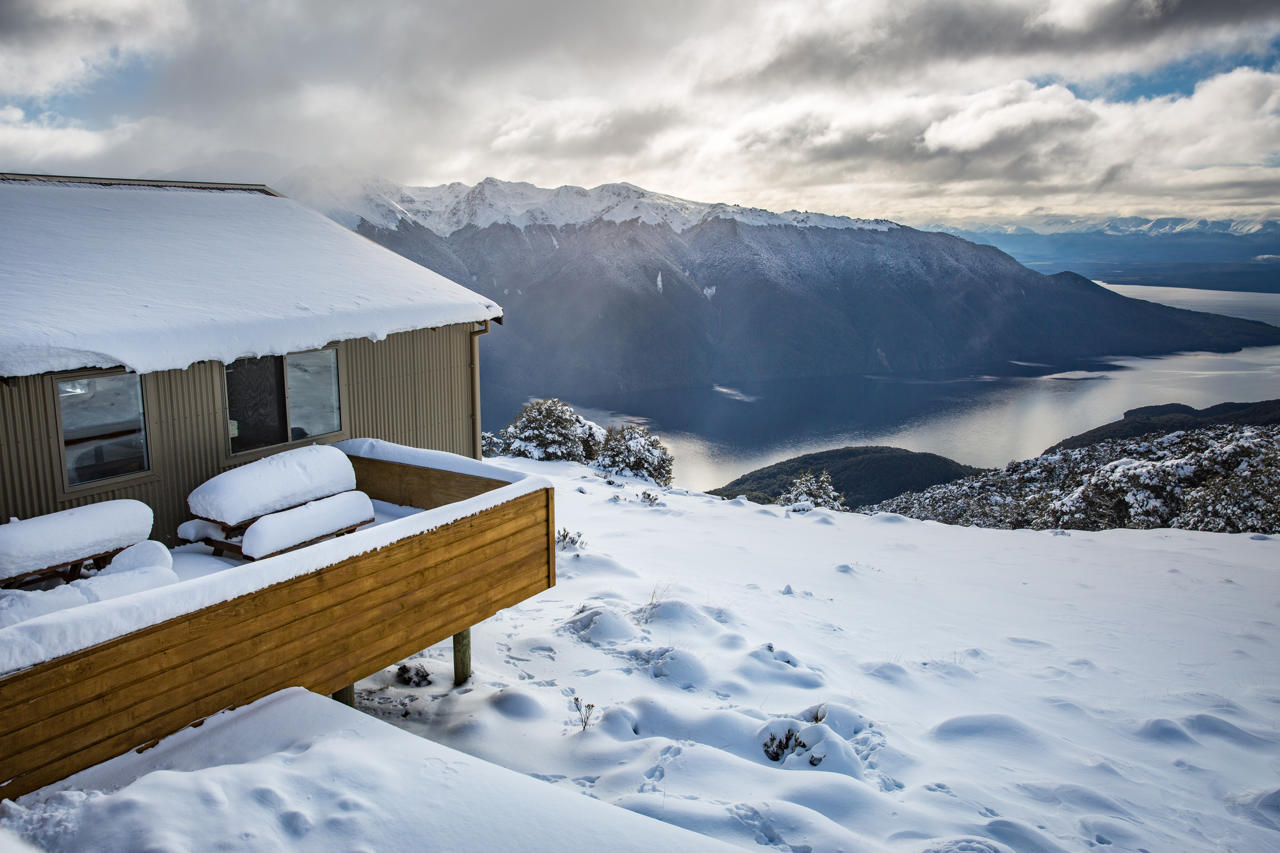
Milford Sound is extraordinary in every season. In winter, it becomes something else again. Snowmelt and winter rainfall feed hundreds of temporary waterfalls that cascade off sheer granite walls into the fiord below. The permanent falls – Stirling and Bowen – run harder than at any other time of year. Low cloud and mist drift through the valley at a pace that makes it theatrical. The summer cruise boats are less full. The silence between the falls is something you notice.
Genuinely, winter is when Milford Sound performs at its peak. The Milford Sound Coach, Cruise and Fly Tour combines a scenic road journey through Fiordland, a two-hour fiord cruise, and a flight back to Queenstown – a combination that makes the most of the winter light and the winter drama.
3. Maori Culture and Matariki
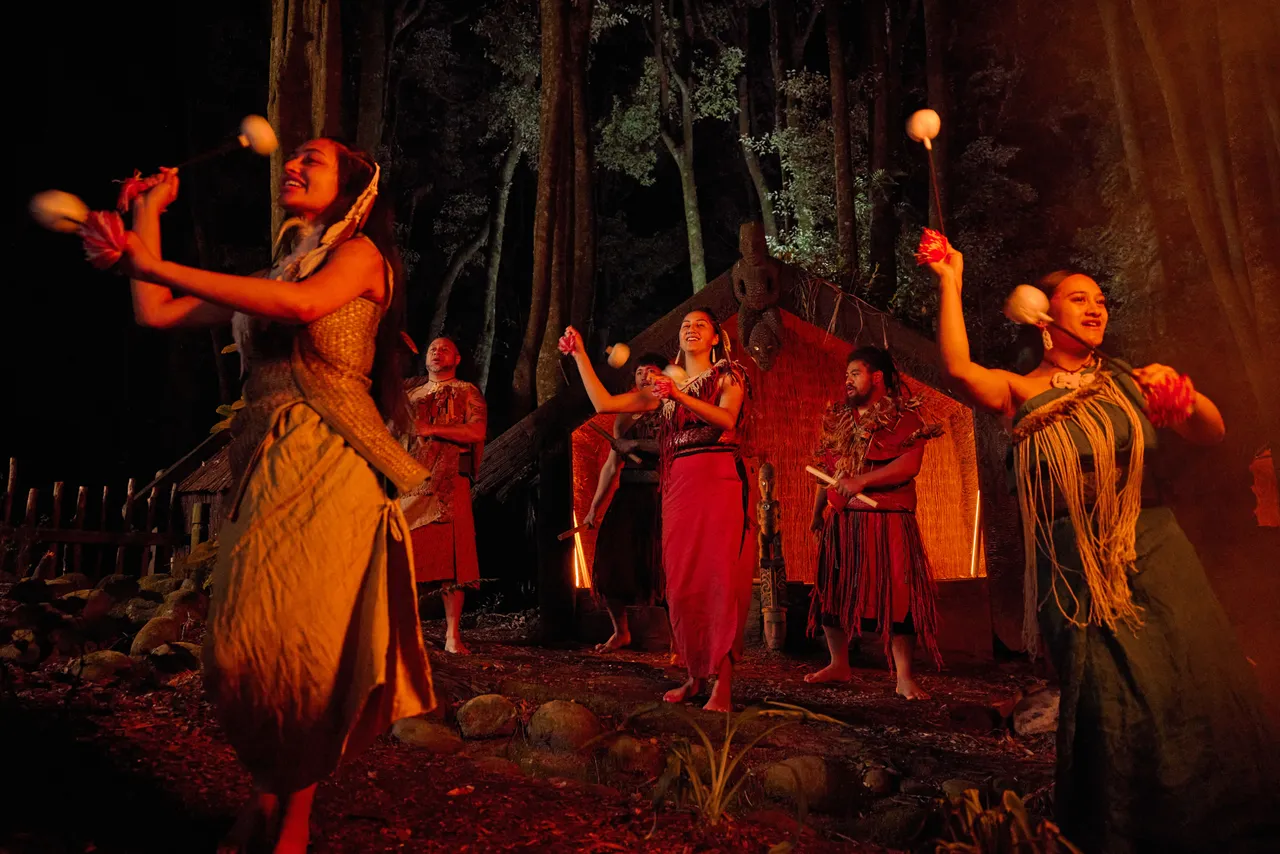
June brings Matariki – the Maori New Year, marked by the rise of the Pleiades star cluster and celebrated with gatherings, storytelling, food, and cultural performances across the country. It’s a genuinely significant cultural event, and one that makes visiting New Zealand in winter more meaningful than the season alone would suggest.
Rotorua is the year-round hub for Maori cultural immersion, and winter is no exception. The geothermal steam rising from the earth is amplified by the cold air, making the landscape feel particularly otherworldly in June and July. A traditional hangi and kapa haka performance in Rotorua in winter is one of those evenings that stays with you. The 7-Day North Island Coach Tour includes Rotorua, Waitomo and the Bay of Islands and works well as a winter itinerary when the North Island’s mild temperatures make coach travel genuinely comfortable.
4. Stargazing and the Southern Lights
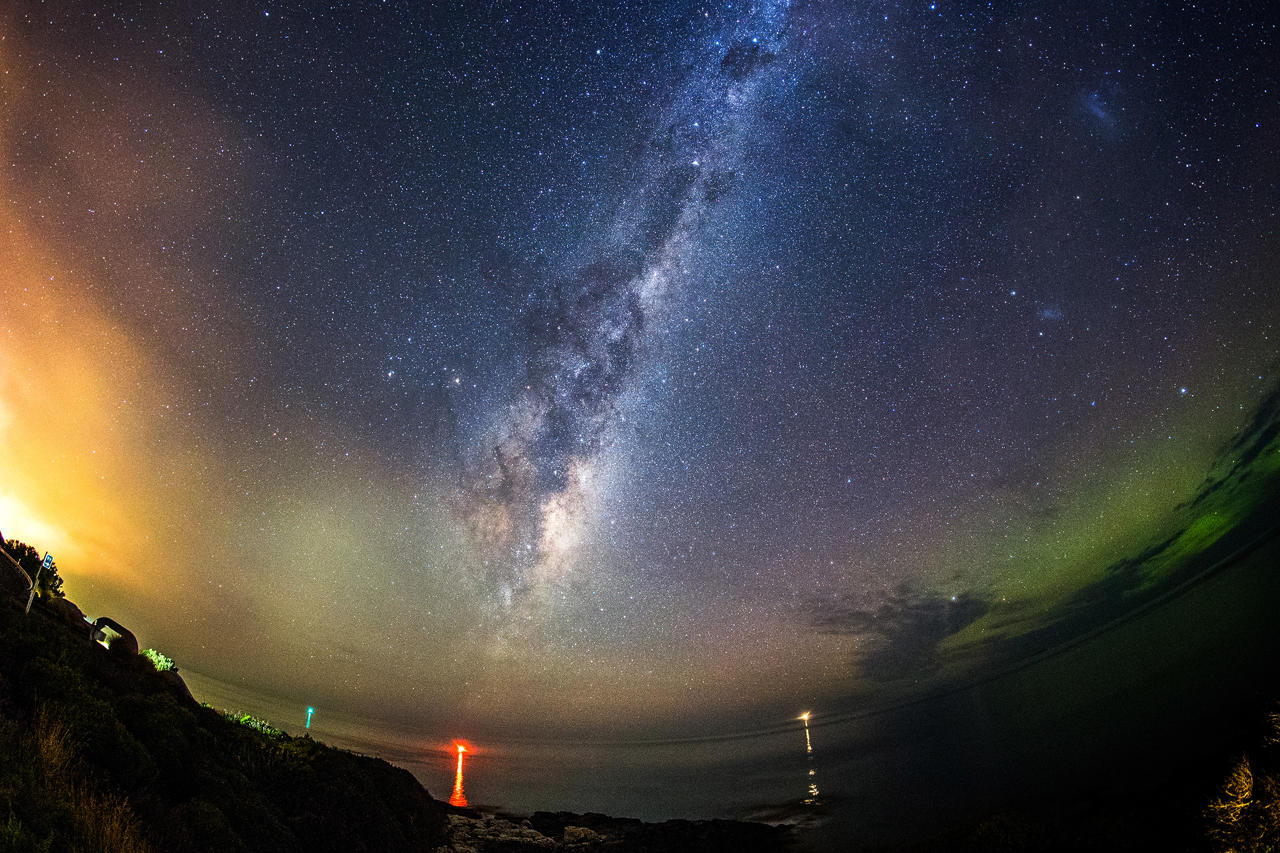
Winter nights are long in New Zealand, and the skies repay attention. The Aoraki Mackenzie Dark Sky Reserve around Lake Tekapo is one of the best stargazing sites on the planet, and the Milky Way in July over the Church of the Good Shepherd is a sight that stops people mid-sentence. The long, clear winter nights are the best conditions the reserve offers.
Further south, the Aurora Australis – the Southern Lights – is most commonly sighted in winter months from the Catlins, Southland, and Stewart Island. It’s not guaranteed, but the conditions are right more often than at any other time of year. Worth having the app, watching the forecast, and being prepared to head outside at short notice.
5. Hot Springs and Thermal Pools
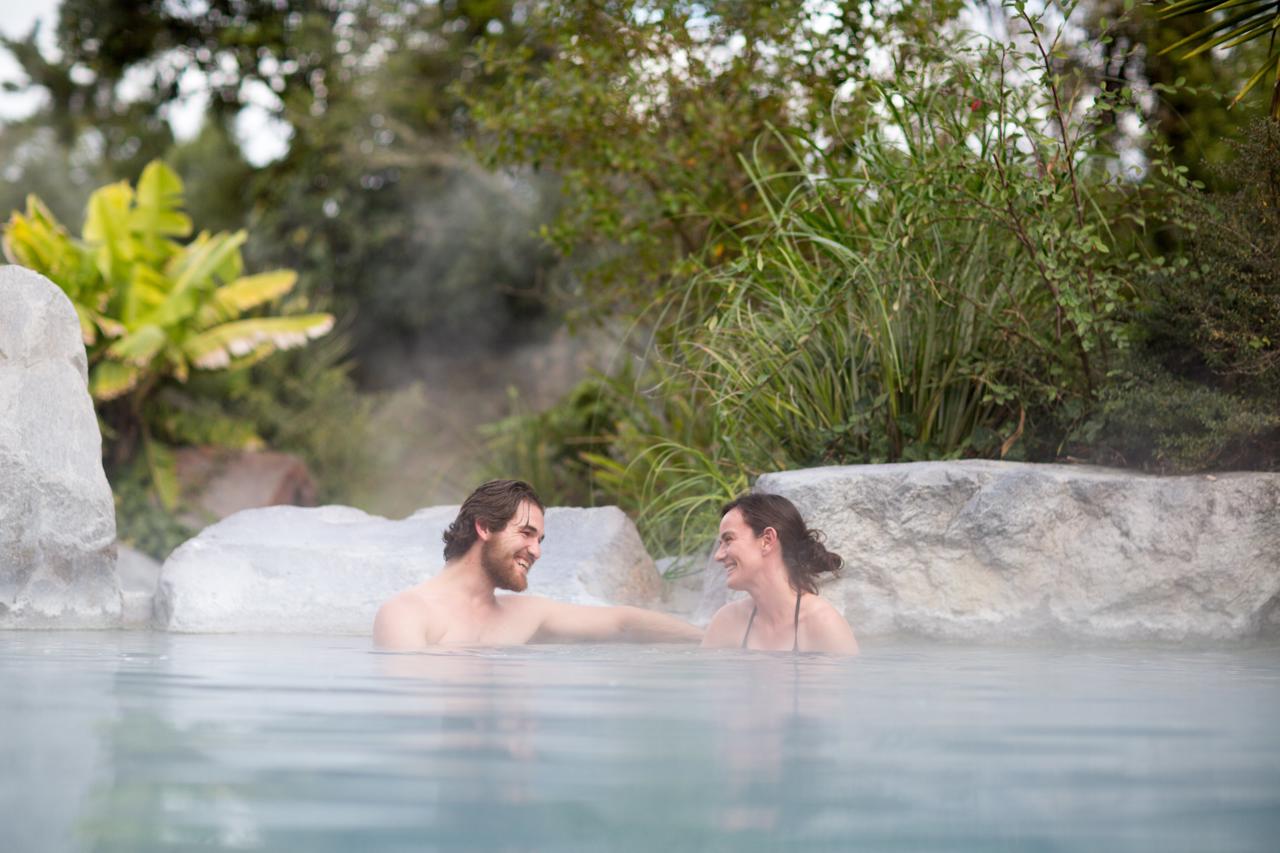
There are few better ways to spend a cold New Zealand evening than in a geothermal hot pool. Rotorua has the best concentration, with multiple outdoor thermal complexes ranging from simple municipal pools to resort-quality experiences. Taupo’s De Brett’s, Hanmer Springs in the South Island, and Tekapo Springs are all excellent winter destinations – outdoor pools at sub-zero ambient temperatures, with mountain views, best enjoyed after a day on the slopes or a long drive.
North Island vs. South Island in Winter
Clear separation between the two, more than in any other season.
The North Island is mild, accessible, and genuinely good value in winter. Auckland and Wellington are functional bases with real hospitality scenes. Rotorua and Taupo run at full pace regardless of season – the geothermal activity doesn’t slow down for winter. Waitomo’s glowworm caves are season-agnostic and spectacular. The 9-Day South Island Guided Coach Tour starts in Christchurch and covers the South Island’s winter highlights – glaciers, Fiordland, Queenstown, and Arrowtown – with everything handled, including accommodation and daily transfers.
The South Island is where winter justifies itself most visibly. Queenstown in July has an energy that summer doesn’t quite replicate – the ski season, the Queenstown Winter Festival, the après-ski restaurants at their most motivated. Wanaka is quieter and arguably more beautiful. The glaciers at Franz Josef have fresh snowfall on their peaks. Milford Sound is doing its best work.
For both islands in winter, the 14-Day Best of New Zealand Self-Drive covers the main highlights from Auckland through to Queenstown at a pace that doesn’t rush either island. The 12-Day Majestic New Zealand Self-Drive is a well-paced alternative that builds in more time at the South Island’s dramatic winter destinations.
Practical New Zealand Winter Travel Tips
Book ski accommodation early. Queenstown during the Winter Festival and school holiday weeks fills up fast. If ski season timing is a factor in your planning, lock in accommodation three to four months ahead. Outside the peak winter weeks, availability is generally good.
Check road conditions before driving. The Crown Range between Queenstown and Wanaka, the Lewis Pass, and the road to Milford Sound all require attention in winter. Snow chains may be necessary on some mountain roads. The NZTA road condition website is the right tool. It’s not a reason to avoid driving – just a reason to check before you leave.
Think about how you want to travel. Self-driving in winter is rewarding but requires more planning than in summer. Our New Zealand Self-Drive Tours include pre-booked accommodation and full route planning, which removes most of the uncertainty. If winter driving conditions are a concern, our New Zealand Independent Coach Tours cover all the main routes with professional drivers who know the roads in every season. For a fully tailored winter trip – a ski holiday, a honeymoon, or simply a trip worth doing properly – our Luxury Private Tours operate year-round with private vehicle and five-star accommodation throughout.
Winter and Australia combine well. Australian winter visitors make up a significant portion of New Zealand’s June to August arrivals, for good reason – it’s easy to fly across the Tasman and swap one winter for another that comes with ski fields and fiords. Our Australia and New Zealand Vacation Packages handle both in a single booking.
Plan Your New Zealand Winter Holiday
The combination available when visiting New Zealand in winter – world-class skiing, Milford Sound at its most dramatic, Matariki cultural events, stargazing, thermal pools, and prices that sit well below the summer peak – makes a genuinely strong case. It doesn’t get the marketing budget that January does. But the travellers who come in July tend to come back.
Browse our full range of New Zealand Tour Packages and start planning a winter trip. Our team knows the season well.
For more travel ideas, head to our New Zealand Travel Blog or explore our guide to Top 10 Must-See New Zealand Attractions.
Frequently Asked Questions
Is winter a good time to visit New Zealand?
For the right traveller, absolutely. Skiers and snowboarders get world-class conditions from June through August. Non-skiers get Milford Sound at its most dramatic, lower prices, quieter attractions, and longer nights for stargazing. The trade-off is cold temperatures in the South Island and some mountain road closures. Know what you’re coming for, and winter delivers it well.
What months are winter in New Zealand?
June, July, and August. New Zealand is in the Southern Hemisphere, so the seasons are reversed from Europe and North America. July is peak ski season and the coldest month. June includes Matariki, the Māori New Year. August starts to warm slightly as spring approaches.
How cold does New Zealand get in winter?
It depends entirely on where you are. Auckland and Wellington sit around 8°C to 14°C – cool rather than cold. Queenstown drops to 1°C to 8°C and gets genuine overnight frosts. Alpine ski areas operate well below zero. The North Island is significantly warmer than the South Island interior throughout winter.
What is the Queenstown Winter Festival?
It’s one of the Southern Hemisphere’s largest winter celebrations, typically running over a week in late June or early July. Events include live music, fireworks over Lake Wakatipu, comedy, street entertainment, and ski and snowboard competitions across the Queenstown fields. It significantly increases accommodation demand, so book early if your dates overlap with it.
Is winter cheaper than summer in New Zealand?
For most of the country, yes. Accommodation, domestic flights, and tour packages outside the ski towns are noticeably cheaper than during the December to February peak. Queenstown and Wanaka are the exception – ski season pricing applies in July and August, and the Winter Festival week commands a premium. Everywhere else, winter is excellent value.