
Visiting New Zealand in February
Visiting New Zealand in February is one of the best travel decisions you can make. February is the final month of the Southern Hemisphere summer. As a result, you enjoy warm weather and long daylight hours. Additionally, New Zealand schools return in late January. Therefore, domestic crowds thin out noticeably. However, the summer weather stays just as good. This makes February a genuine sweet spot for international travelers. Whether you prefer beaches, hiking, wine, or adventure, February in New Zealand delivers. Furthermore, harvest season begins across the top wine regions such as Marlborough. Great Walks are also fully accessible and in prime condition. Browse our New Zealand tour packages to start planning today.
Table of Contents
- Is February a Good Time to Visit New Zealand?
- New Zealand in February: Weather by Region
- Top Summer Destinations to Explore This February
- Top Things to Do When Visiting New Zealand in February
- February Festivals and Events
- Best February Tour Packages & Custom Itineraries
- What to Pack When Visiting New Zealand in February
- North Island Tour Packages with February Departures
- South Island Tour Packages with February Departures
- Both Island Tour Packages with February Departures
- FAQs
Is February a Good Time to Visit New Zealand?
Yes – February is one of the best months for international travelers. First, the weather is warm and mostly dry across both islands. Additionally, local school holidays are over by early February. As a result, popular destinations feel less crowded than in January. However, prices remain at peak-season levels. Accommodation and rental cars still cost more than in the shoulder seasons. In contrast, March and April offer similar conditions at lower prices. Nevertheless, for warm weather and full access to all trails and activities, February is hard to beat. For more guidance on timing, visit our best time to visit New Zealand guide.
New Zealand in February: Weather by Region
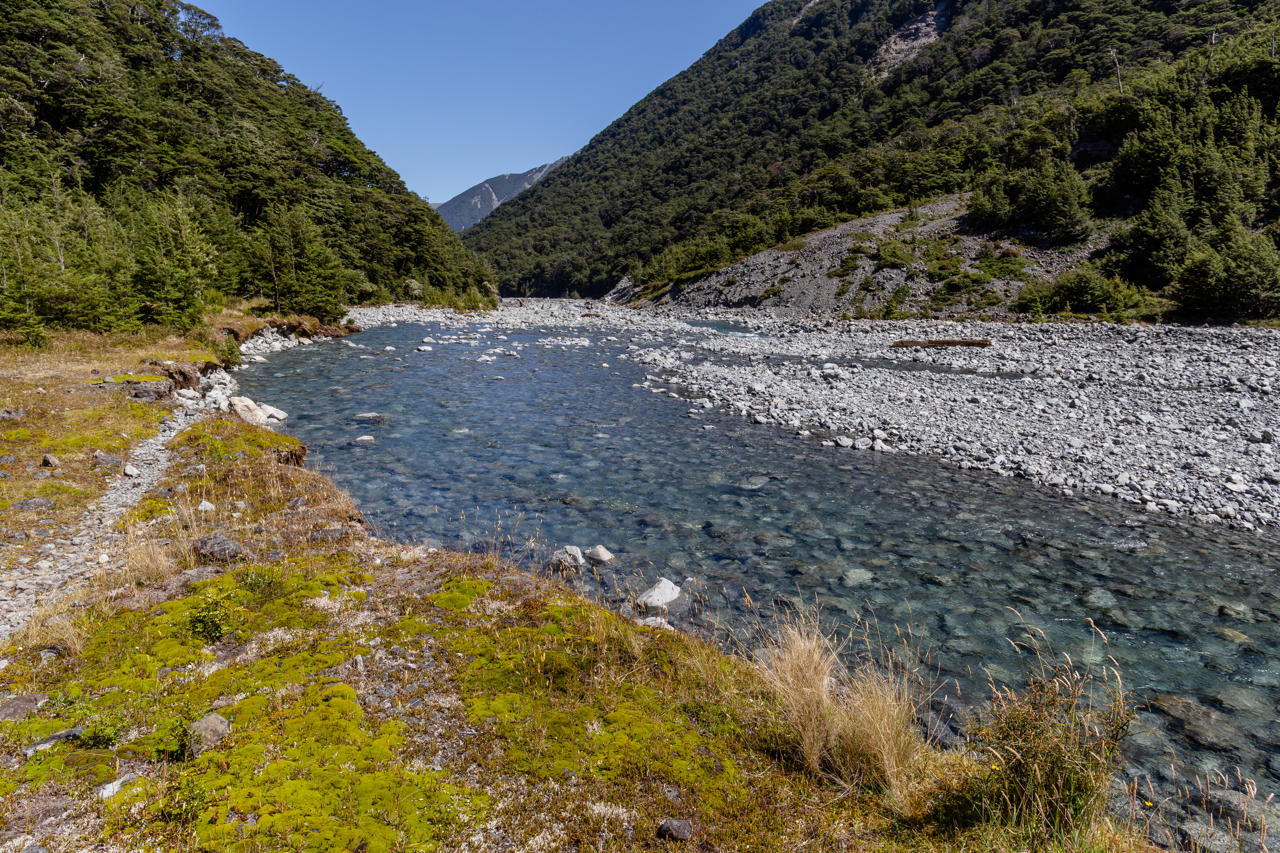
Temperatures vary significantly across New Zealand’s two islands. Therefore, knowing what to expect in each region is useful. Overall, February is the country’s warmest month.
Important: New Zealand UV levels are extremely high in February. Always wear SPF 50+ sunscreen, a wide-brimmed hat, and UV-rated sunglasses. Even on cloudy days, sunburn can happen quickly.
For a full overview, visit our New Zealand weather and climate guide.
North Island Temperatures in February
Auckland and the Bay of Islands average 23-26 degrees Celsius during the day. Additionally, ocean temperatures reach 20-22 degrees, making sea swimming very comfortable. Wellington is cooler, typically sitting between 19-21 degrees. However, Wellington enjoys its lowest rainfall of the year in February. Therefore, it is an excellent city to explore on foot.
South Island Temperatures in February
The South Island averages 19-23 degrees during the day. Christchurch and the Canterbury Plains are particularly dry and sunny. Queenstown also averages around 20-23 degrees in daylight hours. However, temperatures in alpine areas drop to around 8-10 degrees in the evenings. Furthermore, the West Coast receives more rain year-round. As a result, always pack a light waterproof jacket regardless of your itinerary.
Top Summer Destinations to Explore This February
February gives you full access to both islands. Consequently, you have more choices than in any other month of the year.
Bay of Islands, North Island
The Bay of Islands is a top destination when visiting New Zealand in February. Its 144 islands, clear waters, and sheltered coves are ideal for sailing and kayaking. Additionally, Waitangi Day on February 6th brings cultural performances and ceremonies to the region. Explore Bay of Islands tours.
Coromandel Peninsula, North Island
The Coromandel Peninsula is just 2.5 hours from Auckland. For example, Hot Water Beach lets you dig your own thermal pool in the sand at low tide. Moreover, Cathedral Cove is best visited during February’s calm seas. See Coromandel activities.
Rotorua, North Island

Rotorua offers outstanding geothermal parks and Maori cultural experiences year-round. Furthermore, February’s warm weather makes outdoor exploration especially enjoyable. Te Puia and Wai-O-Tapu are the top attractions in the area. Discover Rotorua tours.
Queenstown, South Island
Queenstown is New Zealand’s adventure capital. In February, bungy jumping, skydiving, and jet boating all operate at full capacity. Additionally, the Central Otago wine region is only a short drive away. Explore Queenstown activities.
Milford Sound, South Island
February brings calm seas and clear skies to Milford Sound. As a result, boat cruises and sea kayaking are at their very best. The towering cliffs and cascading waterfalls are truly spectacular in summer light. February is also a strong month for a multi-day Fiordland expedition cruise: our Doubtful Sound Cruise departs 8 and 24 February, and our 7-Day Southern Fiords Discovery departs 12 and 18 February. See the full range on our Cruises page, or explore Fiordland and Milford Sound day tours.
Marlborough Wine Region, South Island
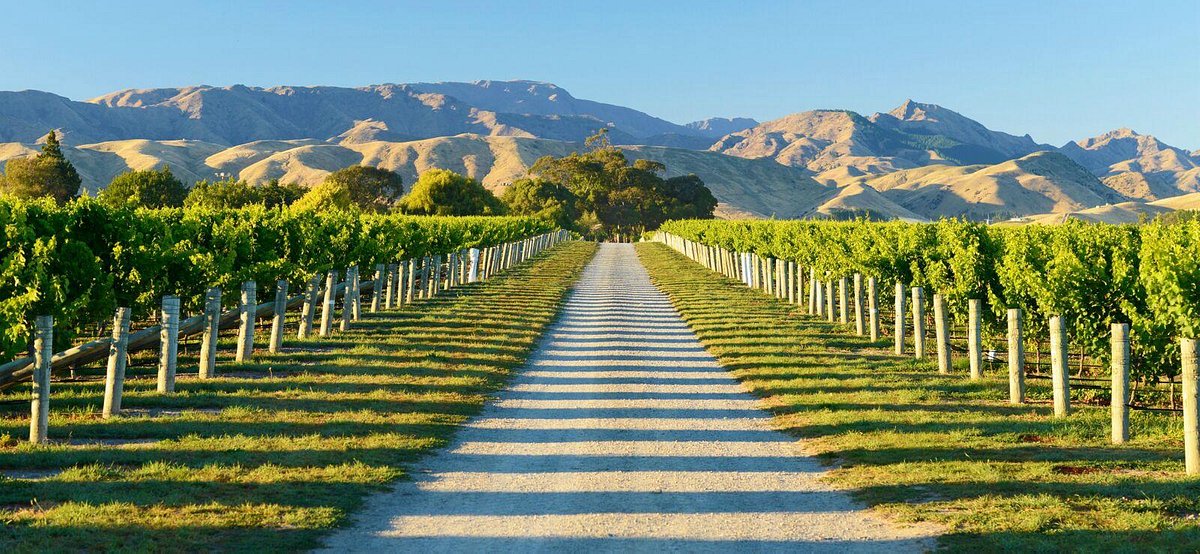
February marks the start of harvest in Marlborough. Therefore, cellar door tastings are particularly exciting during this month. The Marlborough Food and Wine Festival also takes place in early February. Explore Marlborough tours.
Wellington, North Island
Wellington is New Zealand’s vibrant capital city. In February, outdoor cafes, the famous Te Papa museum, and the Cuba Quarter are all at their best. Moreover, day trips to the Wairarapa wine region are easy and rewarding. See Wellington activities.
Top Things to Do When Visiting New Zealand in February
February’s warm weather and long evenings unlock a full range of activities. Indeed, there is something for every type of traveler.
Hike the Great Walks
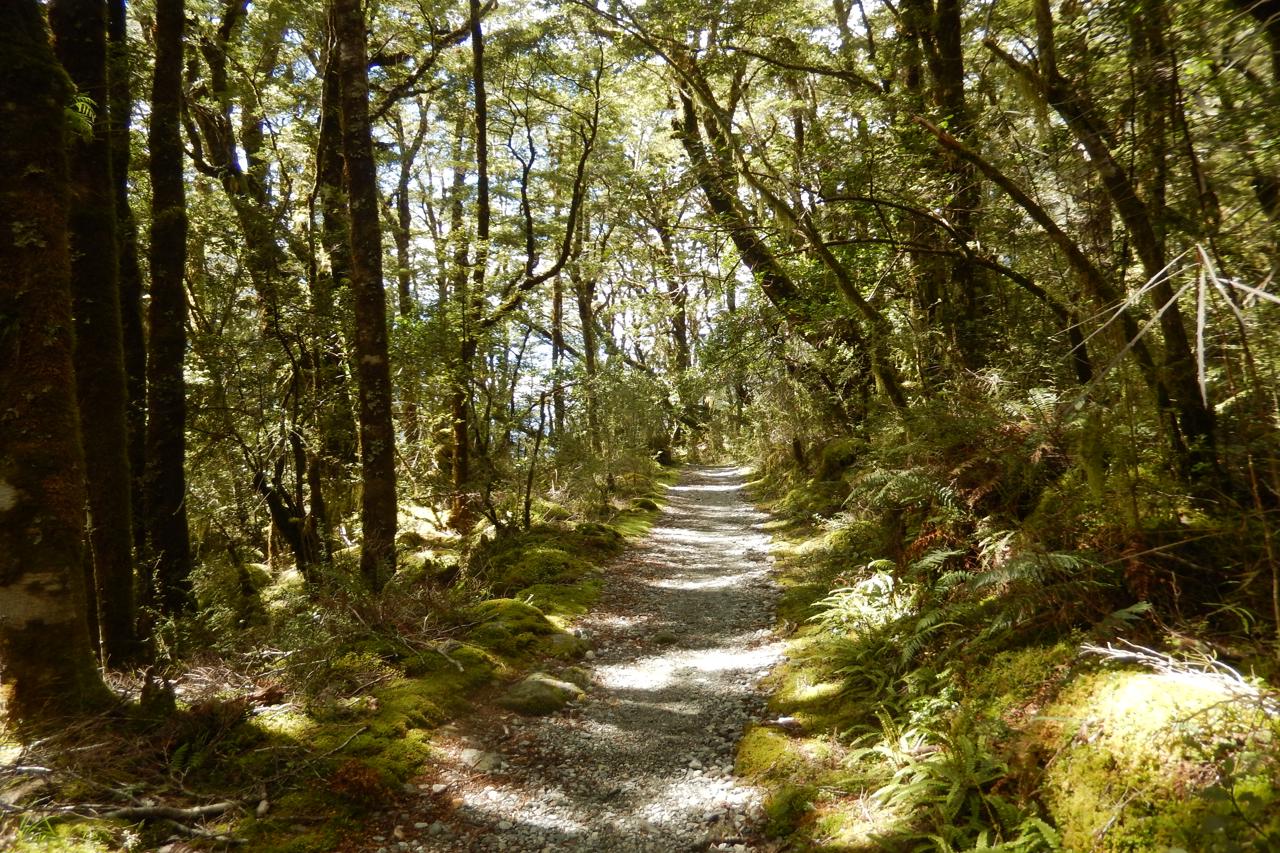
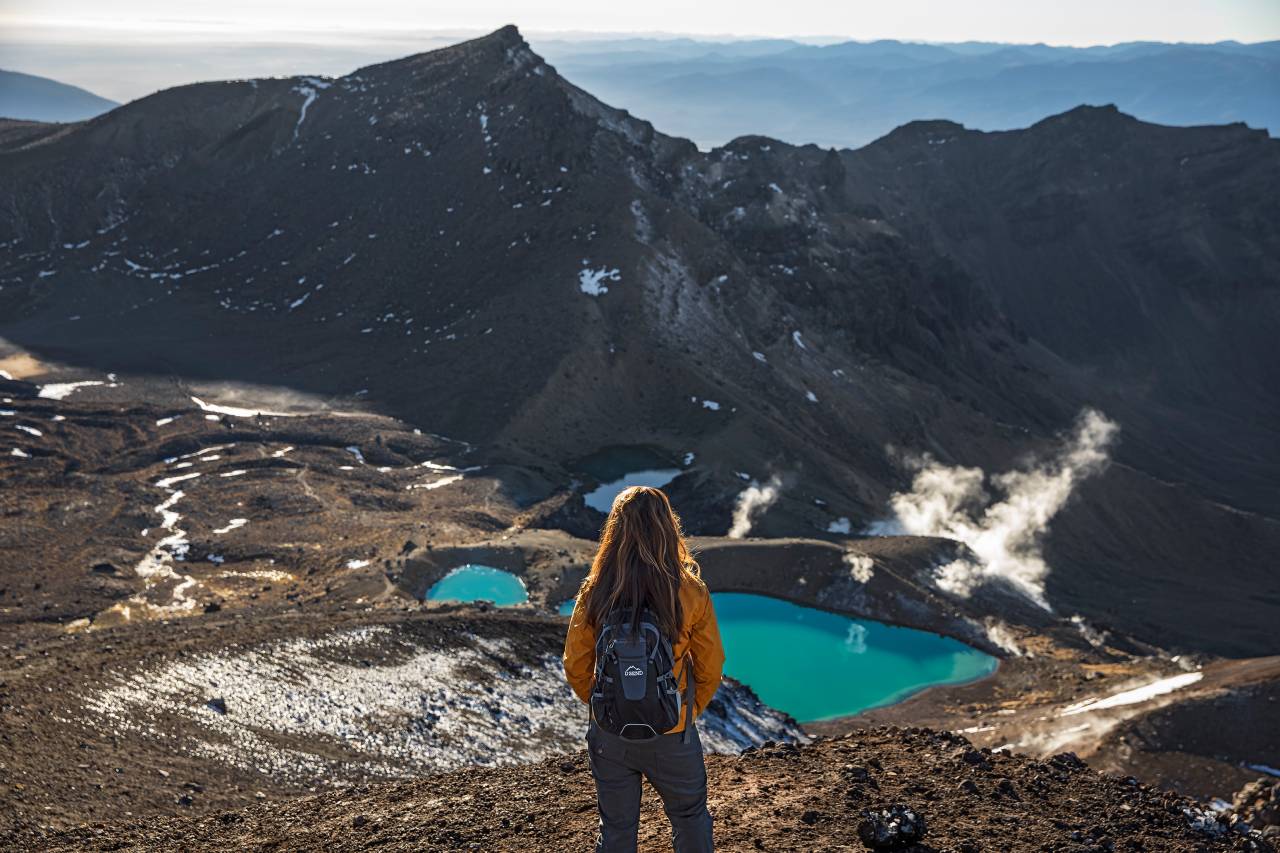
New Zealand’s Great Walks are in perfect condition in February. The Milford Track, Routeburn Track, and Tongariro Alpine Crossing are all fully accessible. However, hut bookings and guided departures fill up months in advance. Therefore, reserve your spot as early as possible. Browse guided hiking tour packages.
Beach and Water Activities
February is the best month for ocean swimming in New Zealand. Beaches in the Bay of Islands and Coromandel offer warm, clear water. Additionally, kayaking, surfing at Raglan, and stand-up paddleboarding are popular throughout the country. Abel Tasman National Park is also outstanding for sea kayaking.
Maori Cultural Experiences
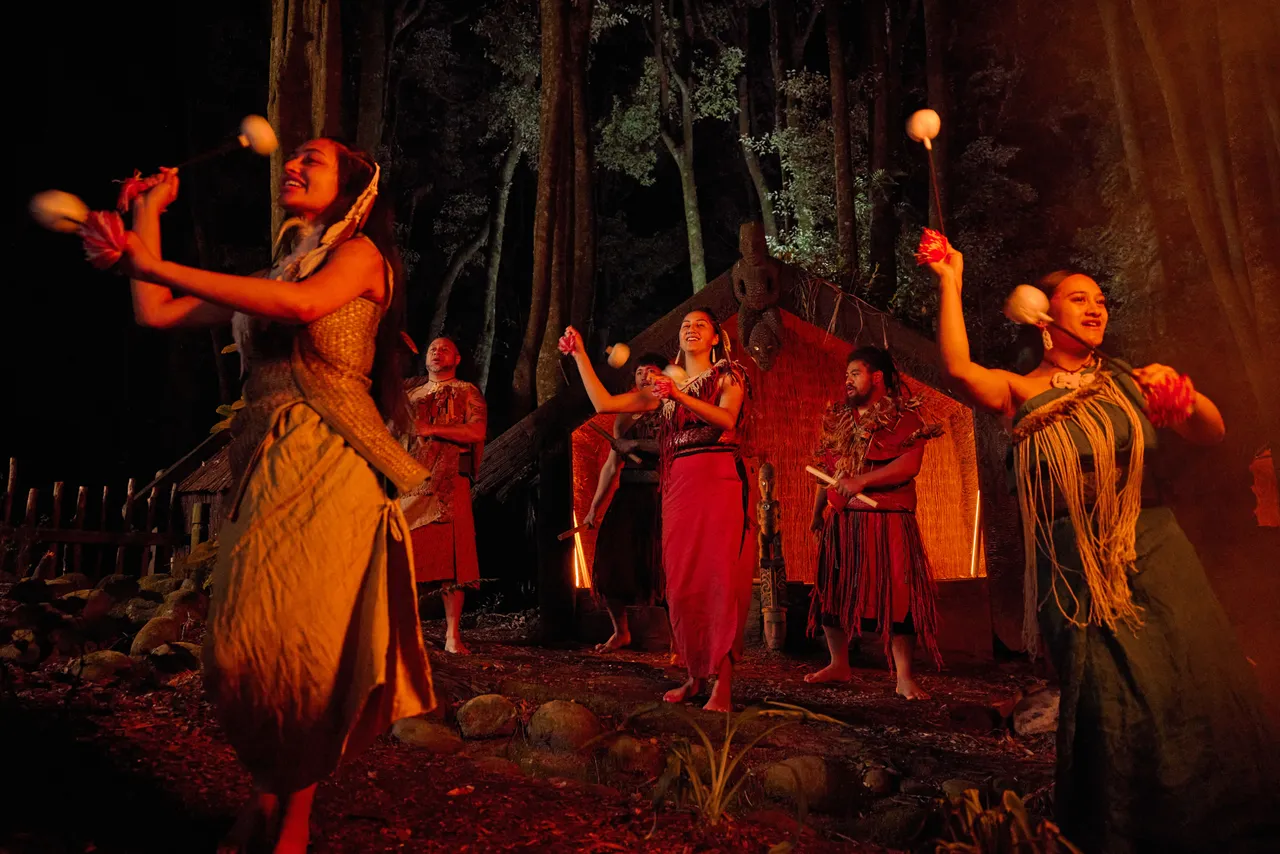
Maori culture is a living and thriving part of New Zealand society. First, visit Rotorua for guided cultural experiences at Te Puia or Tamaki Maori Village. Then, enjoy a traditional hangi feast cooked underground. Moreover, the Waitangi Treaty Grounds offer guided history tours, especially around February 6th.
Wine Tasting During February Harvest
Harvest season begins in February across New Zealand’s wine regions. Marlborough produces world-famous Sauvignon Blanc. Furthermore, Central Otago Pinot Noir and Hawke’s Bay Chardonnay are equally celebrated. Cellar door visits during harvest are particularly special and rewarding. See our wine tour packages.
Adventure Sports Across New Zealand
New Zealand offers world-class adventure activities in February. For example, Queenstown has bungy jumping, skydiving, and white-water rafting available daily. Similarly, Rotorua offers mountain biking through the Whakarewarewa Forest and the famous Kaituna River rafting. Explore our adventure tour packages.
February Festivals and Events in New Zealand
February is one of New Zealand’s most festive months. As a result, events take place across both islands throughout the month. See our full New Zealand festivals guide.
Waitangi Day – February 6th (Nationwide). This national holiday marks the 1840 signing of the Treaty of Waitangi. Celebrations happen nationwide. However, the most significant events are at the Waitangi Treaty Grounds in the Bay of Islands.
Napier Art Deco Festival – 18 to 21 February (Hawke’s Bay): Napier was rebuilt in the Art Deco style after a major 1931 earthquake. Therefore, it holds one of the world’s most concentrated collections of 1930s architecture. The festival includes vintage car parades, jazz performances, and guided architectural walks.
Marlborough Food and Wine Festival – Early February: This is New Zealand’s longest-running food and wine festival. Additionally, it coincides perfectly with the start of the Marlborough harvest season.
Splore Music Festival – Late February (Auckland Region): Splore is a boutique arts and music festival held near Auckland. It sells out each year, so book tickets well in advance.
Best February Tour Packages & Custom Itineraries
We offer a full range of tour styles for every type of traveler. Furthermore, all itineraries are fully customisable to your dates, budget, and travel style. Our team has been building New Zealand tours since 2008.
Self-Drive Tours – Follow a pre-planned route with pre-booked accommodation at every stop. You drive at your own pace and linger where you like. This is our most popular option for independent travelers.
Independent Coach Tours – Travel between destinations by scheduled coach service. This option gives you structure without being tied to a fixed group schedule.
Guided and Escorted Tours – A professional guide handles check-in, commentary, and logistics. Groups typically run 24-28 people. Therefore, these tours suit first-time visitors who want expert guidance throughout their trip.
Small Group Tours – Groups cap at 12-18 guests for a more personal experience. Furthermore, smaller groups often gain access to exclusive experiences that standard tours miss entirely.
Motorhome Holidays – Drive and sleep in one vehicle for maximum flexibility. In February, motorhome tours are especially popular for South Island road trips.
Luxury Private Tours – Travel with a dedicated driver-guide and stay in premium lodges. Additionally, your entire itinerary is built around your personal interests and schedule.
You can also browse by destination: North Island tours, South Island tours, or tours covering both islands. For something unique, explore our Lord of the Rings tours, honeymoon packages, or bike tours.
Start planning with a custom itinerary | Enquire now
What to Pack When Visiting New Zealand in February
Pack for warm days, but also prepare for sudden changes in the weather.
- Light summer clothing for daytime activities
- A warm fleece or layer for cool evenings, especially in Queenstown and alpine areas
- A light waterproof jacket because New Zealand weather changes quickly
- SPF 50+ sunscreen, hat, and UV-rated sunglasses as UV levels are dangerously high
- Insect repellent for Fiordland and the West Coast, where sandflies are persistent
- Sturdy walking shoes or hiking boots for trails and national parks
- New Zealand Type I plug adapter for your electronics
Book Your February Trip to New Zealand
Our team has been building New Zealand itineraries for international travelers since 2008. As a result, we know how to make the most of February’s conditions and avoid common planning mistakes.
Browse all New Zealand tours | Build a custom itinerary | Enquire now
North Island Tour Packages with February Departures
Self Drive Tours with Daily Departures
- 5 Day North Island Self Drive Tour: Thermal Wonder
- North Island New Zealand Road Trip – 7 Day Northern Splendour
Independent Coach Tours with Daily Departures
- 5 Day Auckland Stay & Explore: Unpack Once, See it All
- 7 Day North Island Coach Tour: Northern Delights
- 5 Day North Island New Zealand Itinerary: Thermal Discovery
Small Group Tours (12-18 Travelers)
- 4 Day North Island Small Group Tour: Far North Escape
- 11 Day Ultimate North Island Tour: A Full Loop from Auckland
- 7 Day North Island Small Group Tour: Auckland Loop
Guided Tours (24-28 Travelers)
Budget Small Group Tours (16-24 Travelers) with February Departures
Budget Adventure Tours for Young Adults with February Departures
- 11 Day North Island Backpacking Journey: From Cape to Coast
- 7 Day North Island Adventure Tour: Auckland Loop
- 10 Day North Island Adventure Tour
- 11 Day North Island Adventure Tour: Ultimate North
South Island Tour Packages with February Departures
Self Drive Tours with Daily Departures
- 10 Day South Island Scenic Self Drive & Train Journey
- 6 Day Self Drive & Coastal Pacific Train Tour: Kaikoura & Marlborough
- PurePod New Zealand: 5 Day Ultimate Self Drive Experience
- 7 Day South Island New Zealand Itinerary – Southern Splendour
- New Zealand South Island Itinerary: 6 Day Southern Highlights
- Self Drive Tour South Island New Zealand: 11 Day Glacier Wonder
- 7 Day South Island New Zealand Itinerary: West Coast Highlights
- 9 Day South Island Self Drive Tour: Lakes & Glaciers
Independent Coach Tours with Daily Departures
- 5 Day Queenstown Tour package: Stay and Explore Coach Tour
- 5 Day Christchurch Stay and Explore Coach Tour Package
- 13 Day South Island Coach Tour: Sensational Southland
- 12 Day South Island Coach Tour: Wild & Wonderful
- 9 Day South Island Coach Tour: Seasonal Sensation
- 8 Day South Island Bus Tour: Mountains to Sea
- 7 Day South Island New Zealand Tour: Splendid South
Small Group Tours (12-18 Travelers)
- 14 Day South Island Ultimate Journey: Complete Loop from Christchurch
- 7 Day South Island Small Group Tour: Pioneer Experience
- 7 Day South Island Small Group Tour: Christchurch Loop
- 14 Day South Island Walking Adventure Tour
- 12 Day South Island Guided Tour: South’s Iconic Highlights
Guided Tours (24-28 Travelers)
- 13‑Day South Island Discovery Tour: Golden Beaches, Vineyards, Alpine Rail & Fjord Wilderness
- 9 Day South Island Guided Coach Tour: Scenic Train Crossing & Milford Sound
- 11 Day South Island Guided Coach Tour
Budget Small Group Tours (16-24 Travelers) with February Departures
- 15 Day South Island Tour: Kaikōura to Milford Sound
- 8 Day Glacier & Milford Sound Tour: New Zealand South Island Small Group Tour
- 8 Day South Island Hidden Gems Small Group Tour
Budget Adventure Tours for Young Adults with February Departures
- 14 Day Best of the South Island: Small Group Adventure
- 7 Day South Island Adventure Tour: Southern Loop
- 7 Day South Island Backpacker Tour: Budget Adventure
- 11 Day South Island Adventure Tour
- 14 Day South Island Walking Adventure Tour
- 14 Day South Island Adventure Tour: Ultimate South
- 8 Day New Zealand South Island Adventure Tour: Classic South
Luxury Private Tours
- 4 Day Luxury Wilderness Trip: Queenstown & Fiordland Escape
- 10 Day South Island Scenic Self Drive & Train Journey
- 10 Day South Island Luxury Private Tour: Lodge Escape
- 6 Day Self Drive & Coastal Pacific Train Tour: Kaikoura & Marlborough
- 8 Day Central Otago Luxury Tour: Adventure in Style
- 6 Day Fiordland Luxury Experience: Hollyford Track Guided Walk
- 5 Day Southern Lakes, Fiordland & Milford Sound Cruise
- PurePod New Zealand: 5 Day Ultimate Self Drive Experience
- Stewart Island Tour: 4 Day Wilderness & Wildlife Private Trip
Both Island Tour Packages with February Departures
Self Drive Tours with Daily Departures
- 13 Day New Zealand Campervan Trip
- 20 Day New Zealand Honeymoon Package
- New Zealand Self Drive Itinerary – 8 Day North & South Highlights
- 7 Day New Zealand Itinerary: Essential NZ Drive & Fly
- 10 Day New Zealand Itinerary: Scenic NZ Self Drive Tour
- 14 Day New Zealand Motorhome Itinerary: Best of NZ
- BEST OF NEW ZEALAND – New Zealand Travel Itinerary 2 Weeks
- New Zealand Hiking Tour: 22 Day Self Drive Adventure
- 12 Day Self Drive Tour: Majestic New Zealand
- 21 Day New Zealand Lord Of The Rings Tour
- 20 Day New Zealand Self Drive Tour: Nature & Wildlife Experience
Independent Coach Tours with Daily Departures
- 15 Day New Zealand Lord of the Rings Tour
- New Zealand Itinerary 7 Days: North & South Discovery
- New Zealand Bus Tour: 17 Day Discover New Zealand
- 15 Day New Zealand Train & Coach Tour: The Great New Zealand Train Journey
- 11 Day New Zealand Itinerary: Magnificent NZ Coach & Train
Motorhome Packages
Small Group Tours (12-18 Travelers)
- 21‑Day New Zealand Odyssey Journey: Small Group Experience
- 18 Day New Zealand Small Group Tour: From the Far North to Fiordland
- 25 Day New Zealand Small Group Tour: The Ultimate Showcase
- 11 Day New Zealand Small Group Tour: Coastal Discovery
- 14 Day New Zealand Small Group Tour: Signature Highlights
- 17 Day New Zealand Small Group Tour: North and South Highlights
- 21 Day New Zealand Small Group Tour
- 19 Tage Rundreise zu den schönsten Nationalparks Neuseelands
Guided Tours (24-28 Travelers)
- 12 Day New Zealand Guided Coach & Scenic Train Tour
- 19 Day New Zealand Guided Coach Tour
- 10 Day North & South Guided New Zealand Tour
- 17 Day New Zealand Guided Tour: Ultimate New Zealand
- 18 Day New Zealand Guided Tour: Classic NZ Panorama
Budget Small Group Tours (16-24 Travelers) with February Departures
- 25 Day New Zealand Backpacker Tour: North & South Island Adventure
- 19 Day New Zealand Winter Tour: Auckland to Christchurch
- 24 Day New Zealand Budget Tour: Complete Small Group Experience
- 13‑Day New Zealand Small Group Tour: North to South
Budget Adventure Tours for Young Adults with February Departures
- 11 Day New Zealand Tour: From Bay of Islands to Milford Sound
- 11 Day New Zealand Tour: Bay of Islands to Abel Tasman
- 14 Day New Zealand Adventure Tour: North & South Island Escape
- 18 Day New Zealand Tour for Young Adults: North to South Discovery
- 18 Day New Zealand Tour for Solo Travelers: Far North & South
- 25 Day New Zealand Backpacker Tour: North & South Island Adventure
- 21 Day New Zealand Adventure Tour: Ultimate Fly & Coach Journey
- 14-Day North & South Island Fly-In Small Group Adventure
- 18 Day New Zealand Flashpacker Adventure: North & South
- 20 Day New Zealand Adventure Tour
- 23 Day New Zealand Adventure Tour: Kea
- New Zealand Hiking Tour: 22 Day Self Drive Adventure
- 16 Day New Zealand Adventure Tour: Grand Traverse
Luxury Private Tours
- 14 Day New Zealand Exclusive Private Tour: South Island Highlights & North Island Culture
- 7 Day New Zealand Premium Food & Wine Discovery
- 7 Day Exclusive Private Tour: New Zealand Discovery
- 10 Day New Zealand Educational Private Tour
Honeymoon Coach Tour Package
New Zealand Cruises with February Departures
- 8-Day Stewart Island Cruise: Wilderness and Wildlife Adventure
- 6-Day Fiordland & Stewart Island Explored
- 5-Day Queen Charlotte Sound Cruise: Walking & Sailing Tour
- 13-Day New Zealand Coastal Cruise Expedition
- 7-Day Northern Fiords Cruise: Expedition Through Fiordland’s North
- Marlborough Sounds Cruise | 7-Day NZ Expedition
- 5 Day Fiordland Voyage: Doubtful Sound Cruise
- 9-Day Top of the South Cruise
- 7-Day Southern Fiords Cruise Discovery
- 5-Day Dusky Sound Cruise: Explore Remote Fiordland
- 10‑Day Fiordland Expedition Cruise – All the Fiords
FAQs
Is February a good time to visit New Zealand?
Yes. February offers warm weather, long days, and fewer local crowds than January. However, peak-season prices apply. Therefore, book accommodation and activities as early as possible.
How warm is New Zealand in February?
The North Island averages 23-26 degrees Celsius during the day. The South Island averages 19-23 degrees. Additionally, UV levels are extremely high, so daily sun protection is essential.
Can you swim in the ocean in New Zealand in February?
Yes. February offers the warmest sea temperatures of the year. Beaches in the Bay of Islands, Coromandel, and Mount Maunganui are ideal for swimming and water sports.
How many days do I need in New Zealand?
A minimum of 14 days allows you to comfortably see both islands. However, three weeks gives you a more relaxed and thorough experience. See our New Zealand itinerary ideas for detailed route options.
What tours does NZ Tourism offer for February travel?
We offer self-drive tours, independent coach tours, guided escorted tours, small group tours, and luxury private tours. All options are fully customisable.
Is February expensive in New Zealand?
Yes. February is peak season, so accommodation and rental car prices are at their highest. Nevertheless, early booking and package deals help reduce costs considerably. Alternatively, the shoulder seasons of March and April offer similar weather at lower prices.
What are the main February events in New Zealand?
The key events include Waitangi Day on February 6th and the Marlborough Food and Wine Festival in early February. Additionally, the Napier Art Deco Festival runs in mid-February. Finally, the Splore music festival takes place in late February. Each event suits a different travel style.
When is the Napier Art Deco Festival?
The next confirmed edition runs 18 to 21 February 2027 in Hawke’s Bay. The festival features vintage car parades, jazz performances, and guided architectural walks through Napier’s Art Deco district, rebuilt after the 1931 earthquake. See our Hawke’s Bay activities page for more on the region.
Is Splore Festival happening in February?
Splore typically runs in late February near Auckland most years, though the exact dates and venue for the next edition should be confirmed directly with the festival before booking travel, as details can shift year to year.